Most museums focus on art or history or science. This New Hampshire museum focuses on something narrower, and that focus is exactly what makes it fascinating.
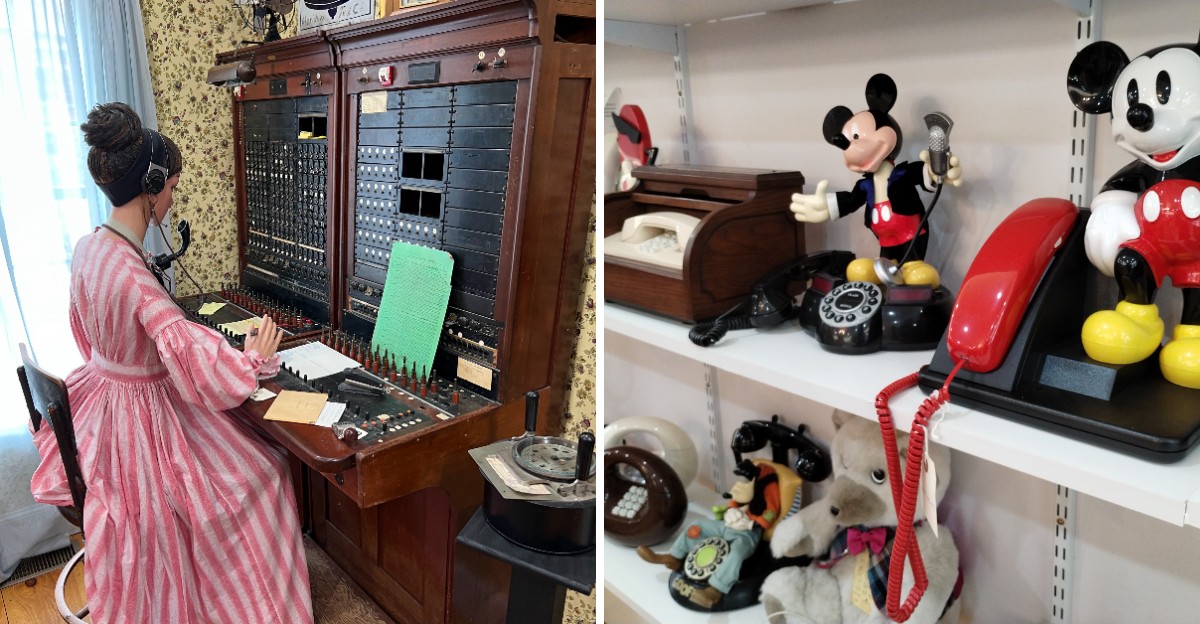
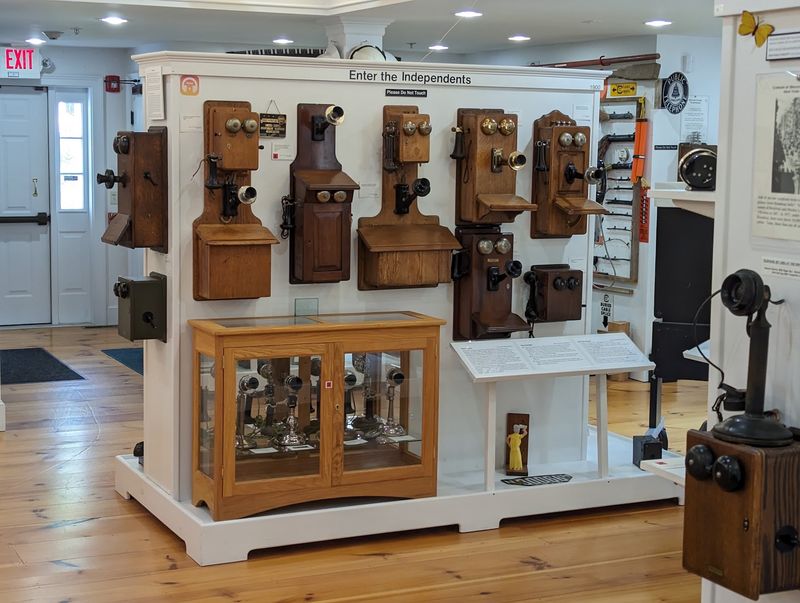
The collection includes nearly a thousand telephones and related artifacts, spanning from wall-mounted wooden models to candlestick phones to rotary dials to novelty phones shaped like cartoon characters. The exhibits tell the story of how communication changed, from the race to patent the telephone to the switchboard operators who connected every call.
You can see how the technology evolved and how it shaped daily life. The museum also offers hands-on activities, which makes it engaging for visitors of all ages.
Whether you remember using a rotary phone or have only ever seen one in a photograph, there is something here that will surprise you. That is the thing about this New Hampshire museum.
It takes a familiar object and makes it feel new again.
A Small Town Stop With a Big Ringtone
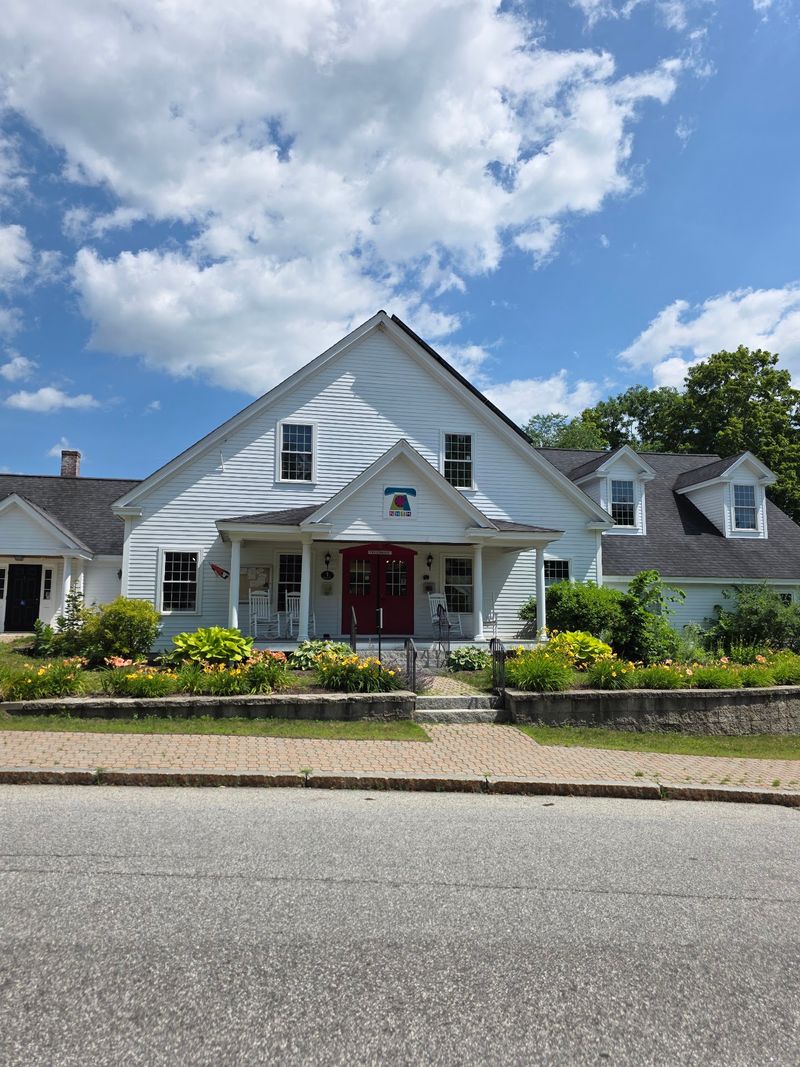
Blink while driving through Warner and you might miss the whole downtown. That would be a shame, because this quiet village packs a surprise worth slamming the brakes for.
The New Hampshire Telephone Museum sits just a short hop off Interstate 89, which makes it a perfect road trip pit stop. Plenty of folks spot the roadside sign, raise an eyebrow, and wonder what on earth a telephone museum could hold.
Spoiler alert. It holds a lot.
Warner itself is classic small-town New England. Think white steeples, tidy storefronts, and hills that blaze orange and red when autumn rolls in.
You get that cozy, unhurried feeling the second you park.
Inside, the museum feels bigger than its outside suggests. Rooms flow into each other like chapters in a storybook, each one revealing a new twist in the tale of how humans learned to talk across distance.
Here is a tip. Pair your visit with the nearby Mount Kearsarge Indian Museum for a full day of learning without much driving.
Kids get a double dose of discovery, and you get bragging rights for planning the smartest day trip in the region.
Not bad for a town you almost blinked past.
Nearly a Thousand Phones Under One Roof
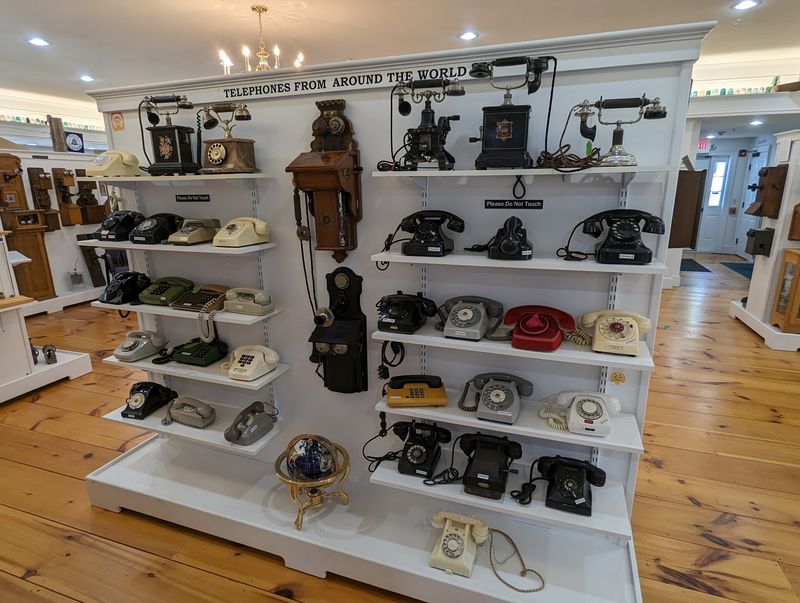
Brace your eyeballs. Phones line the walls, fill the cases, and perch on shelves in such numbers that you start wondering who dusts them all.
The collection here stretches across more than a century of telephone history. You can trace the whole family tree, starting with clunky wooden wall boxes and ending with sleek mobile devices that once felt futuristic.
Candlestick phones stand tall like tiny lampposts. Heavy desk sets look sturdy enough to survive a hurricane.
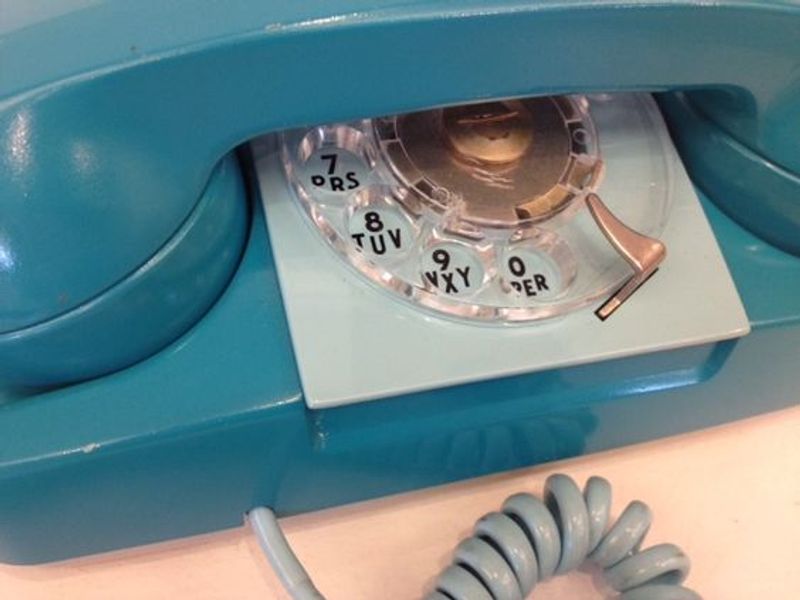
Princess phones in soft pastel shades still look cute enough to steal for your bedroom.
What makes the New Hampshire Telephone Museum special is how clearly everything is organized. Displays move in a logical order, so you actually see how each design improved on the last one.
It feels less like a pile of gadgets and more like watching invention unfold.
Witty captions sit beside many pieces, and they are genuinely fun to read. Expect clever jokes mixed with real facts, which keeps your brain awake and your face smiling.
Bring patience and comfy shoes. Rushing through would be like skimming the last page of a mystery novel.
Slow down, read the labels, and let each ring of history sink in.
Plug In Like a Switchboard Operator
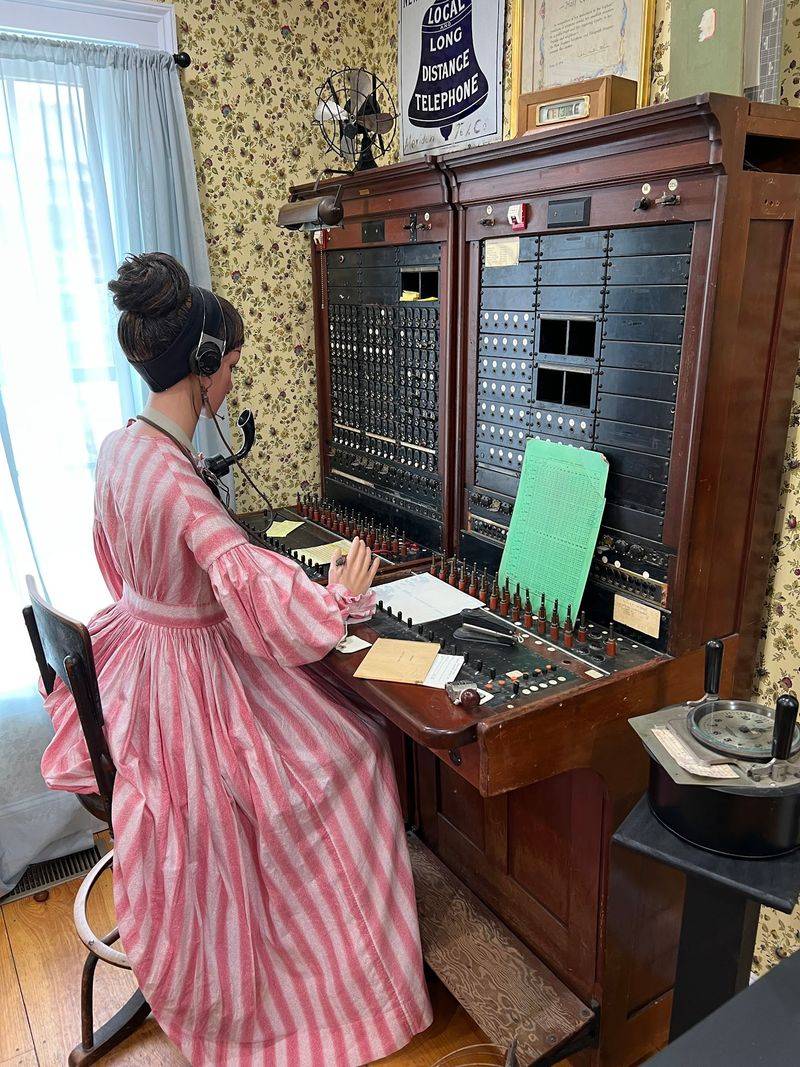
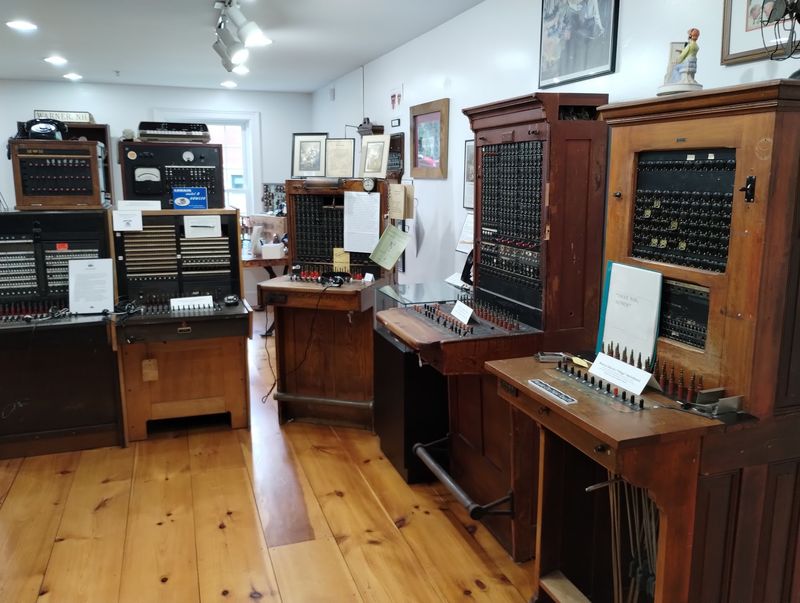
Long before anyone tapped a contact name, real people connected every call by hand. Operators sat at giant boards bristling with cords, plugging and unplugging at lightning speed.
You get to try that job yourself here. A working switchboard lets you grab a cord, pick a jack, and connect a line just like operators once did.
It sounds easy. It is not.
Within seconds, you realize how sharp those workers had to be. Juggling multiple calls, remembering which line went where, and staying polite the whole time took serious skill.
Honestly, it might change how you think about customer service forever.
Kids adore this station because it feels like playing a giant board game with wires. Adults enjoy it just as much, though they may pretend they are only helping the children.
Take a moment to look at the craftsmanship too. Polished wood, brass fittings, and neat rows of jacks give these machines a handsome, almost furniture-like charm.
Fun fact for the road. Early telephone companies often hired young women as operators, and these jobs opened doors for many of them in the working world.
That little cord in your hand carries a big slice of social history.
Meet Cher Ami, the Feathered War Hero
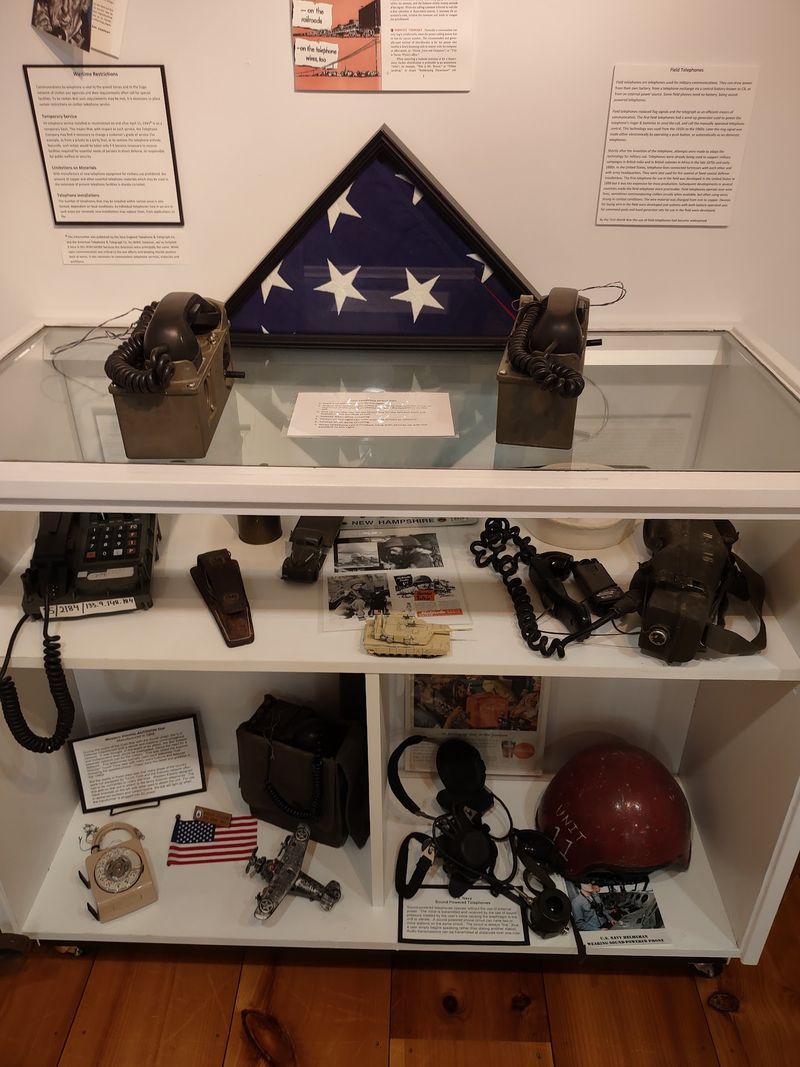
Plot twist. One of the stars of a telephone museum has wings, a beak, and absolutely no dial tone.
Communication history goes way beyond wires, and this museum proves it with a delightful display on carrier pigeons. These birds once flew urgent messages across battlefields when other methods failed.
The headliner is Cher Ami, a famous pigeon from the First World War. During a desperate moment, this brave bird delivered a message that helped save a group of trapped American soldiers.
Cher Ami was badly wounded on the flight but still completed the mission. Talk about dedication to the job.
Seeing pigeons in a phone museum might make you giggle at first. Give it a minute, though, and the story tugs at your heart.
It shows how people have always gotten creative when they needed to share news fast.
The exhibit also opens a fun conversation with kids. Ask them how they would send a message without phones, internet, or mail.
Watch their imaginations take flight.
So the next time a pigeon struts past you on a sidewalk, show a little respect. Its ancestors may have been heroes in feathered uniforms.
Sound Wave Lab for Curious Minds
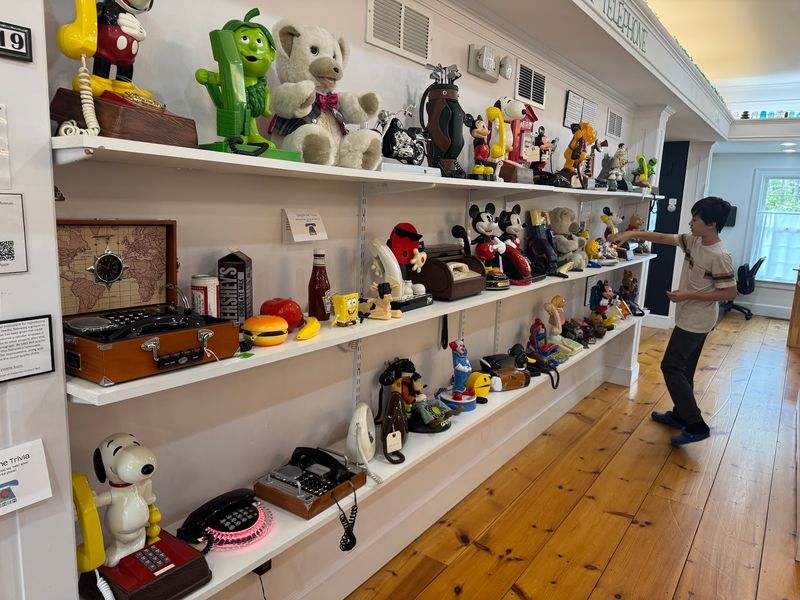
Warning. This room may turn your quiet, screen-loving kid into a tiny mad scientist.
The Sound Wave Lab is a hands-on space built to show how sound actually travels. Instead of reading about vibrations, you get to feel, hear, and test them yourself.
Learning sneaks in while everyone thinks they are just goofing around.
Quirky gadgets fill the space. You can explore how voices move through materials, tap out messages in Morse code, and experiment with old-school ways of passing sound from one spot to another.
Every station invites poking, pushing, and listening.
Grown-ups, do not hang back by the doorway. This lab is sneakily fun for all ages, and nobody will judge you for tapping out a silly message in dots and dashes.
Teachers and homeschooling families will love how naturally science lessons fit in here. Concepts that feel dry on paper suddenly click when you can hear them in action.
A smart move is to visit the lab after touring the phone galleries. Once you have seen all those devices, understanding the science behind them makes everything connect.
It is the perfect wrap-up, like solving the final clue in a puzzle.
Your Old Flip Phone Is Probably Here
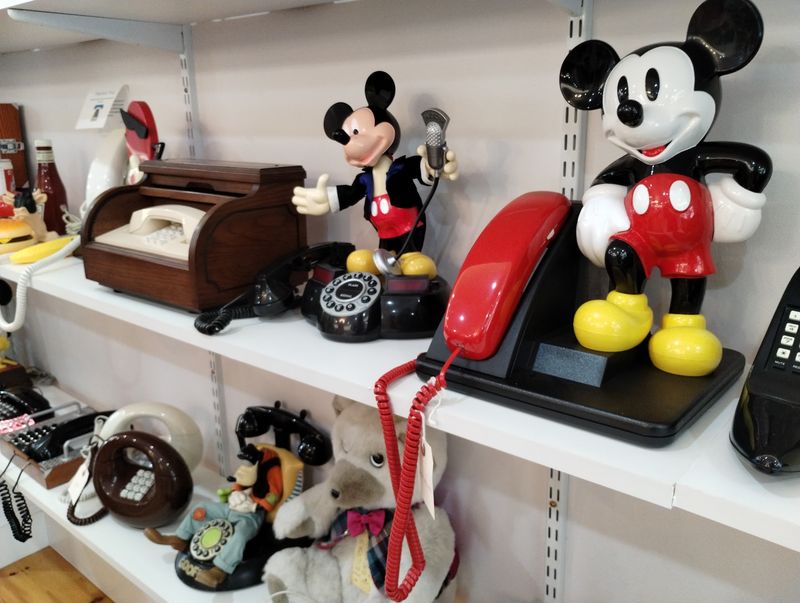
Prepare for a jolt of recognition. Somewhere in these cases waits the exact phone you once dropped in a puddle, bedazzled, or begged your parents to buy.
Nostalgia hits hard in the mobile section. Chunky early cell phones, folding models, and quirky novelty designs all make an appearance.
Spotting a familiar one feels like bumping into an old friend at the grocery store.
Novelty phones are a highlight too. Cartoon-character phones and other playful designs prove that people have always wanted their gadgets to show off a little personality.
This is where family visits get really fun. Parents point and shout, kids stare in disbelief, and suddenly everyone is swapping stories.
Expect phrases like you had to pull out an antenna and wait, there was no touchscreen.
Use this moment as a conversation starter. Ask older relatives what their first phone was, how much they talked on it, and what they miss about it.
You might hear stories nobody ever told you before.
The display also makes you appreciate how fast technology races forward. Something that felt cutting edge not long ago now sits behind glass.
Makes you wonder what your current phone will look like in a museum someday.
Cables Beneath the Sea and Other Big Ideas
Somewhere deep under the ocean, cables snake along the sea floor carrying messages between continents. Wild, right?
This museum makes that mind-bending idea easy to grasp.
Exhibits here cover the bigger story of communication, not just the phones themselves. You learn how undersea cables helped link the world together, turning messages that once took weeks into something nearly instant.
Displays explain the engineering in plain language. You see how cables were built, how they were laid across vast stretches of water, and why they mattered so much.
Suddenly, a simple phone call feels like a tiny miracle.
Other sections explore the inventors behind the technology and how area codes came to be. That last one surprises plenty of people, since few ever stop to wonder who decided those digits.
The museum also highlights contributions from people whose roles often get left out of history books, including African American innovators in the telephone industry. It adds depth and makes the story feel fuller and more honest.
History buffs could easily lose an extra hour in these rooms. Grab a bench if you need one, read slowly, and let the big picture come together piece by piece.
Local Railroad Roots and Community Spirit
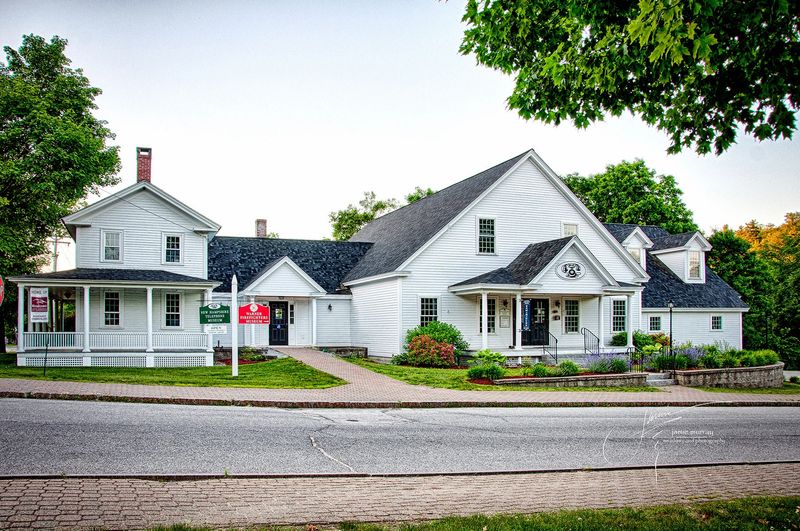
Check the street name on the way in. Depot Street is a clue that this town once buzzed with trains as well as telephones.
Alongside telecommunications, the museum weaves in bits of Warner history, including displays on the railroad that once served the area. It is a lovely reminder that small towns have big stories too.
That local flavor makes the New Hampshire Telephone Museum feel personal. You are not just learning about inventions in faraway cities.
You are seeing how new technology reached rural New England and changed daily life for families in villages like this one.
The museum also stays active in the community. Thoughtful events pop up through the year, giving neighbors and newcomers fresh reasons to stop in.
Exhibits get refreshed seasonally too, so a return trip often reveals something new.
Same building, bonus fun. A firefighter museum shares the space, offering a peek at how local firefighting worked in earlier days.
Little ones can even try on gear, which tends to produce adorable photos.
Plan a bit of extra time to explore Warner afterward. Strolling the quiet streets helps you picture the town as it was when the first phone lines arrived.
Smart Tips Before You Ring the Doorbell
Good planning turns a fun visit into a fantastic one. A few simple tricks will help you squeeze every drop of joy out of this place.
First up, give yourself time. Many people expect a quick peek and end up staying a couple of hours.
Rushing means missing those clever captions and hands-on stations, which are half the fun.
Second, consider grabbing the museum audio tour app on your phone. Yes, using a modern smartphone to learn about ancient phones is delightfully ironic.
Pack earbuds, since they help you hear clearly if other folks are exploring nearby.
Third, chat with the staff. The team here is famously friendly and bursting with knowledge about telephony.
Questions are welcome, and the answers often come with stories you will not find on any sign.
Accessibility is thoughtfully handled too, with clean restrooms designed for wheelchairs and limited mobility. That makes it easier for multigenerational families to visit together comfortably.
Finally, check the museum website before heading out, since schedules and special events can change by season. A quick look saves you from arriving to locked doors.
Trust me, nothing stings like driving all that way only to read a closed sign.
Find It, Dial It, Go Already
Consider this your official wake-up call. Somewhere in the Granite State, a room full of phones is waiting for you to pick up.
The New Hampshire Telephone Museum lives at 1 Depot St, Warner, NH 03278. It sits just off Interstate 89, so it slides easily into a drive between Concord and the Lake Sunapee region.
You barely need a detour.
Sweet bonus. The museum holds a glowing rating online, which tells you this little spot consistently delivers smiles.
Few roadside stops can say that with such confidence.
Seasons matter here in New Hampshire. Autumn wraps the drive in fiery leaves, summer brings lazy country roads, and spring paints the hills a fresh bright green.
Pick any of them and the scenery alone makes the trip worthwhile.
Round out the day with a stroll through Warner, a hike up Mount Kearsarge, or a visit to the neighboring Indian museum. Together, they create a full day of fresh air and fascinating stories.
So stop scrolling, grab your keys, and point the car toward Warner. History is ringing, and I promise this is one call you will not want to send to voicemail.
