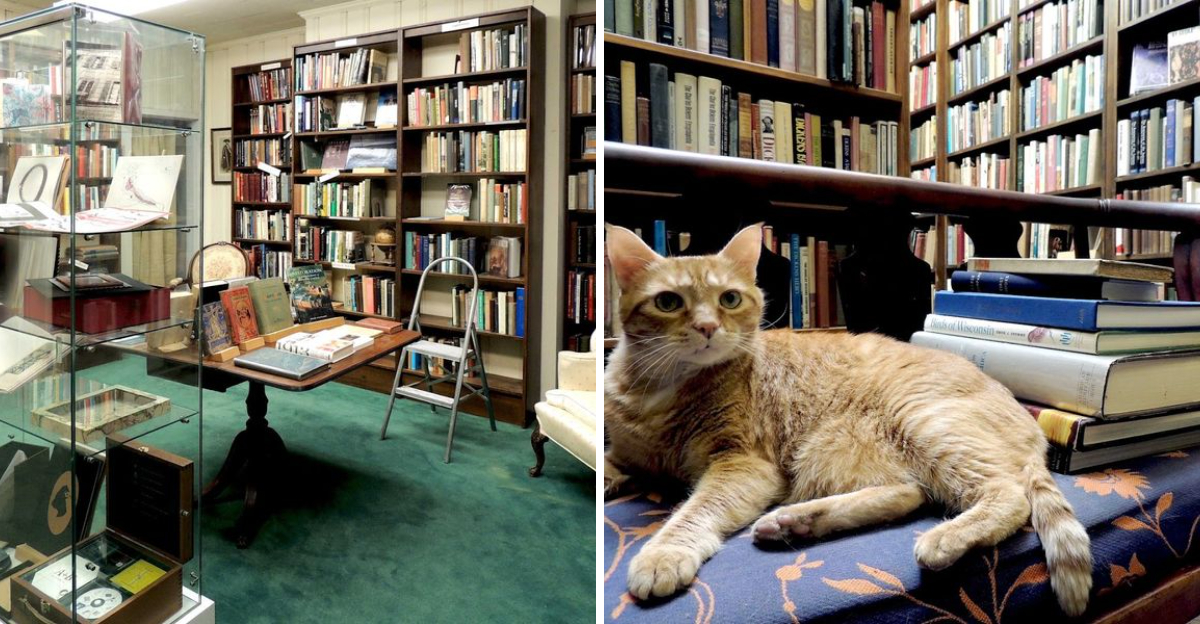
There is something magical about holding a first edition. The history, the craftsmanship, the sense of owning a piece of literary past.
This Maryland bookstore is packed with beautiful first editions and rare finds that will make any book lover swoon. Shelves lined with treasures, from classic novels to obscure poetry collections.
The staff knows the inventory inside and out, and they love helping customers discover something special. Locals have been coming here for years.
Visitors find it and feel like they struck gold. The atmosphere is quiet and inviting, the kind of place where you can lose track of time.
That is the beauty of a Maryland rare book shop. A treasure trove of literary gems and a sanctuary for anyone who loves the written word.
Savage Mill, a Setting Unlike Any Other
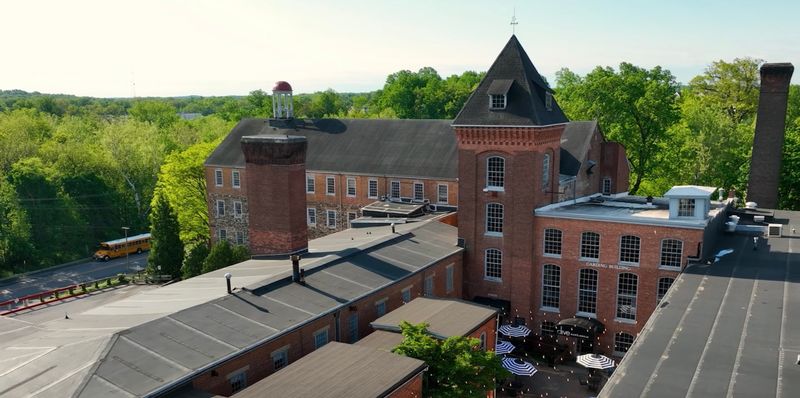
The location alone makes this bookshop worth visiting. Savage Mill is a historic converted cotton mill in Savage, Maryland, and it sits on the National Register of Historic Places.
The complex has been transformed into a community of artisan shops, small businesses, and dining spots, all housed inside buildings that carry more than a century of industrial history in their walls.
Kelmscott Bookshop occupies a space on the ground level of the Carding Building within the mill complex. The setting adds a layer of atmosphere that you simply cannot manufacture.
Old brick, wooden beams, and the quiet hum of a place that has reinvented itself without erasing its past create a mood that feels exactly right for a rare books shop.
The mill is situated less than a mile off I-95, making it surprisingly easy to reach whether you are coming from Washington D.C. or Baltimore. It genuinely does not feel like a detour.
It feels like a destination that rewards you for paying attention to the less obvious exits.
Wandering through the mill before or after visiting the bookshop is its own kind of pleasure. Historic photos and interpretive texts are scattered throughout the complex, quietly telling the story of the workers and machines that once filled these spaces.
The whole environment encourages a slower pace, which is exactly the right mindset for browsing rare books. You are not rushing here.
You are exploring.
Fran Durako and the Heart of the Shop
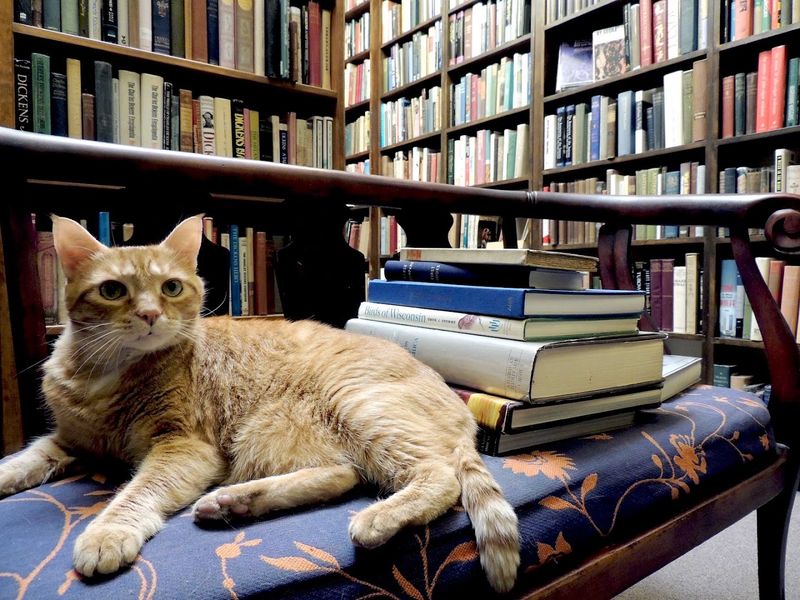
Some shops carry the personality of their owner in every corner, and Kelmscott Bookshop is one of them. Fran Durako acquired the shop in 2003, bringing with her a deep personal love for books about the Pre-Raphaelites, William Morris, and the world of private presses.
Before bookselling, she served as the chief information officer for a major law firm in Washington D.C., which tells you something about the kind of organized, detail-oriented mind running this operation.
Her connection to the Kelmscott name was not accidental. Morris’s home and press both carried the Kelmscott identity, and for someone already collecting books on Morris and his circle, taking over a shop with that name felt genuinely fitting.
That personal alignment shows in how the inventory is curated. Nothing feels random here.
Fran’s husband Steve also plays an active role in the shop’s daily life, managing customer service, handling shipping, and keeping the books organized. It is genuinely a family operation run by people who care deeply about what they sell.
That kind of ownership is increasingly rare in any retail environment.
Visitors who have made appointments often describe the experience as feeling more like a conversation with a knowledgeable friend than a standard shopping trip. Fran brings context and enthusiasm to every interaction.
Knowing the backstory of who runs this place makes browsing the shelves feel even more meaningful, because every book here was chosen by someone who truly loves them.
The Story Behind the Kelmscott Name
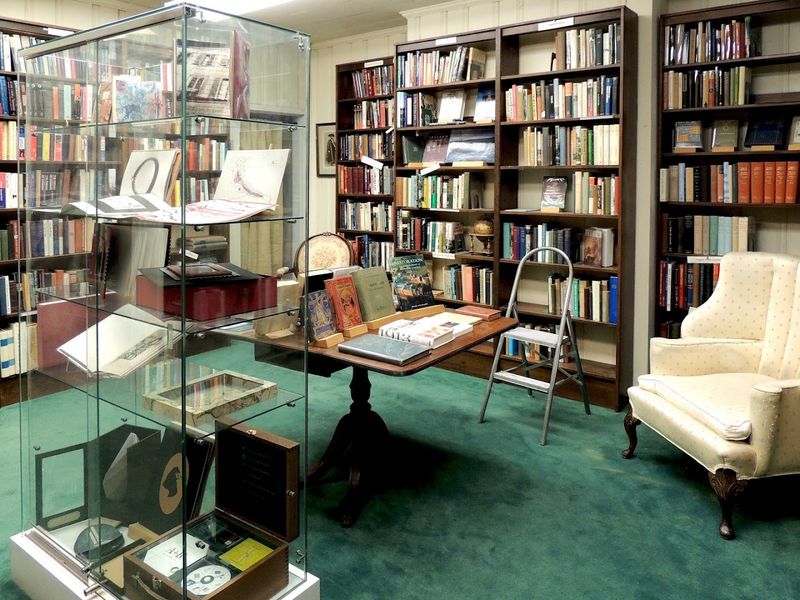
Not every bookshop name carries this much weight. The Kelmscott Bookshop takes its name directly from the Kelmscott Press, a legendary private press founded in 1891 by William Morris, the celebrated British designer, artist, and writer.
Morris created the press with one bold goal: to bring back the beauty and craft of bookmaking that he felt had been lost in the age of mass production.
Between 1891 and 1898, the Kelmscott Press produced 53 books across 66 volumes. Every single one was hand-printed in limited editions, usually around 300 copies each.
Morris personally designed the typefaces, sourced proprietary inks, and even specified the handmade paper used in production.
Many of those volumes featured illustrations by Edward Burne-Jones, one of the most celebrated Pre-Raphaelite artists of the era. The aesthetic Morris chased was deliberately rooted in 15th-century printing traditions, a conscious rejection of the industrial age surrounding him.
His obsession with detail was extraordinary by any standard.
The Kelmscott Press is widely credited with launching the contemporary fine press movement, a tradition that values books as art objects rather than just containers of text. When Fran Durako chose to keep this name for her Maryland shop, it was not a casual decision.
It was a declaration of values, a signal to every customer that what lives on these shelves is taken seriously. The name sets the tone before you even walk through the door.
First Editions and What Makes Them Special
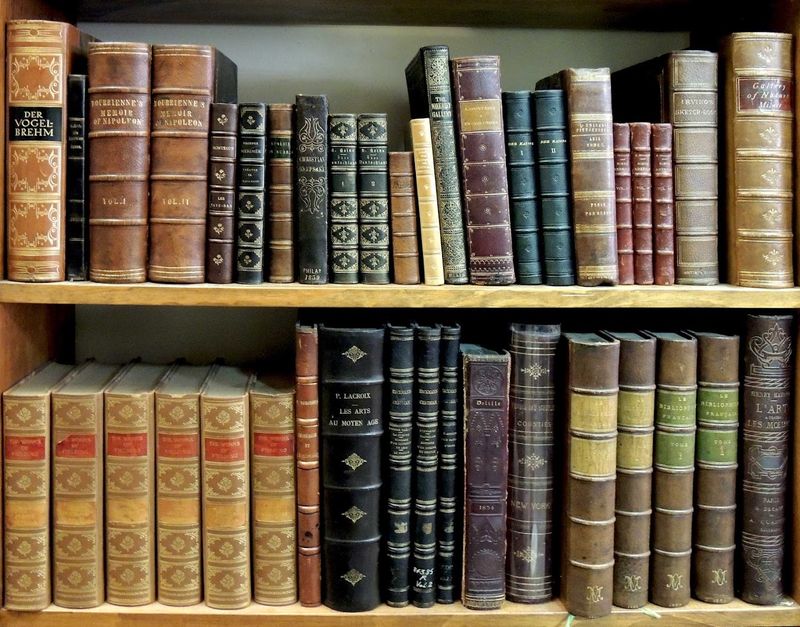
First editions have a pull that is hard to explain to someone who has never held one. There is something genuinely different about touching a book that was printed at the same moment an author first shared their work with the world.
Kelmscott Bookshop carries first editions from notable authors, and the selection reflects the shop’s commitment to quality over quantity.
A first edition does not automatically mean expensive, though some certainly are. What it means is that you are holding a piece of literary history in a very direct way.
The paper, the binding, the typography all reflect the era in which the book was made. That physical connection to the past is part of what collectors find so compelling.
The shop’s approach to acquiring new stock is selective and thoughtful. Books must be in very good condition or better to make it onto these shelves.
Condition matters enormously in the rare book world, because a damaged copy of even a significant title loses much of its appeal and value. Kelmscott holds its inventory to a high standard.
For readers who have never bought a first edition before, this shop is actually a wonderful place to start learning. Rarity is not always about price, as the owners are quick to point out.
Importance, scarcity, and desirability all factor into what makes a book rare. Browsing here teaches you something new about books every single time you visit, and that educational quality is genuinely one of its best features.
19th-Century English Literature and Pre-Raphaelite Treasures
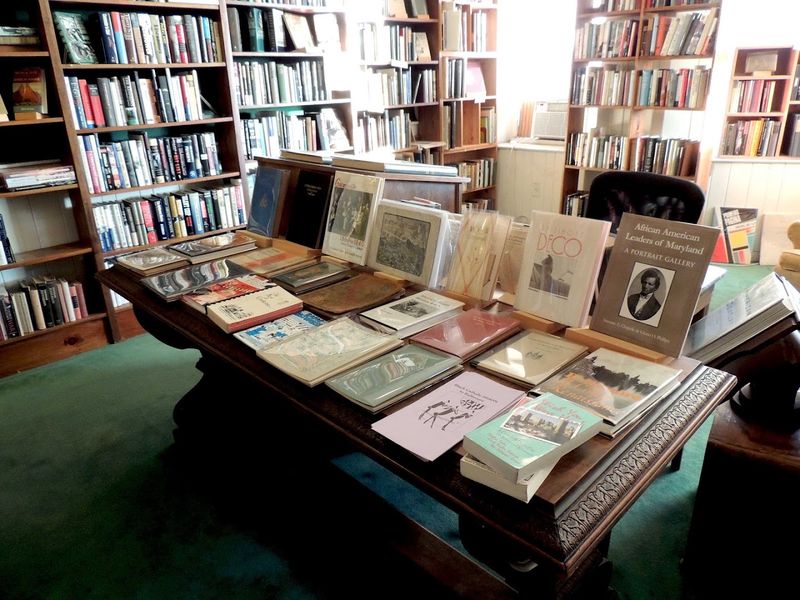
If you have ever been fascinated by the lush, romantic world of Victorian England, Kelmscott Bookshop feels almost designed for you. The shop has a strong focus on 19th-century English literature, and its holdings related to William Morris and the Pre-Raphaelite movement are particularly impressive.
These are not just old books. They are artifacts of a cultural moment that changed how people thought about art, beauty, and the relationship between craft and daily life.
The Pre-Raphaelites were a group of painters, poets, and thinkers who pushed back against what they saw as the cold formalism of mainstream art. Their work was rich with symbolism, medieval imagery, and an almost defiant celebration of beauty.
Books connected to this movement are genuinely sought after by collectors around the world.
Finding a shop with a dedicated focus on this area is not something that happens every day. Most general antiquarian shops might have one or two relevant titles scattered across their shelves.
Here, the concentration is intentional and reflects the owner’s own collecting passion, which gives the selection a depth that casual curation simply cannot replicate.
Even if you are not already a Pre-Raphaelite enthusiast, spending time with these books can spark a real curiosity. The illustrations alone in some volumes are extraordinary.
There is a visual richness to this corner of literary and artistic history that photographs on a screen can never fully capture. Holding the actual books changes everything about how you understand the era.
Illuminated Manuscripts and Incunabula, Windows Into the Medieval World
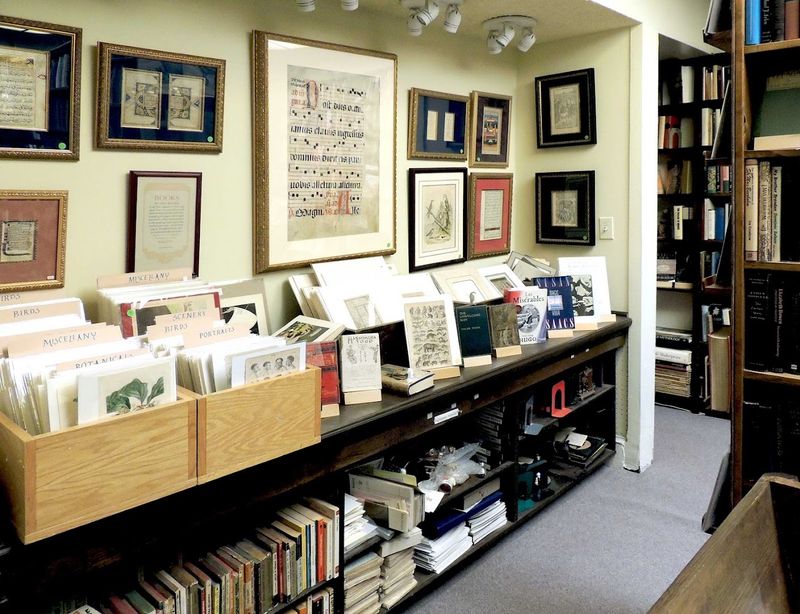
Very few bookshops anywhere in the country carry illuminated manuscripts and incunabula, which makes Kelmscott’s holdings in these areas genuinely remarkable. Incunabula refers to books printed before the year 1501, during the earliest decades of the printing press.
These are among the oldest printed books in existence, and finding them in a small Maryland shop hidden inside a mill building feels almost surreal.
Illuminated manuscripts predate even the printing press. They were created by hand, often by monks working with extraordinary patience and skill.
The decorative elements, gold leaf, painted borders, miniature illustrations, were not mere ornamentation. They were expressions of devotion and artistry that took months or even years to complete.
Handling something that old, even carefully and briefly, connects you to a timeline of human history in a way that almost nothing else can.
A manuscript page that survived the medieval period, the Renaissance, the Industrial Revolution, and two world wars to end up on a shelf in Savage, Maryland has a story attached to it that no novel could fully capture.
The shop’s willingness to carry items of this caliber says a lot about the seriousness of its operation. These are not decorative pieces meant to look impressive on a shelf.
They are legitimate historical artifacts handled by people who understand their significance. For anyone with even a passing interest in medieval history or the history of the book itself, this aspect of Kelmscott’s inventory is worth a special trip on its own.
Folklore, the Occult, and the Unexpected Corners of the Collection
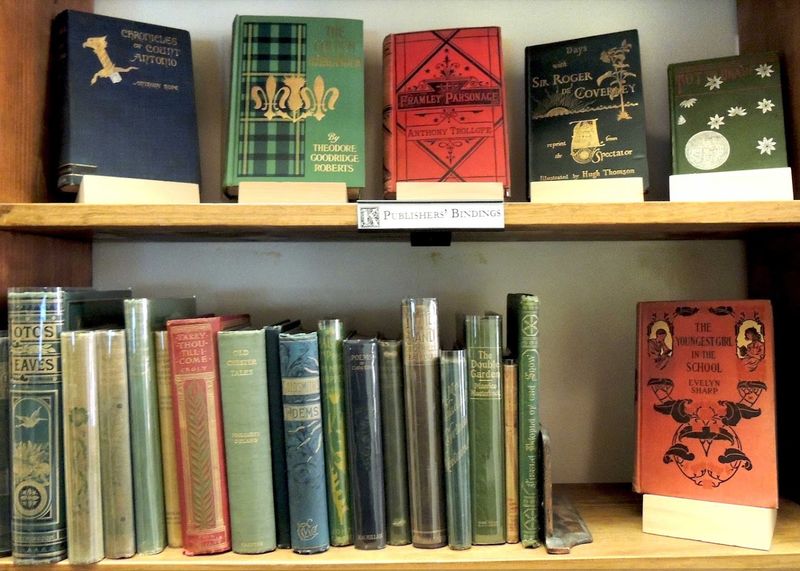
One of the genuine surprises about Kelmscott Bookshop is how far the collection stretches beyond what you might expect from a rare books dealer. Yes, there are the expected literary first editions and fine bindings.
But hidden alongside them are books on folklore, mythology, and the occult, subjects that attract a completely different kind of reader and collector.
Books on the occult have a fascinating history of their own. Many were printed in very small quantities, circulated in restricted networks, or deliberately kept out of mainstream publishing channels.
That historical scarcity makes surviving copies genuinely rare in the truest sense of the word. Finding good examples in excellent condition is not easy, which is exactly why serious collectors seek them out.
Folklore and mythology titles carry their own appeal. They preserve oral traditions, regional legends, and cultural stories that might otherwise have been lost entirely.
A well-preserved 19th-century folklore collection from a specific region tells you as much about the people who lived there as any formal history book ever could. That kind of cultural record has real value.
The breadth of this collection is part of what makes the shop feel alive rather than static. It is not curated around a single narrow taste.
There is genuine variety here, the kind that rewards browsers who are willing to pull a book off the shelf without knowing exactly what they are looking for. Some of the best finds come from the sections you were not expecting to stop at.
That is the magic of a well-stocked rare bookshop.
Planning Your Visit to Kelmscott Bookshop
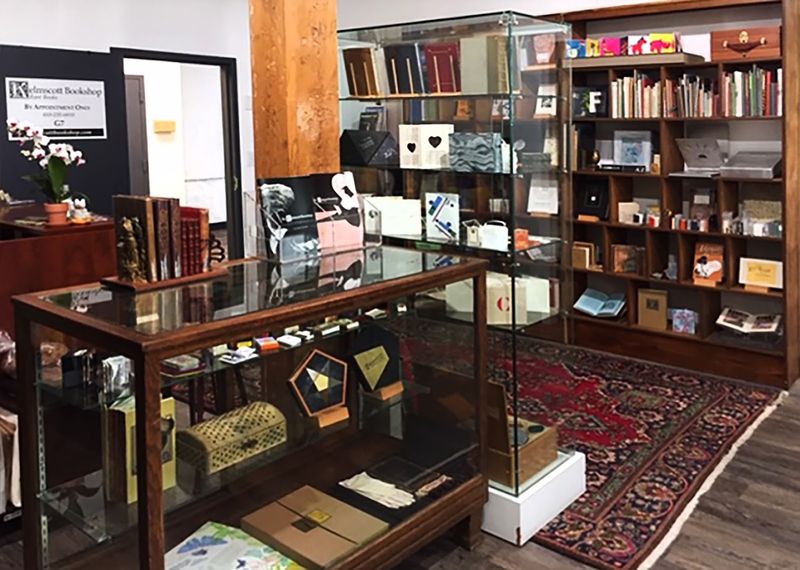
Getting to Kelmscott Bookshop takes a little planning, and that is actually part of what makes the experience feel special. The shop operates primarily by appointment, so reaching out in advance by phone or email is essential.
The owners recommend waiting for confirmation before you make the drive, since they occasionally work remotely, attend book fairs, or handle errands during weekday hours.
If you have specific books in mind that you want to view during your visit, sending a list ahead of time is a smart move. The shop maintains an online inventory that you can browse before you go, which helps you show up with a clear sense of what you are hoping to find.
That preparation also makes the conversation with the owners much richer.
Weekend appointments are possible but less common, so flexibility during the week gives you the best chance of securing a visit. The shop is located inside Savage Mill, which means you can easily pair your bookshop visit with a stroll through the rest of the complex.
There are dining options and other artisan businesses nearby, making it a genuinely full afternoon outing.
The drive itself is straightforward since the mill sits less than a mile off I-95, conveniently positioned between Washington D.C. and Baltimore. Whether you are a seasoned rare book collector or simply someone who loves beautiful old things, this shop rewards the effort it takes to get there.
Some places are worth the appointment, the drive, and every minute of the trip. Kelmscott is absolutely one of them.
Address: 8600 Foundry St Ste. G7, Savage, MD 20763
