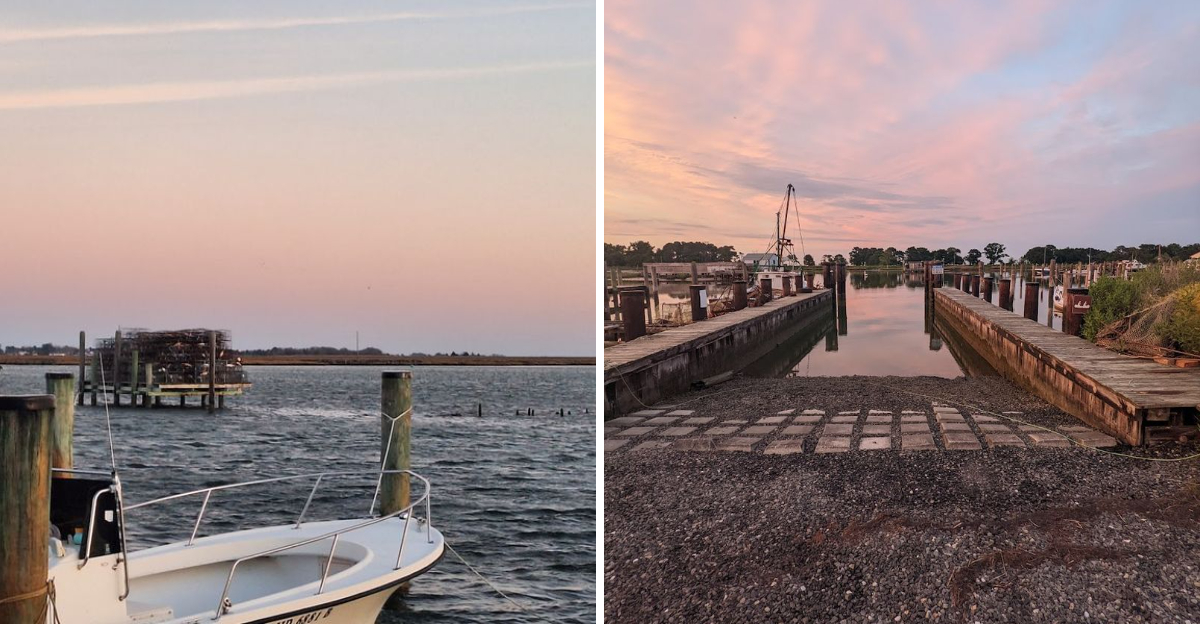
No cars. No traffic.
No rushing. That is life on this Maryland island.
Smith Island sits off the coast, accessible only by boat, and it feels like stepping into a completely different world. The pace is slow, the water is everywhere, and the only sounds are birds and gentle waves.
You can wander quiet paths, watch fishermen bring in the day’s catch, and eat the most incredible crab cakes you will ever taste. The island has a small community that has lived here for generations, and they know how to live simply and well.
No big crowds, no chain stores, just peace and salt air. A visit here feels like a real escape, the kind that resets your brain and reminds you what matters.
That is the magic of a Maryland island getaway. Quiet, beautiful, and exactly what you need when life gets too loud.
Getting There Is Already Part of the Adventure
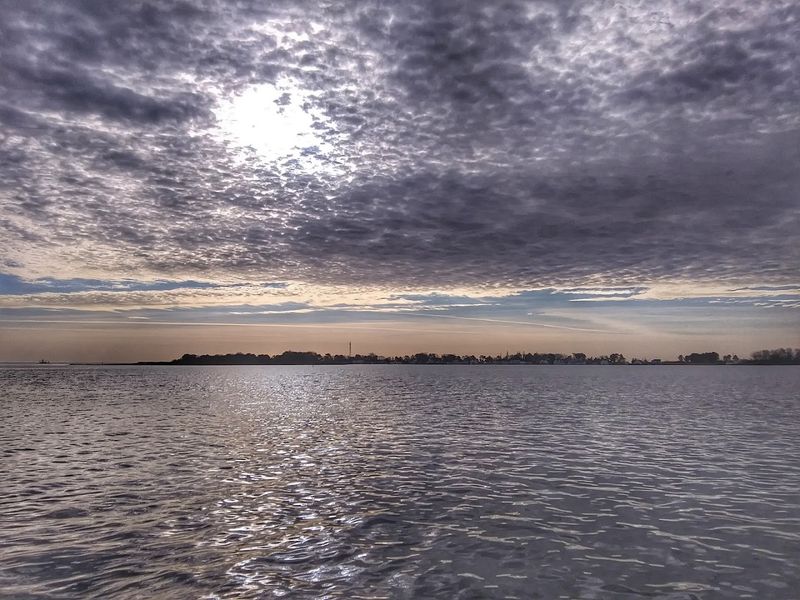
The ferry ride from Crisfield is not just a means of transportation, it is honestly the first sign that this trip is going to be different. You board a small passenger boat, find a seat near the rail if you can, and watch the Maryland coastline slowly disappear behind you.
The open water takes over, and for about an hour, there is nothing around you but the bay.
Smith Island sits roughly ten miles west of Crisfield, and the only way to reach it is by boat. There are no bridges, no causeways, and absolutely no way to drive there.
Ferries run year-round from Crisfield, and seasonal options are also available from Point Lookout, Maryland, and Reedville, Virginia.
That one-hour crossing does something to your mindset. You start to let go of the to-do lists and the phone notifications.
By the time the island’s low-lying marshes come into view, you are already a different kind of relaxed. The approach is stunning in the simplest way possible, flat green land rising just barely above the waterline, surrounded by sky.
It is worth arriving early so you have a full day to explore. Packing light is smart since golf carts and bicycles are the main ways to get around once you land.
The whole experience of reaching Smith Island sets the tone beautifully. Getting there is not a hassle, it is genuinely the beginning of something memorable.
A Community Frozen in the Best Kind of Time
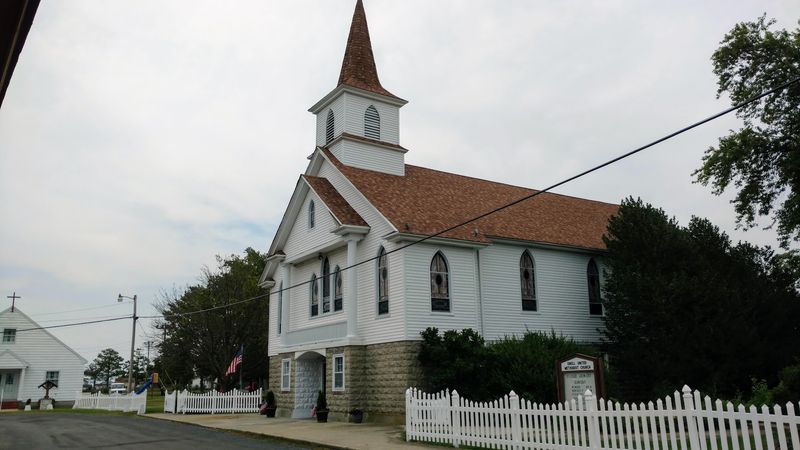
Ewell is the largest of the three communities on Smith Island, and walking through it feels genuinely unlike any American town I have seen. The streets are narrow and mostly empty of cars.
Golf carts drift past slowly, and residents wave without hesitation. There is a warmth here that is hard to manufacture and impossible to fake.
The island’s three communities are Ewell, Tylerton, and Rhodes Point. Each one has its own personality, but all share that same unhurried rhythm.
Tylerton now sits on a separate island, accessible by a smaller boat from the others. Rhodes Point is connected to Ewell by a winding road that cuts through the marshland.
With a population of around 345 people as of 2024, Smith Island is intimate in a way that big destinations simply cannot replicate. The median age skews older, which tells a story about how the younger generations have gradually moved to the mainland over the decades.
At its peak in the early 1900s, the island was home to around 800 residents.
Despite the decline in numbers, the community holds itself together with a strong sense of identity. Sundays are treated as a day of rest and worship, and that tradition has held steady for generations.
Spending even a few hours among the locals gives you a real appreciation for what it means to live closely connected to the land and water around you.
The Dialect That Sounds Like It Came From Another Century
One of the most surprising things about Smith Island is the way people speak. If you listen closely during a conversation with a longtime resident, something about the accent sounds old in a way that is hard to place at first.
It is not quite Southern, not quite Mid-Atlantic, and not quite anything you have heard before on the American mainland.
Linguists have studied the Smith Island dialect for years because it preserves speech patterns that trace back to the original British colonial settlers. The accent shares characteristics with dialects from the West Country of England, including Cornwall.
That connection has survived on this island for centuries, largely because of how isolated the community has always been.
Hearing it in person is genuinely fascinating. Short vowel sounds shift in unexpected directions, and certain words carry a lilt that feels almost musical.
It is a living piece of linguistic history, and it exists right here in Maryland.
You do not need to be a language enthusiast to appreciate it. Even a casual conversation at the dock or in a local shop will catch your ear in a way that sticks with you.
The dialect is one of those quiet, unexpected details that makes Smith Island feel truly unique. It is a reminder that isolation, while challenging in many ways, can also preserve something irreplaceable.
Visiting here means brushing up against a piece of American history that most people have never even heard of.
Smith Island Cake, Maryland’s Official State Dessert
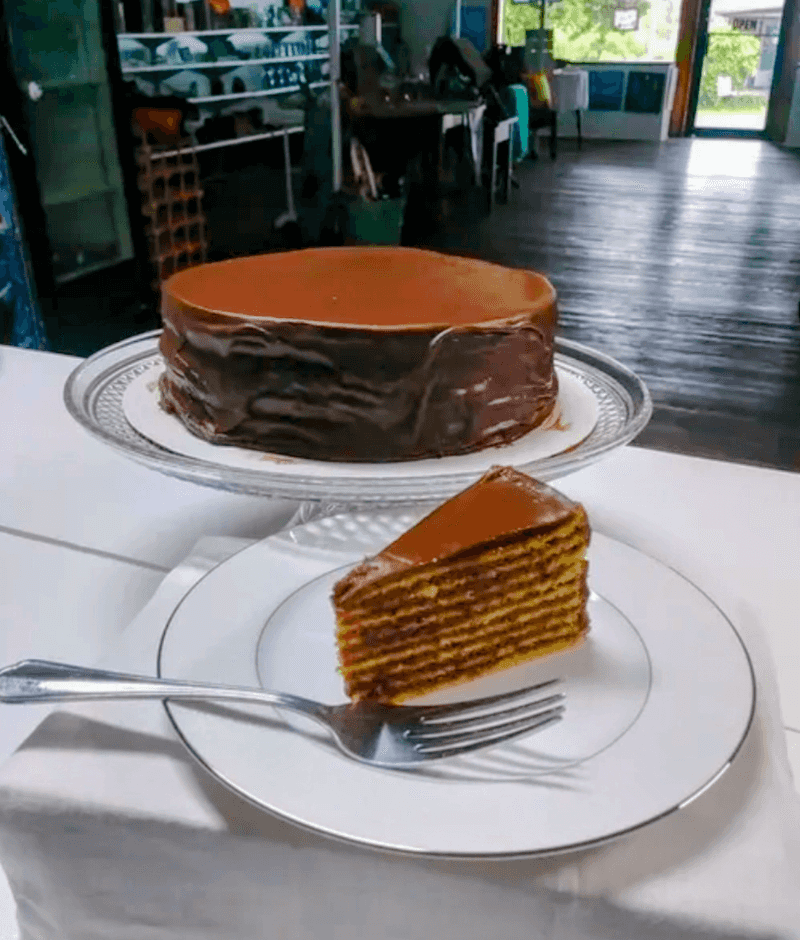
There are very few places in the world where a dessert becomes a cultural symbol, but Smith Island is one of them. The Smith Island Cake is Maryland’s officially designated state dessert, and once you try a slice, it is not hard to understand why it earned that title.
The cake is made up of anywhere from eight to fifteen thin layers, each one separated by a rich, creamy frosting that sets between the layers like fudge.
The most traditional version features yellow cake with chocolate frosting, though bakeries and home cooks on the island have developed all kinds of variations over the years. The origin of the cake is practical and kind of wonderful.
Watermen heading out for long oyster harvests needed something that would stay moist and hold up well over several days. The thin layers and dense frosting turned out to be the perfect solution.
Picking up a slice or a whole cake from one of the local spots in Ewell is basically a requirement. The flavor is rich without being overwhelming, and the texture has a satisfying density that sets it apart from ordinary layer cakes.
It travels well too, so bringing one home as a souvenir is a genuinely good idea.
The cake has become so associated with the island that it shows up at nearly every local gathering and celebration. Tasting it here, where it was invented, adds a layer of meaning that no mainland bakery version can quite match.
The Watermen’s Way of Life Still Lives Here
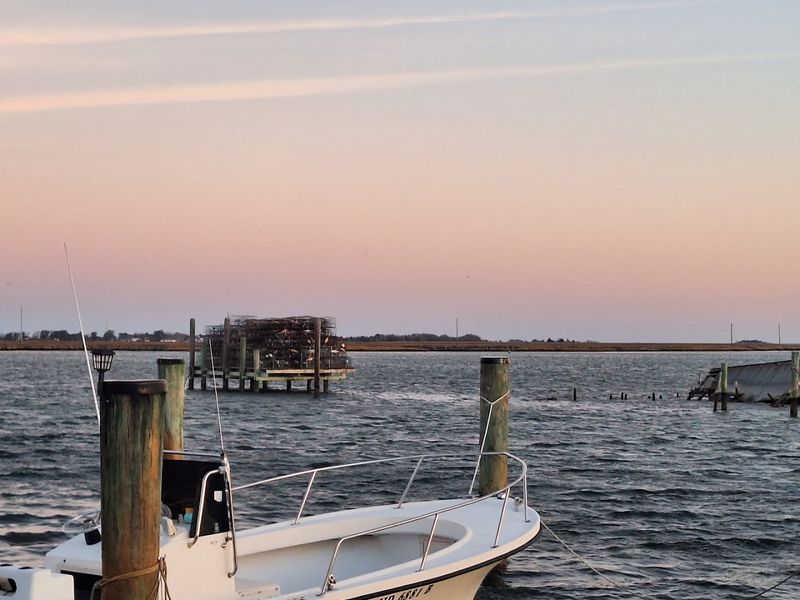
Crabbing and oystering are not hobbies on Smith Island. They are a way of life that has defined this community for centuries.
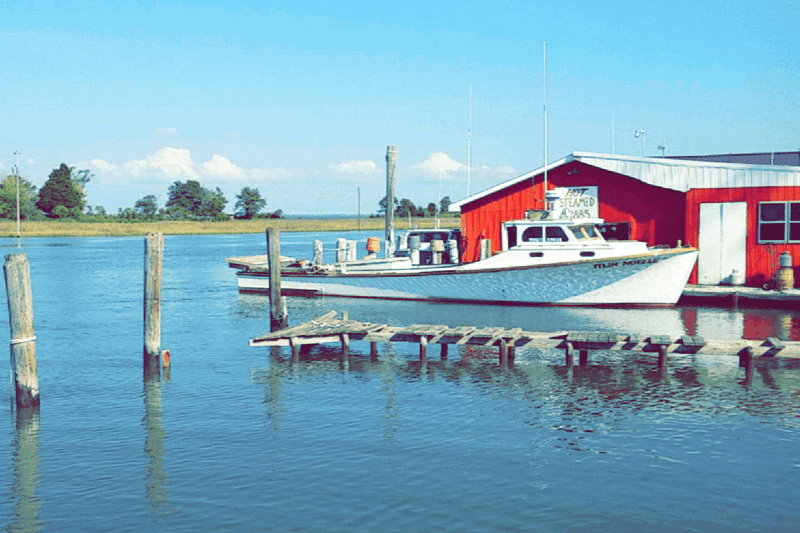
The watermen here head out before sunrise, work the bay through the morning, and return with hauls that feed families and fuel the local economy. Watching a workboat glide back toward the dock loaded with wire crab pots is one of those images that stays with you.
The Chesapeake Bay blue crab is central to everything here. Visitors sometimes get the chance to join local trips out onto the water, which is an experience that puts the hard, skilled nature of this work into sharp perspective.
It is physical, weather-dependent, and deeply tied to the health of the bay itself.
Oystering follows a seasonal rhythm, picking up in the colder months when crabbing slows down. The watermen shift between the two, following the bay’s natural calendar with a flexibility that comes only from generations of experience.
That knowledge is passed down through families, not written in textbooks.
Spending time around the docks in Ewell or Rhodes Point gives you a front-row view of this culture in action. There is no performance or tourist staging involved.
The boats go out because they have to, and the work gets done because that is how things have always been here. It is one of the most authentic glimpses into a traditional American livelihood that you can find anywhere on the East Coast today.
Kayaking Through the Marshes Feels Like Exploring a Secret World
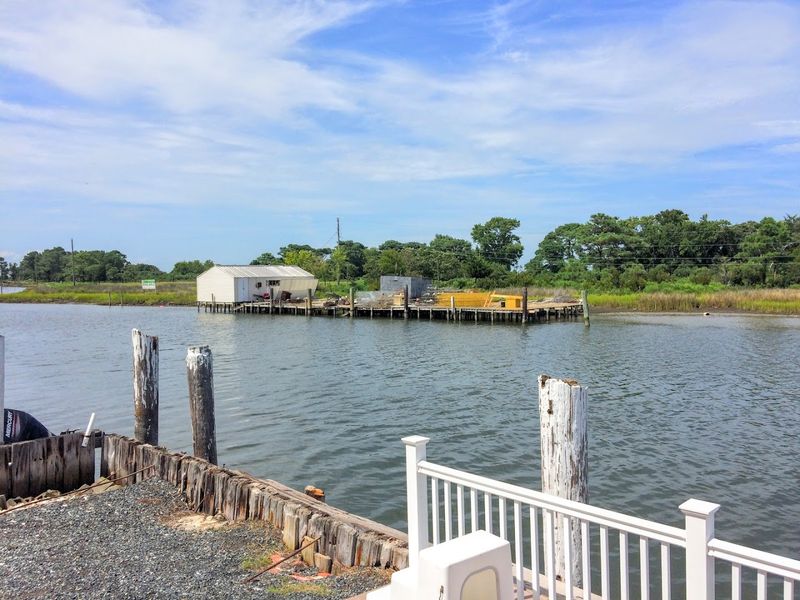
The marshlands surrounding Smith Island are a maze of narrow channels, tall cordgrass, and glassy water that barely ripples on calm days. Getting out onto the water in a kayak is one of the best ways to understand why this place is so special.
From the seat of a kayak, the island shrinks behind you and the marsh opens up into something that feels almost prehistoric.
Water trails wind through the wetlands, and paddling them at a slow pace lets you notice things you would miss from a boat or a golf cart. Herons stand motionless in the shallows.
Diamondback terrapins slip off muddy banks as you pass. The sounds are mostly wind and water, with the occasional call of a bird cutting through the quiet.
Kayak rentals are available on the island, and the calm, protected waters around the marshes make this activity accessible even for beginners. The best times to paddle are early morning or late afternoon when the light hits the water at a low angle and everything turns gold.
Fishing is another option for anyone who wants to spend time on the water without paddling. The bay around Smith Island is productive, and casting a line off a dock or from a small boat is a genuinely relaxing way to pass a few hours.
Whether you are on a kayak or just sitting at the water’s edge, the natural environment here has a way of quieting the mind in a way that feels almost medicinal.
Birdwatching on an Island That Sits in the Middle of the Flyway
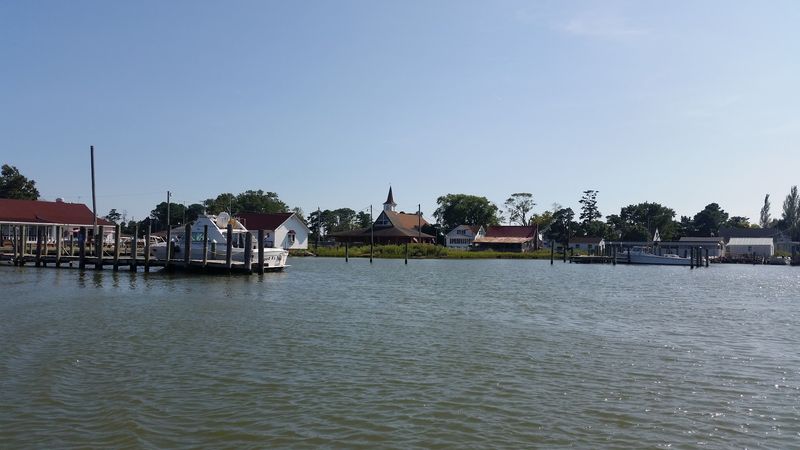
Smith Island sits right along the Atlantic Flyway, which is the major migration route for birds traveling up and down the East Coast.
That geography makes the island a genuinely exciting spot for birdwatching, whether you are a serious birder with a field guide or just someone who enjoys watching wildlife without much effort.
The marshes and open water attract an impressive variety of species throughout the year. Great blue herons are practically permanent residents, wading through the shallows with that slow, deliberate patience they are known for.
Ospreys are common overhead, and during migration seasons, the variety of shorebirds and waterfowl increases dramatically.
Bring binoculars if you have them. The flat, open landscape of the island makes spotting birds from a distance surprisingly easy, and the lack of tall buildings or dense tree cover means your sightlines stretch far in most directions.
Early mornings are reliably the most active time, especially in spring and fall.
What makes birdwatching here feel different from a typical wildlife refuge visit is the setting. You are surrounded by working marshland that has not been manicured or managed for tourism.
The birds are simply there because the habitat suits them, and that naturalness makes every sighting feel earned. Even on a short visit, you are likely to see something that makes you reach for your phone camera.
Smith Island rewards slow, attentive exploration, and birdwatching is one of the best reasons to move at that pace.
The Smith Island Cultural Center Tells the Whole Story
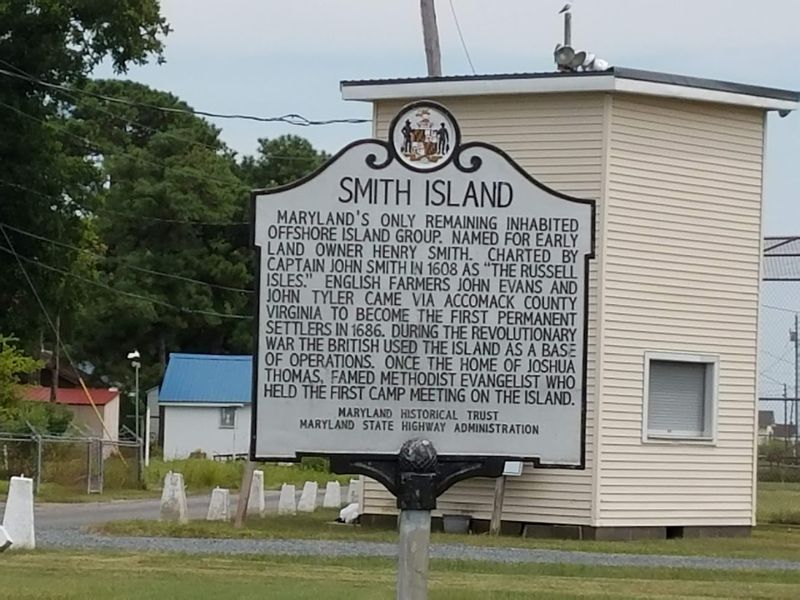
History has a way of feeling more alive when it is told by the people who actually lived it. The Smith Island Cultural Center in Ewell does exactly that, offering a thoughtful look at the island’s past, its traditions, and the forces shaping its future.
It is a modest space, but the depth of information inside is genuinely impressive.
Exhibits cover the watermen’s culture, the unique dialect, the history of settlement, and the environmental challenges the island now faces. There are photographs, artifacts, and displays that connect the dots between centuries of island life and the present-day community.
Spending an hour or two here gives your visit a context that makes everything else you see and do on the island feel more meaningful.
The staff and volunteers at the center are often locals themselves, and that personal connection to the material comes through clearly. A short conversation with someone who grew up here adds dimensions to the exhibits that no sign or display can fully capture on its own.
The center is also a good starting point if you are arriving for the first time and want to orient yourself before exploring the villages. Maps, trail information, and local knowledge are all available there.
It is located in Ewell, which is where the ferry from Crisfield arrives, so it is easy to stop in right at the beginning of your visit. Understanding the island’s story before you wander through it makes every detail along the way land a little differently.
An Island Facing the Future With Quiet Determination
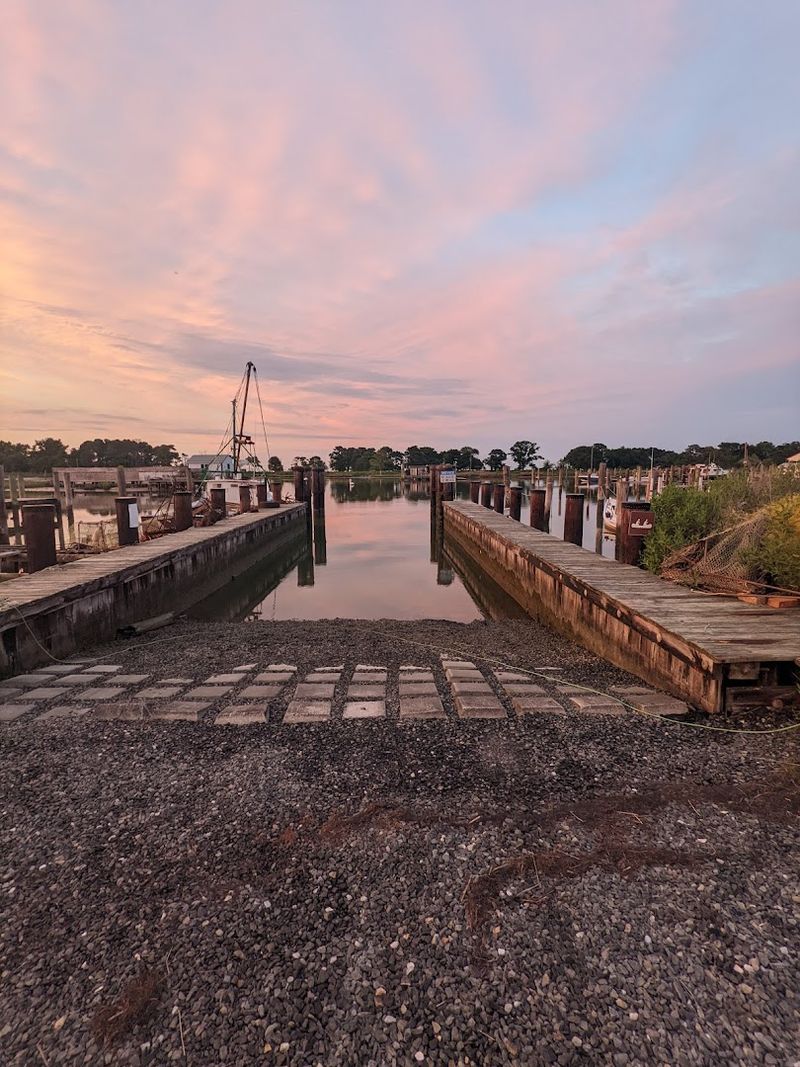
Smith Island is beautiful, and it is also vulnerable. The land here sits barely above sea level, and rising tides combined with erosion have been eating away at the island’s edges for decades.
Scientists studying the region have noted that without protective measures, significant portions of the island could face serious erosion by the end of this century.
That reality gives a visit here a layer of emotional weight that sneaks up on you. You are not just seeing a charming, remote community.
You are seeing a place that is genuinely fighting to exist. The people who remain here are doing so with full awareness of what is at stake, and that takes a quiet kind of courage.
Efforts to protect the shoreline and raise awareness about the island’s situation are ongoing. The community continues to push for investment in erosion control and environmental protections.
Visiting and spending money locally is one small but real way that travelers can support that effort.
There is something deeply moving about a place that holds onto its identity so firmly in the face of so much pressure. The watermen still go out in the morning.
The church bells still ring on Sunday. The cake still gets baked in thin, careful layers.
Smith Island does not feel sorry for itself, and that spirit is part of what makes it so worth visiting. Come here once, and there is a good chance you will spend years thinking about it.
Address: Ewell, Smith Island, Maryland 21824
