Over a hundred years of serving Italian food. That is not a restaurant, that is an institution.
This Maryland spot has been around since 1908, and it is still a culinary icon. The recipes are old school, the pasta is fresh, and the sauces are rich with tradition.
Families have been coming here for generations, passing down their love for this place like a heirloom. The building itself has history in its walls, and the food tastes like it belongs to another era in the best way.
Locals know this spot well. Visitors find it and feel like they discovered a piece of history.
That is the magic of a Maryland Italian institution. Over a century of flavor, tradition, and food that stands the test of time.
A Baltimore Landmark That Has Stood the Test of Time
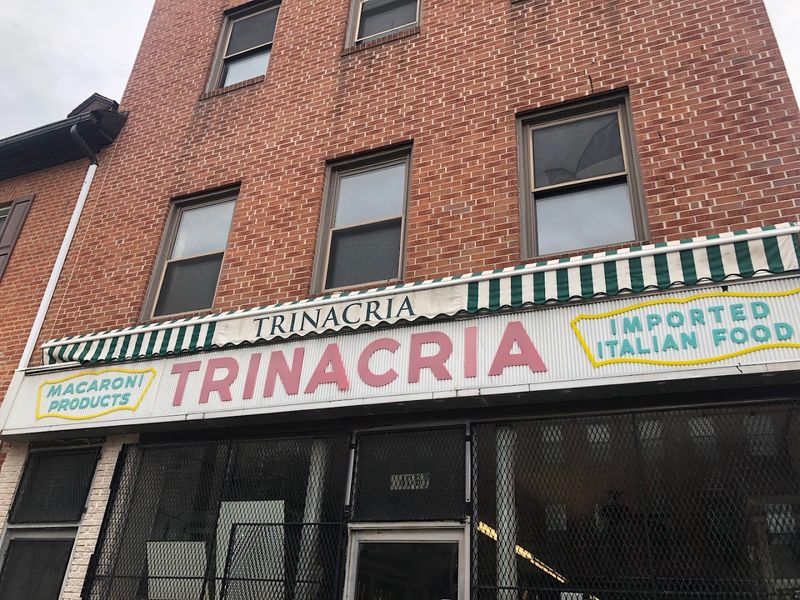
Some places carry their history on their walls, and Trinacria does exactly that. The building in the Seton Hill neighborhood has been home to this Italian institution since 1908, making it one of the oldest continuously operating food businesses in all of Baltimore.
That is not a small thing. Most restaurants and markets come and go within a decade, yet this one has kept its doors open through world wars, economic downturns, and decades of change.
The Seton Hill neighborhood, where Trinacria sits, was historically a hub for Baltimore’s Italian immigrant community. That cultural backdrop matters because it explains why a market like this took root here and why it has endured.
The surrounding streets have transformed over the years, but Trinacria has remained a constant, a quiet anchor in a shifting cityscape.
What makes its longevity even more remarkable is that it never tried to reinvent itself into something flashy or modern. The charm is in the consistency.
Regulars who visited as children now bring their own kids, and that cycle of loyalty has repeated itself for over a century.
The store’s character is immediately apparent from the outside. There is nothing pretentious about the facade, which is part of what makes it so appealing.
It is unpretentious, grounded, and completely genuine, a rare combination in any era. Baltimore has plenty of beloved spots, but few can claim the kind of deep, generational roots that Trinacria has quietly built over more than a hundred years of feeding this city.
The Fava Family Legacy Behind Every Jar and Sandwich
Behind every great institution, there is usually a family that refused to let it fade. At Trinacria, that family is the Favas, and their story is woven into every corner of the store.
The business has passed through three generations, from its founding roots to Salvatore Fava, who dedicated an extraordinary 64 years of his life to the store, to the current owner Vince Fava, who carries that tradition forward today.
That kind of commitment is almost impossible to find in modern retail. Sixty-four years at one place is not a career, it is a calling.
Salvatore’s devotion gave the store its soul, shaping the way products are sourced, the way customers are treated, and the way quality is never compromised for convenience. Vince inherited not just a business but a philosophy.
Family-owned businesses have a different energy than corporate ones, and you feel it the moment you are inside Trinacria. Decisions are made by people who genuinely care about what ends up on the shelves.
There is no committee approving a new cheese, just someone who knows good food and wants to share it.
The Fava name is not plastered across the storefront, but it is present in every detail. From the selection of imported goods to the way regulars are greeted, the personal investment shows.
This is the kind of ownership that builds real community trust over time. Trinacria did not become a Baltimore institution by accident.
It got there through decades of a family showing up, every single day, and doing the work right.
The Name and Symbol Tell a Story All Their Own
The name Trinacria is not just a catchy title for a deli. It is the ancient Greek name for Sicily, derived from the island’s distinctive three-cornered shape.
Choosing that name for a Baltimore market in 1908 was a deliberate nod to the Sicilian roots of the founders, a way of planting a piece of the old country on American soil.
The store’s logo takes that heritage even further. It features the traditional Sicilian symbol known as the Trinacria emblem, a Medusa head at the center with three bent human legs radiating outward and stalks of wheat woven throughout.
It is an ancient and striking image, and seeing it on the storefront gives the whole place an almost mythological quality.
That symbol carries real meaning. The three legs represent the three capes of Sicily, and the wheat stalks speak to the island’s agricultural abundance.
For Sicilian immigrants arriving in Baltimore in the early twentieth century, seeing that emblem on a storefront must have felt like a small piece of home.
There is something genuinely thoughtful about a business that roots itself so specifically in a cultural identity. Trinacria never tried to be a generic Italian-American deli.
It leaned into its Sicilian heritage from day one and has never wavered from that identity. The name, the logo, and the products all tell the same story.
It is a story about where the founders came from and what they wanted to preserve, and over a hundred years later, that story is still being told on a quiet street in Baltimore.
Stepping Inside Feels Like Arriving Somewhere Completely Different
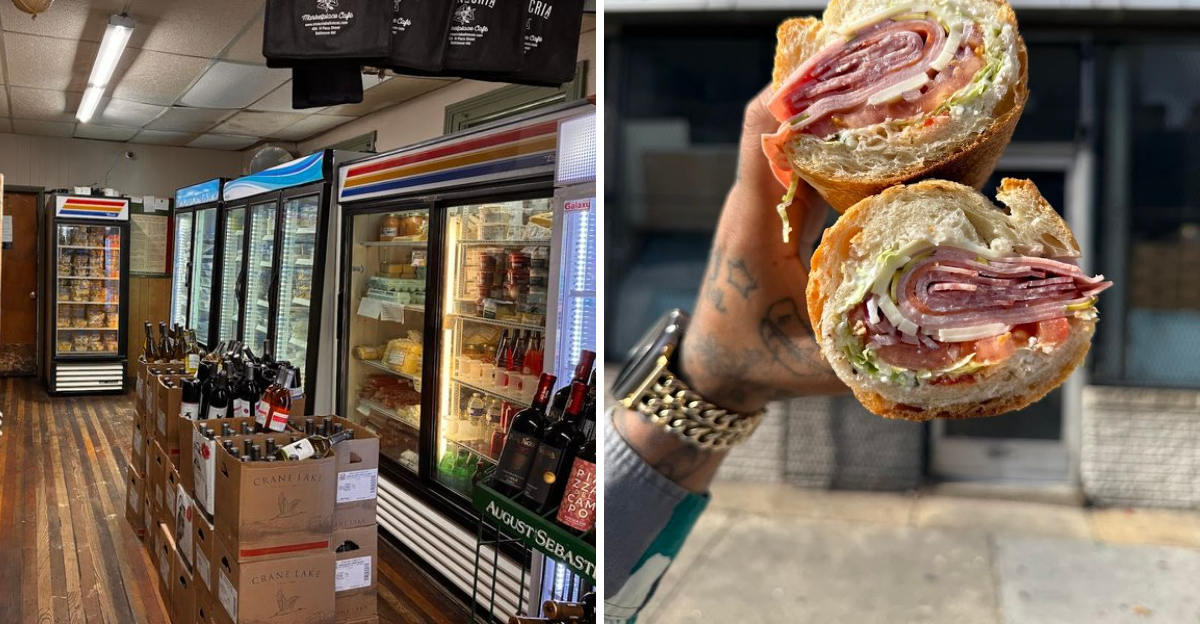
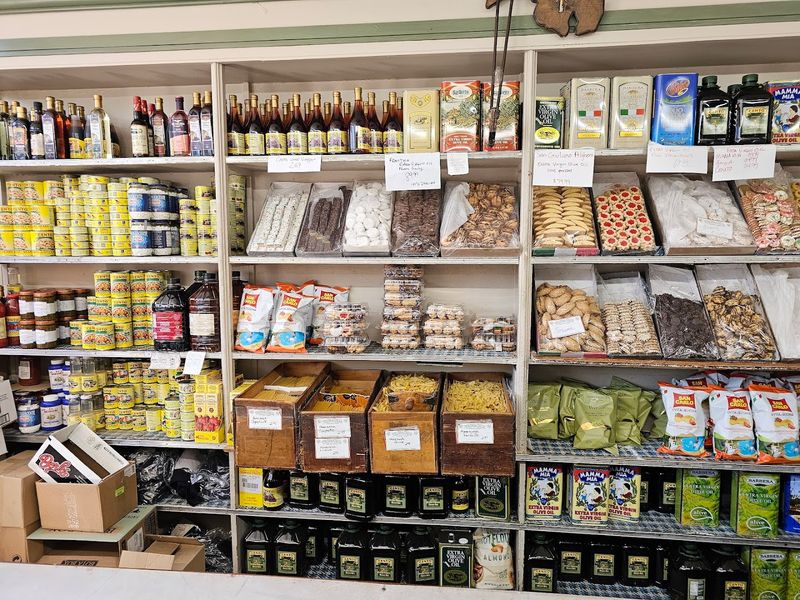
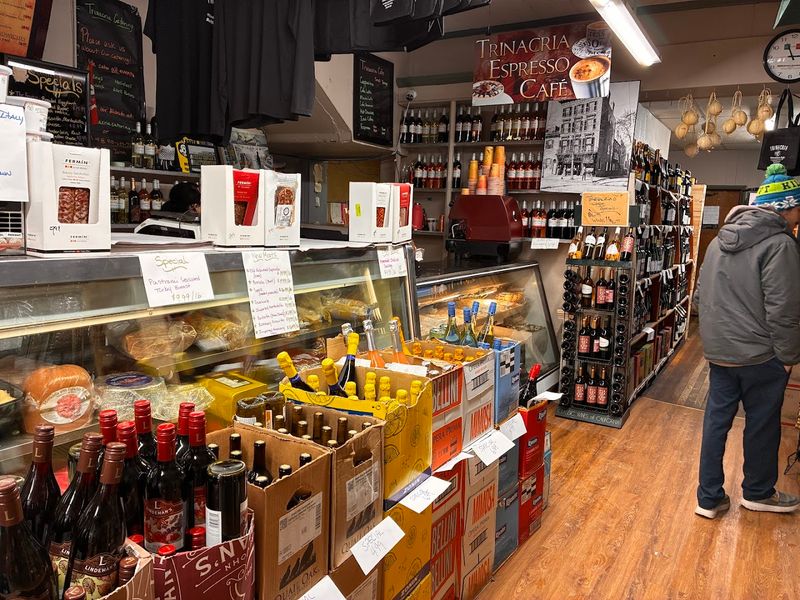
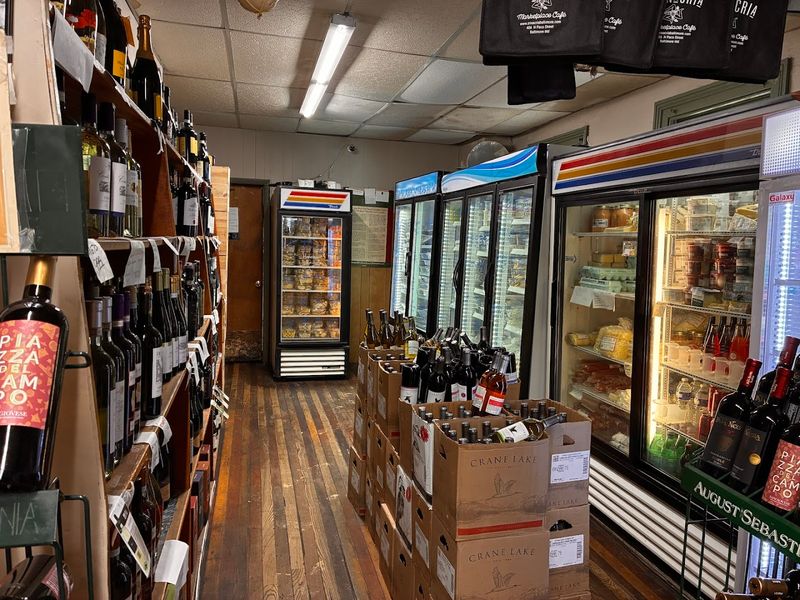
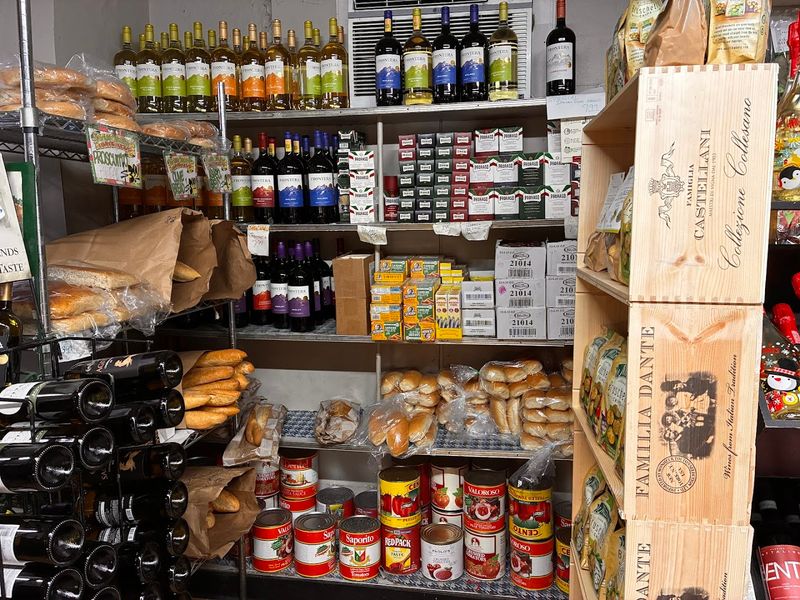
The interior of Trinacria is the kind of space that stops you mid-step. Shelves run floor to ceiling, packed with imported Italian goods, beautifully labeled sauces, various shapes of dried pasta, olive oils in tall bottles, and jars of everything from sun-dried tomatoes to specialty spices.
It is visually overwhelming in the best possible way.
The deli counter anchors the room with its impressive display of cured meats and cheeses. Prosciutto, soppressata, salami, mortadella, and capacolla sit alongside more than twenty varieties of cheese, ranging from sharp aged provolone to fresh mozzarella.
The sheer variety communicates something important: this is a place that takes food seriously.
Fresh bread baked daily adds another layer to the sensory experience. The smell alone is enough to make decisions for you.
There is a reason people describe walking into Trinacria as feeling transported to the Amalfi Coast, the combination of scents, colors, and textures creates an environment that is undeniably Italian in character.
The layout has a charming, slightly cramped quality that feels intentional rather than accidental. Nothing about it is slick or designed for Instagram.
It is organized around function, around feeding people well, and that practicality is part of its appeal. Produce, imported goods, fresh items, and prepared foods all coexist in a space that rewards slow browsing.
Every visit tends to turn up something new hidden between familiar favorites, which keeps the experience feeling fresh even for longtime regulars who have been coming here for years.
Beyond the Deli Counter, a Full Italian Market Experience
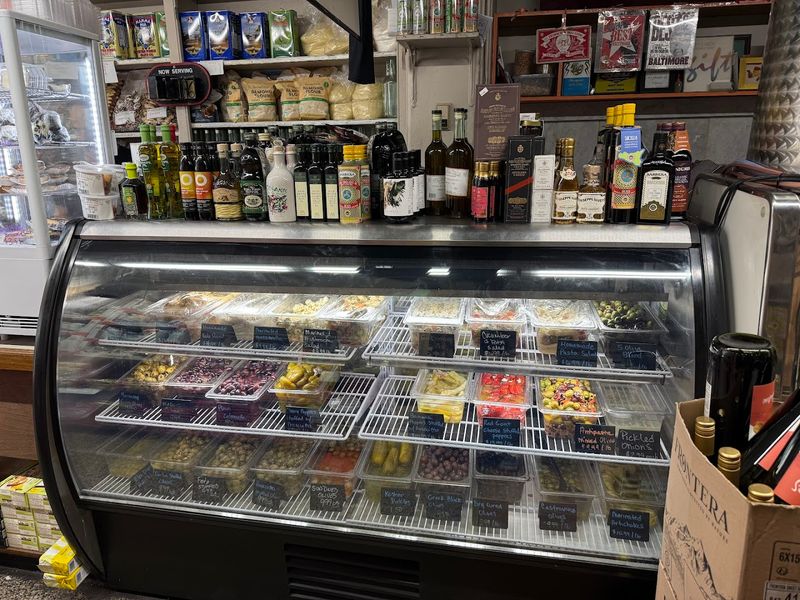
Trinacria functions as much more than a place to grab a sandwich. The market side of the operation is equally impressive, stocked with gourmet Italian groceries that range from imported olive oils and specialty pasta shapes to Italian cookies and artisan sauces.
For home cooks who want authentic ingredients, this place is a genuine resource.
The prepared food section extends the offering even further. Homemade pastas, fresh lasagna noodles, handmade ravioli, meatballs, risottos, and eggplant dishes give shoppers the option to bring a real Italian meal home without spending hours in the kitchen.
These are not shortcuts, they are the real thing, made with the same attention to quality that defines everything else in the store.
New York-style pizza by the slice rounds out the prepared food options, and it has developed its own loyal following. Pizza by the slice is a deceptively simple thing to get right, and Trinacria manages it with the same reliability that characterizes the rest of the menu.
It is the kind of slice that satisfies without overthinking it.
Reasonable pricing is a point that comes up again and again among customers, and it matters.
High-quality Italian imports and freshly made foods could easily justify steep prices, but Trinacria has maintained an accessibility that keeps the market open to everyone, not just food enthusiasts with large budgets.
That combination of quality and value is genuinely rare and speaks to the store’s commitment to serving the community rather than simply capitalizing on its reputation. It is a balance that few places manage to hold for more than a century.
The Sandwiches That Baltimore Cannot Stop Talking About
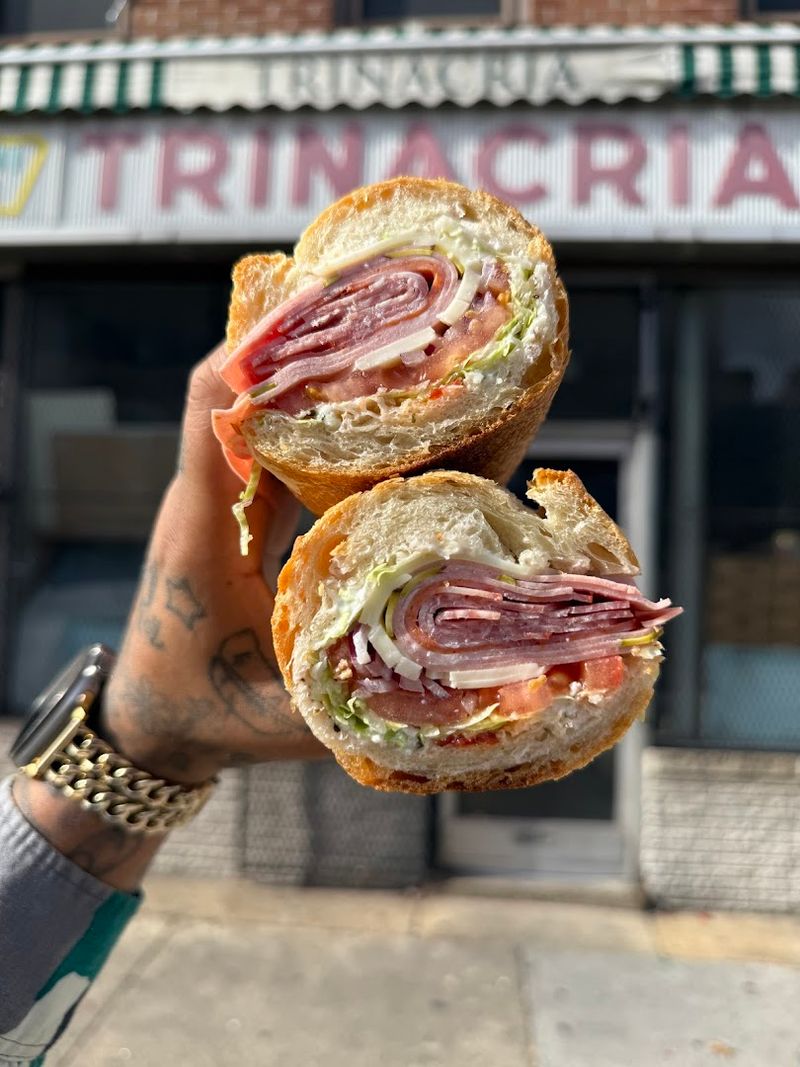
Ask any Baltimore food enthusiast about Trinacria and the conversation will almost immediately turn to the sandwiches. These are not delicate little creations built for aesthetics.
They are generous, overstuffed, flavor-packed constructions that make you want to sit down and give them your full attention. The prosciutto sandwich on focaccia with fresh mozzarella and pesto has become something of a legend in local food circles.
The foundation matters here. Bread baked fresh daily is not a marketing line at Trinacria, it is a genuine practice that elevates every sandwich above what you would find at a typical deli.
The focaccia in particular has a texture and flavor that makes the whole thing come together in a way that pre-packaged bread simply cannot replicate.
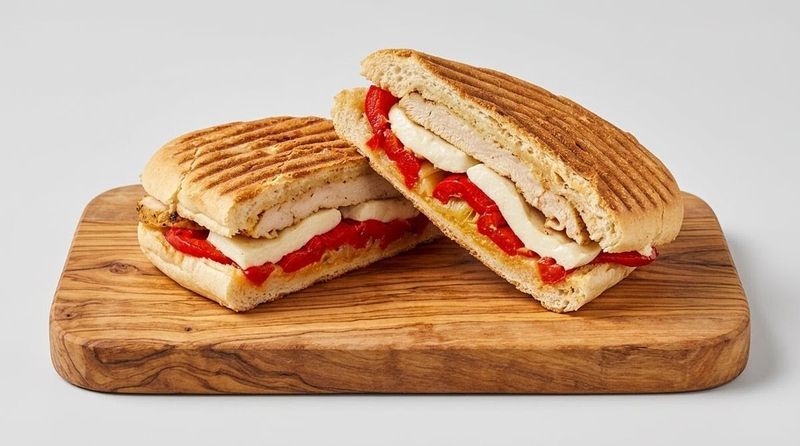
Beyond the prosciutto option, the menu includes classic Italian cold cut combinations, meatball subs that are deeply satisfying, chicken parmesan sandwiches, and warm paninis. The variety means there is something for every preference, but the quality stays consistent across the board.
That consistency is what turns first-time visitors into regulars.
What makes these sandwiches stand out is not just the ingredients, though those are exceptional, but the ratio. The balance between bread, filling, and any accompanying spreads or toppings is handled with the kind of instinct that only comes from years of practice.
There is no single secret ingredient, just good products assembled with care and experience. For many Baltimore residents, a Trinacria sandwich is not just lunch, it is a small ritual worth looking forward to all morning long.
The Atmosphere and the People Who Make It Real
Good food can bring people in once, but atmosphere and people are what bring them back. Trinacria has both in abundance.
The store has a warmth that is hard to manufacture and impossible to fake, the kind that comes from decades of the same community gathering in the same space for the same reasons.
Long-time employee Mike Popoli, who has been part of the Trinacria team since around 1990, is one of those personalities that regulars genuinely look forward to seeing.
His presence behind the counter is a consistent thread in the Trinacria experience, the kind of familiar face that makes a neighborhood market feel like more than just a place to shop.
It is that human element that transforms a transaction into a moment.
Customers often describe the feeling of being welcomed like family, which sounds like a cliche until you experience it firsthand. There is a difference between a place that says it values its customers and one that actually demonstrates it through every interaction.
Trinacria falls firmly in the second category. The staff knows regulars by name and remembers preferences without being prompted.
The catering services Trinacria offers extend that community connection beyond the store’s walls. Platters for gatherings, events, and celebrations bring the market’s quality into people’s homes and workplaces.
That reach into the broader community reinforces Trinacria’s role not just as a place to buy food but as a genuine part of Baltimore’s social fabric. Some places sell products.
This one sells a sense of belonging, and that might be its most valuable offering of all.
Trinacria at Lexington Market, a New Chapter for a Classic Institution
Expanding a century-old institution without losing what makes it special is a genuinely difficult challenge. Trinacria took that challenge on when it opened a new stall inside the revamped Lexington Market, and by most accounts the transition has been handled with care.
The new location brings the Trinacria experience to a broader audience while staying true to the original’s identity.
Lexington Market itself is one of Baltimore’s most storied public markets, with its own long history in the city. Having Trinacria take up a stall there feels like a natural pairing, two Baltimore institutions occupying the same space and reinforcing each other’s significance.
The new stall offers New York-style pizza by the slice, classic Italian sandwiches, and a selection of grocery goods, keeping the core Trinacria offerings intact.
For people who have never made the trip to the original Paca Street location, the Lexington Market stall serves as a compelling introduction. Once you try the food there, the pull to visit the full market on N.
Paca Street becomes almost inevitable. The quality is consistent between locations, which speaks well of how the Fava family has managed the expansion.
Growth does not always suit old-school institutions, but Trinacria seems to have found a way to expand without diluting its character. The Lexington Market presence feels like an extension of the original rather than a departure from it.
Both locations serve the same purpose: connecting Baltimore residents with genuinely good Italian food made with real ingredients and real care. That mission has not changed since 1908, and it shows no signs of changing anytime soon.
Address: 406 N Paca St, Baltimore, MD
