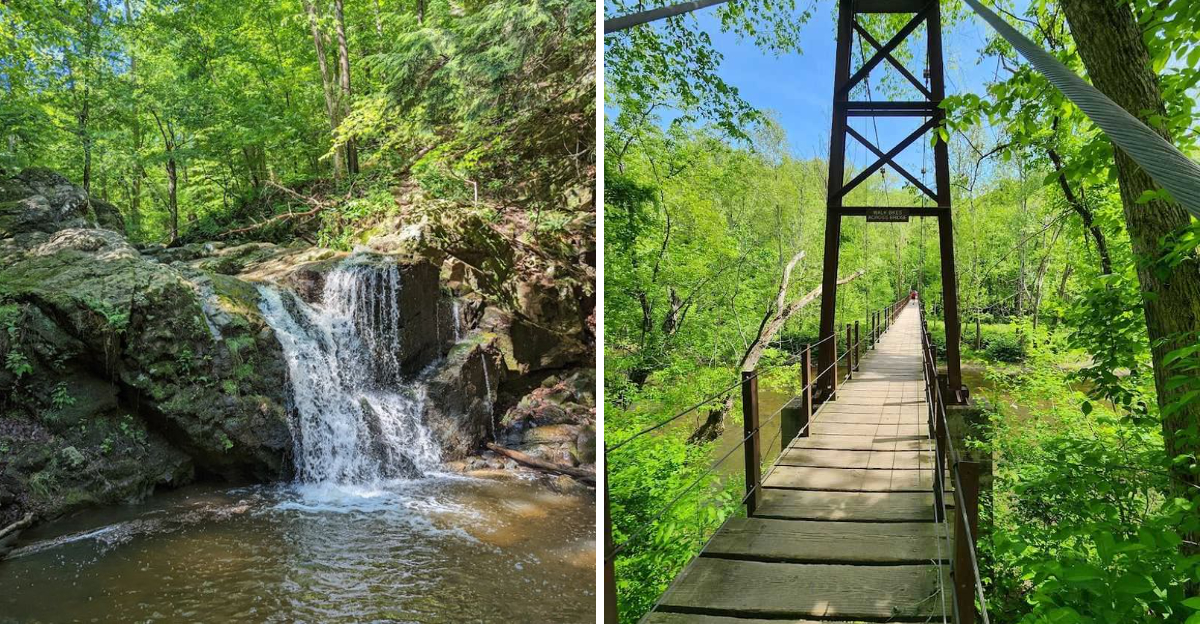
You can hear the highway from certain spots, which makes the waterfalls feel like a magic trick. One minute you are near traffic, the next you are standing in front of falling water with nobody else around.
Trails branch off in every direction, some short enough for a lunch break, others long enough to earn your dinner. The waterfalls show up when you least expect them, tucked behind trees or around a corner.
You will cross wooden bridges, step over roots, and forget that you have emails waiting. The best part?
You do not need a full day to feel like you escaped. Just an hour and a pair of decent shoes.
The Grist Mill Trail: Flat, Friendly, and Surprisingly Beautiful
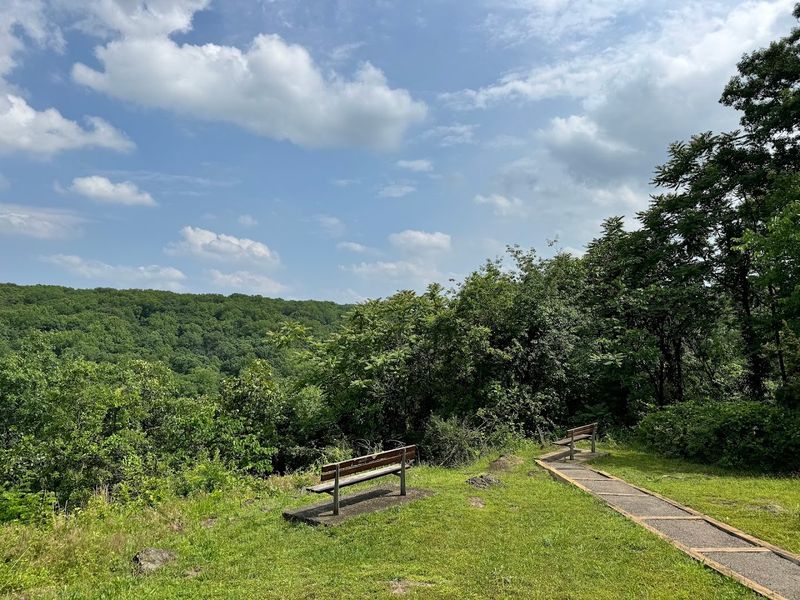
Not every great trail needs to challenge your legs or test your endurance. The Grist Mill Trail is paved, flat, and runs right alongside the Patapsco River, making it one of the most welcoming paths in the entire park.
Strollers, casual walkers, and cyclists all share this route without any issue, and the scenery keeps the experience from ever feeling boring.
Historic stone ruins appear along the way, remnants of the mills and factories that once defined this valley. It is a quiet reminder that this land has been shaped by both nature and human hands over centuries.
The river runs close enough that you can hear it almost the entire time.
On a clear morning, the light hits the water and the old stone walls in a way that feels genuinely cinematic. I found myself stopping more than once just to take it all in.
The trail is also a great option for those who want to explore the park without committing to a strenuous hike. Pack a light snack and plan for a leisurely hour or two along this riverside gem.
Cascade Falls: The Waterfall Worth Every Step
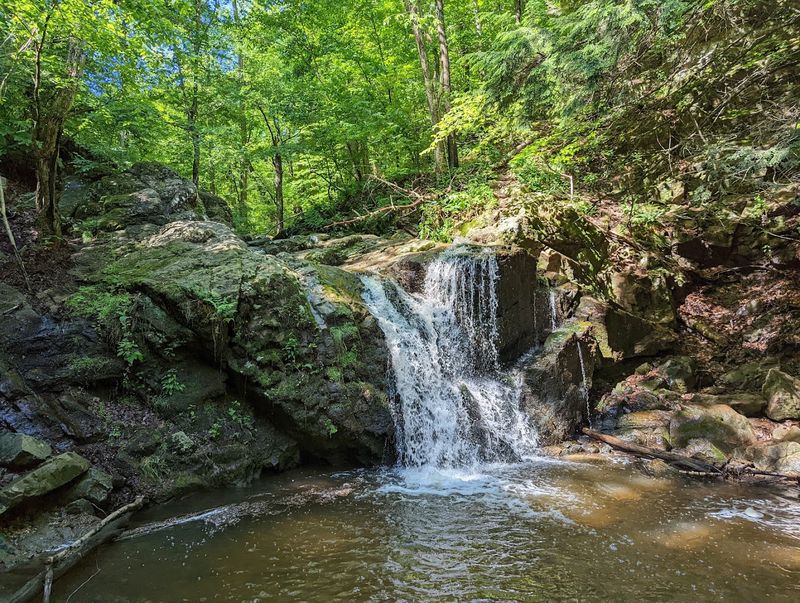
There is something almost theatrical about rounding a forest bend and suddenly hearing the rush of water before you even see it. Cascade Falls, hidden inside the Avalon and Orange Grove area of the park, rewards hikers with one of the most satisfying natural payoffs in all of Maryland.
The trail to reach it can be as short as a quarter mile from the Orange Grove parking lot, making it genuinely accessible for most visitors.
The falls themselves drop about 10 feet over layered rock, creating a curtain of white water that catches the light beautifully in the morning hours. Shallow pools form at the base, and on warmer days, kids wade right in without hesitation.
It is one of those spots where time just slows down naturally.
Families tend to linger here longer than planned. The surrounding forest keeps the area cool even in summer, and the sound of the water has a way of drowning out everything else.
Bringing water shoes is a smart move if you plan to explore the pools. Arriving early on weekends helps you claim the best spots before crowds settle in.
McKeldin Area: Rapids, Rocks, and Real Wilderness
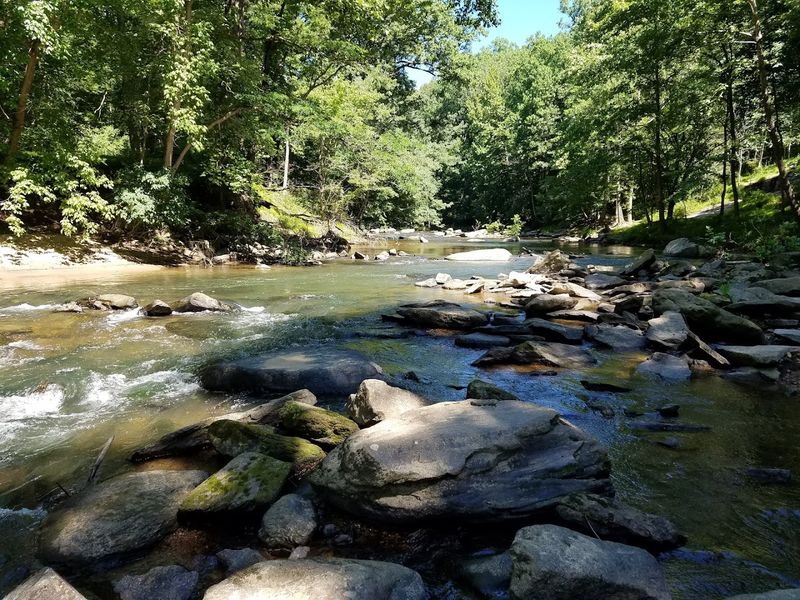
The McKeldin area sits on the northwestern edge of the park and feels noticeably different from the busier southern sections. Here, the Patapsco River carves through ancient gneiss rock, creating natural rapids and small cascades that give the landscape a raw, untamed energy.
It is the kind of place that makes you feel genuinely far from civilization, even though you are not.
The McKeldin Rapids and Switchback Trail Loop covers about 1.8 miles and is rated easy, making it perfect for those who want a taste of rugged scenery without a serious workout. The longer McKeldin Falls loop stretches to 2.4 miles and adds even more river views and forested terrain.
Both routes offer plenty of spots to pause and watch the water move through the rocks.
Wildlife sightings are common in this area. Deer, foxes, and a wide variety of birds tend to appear when the trails are quieter, especially in the early morning.
The pine groves and hardwood forests alternate in a way that keeps the visual experience constantly changing. Bring sturdy footwear since some sections include roots and uneven ground that reward careful footing.
The Daniels Area: Quiet, Woodsy, and Full of Discovery
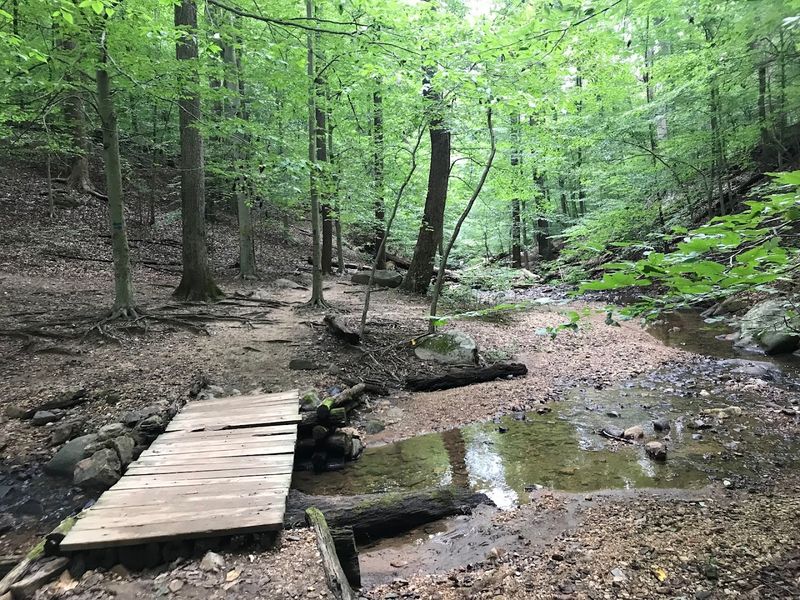
If you want the version of this park that feels the most like a genuine escape, the Daniels Area is where to go. It sits farther from the main entrances, which means fewer people and a noticeably quieter atmosphere.
The trails here wind through thick forest and lead past historic mill ruins that feel like they belong in another century entirely.
One of the highlights in this section is Camel’s Cave, a rock formation hidden along the trail that adds a sense of adventure to the hike. The ruins of old mills and industrial structures appear at unexpected turns, turning a simple walk into something that feels more like exploration.
The river views along these paths are consistently stunning throughout the year.
Autumn is particularly spectacular here when the hardwood canopy shifts into deep reds and oranges. Spring brings wildflowers along the trail edges and the sound of water running high after winter rains.
The Daniels Area rewards those willing to drive a little further and walk a little slower. It is the kind of place that regulars tend to keep quietly to themselves, and honestly, that makes it even better.
The Thomas Viaduct: A Bridge That Rewrites History
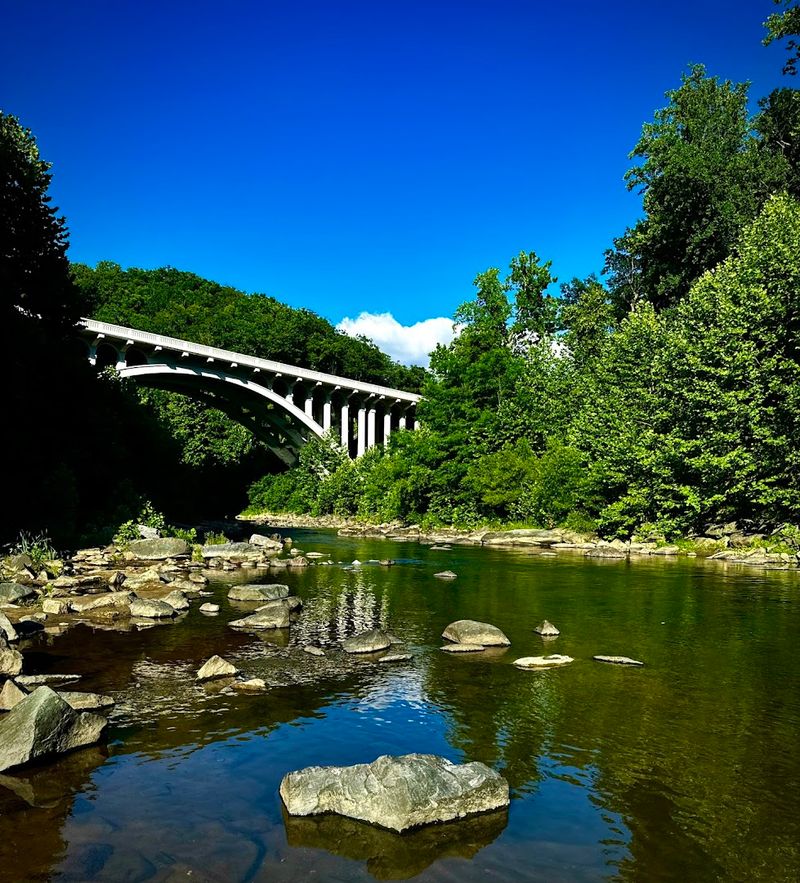
Most people come to Patapsco Valley for the trails and waterfalls, but the Thomas Viaduct quietly steals the show for history lovers. Built in 1835, this granite railroad bridge spans the Patapsco River with eight graceful arches, making it the oldest multiple-arched stone railroad bridge still in active use anywhere in the world.
That fact alone makes it worth a stop.
Seeing it in person is genuinely impressive. The scale of the structure feels almost impossible given when it was built, and the craftsmanship has held up through nearly two centuries of use.
Trains still roll across it regularly, which adds a living, breathing quality to what could otherwise feel like a museum piece.
The best views come from the riverbank below, where the full sweep of the arches is visible against the sky. Morning light hits the stone with a warm golden tone that makes for excellent photography.
Pairing a visit to the viaduct with a walk along the Grist Mill Trail creates a natural half-day itinerary that blends history and scenery without any overlap. It is a reminder that some things are built to last far beyond what anyone originally imagined.
The Swinging Bridge: A Crossing Worth the Nerves
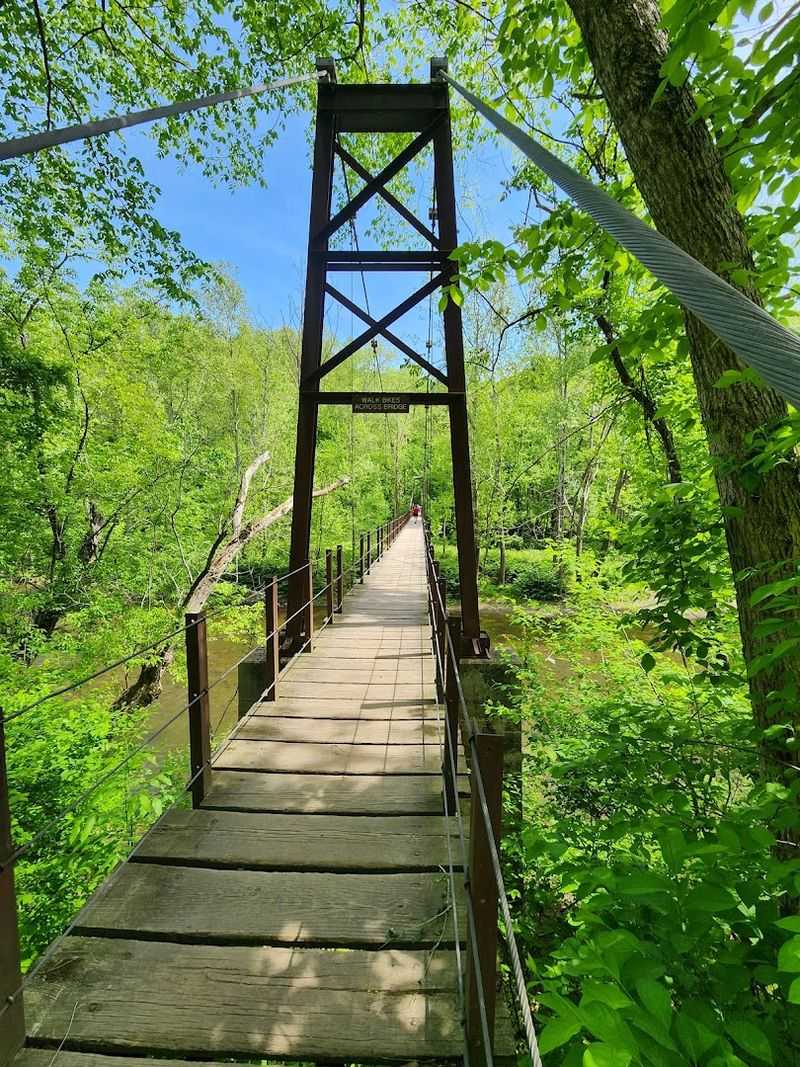
There is a moment when you first step onto the Swinging Bridge and feel it shift beneath your weight that makes even confident hikers pause and smile.
Located in the Avalon and Orange Grove area, this pedestrian suspension bridge sways gently as you cross the Patapsco River, offering views up and down the water that are hard to match anywhere else in the park.
It is equal parts thrilling and beautiful.
Kids absolutely love it, and honestly, most adults do too once they commit to the crossing. The bridge connects trail systems on both sides of the river, making it a practical link as well as a memorable experience.
Looking down at the river from the middle of the span gives you a perspective of the valley that no riverside trail can replicate.
The surrounding forest frames the bridge on both ends, creating a natural tunnel effect that feels almost magical in the right light. Early mornings bring mist rising off the river, which adds an extra layer of atmosphere to the crossing.
Pairing the bridge with a loop to Cascade Falls turns the visit into one of the best half-day adventures the park has to offer. Do not skip it.
Fishing, Canoeing, and the River Life
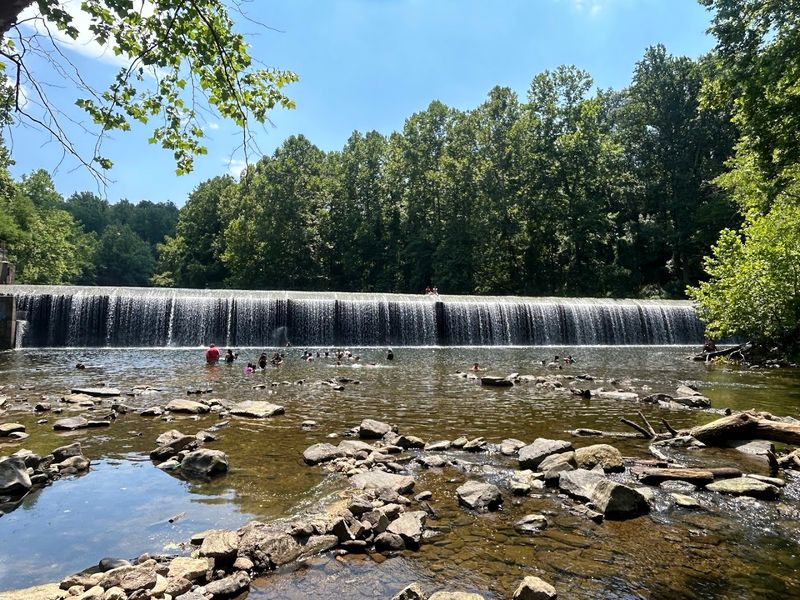
The Patapsco River is not just a backdrop in this park; it is a destination in itself. Anglers regularly line the banks in the early morning, casting into stretches of river known to hold a solid variety of fish.
The park allows fishing throughout much of its length, and the combination of moving water, shaded banks, and relative quiet makes it a genuinely enjoyable way to spend a few hours.
Canoeing and kayaking offer a completely different relationship with the river. From the water, the valley walls rise on both sides and the forest feels even more immersive than it does from the trails.
Calm sections make for relaxed paddling, while areas near the rapids add a bit of excitement for those who want it.
The sound of moving water is a constant companion no matter where you are along the river. It has a grounding quality that city life rarely offers.
Bringing your own gear is the most straightforward approach since the park does not operate a rental service on-site. Checking water levels before a paddling trip is always a smart move, especially after heavy rain when currents can shift significantly.
Camping Under the Trees: Staying the Night Changes Everything
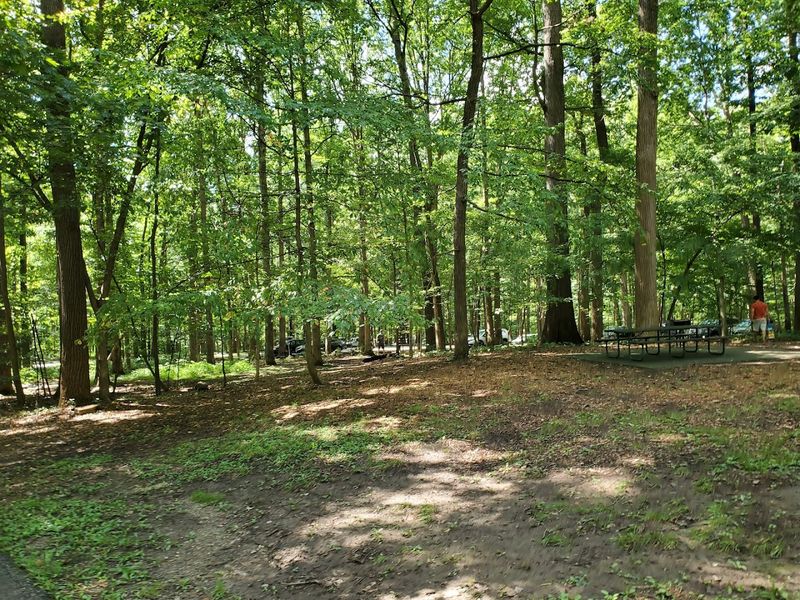
Day trips to Patapsco Valley are wonderful, but spending a night here shifts the experience into something else entirely. The park offers camping in select areas, and falling asleep to the sound of the river and waking up to birdsong before the trails fill with visitors is genuinely hard to beat.
It gives you access to the park at its quietest and most atmospheric.
Morning light in the forest has a quality that afternoon visitors simply never see. The air is cooler, the shadows longer, and the wildlife more active.
Deer sometimes wander through campsites with casual confidence, as if they are the ones granting you permission to stay.
Reservations are recommended, especially for weekend stays during spring and fall when the park draws its largest crowds. Packing layers is wise since temperatures near the river drop noticeably after sunset even in warmer months.
Campfire cooking adds a ritual quality to evenings that feels completely removed from daily routines. The combination of starlight through the tree canopy and the distant sound of water running over rocks creates exactly the kind of reset that most people are quietly searching for when they plan a trip like this.
Wildlife and the Living Forest: More Than Just Trees
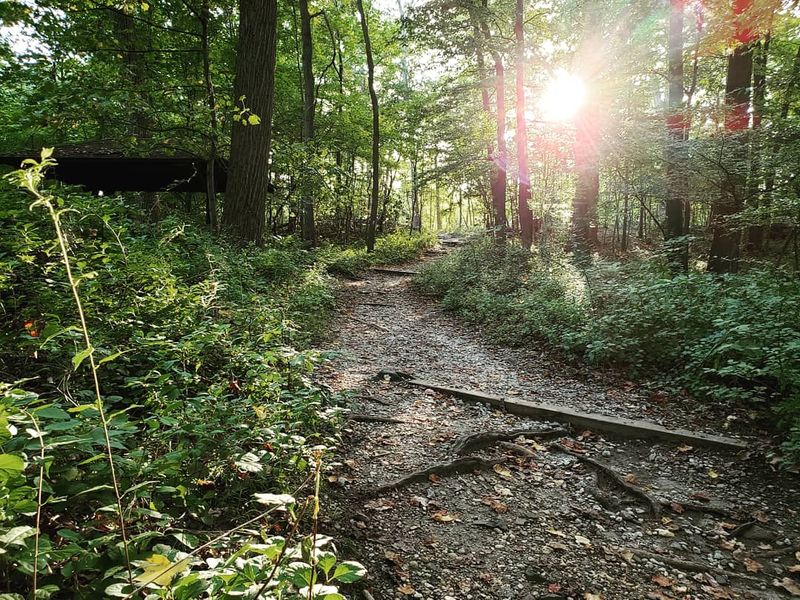
Patapsco Valley State Park is home to a surprisingly rich collection of wildlife, and paying attention to your surroundings while hiking almost always rewards you with a sighting. White-tailed deer are common throughout the park and seem remarkably unbothered by hikers who move quietly.
Foxes appear more often than you might expect, especially in the transitional zones between forest and open field.
Bird life here is genuinely impressive across all seasons. Warblers, herons, woodpeckers, and raptors all make appearances depending on the time of year.
The river corridor acts as a natural highway for migratory species in spring and fall, turning certain stretches of trail into excellent birdwatching spots with very little effort required.
The diversity of habitats within the park is what makes the wildlife so varied. Pine groves, hardwood forest, open meadows, and riparian zones each support different communities of animals and plants.
Slowing your pace and listening closely reveals a layer of the park that fast hikers routinely miss. A small pair of binoculars fits easily in any daypack and transforms a regular hike into something that feels more like an expedition.
The forest here is genuinely alive in every direction.
Planning Your Visit: Practical Tips for Getting the Most Out of the Park
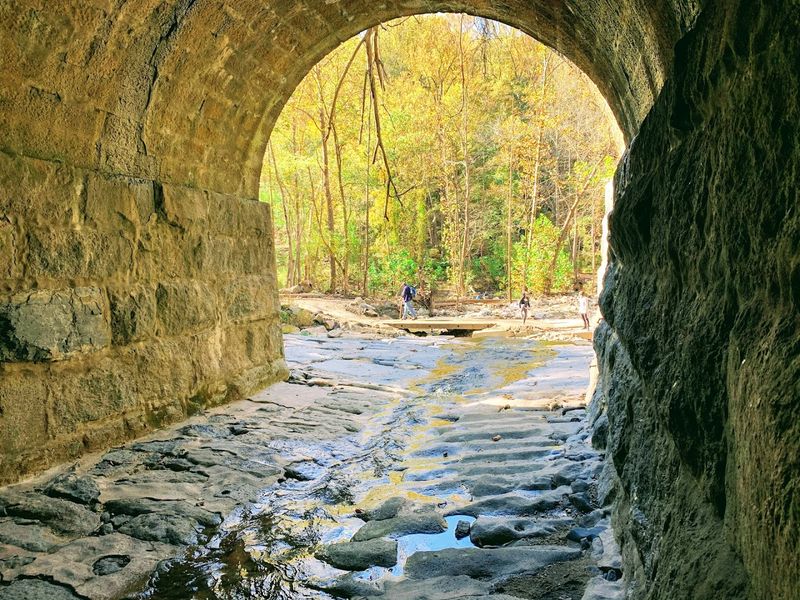
Getting the most out of a visit to Patapsco Valley State Park comes down to a few simple decisions made before you leave home. The park spans multiple access points, and choosing the right one for your plans matters more than most first-time visitors realize.
The Avalon and Orange Grove area is the most popular and fills up fast on weekends, so arriving before 9 a.m. is genuinely the best strategy.
Entry fees are modest and vary between weekdays and weekends, with children in car seats admitted free. The park’s trail network exceeds 200 miles total, with 70 miles actively maintained, so downloading a map before your visit saves a lot of guesswork on the ground.
Cell service can be spotty in the deeper sections of the park.
Wearing layers and bringing more water than you think you need covers most situations regardless of season. The terrain ranges from flat riverside paths to hilly forest routes with roots and rocks, so matching your footwear to your planned trail makes a real difference.
Dogs are welcome on leash in most areas, which makes the park a favorite destination for pet owners as well.
Address: 8020 Baltimore National Pike, Ellicott City, Maryland.
