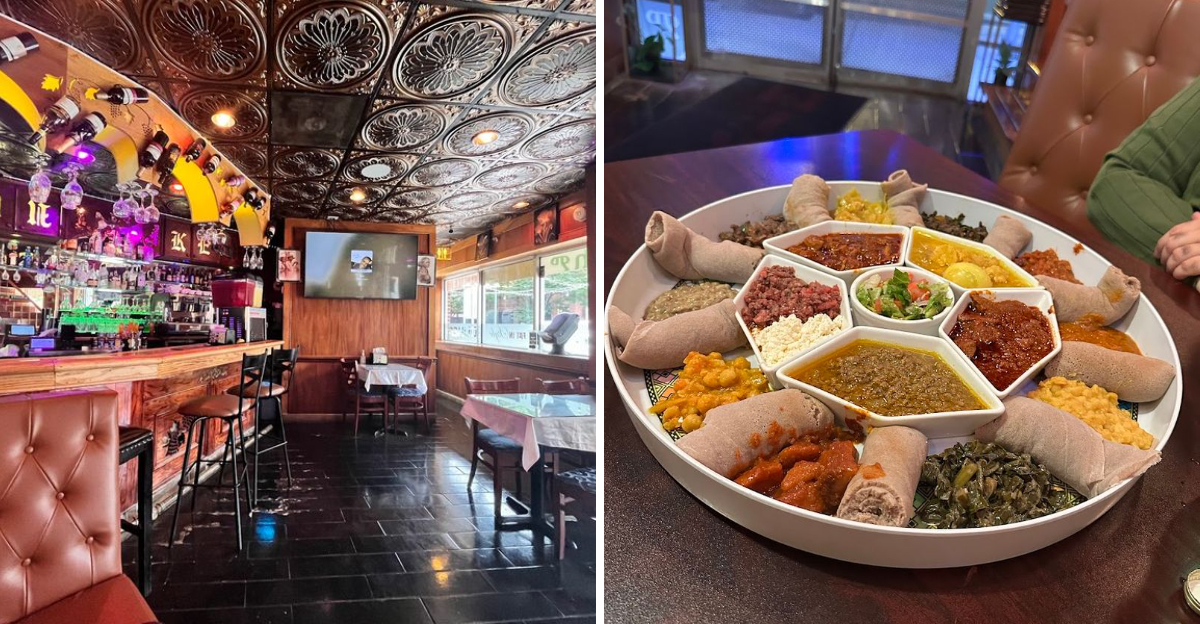
Ethiopian food is about community. One large plate, a spongy bread called injera, and a table full of people sharing.
This Maryland restaurant does it the right way. Authentic flavors, generous portions, and a dining experience that feels like a celebration.
The stews are rich and spiced perfectly, the vegetables are fresh, and the injera is the perfect tool for scooping up every last bite. Locals have been coming here for years.
Newcomers are welcomed and guided through the menu. The atmosphere is warm, the staff is friendly, and the food is unforgettable.
Sharing a meal here feels like more than just dinner. It feels like an experience.
That is the beauty of a Maryland Ethiopian restaurant. A meal that brings people together, one plate at a time.
The Story Behind Dukem and Why It Has Lasted So Long
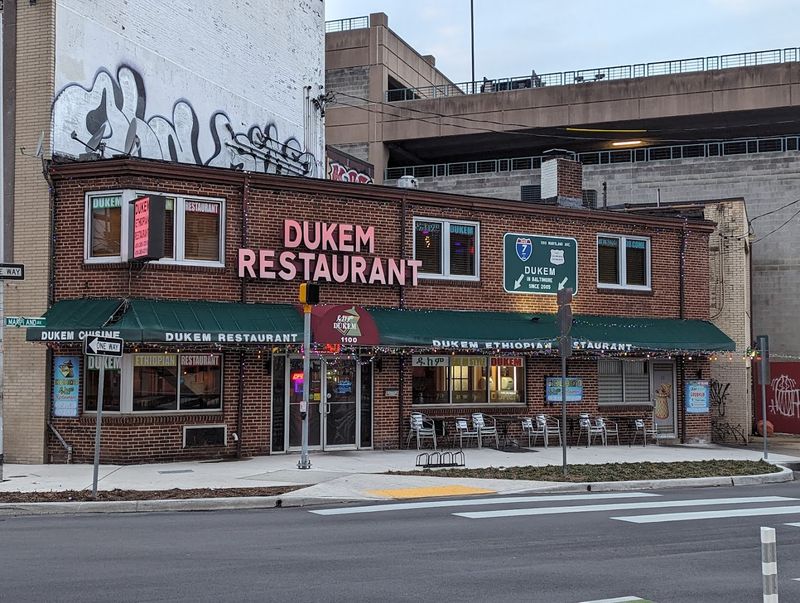
Some restaurants feel like they have always been part of a city, and Dukem Ethiopian Restaurant in Baltimore carries exactly that kind of steady, rooted energy. Opened in 2004, it followed the success of its sister restaurant in Washington D.C., which had already been serving authentic Ethiopian food since 1997.
That kind of longevity does not happen by accident.
The Baltimore location is operated by sisters Lydia and Dr. Yodi Terra, whose parents founded the original D.C. spot. Running a family restaurant is not easy, but the Terra family has managed to keep the spirit of Ethiopian hospitality alive across two cities for decades.
There is a clear sense of pride in what they serve and how they serve it.
What makes Dukem stand out is not just the food, but the commitment to keeping things authentic. The restaurant does not try to water down Ethiopian cuisine for outside audiences.
Instead, it trusts guests to embrace the traditions as they are, from eating with your hands to sharing one big plate with everyone at the table.
Situated conveniently near landmarks like the University of Baltimore and within walking distance of Baltimore Penn Station, the location makes it easy for both locals and visitors to find their way here. The restaurant also sits about five blocks from Baltimore’s Washington Monument.
It has earned its place in the city not through trends, but through consistency, care, and genuinely good food that keeps people coming back year after year.
Injera, the Edible Plate That Changes Everything
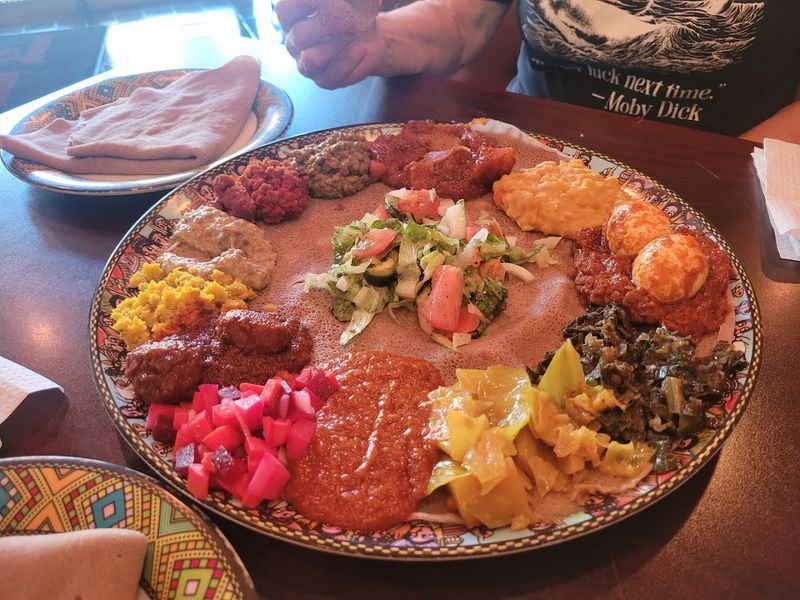
Injera might be the most clever thing in Ethiopian cuisine, and once you understand what it is, your whole approach to the meal shifts. It is a spongy, slightly sour flatbread made from fermented teff flour, and it serves as both the plate your food is placed on and the utensil you use to eat it.
That is a pretty remarkable thing when you think about it.
The texture is soft and a little bubbly on the surface, which makes it perfect for scooping up thick stews and sauces. Teff is an ancient grain native to Ethiopia, so eating injera connects you to something with deep historical roots.
The fermentation process gives it a mild tang that balances beautifully against the bold, spiced flavors of the dishes served alongside it.
At Dukem, injera is not an afterthought. It is the foundation of every meal.
You tear off pieces with your right hand and use them to grab bites of lentils, greens, or meat stews directly from the communal plate. There is something wonderfully tactile and satisfying about eating this way.
Silverware is available if you really want it, but trying the traditional method at least once is absolutely worth it. The whole experience of using injera as your spoon and plate makes the meal feel more connected, more intentional.
It is one of those small things that turns dinner into something you will genuinely remember long after you leave the restaurant.
A Vegetarian and Vegan Menu That Actually Excites
Ethiopian cuisine has one of the most naturally plant-forward traditions in the world, and Dukem reflects that beautifully. A significant portion of the menu is vegetarian or vegan, not as a modern trend, but because of deep religious and cultural roots.
During Orthodox Christian fasting periods, Ethiopians abstain from meat and animal products, which has shaped an entire branch of the cuisine over centuries.
The result is a collection of vegetable dishes that are anything but boring. Spiced lentils in multiple preparations, yellow split peas cooked with turmeric and aromatics, tender collard greens, braised cabbage with carrots, and chickpeas in a spiced sauce all show up on the combo platters.
Each one has its own distinct flavor profile.
What impresses me most about these dishes is how satisfying they are without relying on meat for substance. The spices do a lot of the heavy lifting, and the variety of textures across the plate keeps every bite interesting.
Shiro, in particular, has a richness that feels indulgent despite being completely plant-based.
For anyone who follows a vegan or vegetarian diet and has ever felt limited at restaurants, Dukem is a genuinely exciting place to eat. The plant-based options are not side dishes or afterthoughts.
They are the main event, built on a tradition that has been perfecting these flavors for generations. Even dedicated meat eaters often find themselves reaching for the lentils and greens just as enthusiastically as anything else on the plate.
Communal Dining and the Beautiful Tradition of Eating Together
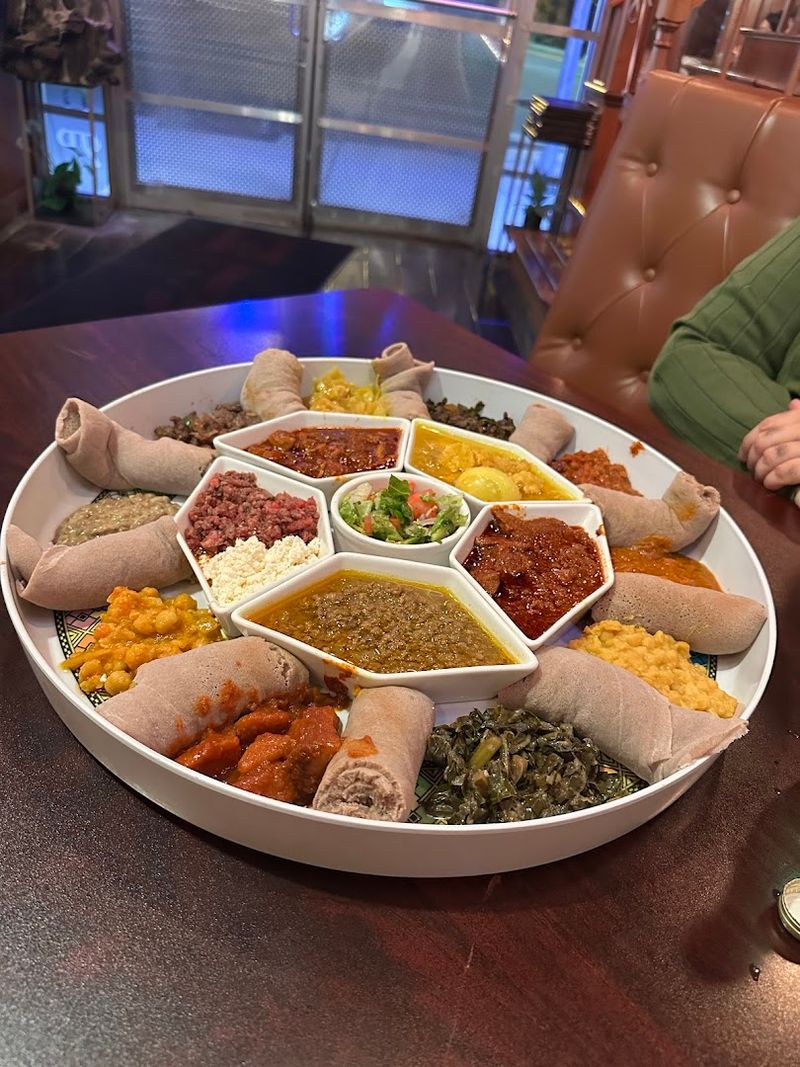
There is a reason communal dining has survived for thousands of years across cultures, and Ethiopian food tradition makes that reason impossible to ignore. At Dukem, the meal arrives on one large shared plate, and everyone at the table eats from it together.
It sounds simple, but the effect on the mood at the table is immediate and real.
Sharing food breaks down a certain kind of formality that individual plates tend to create. You reach across, you offer someone a scoop of something good, and suddenly the conversation gets easier and more natural.
Food becomes a language of its own.
Ethiopian culture even has a specific word for feeding someone else by hand, and it is called gursha. The act involves taking a piece of injera loaded with food and offering it directly to another person at the table.
It is a gesture of affection, care, and respect, and it carries genuine emotional weight in the culture.
Experiencing gursha at Dukem, even just hearing it explained, adds a layer of meaning to the meal that most dining experiences simply do not have. It is not a performance for tourists.
It is a real practice that reflects how Ethiopians think about relationships and generosity. Eating at Dukem is not just about tasting new food.
It is about understanding a different way of being together at the table, one that feels surprisingly easy to appreciate no matter where you come from.
The Ethiopian Coffee Ceremony and What It Means to Slow Down
Coffee culture in Ethiopia is not just about caffeine. It is about time, connection, and ritual.
Ethiopia is widely considered the birthplace of coffee, and the traditional coffee ceremony reflects just how seriously the country takes this drink. At Dukem, the ceremony offers a chance to close out a meal in a way that feels genuinely ceremonial rather than rushed.
The process involves roasting green coffee beans, grinding them by hand, and brewing the coffee in a clay pot called a jebena. The aroma alone is something special, rich and slightly smoky in a way that bottled or pre-ground coffee never quite matches.
It is served in small ceramic cups, often alongside popcorn or other light snacks.
Three rounds of coffee are traditionally served during the ceremony. Each round has a name, and each is said to carry its own spiritual significance.
Staying for all three is considered respectful and is part of the full experience. The ceremony is also a social gathering by design, meant to slow conversation down and give people space to just be together.
In a world where most meals end with a quick check and a rush toward the door, the Ethiopian coffee ceremony at Dukem feels like a quiet rebellion against that pace.
Sitting with a small cup of freshly brewed coffee, surrounded by the warm atmosphere of the restaurant, is one of those moments where you realize good food and good company are really all you need.
It is a genuinely lovely way to end an evening.
The Atmosphere Inside Dukem and How It Sets the Mood
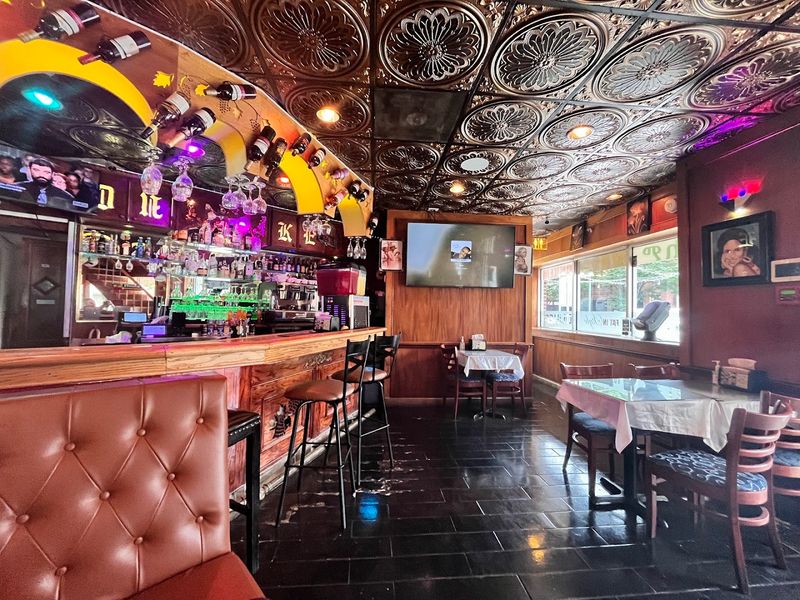
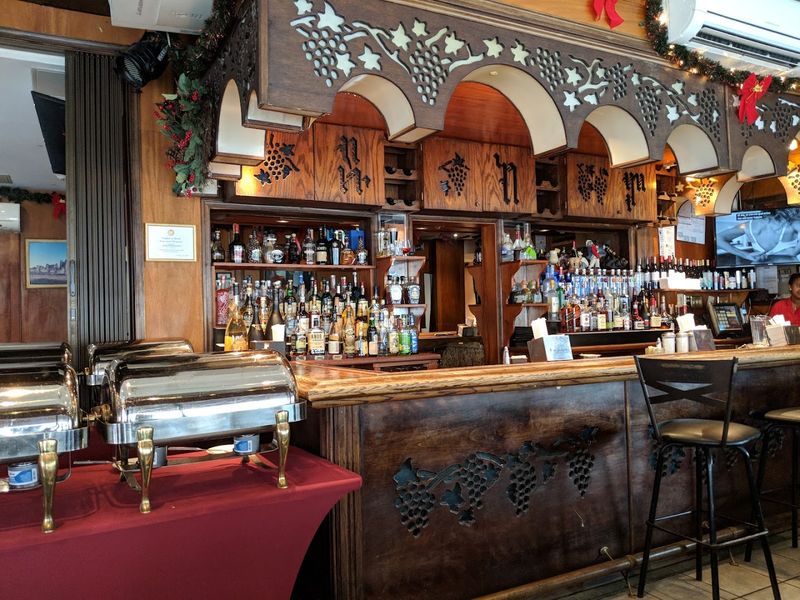
The vibe inside Dukem is hard to pin down in just a few words, but the best way I can describe it is lively and genuinely warm. Ethiopian pop music videos play on screens in the dining area, which adds an unexpected layer of energy that makes the space feel alive rather than staged.
It is the kind of soundtrack that makes you curious about a whole culture you might not know much about yet.
The first floor features a wooden-topped bar and a collection of small tables that keep the space feeling intimate rather than cavernous. The brightness of the interior is welcoming, and the aromas that hit you as you settle in do a lot of the work in making you feel at home quickly.
There is nothing pretentious about the decor or the setup.
Service at a restaurant like this tends to reflect the culture it represents, and at Dukem, that means attentive and genuinely hospitable. The staff can walk you through the menu without making you feel like a tourist, which matters a lot when you are trying something unfamiliar for the first time.
The restaurant draws a real mix of people, from longtime regulars who know exactly what they want to first-timers figuring out the injera situation. That mix gives the room a comfortable, unpretentious energy.
Nobody is performing here. Everyone is just eating, talking, and enjoying themselves, which is honestly the best thing a restaurant atmosphere can offer.
It feels like a place people actually love coming to.
Spices, Stews, and the Flavors That Make Ethiopian Food Unforgettable
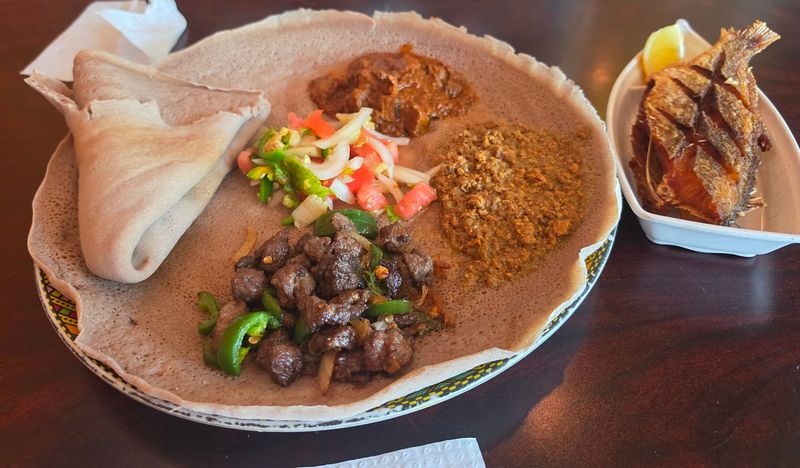
Ethiopian food hits differently than most cuisines, and a lot of that comes down to the berbere spice blend. Berbere is a complex mix of chili peppers, fenugreek, coriander, and other warming spices that shows up in many of Dukem’s dishes.
The heat is real, but it is layered and interesting rather than just sharp.
The menu at Dukem covers a wide range of flavors and textures. Spicy split lentils sit next to milder yellow peas and earthy greens.
Shiro, a thick stew made from chickpea or broad bean flour, has a smooth, deeply savory quality that makes it one of the most comforting things on the plate.
For those who want something heartier, beef tibs are a standout. Cubes of beef get sauteed with onions, rosemary, tomatoes, jalapeños, and garlic until everything is fragrant and slightly caramelized.
Another option, minchet abesh, features finely chopped beef prepared with ginger and garlic, giving it a completely different but equally satisfying character.
Sambusas make a great way to start the meal. These fried pastries are filled with lentils, onions, and jalapeños, and they have a satisfying crunch that contrasts nicely with the softer textures of the main dishes.
The combo platters at Dukem let you sample a range of these flavors at once, which is the smartest way to explore the menu if you are visiting for the first time. Every bite teaches you something new about the cuisine.
Why Dukem Is Worth Visiting If You Are in Baltimore
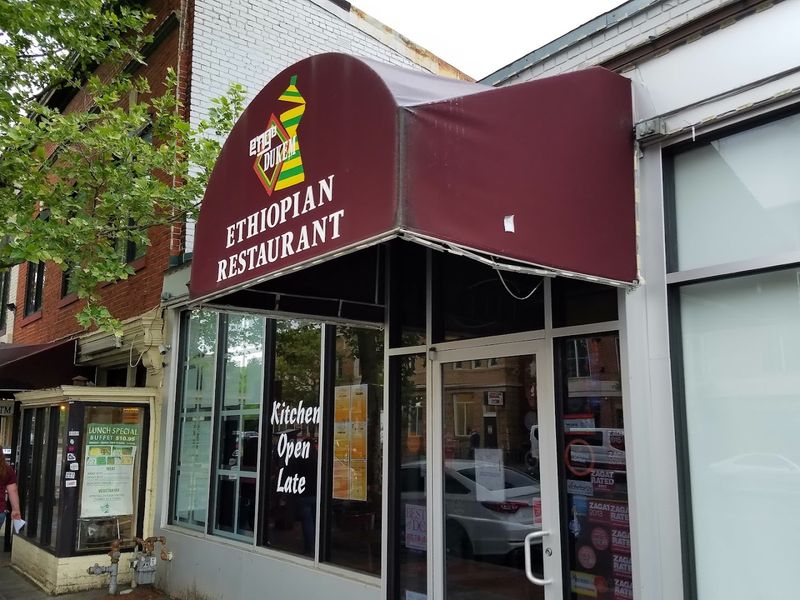
Baltimore has a lot of good restaurants, but Dukem occupies a very specific and irreplaceable space in the city’s food scene.
It is one of the few places where you can sit down for a meal and come away feeling like you actually learned something about another culture, not from a pamphlet or a museum, but from the food itself and the way it is shared.
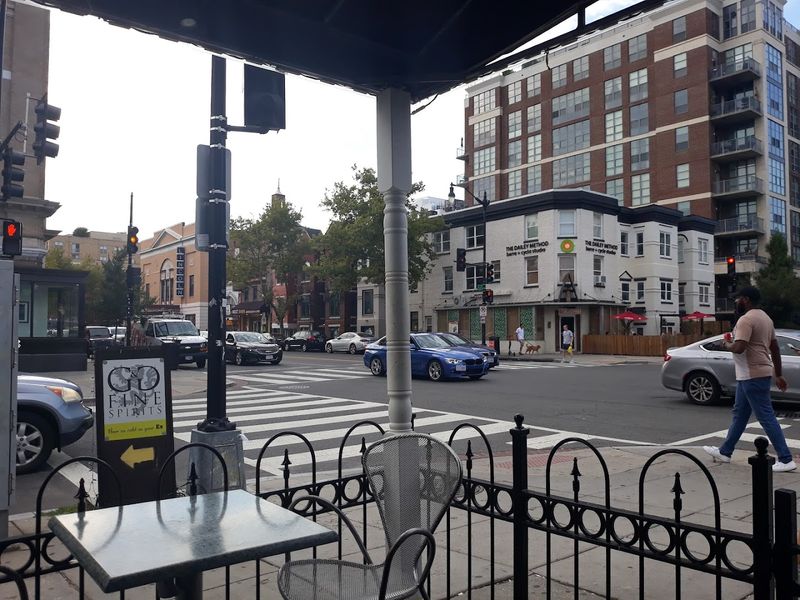
The location on Maryland Ave puts it within easy reach of several Baltimore landmarks. The Meyerhoff Symphony Hall and the University of Baltimore are both nearby, and Baltimore Penn Station is close enough that you could easily make Dukem part of a day trip to the city.
It is also about five blocks from Baltimore’s Washington Monument, making it a natural stop after some sightseeing.
Beyond the logistics, what really makes Dukem worth a visit is the feeling you get when you leave. There is something about a meal shared from one plate, eaten with your hands, surrounded by warmth and good flavors, that stays with you.
It is not just a restaurant visit. It is a small cultural immersion that happens over the course of a couple of hours.
Whether you are a Baltimore local who has somehow never made it here, or a visitor looking for something more meaningful than a standard dinner, Dukem delivers. The food is real, the tradition is genuine, and the experience is one you will want to repeat.
Address: 1100 Maryland Ave, Baltimore, MD 21201.
