I have driven across Missouri more times than I can count, usually just trying to get from one side to the other with as few stops as possible. This park made me pull over, stay for hours, and immediately start planning a return trip before I even got back in the car.
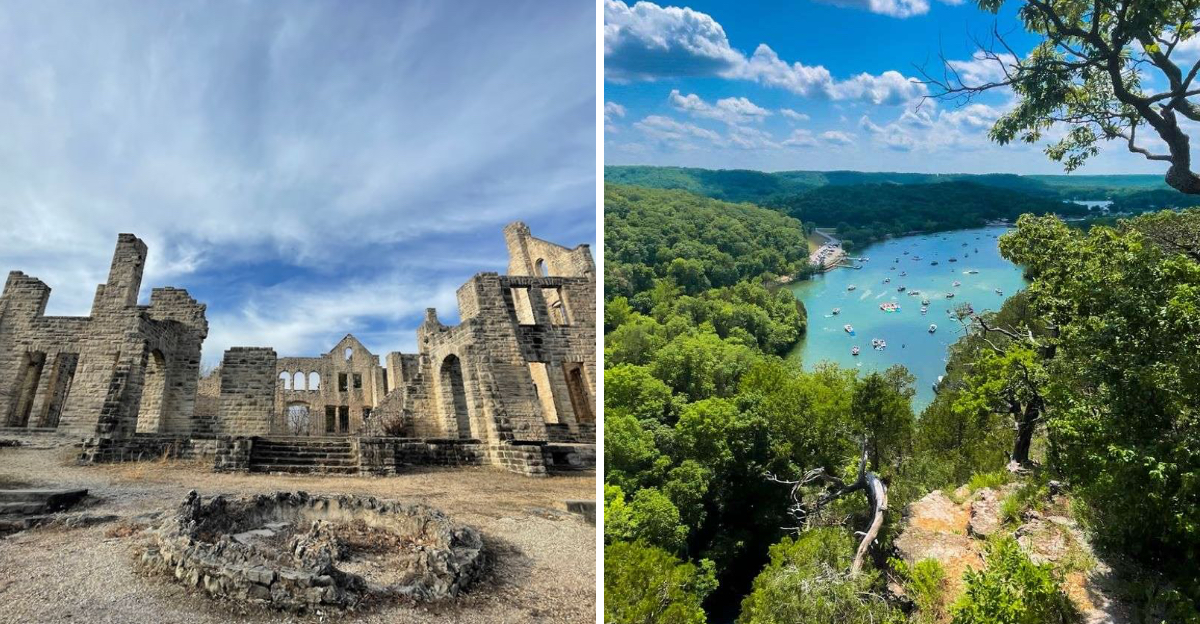
Three thousand seven hundred fifty-one acres of ridiculous natural beauty including a massive stone castle ruin sitting on a bluff that makes you feel like you accidentally wandered onto a movie set, plus spring-fed turquoise water, caves, hiking trails, and views that will absolutely wreck your camera roll.
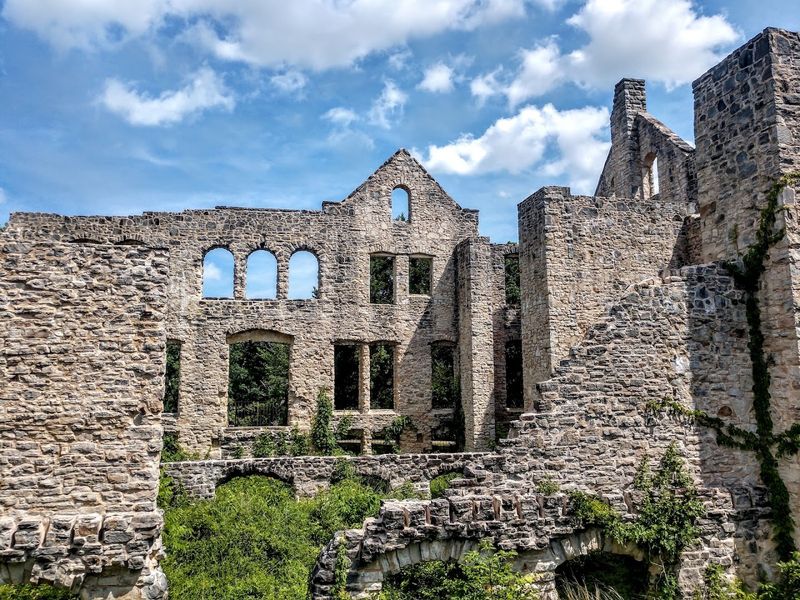
I hiked down to the spring first because the color of that water is unreal, then climbed up to the castle ruins and just stood there for a solid ten minutes trying to process that this place exists in Missouri and not somewhere far more famous.
You could spend an entire weekend here and still not see everything, and honestly that is exactly what I am planning to do.
The Story Behind the Castle Ruins
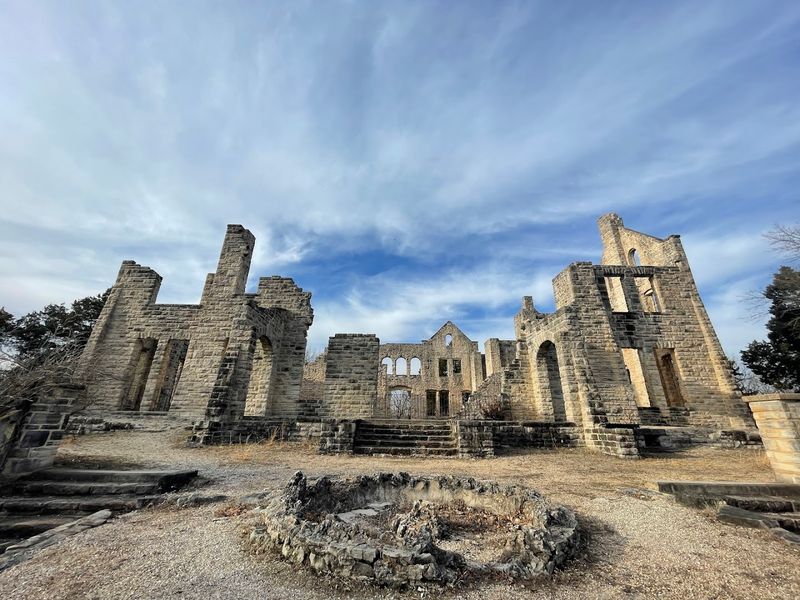
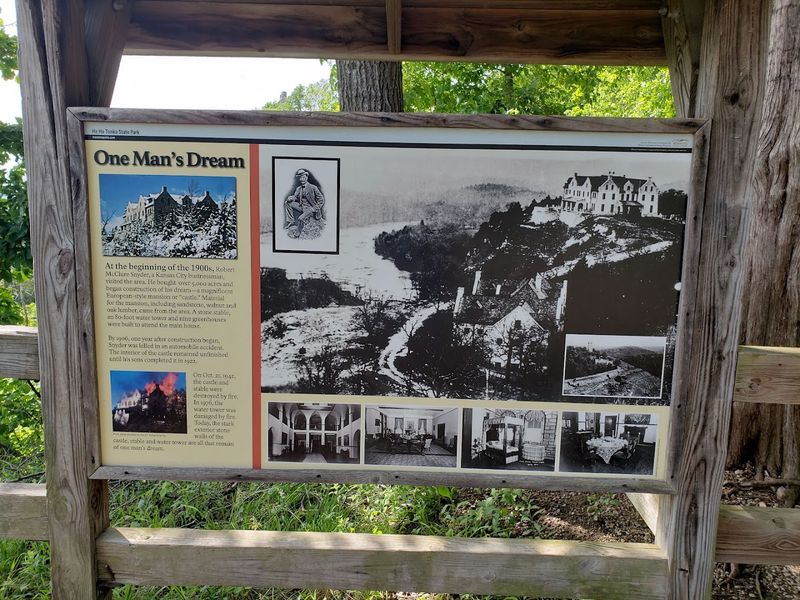
Long before Ha Ha Tonka became a Missouri state park, a Kansas City businessman began building a grand European-style castle on the bluffs above the Niangua arm of Lake of the Ozarks around 1905.
Construction started with serious ambition. The structure featured a 60-foot water tower, a carriage house, stables, and a main castle building crafted from local stone.
Sadly, the original owner passed away in an early automobile accident before the castle was ever finished. His sons continued the project, but a fire in 1942 gutted the main building and left the stone shell that stands today.
Walking through those walls now feels like stepping into a completely different era. The stonework is still remarkably intact, and the arched windows frame views of the lake below in a way that no architect could have planned better.
Missouri preserves these ruins carefully, and informational signs along the path fill in the fascinating backstory. The castle is the emotional heart of the park, and no visit feels complete without spending real time inside those old walls.
The Landscape That Makes This Park Unique
Ha Ha Tonka sits squarely in the heart of the Ozark karst region, and that geology is what makes the park feel so different from anywhere else in Missouri.
Karst terrain forms when water slowly dissolves limestone over thousands of years, leaving behind a dramatic patchwork of caves, sinkholes, natural bridges, and springs.
The park contains all of these features within its 3,751 acres, which means a single afternoon hike can take you past a yawning sinkhole, under a natural stone arch, and down to a cold freshwater spring without ever repeating the same scenery.
Cedar glades open up between forested ridges, giving the landscape a layered, almost theatrical quality. The contrast between the open rocky outcrops and the dense green forest below is genuinely striking in every season.
Spring brings wildflowers to the glades, summer deepens every shade of green, autumn turns the whole park into a canvas of orange and red, and winter strips the trees back to reveal the raw geology underneath. Every season offers a completely different reason to make the drive.
Hiking Trails for Every Ability Level
One of the most practical things about Ha Ha Tonka is how well the trail system is laid out for all kinds of visitors.
The Castle Trail is the most popular route, and for good reason. It is paved, less than half a mile each way, and wide enough for wheelchairs, making the castle ruins accessible to almost everyone who visits the park.
Beyond that main path, the park offers several miles of unpaved backcountry trails that wind through cedar glades, past sinkholes, and along rocky bluffs above the lake. These trails add genuine challenge and reward hikers with views that feel far removed from the busy parking area.
The Turkey Pen Hollow Trail and the Devil’s Kitchen Trail are particularly good choices for anyone who wants to explore the wilder side of the park. Expect some elevation changes and rocky footing on the unpaved routes.
Missouri does a solid job of marking trail distances and difficulty levels at each trailhead, so planning your day is straightforward. Bringing sturdy shoes and a water bottle is all the preparation most people need for a comfortable and memorable outing here.
The Natural Bridge and What It Took to Get There
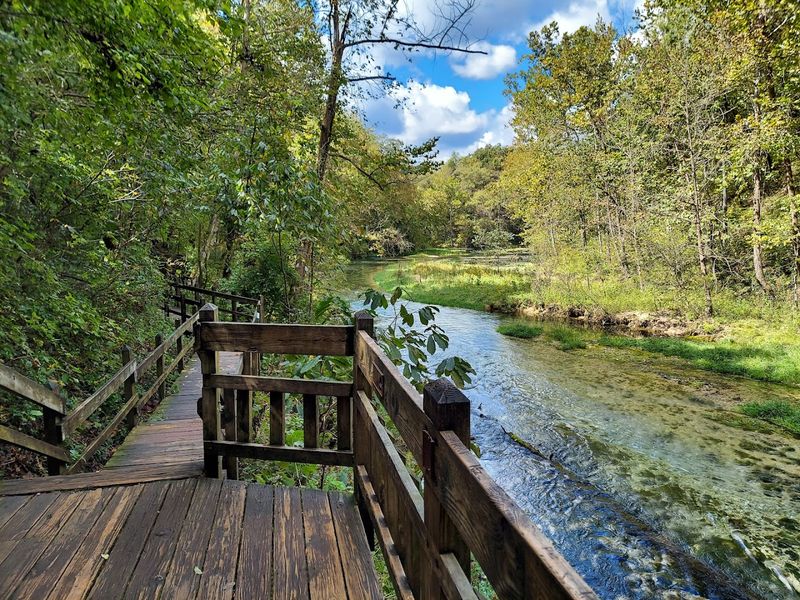
Most parks in Missouri have one or two headline features, but Ha Ha Tonka keeps surprising you around every bend. The natural bridge is one of those surprises.
Carved by centuries of water moving through limestone, this stone arch spans a hollow in the park’s interior and feels almost too perfect to be natural. Standing beneath it and looking up at the curved rock overhead is one of those quiet moments that sticks with you long after the drive home.
Getting to the natural bridge requires a bit more effort than the castle trail. The path involves some uneven terrain and a descent into the hollow, but the payoff is absolutely worth the extra steps.
Very few people seem to make it all the way out to the bridge compared to the castle area, which means you often have this remarkable geological feature almost entirely to yourself. That kind of solitude is increasingly rare in popular state parks.
The bridge is just one part of a larger loop that connects several of the park’s geological highlights, so combining it with the sinkhole area and the spring makes for an excellent half-day adventure through some of the best scenery Missouri has to offer.
Ha Ha Tonka Spring and the Lake Connection
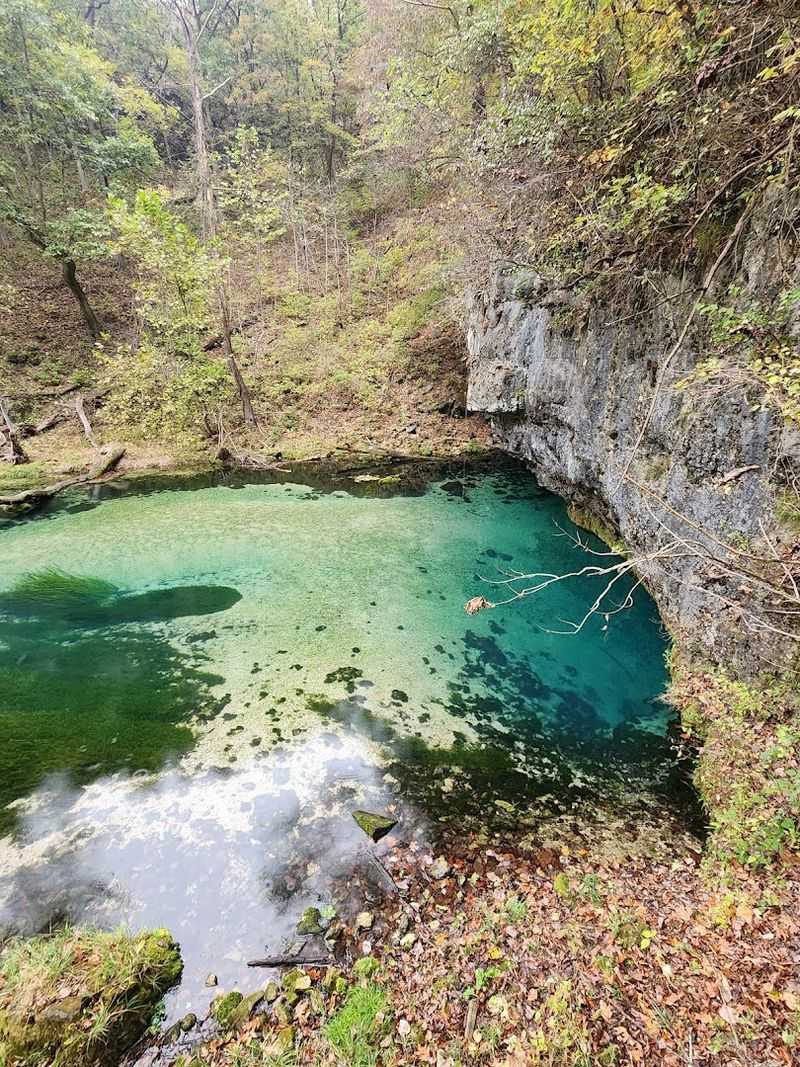
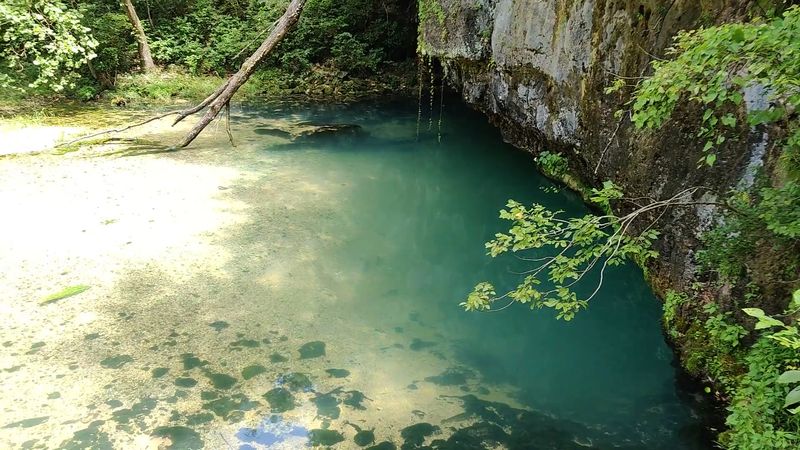
At the base of the bluffs, Ha Ha Tonka Spring pushes millions of gallons of cold, clear water directly into the Niangua arm of Lake of the Ozarks every single day.
Standing at the spring and watching that turquoise water bubble up from underground and flow straight into the lake is one of the more visually dramatic moments the park offers. The color contrast between the spring water and the surrounding rock is almost unreal.
The spring is one of Missouri’s largest, and it has been a focal point for the area for well over a century. Long before the castle was built, the spring drew people to this particular stretch of the Ozarks because of the reliable, cold freshwater it provided year-round.
A short trail leads down to the spring from the main parking area, and the path passes through some beautiful bottomland forest along the way. It is worth taking your time on the descent and watching for wildlife near the water.
The spring also marks a natural transition point in the park, where the rugged upland geology meets the calmer, more open feel of the lakeshore. It is a genuinely peaceful spot to pause before heading back up to the bluffs.
The Water Tower and Carriage House Still Standing
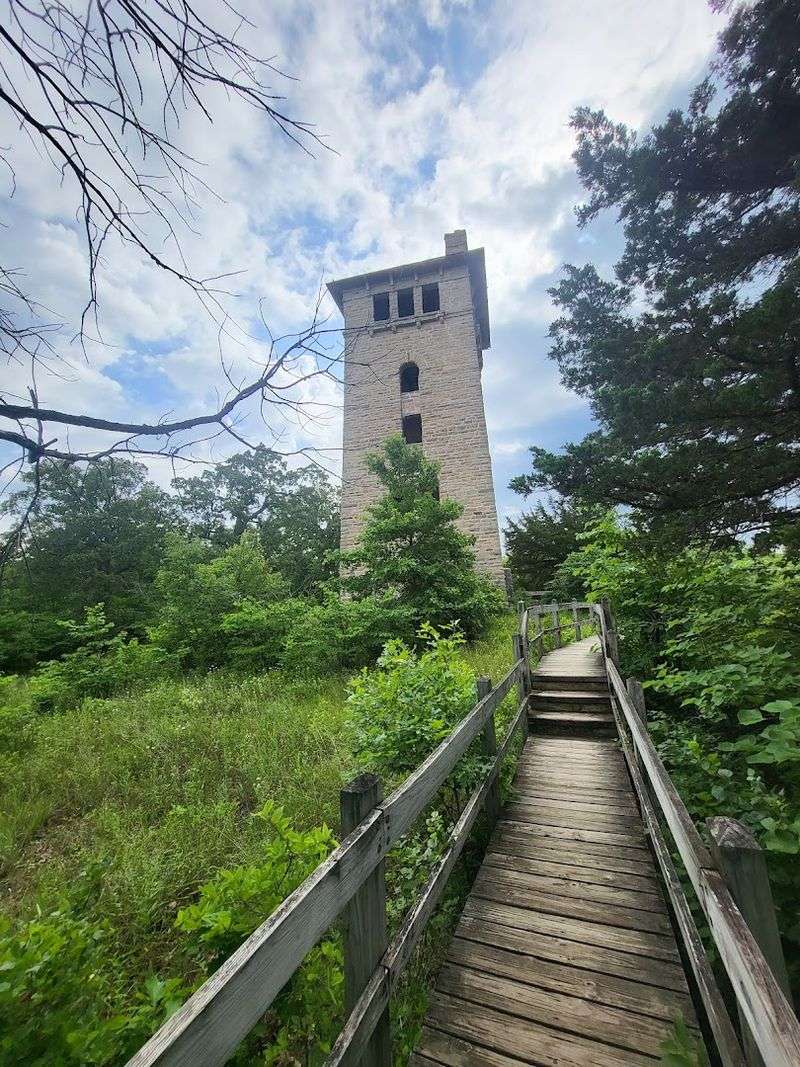
The castle gets most of the attention, but the water tower and carriage house on the grounds are fascinating structures in their own right.
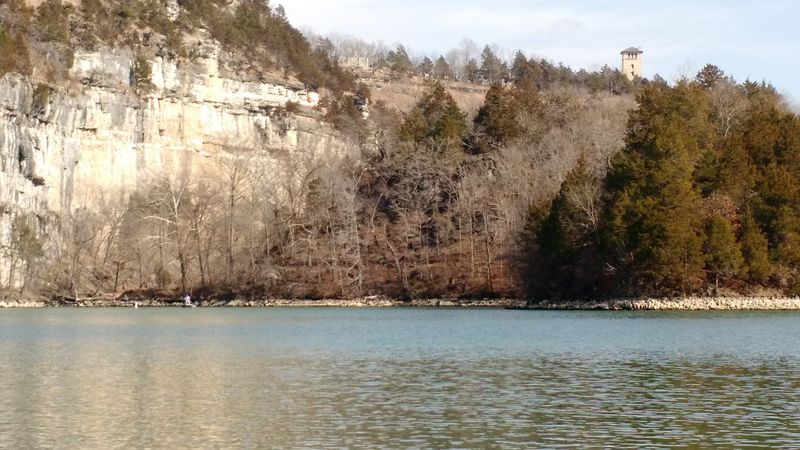
The 60-foot water tower was built to supply the estate with running water, which was a genuinely impressive feat of engineering for a private home in rural Missouri at the turn of the 20th century. It still stands tall beside the castle ruins and is visible from the parking lot.
The carriage house, also built from local stone, gives a sense of how grand the original estate was meant to be. This was not just a summer cottage.
It was a full-scale country mansion designed to impress.
Reading the informational panels near these structures fills in the details of the original construction and helps you picture what the estate would have looked like before the 1942 fire changed everything. The scale of the ambition involved is genuinely striking.
Both structures are in remarkable condition given their age and the decades of exposure to Missouri weather.
Walking the full grounds and taking in all three main structures, the tower, the carriage house, and the castle, gives you a much richer sense of the estate’s original scope than focusing on the castle alone.
Wildlife and Nature Watching Opportunities
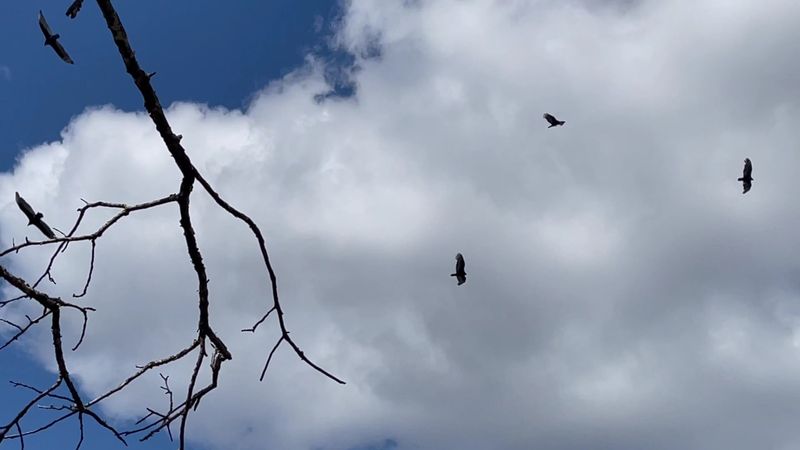
Ha Ha Tonka is not just about human history and geology. The 3,751 acres of varied habitat support a genuinely impressive range of wildlife, and paying attention to your surroundings on the trails pays off in unexpected ways.
White-tailed deer are common throughout the park, especially in the cedar glades and along the forest edges at dawn and dusk. Wild turkey are also frequently spotted, particularly in the quieter interior sections away from the main castle area.
The spring and lakeshore areas attract a steady stream of birds, including great blue herons, kingfishers, and various waterfowl depending on the season. Bringing binoculars adds a whole extra dimension to any visit.
Missouri’s cave systems within the park provide habitat for several bat species, and watching bats emerge from the cave entrances at dusk during summer is a genuinely memorable experience. The caves also shelter various species of cave-adapted invertebrates.
Water snakes and turtles are regularly spotted near the spring and along the lake edge, and the park’s diverse plant communities, from upland cedar glades to bottomland forest, create habitat transitions that attract a wide variety of insects, amphibians, and reptiles throughout the warmer months.
Caves and Sinkholes Beneath Your Feet
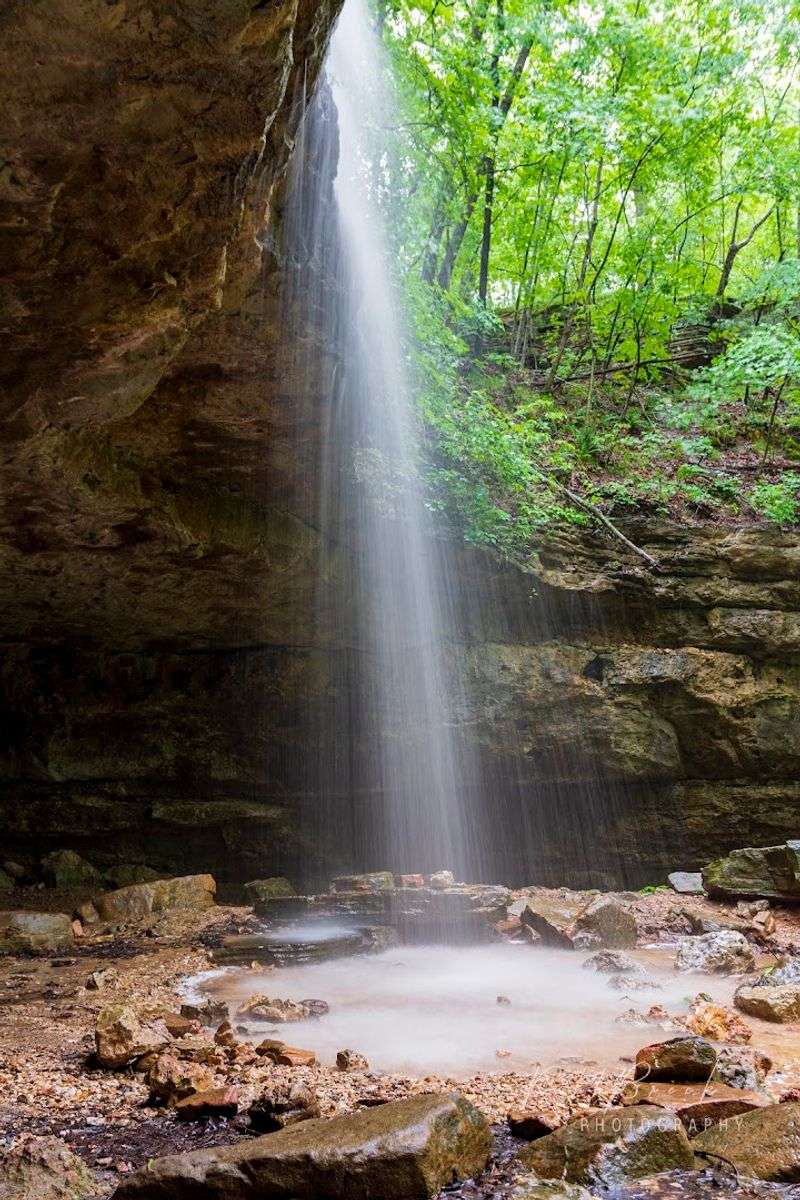
The ground at Ha Ha Tonka is full of secrets. The karst geology that shaped the visible landscape above ground continues working beneath it, and the park contains multiple caves and sinkholes that give you a direct look at that underground world.
The Devil’s Kitchen is one of the most dramatic features in the park. It is a collapsed cave system that created a large, open sinkhole with vertical rock walls dropping down into a shadowy interior.
Standing at the rim and peering down is both thrilling and humbling.
Several cave openings are accessible along the trails, and while full cave exploration requires proper equipment and experience, simply approaching the entrances and feeling the cool air flowing out is enough to spark genuine curiosity about what lies beyond.
Missouri’s karst systems are among the most extensive in the country, and Ha Ha Tonka gives you an unusually accessible introduction to that underground geology without requiring any specialized gear or experience.
The combination of visible sinkholes, cave entrances, and the spring that emerges at the base of the bluff tells a continuous story about how water has shaped this landscape over millions of years. It is geology you can actually feel and see, not just read about.
Best Times of Year to Plan Your Visit
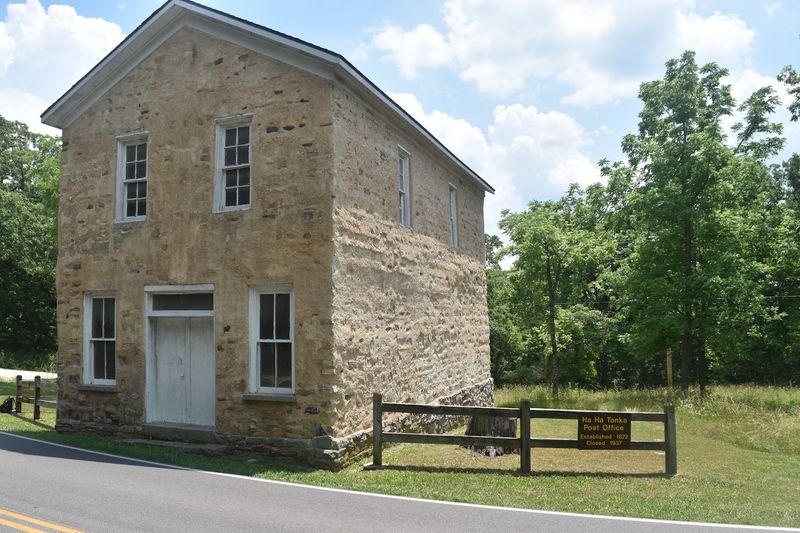
Ha Ha Tonka is genuinely worth visiting in any season, but each time of year brings a different character to the park, and knowing what to expect helps you plan the kind of trip you actually want.
Spring is arguably the most rewarding season for hikers. Wildflowers bloom across the cedar glades in April and May, the spring is running full and cold, and the trails are not yet crowded with summer visitors.
Summer brings the most foot traffic, especially on weekends, but the shaded forest trails stay relatively cool even in Missouri’s hottest months. Arriving early in the morning on summer weekends makes a noticeable difference in how peaceful the experience feels.
Autumn is spectacular. The mix of cedar, oak, and hickory trees creates layers of color across the hillsides, and the views from the castle ruins over the lake take on a completely different warmth in October and November.
Winter visits are quieter and surprisingly rewarding. The bare trees open up long views through the forest, the geology becomes more visible without the leaf cover, and the park feels genuinely peaceful with fewer people on the trails.
A clear winter day at the castle ruins is hard to beat.
Practical Tips for Your First Visit
A little planning goes a long way at Ha Ha Tonka, and a few simple tips can make the difference between a smooth, satisfying visit and a frustrating one.
The park is located at 1491 Missouri D, Camdenton, MO 65020, and the drive from most parts of Missouri is straightforward once you get onto Highway 54 near Camdenton. Signage from the highway is clear and easy to follow.
Parking can get tight on busy summer weekends and holiday periods, so arriving before 9 a.m. is a reliable strategy for securing a spot near the main trailheads. The visitor center staff are genuinely helpful and can point you toward the trails that best match your group’s ability and available time.
Bring water, wear comfortable shoes with grip, and apply sunscreen before you start. The paved castle trail is stroller-friendly and wheelchair accessible, but the backcountry trails involve rocky, uneven surfaces that require more careful footing.
Dogs are welcome on the trails as long as they stay on a leash, which makes Ha Ha Tonka a great choice for a full family outing. Missouri state parks are free to enter, so the only investment required is the drive and a good pair of walking shoes.
Views From the Bluffs Above Lake of the Ozarks
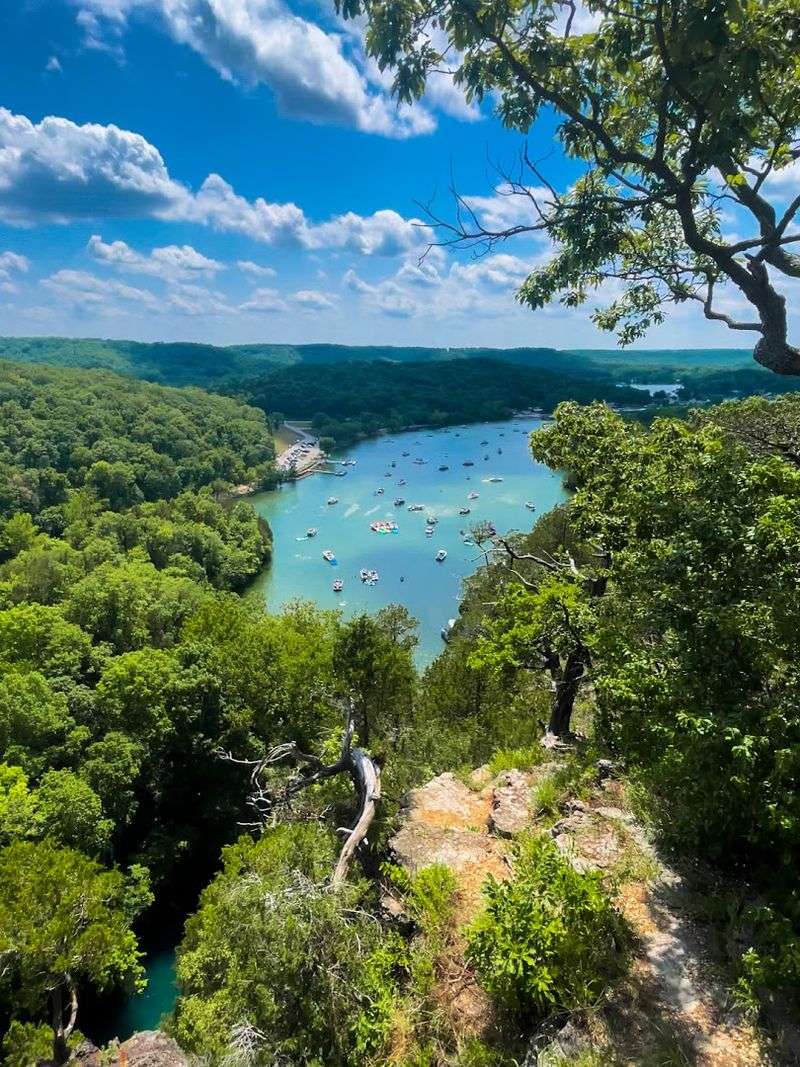
Standing on the bluffs at Ha Ha Tonka and looking out over Lake of the Ozarks is one of those views that earns its own category. It is the kind of panorama that makes you stop mid-sentence and just look.
The castle ruins sit on a promontory roughly 250 feet above the lake, and the combination of the stone walls in the foreground and the wide blue water stretching out below creates a scene that feels more like central Europe than central Missouri.
Several overlook points along the bluff trail offer different angles on the lake and the surrounding forest. Each one rewards a brief pause, and the light changes dramatically throughout the day, making the same view look completely different in the morning compared to late afternoon.
The lake itself is the largest man-made lake in Missouri, and seeing it from this elevation gives you a real sense of its scale in a way that simply being on the water does not.
Sunset from the bluffs is particularly memorable. The light turns the lake surface gold and casts long shadows across the ruins, and for a few minutes everything goes very quiet in a way that feels like the park is letting you in on something private and rare.
Why Ha Ha Tonka Deserves a Place on Every Missouri Bucket List
Some parks earn their reputation through sheer size or famous landmarks. Ha Ha Tonka earns its place through the rare combination of history, geology, scenery, and accessibility all packed into a single 3,751-acre destination.
There are very few places in Missouri, or anywhere in the Midwest, where you can walk through the ruins of a century-old castle, peer into a collapsed cave system, watch a massive spring pour into a lake, and stand on a bluff with a 250-foot view of the Ozarks all in a single afternoon.
The park is genuinely accessible to a wide range of visitors. Families with young children, older adults, serious hikers, casual strollers, photographers, and history enthusiasts all find something here that feels made specifically for them.
Missouri has invested in keeping Ha Ha Tonka well maintained, and it shows in the quality of the trails, the condition of the ruins, and the clarity of the interpretive signage throughout the park. This is a park that respects its visitors and its landscape equally.
If you have been putting off the drive, stop waiting. Ha Ha Tonka is one of those destinations that exceeds expectations on the first visit and keeps drawing you back every season after that, always with something new to notice and remember.
