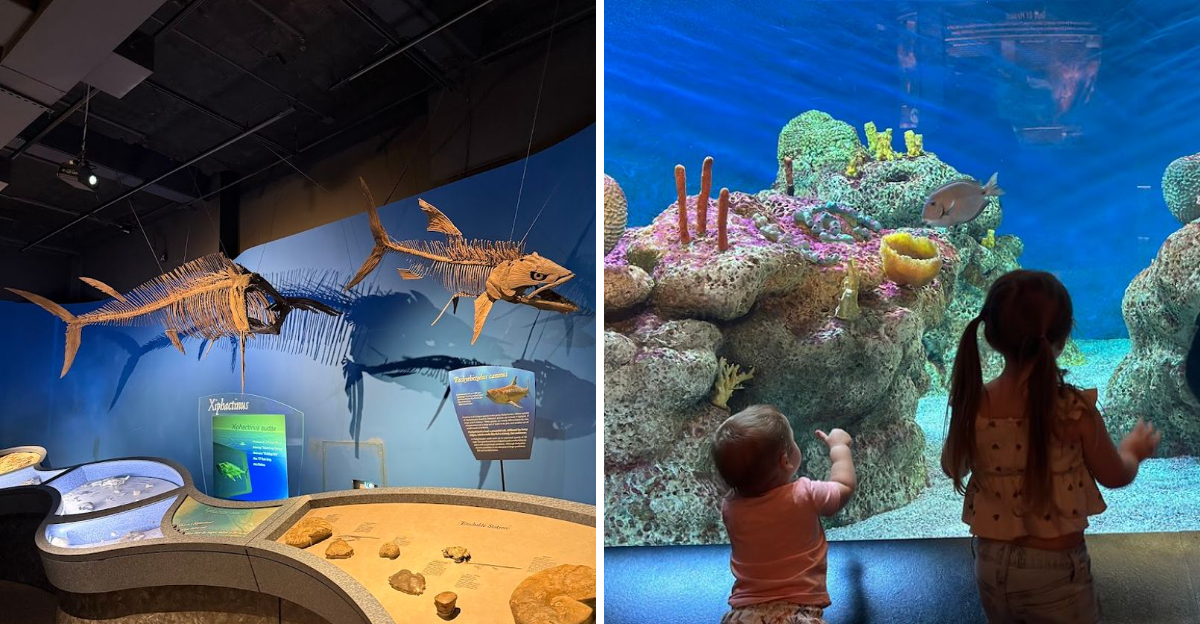
Birmingham, Alabama is home to one of the most packed science experiences in the entire Southeast. A major science center here sits inside a beautifully renovated historic building and stretches across four floors of hands-on exhibits, real fossils, live marine animals, and a massive IMAX dome.
From interactive experiments to immersive learning spaces, it is designed to pull in visitors of all ages and keep them engaged for hours.
Families, school groups, and curious travelers alike can explore everything from prehistoric creatures to modern science in action, making each visit feel different depending on what you choose to discover.
Whether you are bringing kids or just enjoy learning through experience, this destination offers a full day of exploration that blends education with entertainment in a way that feels effortless and fun.
Come Face to Face With Alabama’s Real Dinosaur Fossils
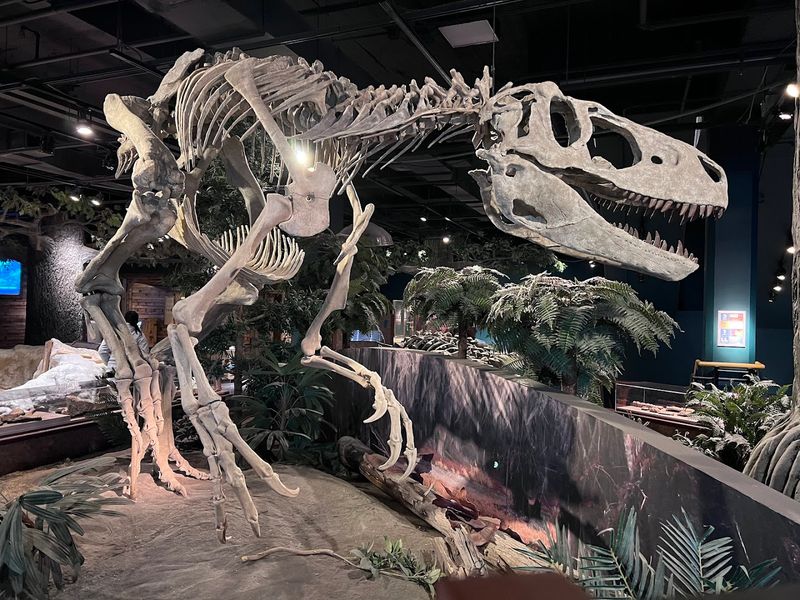
Not every state can say it has one of the richest fossil zones in the entire country, but Alabama can. The McWane Science Center, located at 200 19th St N, Birmingham, AL 35203, proudly displays actual dinosaur fossils pulled right from Alabama soil.
That alone makes this place feel different from a typical museum.
The star of the show is the Appalachiosaurus, a relative of the T. rex and the most complete tyrannosaur fossil ever found in the eastern United States. Seeing it up close is genuinely jaw-dropping.
The sheer size of the skeleton makes it hard to believe this creature once roamed the same land you are standing on.
Right alongside it stretches the Basilosaurus cetoides, Alabama’s official state fossil, spanning an incredible 80 feet. This ancient whale-like creature once ruled prehistoric seas that covered the region millions of years ago.
The exhibit does a great job of putting the timeline into perspective for visitors of all ages.
The Alabama Dinosaurs exhibit on Level 2 is carefully arranged so that each fossil tells part of a bigger story. Informative displays explain where each specimen was found and what scientists have learned from it.
You do not need a science background to appreciate how remarkable these discoveries truly are.
You Can Touch Live Sharks and Rays at the Touch Tank
Most people never get the chance to touch a shark in their lifetime. At McWane Science Center, that experience is completely available to regular visitors, and it is one of the most memorable parts of the whole building.
The Shark and Ray Touch Tank sits within the World of Water exhibit and draws crowds of all ages throughout the day.
Small Bamboo sharks and Epaulet sharks glide calmly through the shallow water, close enough to reach out and feel their smooth skin. Cownose rays and Southern rays also move through the tank, their flat bodies skimming just beneath the surface.
The sensation of touching a living ray is something kids and adults both talk about long after leaving.
What makes this experience stand out is how accessible it feels. There are no barriers making you feel distant from the animals.
You simply lean over, wait for a shark or ray to pass by, and gently place your hand in the water.
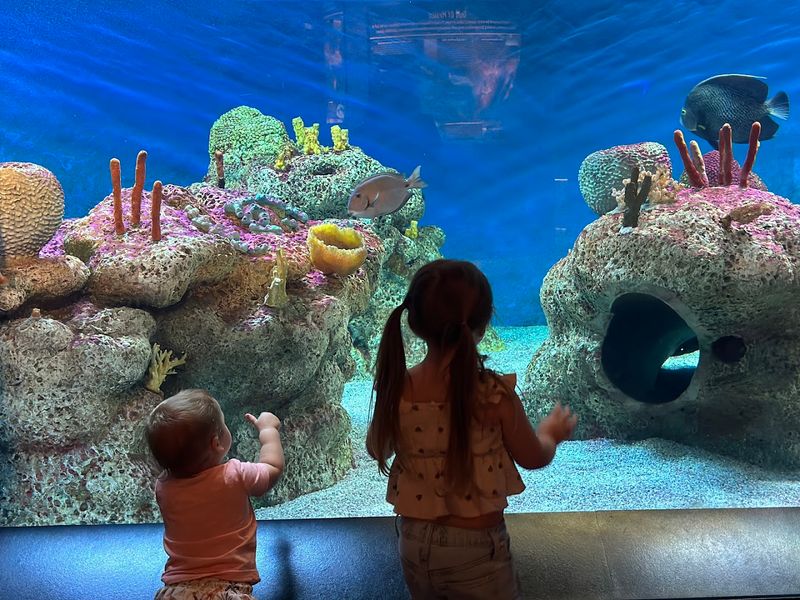
The World of Water exhibit surrounds the touch tank with four additional tanks showcasing over 50 species of marine and freshwater life. From green moray eels to moon jellyfish to clownfish, there is always something new to spot.
The River Journey, Lake Tank, Ocean Journey, and Coral Tank sections each bring a completely different underwater world to life right before your eyes.
Plan to Watch a Film Inside the Only IMAX Dome in the Southeast
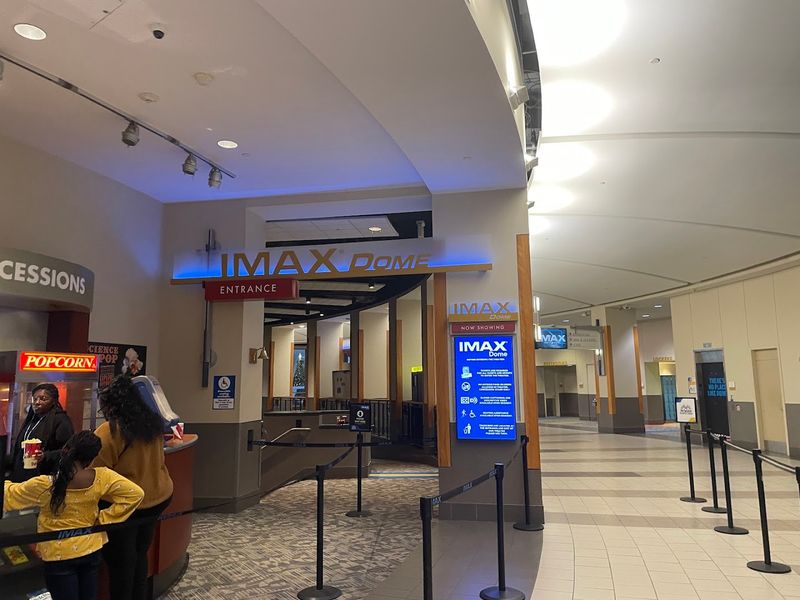
Imagine sitting inside a five-story dome while a film surrounds you from every direction. That is exactly what the John W.
Woods IMAX Dome Theater delivers, and it is unlike any movie experience you have had before. The screen stretches 79 feet across in a tilted dome design that fills your entire field of vision.
The theater uses a state-of-the-art laser projection system paired with 12-channel surround sound. Every detail looks razor sharp, and the audio wraps around the room so completely that you feel like you are inside the film.
Nature documentaries, space films, and science features all take on a completely new level of impact in this format.
This IMAX Dome is the only one of its kind in the entire Southeast, which makes the McWane Science Center a rare destination for film lovers and science fans alike. Many visitors plan their whole trip around catching a specific screening.
Checking the schedule ahead of time is a smart move, especially on weekends when seats fill up quickly.
Even if you have seen IMAX films before at a flat screen theater, the dome version feels completely different. The curved screen eliminates any sense of edges, which pulls you deeper into whatever is being shown.
Pairing an IMAX show with a full day of exhibits makes for an incredibly well-rounded visit that keeps everyone engaged from start to finish.
Make Time for the Sea Monsters Exhibit Next to the Dinosaurs
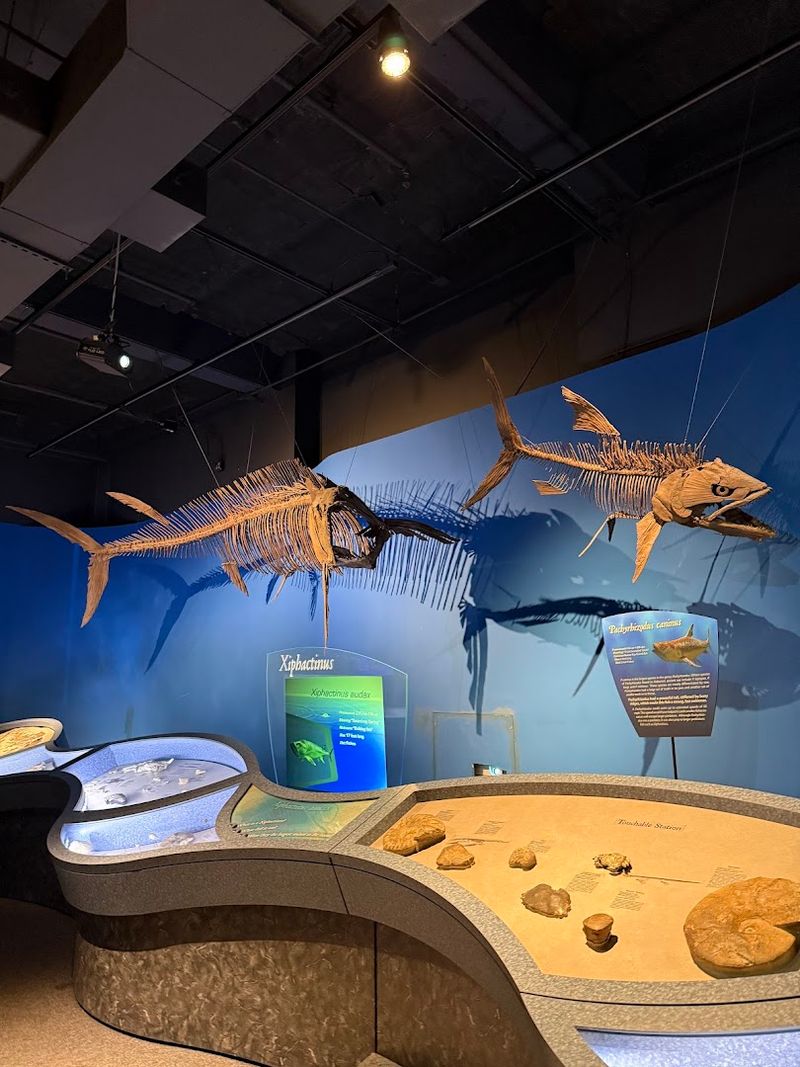
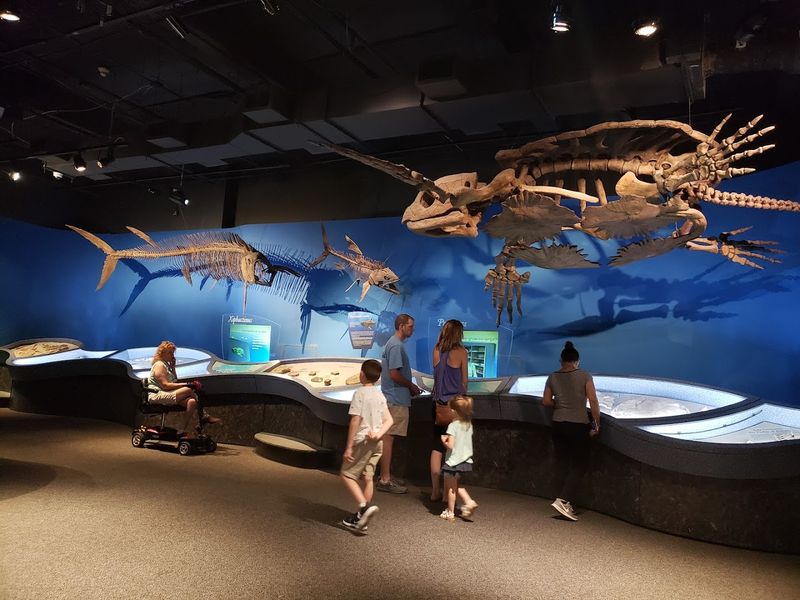
Right next to the Alabama Dinosaurs exhibit on Level 2 lives another world entirely. The Sea Monsters exhibit brings to life the enormous prehistoric creatures that once swam through ancient oceans covering what is now Alabama.
It is the kind of display that stops you mid-step and makes you reconsider how long ago the world looked completely different.
Alabama turns out to be one of the best places in the world for mosasaur discoveries. McWane Science Center holds the fourth-largest collection of mosasaur specimens on the entire planet.
These massive marine reptiles ruled the seas during the age of dinosaurs, and seeing multiple specimens together in one space is genuinely impressive.
The exhibit pairs well with the dinosaur fossils nearby because it builds a fuller picture of prehistoric Alabama. You start to understand that the land beneath your feet was once a seafloor teeming with enormous predators.
That shift in perspective is one of the most powerful things a museum can offer.
Each specimen comes with clear, readable descriptions that explain how the creature lived, what it ate, and how scientists pieced together its story from fragments found across the state.
The language used in the exhibit panels is approachable enough for younger visitors while still being detailed enough to satisfy curious adults.
This combination of accessibility and depth is one of the reasons the exhibit works so well for mixed-age groups.
Do Something Different at the Hands-On ScienceQuest Floor
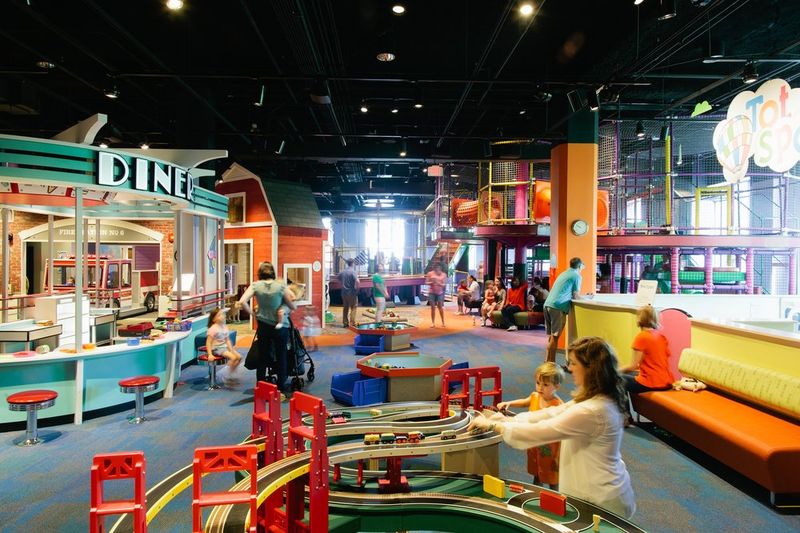
Some science museums ask you to look. McWane Science Center asks you to participate.
The ScienceQuest exhibit on the first floor is packed with interactive stations that demonstrate real scientific principles through direct experience rather than passive observation. It changes the way visitors connect with the ideas being presented.
One of the most talked-about features is the distortion room, which plays tricks on your sense of space and size in a way that feels almost unbelievable until you walk through it yourself.
The demonstration station offers live science shows that bring chemistry and physics to life in ways that are easy to grasp and hard to forget.
For visitors who want to go even deeper, the Explore! Lab adds another layer of discovery.
Here you can handle actual fossils, touch real animal skeletons, and examine rare minerals up close. The lab covers geology, paleontology, anthropology, and zoology, making it one of the most content-rich spots in the entire building.
What sets this floor apart is how it removes the invisible boundary between visitor and exhibit. You are not standing behind glass reading a plaque.
You are picking things up, pressing buttons, walking through rooms, and figuring things out with your own hands and eyes. That kind of learning sticks in a way that a textbook simply cannot replicate.
Families with school-age kids especially find this floor to be a highlight worth spending serious time on.
Skip Nothing in Itty Bitty Magic City for the Little Ones
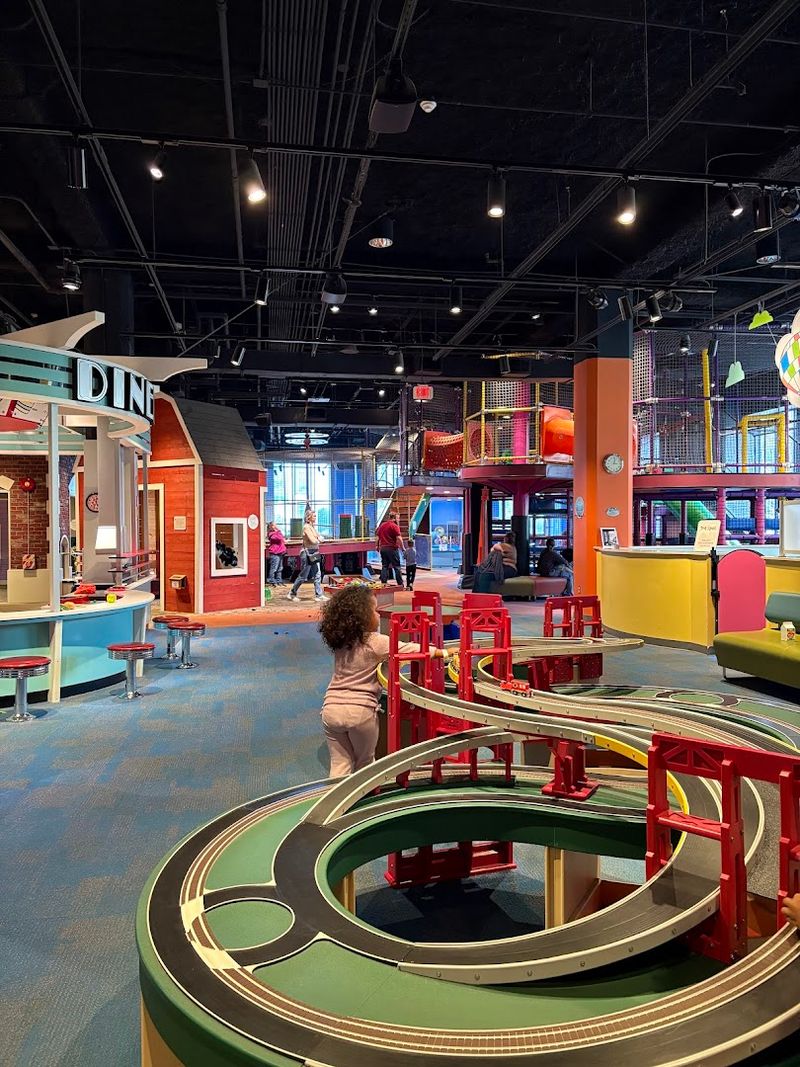
Traveling with toddlers or kindergartners can be tricky at science museums, but McWane thought about the youngest visitors in a very real way. Itty Bitty Magic City on the second floor is designed specifically for children in kindergarten and younger, giving them a space that matches their energy and their size.
It is one of the most beloved sections in the entire building.
The exhibit is built like a miniature city, complete with interactive storefronts that include a fire station, a farm, and a market. Kids can role-play different jobs, explore the climbing structure, and splash around in the water play area.
There is also a dedicated toddler zone for the very youngest visitors who need a calmer, safer space to explore.
Parents often mention that their little ones refused to leave this area, which says a lot about how well it is designed. The scale of everything is perfectly matched to small bodies, and the activities are engaging without being overwhelming.
Adults can sit nearby and watch while their kids burn through energy in a completely safe environment.
Itty Bitty Magic City also gives families with children of different ages a natural splitting point. Older kids can explore other floors while parents stay with younger ones in this dedicated space.
It makes the logistics of a family visit much easier to manage, and it ensures that even the youngest members of the group have a genuinely great time from the moment they arrive.
Try the NatureScope Exhibit for Live Animals and Alabama Wildlife
Alabama has a wild side that most visitors never fully appreciate until they spend time in the NatureScope exhibit at McWane Science Center.
Developed in partnership with The Birmingham Audubon Society, this exhibit brings local ecosystems into sharp focus through live animals, preserved specimens, and hands-on nature programming.
The bird collection alone is worth a stop. You will find displays featuring a bald eagle, a wild turkey, and even rare ivory-billed woodpecker specimens, a bird so elusive it has been debated whether it still exists in the wild.
Seeing these birds up close creates a connection to Alabama’s natural landscape that is hard to find anywhere else in the state.
Live animal shows run regularly throughout the visit, giving guests a chance to see wildlife in action rather than just reading about it. The insect displays add another layer of fascination, especially for kids who are drawn to the strange and unexpected corners of the natural world.
Each section of NatureScope feels like a different chapter in a story about the living environment surrounding Birmingham.
The exhibit reflects a genuine commitment to local conservation and education. Rather than showcasing exotic animals from far-off places, NatureScope keeps the focus on what lives right here in Alabama.
That local angle makes it feel personal and grounded. It is a quieter corner of the building compared to some of the busier exhibits, which makes it a great spot to slow down and absorb something meaningful during your visit.
