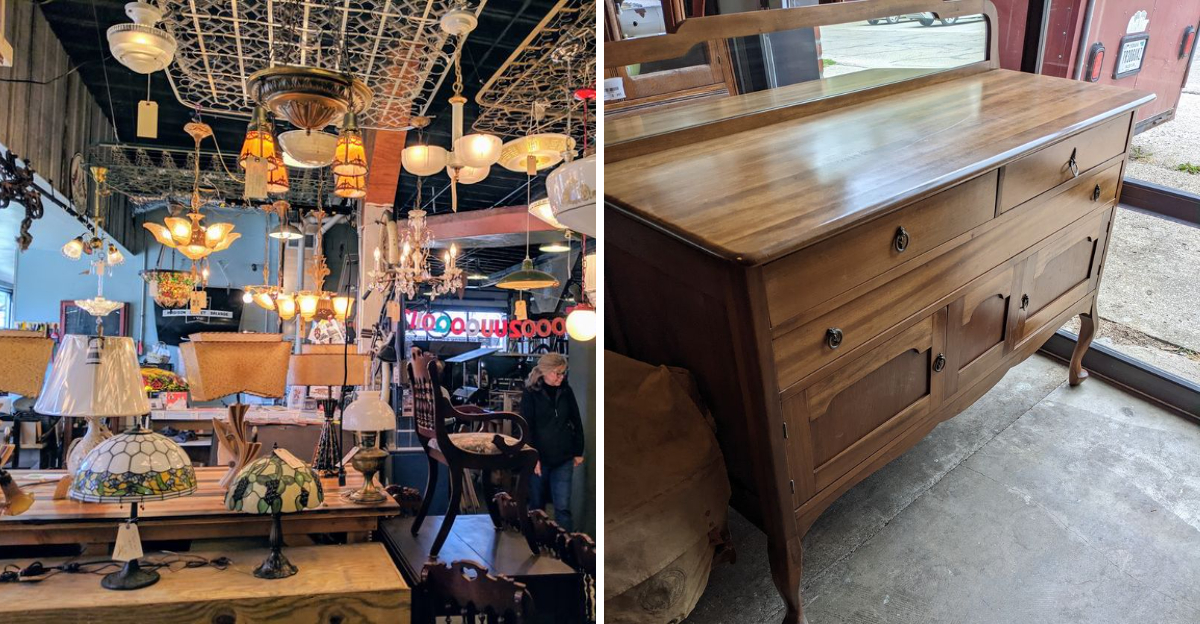
A house can disappear and still leave a surprising amount behind. A staircase.
A door. A light fixture.
A window. A hundred tiny decisions made by the people who once lived there.
This Indiana warehouse collects those leftovers and puts them back into circulation. Across 5,000 square feet, salvaged architectural pieces sit beside antiques and vintage records, turning the building into a kind of second life for things that would otherwise have ended up forgotten.
That is why browsing here feels different. You are not looking at history behind glass.
You are looking at things that can still be used.
A Building With Flour Dust In Its Past
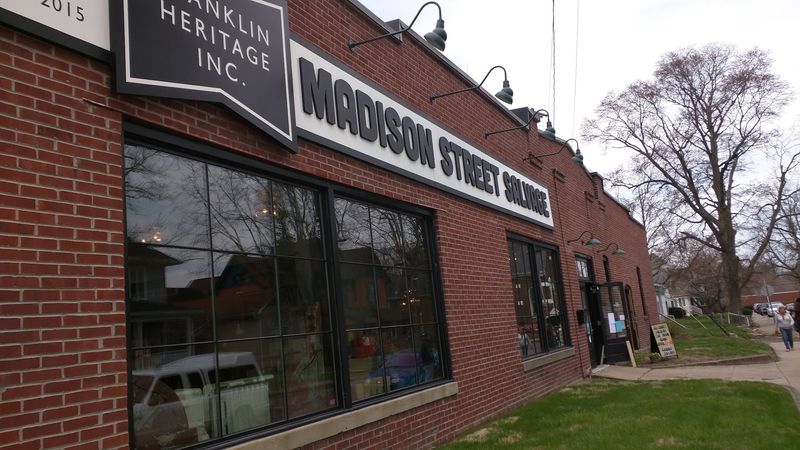
Before the doors and chandeliers arrived, this address belonged to McCarty’s Franklin Bakery. Loaves once cooled where vintage mirrors now lean.
The building itself went through a careful restoration, which feels fitting for a shop devoted to saving old architecture. Brick, tall windows, and open interior space give the 5,000 square feet a feeling of honest age rather than staged charm.
Finding it is simple enough. The address, 350 E Madison St in Franklin, sits an easy drive south of Indianapolis, close to the courthouse square and its row of small storefronts.
Pay attention to the structure while browsing, not just the merchandise. Ceiling height, old floor patterns, and the way daylight moves across the shelves all belong to the experience.
Parking is straightforward, and the entrance leads straight into the thick of things, so there is no long warm-up before the good stuff appears.
Franklin Heritage Inc. runs the operation, and the choice of a rescued building for a rescue-focused shop was clearly intentional. Preservation happens at both scales here, the giant one holding up the roof and the small one sitting on a shelf.
Plan on staying longer than expected. Visitors who assume twenty minutes will do usually find themselves still wandering an hour later, sidetracked by a stack of old window sashes.
Doors, Windows And Hardware Stacked Like Library Books
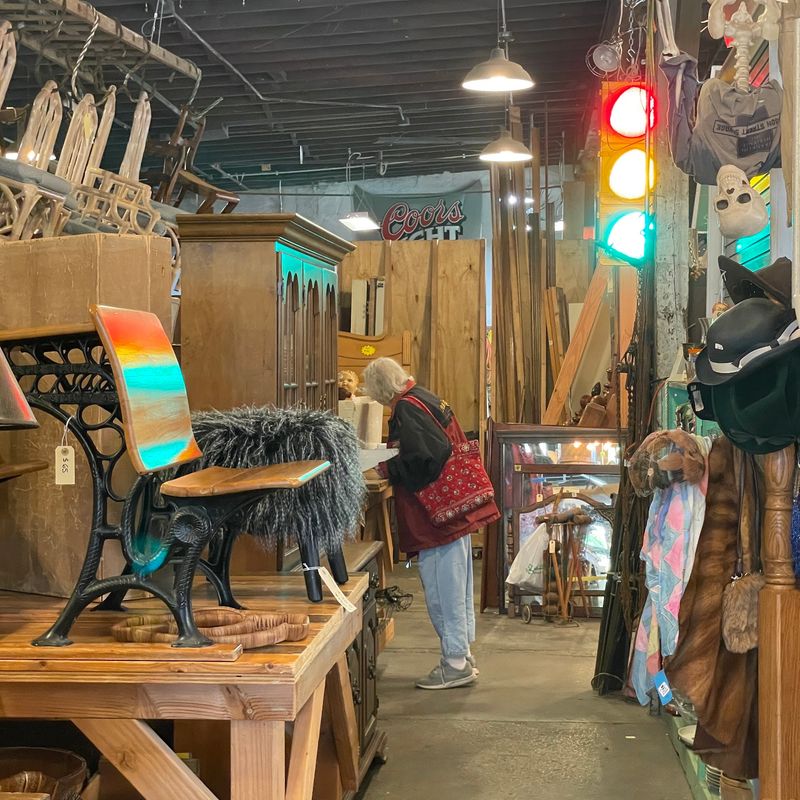
Rows of salvaged doors stand shoulder to shoulder, each one flipped through like pages in an oversized book. Some are painted six times over.
Others show bare oak with wear marks around the knob.
Windows get similar treatment, propped in groups with wavy old glass catching the light. Transoms, sashes, and shutters turn up regularly, and sizes range from tiny pantry openings to grand entryway panels.
Hardware fills bins and shelves nearby, and this is where restoration work often gets solved. Doorknobs, escutcheons, hinges, latches, and mystery brass bits sit sorted by type, waiting for the one person who needs exactly that shape.
Measuring first saves heartbreak. Bring the dimensions of the opening, plus a photo, since matching an antique door to a modern frame takes patience and a bit of flexibility.
A memorable past find shows how deep the history runs here: enormous doors and trim pulled from a bank that John Dillinger once robbed. Items like that pass through and disappear quickly.
Homeowners working on older houses tend to appreciate the sheer variety, because reproduction pieces rarely match the profiles of original millwork.
Even browsers with no project in mind enjoy this section. Reading the paint layers on a hundred-year-old door feels a little like reading rings on a tree stump.
Chandeliers, Church Fixtures And Glowing Uranium Glass
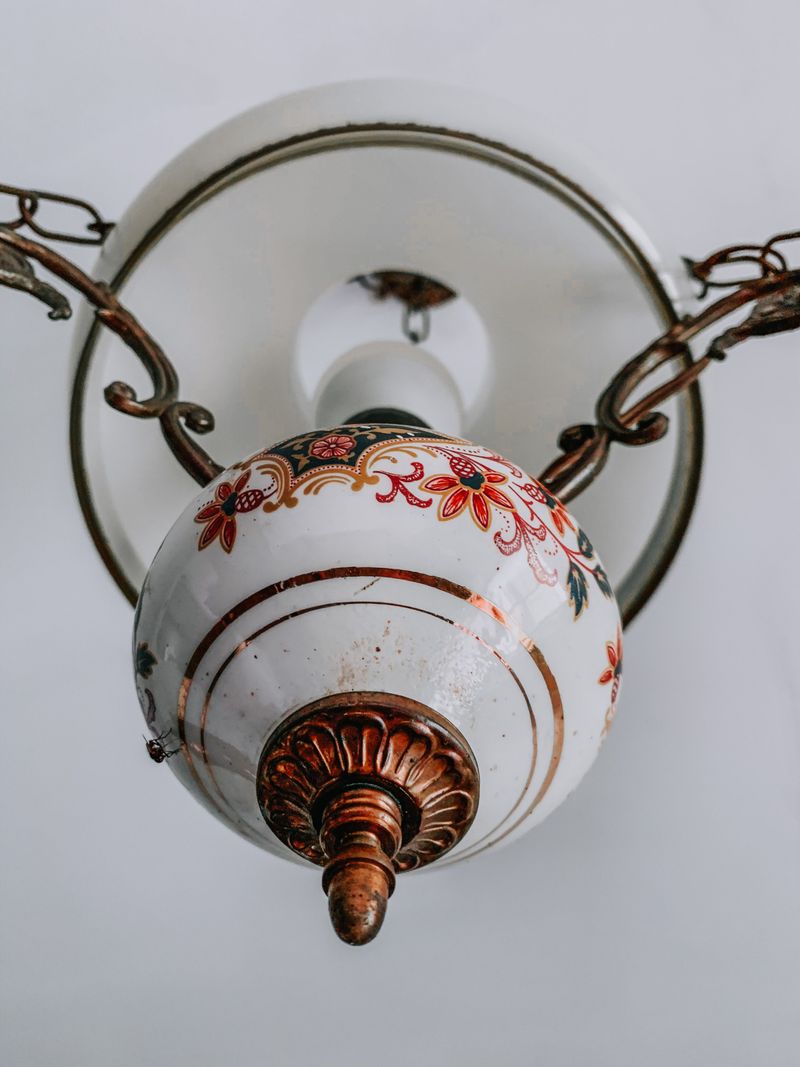
Look up. The ceiling here does serious work, holding chandeliers of wildly different eras that hang close enough to study up close.
Restored church lighting fixtures show up among them, the kind of large, dignified pieces that once hung above pews. Cleaned and rewired, they take on new life in dining rooms and entryways.
The real conversation starter is the antique uranium glass lighting. Those pieces contain trace uranium in the glass itself, which gives them a soft yellow-green color that turns brilliantly fluorescent under blacklight.
Collectors chase this glass, and finding it in fixture form rather than dishware is uncommon. Sconces, shades, and pendants all rotate through the inventory.
Practical tip for lighting shoppers: note the ceiling height at home and think about whether rewiring is part of the plan. Staff can often talk through what a fixture needs before it goes up.
Colors range from clear crystal to milk glass to deep amber, and no two arrangements repeat. Someone hunting for a matched pair may need a couple of visits.
Photographers love this corner because of the way old glass scatters light. Even a phone camera picks up the glow.
Come early in the day when natural light reaches farther into the space, since it makes the details easier to appreciate.
Every Purchase Quietly Funds A Historic Theatre
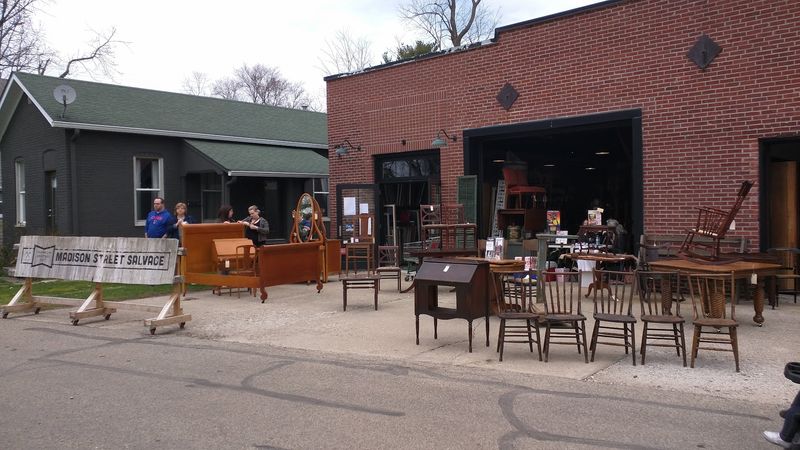
Money spent here does not vanish into a corporate account. Net profits go to Franklin Heritage Inc., the non-profit behind the shop, and that funding supports preservation and restoration projects around the area.
One of the biggest beneficiaries is the Historic Artcraft Theatre in downtown Franklin, a restored movie house that keeps classic films on the screen. Buying a brass doorknob genuinely helps keep that marquee lit.
The guiding phrase for the whole operation is Preservation First, Salvage Second. Saving a building outright always beats dismantling it, and salvage only happens when a structure truly cannot be rescued.
That order of priorities shapes the inventory. Pieces arrive because someone tried to protect the original first.
Community donations keep the shelves full. Central Indiana residents drop off vintage and antique items, which means stock shifts constantly and reflects the region’s own attics, barns, and remodels.
Anyone downsizing or clearing an old family home might find donating here more satisfying than a dumpster. Materials get a second chance and the proceeds circle back into local history.
Pairing a visit with a film at the Artcraft makes for a full afternoon and evening, and the connection between the two places becomes obvious once both are seen.
Shopping with purpose rarely feels this genuinely rewarding.
Solid Wood Furniture Built To Outlast Fashion
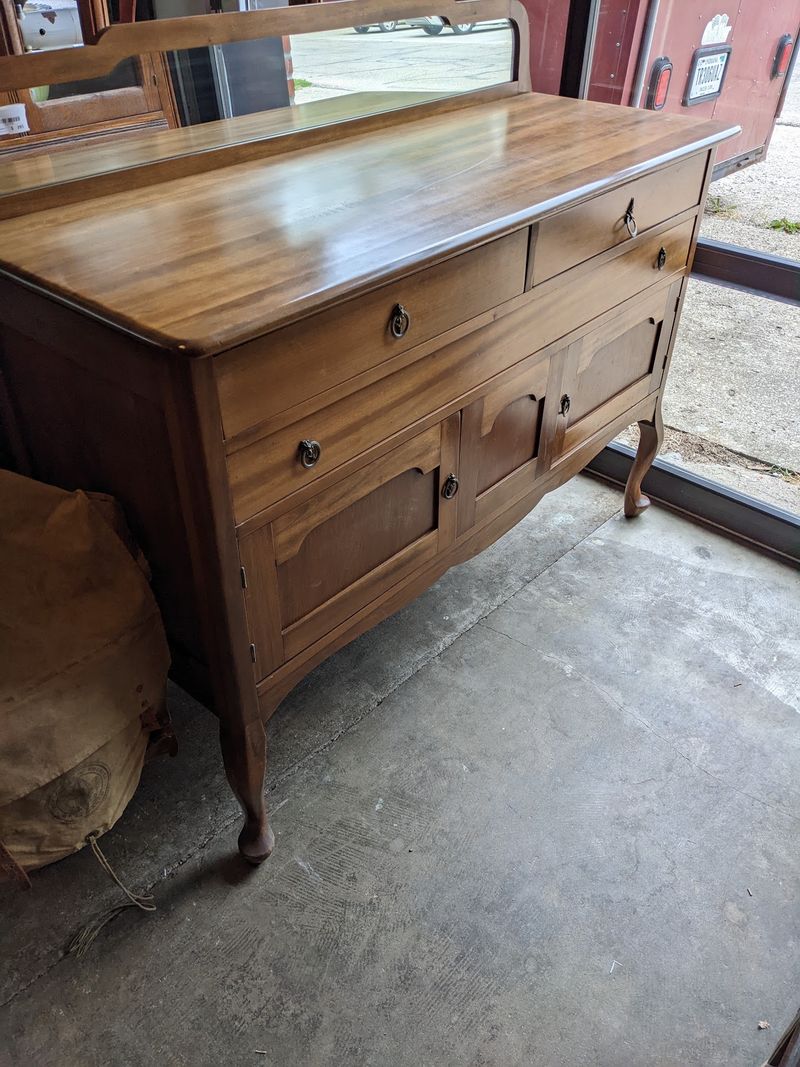
Heavy oak, dovetailed drawers, and joints that still hold tight after decades. Furniture in this warehouse tends toward the sturdy end of the spectrum.
Craftsmen-made pieces appear regularly, the sort assembled by hand rather than stamped out by the thousand. Tables, dressers, cabinets, and chairs rotate through as donations come in.
Vintage mirrors deserve their own mention, with frames ranging from carved and gilded to plain painted wood. Leaning against a wall in a row, they double the space visually and make navigating the aisles slightly disorienting in a fun way.
Anyone furnishing a first apartment or filling an older home can find character that big-box stores simply cannot supply. Wear marks and small repairs come with the territory, and most shoppers consider them a feature.
Measure the doorway at home before falling for a large piece. Bring a friend, a tape measure, and a vehicle with more cargo room than expected.
Inspect drawers and legs the old-fashioned way by opening, wiggling, and looking underneath. Solid construction announces itself pretty quickly.
Refinishing possibilities open up here too, since a scuffed surface on good wood is an easy weekend project rather than a dealbreaker.
Turnover is steady enough that repeat visits pay off. What sits in the corner one month may be someone’s kitchen island the next.
Vinyl Records, Old Magazines And Wonderfully Odd Curios
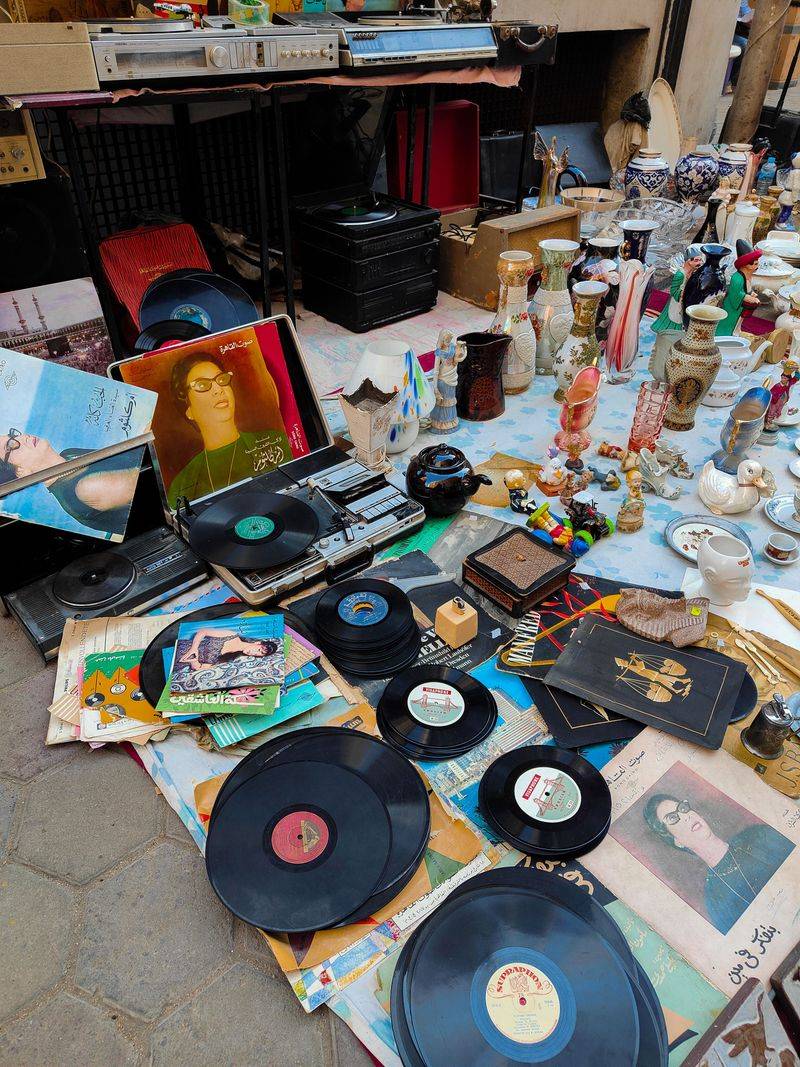
Not everything here weighs fifty pounds. Small treasures crowd the shelves, and they are often what visitors remember most.
Crates of vintage vinyl invite serious flipping, and album covers alone provide a crash course in graphic design across several decades. Old magazines sit nearby, full of advertisements that feel like time capsules.
China sets, teacups, and serving pieces show up in patterns that stopped being made long ago. Someone missing a single plate from grandmother’s set occasionally strikes gold.
Then there are the curios and baubles, the category that resists description. Odd figurines, worn tools, tins, keys, and objects whose purpose takes a minute to figure out.
Kids tend to love this section, and it turns the visit into a scavenger hunt rather than an errand. Multi-generational groups often spend the longest here, comparing memories about items they recognize.
Budget-conscious shoppers appreciate that small finds require no truck and no planning. A single record or a china cup fits in a tote bag.
Give the shelves a second pass before leaving, since layers of stock hide behind the front row.
The inventory changes as donations arrive, so the mix is genuinely different from one week to the next. That unpredictability is exactly the appeal.
A Treasure Hunt Guided By People Who Know Old Houses
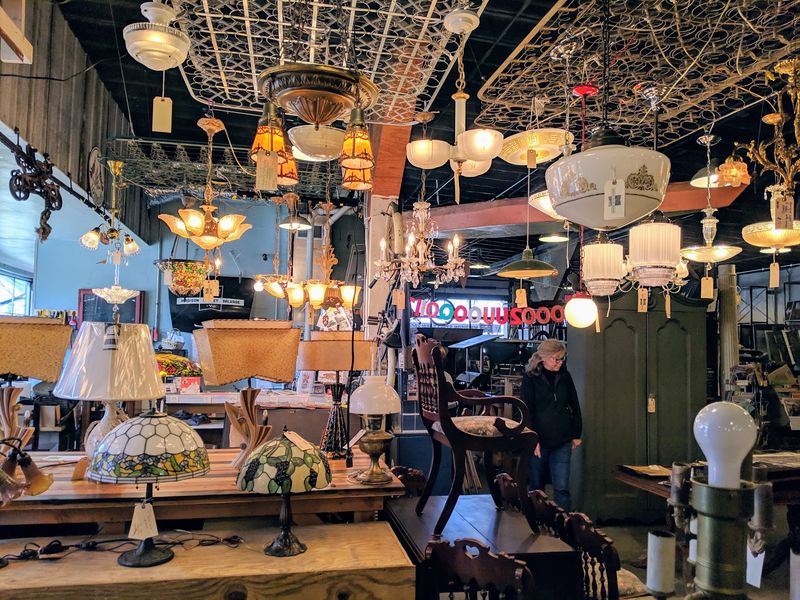
Narrow passageways twist between towering shelves, and the layout rewards slow wandering over efficient shopping. Turn one corner and the mood changes completely.
Staff and volunteers make a real difference here. Many know salvage inside and out, and they are genuinely useful for anyone tackling a historic restoration and unsure what a piece of trim or hardware is called.
Questions are welcome. Describing a problem out loud often leads to someone pointing toward exactly the right bin.
Doors open seven days a week, which makes fitting a stop into a weekend trip or a weekday errand run simple. Checking current hours before driving over is still smart.
The origin story adds weight to the whole place. After the devastating 2008 flood in Franklin, volunteers salvaged architectural pieces and household items from a neighborhood facing demolition, storing everything in a city-provided warehouse.
That rescued collection grew into the shop standing today, which explains why so much of the inventory feels rooted in local homes rather than shipped in from elsewhere.
Visitors of every age fit in comfortably, and families frequently turn a browse into a shared afternoon of pointing and remembering.
Wear closed shoes, dress for a little dust, and leave the schedule loose. Great finds rarely announce themselves on a timetable.
