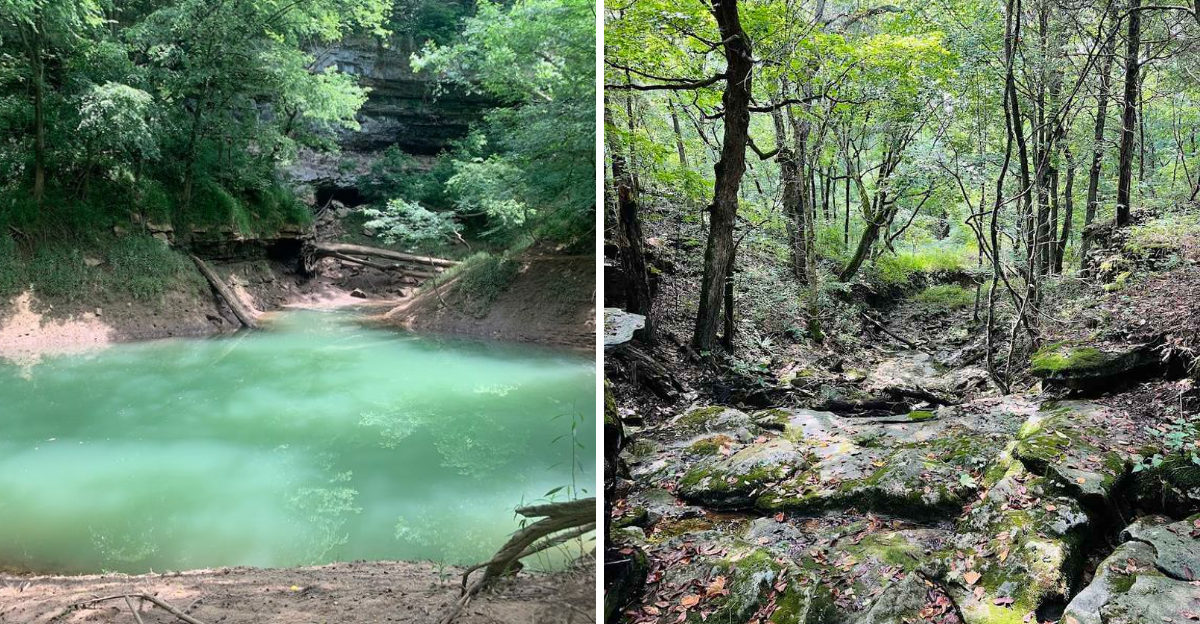
I had no idea a place like this existed in Indiana until a friend mentioned it almost offhandedly, like it was no big deal. Tucked into the hills of southern Indiana is a massive karst sinkhole so deep and wide that it holds its own microclimate, its own plant life, and cave entrances that feed into one of the most fascinating underground water systems in the Midwest.
It sits quietly off a gravel road, unbothered by crowds, waiting for the kind of visitor who actually wants something real. This is not a manicured state park with paved walkways and gift shops.
It is raw, a little wild, and genuinely one of the most geologically remarkable spots in the entire state. If you love Indiana and think you have seen everything it has to offer, this hidden sinkhole will make you think again.
A Sinkhole So Massive It Creates Its Own Microclimate
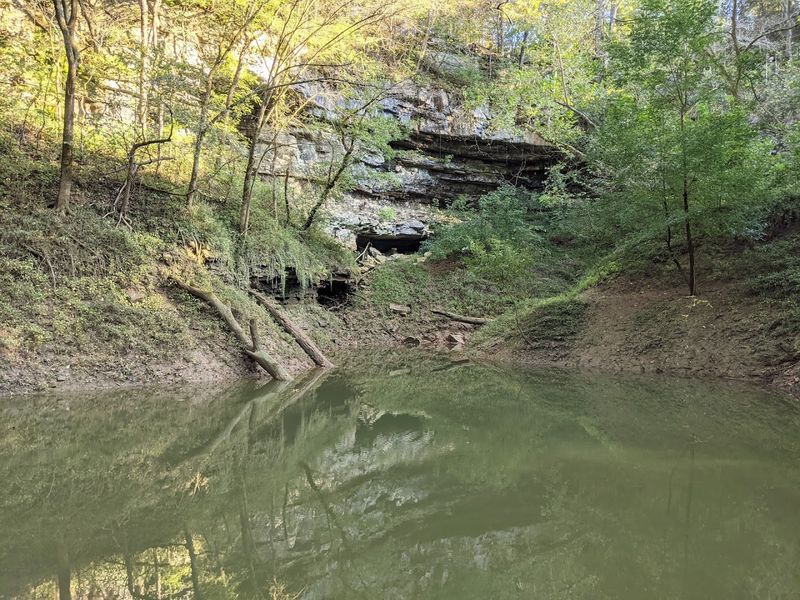
Most sinkholes you hear about are the kind that swallow driveways overnight. Wesley Chapel Gulf is something else entirely.
This karst depression near Orleans is so large and so deep that the air temperature inside it drops noticeably as you descend, creating a cool, shaded environment that feels completely separate from the sunny fields surrounding it.
The depth of the gulf traps cold air and moisture, which means the plant life growing inside it is different from what you find on the rim. Ferns, mosses, and shade-loving wildflowers thrive in conditions that would not survive even a few yards away.
It is a self-contained world in a hollow in the ground.
Geologists call this kind of temperature variation a thermal inversion, and it is relatively rare to experience it so dramatically in a place you can just walk to. Standing at the edge of the rim and feeling the temperature shift as you move down the slope is one of those small but genuinely unforgettable sensory moments.
Bring a light jacket even on warm days because the bottom of the gulf can feel like a different season. The contrast between the warm Indiana air above and the cool stillness below is part of what makes this place feel so otherworldly and worth every step of the hike in.
The Sulfurous Spring With Hypnotic Blue-Green Water
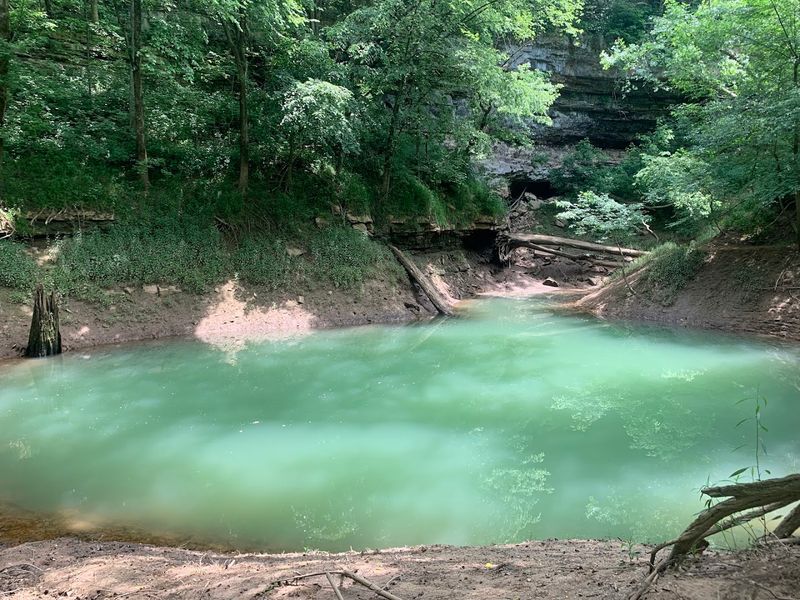
Water does not always look the way you expect it to. At the bottom of Wesley Chapel Gulf, a sulfurous spring feeds a pool of water so vividly blue-green that it almost looks digitally enhanced when you see it in person for the first time.
The color comes from the mineral content of the water and the way light filters down through the canopy above.
What makes this spring genuinely eerie is that the water appears to swirl even when there is no visible stream flowing into it. That movement comes from underground pressure, water pushing up through limestone channels far below the surface.
You are essentially watching the Lost River system breathe.
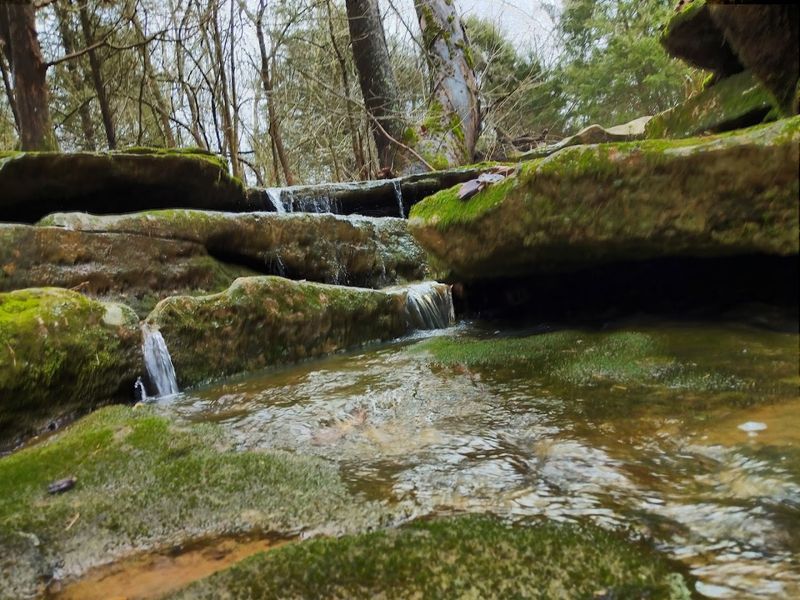
After a good rain, a small waterfall cascades down over the surrounding rocks and joins the spring pool, adding sound and motion that makes the whole scene feel alive. Visitors consistently describe standing at the edge of this pool as one of the most peaceful moments they have experienced outdoors in Indiana.
The sulfur smell is faint but present, a reminder that this water has traveled through ancient rock to reach you. Visiting right after rainfall gives you the best version of this spot, with the waterfall running and the pool at its most vivid.
It is the kind of scene that makes you want to sit quietly and just watch the water move for a while.
Cave Entrances That Connect to the Lost River Underground System
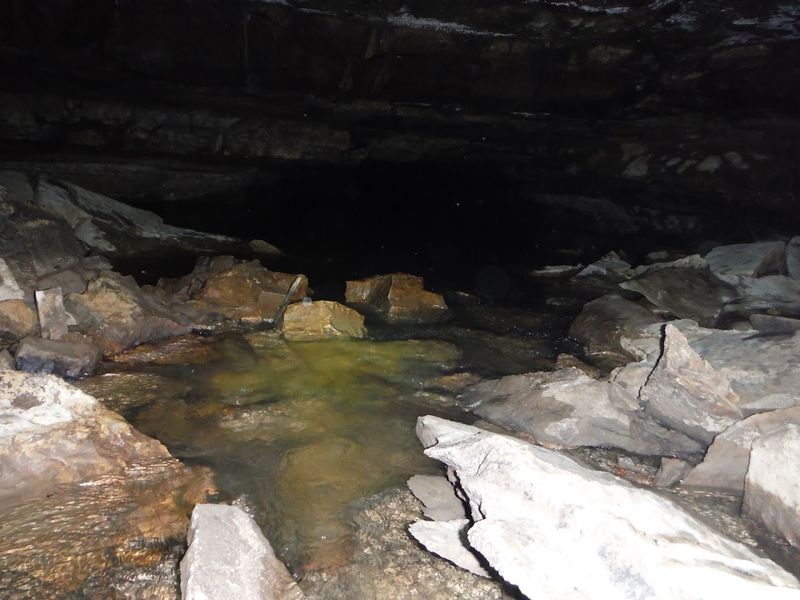
Few people know that Indiana has an underground river. The Lost River in Orange and Washington counties disappears beneath the surface for miles, flowing through a vast network of limestone caves and passages before emerging again downstream.
Wesley Chapel Gulf is one of the places where that hidden world comes closest to the surface.
At the base of the gulf, you can find the rocky pile where the spring water drains back underground, essentially disappearing into the earth right in front of you. This is not a dramatic cave entrance you can walk into, but it is a visible, tangible connection to the underground system that has fascinated geologists and cavers for generations.
The scale of what lies beneath is genuinely hard to wrap your head around.
The Lost River system is considered one of the most significant karst features in the entire Midwest, and Wesley Chapel Gulf serves as one of its most accessible surface windows. For anyone interested in geology, hydrology, or just the sheer strangeness of nature, standing at that drainage point and watching water vanish into the rock is a moment that sticks with you.
It pairs beautifully with a visit to nearby Spring Mill State Park at 3333 State Road 60 East in Mitchell, where you can see another piece of the karst puzzle and explore a historic grist mill village along the way.
A Secret Ecosystem Hidden Inside the Gulf’s Walls
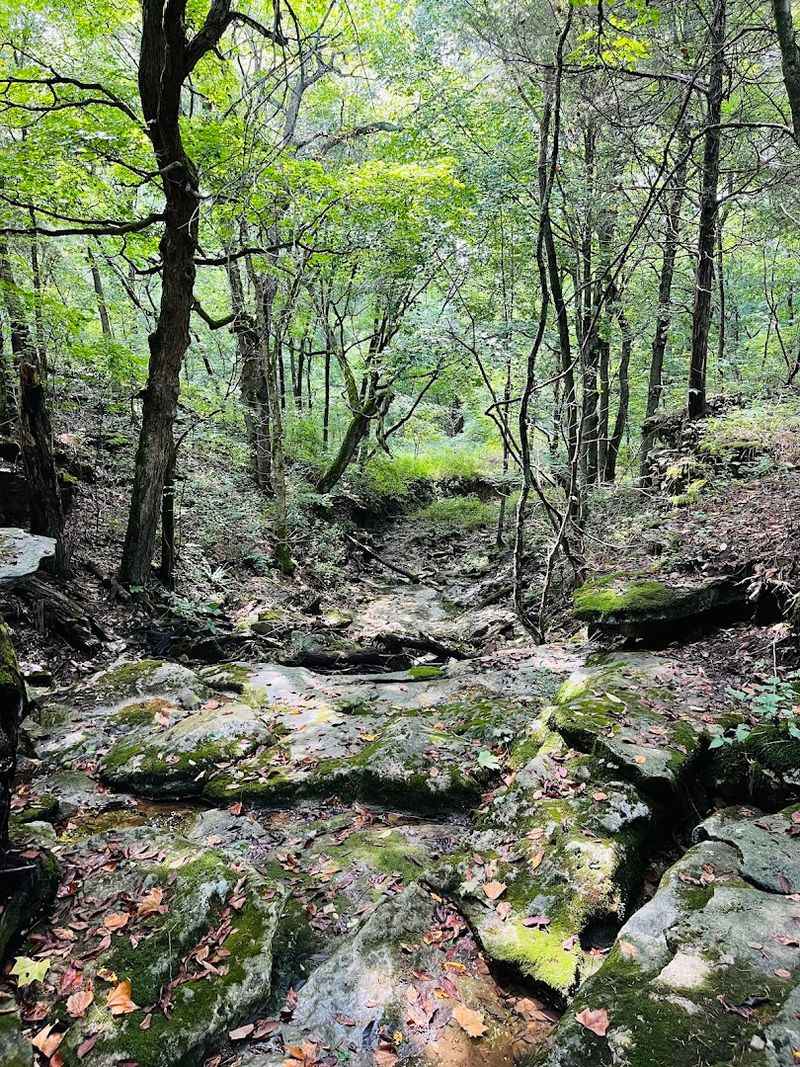
Biology teachers would have a field day here. The steep walls of Wesley Chapel Gulf create a protected environment where plants that would normally struggle in southern Indiana not only survive but flourish.
Because the interior stays cool and moist, species more commonly found further north have established themselves along the rocky slopes and at the bottom of the depression.
Walking down into the gulf feels like flipping through a field guide. Mosses coat the limestone in thick green layers.
Ferns fan out from every crevice. Wildflowers appear in unexpected spots where a thin layer of soil has collected against the rock.
The diversity packed into this single geological feature is remarkable for an area its size.
This kind of ecological isolation creates what biologists call a refugium, a place where species persist because the local conditions shield them from broader environmental pressures. Wesley Chapel Gulf has been doing this quietly for thousands of years, long before anyone thought to put a name on it.
If you visit in spring, the wildflower display along the rim and inside the gulf can be genuinely stunning. Bring a wildflower identification guide or download a plant ID app before you go, because you will almost certainly spot something you have never seen growing wild in Indiana before.
The ecosystem here rewards curiosity and slow, attentive walking more than speed.
The Peaceful Solitude That Is Almost Impossible to Find Elsewhere
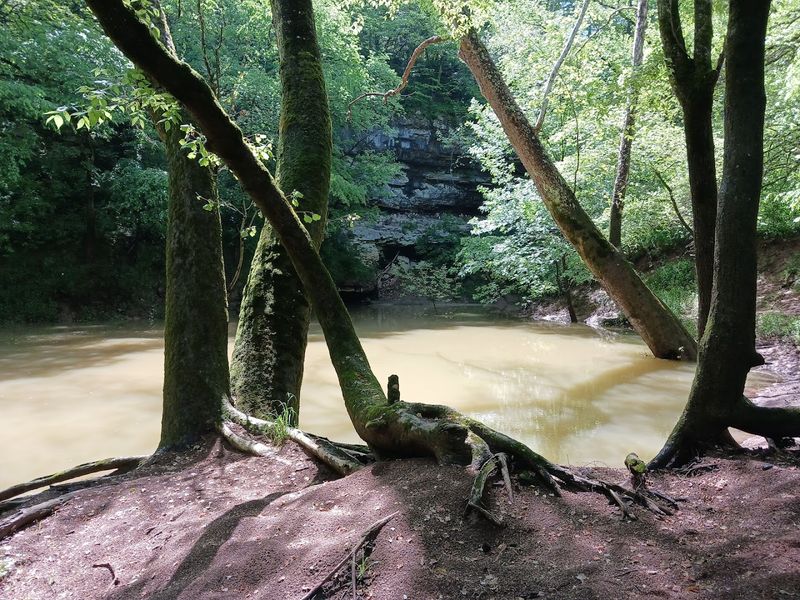
There is a version of outdoor Indiana that gets a lot of attention, the state parks with their lodges and beaches and parking lots full of RVs. Wesley Chapel Gulf is not that version.
The road leading to the parking area is narrow, the signage is minimal, and the trail is not maintained to the standard of a busy recreation area. All of that is exactly why it feels so good to be there.
On most visits, you are likely to have the place entirely to yourself. The quiet at the bottom of the gulf is the kind that actually settles into you.
Water sounds, bird calls, wind moving through the canopy above, nothing else. For people who live in or near Indianapolis, Bloomington, or any mid-sized Indiana city, that level of stillness can feel genuinely restorative.
One visitor described wanting to spend hours there just reading, and that tracks completely. There is a quality to the space that invites stillness rather than activity.
You do not feel the urge to document everything or move quickly. The gulf has a way of slowing you down, which in a world that rarely encourages that is its own kind of gift.
If you combine this with a stop at Spring Mill State Park for a longer hike afterward, you get a full day of exactly the kind of outdoor experience that southern Indiana does better than almost anywhere else.
Geological History Stretching Back Thousands of Years
Southern Indiana sits on top of a thick layer of limestone laid down by ancient shallow seas hundreds of millions of years ago. Over time, slightly acidic groundwater slowly dissolved that limestone from below, creating the caves, sinkholes, and underground rivers that define the landscape of Orange County today.
Wesley Chapel Gulf is one of the most dramatic results of that process anywhere in the state.
The gulf itself likely formed when the roof of an underground cave system collapsed, leaving the large open depression you see today. That kind of feature is called a karst window, and they are relatively rare in a form this large and this accessible.
Walking around the rim and looking down into it, you are essentially looking at a geological event frozen in time.
Understanding even a little of this backstory changes the way the place feels. It stops being just a big hole in the ground and becomes a record of deep time, of water and rock interacting over spans that are hard to fully comprehend.
The Hoosier National Forest, which manages the site at 4742 N County Rd 350 W in Orleans, has information about the geology of the area on its website, and doing a bit of reading before your visit makes the experience significantly richer. Indiana has more geological drama than most people give it credit for, and this site is one of the best places in the state to feel that firsthand.
Practical Tips for Getting the Most Out of Your Visit
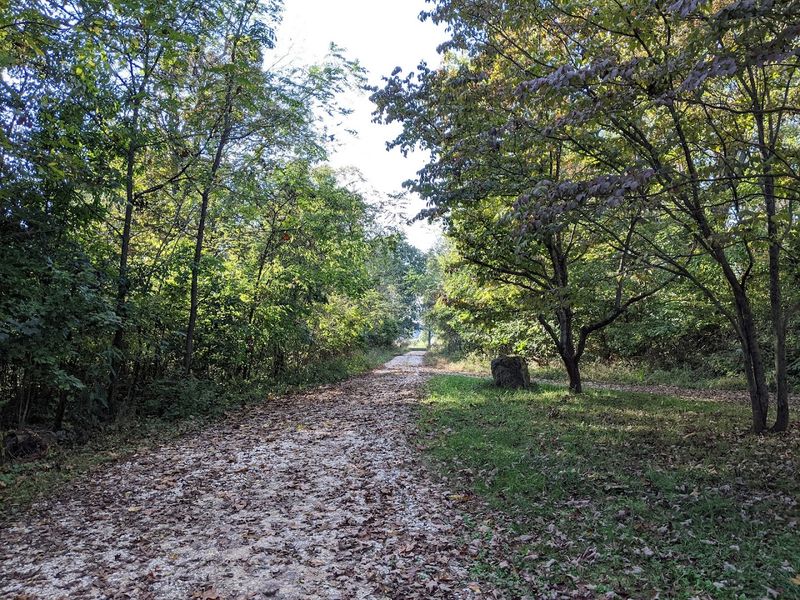
Getting to Wesley Chapel Gulf takes a little intention. Google Maps has been known to take visitors past the actual entrance, so watch carefully for the small signs along N County Rd 350 W in Orleans.
Parking is extremely limited, with room for only a handful of vehicles along the narrow lane, so arriving early or on a weekday gives you the best chance of a smooth start.
Bug spray is not optional here. Ticks and chiggers are a real presence, especially in warmer months, and visitors who skip the spray tend to regret it.
Wear long pants, tuck them into your socks, and check yourself thoroughly after the hike. Broken glass has been reported near the parking area, so watch your footing and keep pets on a leash and away from the edges of the lot.
The trail descends to the spring pool, and at every fork you should stay right to reach the main attraction. The path can be overgrown and narrow in spots, so sturdy hiking boots are a much better choice than sneakers or sandals.
After your visit, the town of Orleans is just a short drive away for a meal or a rest. Plan for at least two hours on site to fully absorb what this place has to offer.
Dear Reader: This page may contain affiliate links which may earn a commission if you click through and make a purchase. Our independent journalism is not influenced by any advertiser or commercial initiative unless it is clearly marked as sponsored content. As travel products change, please be sure to reconfirm all details and stay up to date with current events to ensure a safe and successful trip.
