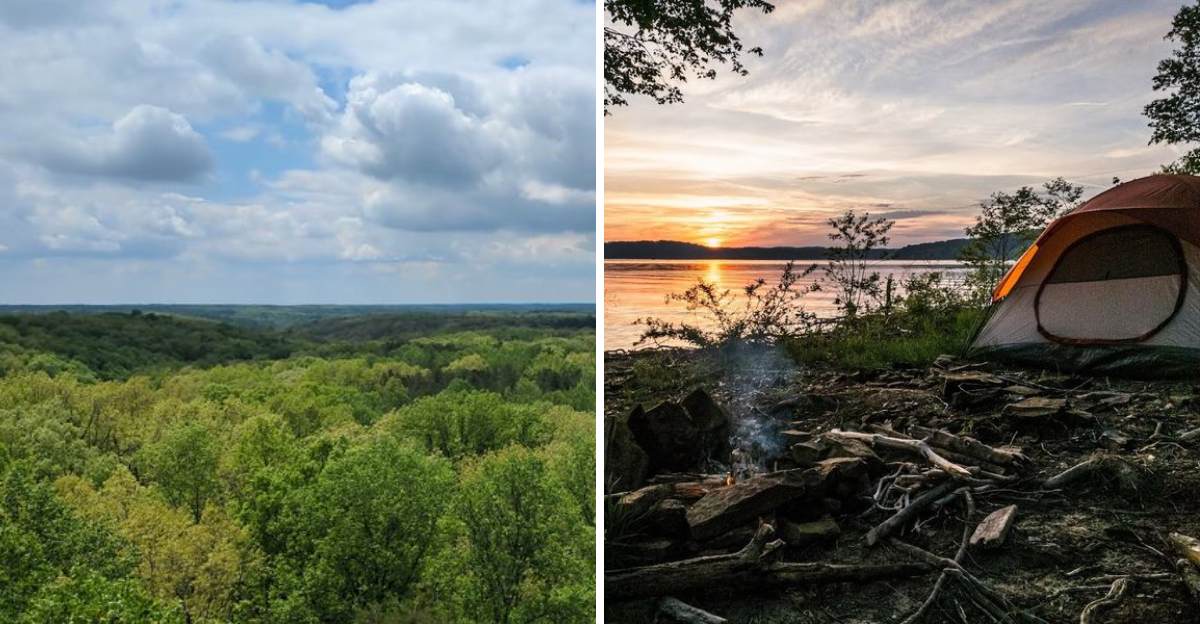
I grew up in Indiana thinking the state was all cornfields and flat roads. Then someone pointed me toward a gravel path near Heltonville, Indiana, and everything I thought I knew about this place changed.
The only officially designated wilderness area in Indiana covers nearly 13,000 acres of raw, untouched hardwood forest inside the Hoosier National Forest. It is the kind of place that makes you stop mid-trail and just listen, because the quiet out there is something you genuinely cannot find anywhere else in this state, with the rustle of leaves, the call of birds, and the subtle flow of creeks all combining into a kind of serenity that feels rare today.
Whether you are a seasoned backpacker or someone just looking to unplug for a weekend, this wilderness area has a way of pulling you back every single season.
36 Miles of Trail That Feel Truly Wilderness
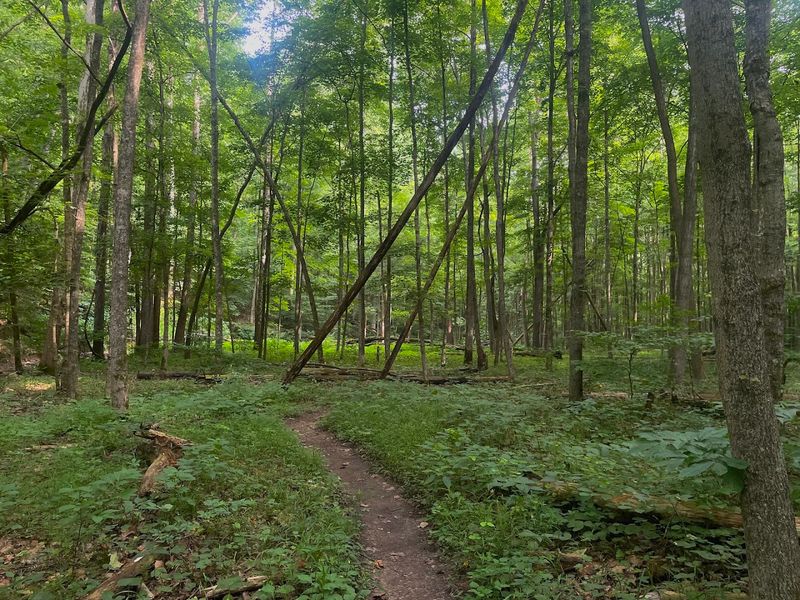
Most trail systems in Indiana feel managed, manicured, and a little too tame. The Deam is different.
With roughly 36 miles of trails winding through ridges, hollows, and creek bottoms, this place genuinely earns the word “wilderness” in its name.
The Grubb Ridge Trail is one of the most popular routes, and for good reason. It takes you past geode-studded streambeds, through cathedral-like stands of oak and hickory, and eventually toward Patton Cave, a hidden gem that feels like a reward for putting in the miles.
The Terrill Ridge Trail and Axsom Branch Trail connect to form multi-day loop options that experienced backpackers absolutely love.
Trail conditions can vary a lot depending on the season. Spring brings lush green beauty but also muddy, soggy footing.
Fall is the sweet spot for most hikers, when the hardwoods turn gold and orange and the air cools down enough to make long miles feel effortless. Downed trees occasionally block paths after storms, so checking recent trail reports before you head out is always a smart move.
The trails are well-marked overall, and the terrain is moderately challenging, making this a genuinely rewarding experience for hikers at almost every skill level.
Indiana’s Only Designated Wilderness Area
There is something quietly powerful about knowing you are standing in the only place in the entire state of Indiana that carries the official federal designation of “wilderness.” Congress established the Charles C. Deam Wilderness in 1982 under the National Wilderness Preservation System, protecting nearly 13,000 acres from motorized vehicles, permanent structures, and commercial development.
That designation is not just a title. It shapes everything about the experience.
No ATVs rumbling through the forest. No generators humming at campsites.
No paved paths cutting through the trees. What you get instead is a forest that operates almost entirely on its own terms, where the only sounds are wind through the canopy, birdsong, and the occasional crunch of your own boots on leaf litter.
Named after Charles Clemon Deam, Indiana’s first state forester and a legendary botanist who catalogued thousands of plant species across the state, this wilderness carries real historical weight. Deam spent decades documenting Indiana’s natural world, and having this landscape bear his name feels fitting.
Visiting here is not just a hike. It is a chance to experience a kind of solitude and ecological integrity that is genuinely rare in the Midwest.
For Indiana locals, knowing this place exists right in our backyard is something worth celebrating every single season.
The Hickory Ridge Fire Tower and Its Breathtaking Views
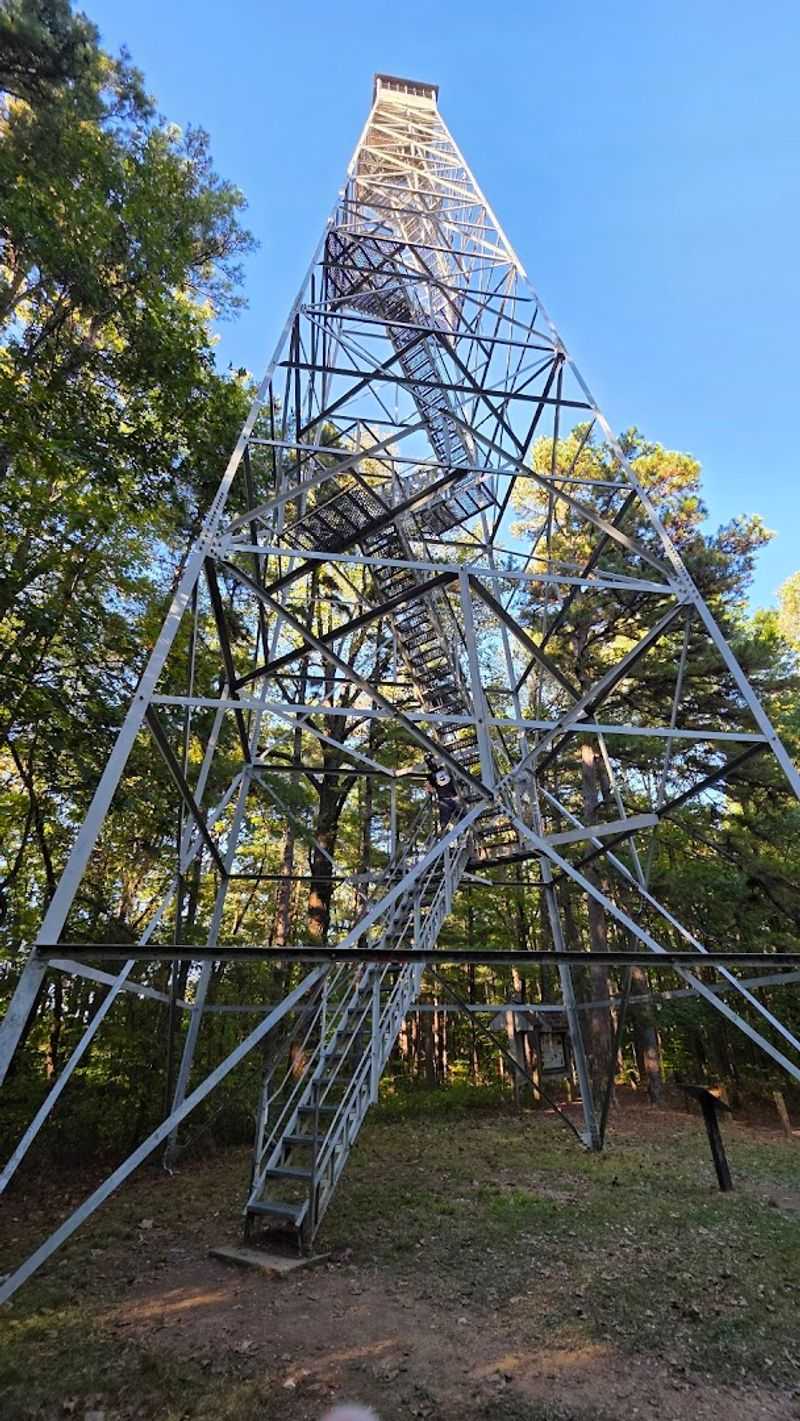
Built in 1936 by the Civilian Conservation Corps, the Hickory Ridge Fire Tower stands 110 feet tall above the forest canopy and remains one of the most memorable spots in southern Indiana. It is the kind of structure that makes you appreciate both history and hard work in the same breath.
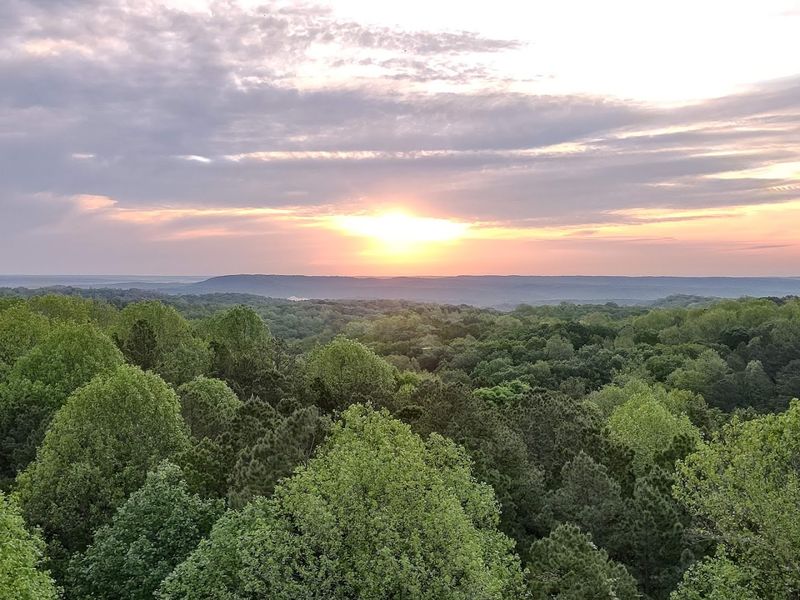
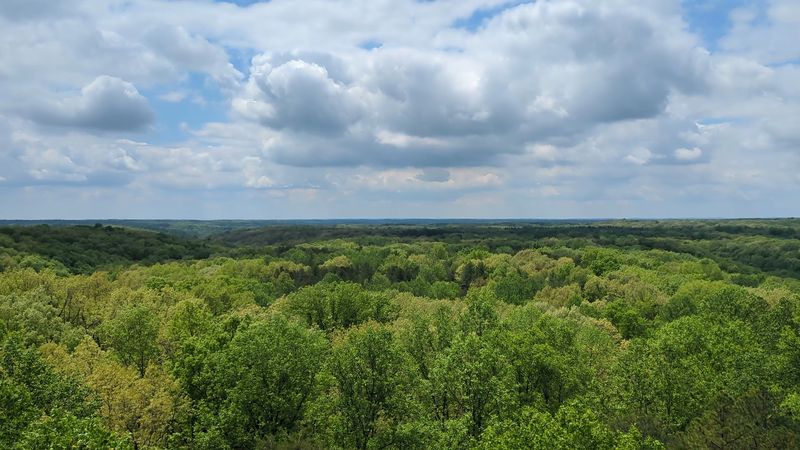
Climbing the tower on a clear fall day is an experience that sticks with you. From the top, you can see Lake Monroe shimmering in the distance, surrounded by miles of unbroken hardwood forest rolling across the hills.
It puts the sheer scale of the Deam Wilderness into perspective in a way that no map ever could. Many visitors park along Tower Ridge Road and make the tower their first stop before heading deeper into the backcountry.
The tower also serves as a practical starting point for several trail routes, including the Sycamore Trail, which connects to designated backcountry campsites further in. Arriving early is a good idea, especially on fall weekends when the parking area fills up quickly.
The drive along Tower Ridge Road itself is scenic and worth taking slowly. Surrounded by tall oaks and hickories, it sets the mood perfectly before you ever lace up your boots.
The Hickory Ridge Fire Tower is located within the Hoosier National Forest near Heltonville, Indiana.
Free Dispersed Camping in the Deep Backcountry
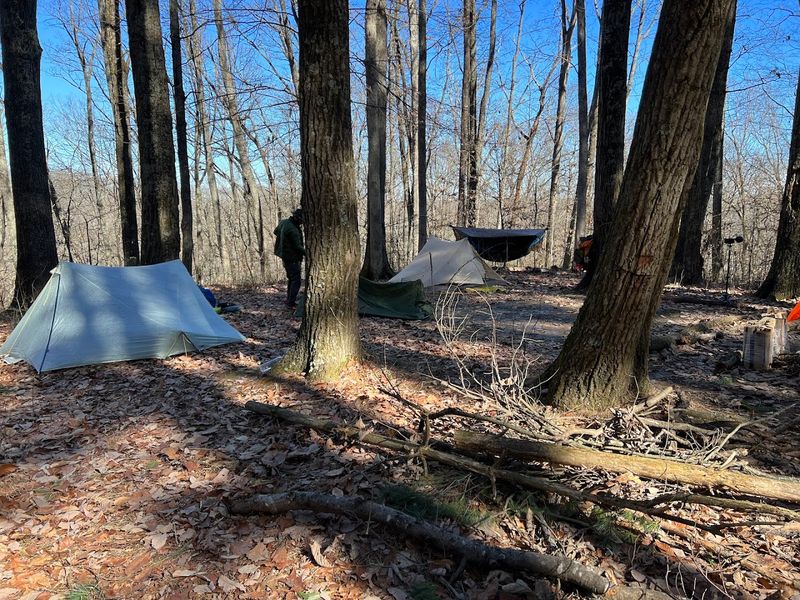
Free camping in a genuine wilderness setting is becoming increasingly rare across the country. The Deam still offers it, and that alone makes this place special.
Dispersed camping is allowed throughout the wilderness, meaning you can set up your camp almost anywhere that makes sense, as long as you follow Leave No Trace principles and stay off the trails themselves.
Designated campsites like Site 6 near the Sycamore Trail have developed a loyal following among repeat visitors. The spots are far enough apart that you rarely feel crowded, and on weeknights, you might genuinely have a stretch of forest entirely to yourself.
There is no electricity, no running water, and no camp host checking in on you. That is exactly the point.
You bring what you need, you pack out what you bring, and you leave the forest exactly as you found it.
Water sourcing requires planning since there are no artificial water sources in the wilderness. Natural springs and hollow streams can provide water in wetter seasons, but a reliable filter is non-negotiable.
Parking fills up faster than you might expect on fall weekends, especially near the trailhead areas along Tower Ridge Road. Arriving early or visiting mid-week gives you the best shot at a great spot.
For hammock campers especially, the dense hardwood canopy here is a dream come true.
Karst Geology, Geodes, and Patton Cave
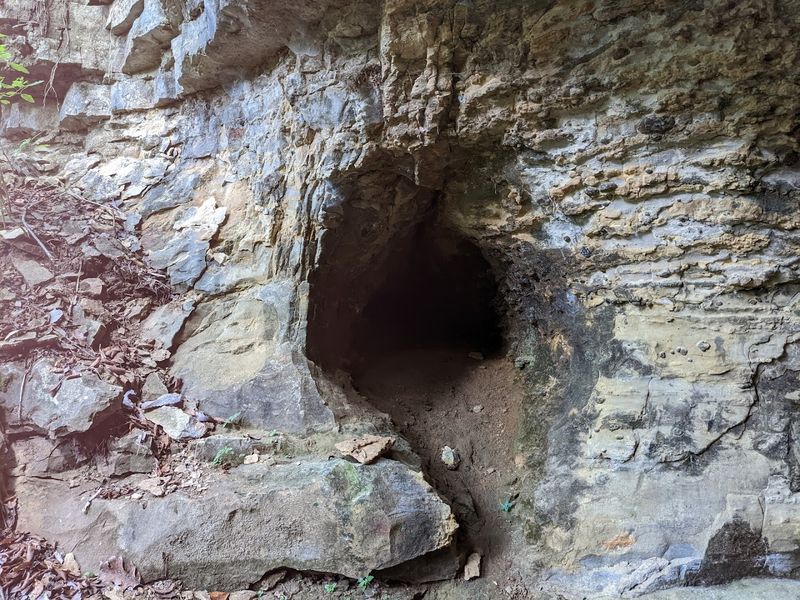
Not every hiking destination gives you a geology lesson worth remembering. The Deam does.
The wilderness sits on karst topography, a landscape shaped by the slow dissolution of limestone over thousands of years. Flat-topped ridges drop sharply into hollows, and the streambeds are loaded with geodes that catch the light when the water runs clear.
Finding geodes along Grubb Ridge hollow is one of those unexpected pleasures that turns a regular hike into something more like a treasure hunt. Kids and adults alike tend to slow down considerably once they spot the first rounded, rough-skinned rock that might be hiding a crystal-lined interior.
It adds a playful, exploratory quality to trails that are already beautiful on their own.
Patton Cave is another geological highlight that draws backpackers specifically. Accessible via the Grubb Ridge Trail at roughly 5 miles in, the cave sits in a forested hollow and feels genuinely remote.
It is open to the public during warmer months but closes seasonally to protect hibernating bat populations, so checking current access status before planning your trip is important. The cave area is also a reminder of how layered this wilderness really is.
What looks like a straightforward hardwood forest on the surface is actually underlaid by a complex network of limestone formations that have been shaping this land since long before the first settlers arrived in 1826.
Wildlife Watching in an Undisturbed Hardwood Forest
Spending time in a forest where human activity is intentionally minimized does something noticeable to the wildlife. Animals behave differently when they are not constantly startled by motors and crowds.
In the Deam, that translates to some genuinely close encounters with the natural world if you move quietly and pay attention.
White-tailed deer are common throughout the wilderness, often spotted near the forest edges at dawn and dusk. Raccoons, wild turkey, and fox squirrels are regular sightings too.
Birdwatchers have a particularly good reason to visit, with species like the scarlet tanager, Acadian flycatcher, and various warblers making their home in the canopy during spring and summer migration periods. The forest interior is especially productive for birding in May when activity peaks.
It is also worth knowing that timber rattlesnakes and copperheads do live in this wilderness. Encounters are genuinely uncommon, but watching where you step, especially around rocky outcrops and log piles, is just smart trail behavior.
Ticks are another real consideration, particularly from late spring through early fall. Wearing long pants, checking yourself thoroughly after any hike, and using appropriate repellent makes a significant difference.
The wildlife presence here is a sign of ecological health, and experiencing animals in an undisturbed setting like this is one of the clearest reminders of why wilderness protection matters so much.
Easy Access from Bloomington and the Monroe Lake Area
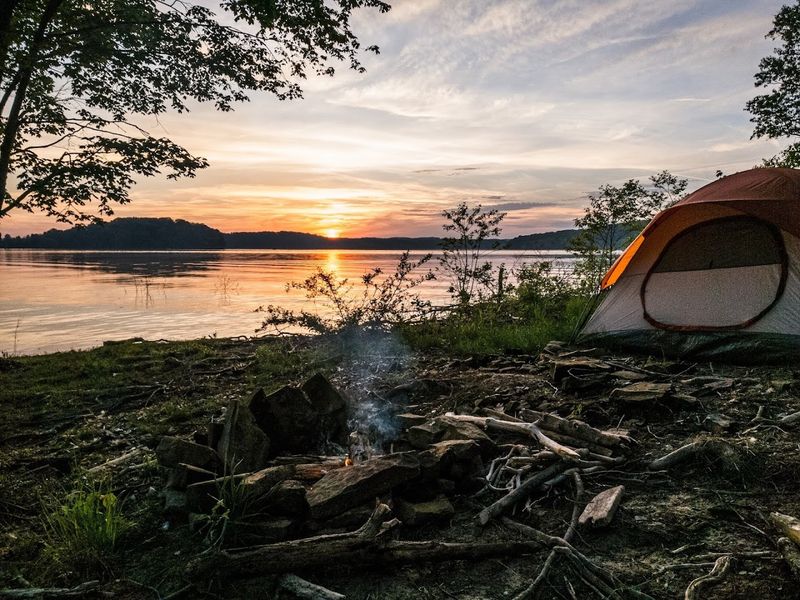
One of the most underappreciated things about the Deam is how accessible it actually is. Located just a short drive from Bloomington, Indiana, and sitting adjacent to Lake Monroe, this wilderness area is reachable from Indianapolis in roughly an hour and a half.
For southern Indiana locals, it is practically in the backyard.
Bloomington itself offers a great base for a Deam weekend. Before hitting the trails, many visitors stop at Lennie’s Restaurant at 1795 E 10th St, Bloomington, IN 47408, a local favorite known for its relaxed atmosphere and solid food.
The Bloomington Community Farmers Market at Showers Common, 401 N Morton St, Bloomington, IN 47404 is worth a Saturday morning visit if you are stocking up on snacks before heading into the backcountry.
Lake Monroe, Indiana’s largest inland lake, borders the southern edge of the Deam Wilderness and adds another dimension to any visit. The Axsom Branch Trail connects directly to the lake, making a multi-day route from the fire tower down to the water genuinely achievable.
After a long trail weekend, the town of Nashville, Indiana, about 20 miles north, offers charming shops and the Brown County Art Gallery at 1 Artist Dr, Nashville, IN 47448 for a relaxed cultural wind-down. The combination of wilderness solitude and nearby small-town comfort makes this corner of Indiana genuinely hard to beat.
Dear Reader: This page may contain affiliate links which may earn a commission if you click through and make a purchase. Our independent journalism is not influenced by any advertiser or commercial initiative unless it is clearly marked as sponsored content. As travel products change, please be sure to reconfirm all details and stay up to date with current events to ensure a safe and successful trip.
