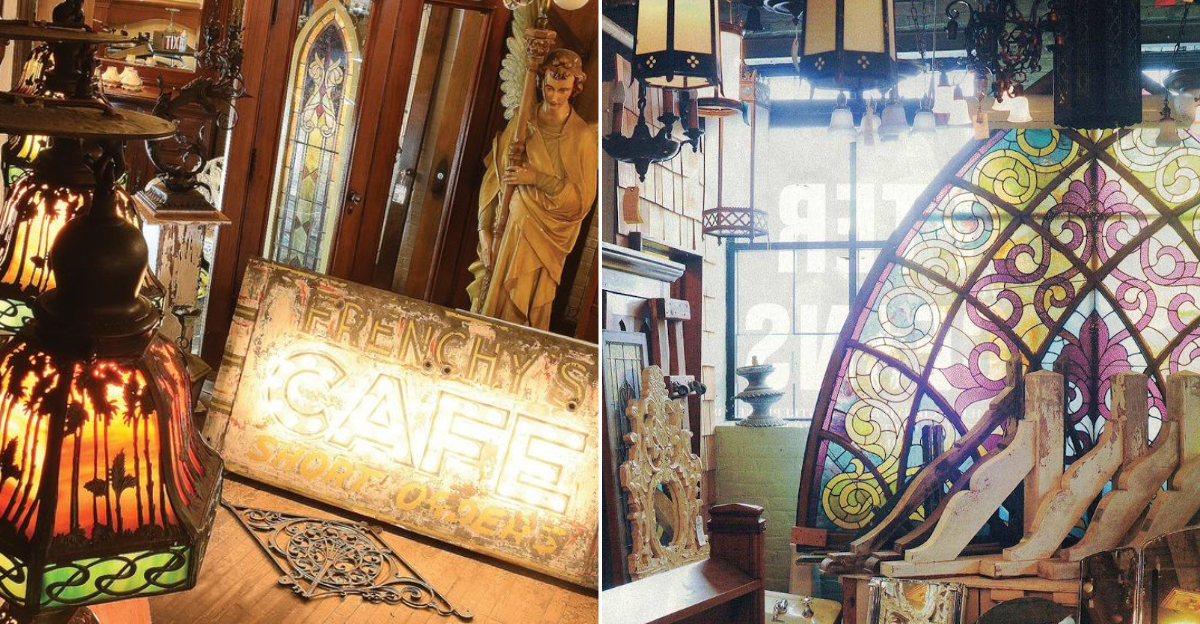
You have never seen old stuff like this. Forty thousand square feet of doors, sinks, stained glass, church pews, and things you cannot even name.
This massive Minneapolis warehouse started as a humble salvage operation in 1976, rescuing architectural treasures from buildings marked for the wrecking ball. The building itself was once a coffee factory, a four-story brick and timber structure that has been home to the business for over four decades.
Aisles twist and turn like a treasure hunt. You might walk in looking for a vintage doorknob and leave with an entire mantelpiece from a 19th century mansion.
Designers and restorers come here for period-accurate pieces you cannot find anywhere else. The inventory changes weekly, so every visit is different.
So which Minnesota goldmine offers a labyrinth of salvaged history, with items priced from pocket change to serious investment?
Bring gloves, a tape measure, and a sense of adventure. You will be here a while.
The First Walk Through The Door
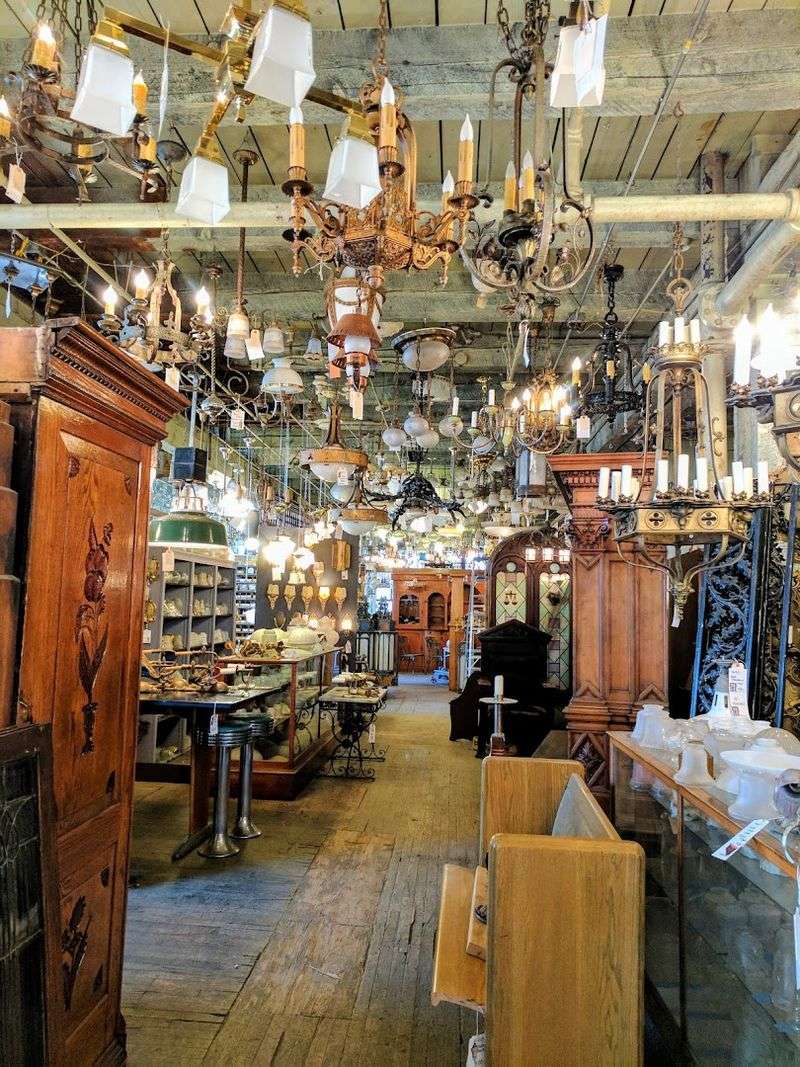
The first thing that hits you is the scale, because this place feels less like a store and more like someone opened up a whole forgotten world indoors. You step inside and your eyes immediately start bouncing from giant doors to old windows to pieces of carved wood that look like they came straight out of another lifetime.
Even if you came in with a plan, that plan starts slipping pretty fast.
What I liked right away was that it did not feel messy or overwhelming in the way big salvage spaces sometimes can. There is a clear sense that things are grouped with care, so you can actually wander without feeling like you are digging through confusion.
That makes a huge difference when you want to enjoy the hunt instead of getting tired twenty minutes in.
And honestly, the mood is what stays with you, because the whole warehouse has that textured, slightly dusty, deeply satisfying charm you only get from real old materials. Nothing feels fake, shiny, or staged for effect, which is part of why it feels so good to explore.
In Minnesota, places with this much character are not easy to forget once you have spent time inside.
Where You Will Find It
Let me tell you, this is the kind of place that already feels promising before you even get all the way inside. Architectural Antiques sits at 1330 Quincy St NE, Minneapolis, MN 55413, and the industrial surroundings honestly make the whole experience feel even more fitting.
You are not walking into something polished and precious, which is exactly why the atmosphere works.
There is something about seeing a warehouse in this part of Minneapolis that puts you in the right mindset for salvaged pieces with history behind them. Northeast has that old-workshop energy, and this place slides right into it without trying too hard.
The setting feels grounded, practical, and very Minnesota in the best possible way.
Once you are there, it makes sense that a building like this would hold everything from stately woodwork to odd little objects you never knew you wanted. The exterior keeps your expectations flexible, and then the inside starts surprising you almost immediately.
I always love that combination, because it feels like the city is letting you in on something quietly wonderful instead of announcing itself from a mile away.
Why The Space Feels So Good
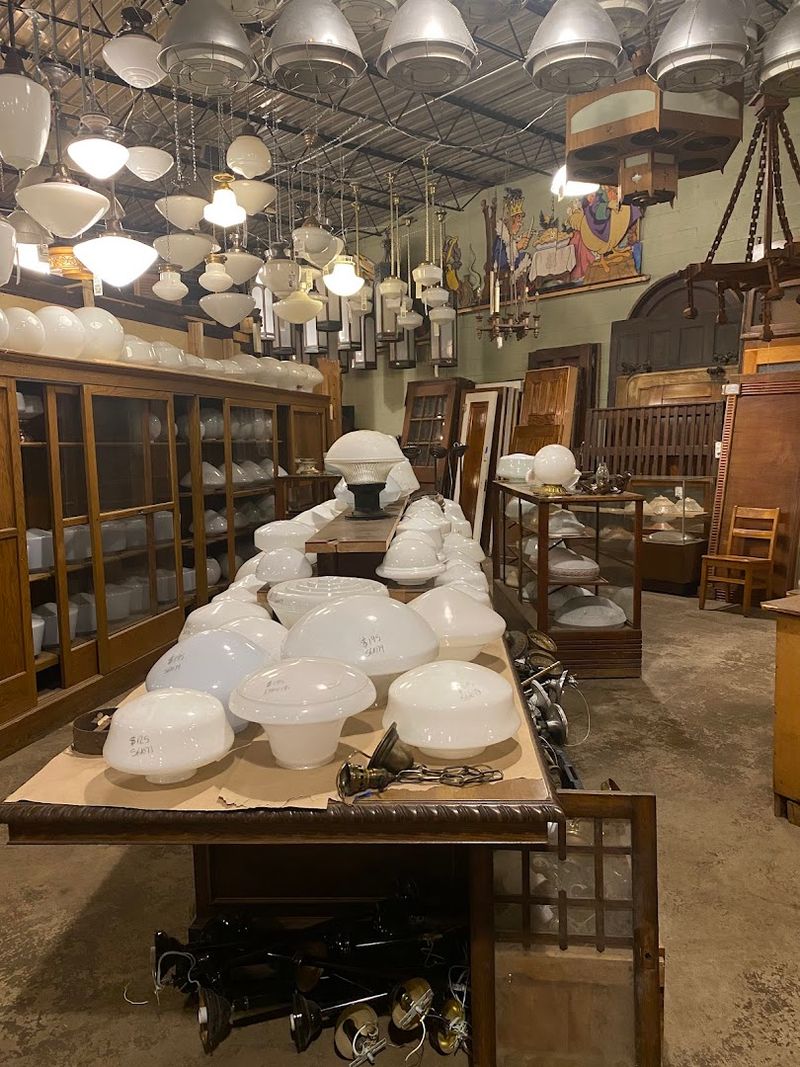
Some big antique spaces make you feel like you need a flashlight, a map, and a very patient attitude, but this one is easier on the brain. The warehouse is huge, yet the layout gives you room to breathe, which means you can actually notice things instead of just scanning shelves in survival mode.
That sounds simple, but it changes the whole visit.
I kept appreciating the high ceilings and open pathways, because larger pieces get the space they deserve without making everything else feel cramped. Tall doors stand upright like they are waiting for a second life, and long architectural elements do not look squeezed into awkward corners.
You get to see proportions, details, and wear in a way that feels almost museum-like, just much more relaxed.
That balance between scale and calm is what makes it easy to linger longer than you expected. You can wander casually, double back when something catches your eye, and still feel oriented the whole time.
In Minnesota, where a good indoor destination matters for so much of the year, a place that invites slow looking without draining your energy is honestly a beautiful thing.
The Doors And Windows Alone Are Worth It
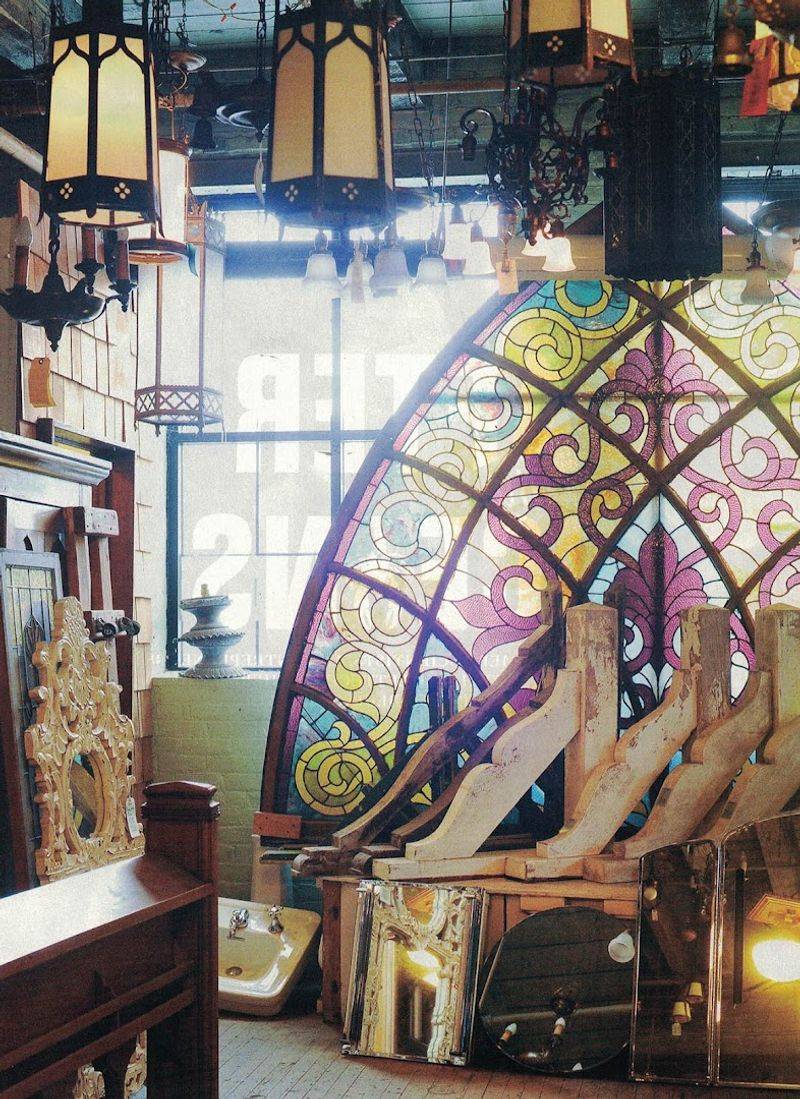
I could have spent an absurd amount of time just with the doors and windows, and I do not even think that would have been unreasonable. There are pieces with worn paint, carved panels, old glass, and the kind of age that gives them personality before you even imagine where they might go next.
If you like architectural details, this area grabs you fast.
What makes these pieces especially fun is how easy it is to picture them in a real home, studio, or garden space. Some feel elegant and formal, while others are wonderfully weathered and a little crooked in the most lovable way.
You start imagining room dividers, pantry doors, porch windows, and headboards before you even realize you are mentally redecorating your life.
That is the magic of salvage when it is presented well, because you are not just looking at old materials, you are looking at possibilities. Every scratch and layer of paint gives you some clue about where a piece has been and why it still matters.
Walking through this section in Minneapolis felt like flipping through a giant physical scrapbook made from Minnesota buildings and their second chances.
Lighting That Changes The Whole Mood
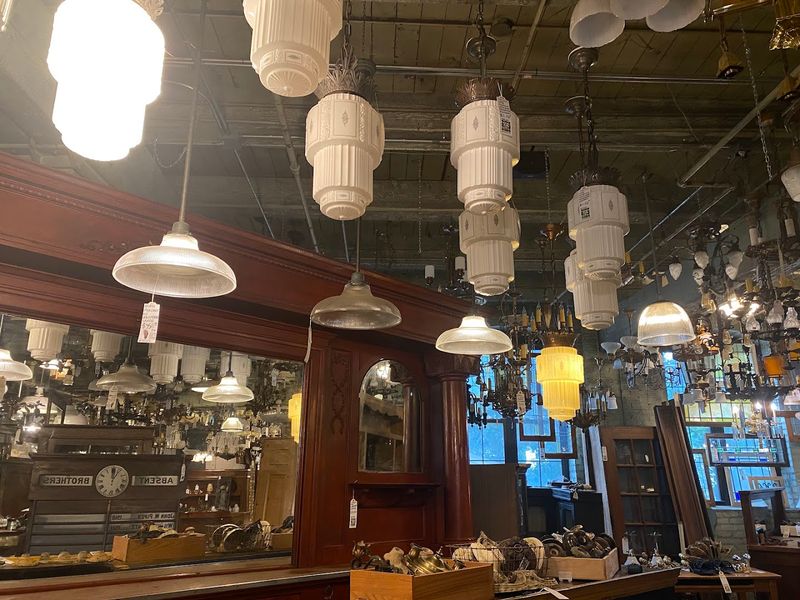
You know how one light fixture can completely shift the personality of a room, even if everything else stays the same? This section makes that point over and over, because the variety runs from delicate pieces with old-fashioned charm to tougher industrial fixtures that feel straight out of a workshop or factory.
It is impossible not to start picturing ceilings back home.
I liked that the lighting did not feel treated like a side category tucked onto a random wall. It has presence, and the pieces are arranged in a way that lets you actually compare shapes, finishes, and scale without squinting.
Some have that ornate, slightly theatrical look, while others are simple enough to slide into modern spaces without losing their character.
Even if you are not shopping, this area is just plain fun to look at because it glows differently from the rest of the warehouse. There is warmth there, mixed with a little drama, and it pulls your attention upward in a really satisfying way.
Minnesota winters make good lighting feel almost emotional sometimes, and walking through these fixtures reminded me exactly why old ones can feel so much more alive.
The Hardware Section Is Dangerously Good
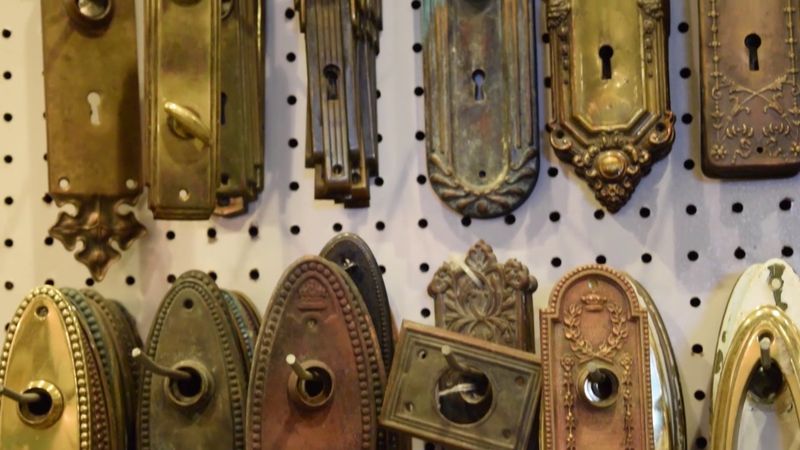
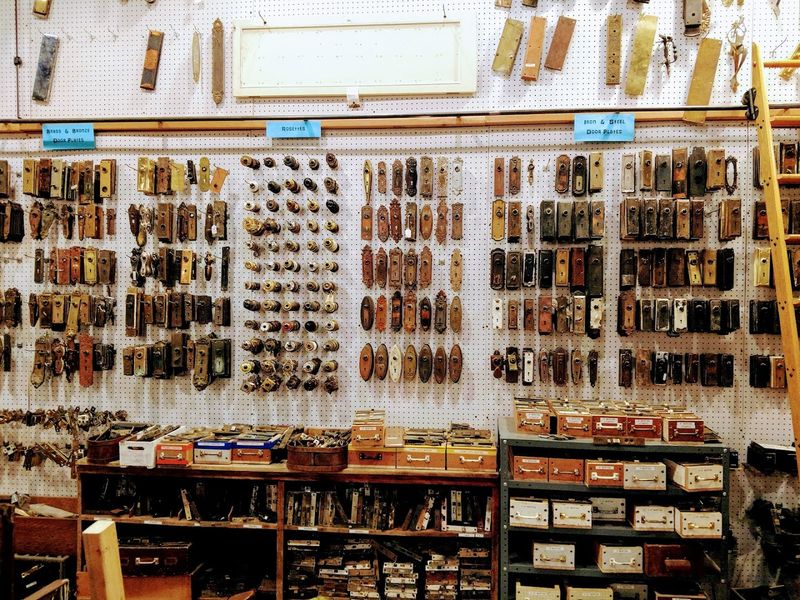
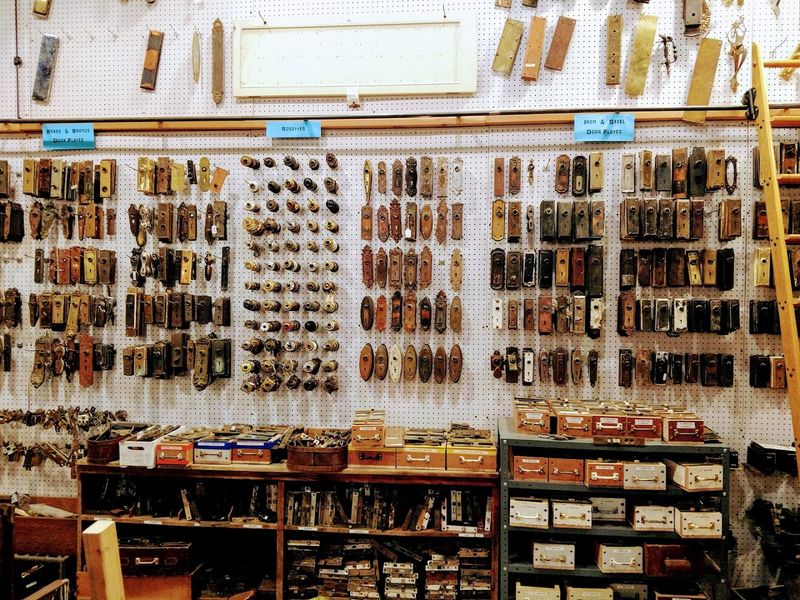
Here is where things got a little dangerous for me, because tiny beautiful objects are my weakness and this section knows exactly how to tempt you. Drawer pulls, knobs, hinges, hooks, lock plates, and all those little finishing pieces show up in clusters that make you want to suddenly become much handier than you really are.
It is the kind of area that turns casual browsers into dedicated collectors fast.
What I appreciate is that these pieces are not buried under random clutter or left looking anonymous. You can actually examine shape, metal tone, wear, and the small design differences that make one set feel stately and another feel playful.
If you have ever stood in a boring hardware aisle wishing anything had a little soul, this is the complete opposite experience.
And honestly, even people who are not renovating anything can enjoy this part, because it feels like a study in how much detail used to matter. These are the pieces your hand touches every day, and you can feel that practical history in them.
In a Minnesota warehouse packed with larger statement items, I loved that the humble hardware still managed to steal some of the attention.
Stained Glass Stops You In Your Tracks
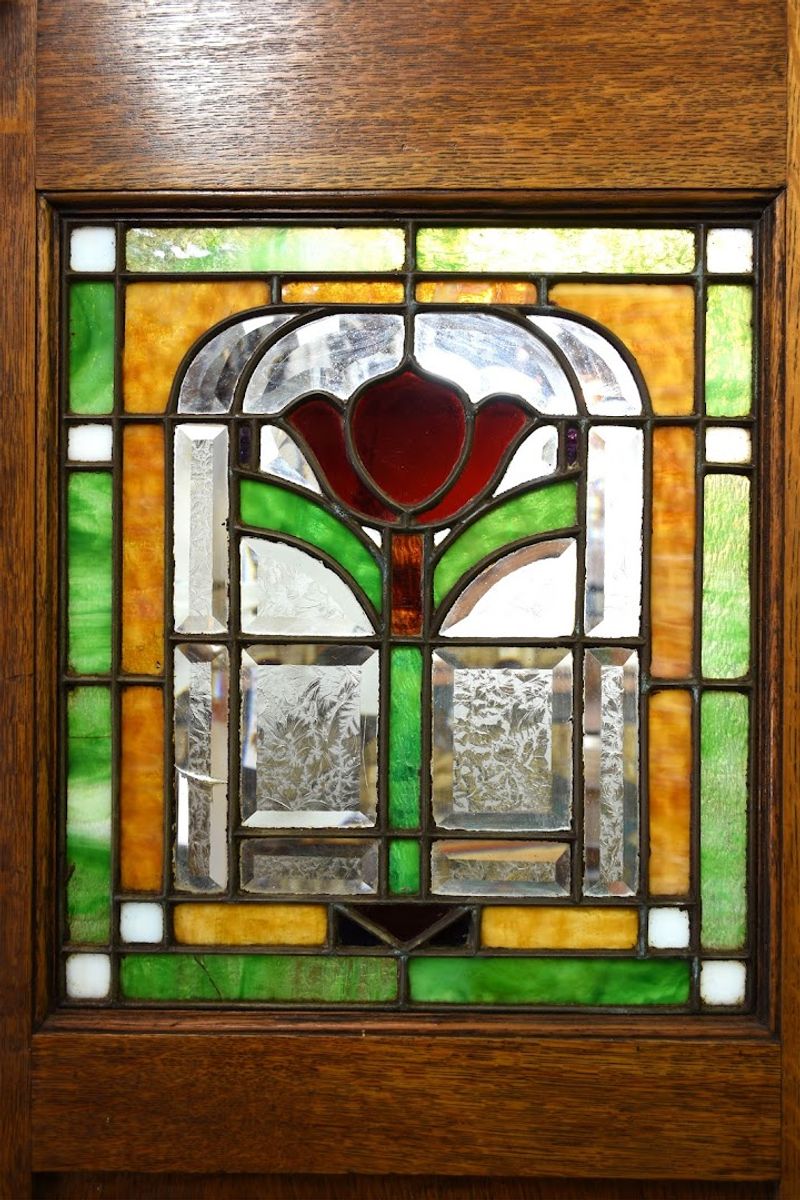
There is just no casual way to walk past stained glass when the light hits it right, and that happened to me more than once here. Suddenly you are standing still, staring at color and texture and little imperfect details that make the glass feel alive instead of decorative.
It pulls you in quietly, but once it has you, you are done for.
Some panels feel church-like and formal, while others have a softer domestic warmth that makes you imagine them in entryways, stairwells, or tucked above interior doors. What I loved most was seeing how each piece carried its own mood without needing any explanation.
The patterns, colors, and slight irregularities did all the talking, and they said plenty.
This is one of those sections where the warehouse shifts from fun browsing into something more emotional and reflective. You start thinking about craftsmanship, old buildings, and how much beauty people once built into everyday spaces without calling attention to it.
In Minneapolis, where old and new keep rubbing up against each other, seeing stained glass preserved like this feels comforting, like a reminder that Minnesota still knows how to hold onto pieces of its past.
The Oddball Finds Make It Memorable
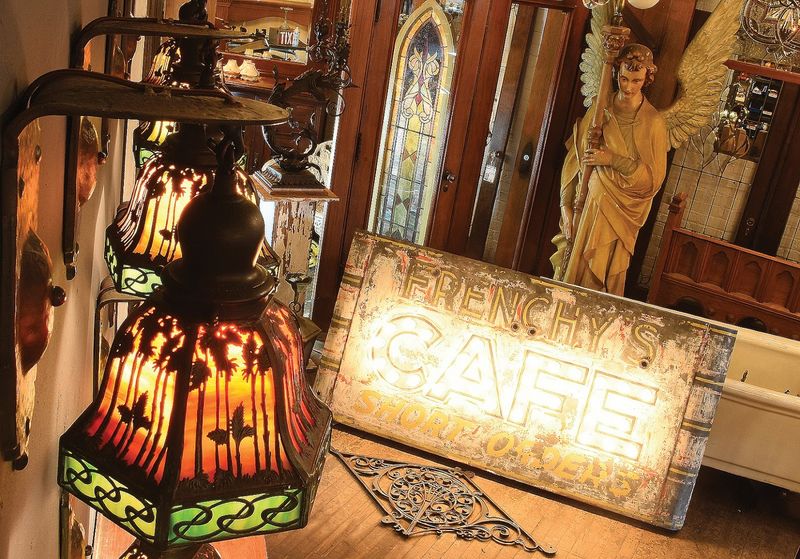
Sure, the doors and lighting are great, but the oddball pieces are what really gave this place personality for me. You turn a corner and suddenly there is something wonderfully specific staring back at you, the kind of object that makes you laugh a little and then seriously consider where it could go.
That surprise factor keeps the whole visit lively.
I am talking about the kinds of salvaged finds that carry strong past lives with them, whether that is a pew, an old cart, a tub, or some beautifully strange decorative fragment. These are not generic antiques trying to blend in, and thank goodness for that.
They have enough presence to spark stories immediately, even if you never learn exactly where they came from.
This section of the warehouse reminded me that salvage is not just about restoration or design, it is also about delight. Sometimes the best find is the one you never expected to see and cannot stop thinking about afterward.
Minnesota has plenty of places where things feel curated into neat little categories, but here there is room for the eccentric stuff too, and that is exactly why the whole experience sticks with you longer than a normal shopping trip.
You Can Browse At Your Own Speed
One thing I genuinely appreciated was how easy it felt to settle into your own pace without any pressure hanging over the experience. You can move slowly, circle back, stand and think for a minute, or just wander because something across the room caught your eye.
That kind of freedom matters in a place with this much to take in.
The atmosphere supports lingering, which sounds obvious until you visit a shop that somehow makes you feel rushed even when nobody says a word. Here, the warehouse invites curiosity instead of efficiency, and that creates a better mood for everyone involved.
It feels more like exploring than shopping, which is exactly what you want when the inventory has this much texture and visual interest.
I think that relaxed rhythm is part of why even non-design people could enjoy a visit here. You do not need a renovation plan, a truck, or a detailed shopping list to have a good time walking around.
In Minneapolis, and honestly across Minnesota, the best indoor destinations are often the ones that let you slow down enough to notice what you actually respond to, and this place absolutely understands that.
