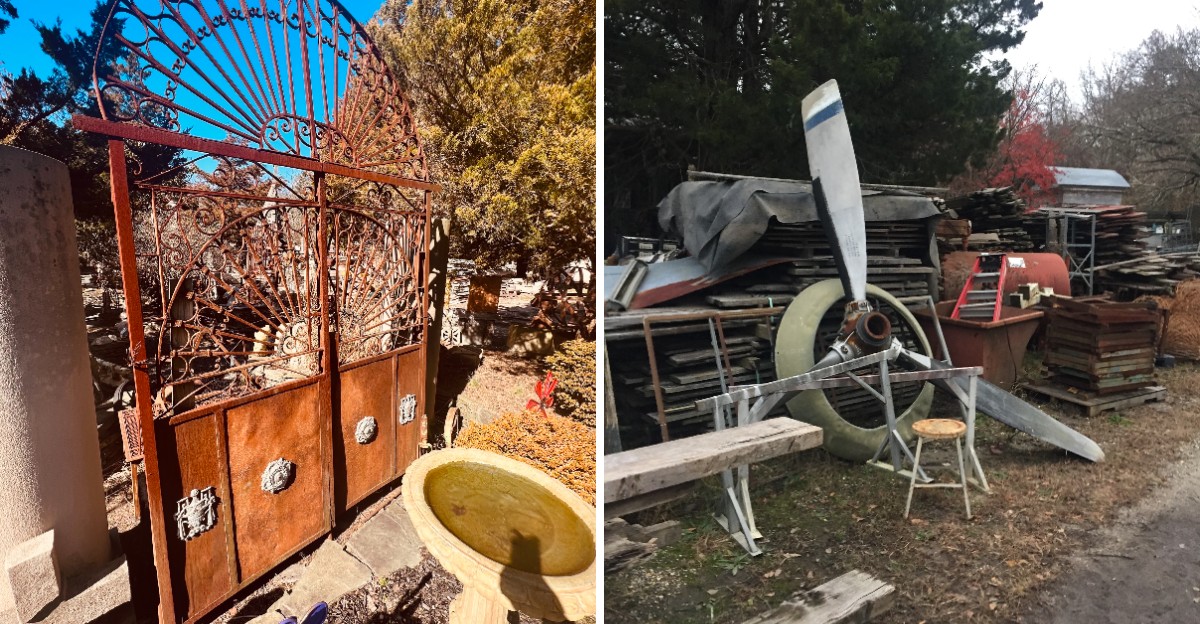
Old buildings may come down, but the good stuff doesn’t always disappear with them. Doors, stained glass, claw-foot tubs, mantels, ironwork, and wonderfully odd pieces can get another shot at life.
That is exactly what makes this sprawling New Jersey salvage destination so much fun to explore.
The inventory comes from demolished and renovated buildings, so wandering around feels less like ordinary shopping and more like rummaging through pieces of architectural history.
There are vintage fixtures beside weathered signs, old windows near ornate furniture, and enough unexpected finds to make a quick browse nearly impossible.
Whew, restraint may be required.
Whether you actually have a renovation underway or simply love objects with a past, this is the kind of place where yesterday refuses to head quietly to the landfill.
An Outdoor Maze That Keeps Going
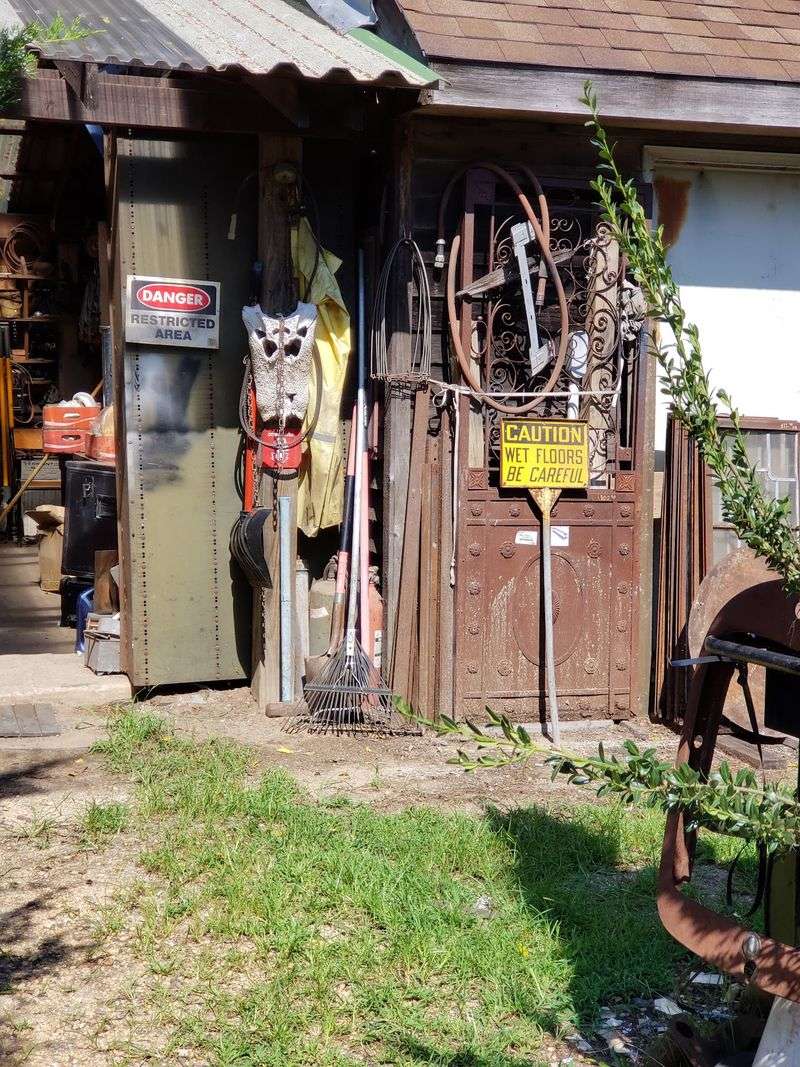
Nobody warns you how big it is. Recycling The Past spreads across more than 80,000 square feet, and the grounds unfold like an open air museum where the exhibits happen to be for sale.
Paths twist between towers of old lumber, iron pieces, and forgotten building parts. One turn leads to a row of columns, while the next opens onto a jumble of metal shapes you can’t quite name.
That’s half the fun, honestly.
Sunlight does lovely things here too. It catches the grain of old wood and turns flaking rust into warm shades of orange and brown, so the whole place looks a little like a painting that keeps changing as clouds drift by.
Plan for more time than you expect. A quick look can easily stretch into a few hours, especially once you start peeking behind stacks and around corners.
Wear sturdy shoes, since the ground is uneven in spots, and bring water on warm days.
The yard is open Wednesday through Sunday, from 10 AM to 5 PM, and it is closed Monday and Tuesday.
Mantels, Stained Glass, and Whole Porches
Old craftsmanship has a weight you can almost feel with your eyes. Carved fireplace mantels line up here with swirls, leaves, and tiny details that someone once shaped by hand.
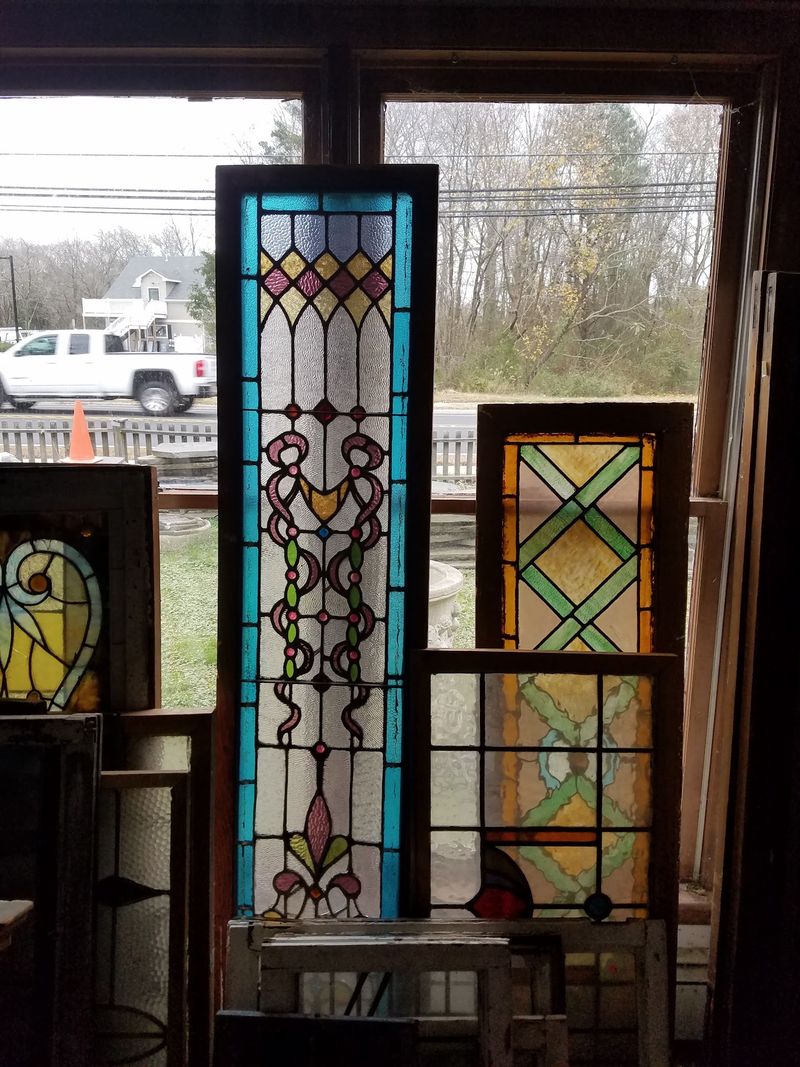
Stained glass windows glow when the light hits them just right. Some still hold bright blues and deep reds, colors that once brightened old homes and grand buildings.
I kept stepping back to watch them change as the sun moved.
Then there are the porches. Entire sections, with columns and railings still in place, wait for a brand new house to call home.
It’s a strange and wonderful sight, like a piece of a neighborhood that simply wandered off.
Here’s a helpful tip for anyone planning a renovation. Measure your space before you visit, and snap photos of your room or doorway on your phone.
Old pieces rarely come in modern standard sizes, so knowing your numbers ahead of time saves a lot of guesswork.
These are the kinds of finds that make a room feel like it has a story instead of just furniture.
A Hallway Made of Doors
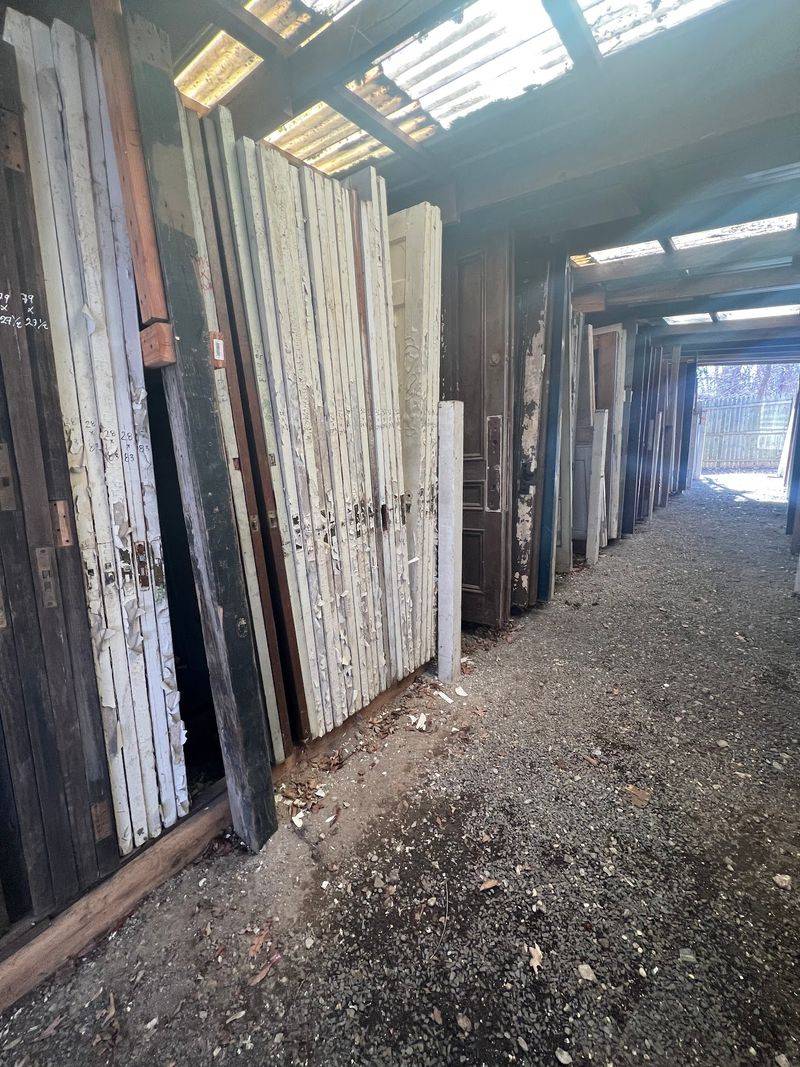
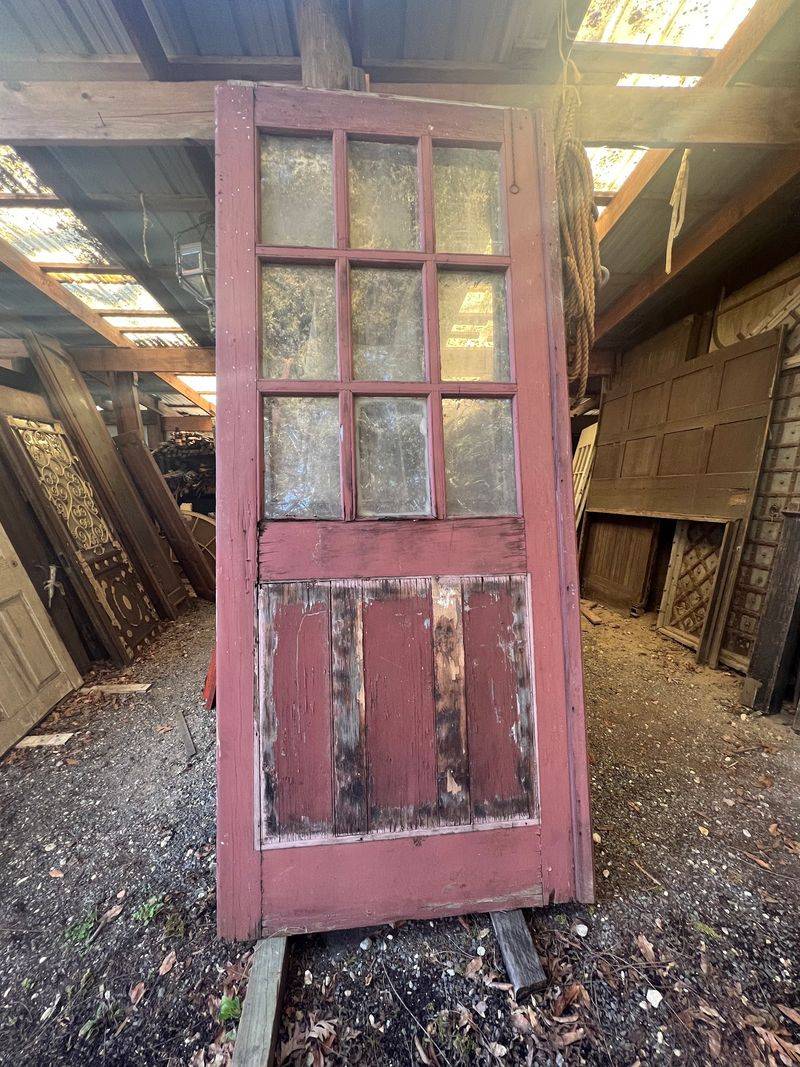
Doors might be the real stars of the show. They stand in long rows, leaning against each other and forming little hallways you can wander through without ever entering a room.
Some are heavy and dark with worn panels. Others have pretty glass inserts that let light spill through in soft squares.
Every one of them once opened and closed thousands of times, which is a fun thing to think about while browsing.
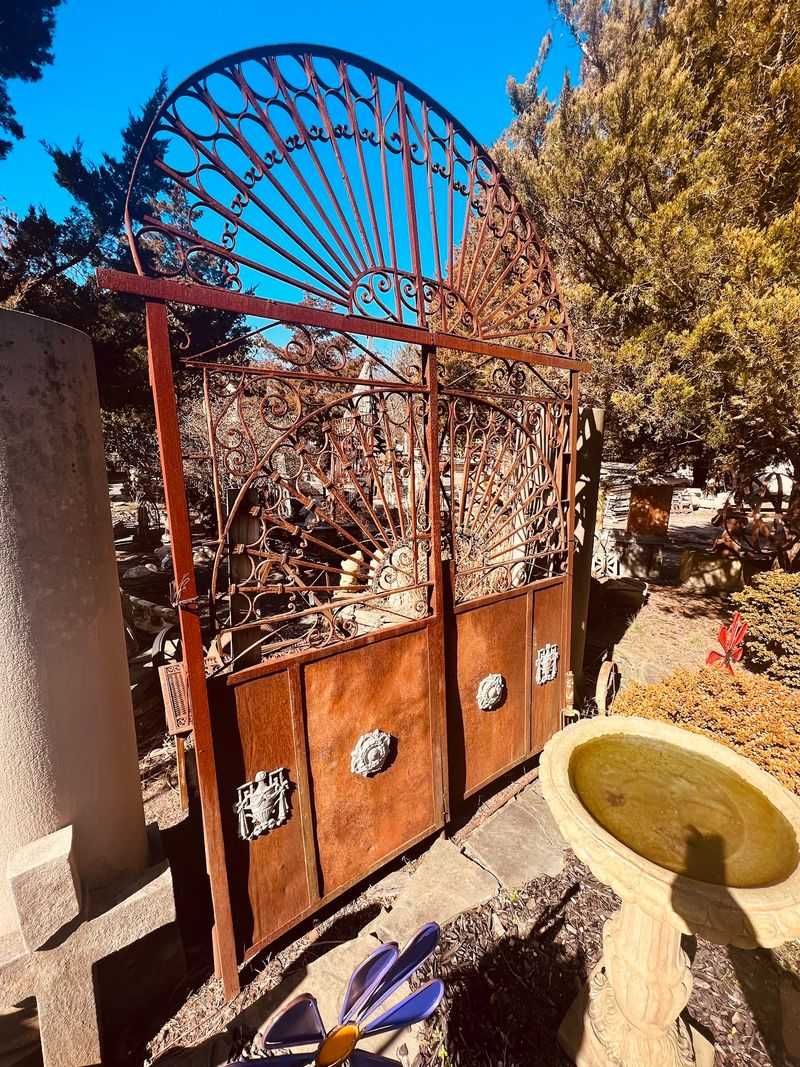
Close by, iron gates and fencing add even more drama. You’ll spot delicate scrolled designs next to thick, serious pieces that look like they guarded a big estate once.
So what can you do with an old door? Plenty.
People turn them into headboards, tabletops, garden features, or simply hang them where a newer door used to be. A rusty gate makes a charming trellis for climbing flowers.
Bring a friend to help carry things. Old doors are solid and surprisingly heavy, and you’ll want a vehicle with enough room to haul your prize home safely.
Fountains, Urns, and Quiet Stone Faces
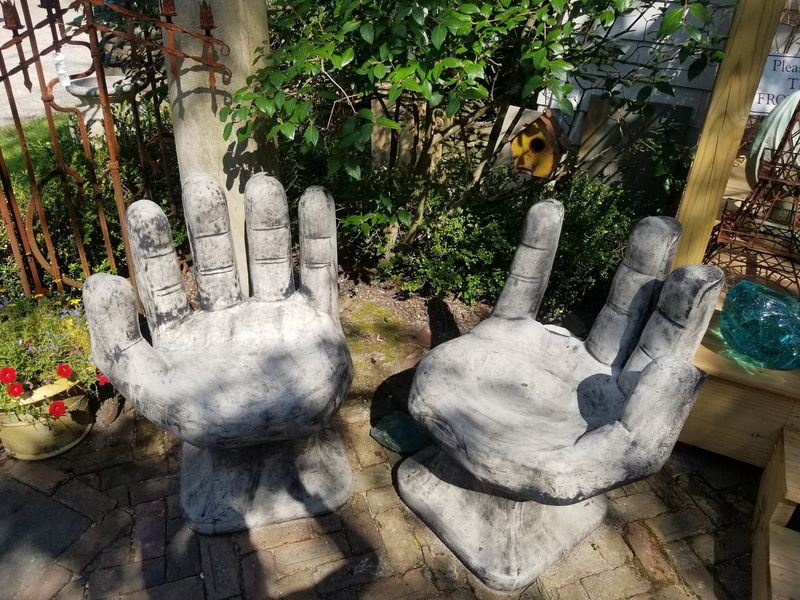
Gardeners, get ready. The outdoor sections are full of stone fountains, graceful urns, and statues that seem to have been waiting patiently for years.
Many fountains sit dry for now. Still, it takes very little imagination to hear water trickling into those wide basins again.
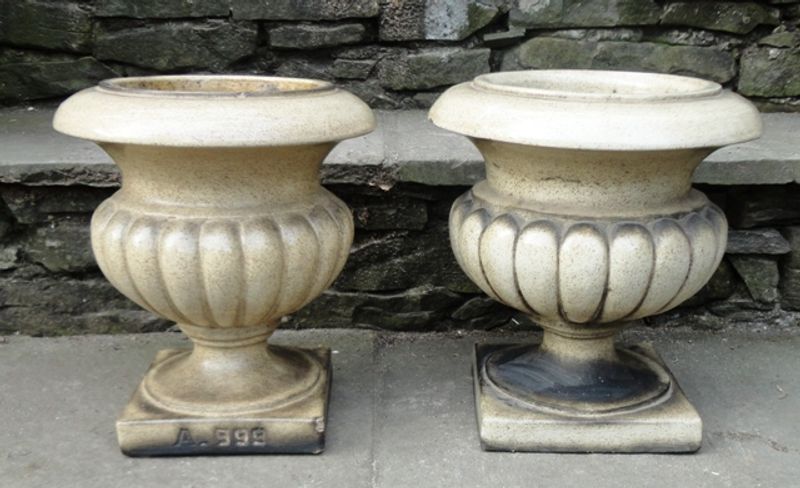
The urns range from weathered and mossy to surprisingly crisp, and each one could hold a burst of summer flowers.
Landscape designers love this kind of place for good reason. A single old piece can become the centerpiece of a backyard, giving a modern garden a touch of old world charm that new store items just can’t copy.
My favorite trick? Look at pieces as they might appear after a season of plants growing around them.
A cracked urn can look magical once ivy spills over the edge.
Think about weight before you fall in love, since stone is heavy. Ask about loading help and plan where the piece will sit, because moving it twice is no fun at all.
Farm Sinks Beside Factory Windows
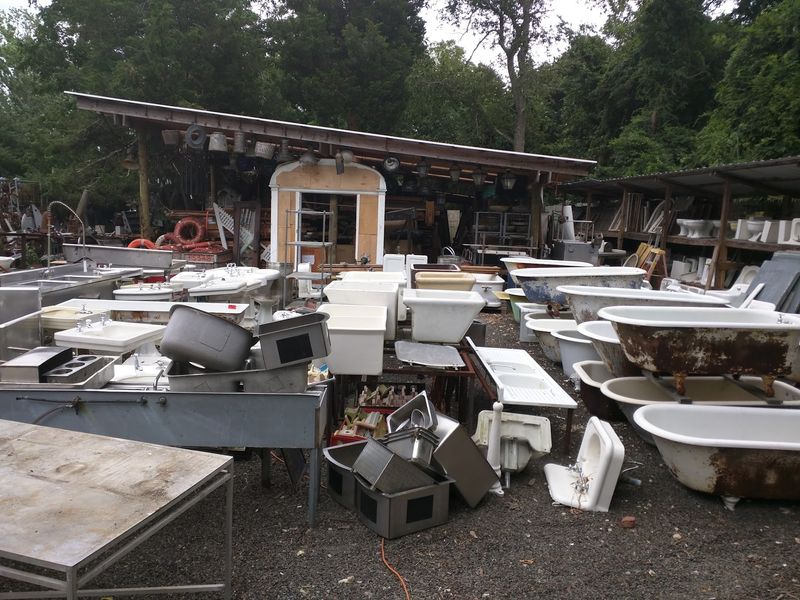
History here comes from all sorts of places, and they end up sitting side by side. Sturdy farmhouse sinks rest near classic claw foot tubs, both built to last and both hinting at a slower pace of life.
A few steps away, steel frame factory windows show off their neat grid patterns. They carry a bit of the country’s industrial past, and they look amazing as room dividers or wall art.
I love how odd these pairings feel. A kitchen sink from a farm and a window from a factory would never have met in real life, yet here they seem like old friends.
Planning to reuse a tub or sink? Check the drain placement and fittings first, because older fixtures sometimes need a plumber’s help to work with modern pipes.
It’s usually worth it.
Factory windows are great for creative builders who want an industrial look without buying something brand new. Reusing them also keeps solid, well made materials out of the landfill, which feels pretty good.
The Wonderfully Weird Corner
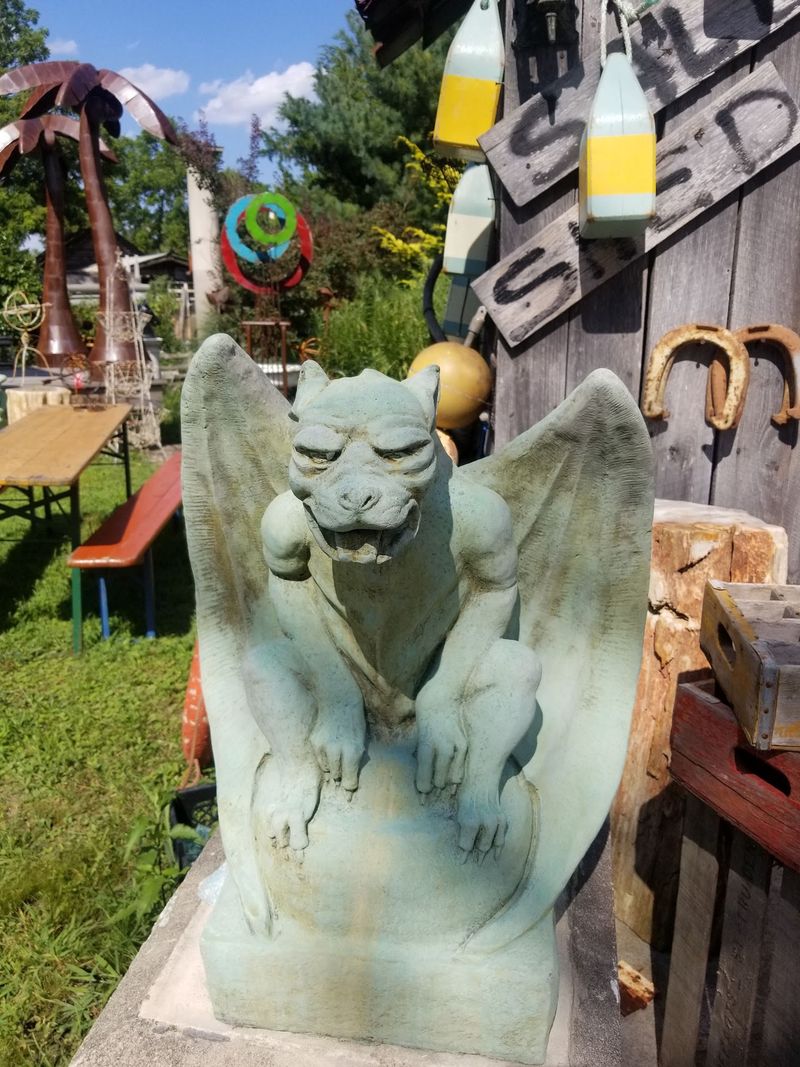
Oddballs welcome. One section leans fully into funky finds and oddities, and it’s where my smile got the widest.
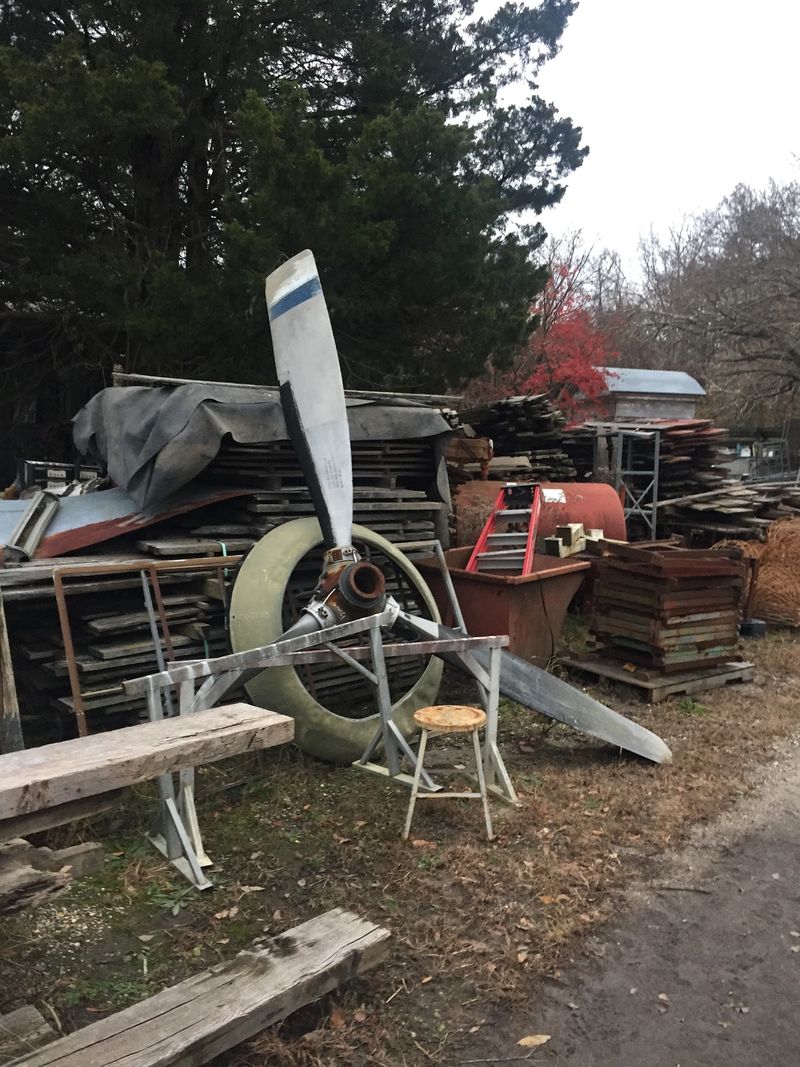
Petrified wood, animal skulls, and taxidermy share space with things you might never expect to see for sale. Boat anchor chains and aircraft propellers show up in the mix too.
Gargoyles that once worked as drain spouts on city buildings add a spooky, storybook touch.
Nothing here follows a plan. That’s exactly the point.
Repurposed creations also appear in this area, like custom tables and mirrors built from salvaged parts. They’re a great peek at how an old object can turn into something useful and beautiful with a little creativity.
Photographers and crafters tend to love this corner. Bring your camera, and keep an open mind, because the strangest item might be the one that sparks your best idea.
A propeller on a living room wall? Why not.
Give yourself permission to wander slowly. The smallest shelves often hide the biggest surprises, tucked behind larger pieces where you’d never think to look.
Pieces from Famous Estates
A little history lesson hides in certain sections. Recycling The Past offers salvaged pieces from La Ronda, a grand castle style estate that once stood in Pennsylvania.
That alone is pretty special. Once a building like that is gone, the saved pieces become the last touchable parts of its story, and seeing them up close gives you a real sense of its scale and style.
Artifacts recovered from the Doris Duke Estate appear here as well. Knowing where an item came from adds a fun layer to browsing, almost like reading the first chapter of a book before you take it home.
Fun fact to share with friends. Items with a known background are often called pieces with provenance, which simply means their history can be traced.
If you’re drawn to these collections, ask about an item’s origin while you shop. It makes a great conversation starter once the piece is installed in your home, and it helps you appreciate the skill of the builders who shaped it long ago.
Nothing Reusable Is Refusable
Every yard has a personality, and this one has a motto to match. The saying here is Nothing Reusable Is Refusable, and once you look around, it makes total sense.
Items are sourced from demolished homes, factories, and historic estates, both across the United States and in other countries. Instead of ending up as trash, those materials get a fresh chance to be useful.
Reclaimed lumber is a big part of the appeal. Much of it comes from old growth trees, which grew slowly and produced dense, strong wood that’s hard to find today.
Builders prize it for its toughness and its rich, aged look.
Choosing salvage is also a simple way to be kinder to the planet. You’re reusing something that already exists, and you get character that brand new materials rarely offer.
Wondering where to start? Pick one small piece, like an old door knob or a few boards, and use it in a weekend project.
Small wins often lead to bigger ideas.
Where Dreamers and Builders Cross Paths
All kinds of people end up here, and that mix gives the yard a busy, creative energy. Homeowners hunt for pieces to finish a renovation, while contractors and interior designers search for materials with real character.
Landscapers come looking for garden standouts. Set designers for film and television even find authentic props with the right age and wear, which is a detail I found pretty cool.
Restoring an older house, like a Victorian? This is the kind of place that can supply hardware, doors, lighting, and trim that actually match the era.
That’s a huge help when modern stores only sell look alike versions.
Onsite welding has also been offered, which can come in handy if a metal piece needs a little adjusting.
Here’s my practical advice. Bring a notebook or sketch app, a tape measure, and a list of what you need.
Then leave room for a surprise or two, because the best finds usually show up when you aren’t searching for them at all.
Leaving with Ideas Instead of Just Stuff
Heading back to the car felt a little like closing a great book. The yard leaves you with more than an armful of treasures, it leaves you thinking about history, craft, and how much good stuff deserves another chance.
A visit here is less of a shopping trip and more of a slow adventure. Every stack and shelf holds a hint of somewhere else, whether that’s a farmhouse kitchen, a busy factory, or a grand old estate.
Timing matters. Arrive early in the day so you have plenty of hours to explore before the 5 PM close, and remember the doors stay shut on Mondays and Tuesdays.
Dress for dust and sunshine. A hat, comfy shoes, and gloves for handling rough items make the experience easier.
For anyone exploring the Jersey Shore area, this is a memorable stop that feels nothing like the usual New Jersey outing. You can find Recycling The Past at 381 N Main St, Barnegat, NJ 08005.
