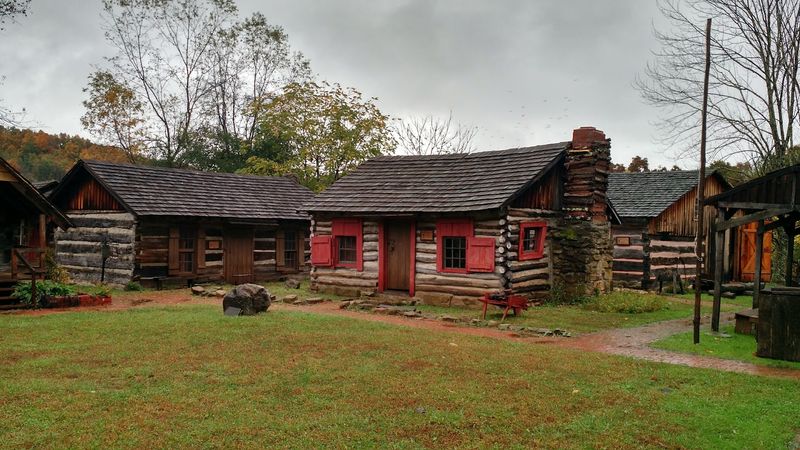
Some of the best history lessons in West Virginia are not found in textbooks but tucked along quiet back roads. You pull in expecting a few old cabins, and suddenly you smell woodsmoke, hear a hammer ringing on iron, and catch the sweet scent of apple butter bubbling nearby.
It feels like stepping into the days when our mountain ancestors built their lives by hand. If you have ever wondered how frontier families got by, this little log settlement answers that question in the most memorable way.
A Frontier Settlement Tucked Into Harrison County
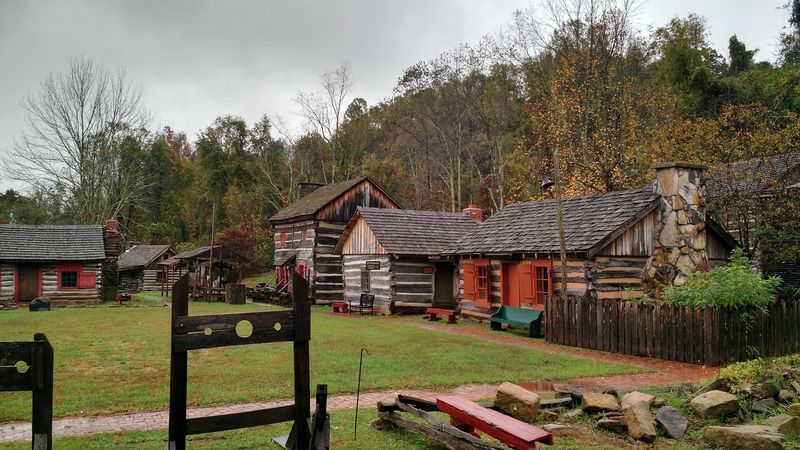
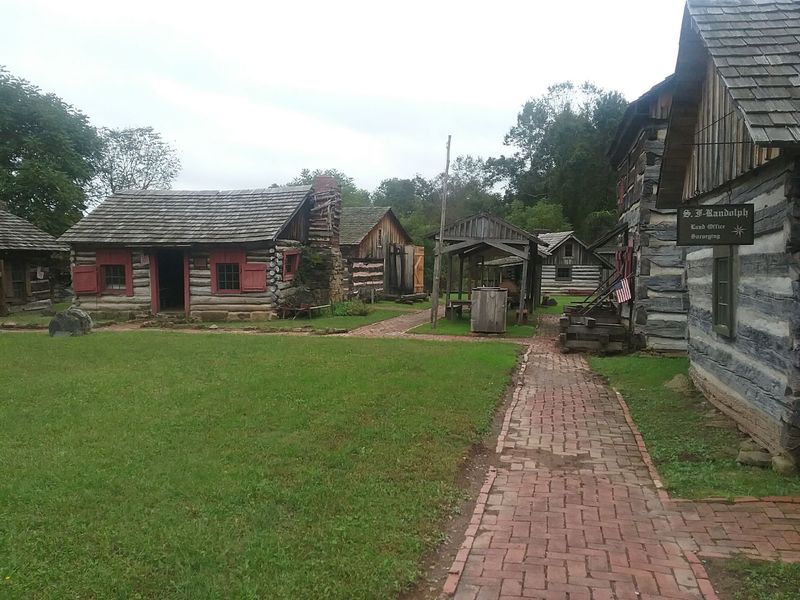
Tucked into the hills of Harrison County, Fort New Salem sits at 81 Settlers Lane in the small town of Salem. It is a reconstructed frontier settlement made of log buildings that bring the late 1700s and early 1800s back into view.
Rather than a single structure, it is a gathering of cabins and work spaces arranged much like a pioneer community would have been.
Visitors often call it a hidden gem, and that description fits. The site is not flashy or huge, and some folks mention the layout feels smaller than they expected.
That modest size is part of its charm, since you can take in every building without feeling rushed or lost.
Local people treat it as a treasure. Folks who grew up in Salem remember volunteering here as kids and carry fond childhood memories of the place.
Others brought their own little ones back in the early nineties and now hope to share it with grandchildren.
For anyone who loves West Virginia history, the fort offers something books cannot. You can touch rough-hewn logs, peek into cabins, and picture the families who once relied on timber walls and hard work to make it through each mountain season.
Why Timber Walls Mattered to Mountain Families
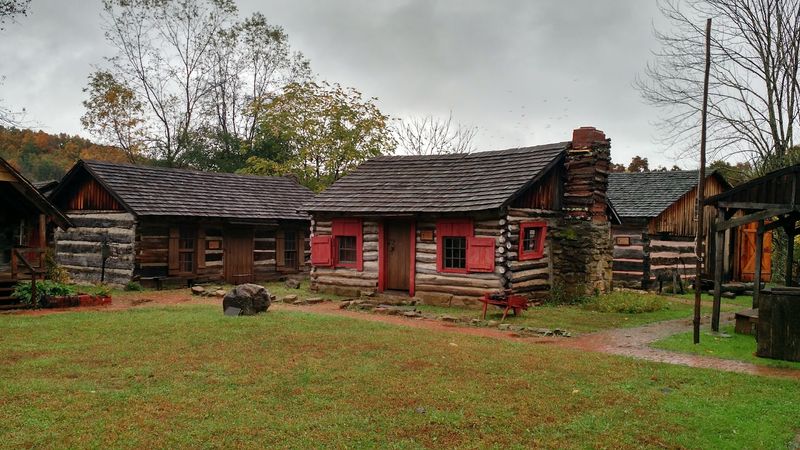
Picture life in these hills more than two hundred years ago. There were no grocery stores, no furnaces, and no neighbors just a phone call away.
Families depended on the timber around them, their own skills, and each other to get through long winters and uncertain times.
Across western Virginia, settlers often built sturdy log structures and clustered together for safety and support. Historians note that families in the region sometimes gathered behind stout log walls for days or even weeks when trouble seemed near.
Fort New Salem captures that spirit of a community leaning on one another.
The settlement recreates the era of the late 18th century, according to volunteers who help bring it to life. Walking the grounds, you can see how thick logs offered shelter from wind, cold, and the unknowns of the frontier.
Each cabin tells a quiet story about resourcefulness.
Many visitors leave with a new sense of gratitude. One common reaction is a fresh appreciation for our fore parents and the modern comforts we often take for granted.
It is hard to complain about a chilly house after seeing how folks stayed warm with little more than a hearth and good timber.
Sparks Flying at the Blacksmith Shop
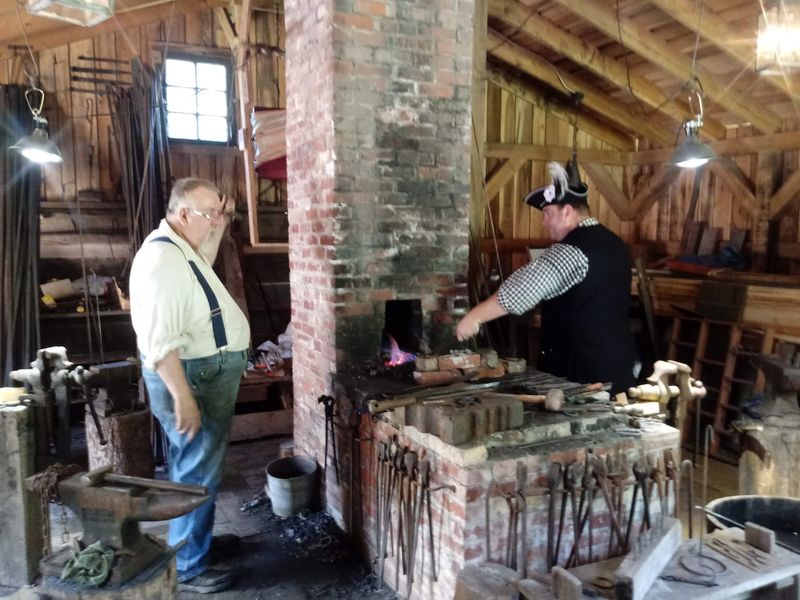
Clang, clang, clang. That steady rhythm draws folks across the grounds faster than any sign could.
The blacksmith shop is one of the most talked-about stops at Fort New Salem, and for good reason.
On a frontier homestead, the smith was a very important neighbor. Hinges, hooks, nails, tools, and farm parts all came from the forge.
Without someone who could shape iron, a pioneer community would struggle to fix a plow or hang a door.
Watching a demonstrator heat metal until it glows orange, then hammer it into shape, is pure mesmerizing fun. Visitors regularly mention how neat it is to see a blacksmith at work up close.
The heat, the smell of the coal, and the ring of the anvil make the past feel very real.
Kids especially seem drawn to this corner of the settlement. One family shared that their younger son had a wonderful time meeting and working alongside the blacksmith during an event.
Moments like that can spark a lifelong interest in history or handcraft.
Give yourself a few extra minutes here. Ask questions, since the demonstrators tend to love explaining their craft and how frontier folks kept their homes running.
Apple Butter, Churned Butter, and Old Kitchen Skills
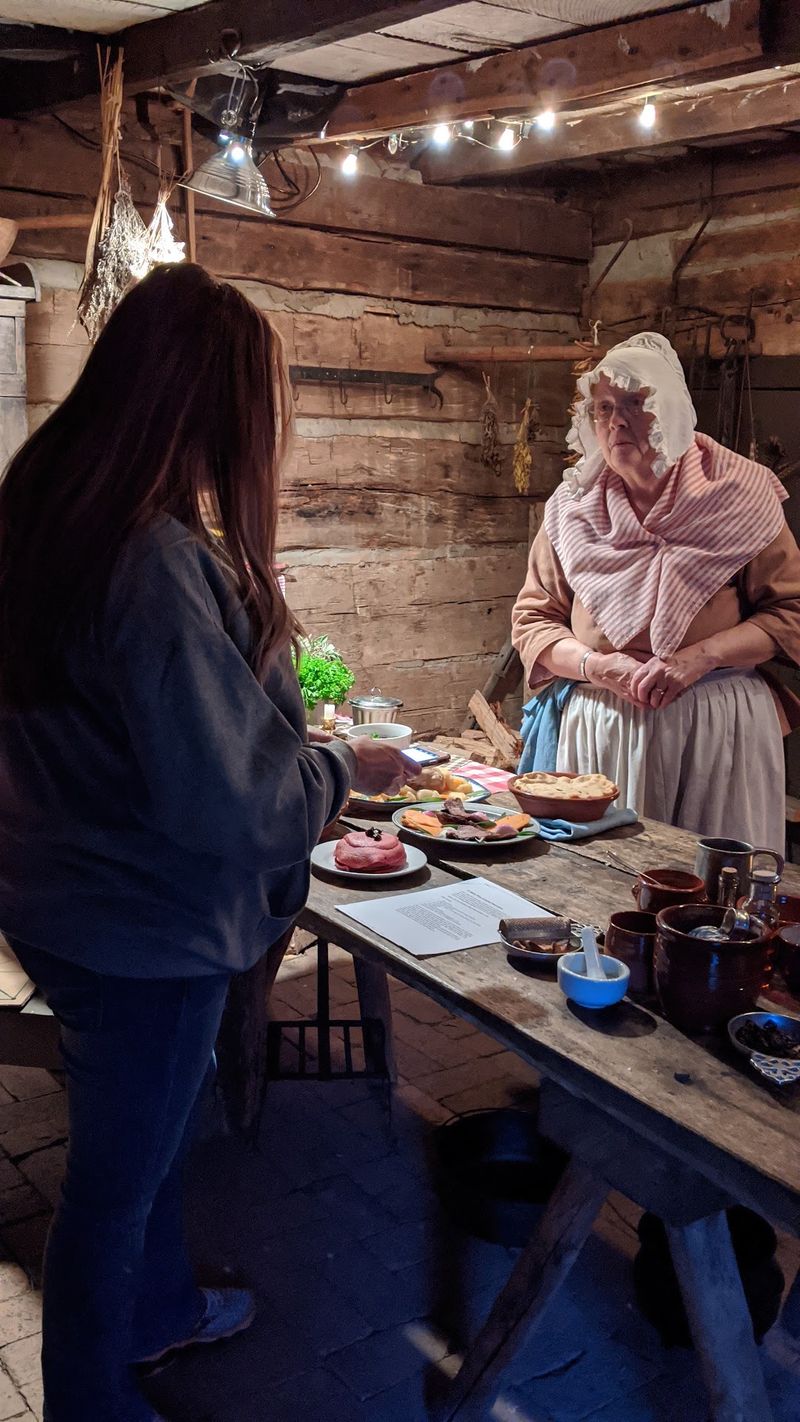
Ask any West Virginian about apple butter and you will likely hear a story about a grandmother, a copper kettle, and hours of stirring. At Fort New Salem, that cherished tradition comes alive right before your eyes.
Visitors mention watching apple butter and butter being made during their trips. For frontier families, these were not hobbies but necessities.
Apples from fall harvests had to be preserved for the lean months, and fresh cream had to be churned before it spoiled.
There is something deeply comforting about seeing these skills in action. The slow bubbling of fruit, the steady work of the churn, and the patience it all requires remind many of us of church suppers and family kitchens from years gone by.
It is nostalgia you can almost taste.
These demonstrations also show how much effort went into simply putting food on the table. Nothing came easy, and every jar of apple butter represented hours of labor shared among neighbors.
If you grew up helping stir a kettle at a family gathering, this part of the visit might tug at your heartstrings. Bring the grandkids and tell them your own stories while you watch the old ways carried on.
Storytellers and Guides Who Make History Breathe
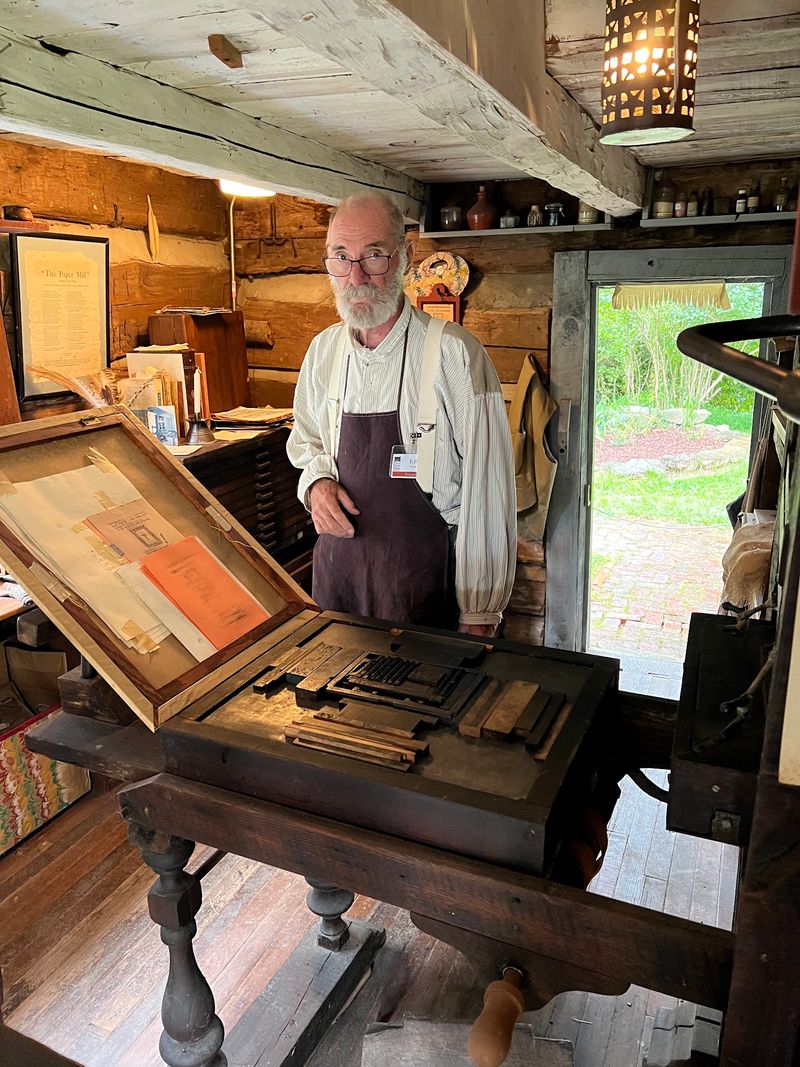
Buildings alone cannot tell a story. It takes people, and Fort New Salem is blessed with some wonderful ones.
Visitors speak warmly about the reenactors, guides, and volunteers who share their knowledge. Many describe them as friendly, informative, and clearly passionate about the past.
One guest praised a guide named Hunter as a great source of knowledge who made everything come alive.
The storytelling here goes beyond dates and names. Guests have enjoyed a mix of tales, some focused on the history of West Virginia and the region, and others leaning into spooky ghost stories told inside the old fort.
That blend keeps both history buffs and curious kids leaning in.
Local talent adds even more flavor. A former volunteer who grew up in Salem now returns to demonstrate Appalachian clogging at weekend celebrations.
Music and dance like that connect the frontier years to traditions many mountain families still hold dear.
Much of this effort is powered by generous volunteers and donations, which help with preservation work. When you visit, consider dropping a little something in the donation box.
It helps keep these stories alive for the next generation of West Virginians who want to hear them.
Spirit of Christmas in the Mountains
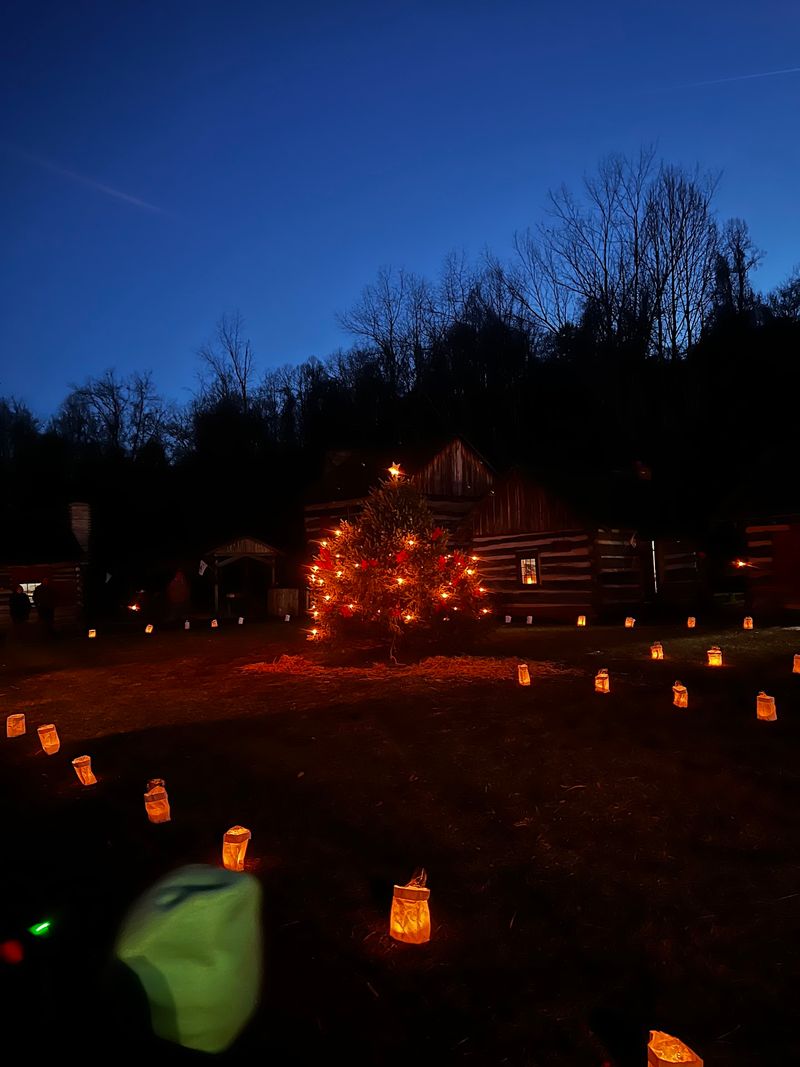
Early December brings a special glow to the old log settlement. The Spirit of Christmas in the Mountains program is easily the most beloved event at Fort New Salem, and longtime fans return year after year.
Guests describe a festive mix of early area history, artisans, crafts, food, music, and gifts. Vendors and presenters are often called knowledgeable and friendly.
Families enjoy getting a feel for what Christmas may have been like in the 1800s, long before blinking lights and shopping malls.
A highlight for many is the tree lighting ceremony. One visitor stayed through a chilly afternoon just to see it and found the moment lovely and inspirational.
Bundle up, because mountain air in December has a real bite.
There is even a playful surprise. The fort has celebrated Belsnickel, the old fur-clad gift-giver from Pennsylvania German folk tradition, which delights anyone familiar with the character.
Past visitors noted an adult fee of about five dollars, though prices may have changed, so check ahead. Some guests also mentioned shuttle service and plenty of parking at the nearby college during the event, which can make an evening visit much easier.
Who Will Love a Day at the Fort
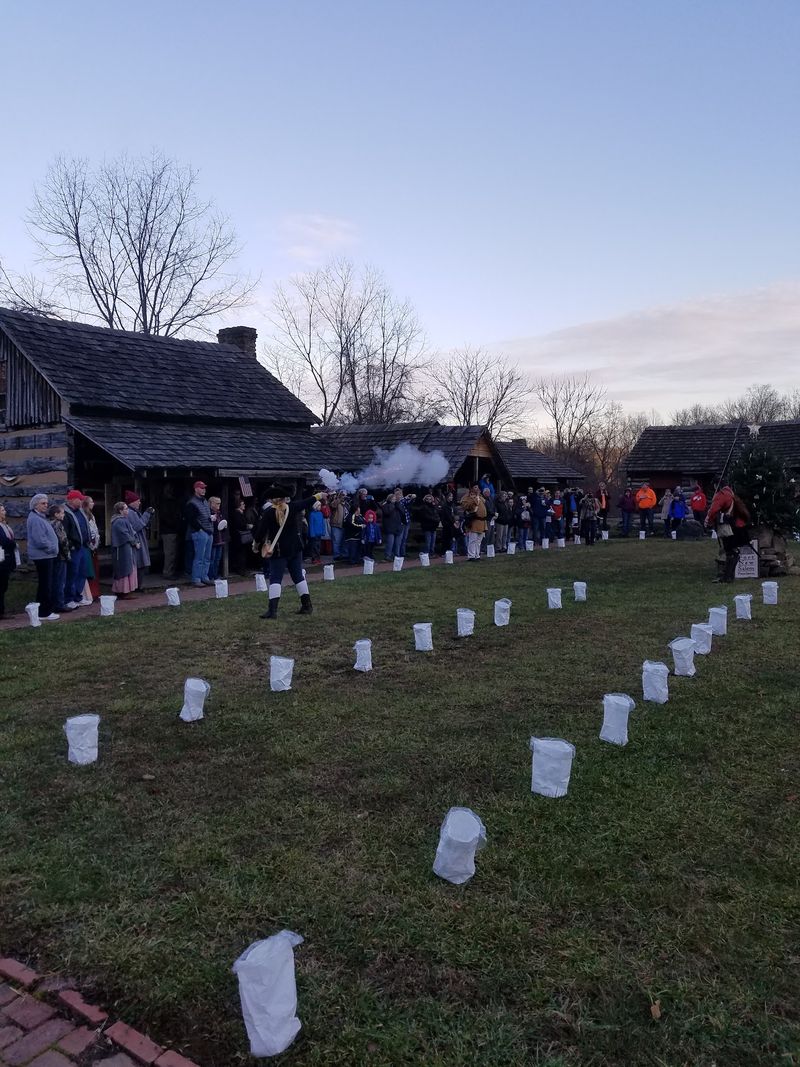
Families with curious children are probably the happiest crowd here. Kids get to watch real hands-on work, from forging iron to churning butter, and that beats any worksheet.
Parents often call the fort a great family destination worth returning to.
Grandparents will find plenty to love too. For many older West Virginians, the old skills on display bring back memories of farms, kitchens, and simpler days.
Sharing those memories with grandkids while standing beside a log cabin makes for a truly meaningful outing.
History lovers and back-road travelers also appreciate the peaceful setting. Visitors frequently mention the lovely mountain views and well-kept grounds, with tidy buildings that feel cared for.
Now, a few honest notes. Some guests found the site smaller than expected and moved through fairly quickly.
One suggested pairing it with other stops for a fuller day trip, which is smart planning.
Another visitor during a holiday event wished for more food options and ended up leaving early when hunger struck. Packing snacks or planning a meal in town before or after your visit can keep everyone cheerful.
With a little preparation, the fort makes a delightful chapter in any West Virginia adventure.
Planning Your Trip and a Fond Farewell
Timing is everything with this one. Fort New Salem does not keep regular everyday hours like a big museum, and one traveler arrived expecting it to be open only to find the gates closed.
That is a letdown nobody wants, especially after a long drive.
Your best bet is to check the Fort New Salem Foundation website at fortnewsalemfoundation.org before heading out. Special programs and seasonal events, like the December Christmas celebration, tend to be when the settlement is busiest and most lively.
Fees have reportedly been modest, around five dollars for adults at past events, but confirm current pricing ahead of time.
You will find the fort at 81 Settlers Lane, Salem, WV 26426. During larger events, guests have mentioned parking and shuttle options at the nearby college, which helps when crowds show up.
So is it worth the trip? For anyone who treasures West Virginia heritage, the answer leans toward yes.
It is small, homespun, and run with plenty of heart by people who care about keeping our mountain history alive.
Bring the family, pack a snack, and let the ring of the anvil carry you back a couple of centuries.
