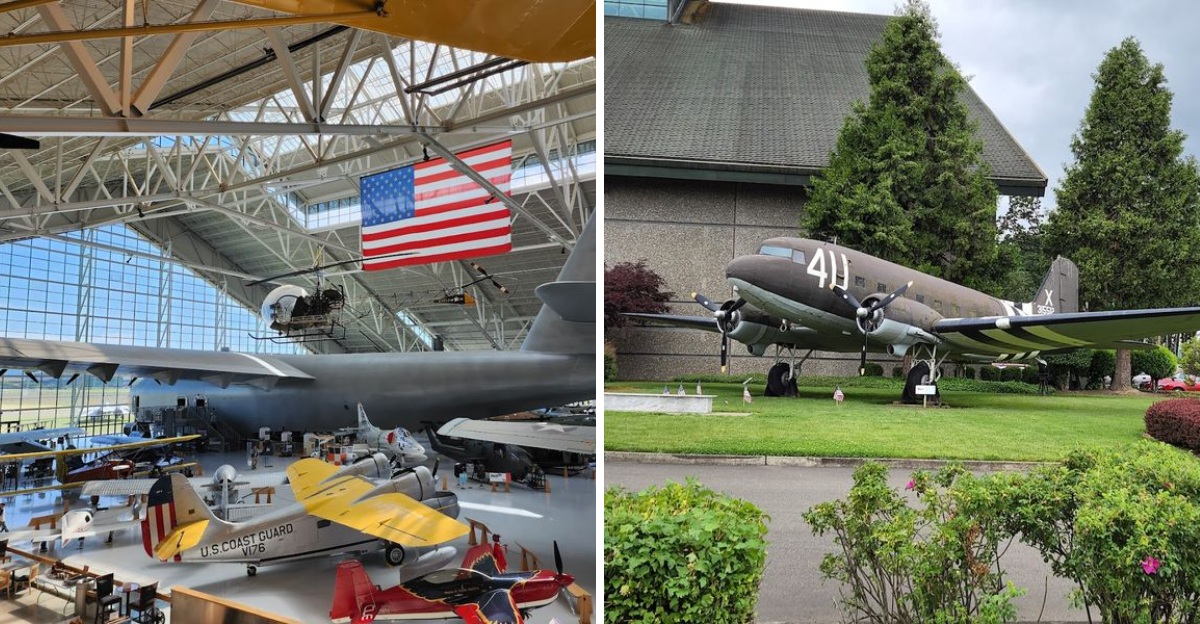
If you’ve ever looked up at the sky and felt that spark of wonder, you are going to love this hidden gem tucked away in the heart of the Pacific Northwest. There is a spot in Oregon where history doesn’t just sit on a shelf; it spans across massive hangars filled with some of the most iconic aircraft ever built.
It’s the kind of place where you can spend an entire afternoon wandering beneath giant wings and marveling at the sheer scale of aviation history.
Whether you’re a die-hard flight enthusiast or just looking for a cool weekend adventure with the family, this destination offers an experience that is truly larger than life.
Oregon is full of surprises, but seeing these giants up close is something you won’t soon forget. It is more than just a collection of planes; it is a tribute to human ingenuity that feels both awe-inspiring and incredibly welcoming.
The Hughes H-4 Hercules: The Spruce Goose Up Close
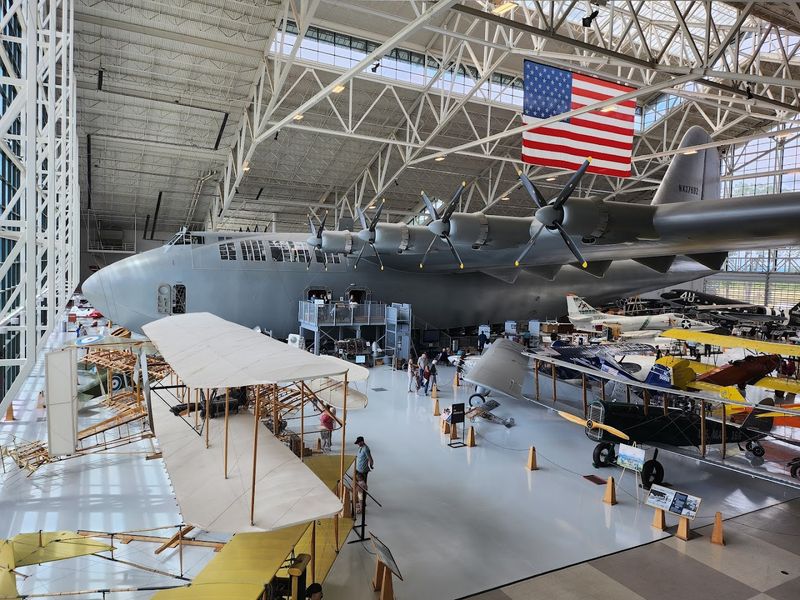
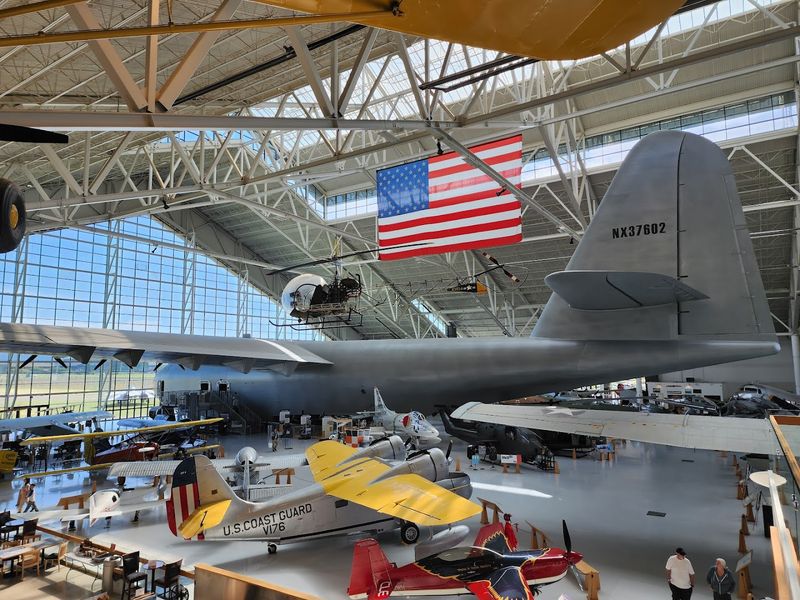
Nothing at the museum hits quite like turning a corner and suddenly coming face to face with the Spruce Goose. The Hughes H-4 Hercules is the centerpiece of the entire Evergreen Aviation and Space Museum, and for very good reason.
This aircraft is the largest wooden flying boat ever constructed, and its wingspan stretches wider than a football field.
Howard Hughes built this enormous plane during World War II as a solution to the challenge of transporting troops and supplies across the Atlantic Ocean. It only flew once, in 1947, but that single flight cemented its place in aviation history forever.
The fact that it was built almost entirely from wood makes it even more astonishing to look at up close.
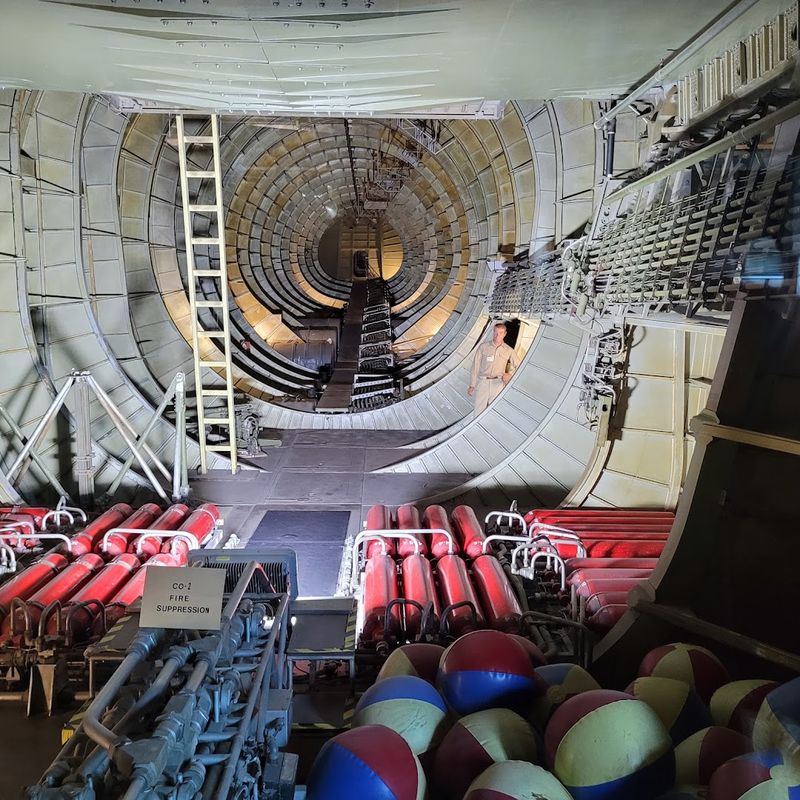
Walking underneath it gives you a real sense of how bold and almost unreasonable the engineering ambition behind it was. The museum has preserved it beautifully.
Visitors can actually step inside and explore parts of the aircraft, which turns the experience from passive observation into something genuinely memorable.
The Aviation Pavilion: A Full Timeline of Flight
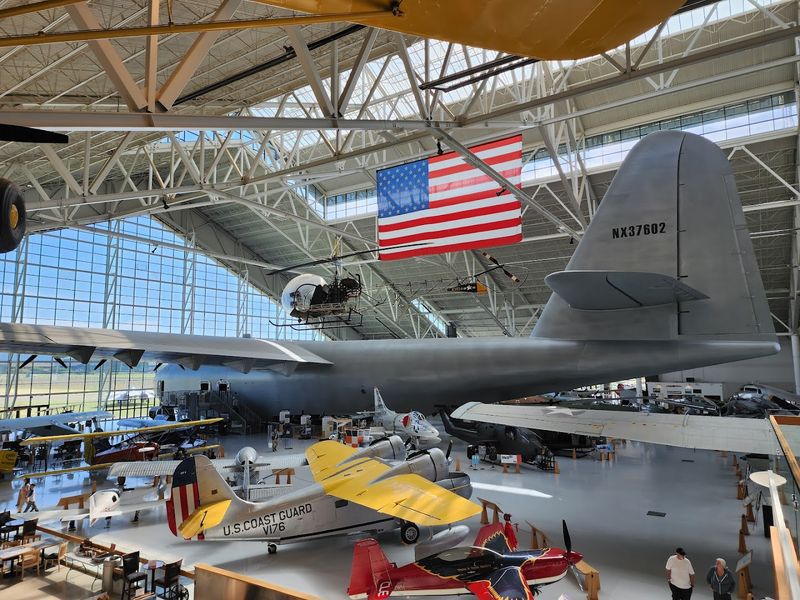
The Aviation Pavilion is where the full story of human flight unfolds in front of you, one aircraft at a time. It is a massive space filled with planes that span every major era of aviation, from the fragile early days of flight to the sleek military machines of the modern age.
The collection covers more than a century of airborne history.
Reproductions of early aircraft like the Wright Flyer and the Spirit of St. Louis sit alongside World War I biplanes and early commercial planes that carried the first passengers across the country. Each aircraft comes with context and signage that makes the progression feel logical and exciting rather than overwhelming.
What makes this pavilion special is the way it tells a human story, not just a technical one. You start to understand the courage it took to climb into some of these machines.
The sheer variety on display here could easily keep a curious visitor occupied for a couple of hours without ever feeling repetitive or dull.
The Space Pavilion: Where Rockets and Legends Live
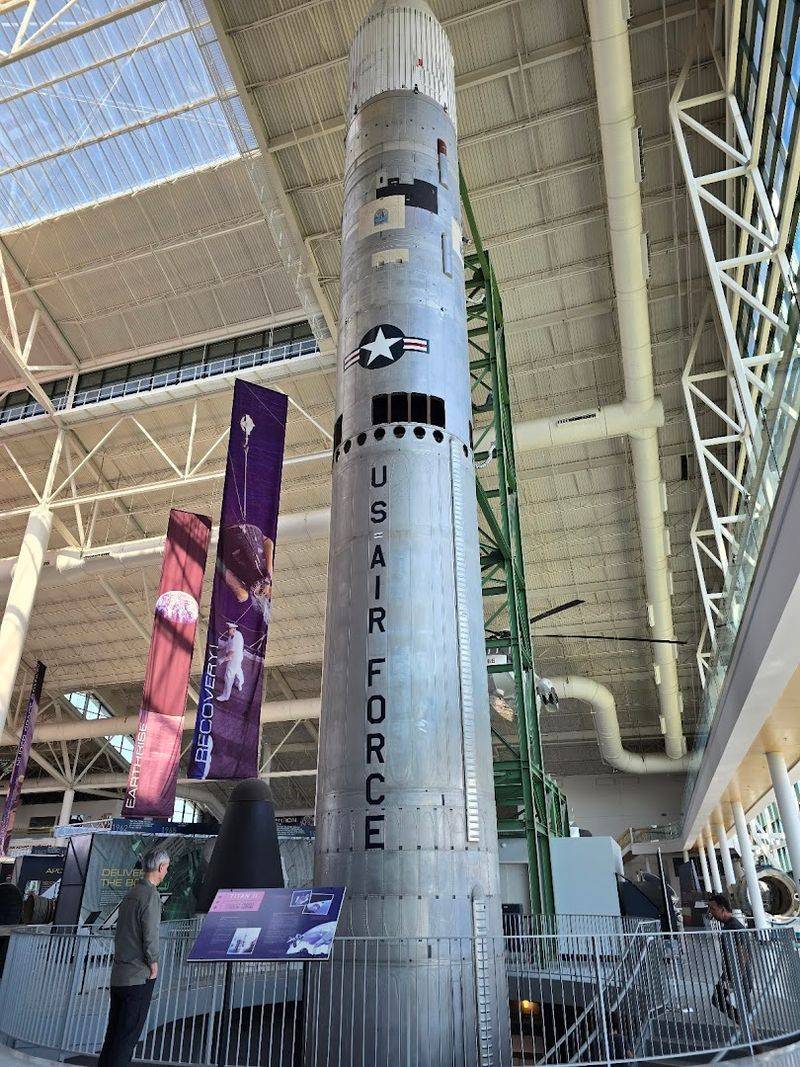
Crossing from the Aviation Pavilion into the Space Pavilion feels like stepping into a different chapter of the same incredible story. The scale shifts from horizontal to vertical, and suddenly you are looking up at missiles and spacecraft that once pushed the boundaries of what humans thought was physically possible.
It is a genuinely awe-inspiring transition.
The SR-71 Blackbird is one of the standout highlights here. This aircraft was one of the fastest planes ever built, capable of flying at speeds that outran almost anything else in the sky.
Seeing it in person, you immediately understand why it became such an iconic symbol of Cold War-era ingenuity.
The Titan II SLV missile with its original launch control room adds a layer of historical depth that most aviation museums simply cannot match. The F-117 Nighthawk stealth aircraft is another jaw-dropper.
Together, these exhibits create a space pavilion that feels less like a display and more like a walk through the most thrilling chapters of aerospace history.
Wings and Waves Waterpark: Slides Inside a Real Boeing 747
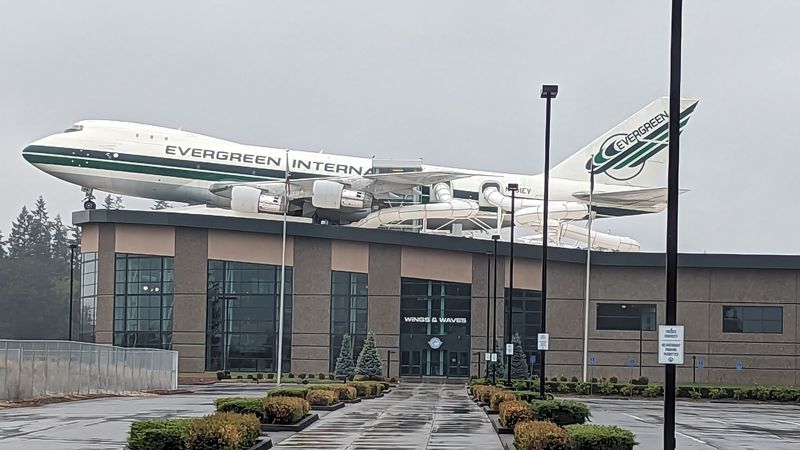
This is the part of the visit that tends to surprise people the most. Right next to the museum sits Wings and Waves Waterpark, an indoor waterpark that takes the aviation theme and runs with it in the most unexpected direction possible.
The building is topped by a real Boeing 747, and four of the waterslides actually begin inside the plane itself.
Kids absolutely love this, and honestly, so do adults who are willing to admit it. The waterpark features ten slides in total along with a wave pool and educational displays that keep the aviation theme alive even while you are having fun.
It manages to be both entertaining and surprisingly informative.
Visiting the museum and the waterpark together makes for a genuinely full day out that works for families, couples, and solo travelers alike. The combination of intellectual stimulation and physical fun is a rare thing to find in one location.
McMinnville clearly did not want to do things halfway when they built this place.
World War I and World War II Aircraft Exhibits
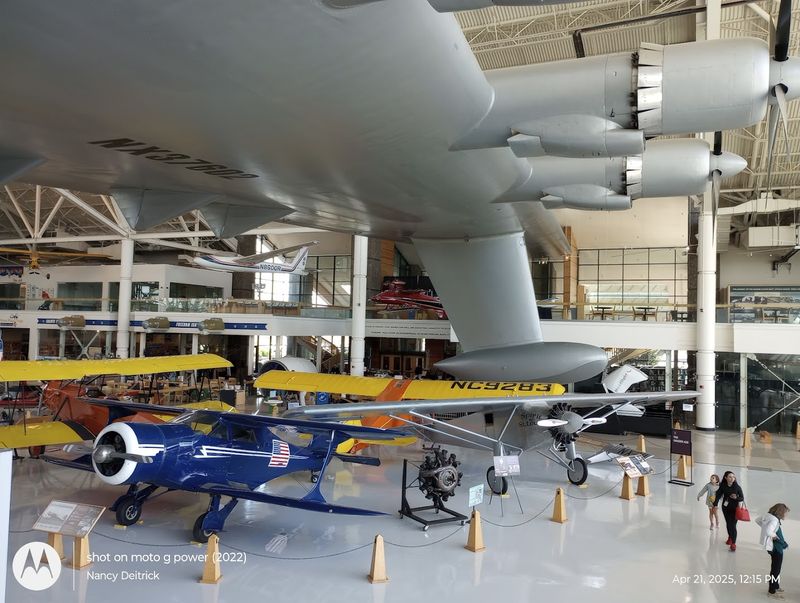
There is something sobering about standing next to a fighter plane that actually flew in combat. The World War I and World War II aircraft exhibits at Evergreen bring that weight to life in a way that textbooks simply cannot replicate.
These machines carry real history in their frames, and the museum treats them with the respect they deserve.
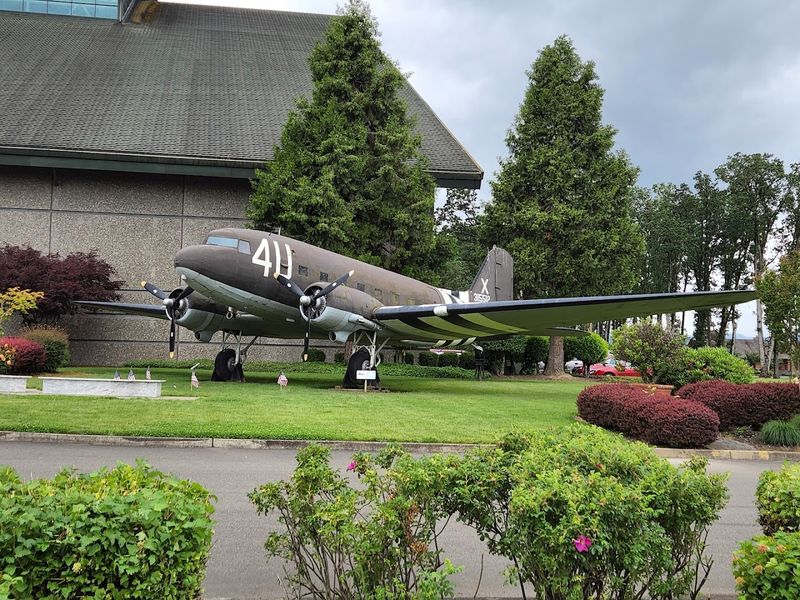
Biplanes from the First World War are displayed alongside more advanced fighters and bombers from the Second, letting you trace the rapid evolution of military aviation across just a few decades. The engineering leaps between those two conflicts were staggering, and the museum makes that progression easy to understand and appreciate.
Reading about these planes is one thing, but walking underneath a B-17 or standing beside a Corsair gives you a physical sense of the scale and danger involved in aerial combat. The museum adds historical context to each exhibit without turning the experience into a lecture.
It stays engaging and human throughout, which is exactly how history should feel.
The Museum’s Impressive Scale and Architecture
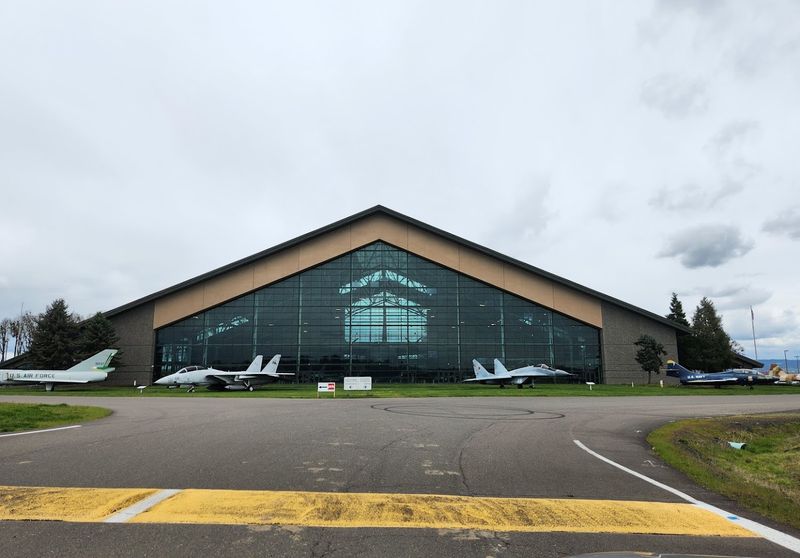
Before you even walk through the front doors, the building itself makes a statement. The Evergreen Aviation and Space Museum is enormous, and that size is not accidental.
It had to be built large enough to house the Spruce Goose, which dictated the dimensions of the entire structure from the very beginning of the planning process.
The architecture manages to feel functional and impressive at the same time. High ceilings, open floor plans, and smart lighting all work together to let the aircraft breathe and be seen properly.
Nothing feels cramped or cluttered, which is a real achievement given how many exhibits are packed inside.
Walking through the connected pavilions gives you a sense of moving through different rooms of the same grand story. The layout flows naturally, guiding visitors from one era of aviation to the next without feeling forced or confusing.
For a museum of this size, it is remarkably easy to navigate. That thoughtful design is part of what makes the whole experience feel so polished and satisfying.
Educational Programs and Hands-On Learning
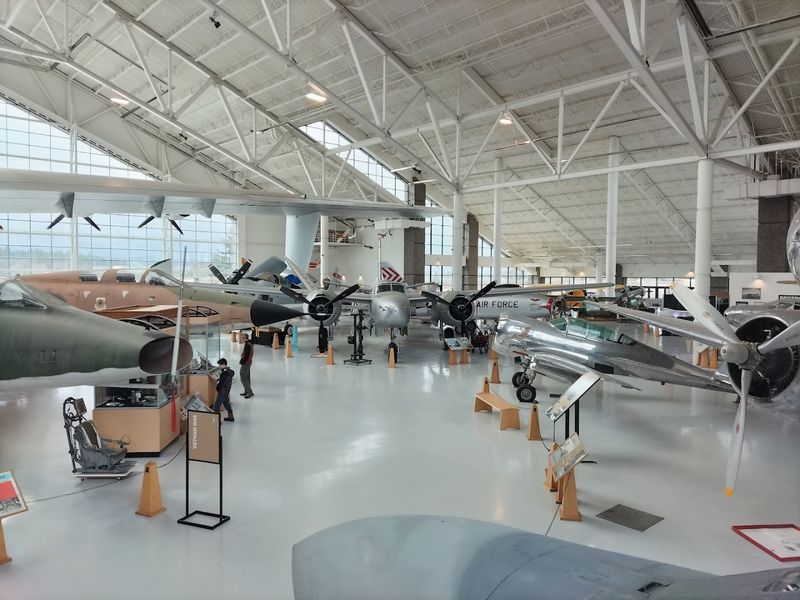
The Evergreen Aviation and Space Museum is not just a place to look at things behind barriers. It actively invites curiosity through educational programs designed for visitors of all ages.
For school groups and families, these programs turn a museum visit into something genuinely interactive and memorable.
Hands-on activities help younger visitors connect with the science of flight in ways that feel fun rather than academic. Learning about lift, drag, thrust, and gravity becomes a lot more exciting when you are standing twenty feet from an actual jet.
The museum uses its collection as a living classroom, which is a smart and effective approach.
Adults benefit from these educational elements too, especially in the deeper technical exhibits that explain engineering concepts behind specific aircraft. The museum staff are knowledgeable and clearly enthusiastic about sharing what they know.
That energy is contagious in the best way. Leaving Evergreen, most visitors walk away knowing something new and feeling genuinely inspired by the people who made flight possible.
Visiting McMinnville: A Town Worth Exploring
McMinnville is the kind of town that rewards visitors who take a little extra time to explore beyond the museum. Situated in the heart of Oregon wine country, the town has a warm, welcoming character that makes it easy to spend a full day here without any sense of rushing.
The downtown area has genuine personality.
Local restaurants, bakeries, and coffee shops line the main streets, and many of them have the kind of neighborhood-favorite quality that you only find in towns where people actually care about their community. After a long walk through the museum, sitting down for a good meal in McMinnville feels like the natural next step.
The town also hosts the annual UFO Festival, which leans into its reputation as a hub for the unusual and the curious. That spirit of open-minded wonder pairs perfectly with a museum that celebrates human beings pushing past what anyone thought was possible.
McMinnville does not take itself too seriously, and that makes it genuinely fun to visit.
Getting There and Planning Your Visit
Planning a trip to the Evergreen Aviation and Space Museum is straightforward, and the location makes it accessible from several major Oregon cities. McMinnville sits about an hour southwest of Portland and roughly forty minutes from Salem, so it works well as a day trip without requiring an overnight stay.
The drive itself is scenic and easy.
The museum is open daily from 10 a.m. to 4 p.m., with a few holiday exceptions including Thanksgiving and Christmas Day. Arriving early is a good idea, especially during summer months when families tend to visit in larger numbers.
Getting there by mid-morning gives you plenty of time to explore both pavilions without feeling rushed.
Comfortable shoes are genuinely recommended here. The museum covers a lot of ground, and you will be on your feet for most of the visit.
Bringing a camera is equally worthwhile because the photo opportunities inside are outstanding. The Spruce Goose alone is worth the drive, but everything else you discover along the way makes it feel like a real bonus.
Why Aviation Fans Should Make This a Top Priority
For anyone who has ever looked up at a plane and felt that pull of curiosity and wonder, Evergreen is not just worth visiting. It is the kind of place that reminds you why that curiosity matters in the first place.
The collection here is genuinely world-class, and the experience of moving through it stays with you long after you leave.
Over 150 aircraft and spacecraft are spread across the two pavilions, making this one of the most comprehensive aviation collections in the entire country. Very few museums anywhere can claim to have this range of authentic, historically significant machines under one roof.
The Spruce Goose alone would make a visit worthwhile, but the depth of everything else elevates the experience far beyond a single highlight.
Aviation history is really human history, and Evergreen tells that story with care and enthusiasm. The museum captures the ambition, creativity, and sheer nerve it took to turn flight from a dream into reality.
That is a story worth traveling for, and McMinnville is the perfect place to hear it.
Address: 500 NE Captain Michael King Smith Way, McMinnville, Oregon
Dear Reader: This page may contain affiliate links which may earn a commission if you click through and make a purchase. Our independent journalism is not influenced by any advertiser or commercial initiative unless it is clearly marked as sponsored content. As travel products change, please be sure to reconfirm all details and stay up to date with current events to ensure a safe and successful trip.
