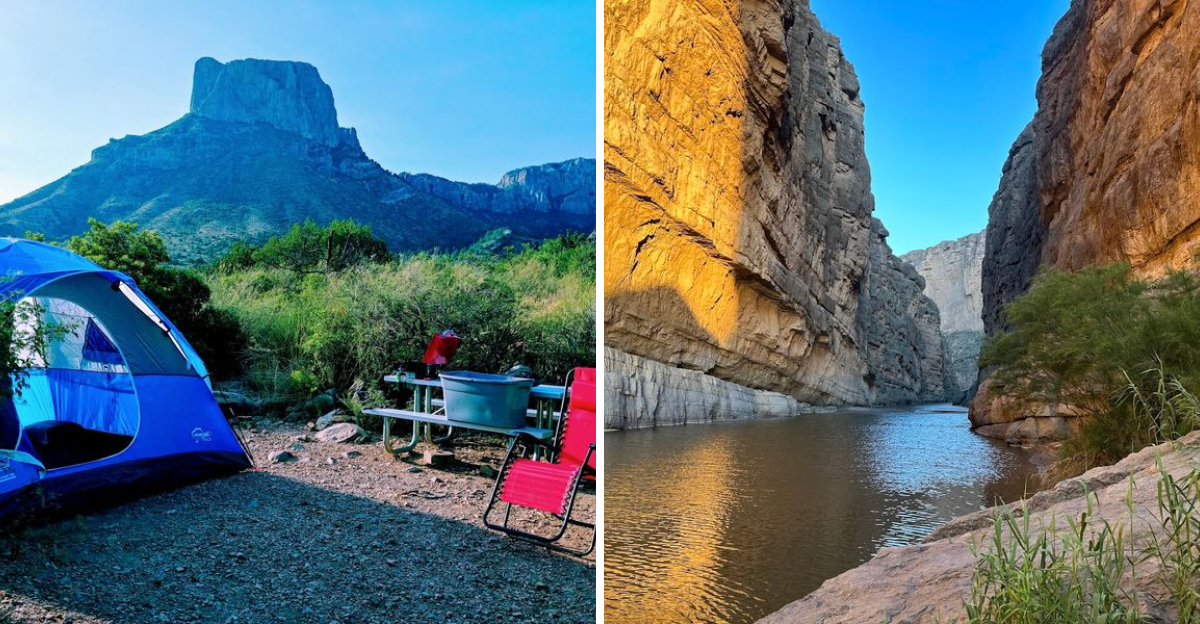
Far out in West Texas, the landscape opens up in a way that almost feels unreal. Big Bend National Park spreads across more than 800,000 acres where desert, mountains, and the Rio Grande all collide.
Photos do not fully capture the scale. The canyons drop deeper than expected, the peaks rise sharper than they look on a map, and the sky feels impossibly wide.
It is the kind of place that makes everyday worries seem small without even trying. For campers, it offers everything from developed sites to remote backcountry spots that feel completely removed from the world.
If the goal is a trip that actually feels like an adventure, this is the kind of park that delivers the full reset.
Rio Grande Village Campground: Sleeping Along the River
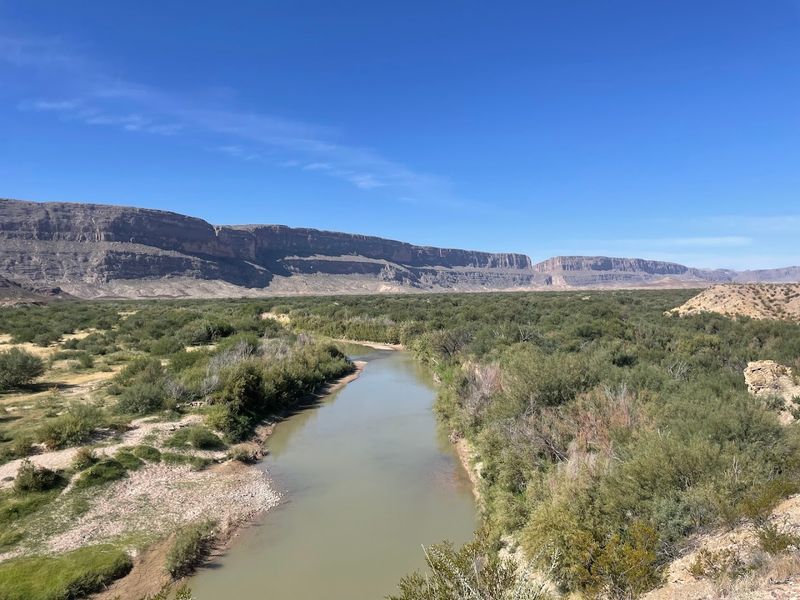
There is something quietly magical about camping right next to a river that forms an international border. Rio Grande Village Campground puts you steps away from the Rio Grande, where the water moves slowly and the light at golden hour turns everything warm and amber.
It sits at a lower elevation than Chisos Basin, which means warmer nights and a completely different ecosystem to explore.
The vegetation here is lush compared to the rest of the park. Cottonwood trees line the riverbanks, birds are everywhere, and the whole area has a peaceful, almost tropical energy that surprises first-time visitors.
Birdwatchers especially love this spot, as the Rio Grande corridor attracts species you would not find elsewhere in Texas.
The nearby nature trail is short but packed with things to see, including a hot spring just a short walk away. On clear nights, the stars reflect off the river surface in a way that is hard to put into words.
The campground has hookup sites available for RVs as well as tent-friendly spots, making it versatile for different kinds of campers. Pack your binoculars and a good pair of sandals for this one.
Chisos Basin Campground: Camping Inside a Mountain Bowl
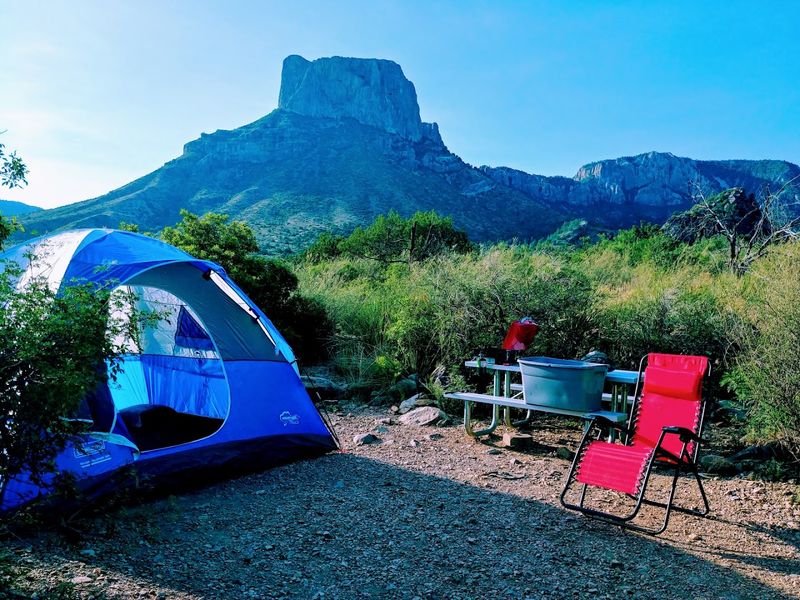
Waking up inside a ring of mountains feels like something out of a dream, and that is exactly what you get at Chisos Basin Campground. The campground sits at roughly 5,400 feet elevation, which means cooler temperatures than the desert floor below.
That alone makes it one of the most comfortable spots to pitch a tent during warmer months.
The sites here are hidden among pinyon pines and junipers, giving each one a surprisingly private feel. You are not just camping next to a parking lot.
You are genuinely surrounded by one of the most striking geological formations in the entire state.
Trailheads for popular routes like the Window Trail and Lost Mine Trail are just minutes away on foot. Mornings here carry a cool, crisp air that makes coffee taste better than usual.
Wildlife is active too, so keep your food stored properly because black bears do pass through this area regularly. The campground has restrooms and water, making it a solid choice for campers who want comfort without sacrificing scenery.
Reservations fill up quickly, especially in fall and winter, so planning ahead is highly recommended.
Cottonwood Campground: Off the Beaten Path Near Santa Elena
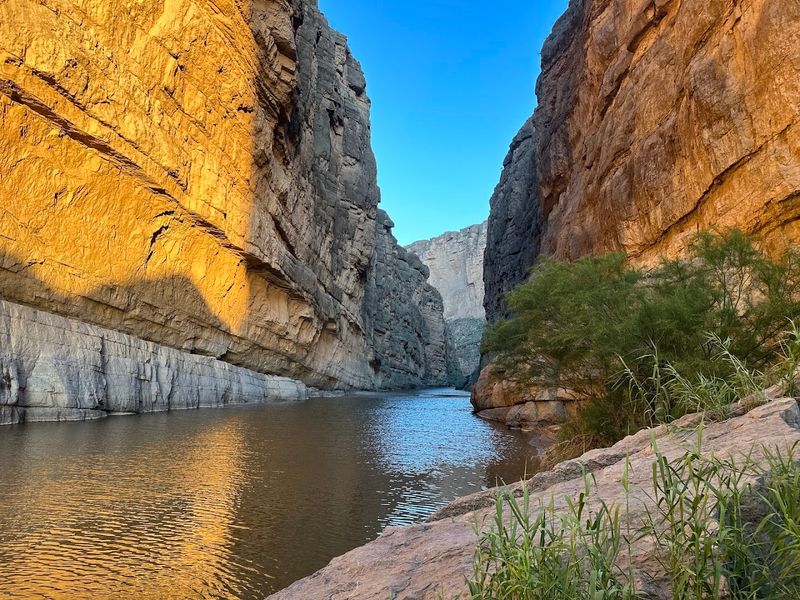
Cottonwood Campground does not get nearly as much attention as the others, and honestly, that is part of its charm. Located in the Castolon area near the western edge of the park, it sits close to Santa Elena Canyon, one of the most jaw-dropping natural features in all of Big Bend.
Getting there takes a drive down Ross Maxwell Scenic Drive, which is stunning in its own right.
This is a primitive campground, meaning no hookups and vault toilets only. But that simplicity is the whole point.
The sites are shaded by the cottonwood trees the campground is named after, offering a welcome break from the intense desert sun. It feels raw and unfiltered in the best possible way.
Santa Elena Canyon is just a short drive away, and the trail into the canyon is one of the most memorable hikes in the park. You walk along the canyon floor with walls that tower 1,500 feet on both sides.
Sunsets from near the canyon entrance are the kind of thing people talk about for years. Cottonwood is ideal for campers who want fewer neighbors, more quiet, and a front-row seat to some of the wildest scenery in Texas.
Backcountry Camping: The Park Belongs to You Out Here
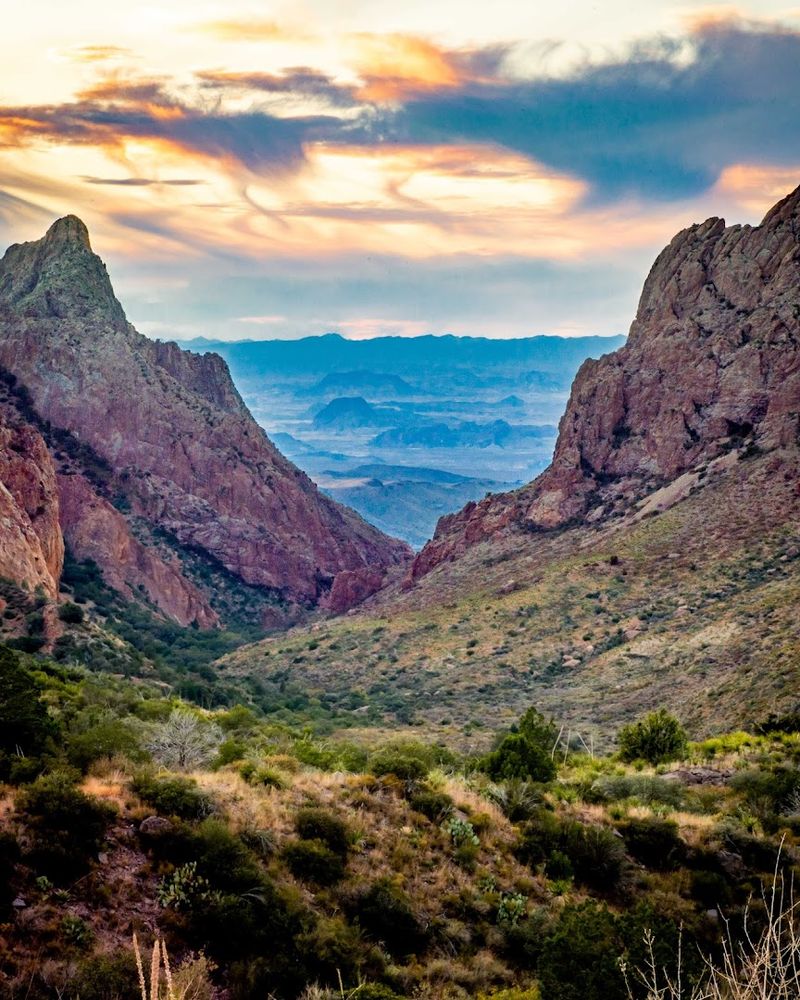
If you have ever wanted to feel completely alone in the wilderness in the best possible way, Big Bend backcountry camping delivers that experience better than almost anywhere else.
The park has over 150 miles of backcountry roads and trails, and with a free permit from a visitor center, you can set up camp in places most people will never see.
It is the kind of freedom that is hard to find in more crowded parks.
Backcountry sites range from desert flats to high-elevation mountain zones, each with its own personality. Some require a short hike while others demand serious navigation skills and physical endurance.
The common thread is solitude. You might go an entire night without seeing another headlamp in the distance.
Preparation is everything out here. Water sources are scarce, so carrying enough is non-negotiable.
Cell service is essentially nonexistent throughout most of the park, so downloading offline maps before you go is a smart move. A good sleeping pad, a reliable tent, and layers for the cold desert nights will keep you comfortable.
For those willing to put in the effort, backcountry Big Bend rewards you with sunrises and star-filled skies that feel almost impossibly beautiful.
Dark Sky Stargazing: The Nights Here Are Absolutely Unreal
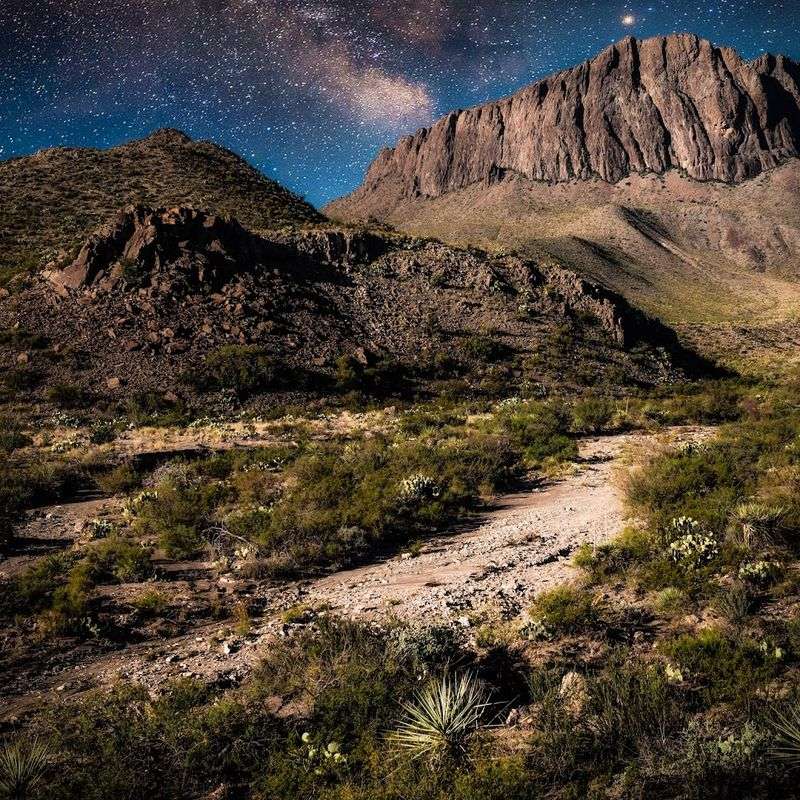
Big Bend holds the title of one of the least light-polluted national parks in the lower 48 states, and once night falls, you understand exactly why that matters. The Milky Way does not just appear as a faint smear here.
It stretches across the entire sky in full detail, looking almost three-dimensional. Seeing it for the first time is genuinely disorienting in the most wonderful way.
Campers who plan their trip around a new moon phase get the most dramatic views. The absence of nearby cities means the horizon glows with stars instead of ambient light.
Planets, shooting stars, and satellites are all visible without any equipment at all. Bring a blanket and just lie back on the ground for a while.
A basic pair of binoculars opens up even more detail in the night sky, though many visitors find the naked-eye view is already more than enough to be completely awestruck. The park occasionally hosts ranger-led astronomy programs that are worth checking out in advance.
Temperatures drop significantly after dark even in summer, so layering up is important. Camping at Big Bend and skipping the stargazing would honestly be like visiting the ocean and never looking at the water.
Hot Springs Historic Trail: A Soak After a Long Day of Hiking
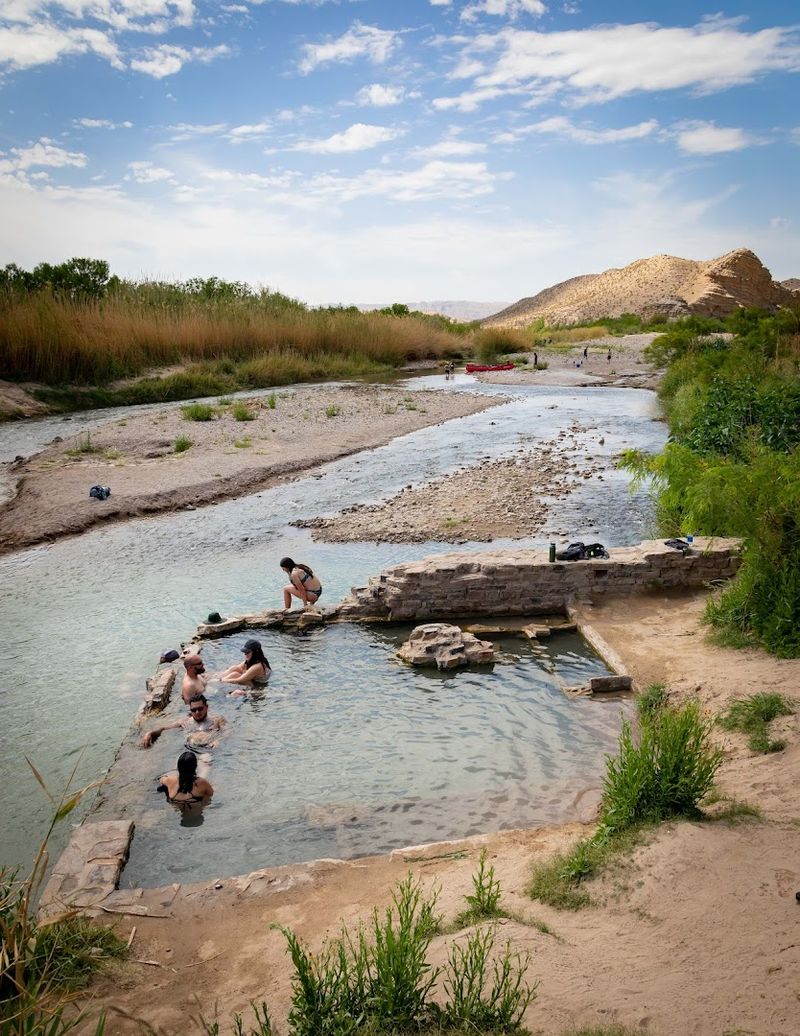
After a full day of hiking desert trails with a pack on your back, the idea of soaking in a natural hot spring sounds almost too good to be true. At Big Bend, it is completely real.
The Hot Springs Historic Trail leads to a small thermal pool right at the edge of the Rio Grande, where water stays consistently warm year-round. It is one of those unexpected little rewards the park quietly offers.
The trail itself is only about one mile round trip, so it is accessible even on tired legs. Along the way, you pass ruins of an old bathhouse and motel from the early 1900s, giving the hike a layer of history that makes it feel like more than just a walk.
The remnants of that old resort are fascinating to explore before you reach the water.
The pool fits a small number of people comfortably, and the experience is far more peaceful during early morning or late evening visits. Sitting in warm water while looking out at Mexico across the river is surreal in the quietest, most satisfying way.
Pack a towel, bring water to drink, and plan to stay a little longer than you think you will. You will not want to leave.
Santa Elena Canyon Trail: The Hike That Stays With You
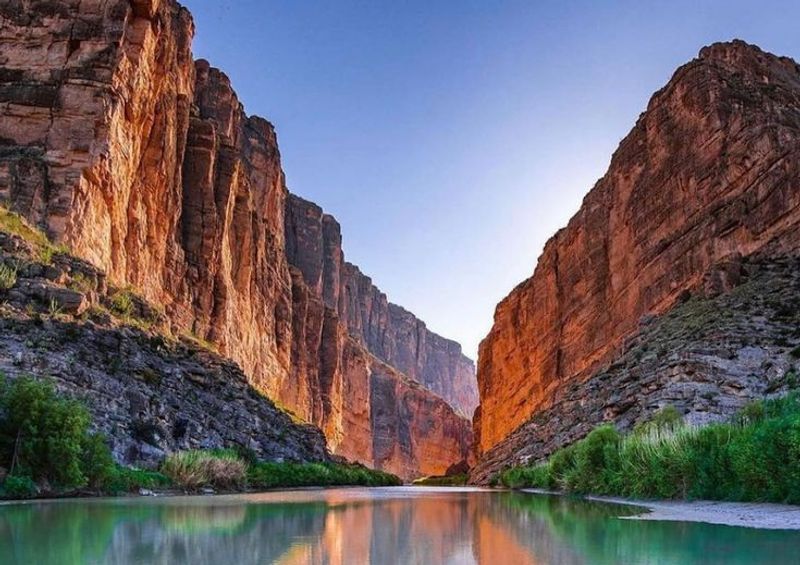
Standing at the mouth of Santa Elena Canyon for the first time is the kind of moment that makes you reach for your camera before you even realize you have moved. The canyon walls rise 1,500 feet straight up on both sides, with the Rio Grande running quietly between them.
Mexico is on one wall, Texas on the other. The whole scene feels borrowed from somewhere much more dramatic than the American Southwest.
The trail is about 1.7 miles round trip and includes a short scramble up stone steps near the beginning. It is not difficult by most hiking standards, but the payoff is completely disproportionate to the effort.
Once inside the canyon, the light changes, the temperature drops, and the sound of the river fills the air.
Visiting at sunset is particularly stunning, when the canyon walls glow orange and the shadows stretch long across the water. Early morning is quieter and cooler, which many hikers prefer for photographs.
The trailhead is near Cottonwood Campground, making it easy to combine with an overnight stay. Wear sturdy shoes since some sections of the trail cross over rocks and can be slippery after rain.
This is genuinely one of the most memorable short hikes anywhere in the country.
Planning Your Big Bend Trip: What You Need to Know Before You Go
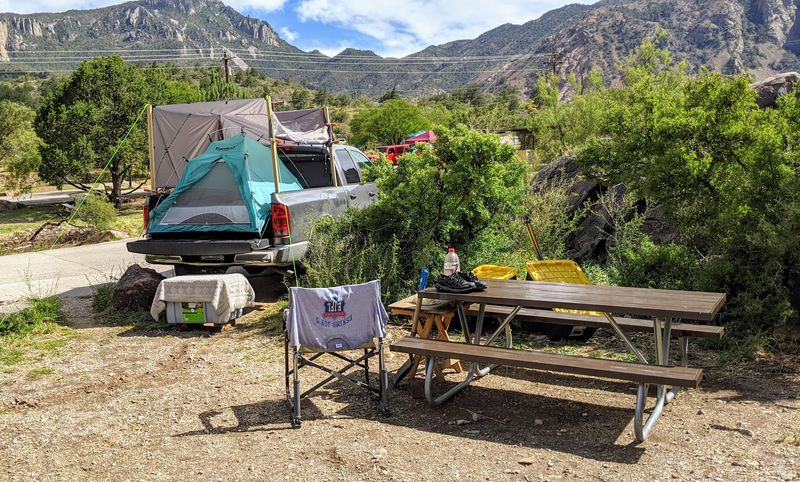
Big Bend is not the kind of place you show up to without a plan. The park is genuinely remote, sitting hours from any major city, and that remoteness is part of what makes it so special.
The nearest large town is Alpine, Texas, which is about an hour away. Fueling up before entering the park is highly recommended since gas inside the park is limited and expensive.
Water is the most critical thing to manage during any visit. Many trails have no water sources at all, and summer temperatures regularly exceed 100 degrees.
Carrying more water than you think you need is never a bad idea. Fall, winter, and early spring are the most popular and comfortable times to visit.
Cell service is nearly nonexistent throughout most of the park, so downloading offline maps and trail guides before arrival is a practical must. The park is open 24 hours a day, every day of the year, and the entrance fee covers a seven-day pass.
Reservations for campsites fill up fast during peak season, so booking early through the NPS reservation system saves a lot of stress. Bring snacks, layers, a headlamp, and an open sense of adventure.
Big Bend rewards those who come prepared.
Dear Reader: This page may contain affiliate links which may earn a commission if you click through and make a purchase. Our independent journalism is not influenced by any advertiser or commercial initiative unless it is clearly marked as sponsored content. As travel products change, please be sure to reconfirm all details and stay up to date with current events to ensure a safe and successful trip.
