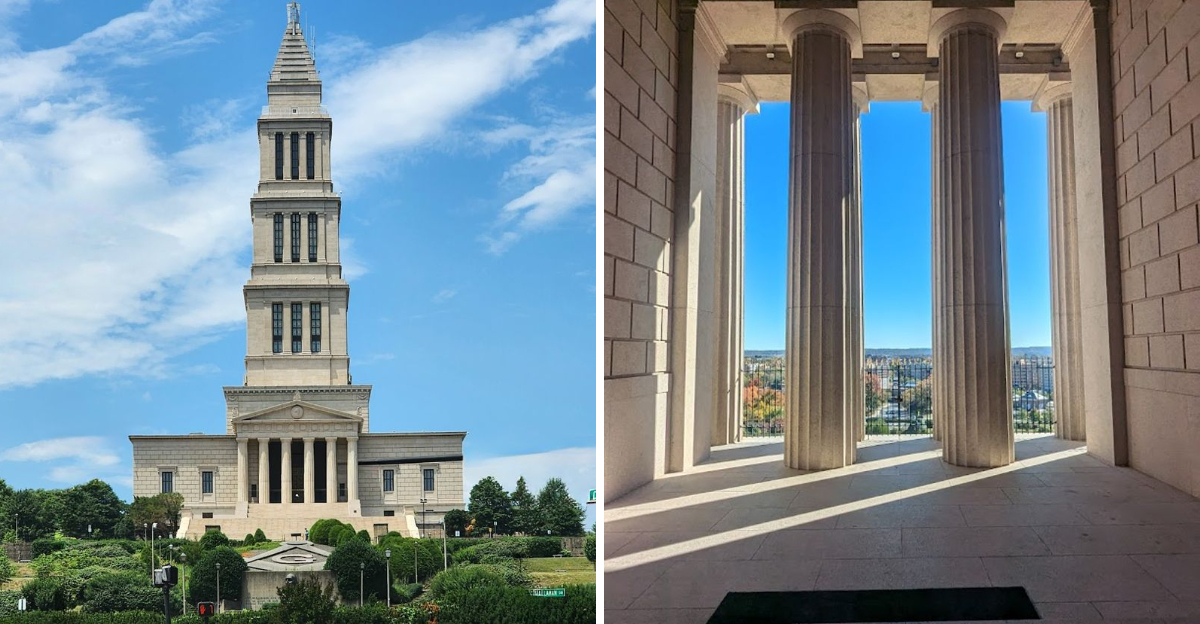
A 333-foot neoclassical tower dominates the skyline, often mistaken for something far more ordinary than it is. In reality, this striking landmark honors George Washington while opening a window into the world of Freemasonry.
Step inside and the scale, detail, and symbolism quickly set it apart from typical historic sites. Part monument, part museum, and entirely unforgettable, it offers a deeper look at both architecture and early American influence.
Despite its presence, it still flies under the radar, making it one of Virginia’s most overlooked yet impressive destinations.
A Tower That Owns the Alexandria Skyline
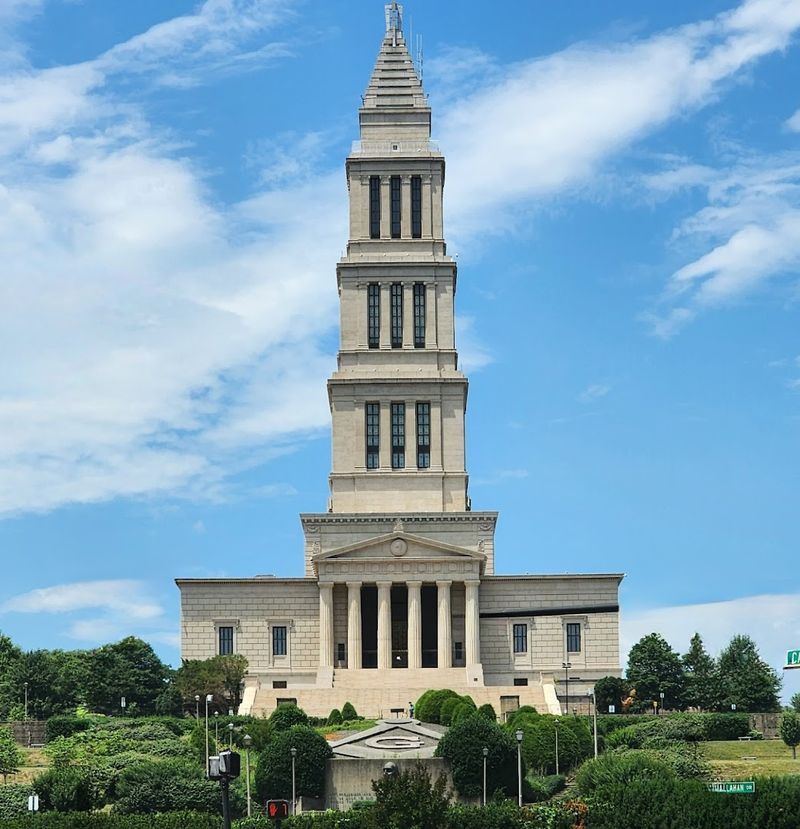
Perched dramatically atop Shooter’s Hill, this nine-story neoclassical tower is the kind of structure that makes you crane your neck and whisper, “What on earth is that?” Standing at a commanding 333 feet tall, the George Washington Masonic National Memorial is impossible to miss from almost anywhere in Alexandria, and honestly, that is entirely the point.
Architect Harvey Wiley Corbett drew inspiration from the ancient Lighthouse of Alexandria in Egypt, blending classical grandeur with bold vertical ambition. The result is something that feels almost otherworldly planted in a modern Virginia neighborhood.
Approaching the memorial from the base of the hill, the sheer scale of the building becomes increasingly surreal with every step. The surrounding grounds are well-kept, peaceful, and perfect for a slow morning walk before the doors open.
Even without stepping inside, the exterior alone rewards the trip. Columns, stonework, and carefully carved details cover every surface, rewarding anyone patient enough to look closely.
Virginia has no shortage of impressive buildings, but this one plays in a completely different league.
The Fascinating Masonic Origins Behind the Monument
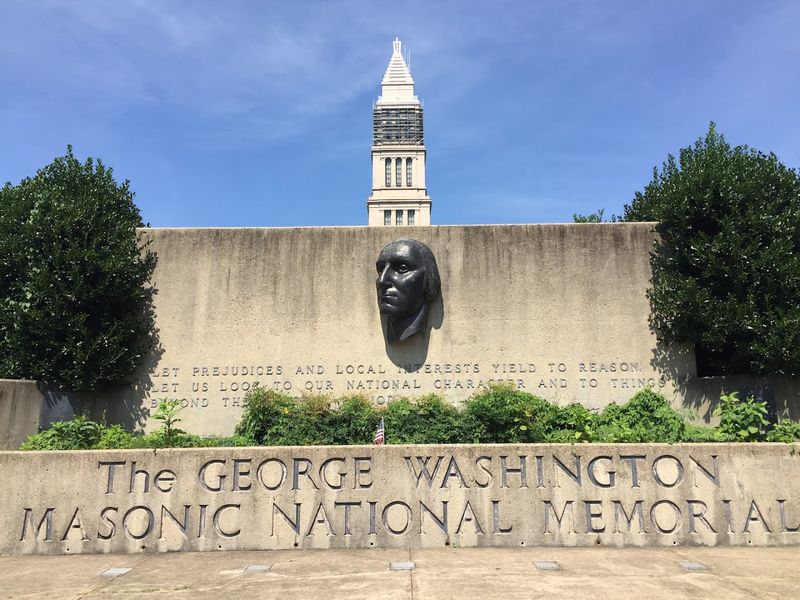
Most monuments get built to honor politicians or war heroes. This one was born from a different kind of ambition entirely.
The seeds of the George Washington Masonic National Memorial were planted back in the mid-1800s, when Fredericksburg Lodge No. 4, the very lodge where Washington himself was initiated as a Freemason, first proposed building something grand in his honor.
By the early 1900s, Masonic leaders from across the country had united under a shared vision, forming the George Washington Masonic National Memorial Association to fund and build a monument worthy of the man and the fraternity. Construction kicked off in the early 1920s, and the project took decades to complete, finally opening its doors to the public in 1970.
What makes this origin story so compelling is that it was not a government project or a civic committee initiative. Freemasons across America voluntarily pooled resources to make it happen.
Every stone in this building carries the weight of that collective devotion. Virginia became the natural home for the memorial, given Washington’s deep personal and Masonic roots in Alexandria.
Memorial Hall and the Giant Bronze Washington
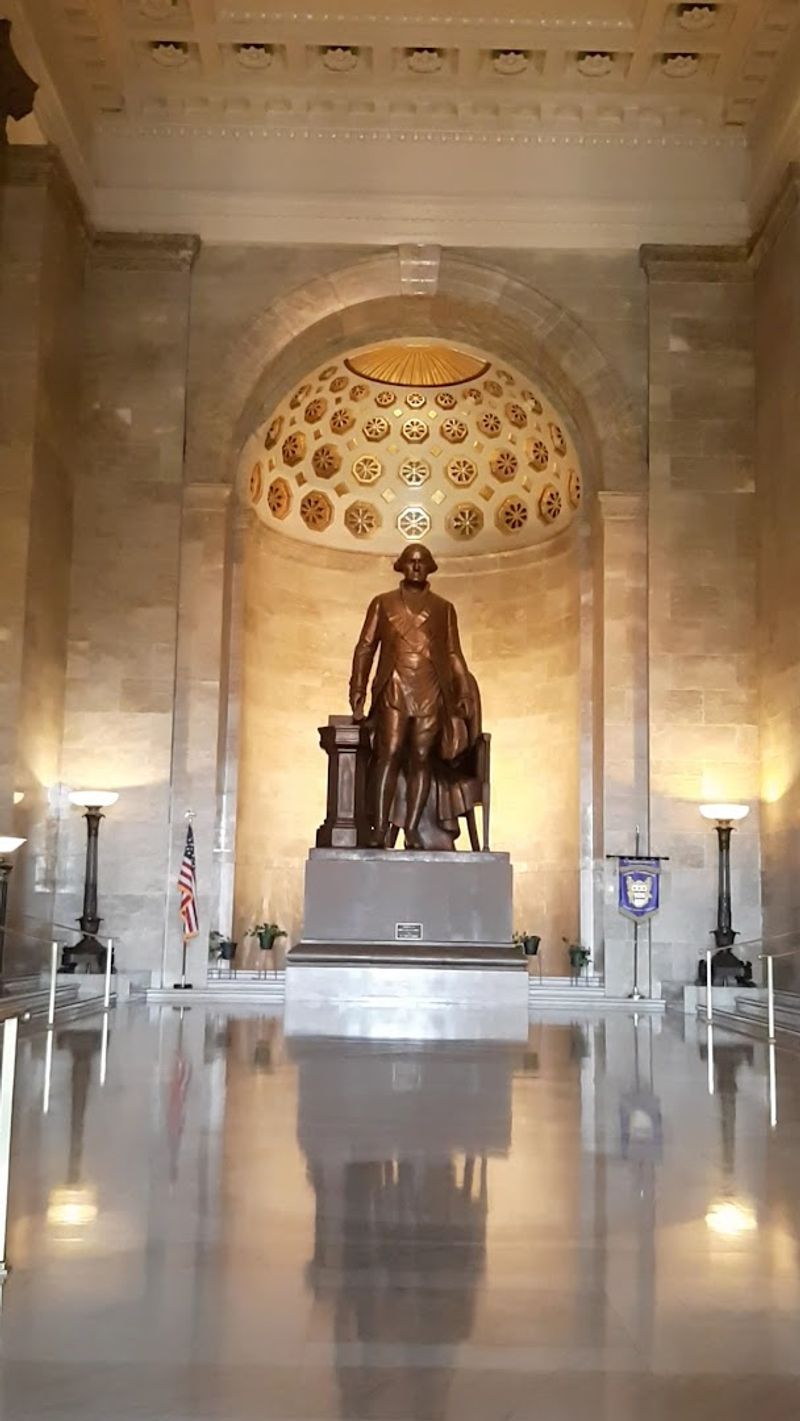
Walking into Memorial Hall on the second floor is a full-body experience. The room stretches an impressive 100 feet long and soars over 50 feet high, with every surface competing for your attention in the best possible way.
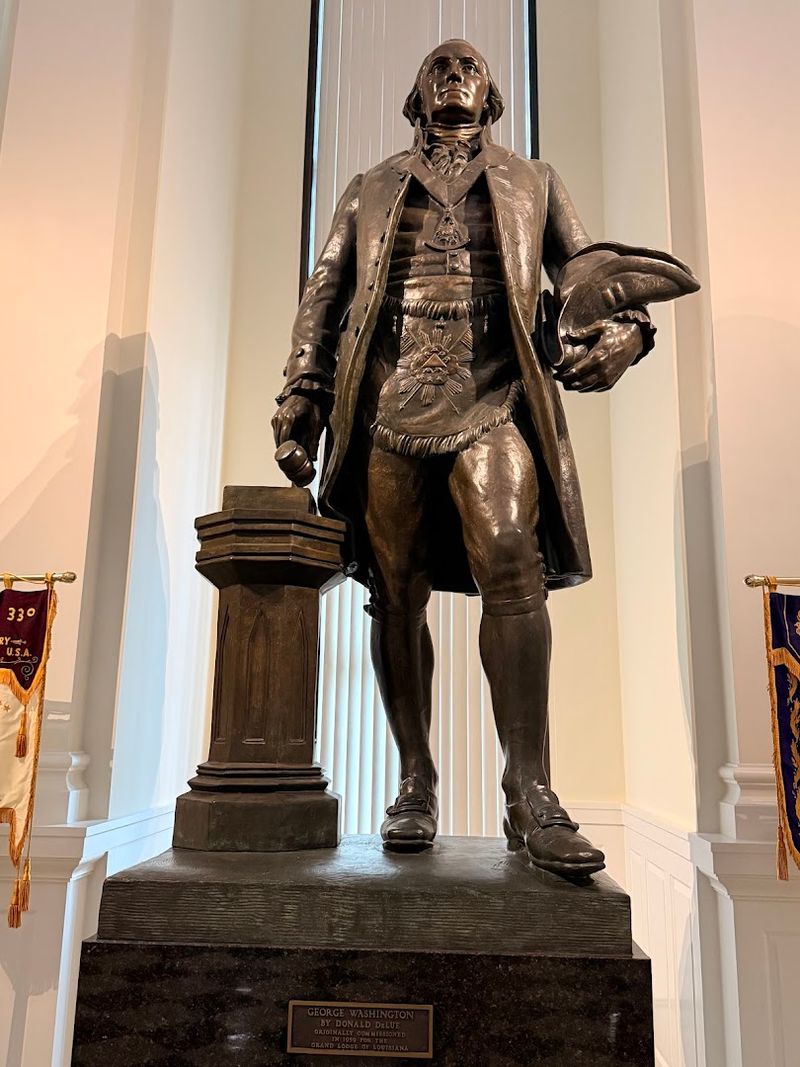
Murals line the walls, light pours through carefully positioned windows, and right in the center of it all stands a 17-foot bronze statue of George Washington dressed in full Masonic regalia.
The statue is commanding in a way that photographs simply cannot capture. Washington stands with purpose and presence, gazing outward as if still watching over the young nation he helped build.
The craftsmanship is extraordinary up close, with fine details visible in the folds of fabric and the texture of the bronze itself.
Surrounding the statue, the hall is filled with murals depicting key moments from Washington’s life, painted with a richness and depth that pulls you in. Spending time in this room feels less like visiting a museum and more like stepping into a living tribute.
The George Washington Masonic National Memorial absolutely earns its reputation in this single space alone. Virginia rarely serves up drama this well.
The Replica Lodge Room That Turns Back the Clock
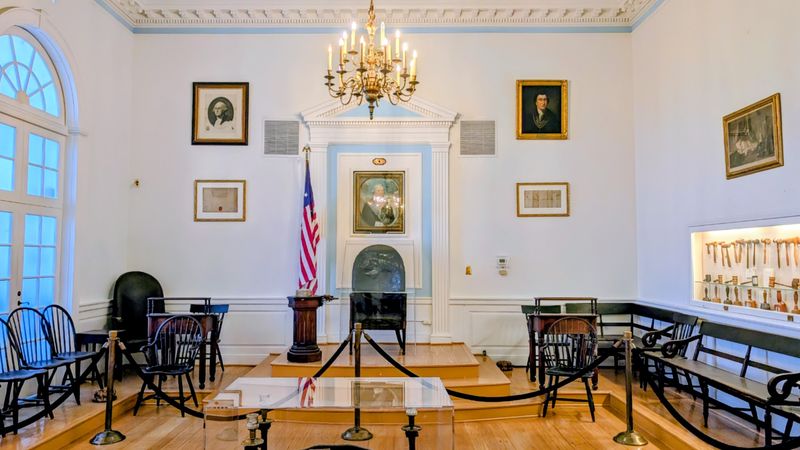
Right alongside Memorial Hall sits one of the most quietly fascinating rooms in the entire building. The Alexandria-Washington Lodge No. 22 Replica Lodge Room is a meticulously faithful recreation of the original lodge room over which George Washington once presided.
Every detail has been carefully reconstructed to reflect exactly how the space looked during Washington’s active involvement with the lodge.
Standing inside this room, you get an unusually intimate sense of what Masonic gatherings actually looked like in the late 18th century. The wooden furnishings, the symbolic decorations, the ceremonial layout, all of it speaks to a very specific and deeply ritualistic world that most of us never get to glimpse.
It is genuinely one of the more unusual and rewarding historical experiences available in Virginia.
What strikes me most is how personal the space feels. This was not some grand public chamber.
It was a meeting room for men who shared a philosophy and a brotherhood. The replica preserves that intimacy remarkably well.
The George Washington Masonic National Memorial uses this room to bridge the gap between historical record and lived experience, and it absolutely succeeds.
Grand Masonic Hall and the Green Granite Columns
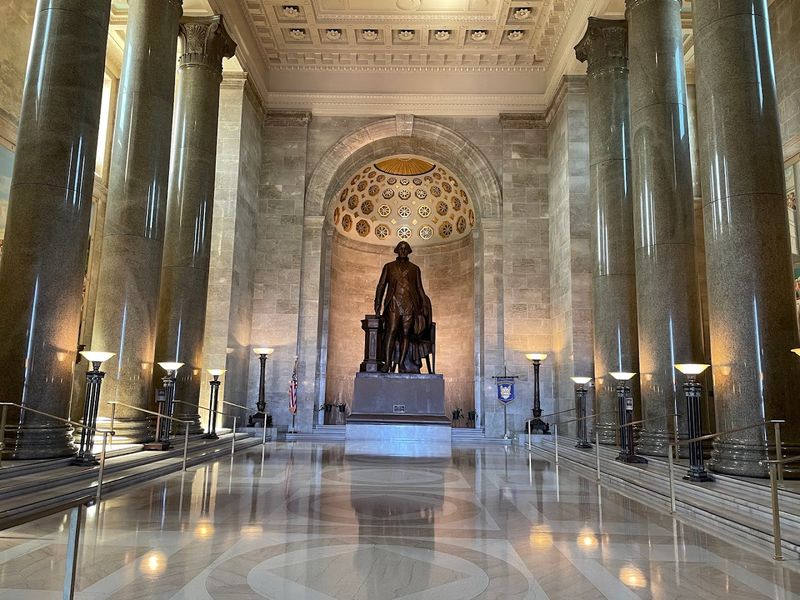
The very first floor greets visitors with a room that sets the tone for everything above it. The Grand Masonic Hall is anchored by eight towering green granite columns that rise with quiet authority from floor to ceiling.
The color and texture of the granite is genuinely striking, carrying a weight and permanence that feels entirely appropriate for a building dedicated to one of history’s most consequential figures.
Murals depicting scenes from Washington’s life wrap around the walls, offering a visual biography that rewards slow, careful study. The artistry is detailed and expressive, painted with the kind of confidence that comes from deep historical research and genuine reverence for the subject.
Architecturally, this hall sets a high bar that the rest of the building somehow manages to match floor by floor. The proportions are generous without feeling excessive, and the decorative elements complement rather than overwhelm the space.
Many people linger here longer than they planned, and that is no accident. The George Washington Masonic National Memorial was designed to slow you down and make you look.
Virginia has plenty of historic interiors, but this one carries an atmosphere that feels genuinely singular.
Artifacts That Actually Stop You Cold
Museums live or die by the quality of their artifacts, and the George Washington Masonic National Memorial does not disappoint. Scattered across multiple floors are objects that carry real historical weight, the kind that makes you stop mid-step and lean in for a closer look.
Among the highlights is the ceremonial trowel that Washington used to lay the cornerstone of the United States Capitol. That single object connects the building you are standing in to the founding of the nation itself, which is a remarkable thing to contemplate.
Also on display is the traveling trunk Washington carried throughout the Revolutionary War, battered and worn in ways that speak louder than any written description.
Perhaps the most quietly haunting piece is the clock that sat at Washington’s bedside on the night he died. The attending physician stopped the clock’s weights to mark the exact moment of death, and it has remained frozen at that time ever since.
Objects like this transform a museum visit into something more visceral and human. The George Washington Masonic National Memorial collects these moments of genuine connection with Virginia’s history and presents them without theatrical fuss.
The Observation Deck View That Earns Every Step
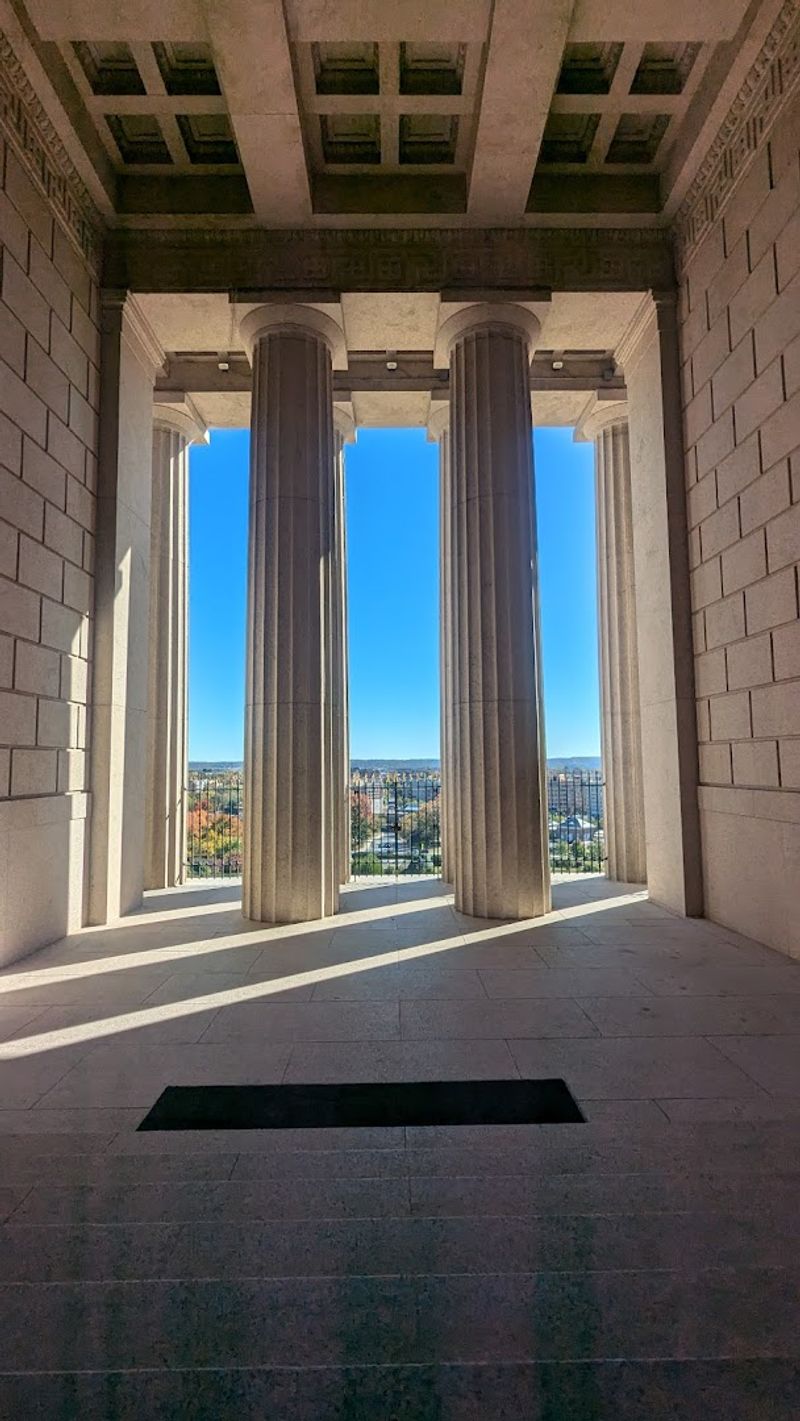
Getting to the top of the George Washington Masonic National Memorial is an adventure in itself, partly thanks to the building’s famously old-fashioned elevators that have their own cult following among repeat visitors. Once you arrive at the ninth floor and step out onto the observation deck, every second of the journey becomes completely worth it.
The 360-degree view from the top is genuinely spectacular. Alexandria spreads out below in a patchwork of rooftops, tree canopies, and historic streets.
The Potomac River glitters in the distance, and on a clear day, the Washington DC skyline sits on the horizon with quiet confidence. It is the kind of view that recalibrates your sense of place and scale.
What makes this particular vantage point special is how rarely crowded it gets. Many of the most famous viewpoints in the region attract thick crowds and long waits.
Up here, the experience tends to stay calm and unhurried, giving you actual time to absorb what you are seeing. Virginia delivers some extraordinary panoramas, but this one carries an added layer of meaning given the history you have just walked through to reach it.
The Guided Tour Experience Worth Booking Ahead
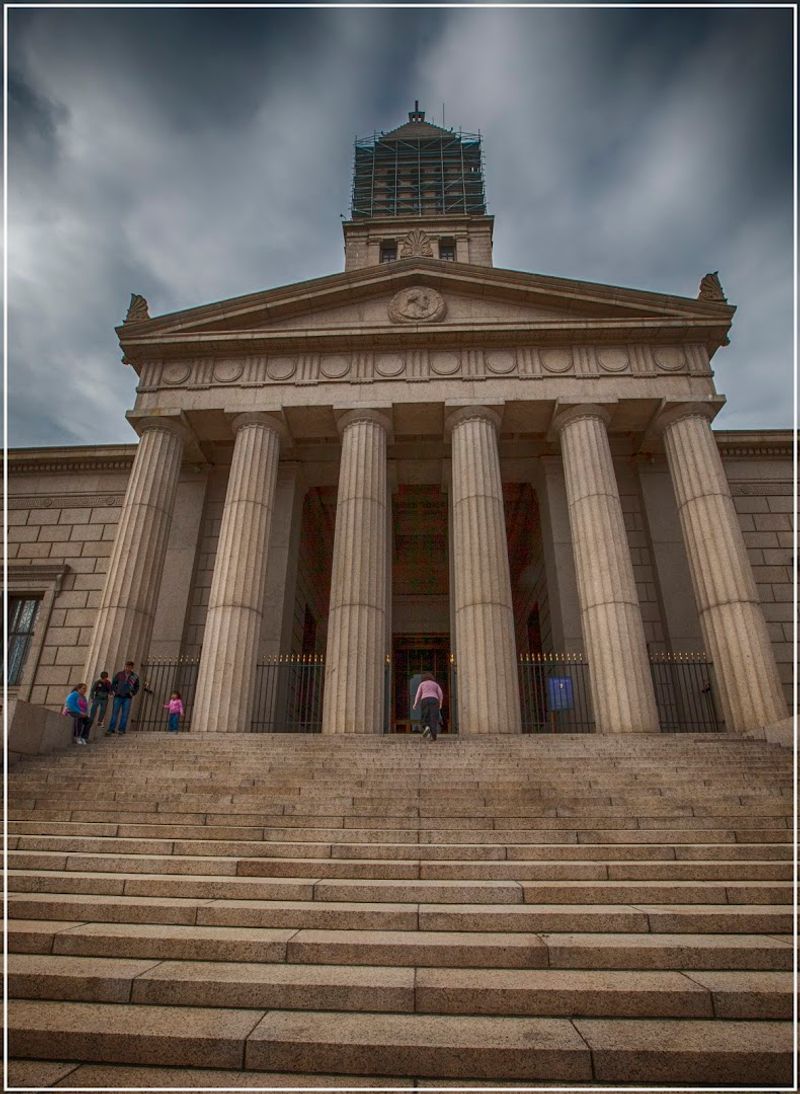
Showing up without a plan at the George Washington Masonic National Memorial is a perfectly fine way to spend an afternoon, but booking the guided tour transforms the visit into something significantly richer. Tours run multiple times throughout the day, led by knowledgeable guides who unlock floors and spaces that are otherwise inaccessible to self-guided visitors.
The guided experience takes roughly an hour and covers a remarkable amount of ground, literally and figuratively. Guides walk groups through the major ceremonial halls, the artifact collections, and the upper floors, weaving together the history of Freemasonry with Washington’s personal story in ways that make both feel freshly relevant.
One practical tip: book your tickets online in advance. Walk-in availability is not always guaranteed, especially on weekends when the memorial draws its largest crowds.
Tour groups tend to stay small, which keeps the experience intimate and allows for genuine questions and conversation. The George Washington Masonic National Memorial rewards curiosity generously, and having a guide who can answer specific questions about Masonic ritual, Washington’s personal beliefs, or the building’s construction history adds a layer of depth that self-guided wandering simply cannot replicate.
Virginia history rarely comes packaged this well.
Architecture Nerds, This One Is For You
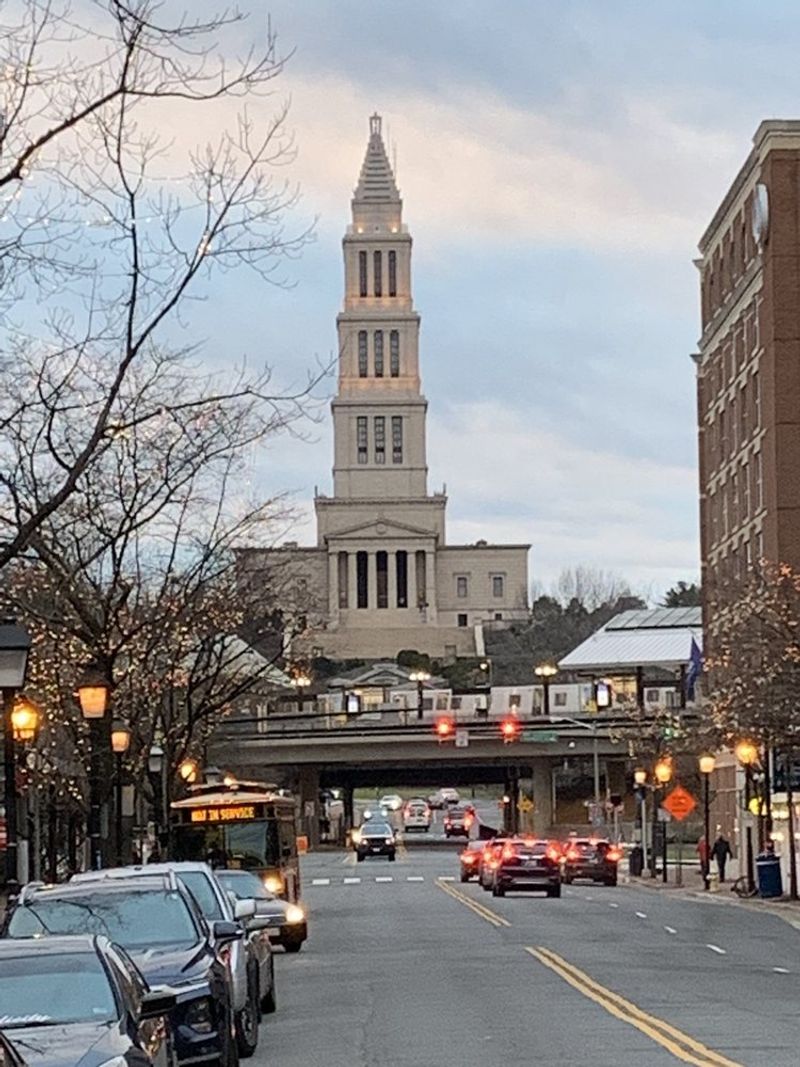
Harvey Wiley Corbett designed a building that operates on multiple architectural registers simultaneously, and that ambition shows in every corner of the structure. The exterior draws its primary inspiration from the ancient Lighthouse of Alexandria, one of the Seven Wonders of the Ancient World, blending that classical reference with distinctly American neoclassical sensibilities and the vertical ambition of early 20th century skyscraper design.
The result is something that fits no single stylistic category neatly, which is arguably its greatest architectural achievement. Columns, pediments, and classical proportions anchor the base while the tower climbs upward with a confidence that feels more modern.
Moving through the interior floors reveals how each ceremonial room was given its own distinct character, with different materials, color palettes, and decorative programs that reflect the diversity of Masonic traditions.
For anyone who finds beauty in structural logic and decorative ambition working together, this building is a genuine treat. The craftsmanship visible in the stonework, the bronze details, and the painted ceilings reflects a standard of quality rarely matched in public buildings today.
Virginia is home to many architecturally significant structures, but the George Washington Masonic National Memorial occupies a genuinely unusual place in that lineage.
Plan Your Visit to 101 Callahan Drive
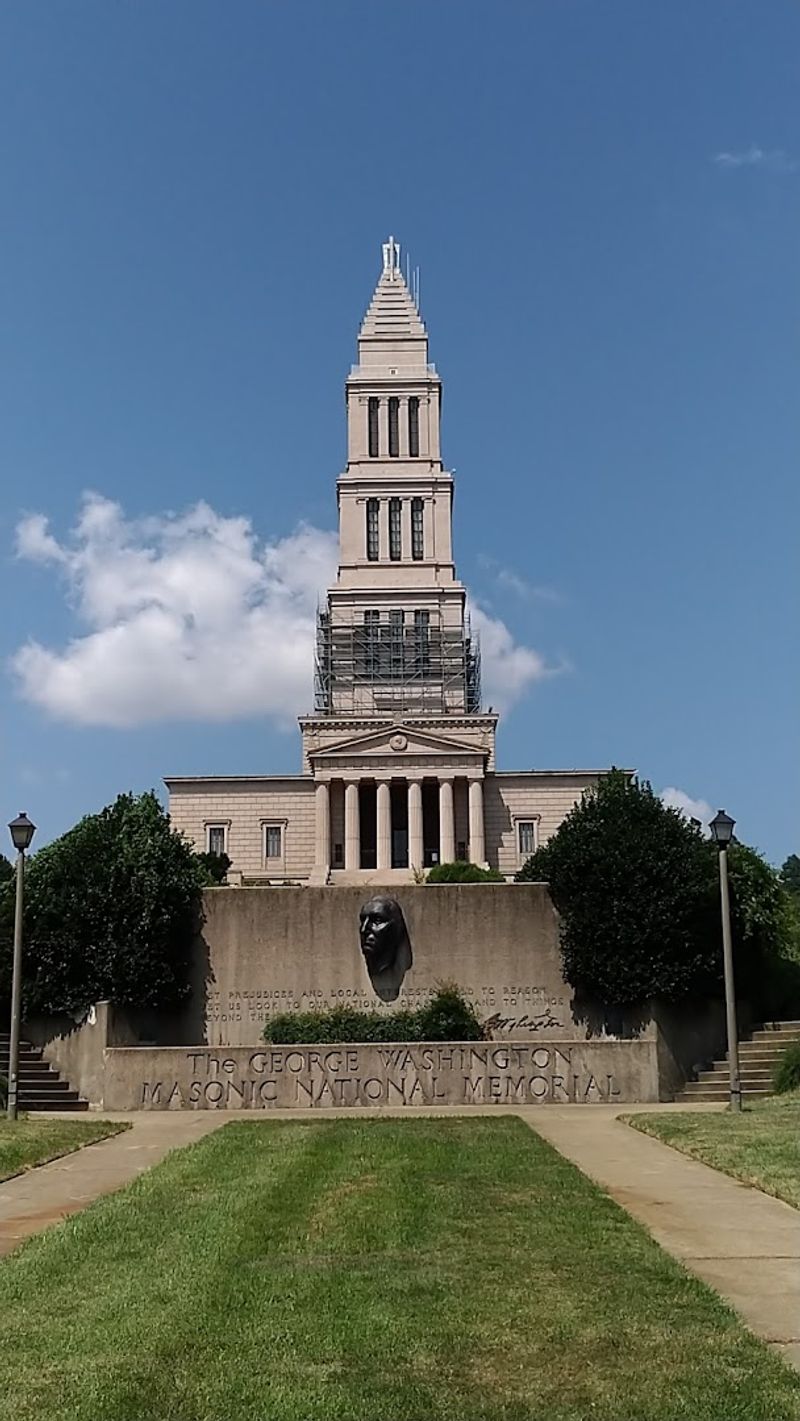
Getting to the George Washington Masonic National Memorial is straightforward, and the location is genuinely convenient for anyone exploring the greater Washington DC area. The memorial sits at 101 Callahan Drive, Alexandria, VA 22301, perched on Shooter’s Hill with free parking available on site, which is a welcome bonus in a city where parking can otherwise test your patience.
The nearest Metro station is King Street on the Blue and Yellow lines, making the memorial easily accessible without a car. From the station, a short uphill walk or a quick ride brings you to the base of the hill.
The surrounding neighborhood is charming and well worth a longer stroll before or after your visit.
The memorial is open most days of the week from morning through late afternoon, though it closes on Tuesdays and Wednesdays, so plan accordingly. Arriving early gives you the best chance of a quieter, more personal experience before the day’s tour groups fill the halls.
Virginia rewards travelers who do their homework, and this destination absolutely repays the small amount of advance planning it requires. Pack comfortable shoes, bring your curiosity, and prepare to leave with a genuinely new appreciation for Alexandria’s most dramatic landmark.
