Some places earn their reputation through sheer scale, and few do it quite like this legendary military installation sitting right on the Virginia coast. This base has been shaping the identity of Norfolk and the entire Hampton Roads region for over a century.
It commands the sea, the sky, and honestly, the imagination of anyone who catches even a glimpse of its colossal fleet lined up along the waterfront. Virginia is home to a lot of impressive things, but nothing quite prepares you for the jaw-dropping reality of the world’s single largest naval base.
I had to see it for myself, and trust me, the scale of this place hits differently in person.
The Staggering Scale of the Base
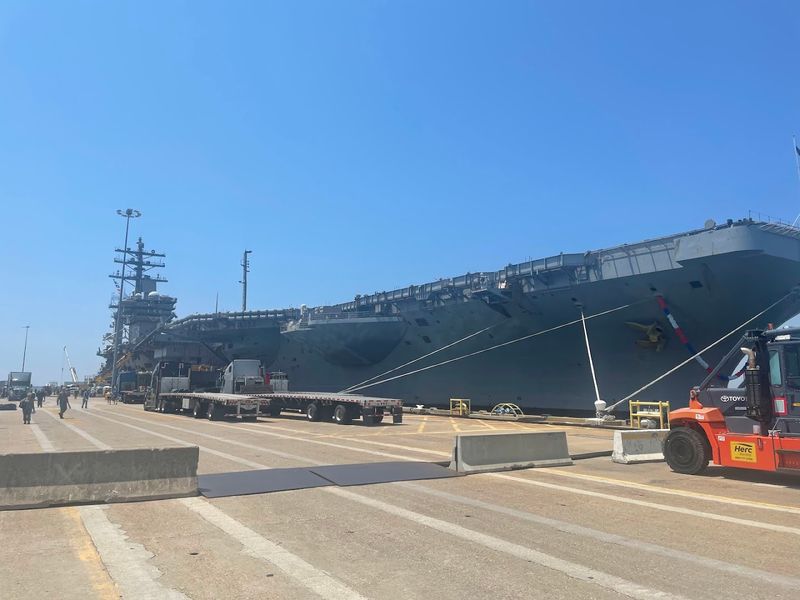
Standing at the edge of Sewell’s Point, staring out at what feels like an entire floating city, the sheer footprint of Naval Station Norfolk stops you cold. This is not just a big base.
This is a world-record-holding, jaw-dropping, military marvel that stretches across more than four thousand acres of prime Virginia real estate.
The numbers alone are almost impossible to wrap your head around. Roughly four thousand buildings dot the landscape, connected by a web of roads, piers, and runways that collectively form a self-sustaining city within a city.
The base operates around the clock, every single day of the year, with no downtime and no slow seasons.
What makes the scale feel even more surreal is how functional every inch of it is. Nothing here is decorative.
Each pier, hangar, and facility serves a precise military purpose, contributing to the largest concentration of naval power on the planet. Port Services alone manages over three thousand ship movements every year, a logistical feat that would make any port authority’s head spin.
Virginia truly does everything big.
A History That Stretches Back to World War I
Naval Station Norfolk did not start as a permanent fixture on the Virginia coastline. It was born out of urgency, established in 1917 as an emergency wartime base when the United States entered World War I and needed a rapid, strategic deployment point on the Atlantic coast.
What began as a hastily assembled military installation quickly proved its worth. The location on Sewell’s Point offered deep natural channels, proximity to the open Atlantic, and a geography that made it nearly impossible for an enemy to approach undetected.
The Navy recognized the strategic gold mine it had stumbled upon and never looked back.
Decades of expansion, modernization, and mission evolution transformed that emergency base into the permanent headquarters of Fleet Forces Command. Two world wars, the Cold War, and numerous global operations all passed through these piers.
Each chapter of American naval history left its mark on the base’s infrastructure and culture. Today, walking through Naval Station Norfolk feels like walking through a living timeline of U.S. military power, one that started over a hundred years ago and shows absolutely no signs of slowing down.
The Fleet That Calls This Place Home
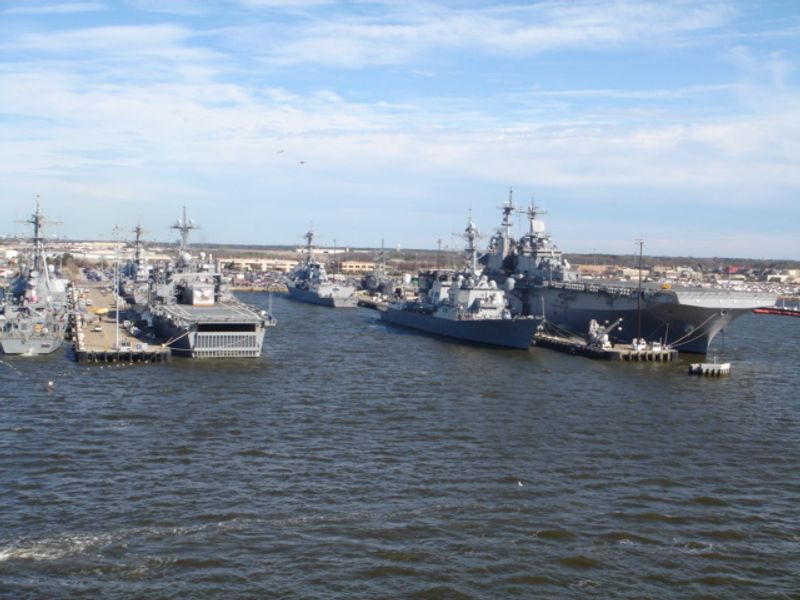
Pulling up to the waterfront and seeing the sheer lineup of warships is the kind of moment that makes your jaw physically drop. Aircraft carriers, destroyers, cruisers, and submarines are parked along the piers with the casual confidence of vehicles in a parking lot, except each one is capable of projecting military force across entire ocean regions.
Naval Station Norfolk serves as home port to an enormous fleet, with dozens of ships representing some of the most advanced naval engineering ever produced. The USS Harry S.
Truman is among the iconic vessels that have been stationed here, a Nimitz-class aircraft carrier that is essentially a floating air base in its own right.
Fleet Fest Day, held in October, gives the public a rare chance to get up close to some of these incredible vessels. It is one of the most popular annual events in the Norfolk area and genuinely one of the coolest free experiences Virginia has to offer.
Watching these massive ships from the pier, understanding the crews living and working aboard them, adds a very human dimension to what could otherwise feel like just a collection of impressive hardware.
The Airfield and Its Relentless Flight Operations
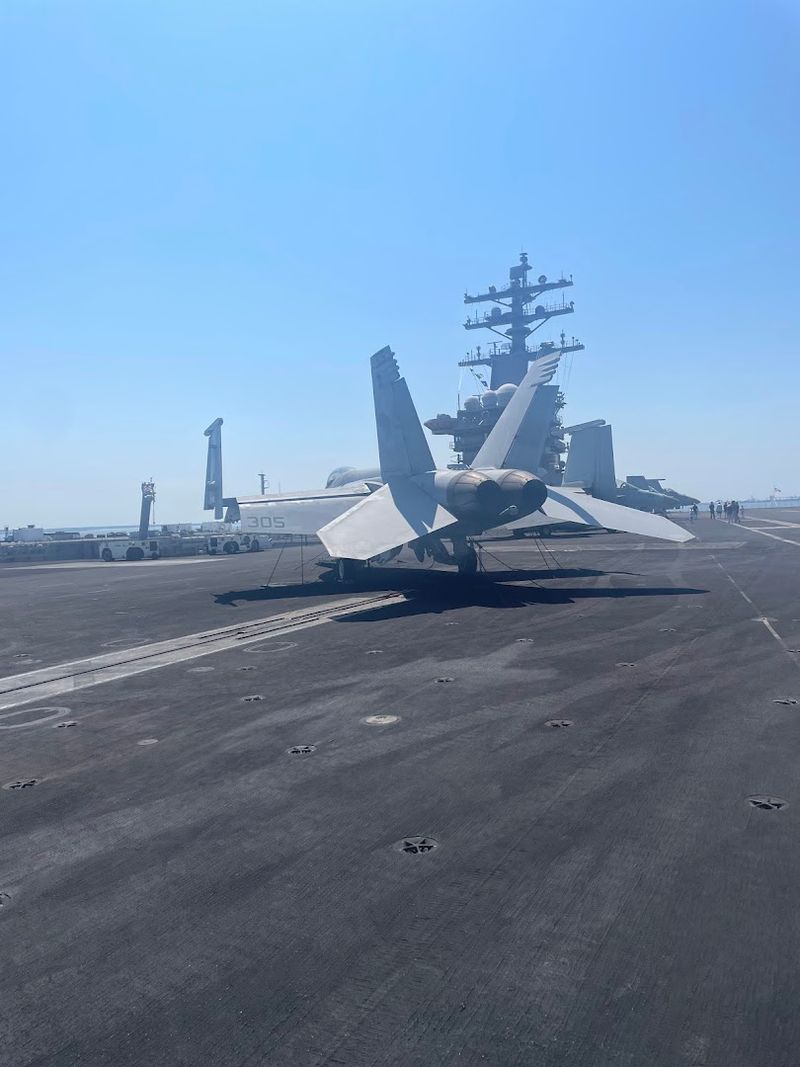
Most people focus on the ships when they think about Naval Station Norfolk, and honestly, that is understandable. But the airfield running alongside the base is its own spectacle entirely, operating at a pace that rivals some of the busiest commercial airports in the country.
Air Operations at the base conduct more than a hundred thousand flight operations annually. That breaks down to an average of around two hundred and seventy-five flights per day, a constant rhythm of takeoffs and landings that fills the Virginia sky with the roar of naval aviation.
Eleven aircraft hangars support the aircraft stationed here, keeping everything mission-ready at all hours.
The variety of aircraft is impressive. Patrol aircraft, helicopters, electronic warfare planes, and carrier-based jets all operate out of this airfield, each serving a different tactical purpose.
Watching a formation of naval aircraft lift off against the backdrop of the Chesapeake Bay is one of those visuals that sticks with you long after you leave Virginia. The airfield is a reminder that Naval Station Norfolk is not just a naval base.
It is a full-spectrum military powerhouse operating simultaneously on sea and in the sky.
Fleet Forces Command Headquarters
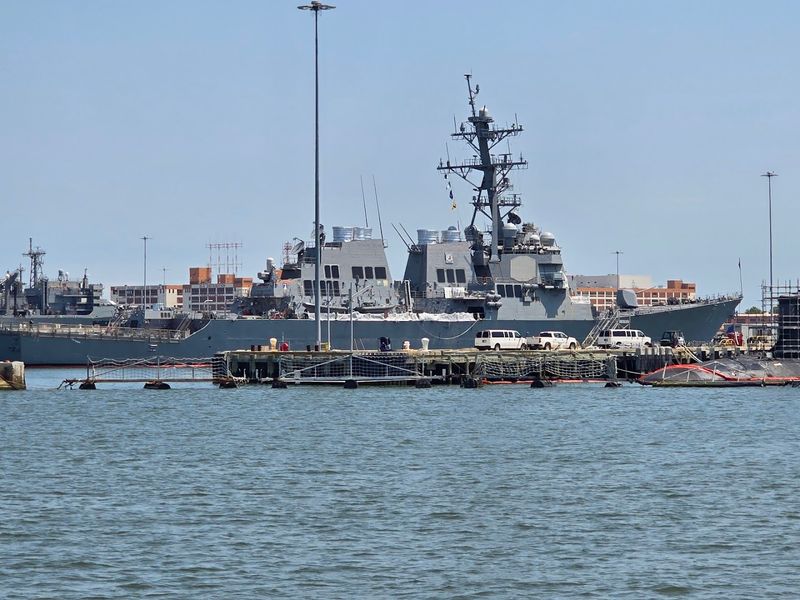
Naval Station Norfolk is not just a parking lot for warships. It is the nerve center of American naval operations, serving as the official headquarters of Fleet Forces Command, the organization responsible for organizing, manning, training, and equipping the entire U.S.
Atlantic Fleet.
Fleet Forces Command oversees the readiness of every ship, aircraft, and sailor assigned to the Atlantic region. The decisions made within the headquarters building at Naval Station Norfolk ripple outward to naval installations across Virginia, the Eastern Seaboard, and far beyond.
It is the kind of strategic importance that makes the base genuinely irreplaceable in the architecture of American defense.
The command structure here coordinates with NATO allies, joint military branches, and government agencies on a daily basis. This is not a ceremonial headquarters.
It is a fully operational command hub where real-time decisions affect real-world deployments. The presence of Fleet Forces Command elevates Naval Station Norfolk from a large base to a global strategic asset, one that Virginia residents can rightfully point to as one of the most consequential military facilities anywhere on Earth.
The weight of that responsibility is felt throughout every corner of the installation.
The Piers: A City of Steel on the Water
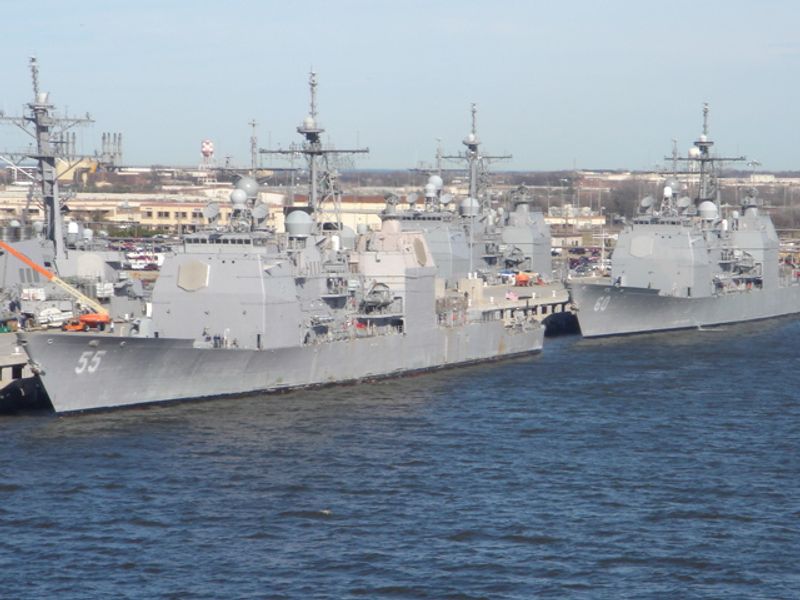
Twenty piers extend out into the waters surrounding Naval Station Norfolk, and each one is a hub of constant activity. Sailors moving equipment, ships being provisioned, maintenance crews working on hulls, and officers conducting inspections create a choreography of organized controlled energy that never fully stops.
Fourteen of those piers are specifically dedicated to berthing the fleet’s combat vessels. The engineering required to support ships of this size is extraordinary.
Each pier must handle the weight, the fuel demands, the electrical requirements, and the logistical needs of vessels that are essentially small towns floating on water.
Port Services manages more than three thousand one hundred ship movements annually across these piers. That means ships are constantly arriving, departing, repositioning, and being prepared for deployment in a continuous cycle.
The coordination involved is staggering, requiring precise timing, expert seamanship, and flawless communication between vessel crews and shore-based teams. Walking along the waterfront and watching a destroyer ease into its berth with the help of tugboats is one of the most quietly dramatic things you can witness in Virginia.
The piers are where the abstract power of the Navy becomes something you can actually see and feel.
Fleet Fest and Public Access Events
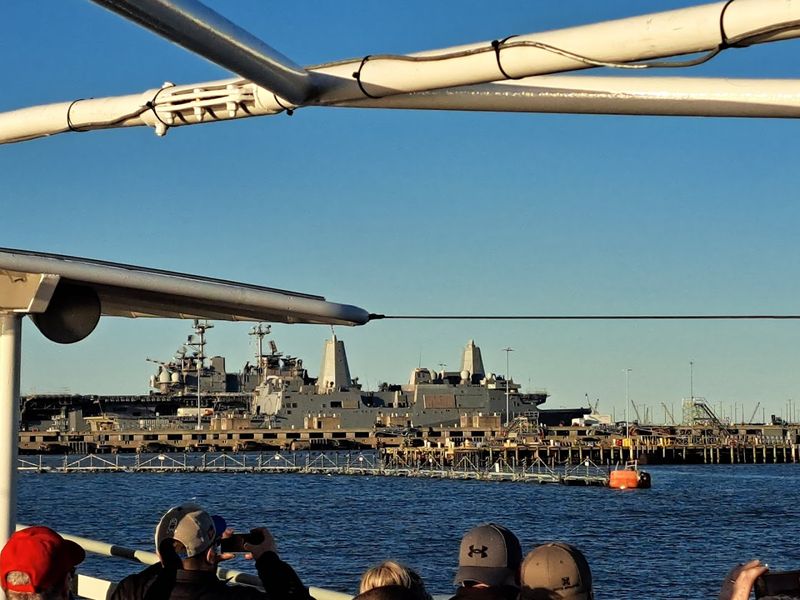
Getting inside a fully operational military base sounds like something that requires top-secret clearance and a very convincing backstory. But Naval Station Norfolk opens its gates to the public on special occasions, and Fleet Fest in October is the crown jewel of those events.
Fleet Fest transforms the normally restricted waterfront into a celebration of naval history, military technology, and community connection. Ship tours, flight demonstrations, and interactive exhibits give civilians a rare, up-close look at the machinery and the people that keep the U.S.
Navy running. It is genuinely one of the most memorable free experiences in all of Virginia.
Harbor tours also offer a way to view the base from the water, circling the piers and getting a perspective on the fleet that you simply cannot get from land. These tours have become popular with military families and curious civilians alike, offering a chance to see the scale of Naval Station Norfolk from a vantage point that makes the whole thing feel even more cinematic.
Bring a good camera, because the sight of aircraft carriers lined up along the waterfront is the kind of image that does not get old no matter how many times you see it.
The Strategic Location on Sewell’s Point
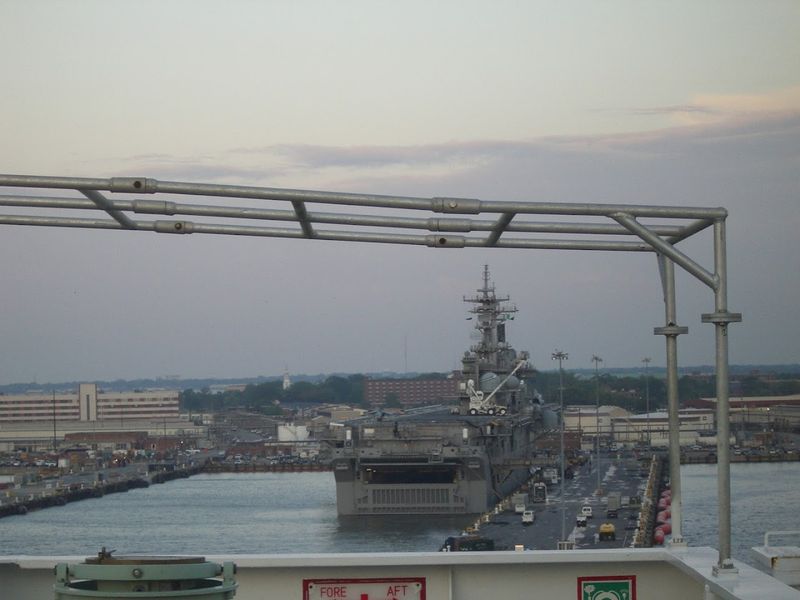
Geography is destiny, and nowhere does that ring truer than at Naval Station Norfolk. Sewell’s Point is a peninsula that juts into the waters where the Elizabeth River meets the Chesapeake Bay, creating a natural deepwater harbor that is almost tailor-made for large-scale naval operations.
The location gives the base immediate access to the Atlantic Ocean, allowing ships to deploy rapidly without navigating complex inland waterways. This strategic advantage was recognized by military planners back in 1917 and remains just as relevant today.
No amount of modern engineering could replicate the natural advantages that Sewell’s Point provides.
Virginia’s position on the mid-Atlantic coast places Naval Station Norfolk within striking distance of both the northern and southern Atlantic, making it the ideal launch point for fleet operations across multiple theaters. The proximity to other major military installations in the Hampton Roads area, including Naval Air Station Oceana and Joint Expeditionary Base Little Creek, creates a military ecosystem that is unmatched anywhere in the world.
The geography here is not just convenient. It is a fundamental reason why Naval Station Norfolk became, and remains, the largest naval base on the planet.
Life on the Base: A Community Within a Community
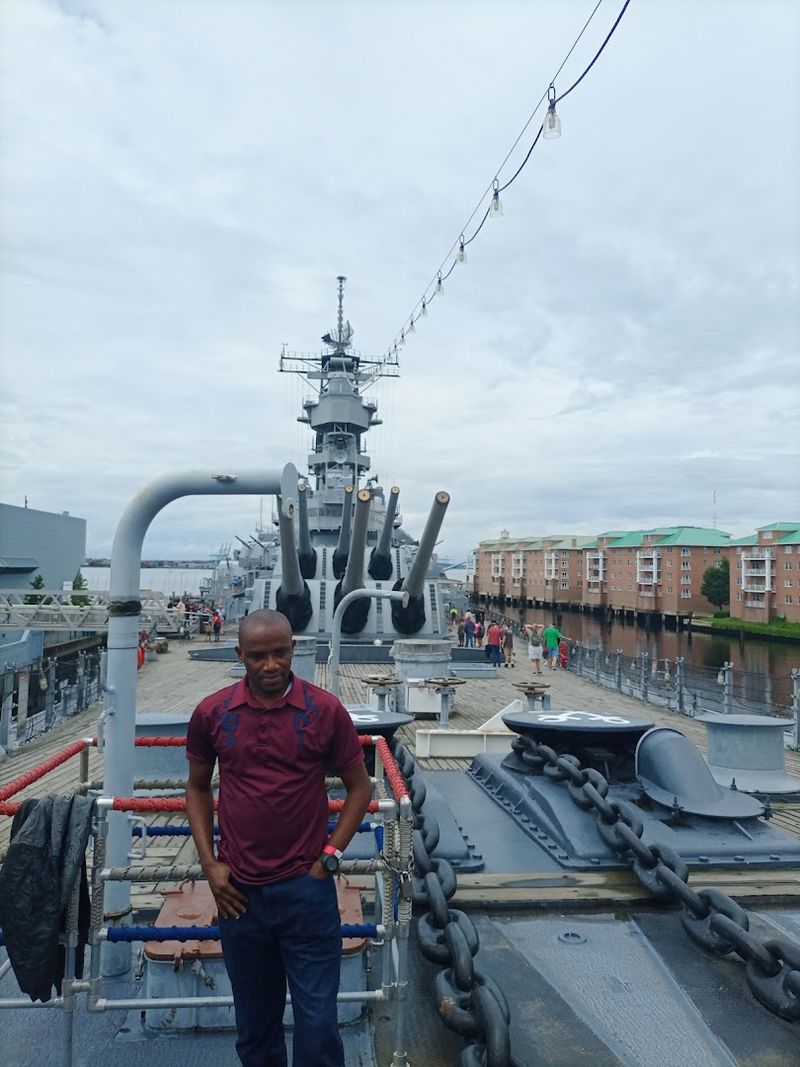
Naval Station Norfolk is not just a collection of piers and hangars. It is a fully functioning community where thousands of active-duty sailors and their families live, work, and build their daily lives.
The base has its own recreational centers, gyms, dining facilities, and support services that make it genuinely self-sufficient.
The Wind and Sea Recreation Center and the N-24 Gym are among the facilities that serve the base population, providing spaces for fitness, relaxation, and community gathering. For sailors returning from long deployments, these spaces matter enormously.
The transition from months at sea back to shore life is a significant adjustment, and having quality facilities nearby makes a real difference.
The human side of Naval Station Norfolk is easy to overlook when you are focused on the ships and aircraft, but the base supports tens of thousands of people across its various commands and tenant activities. Families living in the surrounding Norfolk neighborhoods are deeply connected to the base, and the local economy of Virginia’s Hampton Roads region is significantly shaped by the presence of this massive installation.
The base and the city have grown together over more than a century, creating a bond that defines the character of the entire region.
Planning Your Visit to Naval Station Norfolk
Visiting Naval Station Norfolk requires a bit of planning, but the experience is absolutely worth the effort. Access to the base itself is restricted to military personnel, their families, and authorized guests.
However, the surrounding Norfolk area offers plenty of ways to appreciate the scale and significance of this incredible installation.
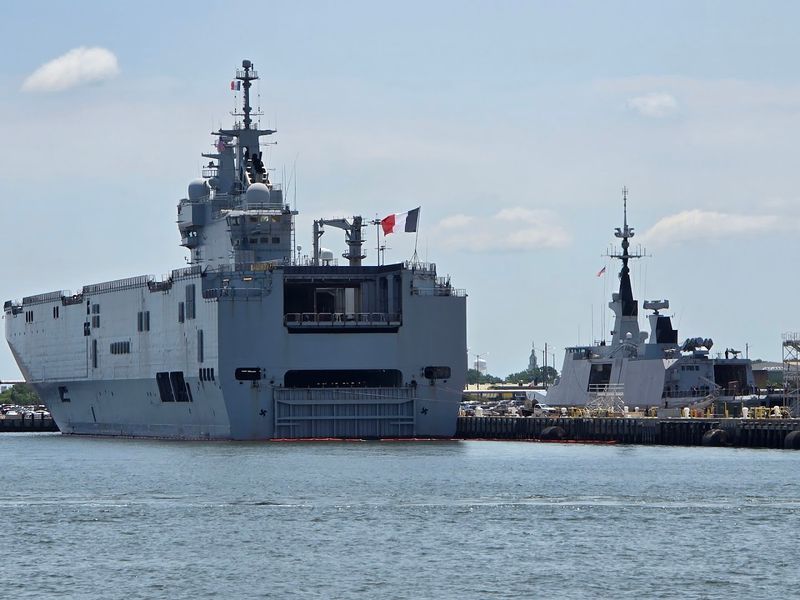
Harbor tours departing from the downtown Norfolk waterfront are the most popular option for civilians wanting a close look at the fleet. These tours circle the base by water, offering unobstructed views of the piers, the ships, and the airfield.
Fleet Fest in October remains the best opportunity for full public access to the base grounds.
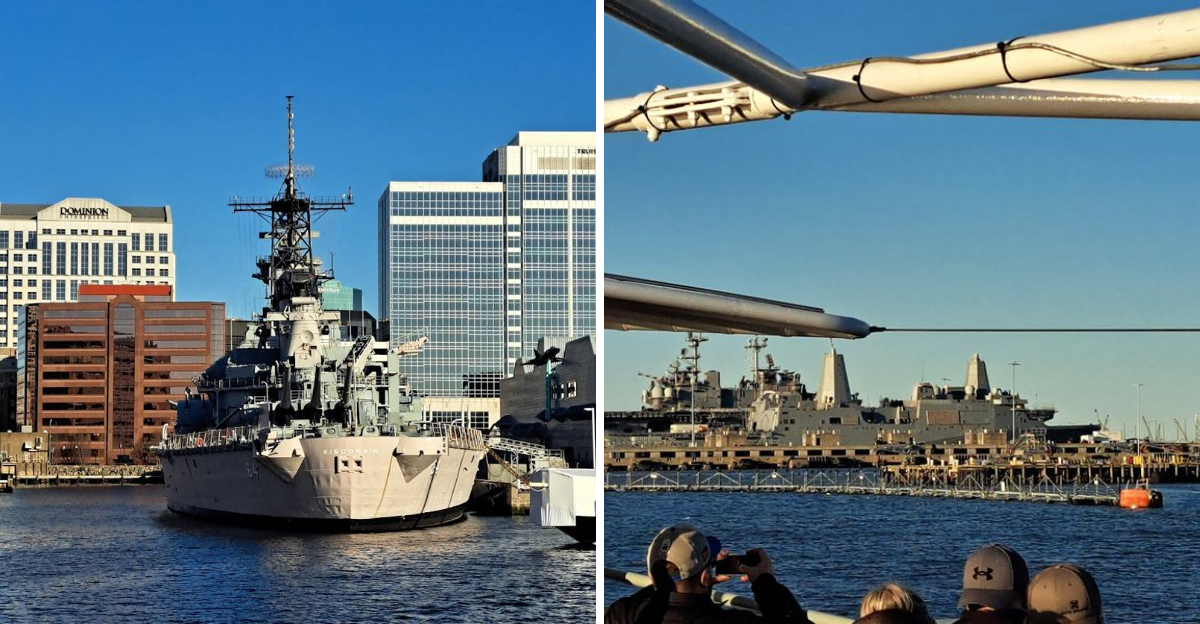
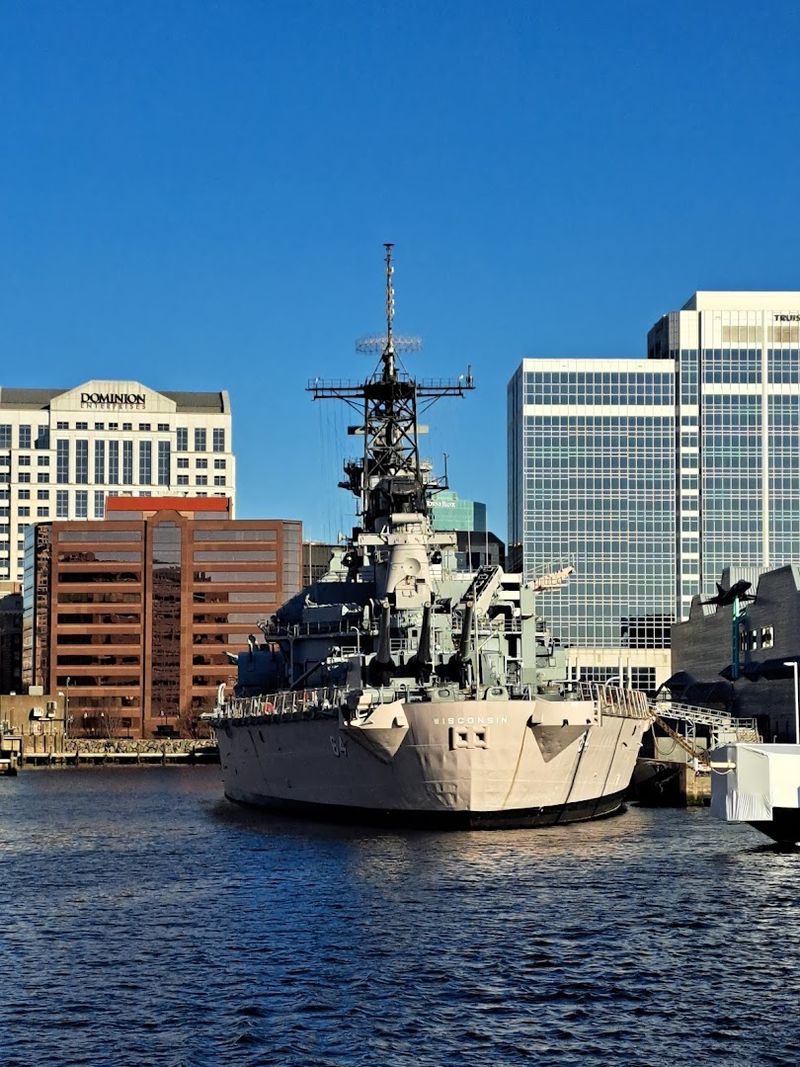
The Nauticus maritime museum in downtown Norfolk is also a fantastic complement to any visit, housing the battleship Wisconsin and offering deep context for the naval heritage of the region. Naval Station Norfolk is located in Norfolk, Virginia, at Norfolk, VA 23505, and can be reached by phone at +1 757-444-0000.
The official website at cnrma.cnic.navy.mil provides up-to-date information on public events and access procedures. Virginia has no shortage of military history to explore, but Naval Station Norfolk is the undisputed centerpiece of it all.
Pack your camera and prepare to be genuinely amazed.
Dear Reader: This page may contain affiliate links which may earn a commission if you click through and make a purchase. Our independent journalism is not influenced by any advertiser or commercial initiative unless it is clearly marked as sponsored content. As travel products change, please be sure to reconfirm all details and stay up to date with current events to ensure a safe and successful trip.
