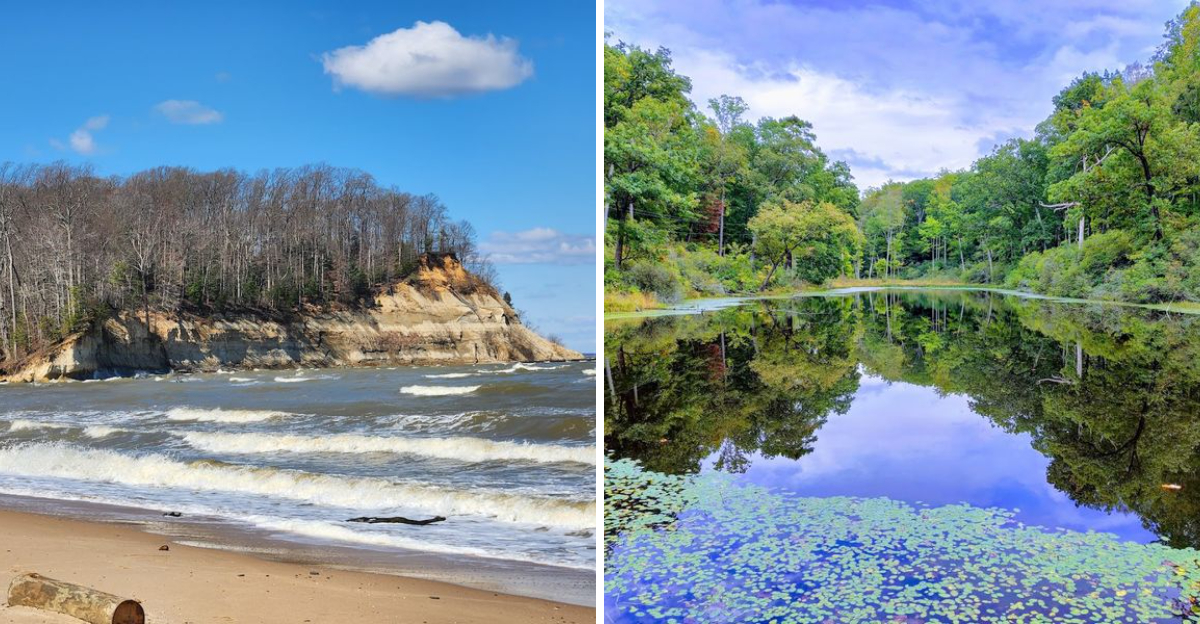
Most people go to state parks for hiking, camping, or picnicking. This Virginia park offers something else entirely.
A riverbank where you can hunt for fossils, specifically the teeth of ancient sharks that swam here 15 million years ago. The cliffs along the Potomac are rich with sediment, and after a storm, new teeth wash down onto the beach.
I spent a morning scanning the ground, running my fingers through the sand, feeling like a kid on a treasure hunt. And then I found one.
Small, black, and unmistakably a tooth. The rush of holding something that old is hard to describe.
Virginia has beaches, mountains, and now fossil hunting. This park has it all.
Fossil Beach: Where Prehistoric Oceans Left Their Mark
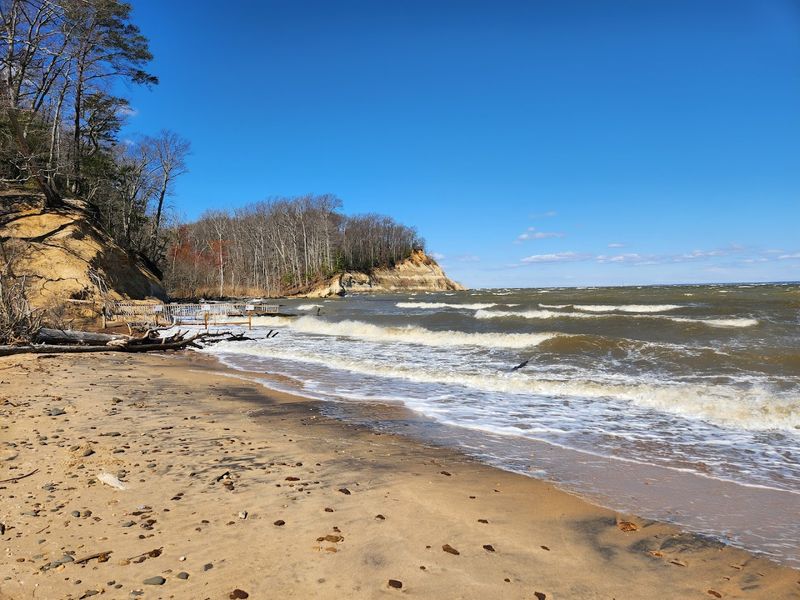
Long before Virginia was Virginia, this entire region sat beneath a warm, shallow sea teeming with ancient marine life. That sea eventually retreated, but it left behind an extraordinary calling card buried in the cliffs above the Potomac River.
At Fossil Beach, those cliffs continue to erode naturally, releasing millions-of-years-old treasures directly onto the shoreline.
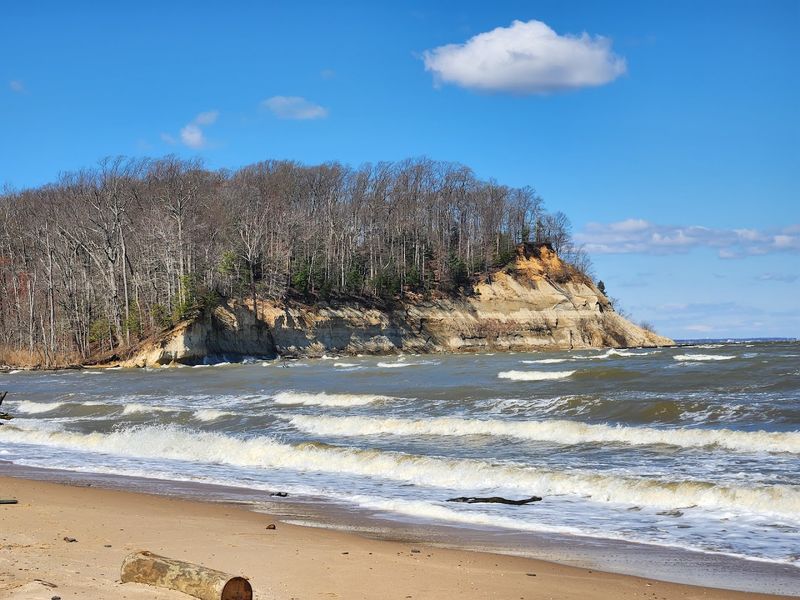
The beach itself is compact and charming, framed by dramatic sediment walls on either side. Most of the action happens at the water’s edge, where waves and tides constantly rearrange the gravel and expose fresh finds.
Timing your visit around low tide makes a noticeable difference, giving you far more beach to explore and more material to sift through.
Shark teeth are the star attraction, ranging from tiny slivers to surprisingly chunky specimens. Whale bones, fish vertebrae, and fossilized shells also turn up regularly.
Bring a colander or mesh sieve to shake through the wet gravel, and you’ll dramatically increase your chances of a genuine prehistoric find. The thrill of spotting that first dark, triangular tooth is absolutely unforgettable and completely addictive.
The Horsehead Cliffs and Their Jaw-Dropping Geological Story
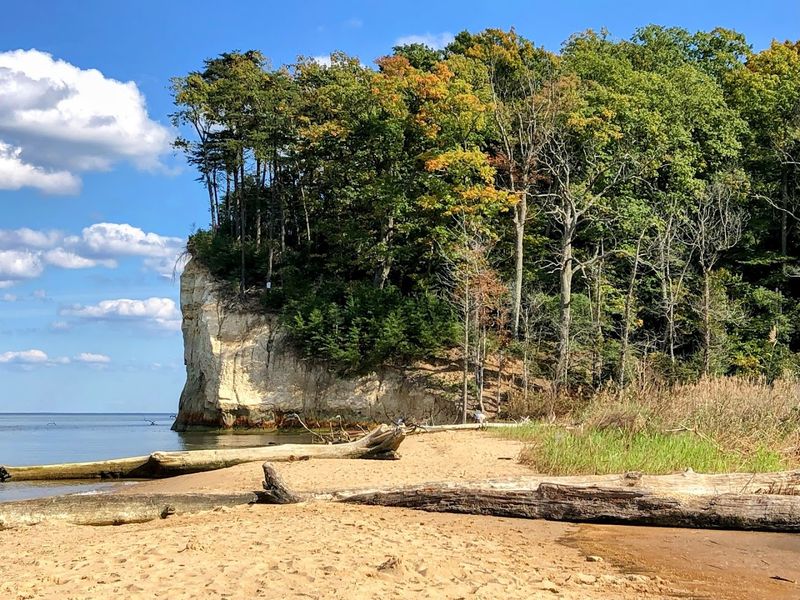
Few geological formations in Virginia pack as much visual drama as the Horsehead Cliffs. Rising sharply from the Potomac’s edge, these layered bluffs tell a story spanning tens of millions of years, written in alternating bands of sand, clay, and shell-rich sediment.
Standing beneath them feels genuinely humbling.
The cliffs belong to the Calvert Formation, a geological sequence deposited during the Miocene Epoch when a warm Atlantic extension covered this entire coastal plain. Each distinct layer represents a different chapter in Earth’s ancient biography.
Scientists and fossil enthusiasts alike find the exposed stratigraphy endlessly fascinating.
One critical safety rule applies here: never stand directly beneath the cliffs or attempt to dig into them. Erosion is ongoing and unpredictable, making cliff faces genuinely dangerous.
The good news is that you don’t need to get close to appreciate the spectacle. Views from the beach and from elevated trail vantage points offer stunning perspectives on these towering natural walls.
Their sheer scale, combined with the knowledge that prehistoric whale skulls and megalodon teeth lie embedded within, gives the landscape an almost cinematic quality that photographs can barely capture.
Big Meadow Trail: The Path That Leads to Ancient Wonders
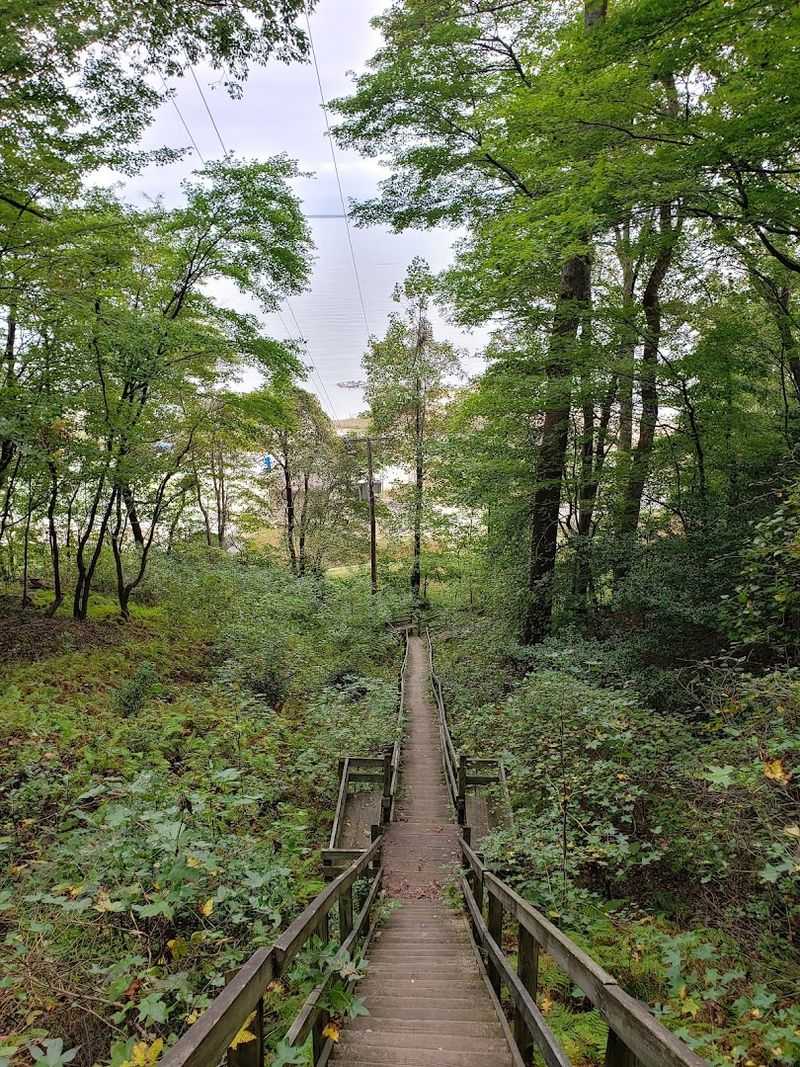
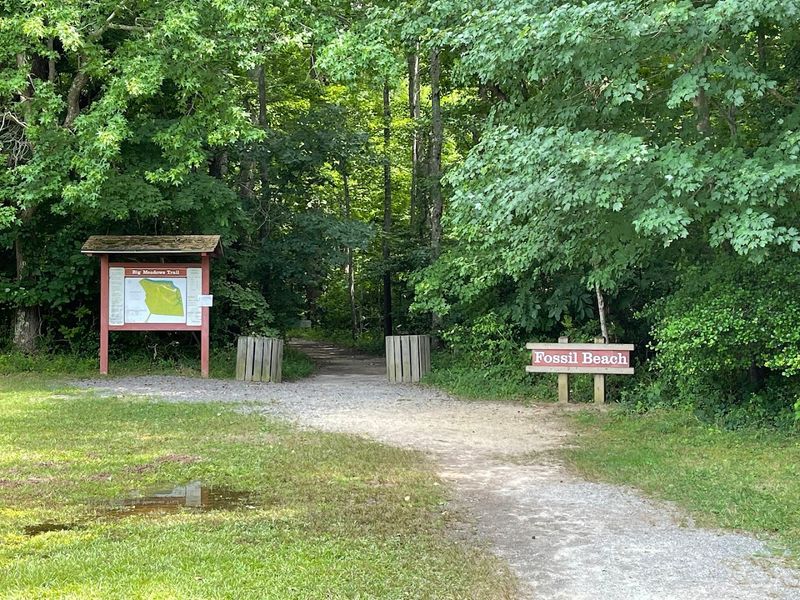
Getting to Fossil Beach is half the adventure, and Big Meadow Trail delivers the journey in style. Starting from the Visitor Center, this shaded woodland path winds gently downhill through mature forest before opening onto the riverbank.
The trail is just over half a mile one way, making it accessible for most fitness levels.
Tree roots crisscross the dirt path in places, so sturdy footwear is a smart call. The canopy overhead filters sunlight beautifully, and the surrounding woods are alive with birdsong, rustling leaves, and the occasional glimpse of wildlife.
A bench sits roughly halfway along the route, offering a welcome rest spot with a peaceful woodland view.
On the return trip, the uphill gradient is noticeable but never brutal. Most people complete the round trip comfortably in under an hour, not counting time spent at the beach.
During spring and early summer, the trail edges burst with wildflowers and ferns, adding an extra layer of natural beauty to the experience. Westmoreland State Park maintains the trail well, and clear signage keeps you confidently on track even if it’s your first visit to this remarkable corner of Virginia.
Megalodon Teeth and Marine Giants: The Fossils That Steal the Show
Megalodon, the colossal prehistoric shark that makes great white sharks look modest, once patrolled the ancient seas that covered modern-day Virginia. The fossilized teeth it left behind are among the most electrifying finds at Westmoreland State Park, and yes, people do find them here.
They range from fingernail-sized juveniles to palm-filling giants with serrated edges sharp enough to impress even after millions of years.
Beyond megalodon, the park’s fossil record includes whale vertebrae, rib bones, ear bones, and teeth from species long extinct. Dolphin remains, alligator teeth, and the bones of other prehistoric mammals have all surfaced along these shores.
The sheer variety of species represented speaks to how rich and biodiverse that ancient coastal sea truly was.
The Visitor Center and Discovery Center display impressive examples of locally found fossils, giving context to what you might encounter on the beach. Seeing a mounted whale skull or a megalodon tooth the size of your hand before heading out to hunt makes the whole experience significantly more meaningful.
Fossil collecting is genuinely permitted here, which makes Westmoreland State Park one of the most exciting and rewarding state parks in the entire eastern United States.
The Visitor Center: Your Fossil Hunting Headquarters
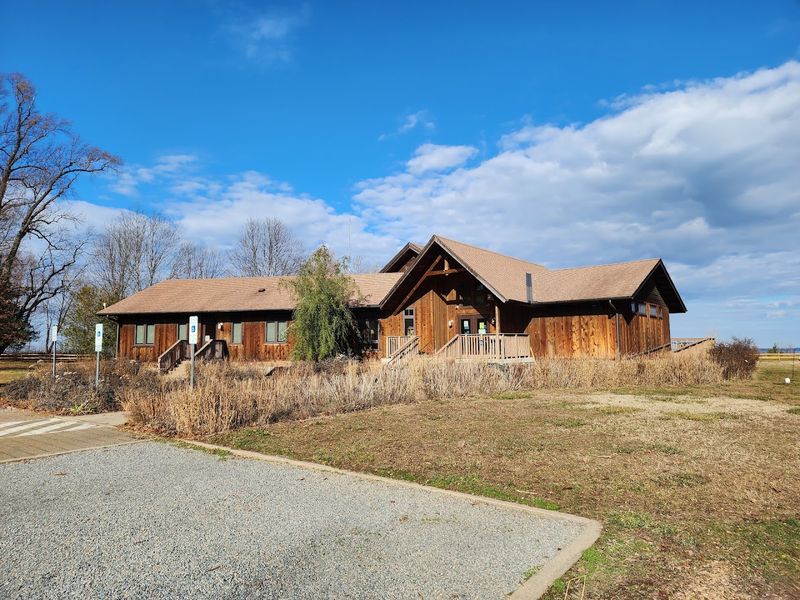
Before charging straight to the beach, spend some time at the Visitor Center. It’s genuinely worth it.
The space doubles as a small natural history showcase, with fossil specimens, geological displays, and informative exhibits explaining exactly how these ancient marine creatures ended up embedded in Virginia’s riverside cliffs.
Live animal ambassadors add a fun and unexpected element. Snakes, turtles, and other native wildlife reside in enclosures throughout the center, delighting younger visitors and offering a close-up look at the region’s current biodiversity alongside its prehistoric past.
Rangers stationed here are knowledgeable, approachable, and clearly passionate about the park’s natural heritage.
The Discovery Center component occasionally hosts hands-on programs including guided fossil hunts with rangers and craft activities like shark tooth necklace making. These sessions are fantastic for families and add real educational depth to what could otherwise be a casual day trip.
A gift shop rounds out the experience, stocked with field guides, fossil-hunting tools, and park mementos. Picking up a quality sieve or colander here before hitting the trail is a practical move that many first-time fossil hunters wish they had made before walking all the way down to the beach empty-handed.
Camping Under the Stars on the Potomac’s Northern Neck
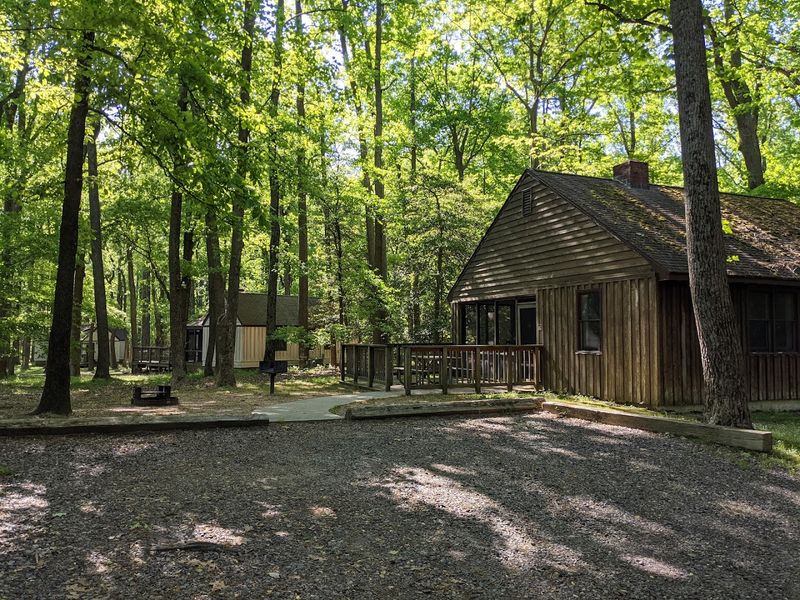
Spending a night or two at Westmoreland State Park transforms a day trip into a full-on adventure. The park offers multiple campground areas, each with its own distinct personality and appeal.
Campground A is the most heavily wooded option, offering shade, privacy, and a genuinely immersive forest atmosphere that tent campers absolutely love.
Campground B caters well to RVs and trailers, featuring more open spaces and notably well-maintained bathhouse facilities. Cleanliness is taken seriously across the entire park, with staff regularly maintaining showers, restrooms, and common areas throughout the season.
Fire pits with adjustable grill grates at each site make evening cookouts effortlessly enjoyable.
Check-in and check-out processes run smoothly, and the overall atmosphere feels safe, quiet, and genuinely welcoming. Dog owners will appreciate that the park is pet-friendly throughout, though tick prevention is strongly recommended given the wooded environment.
Waking up to birdsong, morning mist rising off the Potomac, and the knowledge that a fossil-rich beach is just a short walk away makes for a morning routine that no city hotel could ever replicate. Virginia’s Northern Neck region has a magical quality at dawn, and camping here puts you right in the middle of it.
Kayaking and Boating: Exploring the Potomac From the Water
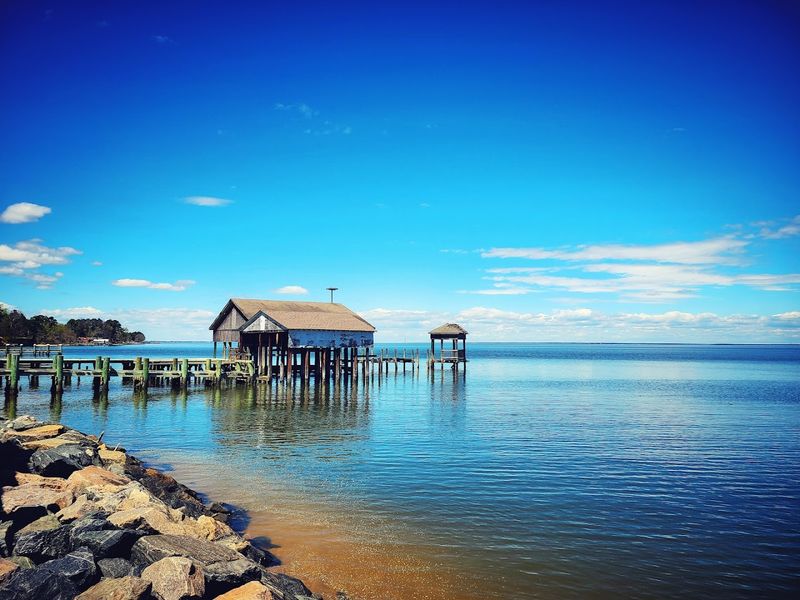
Seeing Westmoreland State Park from the water offers a completely different perspective, and it’s one that’s hard to beat. The Potomac River stretches wide and calm along this stretch of Virginia’s Northern Neck, making it ideal for paddling at a relaxed pace.
Rental kayaks and paddleboards are available at the park’s boathouse, so showing up without your own gear is no obstacle.
Paddling out and looking back at the Horsehead Cliffs from the river is genuinely spectacular. The full height and scale of those ancient sediment walls becomes dramatically apparent from the water, and the layered geology reads like a textbook brought to life.
Bald eagles, osprey, and great blue herons are frequent companions along the shoreline, adding wildlife excitement to the scenic beauty.
A boat launch is also available for those bringing their own vessels, and fishing from the water is popular among locals who target striped bass and catfish in the river’s deeper channels. Even a short paddle along the park’s waterfront rewards you with views that feel genuinely remote and untouched.
It’s one of those experiences where you put the phone away not because you have to, but because the scenery simply demands your full, undivided attention.
Wildlife Watching: Eagles, Herons, and Unexpected Surprises
Westmoreland State Park is a wildlife enthusiast’s quiet paradise. The mix of river habitat, wetlands, dense woodland, and open meadow creates a remarkably diverse ecosystem that supports an impressive variety of species year-round.
Bald eagles are perhaps the most celebrated residents, frequently spotted soaring above the Potomac or perched in tall riverside trees.
Great blue herons stalk the shallows with patient elegance, while osprey dive dramatically for fish in the river channel. Deer move through the wooded trails at dawn and dusk, seemingly unbothered by the park’s human activity.
On the smaller end of the spectrum, lizards, frogs, and tiny toads make surprise appearances along the hiking paths, especially in warmer months.
The Visitor Center’s live animal displays provide a helpful introduction to the region’s native species before you head out on the trails. Birding is particularly rewarding in spring, when migratory species pass through and resident birds are in full song.
Bring binoculars if you have them. The combination of river, forest, and cliff habitat packed into this single Virginia park creates wildlife viewing opportunities that feel far more diverse and rewarding than the modest acreage might initially suggest.
Hiking Trails Beyond Fossil Beach: Six Miles of Pure Discovery
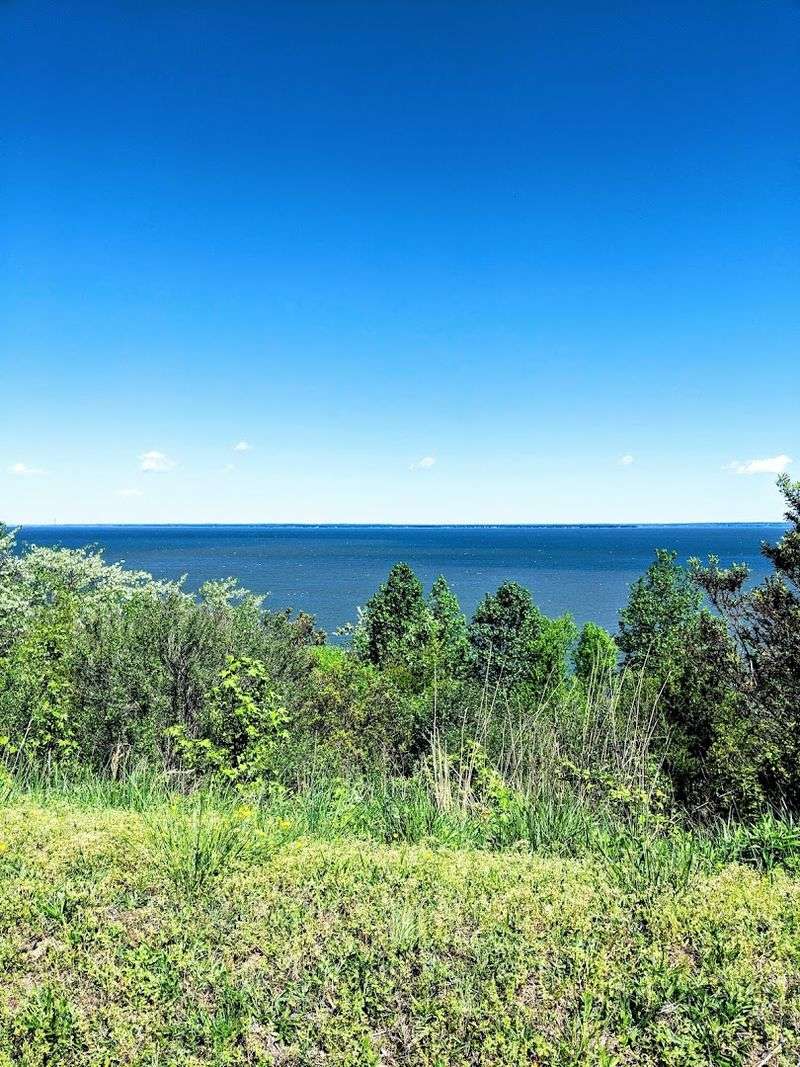
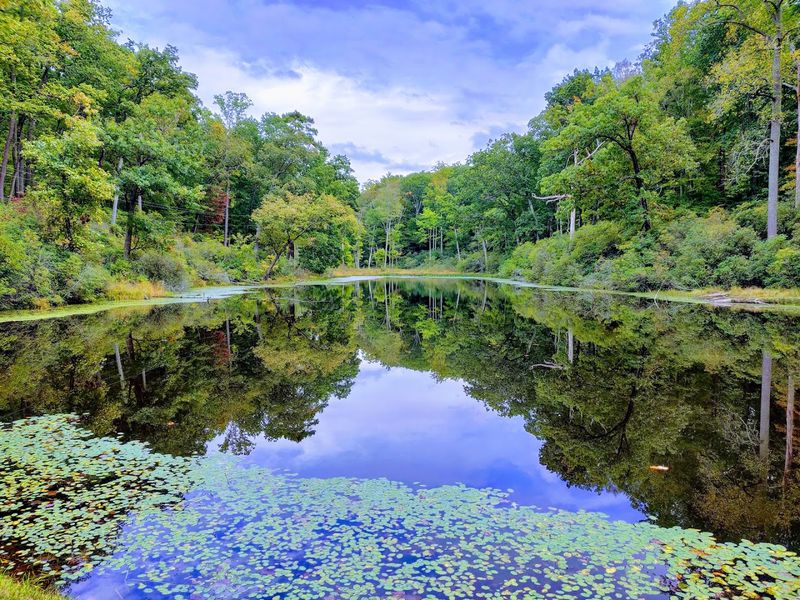
Fossil Beach gets most of the glory, but Westmoreland State Park’s full trail network deserves equal attention. Six miles of maintained paths wind through a variety of landscapes, from elevated bluff-top routes with sweeping river panoramas to lowland paths skirting marshes and fishing ponds.
Each trail has its own character and rewards.
The Beach Trail offers a paved stretch making it accessible for a wider range of visitors, while the more rugged dirt paths through the forest interior feel genuinely wild and exploratory. Trail surfaces are generally well-maintained, though tree roots add some natural texture that keeps you paying attention.
Runners, casual walkers, and serious hikers all find something to enjoy within the network.
One particularly satisfying loop combines sections of multiple trails to take in both the riverside bluffs and the wooded interior, offering a well-rounded taste of everything the park does best. Wildlife sightings are common throughout, and the changing light through the forest canopy makes even familiar routes feel fresh on repeat visits.
Virginia’s state park trail system is consistently excellent, and Westmoreland’s contribution to that legacy is a network that rewards curiosity, rewards effort, and always delivers something worth stopping to admire.
Planning Your Visit to Westmoreland State Park
Westmoreland State Park sits in Montross, Virginia, on the Northern Neck peninsula, a region that already feels like a well-kept secret even among locals. The address is 145 Cliff Rd, Montross, VA 22520, and the park is reachable by car from Richmond, Washington D.C., and the broader mid-Atlantic region in a comfortable drive.
The scenic approach road through the woods sets a great tone from the moment you arrive.
A parking fee applies for day visitors, and the park is open year-round, though facilities and programming vary by season. Spring and early fall offer ideal conditions for fossil hunting, hiking, and wildlife watching, with comfortable temperatures and smaller crowds.
Summer brings families in force, particularly to the main beach area and the Fossil Beach trail.
Pack water shoes for the pebbly beach, bring a sieve or colander for fossil hunting, and check the tide schedule before heading down to Fossil Beach for the best possible experience. The park phone number is +1 804-493-8821, and the official website at dcr.virginia.gov/state-parks/westmoreland has current information on programming and conditions.
A day here genuinely feels like time well spent, and most people leave already planning their return trip to this spectacular Virginia treasure.
