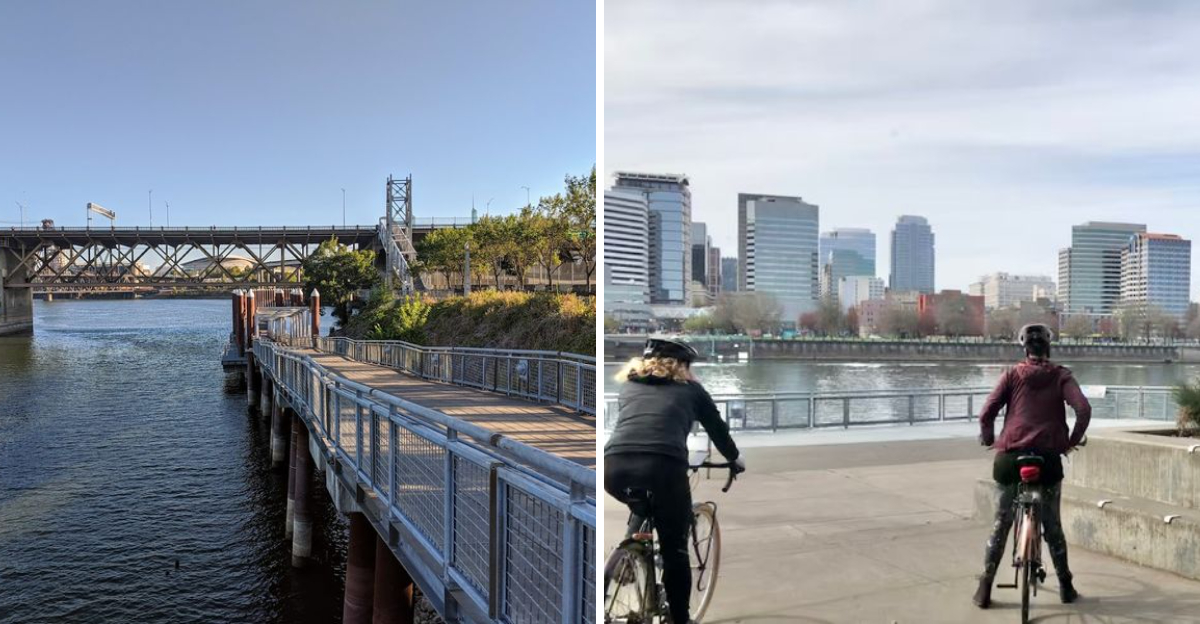
Oregon packs big views into a short 1.5-mile bike path that runs right along the water. I hop on the bike and immediately get hit with fresh air and open space.
The city skyline reflects on the surface nearby.
Every stretch feels like a postcard in motion. One side glows with waterfront calm.
The other shows off the skyline like it’s trying to impress you. Locals cruise it like a daily habit, while I keep slowing down just to stretch the ride a little longer.
It’s short, smooth, and ridiculously scenic. And somehow, a quick ride ends up feeling like a full-on mini escape.
The Floating Walkway That Changes Everything
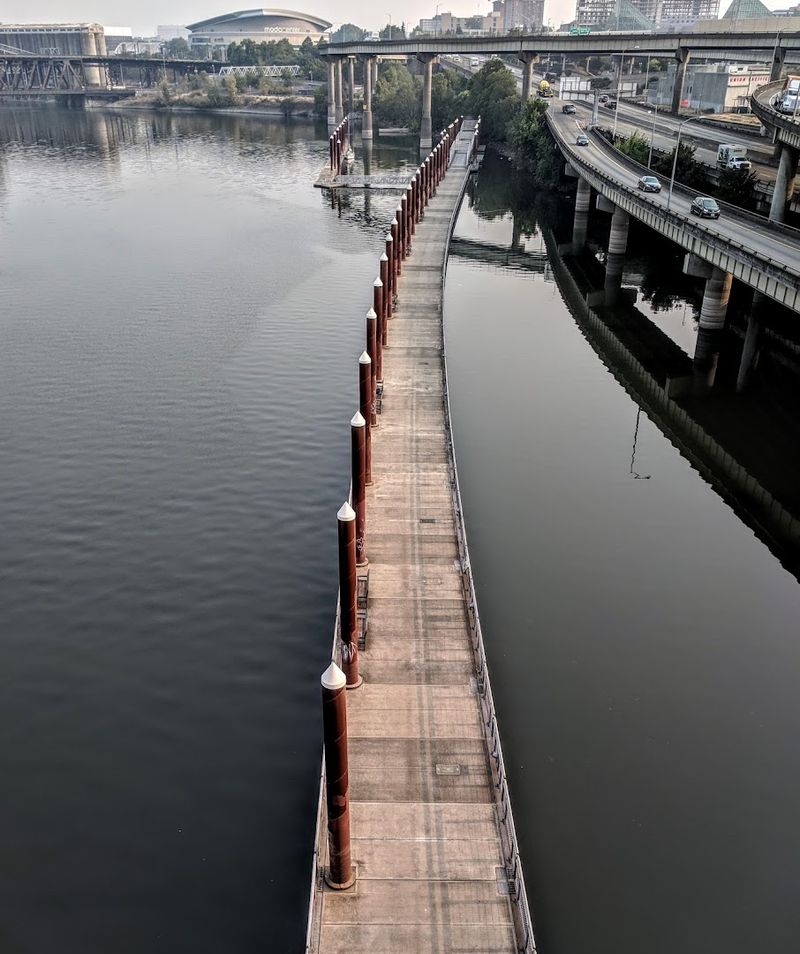
Walking onto the floating section of the esplanade feels like stepping onto a boat that never leaves the dock. The path actually sits on the water.
You can feel a gentle sway beneath your feet as you move along it.
This floating walkway stretches roughly 1,200 feet. It hugs the river in a way that no ordinary sidewalk could.
The Willamette moves just inches below the platform, and that closeness to the water is hard to describe without experiencing it yourself.
Cyclists slow down here almost instinctively. Walkers stop to look over the railing.
The current pulls leaves and small debris past at a relaxed pace, and somehow that motion makes everything feel calmer.
It is one of the longest floating public walkways in the United States. That detail alone makes the Eastbank Esplanade worth visiting.
Most people do not realize what they are standing on until someone points it out, and then the whole experience clicks into something genuinely special.
Portland Skyline Views That Stop You Cold
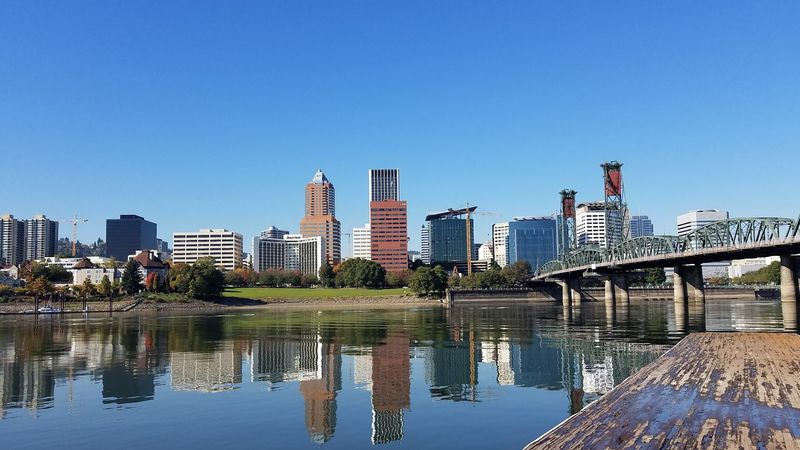
Standing on the east bank and looking west gives you one of Portland’s best skyline moments. The buildings stack up beautifully against the sky.
On clear days, Mount Hood appears faintly in the distance behind the city.
Daytime views are stunning. The skyline reflects off the Willamette with clean, sharp lines.
Nighttime is a completely different kind of beautiful, with lit windows and bridge lights shimmering across the dark water.
Photographers love this spot for a reason. The angle from the east side captures bridges, buildings, and the river all in one frame.
You do not need a fancy camera to get a great shot here.
I stood at the railing for longer than I planned. The skyline kept pulling my attention back.
There is something about watching a city from across the water that makes it feel both close and wonderfully far away at the same time.
Cycling the Full 1.5-Mile Stretch
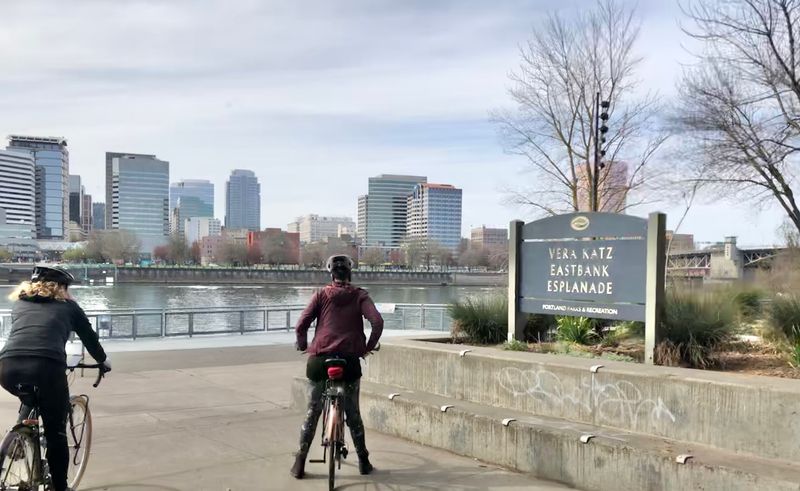
Riding the full esplanade from end to end takes around fifteen minutes at an easy pace. The path is wide, well-paved, and mostly flat.
That combination makes it genuinely enjoyable for riders of all skill levels.
The route runs from the Hawthorne Bridge area north toward the Steel Bridge. Along the way, you pass under the Morrison and Burnside bridges.
Each one frames a slightly different view of the river and city.
Bike traffic can pick up on sunny weekends. Sharing the path with joggers and walkers is part of the deal.
Staying alert and keeping a reasonable speed makes the experience smooth for everyone.
Connecting to Portland’s larger bike network from the esplanade is easy. Riders often use it as a leg of a longer loop that crosses the Hawthorne Bridge and returns along the waterfront on the west side.
That full loop is one of the city’s most satisfying urban rides.
The Vera Katz Statue and Its Story
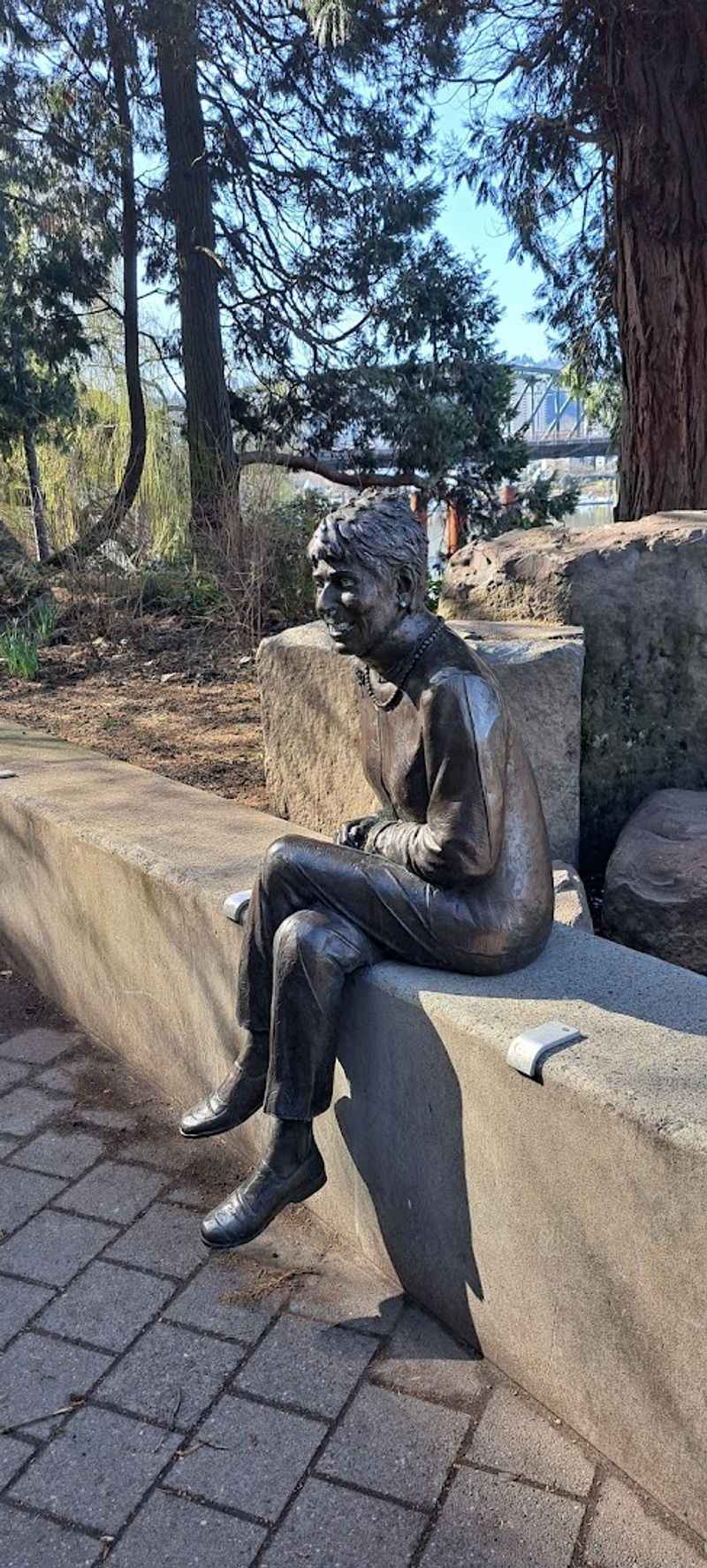
Near the south end of the esplanade, a bronze statue sits on a bench facing the river. It depicts Vera Katz, the former mayor of Portland who championed the creation of this very path.
The likeness is warm and approachable, not stiff or formal.
Vera Katz served as Portland’s mayor from 1993 to 2004. She pushed hard for this esplanade project, and it opened in 2001.
Naming it after her felt like the most natural tribute the city could offer.
Visitors often sit beside the statue for photos. It has become one of Portland’s most charming public art moments.
The setting, right at the edge of the river with the skyline behind, gives the statue a quiet dignity.
Cyclists use the statue as a meeting point before group rides. It is centrally located and easy to find.
Spending a moment here before or after your walk adds a layer of meaning to the whole visit.
Public Art Tucked Along the Path
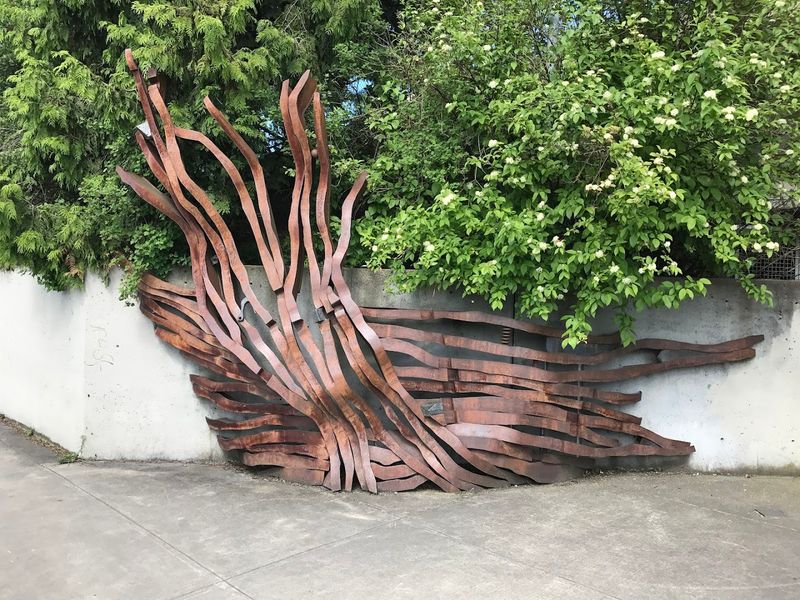
The esplanade is not just a path. It is also an open-air gallery.
Art installations appear at intervals along the route, blending into the landscape rather than demanding attention.
Some pieces respond to the industrial setting. Metal forms and concrete textures echo the bridges and retaining walls nearby.
Others feel softer, more organic, designed to complement the native plantings along the edge.
I noticed one piece that I almost walked past entirely. It was embedded into a low wall, subtle and textured.
Stopping to look more closely made the rest of the walk feel more intentional.
Portland takes public art seriously, and the esplanade reflects that commitment. The works are not decorative afterthoughts.
They were chosen to create a richer experience for everyone who uses the path. Finding each piece feels a little like a treasure hunt, especially on your first visit to the trail.
Native Plants and Riverside Greenery
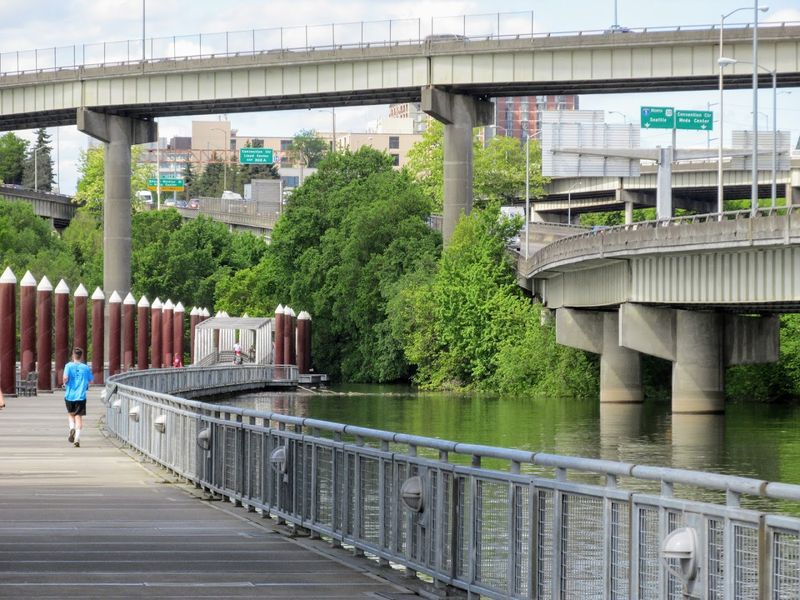
The esplanade is not all concrete and metal. Native plants line stretches of the path, softening the industrial edges with real greenery.
Willows, sedges, and other riparian species grow close to the water’s edge.
These plantings serve a purpose beyond aesthetics. They help stabilize the riverbank.
They also provide habitat for birds and small wildlife, which makes the walk feel more alive than a typical urban trail.
On a quiet morning, you might spot a great blue heron standing motionless in the shallows. Red-winged blackbirds call from the reeds.
The sound of the river mixes with birdsong in a way that feels genuinely natural.
The contrast between the greenery and the city backdrop is part of what makes the esplanade so visually interesting. Wild and urban coexist here without either one winning.
That balance gives the whole path a character that is hard to find anywhere else in Portland.
Bridge Views That Frame the River Perfectly
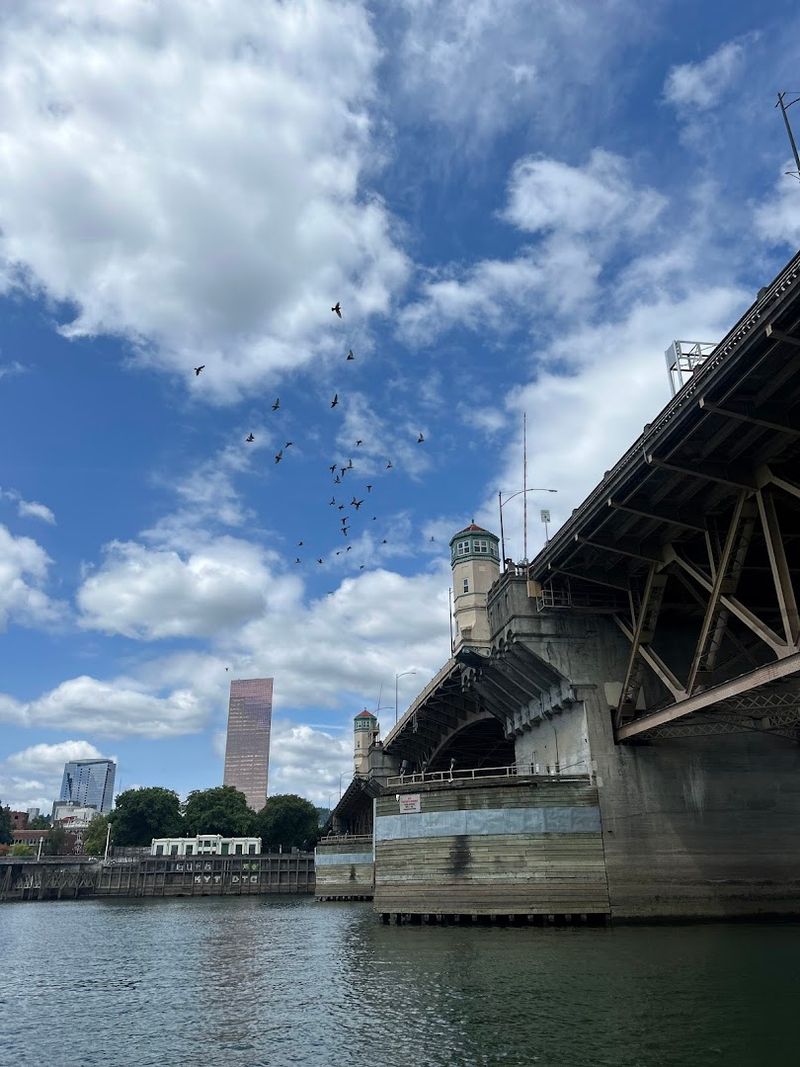
Portland is a city of bridges, and the esplanade puts you right underneath several of them. Walking beneath the Burnside or Morrison bridge gives you a perspective most visitors never get.
The scale is humbling.
Steel and concrete overhead, river below, city on both sides. The bridges feel enormous up close.
Their reflections stretch across the water in long, geometric ribbons of light and shadow.
Each bridge has its own personality. The Hawthorne is older and more ornate.
The Morrison is wide and functional. The Steel Bridge, near the north end of the path, has a distinctive double-deck design that photographers love.
Crossing one bridge and returning via another turns the esplanade into a satisfying loop. Many people do not realize how easy that loop is to complete.
The bridges connect the east and west banks seamlessly, making the whole riverfront feel like one continuous experience rather than two separate paths.
Running, Walking, and Moving at Your Own Pace
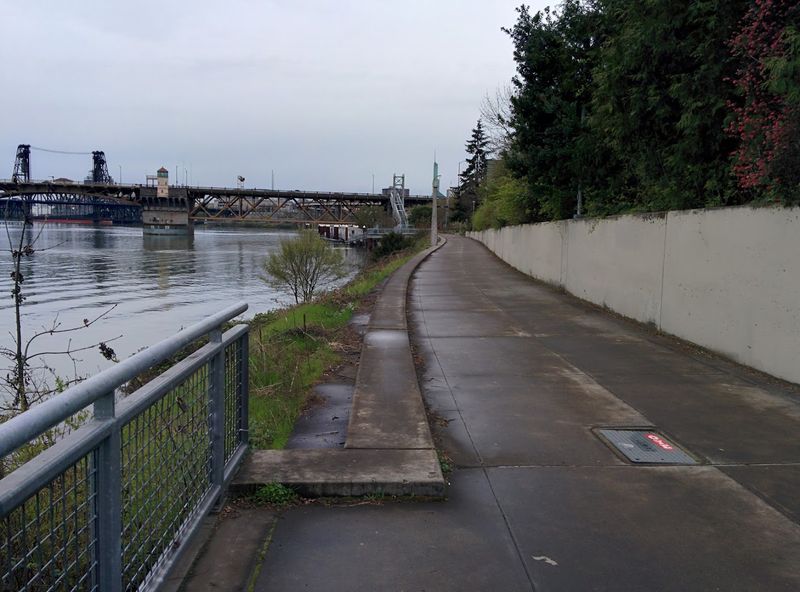
The esplanade works beautifully as a running route. The flat, paved surface is forgiving on joints.
The scenery keeps the miles from feeling like work.
Running groups use this path regularly. Events and charity runs have been organized here because the layout is straightforward and the location is easy to reach.
The path is open twenty-four hours a day, every day of the week.
Walkers move at their own rhythm here. Some stroll slowly, pausing to photograph the skyline.
Others power-walk the full stretch with headphones in and eyes forward. Both approaches feel equally at home on this path.
One tip worth keeping in mind: stay aware of others around you. The path gets busy on sunny days.
Cyclists call out before passing, and pedestrians tend to keep to one side. That shared courtesy is part of what keeps the atmosphere on the esplanade pleasant and genuinely welcoming for everyone.
Kayak Launch and River Access Points
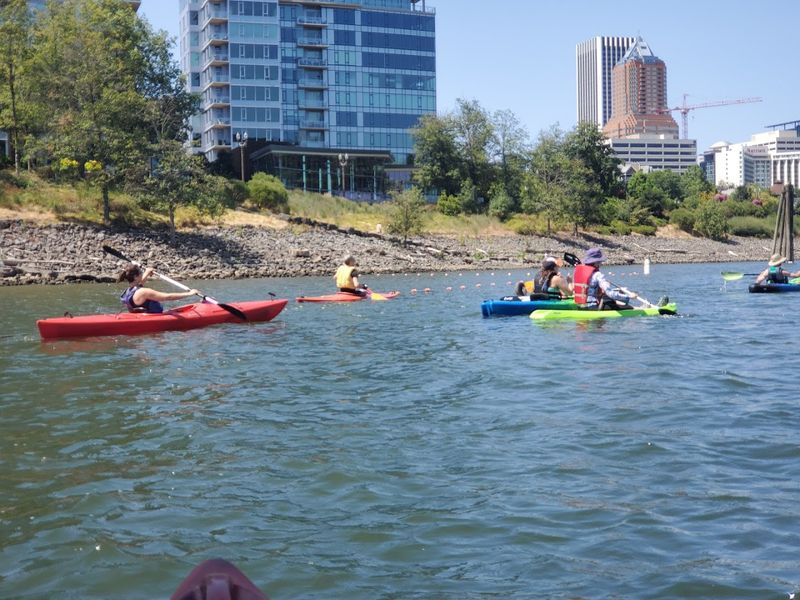
Getting onto the Willamette from the esplanade is easier than most people expect. There are access points along the path where kayakers and small watercraft can put in.
The river is calm enough in this stretch for beginners.
Paddling out from the east bank and looking back at the city is a completely different experience from standing on shore. The skyline spreads wide and low.
The bridges look even more impressive from water level.
The esplanade has attracted a small but enthusiastic paddling community. People arrive with folding kayaks, inflatable boards, and traditional canoes.
The variety of watercraft on the river on a warm weekend is entertaining to watch from the path above.
There is something freeing about launching from a city park directly into a major river. The Willamette is not wild, but it moves with purpose.
Even a short paddle out and back gives you a completely fresh perspective on Portland and its relationship with its waterway.
Community Energy and Local Life on the Path
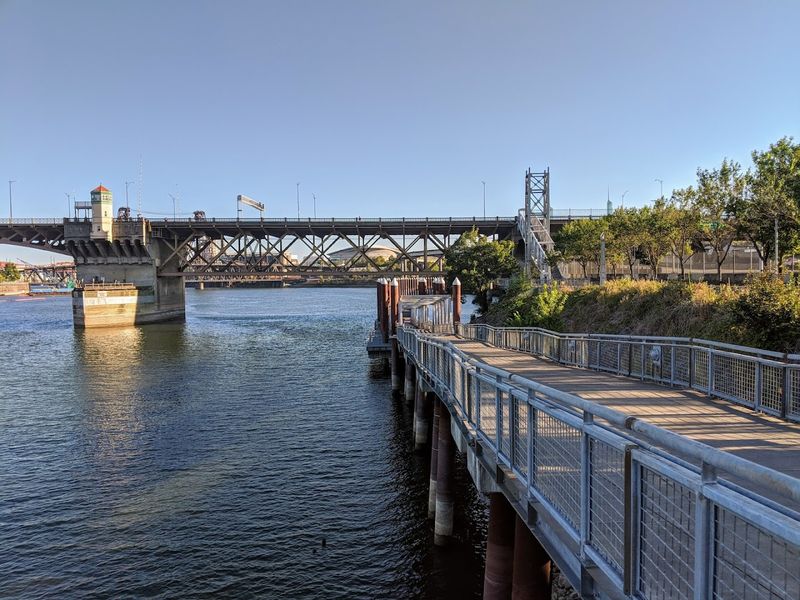
The esplanade has a pulse. It is not just a trail.
It is a gathering place where Portland’s community shows up in all its variety and keeps showing up, week after week.
Drum circles have happened here on Sunday evenings. Group rides depart from near the Vera Katz statue on a regular basis.
Skaters use the parking lot nearby, and the energy spills onto the path in the best possible way.
Volunteer events and community runs have used the esplanade as their home base. The location is central, accessible, and open to everyone at all hours.
That accessibility is part of what makes it feel genuinely democratic as a public space.
The industrial edge of the east bank, concrete walls and metal fences, gives the esplanade a grittier character than the manicured west side. That rawness feels honest.
It matches the city’s personality in a way that polished parks sometimes do not. Portland lives here, and you can feel it.
Address: SE Water Ave & SE Hawthorne Blvd, Portland, OR 97239
Dear Reader: This page may contain affiliate links which may earn a commission if you click through and make a purchase. Our independent journalism is not influenced by any advertiser or commercial initiative unless it is clearly marked as sponsored content. As travel products change, please be sure to reconfirm all details and stay up to date with current events to ensure a safe and successful trip.
