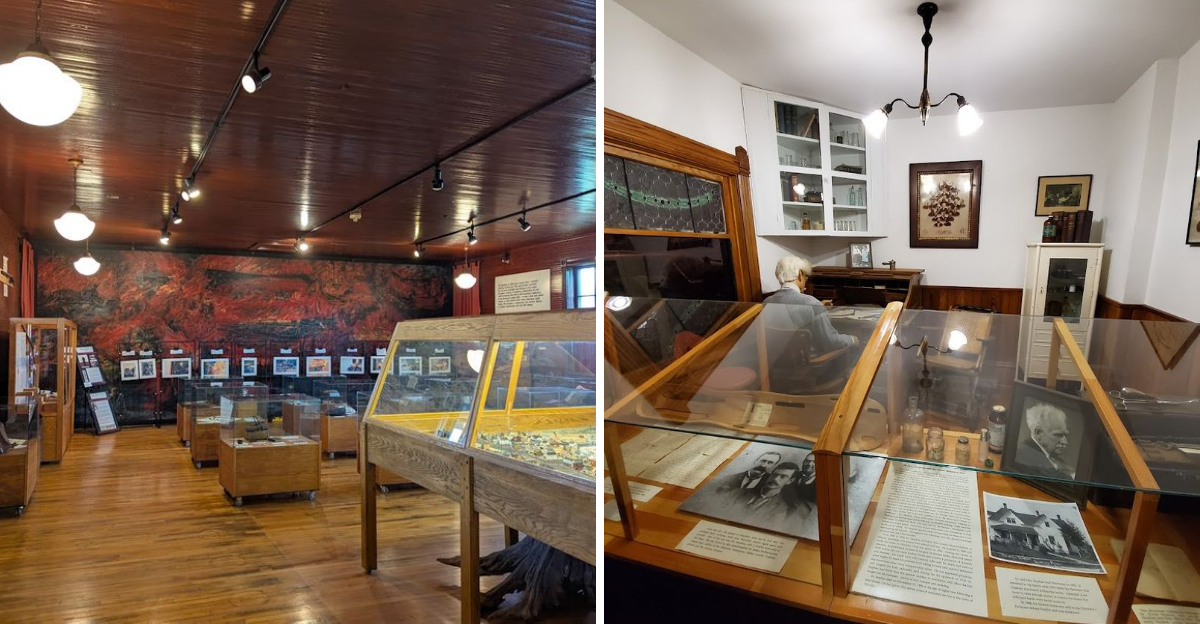
Old train depots usually have stories, but this one carries a particularly powerful and haunting tale. Built in 1895, it stands as a testament to survival after a catastrophic fire consumed the original structure.
The plans were pulled from the archives and used again, giving this building a second chance at life. You step inside and feel the weight of history, from the ticket windows to the waiting benches.
The museum tells the story of the great Hinckley fire, one of the deadliest in American history. Survivors fled by train and took shelter in rivers, their stories preserved through photographs and personal accounts.
The depot itself serves as a symbol of resilience, rising from the ashes like a phoenix. You will walk through exhibits that detail the fire’s path and the heroism that followed.
Minnesota has a deep appreciation for its past, and this museum honors it with dignity and care. It is a place that reminds us how fragile and strong communities can be.
The 1894 Great Hinckley Fire: A Catastrophe That Changed Minnesota Forever
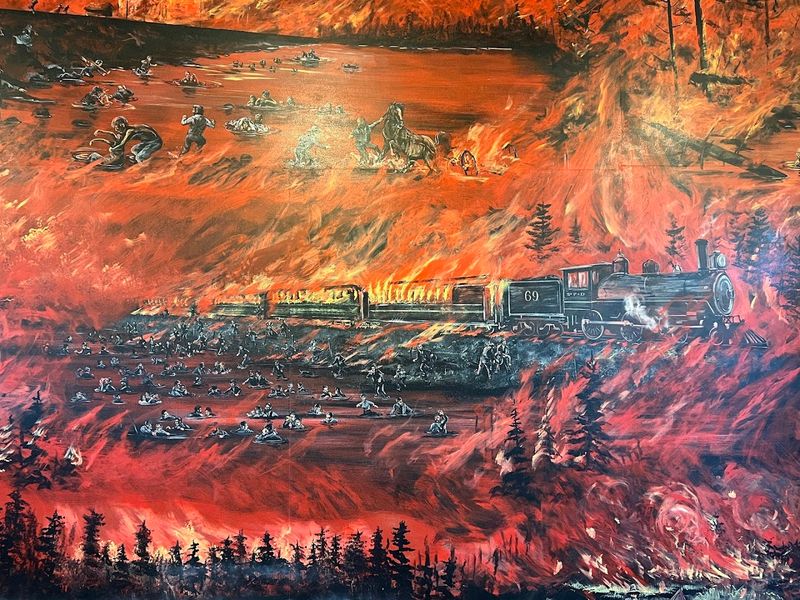
Stepping inside the Hinckley Fire Museum, the first thing that hits you is the sheer scale of what happened here on September 1, 1894. A firestorm tore through this region with terrifying speed and force.
It consumed everything in its path within just a few hours.
The fire stretched roughly four miles high into the sky and moved faster than most people could run. Dry summer conditions and logging debris had turned the surrounding forests into a massive tinderbox waiting to ignite.
Nobody in town was fully prepared for what came next.
More than 400 lives were lost that single afternoon, making it one of the deadliest fire disasters in American history. The museum captures this tragedy through layered exhibits that feel personal and grounded.
Artifacts, photographs, and timelines walk you through every terrifying hour of that day. Leaving this section, I felt a deep respect for everyone who lived through it.
The Depot Rebuilt From the Same Blueprints as the Original
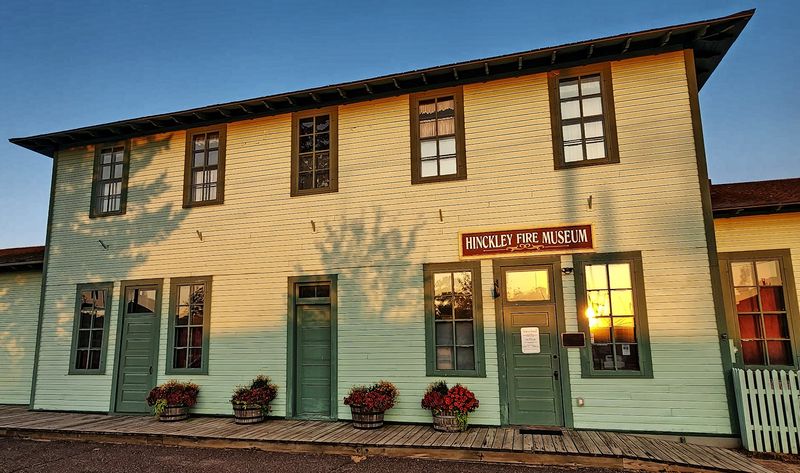
There is something quietly remarkable about standing inside a building designed to mirror the one destroyed by disaster. The current depot was constructed in 1895 using the original blueprints from the station that burned down the year before.
That decision was both practical and deeply symbolic.
Railroad officials wanted to restore normal operations as quickly as possible after the fire. Using familiar plans helped speed up construction and gave survivors a recognizable landmark in a town still healing from enormous loss.
The rebuilt depot served as a working train station for decades before becoming a museum.
Looking around the interior today, you can see architectural details typical of late 19th-century railroad design. The wooden beams, the windows, and the overall layout feel authentically preserved rather than recreated.
It genuinely transports you back to a time when rail travel was the lifeblood of small Minnesota towns. The building itself tells its own story before you even glance at a single exhibit.
The Documentary Film That Sets the Tone for Everything
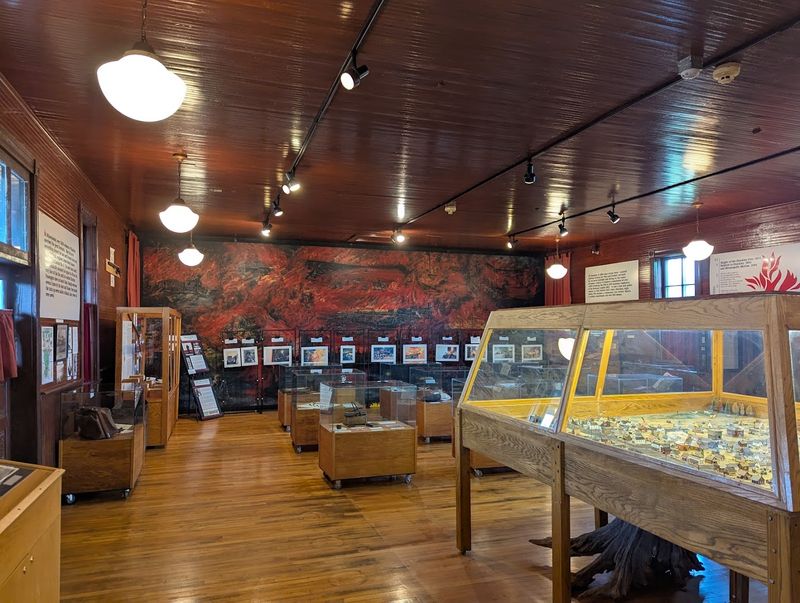
Before exploring the full museum, visitors are invited to watch a short documentary film about the Hinckley Fire. I was not expecting much, honestly, but the film completely pulled me in from the first frame.
It sets an emotional foundation that makes everything else in the museum hit harder.
The footage blends historical photographs, narration, and period accounts to reconstruct the timeline of September 1, 1894. It covers the conditions leading up to the fire, the chaos of that afternoon, and the survival stories that followed.
The pacing is steady and respectful, never sensational.
Staff members alert visitors when the film is about to begin, so nobody misses it. That small detail speaks to how much the museum values the experience of each person walking through.
Watching together with other visitors creates a shared moment of reflection that lingers well after you leave the screening area. It is genuinely one of the most effective short films I have seen inside any local museum.
Artifacts That Survived the Unthinkable Heat
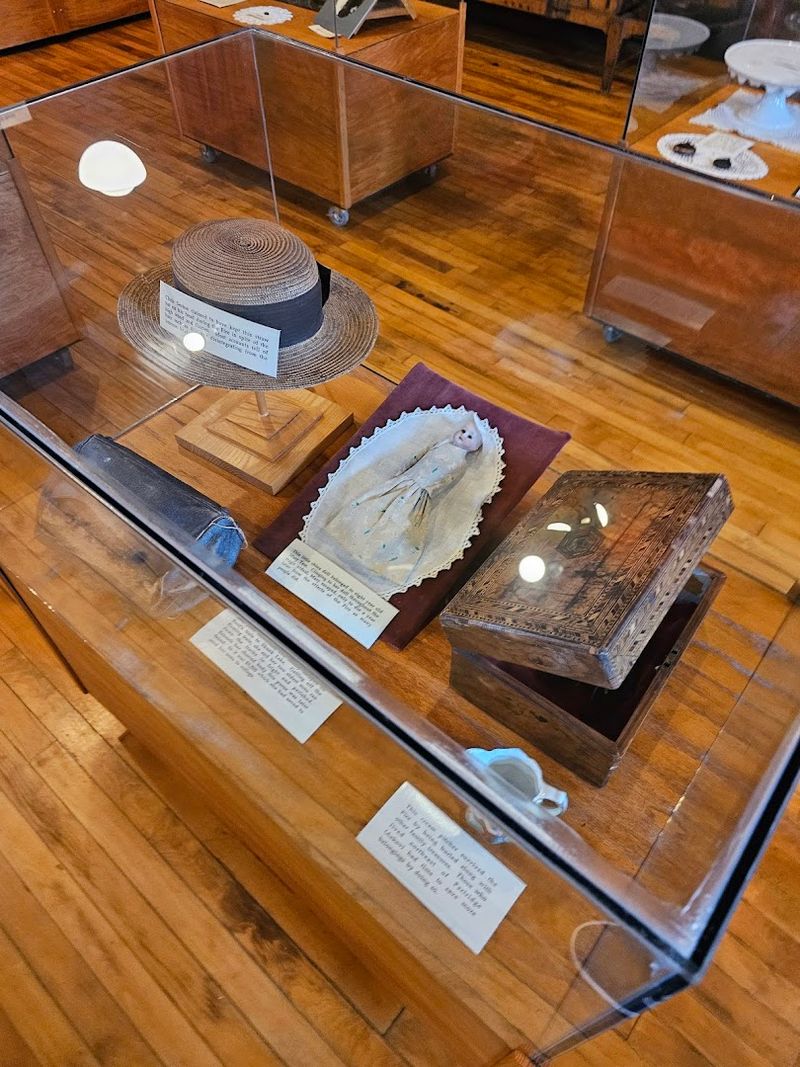
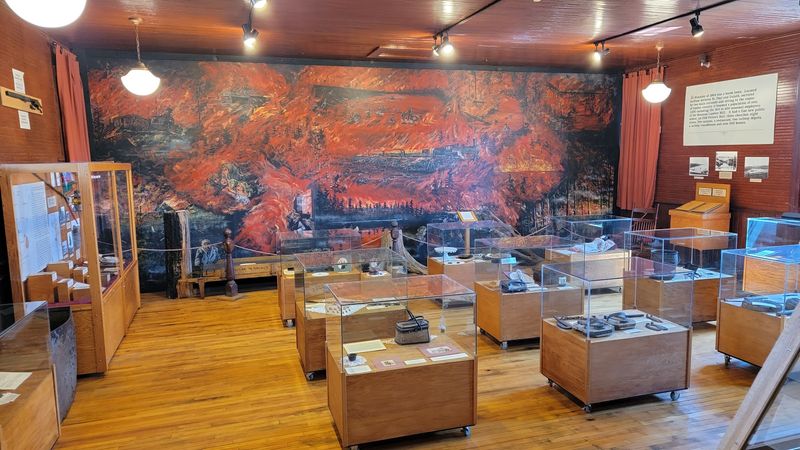
One exhibit stopped me longer than any other inside the museum. A collection of everyday objects that somehow survived the Hinckley Fire sits behind display glass, each item warped, scorched, or fused by extraordinary heat.
Seeing a melted spoon or a blackened household tool makes the fire feel shockingly real.
These are not dramatic relics or famous objects. They are the kinds of things anyone would have owned in 1894, ordinary items made extraordinary by what they endured.
That ordinariness is exactly what makes them so affecting and hard to look away from.
Some visitors have mentioned that a faint smoky smell still clings to certain remnants on display, adding a sensory layer that photographs simply cannot replicate. The museum does an excellent job of presenting these artifacts with context rather than just placing them on shelves.
Each piece is accompanied by enough information to understand its significance without overwhelming you with text. This section alone is worth the trip to Hinckley.
The Upstairs Living Quarters Frozen in Time
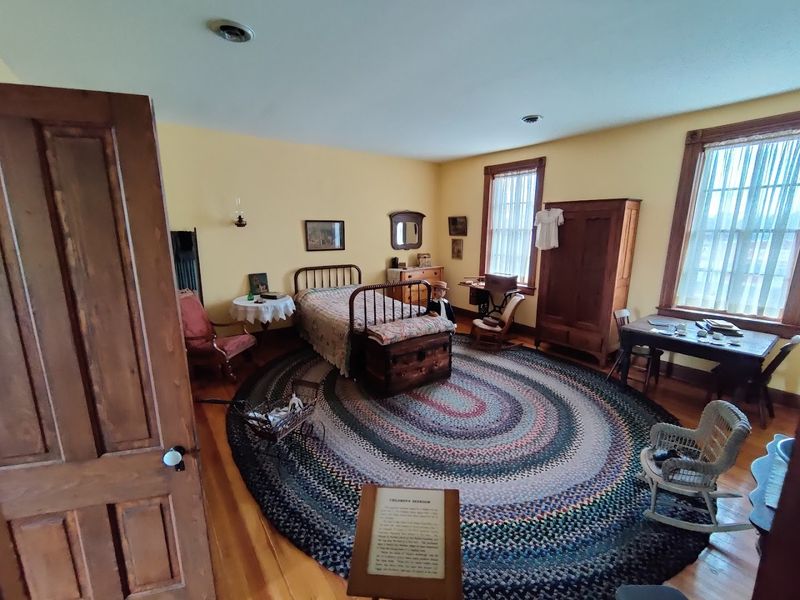
Climbing the stairs inside the depot leads to one of the most talked-about parts of the entire museum. The upstairs living quarters have been restored and decorated to reflect everyday life in the 1890s, and the attention to detail is genuinely impressive.
It feels less like a museum display and more like stepping into someone’s actual home.
Furniture, textiles, and personal objects are arranged the way they might have been on an ordinary day before the fire ever happened. The rooms carry a quiet, almost tender quality that stands apart from the more sobering exhibits downstairs.
There is warmth here that catches you off guard after processing so much loss.
Several visitors describe this section as their favorite part of the whole experience, and I completely understand why. It humanizes the era in a way that statistics and timelines cannot.
Seeing a neatly made bed or a small table set for a meal reminds you that real families built their lives in this region. That reminder is powerful and stays with you long after leaving.
The Friendly and Knowledgeable Volunteer Staff
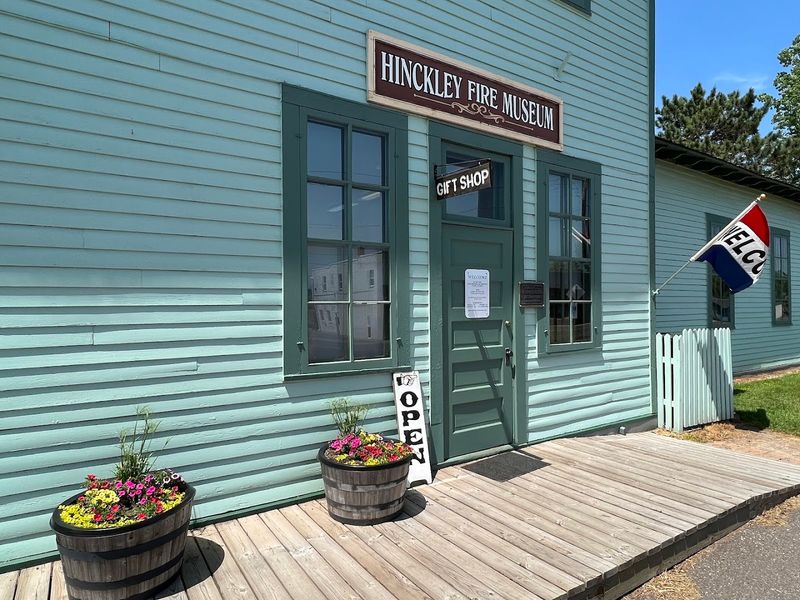
Walking into the Hinckley Fire Museum, one of the first things you notice is how genuinely welcoming the staff are. Volunteers greet visitors with real enthusiasm and make sure everyone knows about every exhibit and upcoming film showing.
That kind of attentiveness is rare and refreshing.
Several visitors have specifically mentioned a volunteer named Carl, who apparently has a gift for making the history feel alive and personal. Locals staffing a museum about their own community’s tragedy bring a depth of connection that no hired guide could easily replicate.
You get the sense that these volunteers actually care whether you leave understanding what happened here.
On slower days, some visitors have even received personal tours that went well beyond what a typical museum visit offers. Questions are welcomed rather than tolerated, and conversations can stretch into genuinely fascinating territory about the region’s broader history.
If you visit and have the chance to chat with a staff member, take it. Those conversations add a layer to the experience that no exhibit panel can fully provide.
Newspaper Articles and Written Records From the Fire’s Aftermath
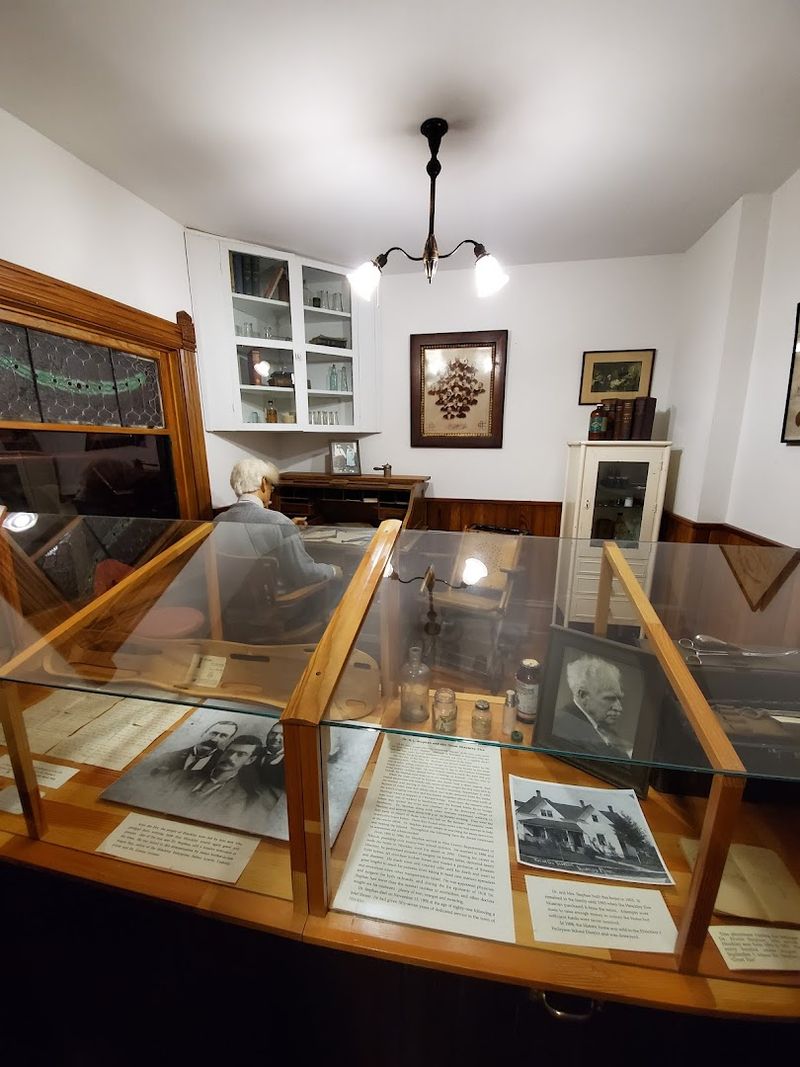
History takes on a different texture when you read it in the words of people who actually lived through it. The museum’s collection of newspaper articles published in the days and weeks after the Hinckley Fire offers exactly that kind of raw, immediate perspective.
The headlines alone are striking.
Reporters from across the country covered the disaster, and the language they used reflects the shock of a nation trying to process what had happened in this small Minnesota town. Reading those accounts inside the very building modeled after the one destroyed creates a layered, almost cinematic experience.
The exhibits present these written records thoughtfully, giving visitors enough context to understand the broader national reaction alongside the local human toll. Some articles focus on the rescue efforts, while others document the relief supplies that poured in from distant cities.
Together, they paint a picture of a community that captured the attention and sympathy of an entire country. This section rewards slow, careful reading rather than a quick glance.
The Mass Grave and Memorial Site Nearby
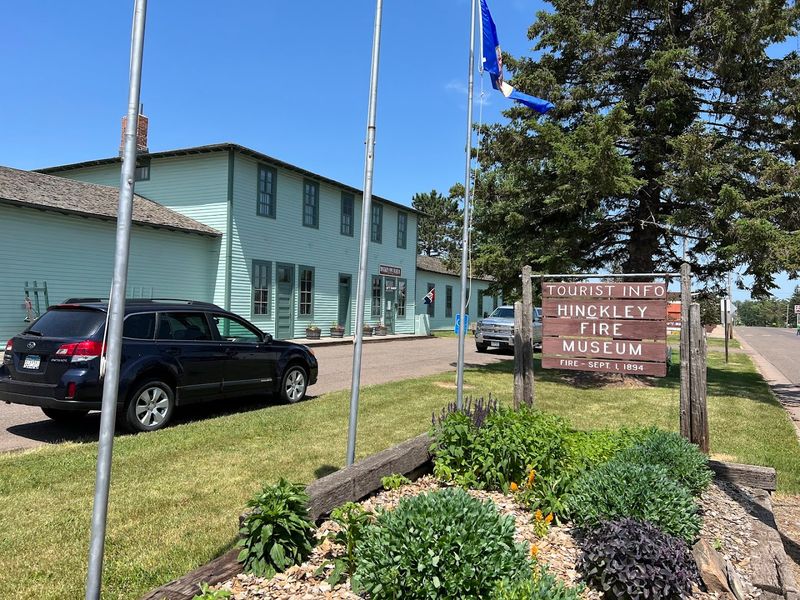
The museum experience does not end when you walk back out through the depot doors. Just a short distance away sits the mass grave where more than 250 victims of the Hinckley Fire were buried together.
Visiting that site after touring the museum adds a dimension of reflection that is hard to put into words.
The cemetery is quiet and well maintained, with a monument marking the grave and honoring those who lost their lives on September 1, 1894. Standing there after absorbing the exhibits inside the museum, the numbers stop feeling like statistics and start feeling like neighbors, parents, and children.
The shift in perspective is profound.
Multiple museum visitors strongly recommend making this stop part of your visit, and I would echo that completely. It takes only a few minutes to reach and just a short while to take in, but the emotional impact stays with you for much longer.
The memorial and the museum together create a complete picture of the disaster and its human cost that neither could fully achieve alone.
The Gift Shop and Its Thoughtfully Curated Offerings
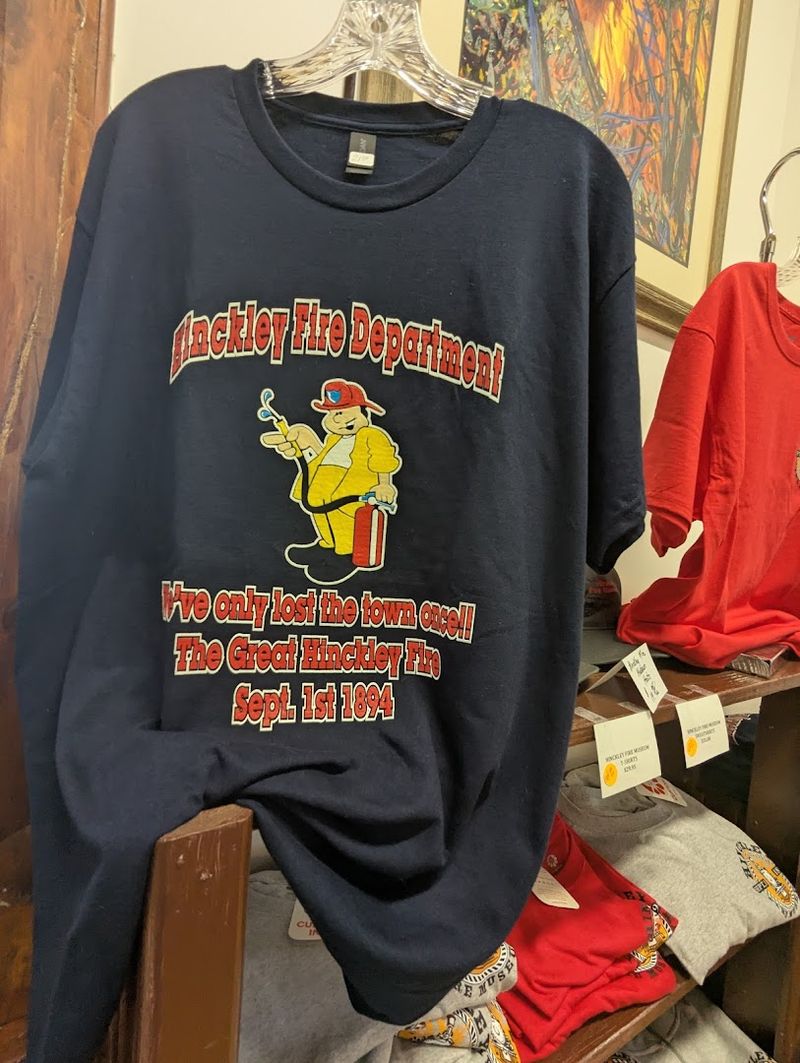
Museum gift shops can feel like afterthoughts, but the one at the Hinckley Fire Museum genuinely earns its place. The selection is thoughtfully curated around the history of the fire and the broader story of the region.
Browsing it feels like a natural extension of the exhibits rather than a commercial detour.
Books about the Hinckley Fire sit alongside postcards, locally produced items, and historical memorabilia that make for meaningful souvenirs. Several visitors have noted that the prices are reasonable, which is a welcome contrast to the overpriced gift shops common at larger attractions.
Picking up something here feels like supporting a place that actually matters to its community.
I ended up spending more time in the gift shop than I planned, partly because the reading material on offer was genuinely interesting. A few of the books available go deeper into the history than the exhibits can cover, making them a great way to continue learning after your visit ends.
The gift shop reflects the same care and intentionality that runs through the entire museum experience.
Planning Your Visit to the Hinckley Fire Museum
The Hinckley Fire Museum is open Thursday through Sunday from 10 AM to 5 PM, so planning ahead ensures you do not arrive on a closed day. It sits right off Old Highway 61 South, making it easy to find whether you are heading north toward Duluth or looping back toward the Twin Cities.
The drive itself through this part of Minnesota is scenic and worth slowing down for.
Budget at least an hour to an hour and a half to take in everything comfortably, including the film, exhibits, upstairs rooms, and gift shop. The museum is smaller than it might look from the outside, but it is packed with more depth than many much larger institutions.
Visitors consistently report leaving surprised by how much there was to absorb.
Hinckley itself has a few good spots to grab a meal before or after your visit, so consider making a half-day of the whole stop.
