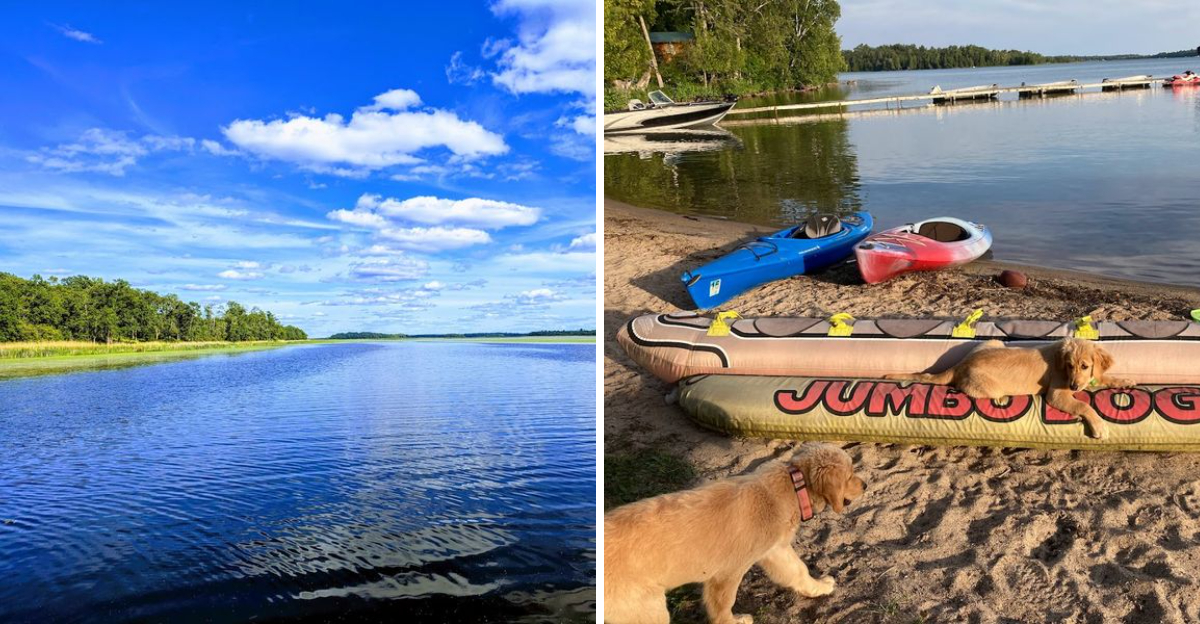
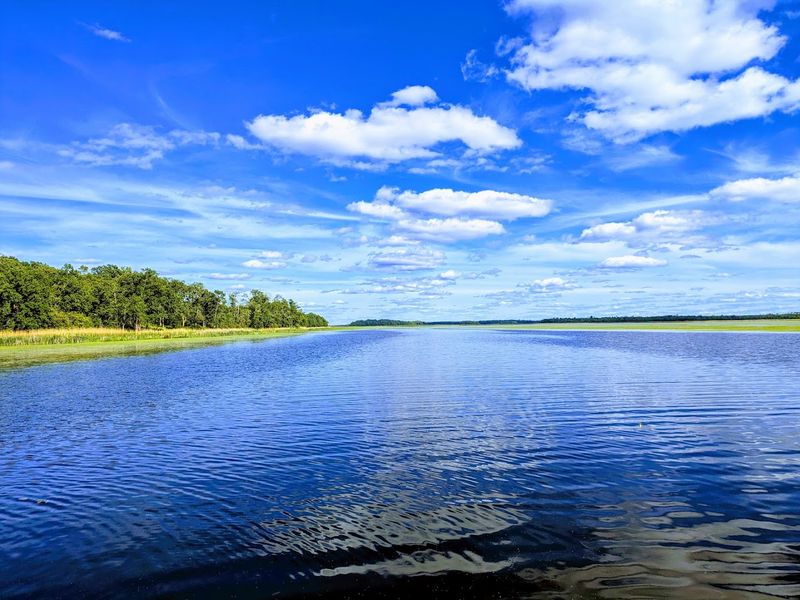
Crystal clear water sparkles under the sun like a tropical postcard planted right in the middle of the north. I stood at the water’s edge and could see every rock and shadow on the sandy bottom below.
Minnesota has a stunning lake nicknamed the Little Bahamas of the North and the name actually makes perfect sense in person. The shoreline stretches for miles with sandy beaches and pine trees framing the view like a painting.
I waded into the cool water and watched my toes disappear through the clear lens of absolute transparency. Minnesota really hides a gem where the water quality rivals any island destination without requiring a plane ticket or passport.
The lake is clean and quiet and perfect for swimming or paddling on a warm summer afternoon. I watched a family float on inflatable rafts while their laughter echoed across the calm surface like happy music.
The sun sparkled on the water and the whole scene felt almost too beautiful to be real. You leave with photos that look edited and a new appreciation for Minnesota’s hidden tropical treasures.
The Crystal Clear Water That Started the Legend
Some lakes look pretty from a distance but disappoint up close. Deer Lake is the opposite.
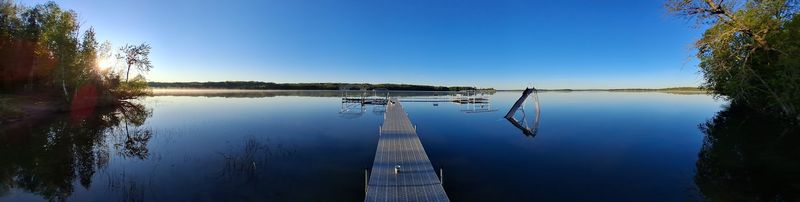
The water here is genuinely, strikingly clear. You can see straight down to the sandy bottom even in the deeper sections near the middle of the lake.
The clarity comes from a combination of natural spring-fed sources and the lake’s healthy aquatic ecosystem. It is the kind of water that tricks your brain into thinking you are somewhere tropical.
The blue-green color shifts depending on the light.
Morning light turns it a soft turquoise. Midday sun makes it sparkle like glass.
Swimmers love it because there is no murky guesswork about what is beneath their feet. Kayakers can look straight down while paddling and watch fish move below them.
That visibility is rare in Minnesota. It is the single biggest reason Deer Lake earned its famous nickname, and it is the first thing every first-time visitor talks about after their trip.
Miles of Shoreline Worth Every Step
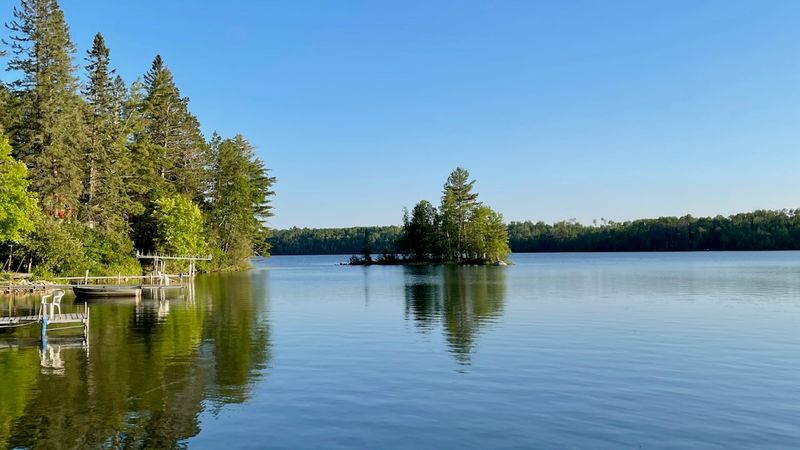
Walking the shoreline of Deer Lake is genuinely one of the best ways to spend a slow afternoon here. The lake covers a large surface area, and the shoreline winds through sandy stretches, rocky points, and wooded edges.
Each bend feels like a new discovery.
I noticed how the shoreline changes character every few hundred feet. One spot is open and sandy, great for kids playing in shallow water.
The next is shaded by old pines with roots dipping into the lake. It never gets boring.
Families set up beach chairs and umbrellas along the calmer sections. Anglers cast lines from rocky outcroppings.
Trail walkers follow the tree line where it hugs the water’s edge. The sheer length of the shoreline means it never feels crowded.
Even on a warm weekend, you can find a quiet patch of shore to call your own. That kind of space is hard to find at popular lakes.
Why the Little Bahamas Nickname Actually Fits
The nickname Little Bahamas of the North gets tossed around a lot in Minnesota lake country. Deer Lake, though, has actually earned it.
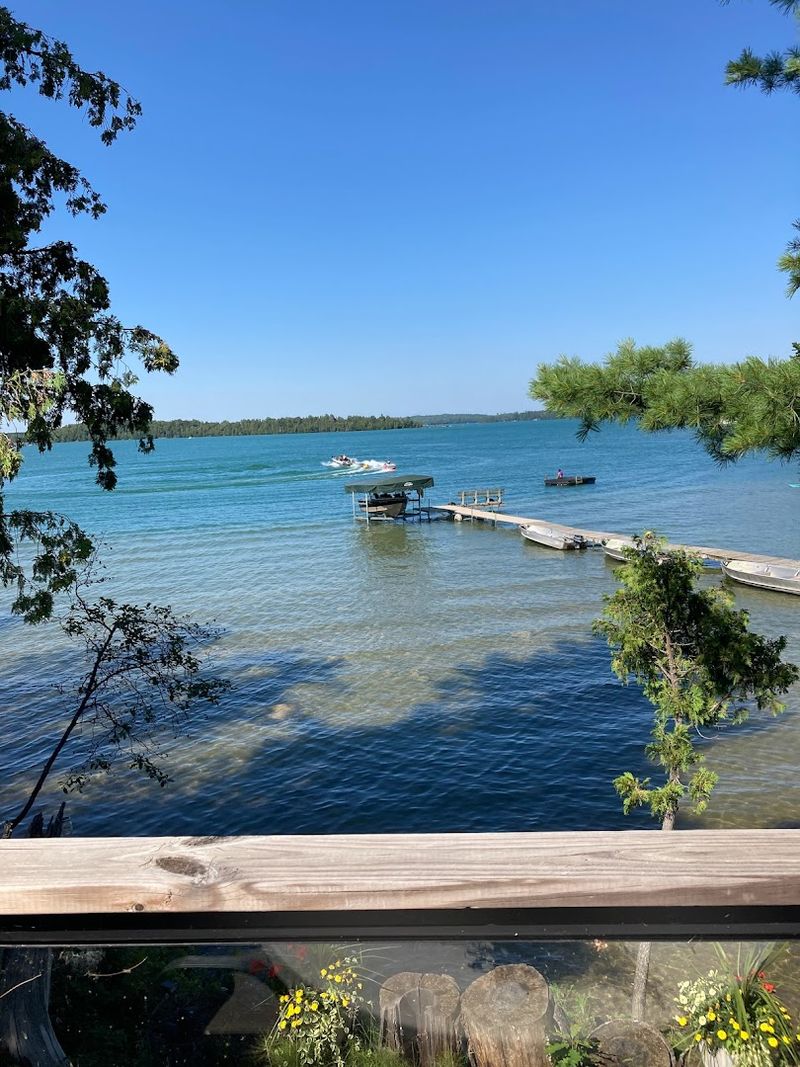
The combination of turquoise-tinted water, sandy bottom, and long stretches of open shoreline creates a visual that genuinely resembles a tropical destination.
It is not just a marketing phrase. People who visit and have also been to the Caribbean say the color comparison holds up, at least in the shallows.
The sandy lake bottom reflects sunlight in a way that produces that warm blue-green glow.
Add in the fact that summer temperatures in Minnesota can climb into the high eighties, and the illusion gets even stronger. You are floating in warm, clear water, surrounded by blue sky and green trees, and it is easy to forget you are in Itasca County.
The nickname has stuck because Deer Lake consistently delivers that visual surprise. First-time visitors almost always reach for their phones immediately to take photos.
Swimming Spots That Feel Like Hidden Gems
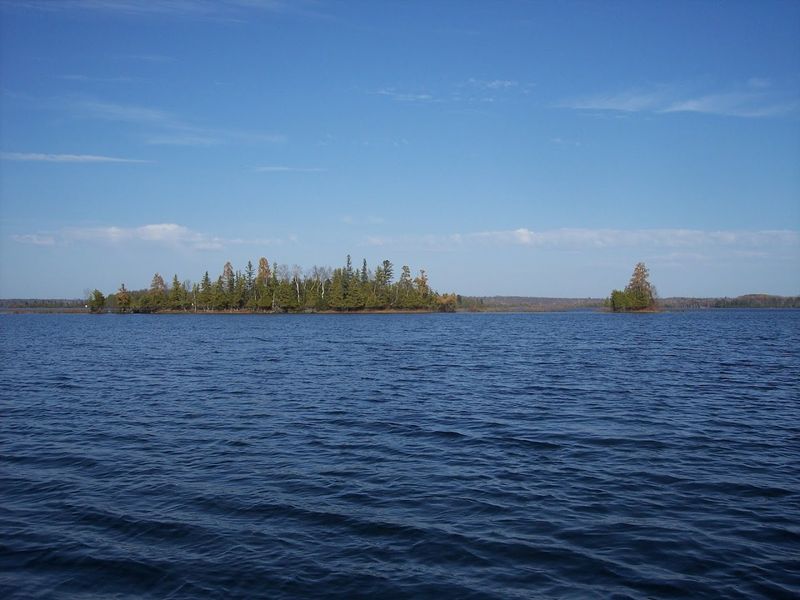
Swimming at Deer Lake is a highlight that draws visitors back year after year. The water warms up nicely by midsummer.
The sandy bottom makes entry gradual and comfortable, which is perfect for families with young kids.
There are several natural swimming areas along the lake where the water stays shallow for a good stretch before dropping off. Kids can wade out far without the water reaching their shoulders.
Adults appreciate the clean feel of the water, no slimy weeds underfoot, no murky surprise depths.
The visibility underwater makes the whole experience more relaxing. You can see exactly where you are stepping and what is around you.
It removes that nervous guesswork that comes with darker lake water. On hot July afternoons, the lake surface shimmers and the cool water is an immediate relief.
Locals know the best entry points and often have their favorite spots they return to every season. Newcomers tend to find their own favorites quickly too.
Fishing on Deer Lake and What You Might Catch
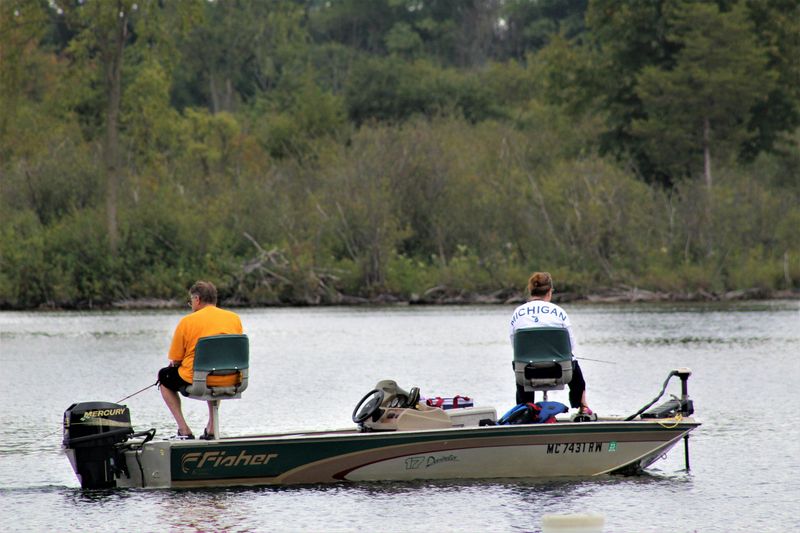
Fishing on Deer Lake is a serious pursuit for a lot of visitors. The lake holds a healthy population of walleye, northern pike, bass, and panfish.
Anglers come from across the region specifically to fish these waters.
Early morning is the best time to get out on the water. The lake is calm, the mist sits low over the surface, and the fish are active near the shallows.
Casting near weed edges and rocky points tends to produce the most action. Walleye are the most sought-after catch here.
Evening fishing is equally productive. The light fades slowly in northern Minnesota summers, giving anglers long windows of prime fishing time.
Boat rentals are available nearby for those who do not bring their own. Shore fishing is also possible from several points along the lake.
The clear water actually helps anglers spot fish and adjust their approach. It adds a visual element to fishing that most murky lakes simply cannot offer.
Kayaking and Canoeing the Calm Open Water

Paddling on Deer Lake is one of those experiences that feels almost meditative. The water is calm most mornings, and the lake is large enough to explore without feeling confined.
I paddled out past the first point and the shoreline opened up in a way I did not expect.
The clear water beneath the kayak creates a strange, beautiful sensation. You can watch the bottom shift from sandy flats to deeper water as you move away from shore.
Schools of small fish scatter as the paddle enters the water. It is endlessly entertaining.
Canoes work beautifully here too. The lake does not get choppy until afternoon winds pick up, so morning paddles are smooth and easy.
Families with kids can handle the water without much paddling experience. The shoreline offers plenty of places to pull up and take a break on sandy patches.
Bringing a small cooler and spending the whole morning out on the water is absolutely the move here.
Camping Near the Lake and Sleeping Under the Stars
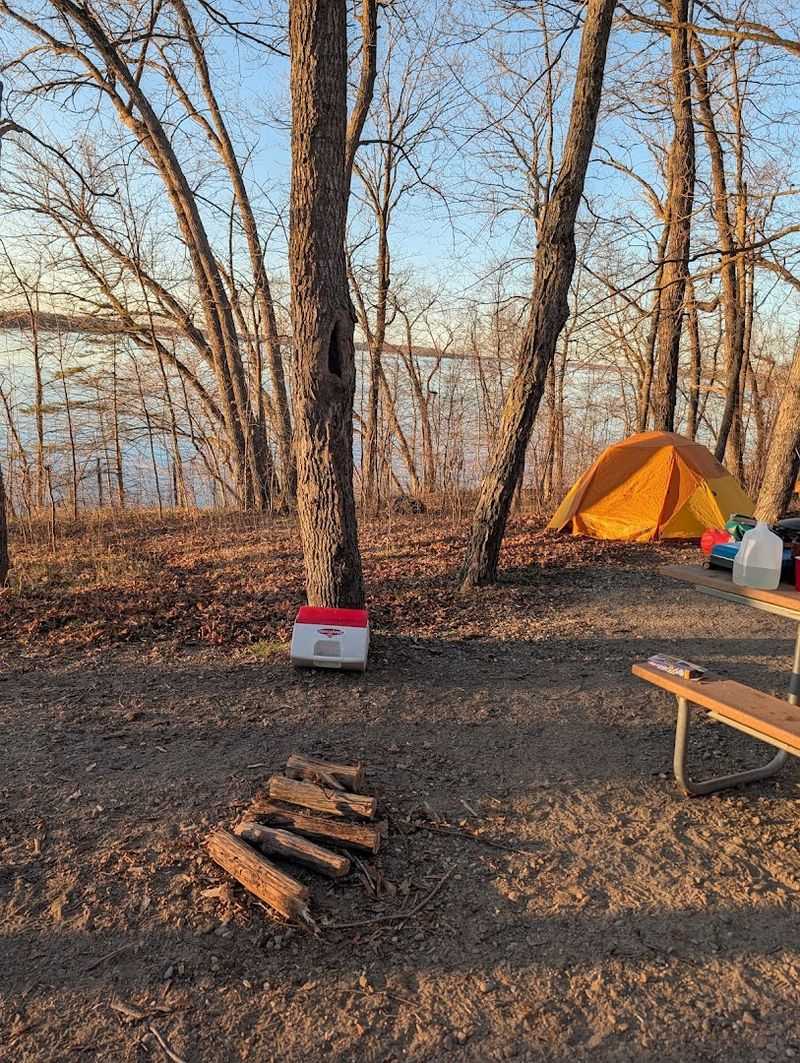
Staying overnight near Deer Lake is a completely different experience from a day trip. The north woods settle into a deep quiet after dark that is hard to describe.
Crickets, loons calling across the water, and the occasional rustle in the trees become your entire soundtrack.
Campgrounds in the Itasca County area provide access to the lake and surrounding forests. Sites range from basic tent pads to spots with electric hookups for RVs.
Booking ahead in summer is strongly recommended. Sites fill up fast during peak season.
Waking up steps from the water and watching the morning fog lift off the lake is genuinely one of the best ways to start a day. Coffee tastes better outdoors, and breakfast cooked over a camp stove hits differently when the pine air is fresh and cool.
Night skies in this part of Minnesota are spectacular. Light pollution is low, and on clear nights the stars are thick and bright across the whole sky above the lake.
Wildlife Around Deer Lake Worth Watching For
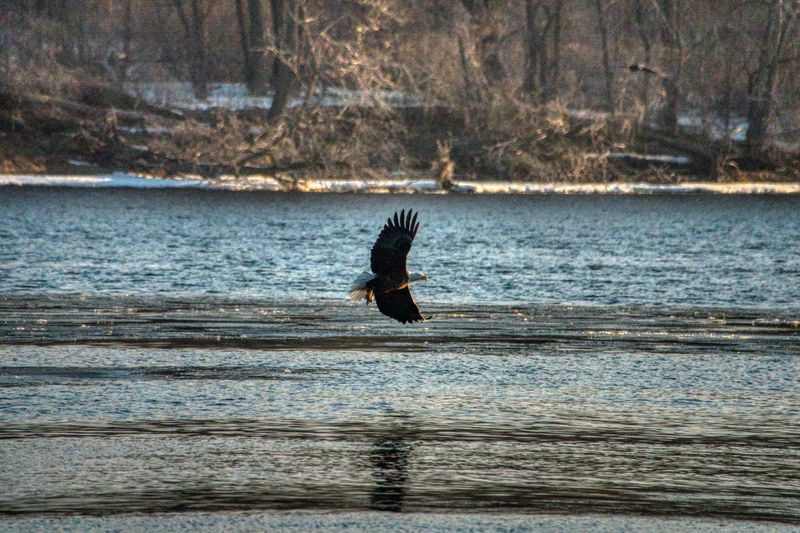
The wildlife around Deer Lake is part of what makes this place feel alive. Loons are almost always present on the water, and their haunting calls echo across the lake especially in the early morning.
Spotting a loon dive and resurface is a small thrill every time.
Bald eagles nest in the tall pines along the shoreline. They are seen regularly soaring above the lake or perched on high branches scanning the water below.
Great blue herons stalk the shallows near the reedy edges. White-tailed deer appear at dusk along the tree lines.
Otters have been spotted playing along the quieter sections of shore. Osprey dive for fish with impressive precision.
The variety of wildlife here is genuinely impressive for a single lake visit. Bringing binoculars adds a whole new layer to any trip.
Even kids who are not typically interested in nature tend to get hooked once they spot an eagle or watch a loon disappear underwater. The lake feels wild in the best possible way.
The Surrounding Itasca County Landscape
Deer Lake does not exist in isolation. It sits within the broader landscape of Itasca County, one of the most lake-dense counties in all of Minnesota.
The surrounding forests are thick with birch, pine, and aspen. Roads wind through the trees in a way that makes every drive feel like an adventure.
The county is home to hundreds of lakes, but Deer Lake stands out because of its exceptional water clarity. Driving around the area reveals how connected everything feels.
One lake leads to another. Forests fill the gaps between them.
Itasca State Park, home to the headwaters of the Mississippi River, is also nearby. That adds a significant historical and natural dimension to any visit to the area.
You can spend a week exploring and still not cover everything. The landscape here is genuinely varied.
Wetlands, upland forests, river corridors, and open lakes all sit within a short drive of Deer Lake. It makes the lake feel like a hub rather than just a single destination.
Best Times to Visit Deer Lake and What to Expect
Timing a trip to Deer Lake matters more than most people realize. Summer is peak season, running from late June through August.
The water is warmest, the days are longest, and the energy around the lake is at its highest. July is the most popular month.
Early summer brings cooler water but fewer crowds. Late August offers warm water with noticeably quieter weekends.
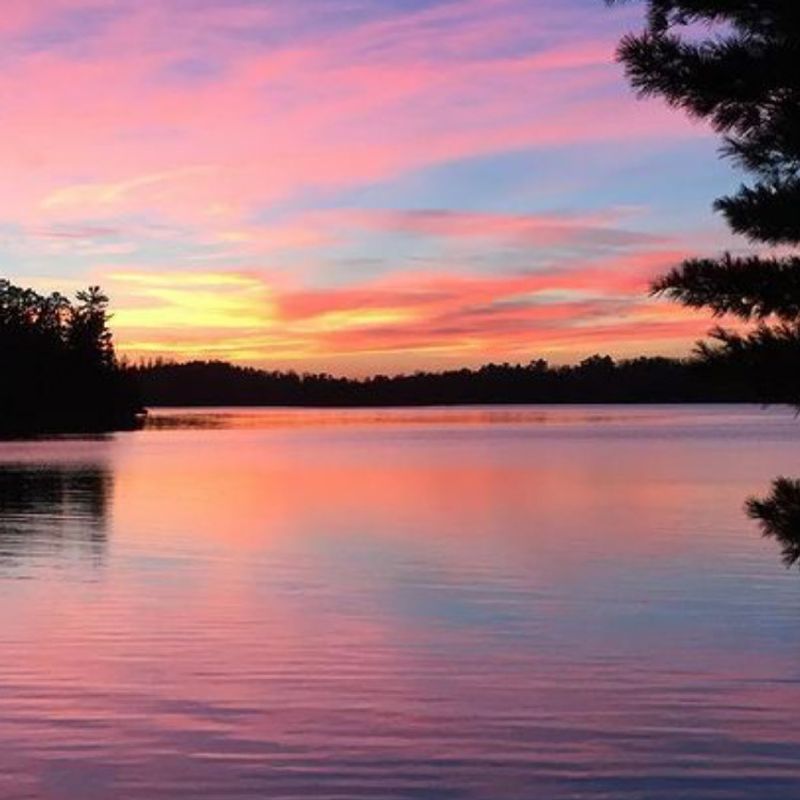
Fall is a hidden gem for visiting. The foliage around the lake turns brilliant shades of orange, red, and gold.
The water reflects the colors in a way that is genuinely stunning.
Winter brings ice fishing, snowshoeing, and a completely different kind of quiet beauty. The lake freezes solid enough to support ice houses by January most years.
Spring is brief but beautiful as the ice breaks up and the forest comes back to life. Each season offers something real and worth experiencing.
There is no single wrong time to visit Deer Lake. Every season shows a different side of this remarkable place.
