Wave a hand in the air, and music answers back. No strings, no keys, no lessons required. The secret is an instrument that responds to movement alone. Step up, stretch your fingers toward an antenna, and the pitch glides up or down with every tiny shift of your hand.
First tries sound hilariously wobbly, then something close to a tune appears, and the whole room starts cheering. Anyone wandering through Minnesota looking for a museum that lets you join in will find plenty to love.
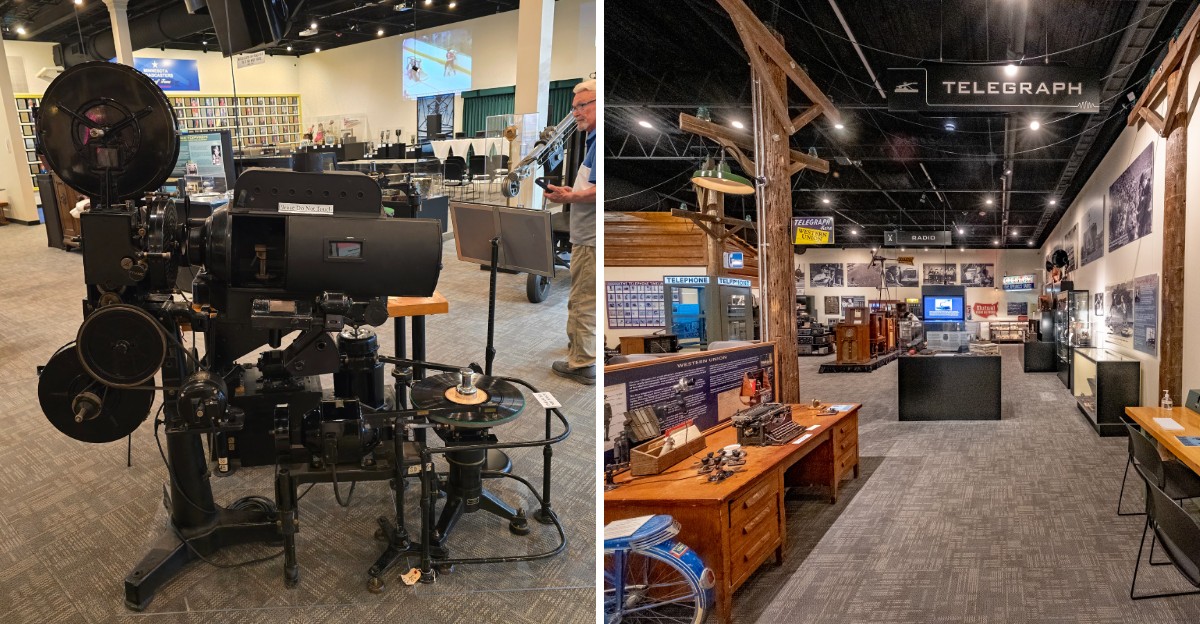
Vintage radios, old microphones, and glowing tubes fill the rest of the space, each one telling a piece of how sound traveled across the world. Kids and grown-ups end up equally curious.
Come ready to experiment and don’t worry about hitting the right note. Few museums let you conduct the exhibit with thin air, and Minnesota makes it feel like a magic trick you get to perform yourself.
The Theremin That Plays Like Magic
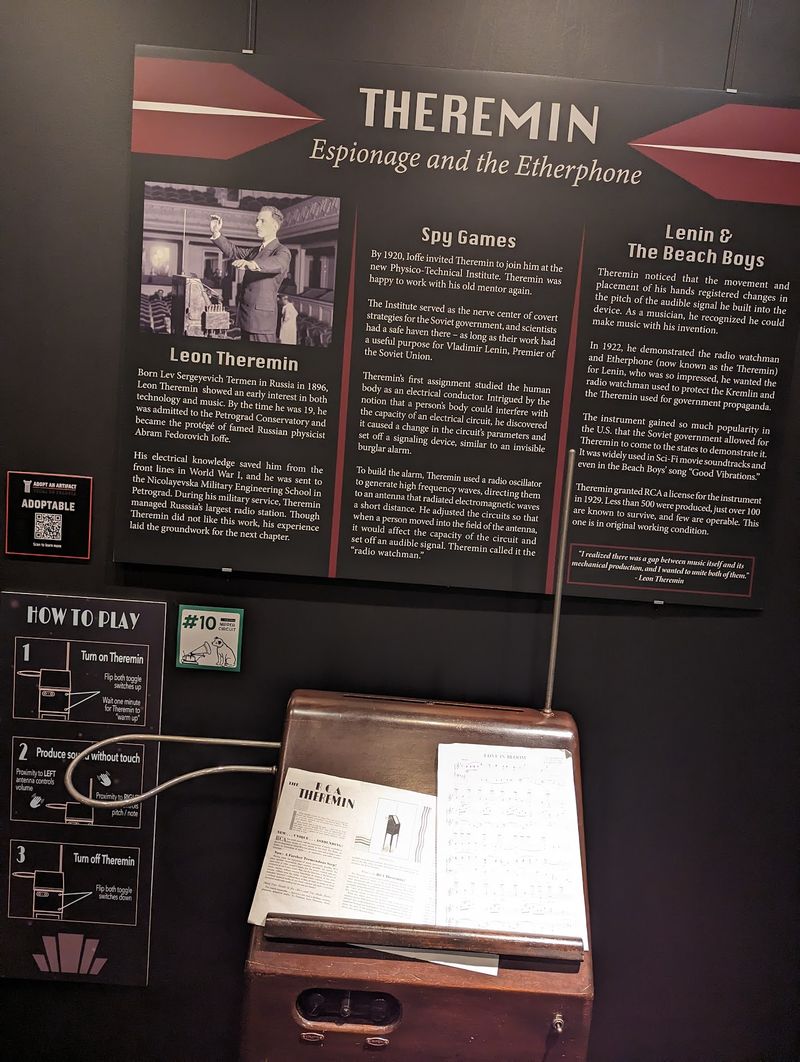
My hand hovered a few inches from a metal rod, and suddenly the room filled with a ghostly, sliding hum. That was my introduction to the theremin, and it is easily the star of the Pavek Museum for curious visitors of every age.
The instrument has two antennas. Moving one hand closer to the upright rod raises the pitch, while the other hand controls volume near a looped antenna. Your body actually changes an invisible electric field around it, so the sound reacts to you without a single touch.
Invented in the 1920s by a Russian scientist named Leon Theremin, it later became the sound behind many old science fiction movies. That eerie wail you hear in flying saucer scenes? Often a theremin.
Playing a real song is tricky. Hitting the right note takes steady hands and lots of practice, so expect a few silly squeals first. Try moving slowly and listening closely.
Kids usually figure it out fast and then refuse to leave. Give yourself a few minutes here, because once you hear your own hand making music, walking away gets surprisingly hard.
Rotary Phones and Patient Fingers
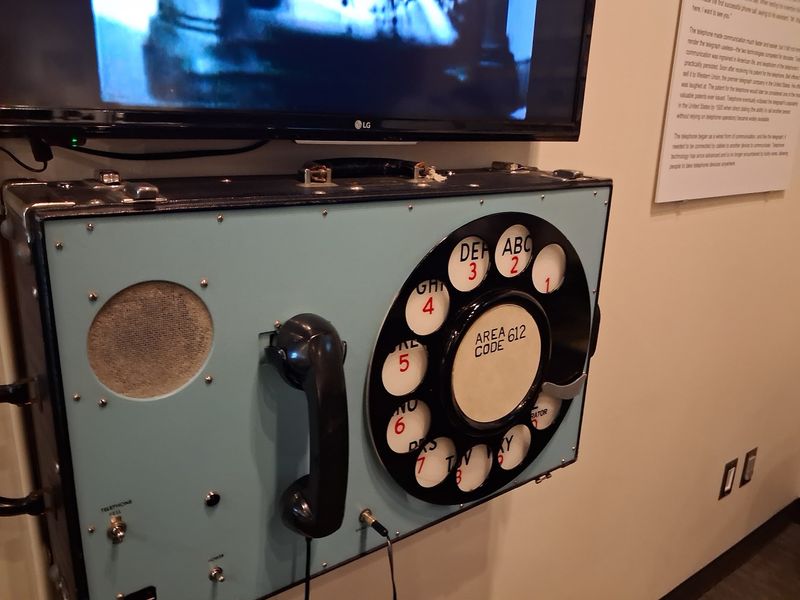
Spinning a rotary dial is slower than you think. I learned this while waiting for the little wheel to crawl back after every single number, and I could not stop smiling.
Telephones are one of the most loved parts of the Pavek, and for good reason. The museum has wired phones set up so visitors can actually call each other across the room.
Watch the families here. Grandparents often end up teaching grandkids how it works, which turns a simple exhibit into a sweet little history lesson. Older phones on display show how calls once needed a human operator to plug wires into a switchboard.
A tip for parents is to let children try dialing a full phone number before explaining anything. The confused look, followed by the proud grin, is half the fun. It also makes texting suddenly feel like a superpower.
Tapping Out Messages in Morse Code
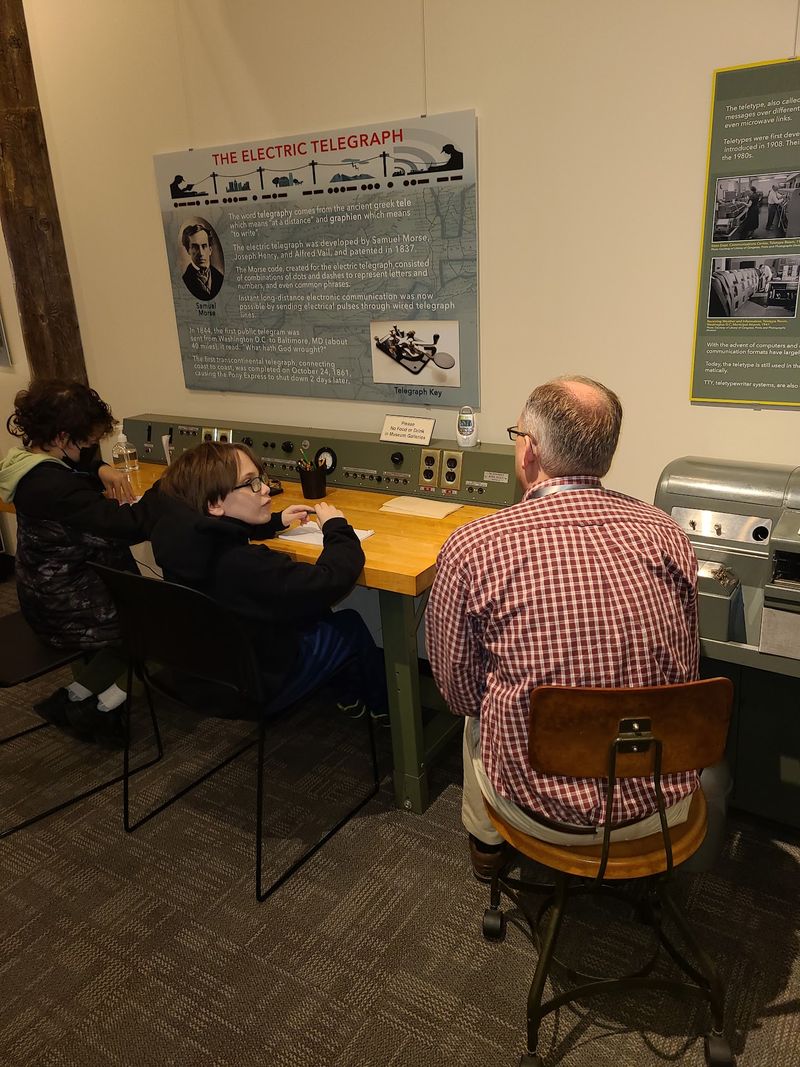
Dot, dot, dash. Before radio or telephones, that rhythm was how news raced across the country, and the Pavek lets you try it yourself.
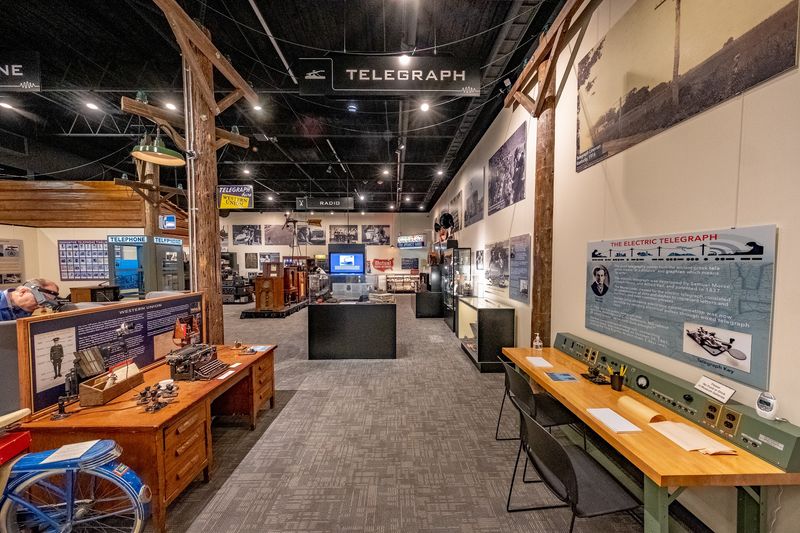
The telegraph section shows early equipment used to send electric pulses down long wires. Short taps are dots, longer presses are dashes, and together they spell letters.
Samuel Morse helped make the system famous in the 1840s, and soon railroads and newspapers depended on it every single day.
A hands-on Morse code station makes this way more fun than reading a sign. I tried spelling my name and got lost around the third letter. Humbling. A printed alphabet chart sits nearby, so you can work through words at your own pace.
Here is a good challenge for groups. Have one person tap a short word while everyone else listens and decodes it. It feels like a secret spy game, and it shows how sharp telegraph operators had to be.
Some could send and read messages incredibly fast just by sound. After a few minutes, you will start to appreciate how clever and patient those early messengers really were.
Radios That Still Glow and Sing
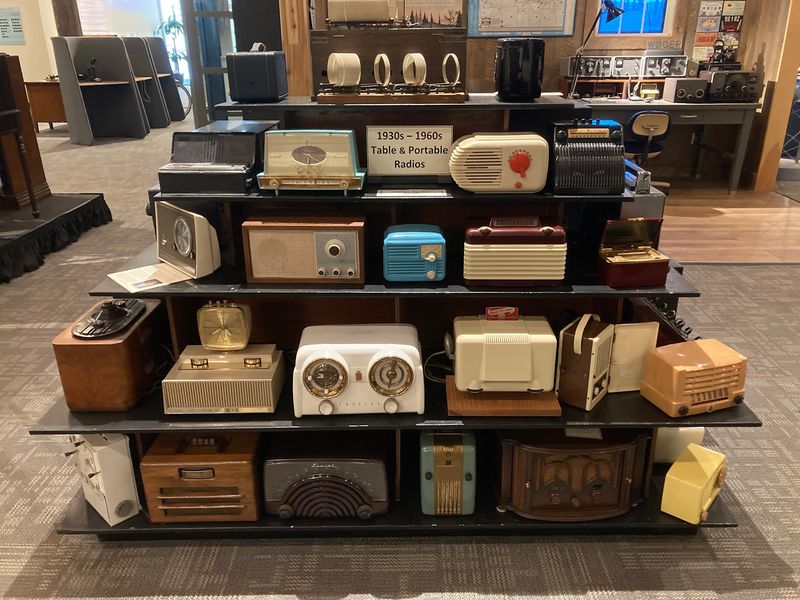
Some of these radios are older than anyone’s grandparents, and a few of them still work. Hearing sound crackle out of a 1930s cabinet radio gave me goosebumps in the best way.
The radio collection at the Pavek is huge and beautiful. Rows of wooden sets with curved tops, fabric speaker grilles, and round glowing dials line the walls. Back then, a radio was the centerpiece of the living room.
Look closely at the designs as you stroll. Some look like little churches, others like sleek furniture, and later ones shrink into colorful plastic boxes. You can practically watch style trends change shelf by shelf, which makes this area a treat even for folks who care more about art than wires.
Spotting the vacuum tubes inside some open sets is worth a pause too. Those glass tubes powered radios long before tiny chips took over. Ask a volunteer about them.
Chunky TVs From Another Era
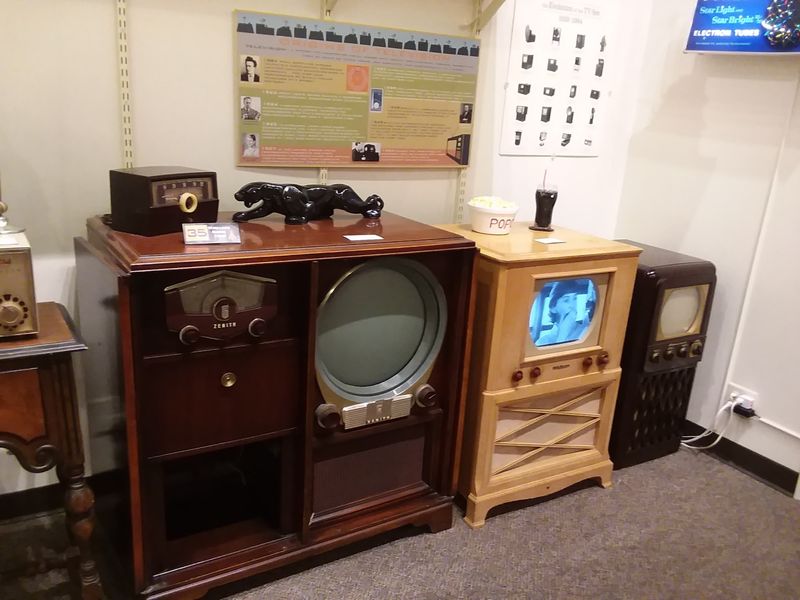
Tiny screens. Giant wooden boxes. Early televisions look a bit like someone built a fish tank into a dresser, and honestly, I loved them for it.
The Pavek’s television collection is one of its proudest areas. It traces how TV grew from strange experimental gadgets into the sets that filled homes in the 1950s and beyond. Some early screens are round and barely bigger than a dinner plate, tucked inside massive cabinets with knobs and dials.
Picture a family crowded around that little glowing circle, watching fuzzy black and white shows. It is a fun reminder that what seemed amazing back then fits easily in a backpack now. Teens especially seem surprised by how bulky everything was.
Take time to read the signs explaining how pictures traveled through the air. The idea of sending moving images invisibly still feels kind of magical, even after learning the science. There are also later color sets and broadcast tools that show the jump to modern viewing.
An Edison Phonograph Spinning Sound
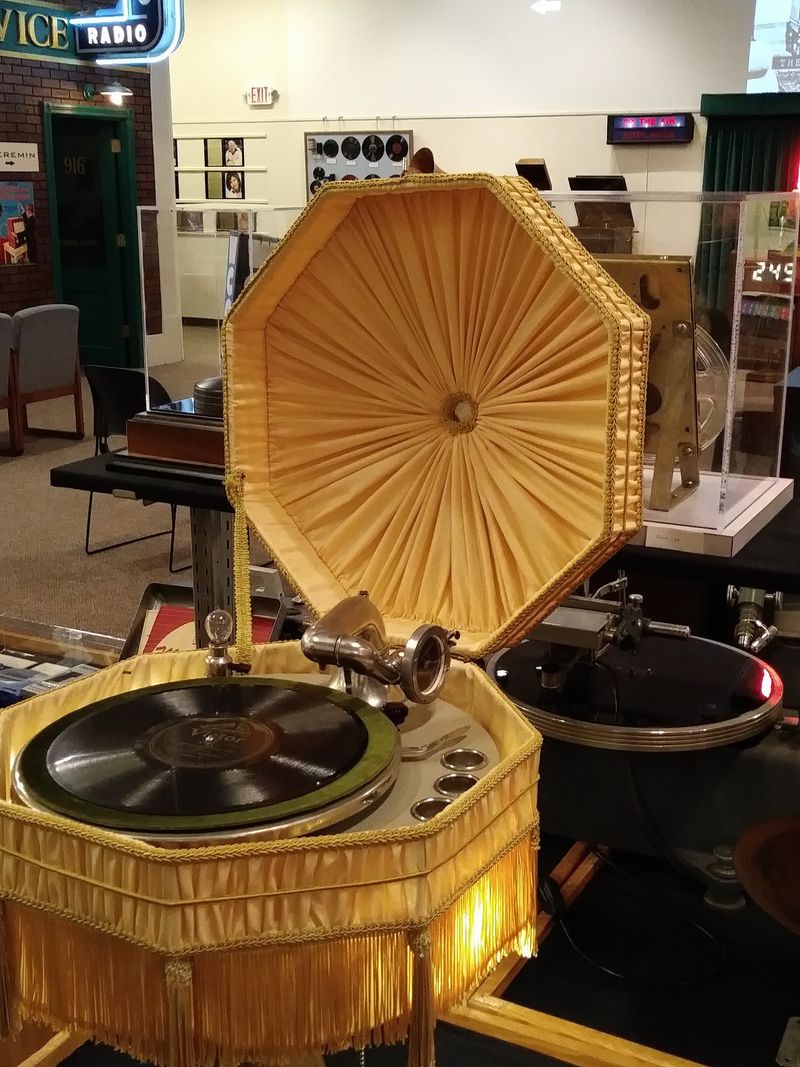
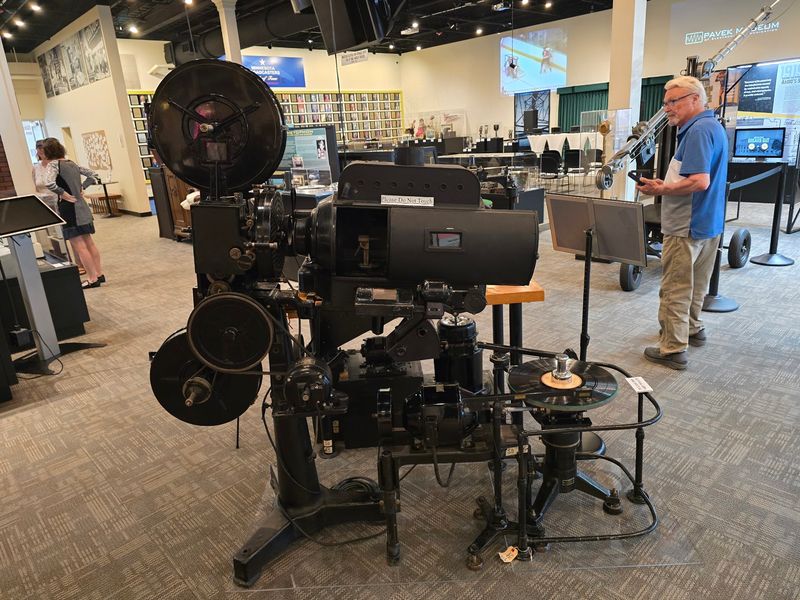
Thomas Edison’s phonograph from the late 1800s was one of the first machines that could record and replay sound. Seeing one actually play at the Pavek felt like hearing a whisper from more than a century ago.
Early records were not flat discs. Many were wax cylinders that spun while a needle traced tiny grooves, sending sound up through a big flared horn.
The sound is scratchy, thin, and full of charm. I found myself leaning in to catch every note, which is exactly how people must have listened back then. Volunteers sometimes demonstrate these machines, so keep an eye out and ask nicely if one is free.
Nearby you will spot later record players and professional recording gear used in studios. Following that line of machines shows how music went from wax tubes to vinyl to tape. Music lovers, this corner deserves a slow visit.
Bring a little patience, and the old horn will reward you with a sound no speaker today can quite copy.
Broadcast Gear Behind the Voices
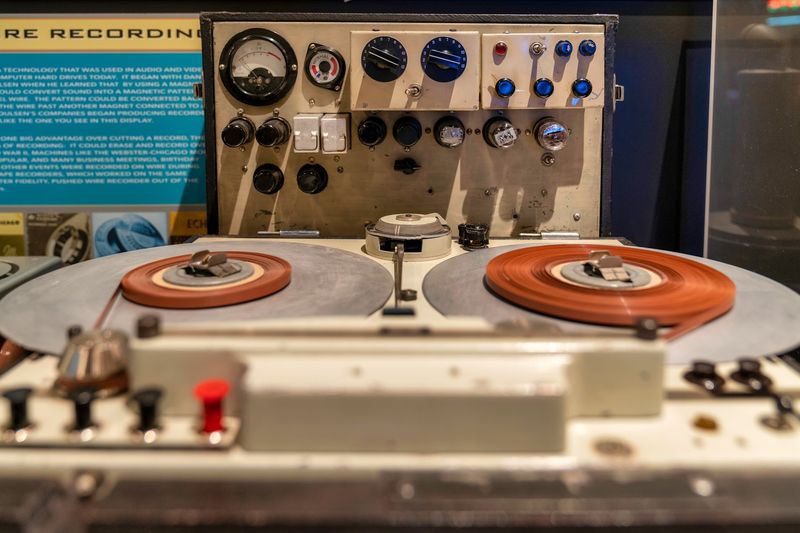
Ever wondered what a radio studio looked like before laptops? Big microphones, heavy control boards, and switches everywhere. The broadcast section at the Pavek answers that question in a very satisfying way.
This part of the museum honors the people who put voices on the air. Old transmitters, studio consoles, and recording machines show how local stations brought news, sports, and music into Minnesota homes.
Minnesota’s own radio and TV history plays a starring role here. The museum is home to the Minnesota Broadcasters Hall of Fame, which celebrates people who shaped the state’s airwaves over the years.
Aspiring podcasters and video creators should linger. Looking at how much work went into a single broadcast makes modern recording feel almost too easy. Notice the classic microphones too.
Their shiny shapes are instantly recognizable from old movies. It is hard not to lean toward one and pretend to announce the weather.
Friendly Guides Who Love This Stuff
Something nice happens when a question gets answered by someone who truly enjoys the answer. That is the feeling the volunteers and staff at the Pavek give off, and it changes the whole visit.
Guides here often offer demonstrations, switching on old machines and explaining how they work. Guided tours are available too, walking groups through the story from telegraph to television in a clear, easy order.
My advice is simple. Ask questions, even small ones. Why is that radio shaped like that? How did people fix these? The answers often come with fun background details you will never find on a sign.
Classes and special events show up on the museum’s calendar as well, from hands-on learning sessions to seasonal fun. The Halloween event called Havoc at the Pavek has featured a scavenger hunt through the exhibits for kids and grownups alike.
Hands-On Fun for Curious Kids
Kids do not wander through the Pavek. They zoom. Buttons, magnets, phones, and old video games pull them from one station to the next like little electrons on a mission.
Look for the signs marking hands-on displays. There are activities about magnetism, sound, and communication that make big science ideas feel simple and playful. Rather than just reading about how electricity moves, children get to test things and see what happens.
There is even a cozy reading spot with books about space, perfect for a quiet break when little legs need rest. Grownups seem to enjoy flipping through them too, no shame there.
Families with a range of ages do especially well here. A seven year old might love the phones, while a teenager gets hooked on seeing where their gadgets came from. Plan on about one to two hours, though tech lovers can easily stretch it longer.
A small gift shop near the end offers a fun way to take home a souvenir.
Planning a Visit to St. Louis Park
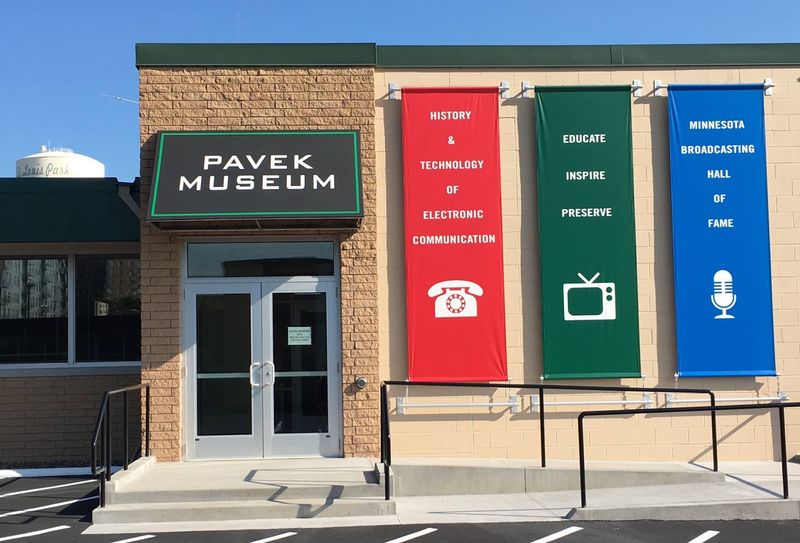
Getting to the Pavek is refreshingly easy. It sits in a calm part of St. Louis Park, just west of Minneapolis, and parking is right there, so there is no circling the block in frustration.
The museum keeps a slightly unusual schedule, which is worth remembering. It is open Wednesday through Saturday from 10 AM to 5 PM, and closed Sunday through Tuesday. Showing up on a Monday would be a sad surprise, so double check before heading out.
From the outside, the building looks modest. Inside, though, the collection feels much bigger than expected, stretching across more than a century of inventions. Wear comfy shoes and give yourself enough time to linger.
Pair your visit with a stroll or a meal around the Twin Cities to make a full day of it. A rainy or chilly afternoon is perfect timing, since this is a cozy indoor adventure.
You will find the Pavek Museum of Electronic Communication at 3517 Raleigh Ave, St Louis Park, MN 55416, waiting with a theremin ready for your hands.
