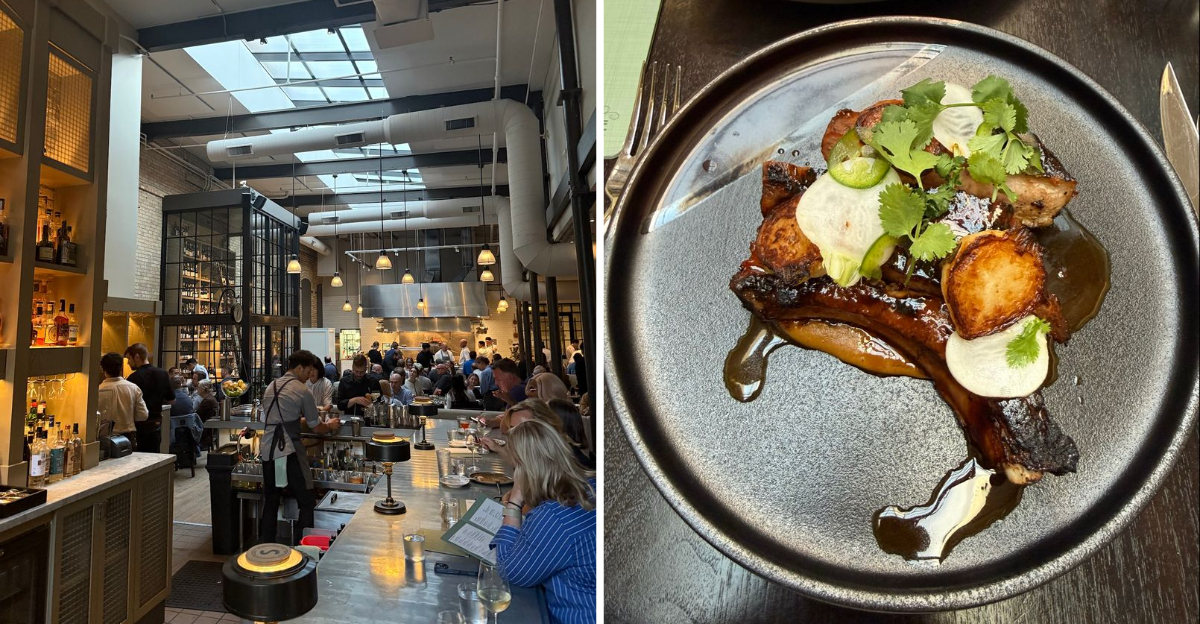
You’ve probably eaten in plenty of converted spaces – old factories, warehouses, maybe even a church. But a horse stable? That’s a first. This Minnesota restaurant took a former stable and turned it into one of the most memorable dining spots in the state.
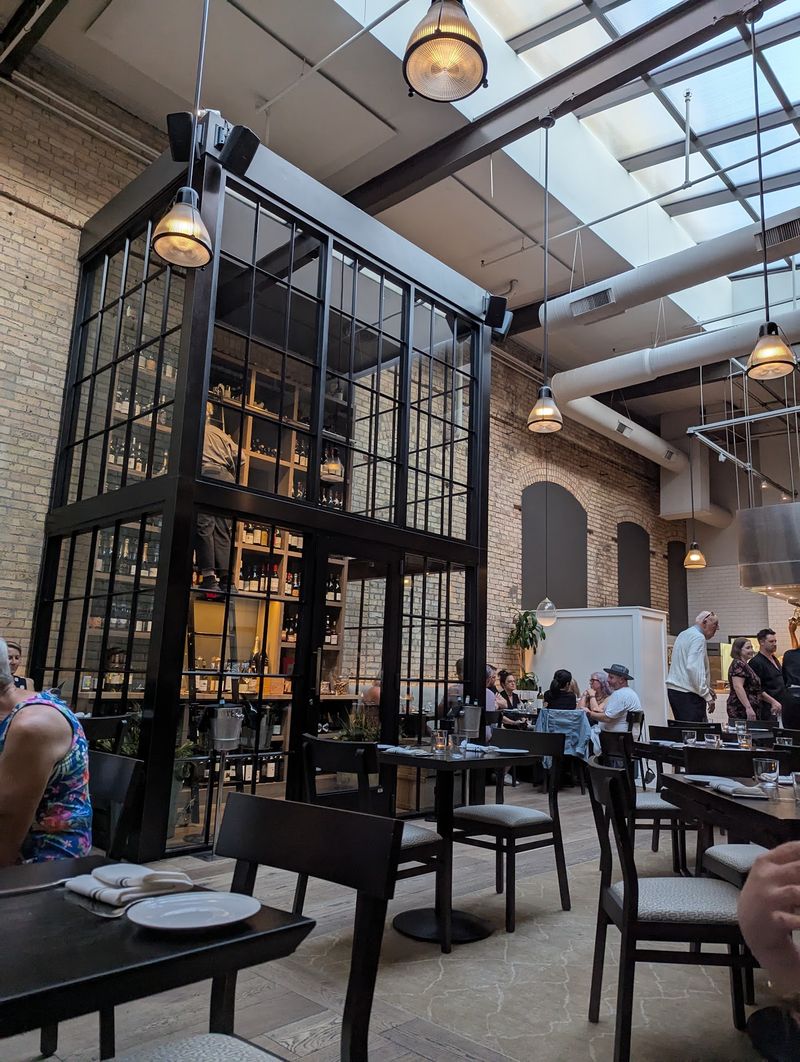
The bones of the original building are still there – exposed beams, high ceilings, and that raw, rustic character you just can’t fake. But now, instead of hay and horses, you’ll find candlelit tables, refined plates, and an atmosphere that feels both elegant and completely unexpected.
The food matches the setting: thoughtful, beautifully prepared, and full of personality.
Book a table and prepare for a dinner with serious history. Minnesota’s most unique dining destination is waiting to show you what a stable can become.
A Historic Stable Reborn as a Dining Room
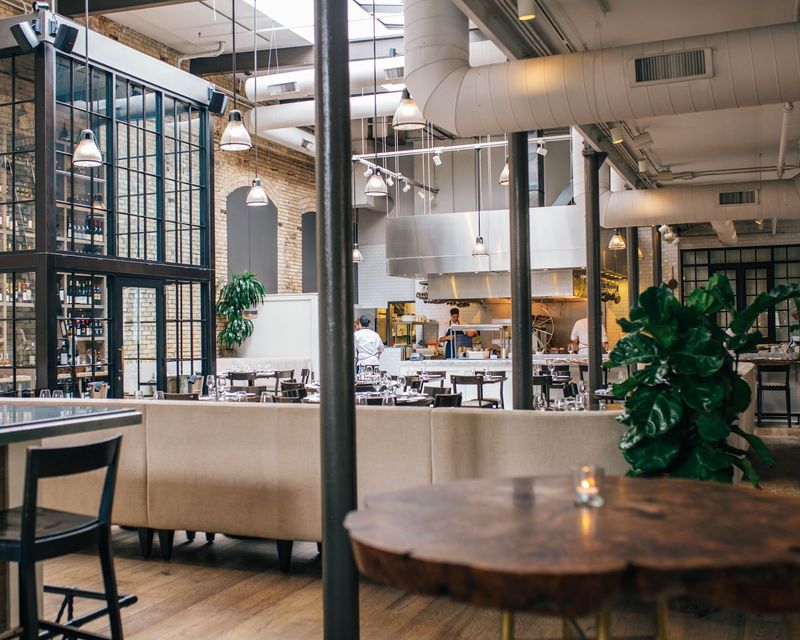
The building really did shelter horses once, back when the North Loop was a working warehouse district full of delivery wagons and freight. That history has not been scrubbed away.
Exposed brick, heavy timber, and rough original surfaces still frame the room, and the designers leaned into those bones rather than hiding them behind drywall. Skylights let daylight spill down during brunch.
That softens everything and makes the space feel far less formal than the food might suggest.
What surprised me most was how comfortable the room felt for a restaurant with this much reputation attached to it. Nothing is stiff. Nobody whispers.
Booths line one side, tables fill the middle, and the whole layout encourages a bit of noise and movement. The name itself nods to the past, pairing the tool of the table with the ghost of the barn, and once you know that, the whole place clicks into focus.
North Loop Location Worth the Walk
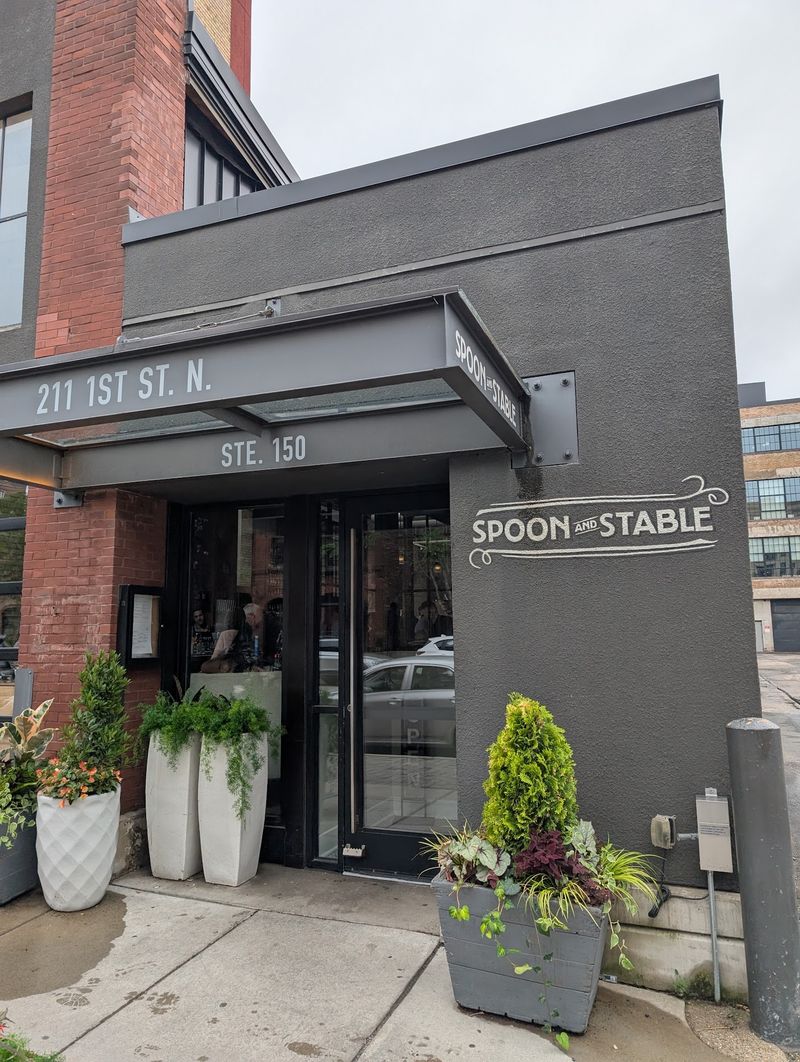
North 1st Street sits in the middle of the North Loop, a stretch of Minneapolis where old warehouses have been turned into shops, coffee bars, and design studios. The walk over is half the fun.
Brick facades, loading docks converted into storefronts, and a view of the river a few blocks away give the neighborhood a texture that newer parts of the city cannot fake.
Parking takes a little planning. Street spots are metered, and on busy evenings the closest ones vanish quickly, so budget a couple of blocks of walking and treat it as a warm-up.
Target Field sits nearby, which means game nights bring extra energy to the sidewalks. Arriving early and wandering a bit before the reservation turned out to be one of the better decisions of the trip, since the surrounding blocks are genuinely pleasant to explore on foot.
Watching the Open Kitchen Do Its Thing
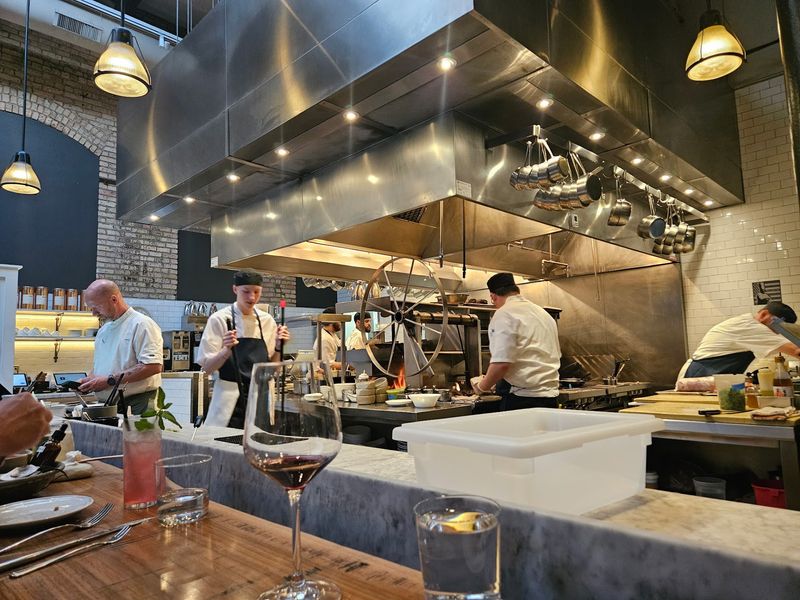
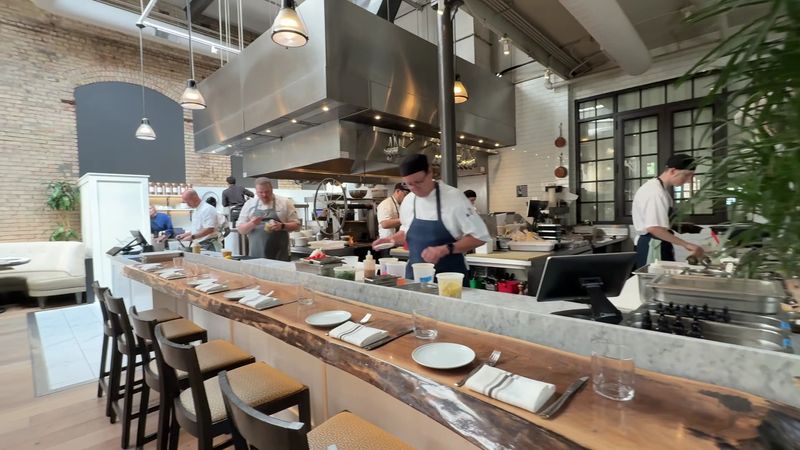
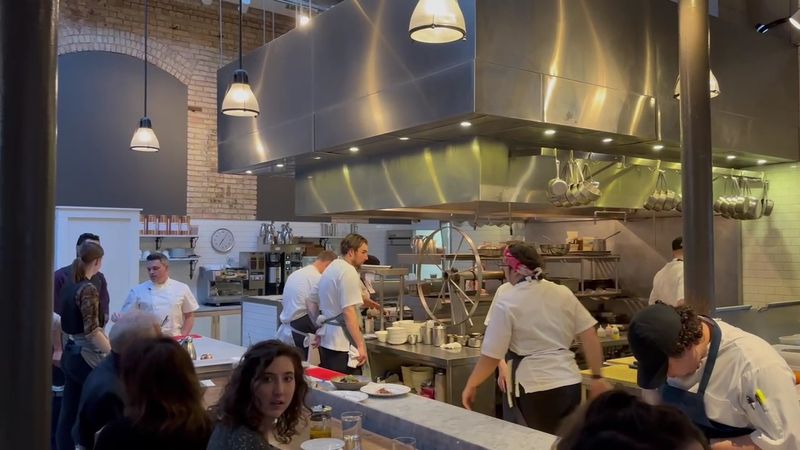
Half the entertainment here costs nothing extra. The kitchen sits right out in the open, and from the right seat you can watch plates get built piece by piece.
Tweezers, spoons, quick nods between cooks, the low clatter of pans. It moves fast without ever looking frantic.
A high-top counter faces the pass, and reserving one of those seats changes the whole meal from dinner into something closer to a live performance. Guests seated there often end up chatting with the cooks between courses, which adds a friendly, behind-the-scenes feeling.
Even from a regular table, the glow and motion of that kitchen pulls your eye. For anyone who watches cooking shows and wonders how much of it is real, this is the answer, unedited and happening ten feet away. Ask for the chef counter when booking if the option shows up.
The Bar Where Walk-Ins Get Lucky
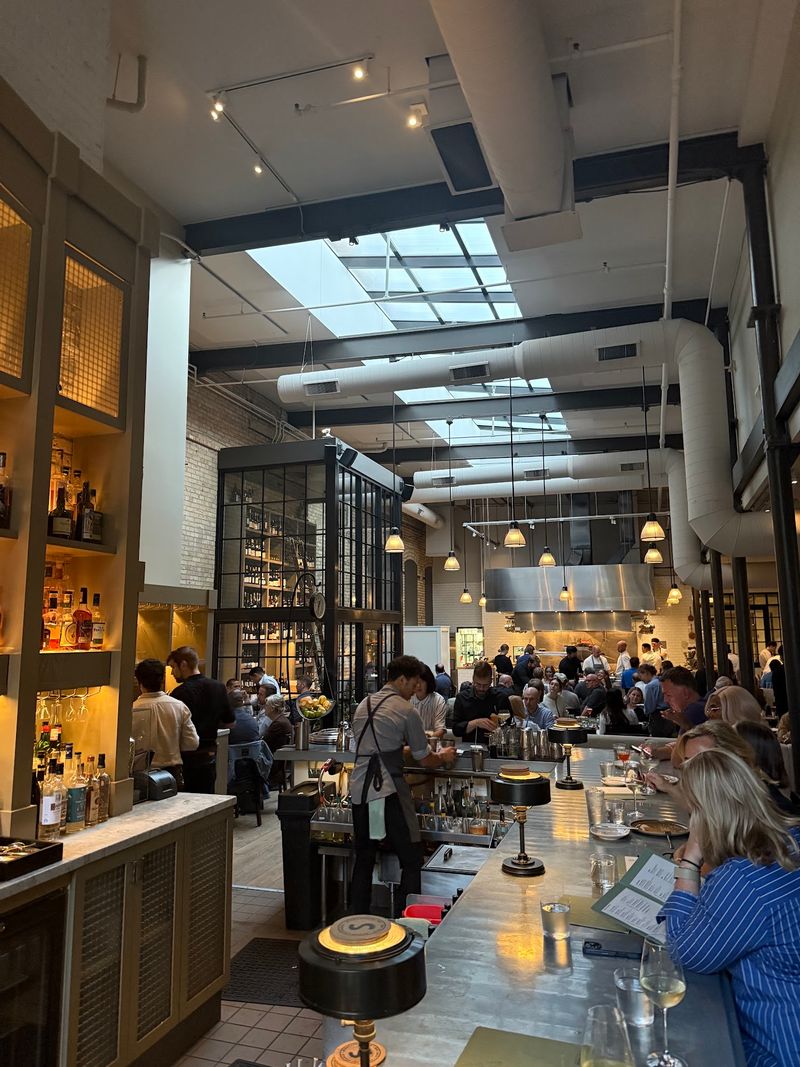
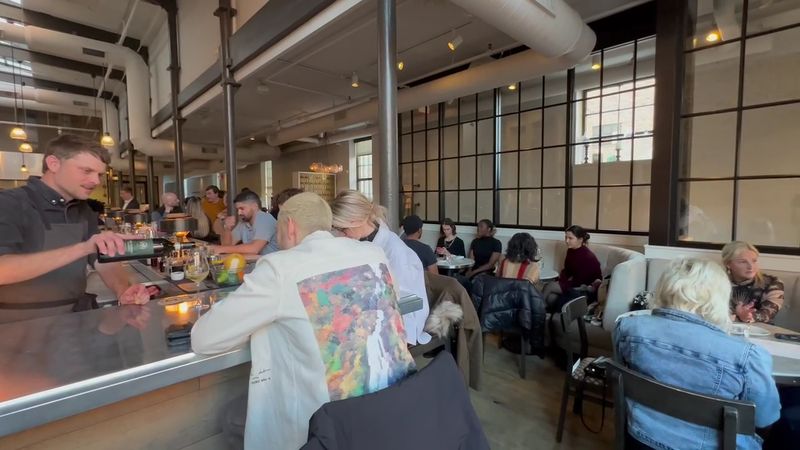
Reservations here disappear weeks ahead, which sounds discouraging until you learn about the bar. Seats there run first come, first served.
Show up early on a weeknight, or late after the main rush, and there is a real chance of sliding onto a stool without any planning at all. Plenty of visitors have done exactly that and ended up with the same kitchen, the same service, and a shorter wait.
The bar area has its own smaller menu with shareable plates, and portions there tend to be generous. Mussels, arancini, and fries turn up often on tables in that corner.
It feels looser than the main dining room, a little more spontaneous, and the staff behind the counter keep conversation flowing. For solo travelers or anyone who dislikes rigid dinner plans, that bar is genuinely the best-kept secret in the building.
Service That Notices the Small Stuff
Drop a fork here and a clean one appears before you finish apologizing. That level of attention runs through the entire staff. Coats get checked at the door and reappear folded and ready the moment the bill is settled, a small thing that matters enormously during a Minnesota winter.
Servers know the menu inside out and explain dishes without turning it into a lecture. Ask for a recommendation and you get an actual opinion, not a rehearsed script.
Pacing between courses is handled carefully, so the meal never feels rushed or stalled. Birthdays and celebrations get quiet extra touches, often a surprise dessert with a candle.
What stood out is how relaxed the warmth felt. Nobody hovered. Water glasses stayed full, plates cleared themselves somehow, and the whole evening moved along like it had been choreographed months in advance.
French-Inspired Plates With Midwest Roots
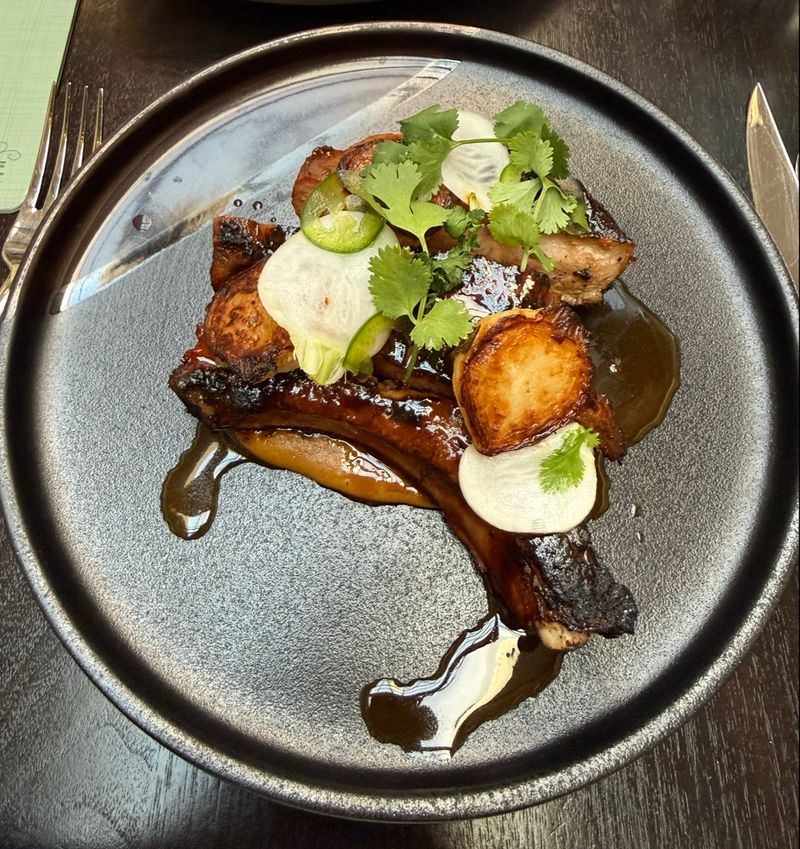
Ask ten people about the food and the pork chop comes up first, almost every time. It has developed a reputation that borders on legendary among Minneapolis diners.
The kitchen builds French technique onto ingredients that feel distinctly upper Midwest, so bison tartare sits comfortably beside oysters and hand-cut pasta.
Squid ink spaghetti, halibut, pot roast, and raviolo rotate through the menu depending on the season. Portions lean modest rather than enormous, which fits the quality-over-quantity approach the place clearly believes in.
Bread arrives early, a crisp-edged sourdough with whipped butter that has convinced more than a few guests to ask for seconds.
Dessert deserves attention too, especially the honey and cream cake with its meringue and beeswax ice cream. Sharing a couple of starters and one showstopper main is the smartest way to experience the range without overcommitting.
Sunday Brunch and a Pastry Case Full of Trouble
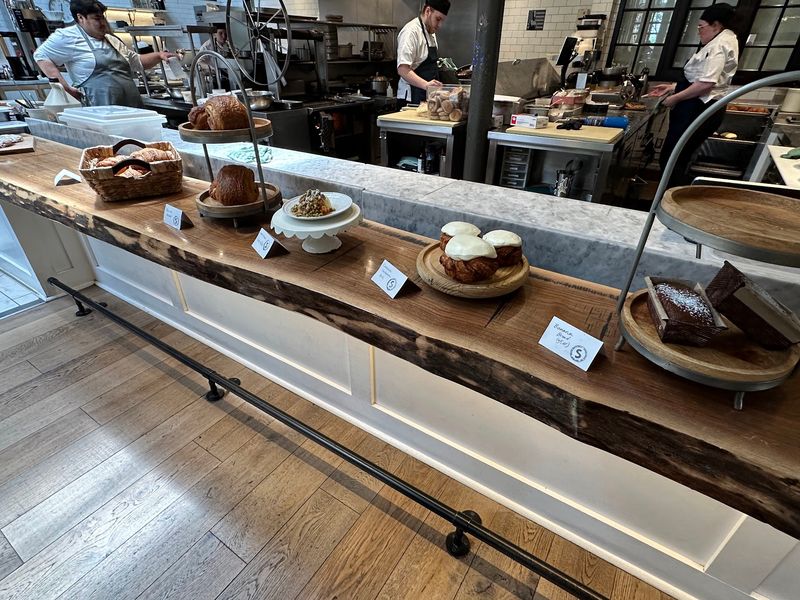
Sunday mornings bring a completely different mood to the room. Sunlight floods through the skylights, the volume drops a notch, and the pastry case near the entrance becomes a genuine hazard.
Cinnamon cardamom rolls, oversized croissants, and a banana bread that happens to be both gluten free and dairy free sit on display where everyone walking past can see them.
Brunch dishes include chicken and waffles made with sorghum, a French dip with horseradish cream and Gruyere, and steak cooked properly.
By noon the line stretches toward the door, so an earlier reservation makes life easier. Booking a few days ahead is usually enough for brunch, which is far kinder than the dinner situation.
Take something home from the case on the way out. Nearly everyone does, and nobody seems to regret it later that afternoon.
Dietary Needs Handled Without Fuss
Anyone who has ever spent ten minutes quizzing a server about ingredients will appreciate what happens here. The menu marks gluten free, vegetarian, and dairy free options right on the page. That single detail removes a huge amount of stress from the start of a meal.
Beyond the labels, the kitchen adapts. Guests with allergies regularly report that dishes get adjusted thoughtfully, including desserts, which is often the hardest course to modify.
Finding a gluten free version of chicken and waffles at brunch is rare enough to feel like a small victory.
Mentioning restrictions when booking helps the team prepare in advance. The staff treat it as normal rather than an inconvenience, and that attitude makes a real difference for anyone who usually eats out with a bit of anxiety attached to the evening.
Booking Ahead Is Half the Battle
Dinner tables here sell out days and sometimes weeks in advance, which catches a lot of visitors off guard. Plan accordingly.
Booking two or three weeks ahead gives the best shot at a prime evening slot, especially Friday nights when the dining room stays busy until late. Brunch on Sunday needs less lead time but still fills quickly.
The restaurant opens at four in the afternoon most weekdays and runs into the late evening, with Sunday reserved for a morning and early afternoon service.
Cancellations happen, so checking the booking page periodically can turn up an unexpected opening. Failing that, the bar remains the reliable backup plan.
Arriving slightly early is welcomed, and seating often happens ahead of schedule when a table is ready. Little bit of planning, much better night.
Why the Stable Story Sticks With You
Restaurants built inside old buildings can feel like costume parties, all theme and no substance. That trap gets avoided here completely.
The stable history sits in the background as texture rather than gimmick, showing up in the brickwork and the beams instead of horseshoes nailed to the walls.
Recognition from the James Beard Awards over the years has kept the place near the top of every Minneapolis dining list, yet the room never feels like it is performing for critics.
What lingers afterward is the combination: a hundred-year-old warehouse, a kitchen working in full view, staff who make the evening feel personal, and food worth crossing the city for.
Anyone visiting Minneapolis should make room for one dinner here. Bring an appetite and a reservation.
Address: 211 N 1st St, Minneapolis, MN 55401, United States
