You won’t find wheat flour, cane sugar, dairy, beef, pork, or chicken anywhere on this menu. That’s not a trend. It’s a deliberate choice to cook only with foods that belonged to this continent first.
Instead, the kitchen leans on corn, beans, squash, bison, elk, wild rice, fish, and Native plants. There’s even a starter of crickets and popcorn, which sounds like a dare until you learn the history behind it.
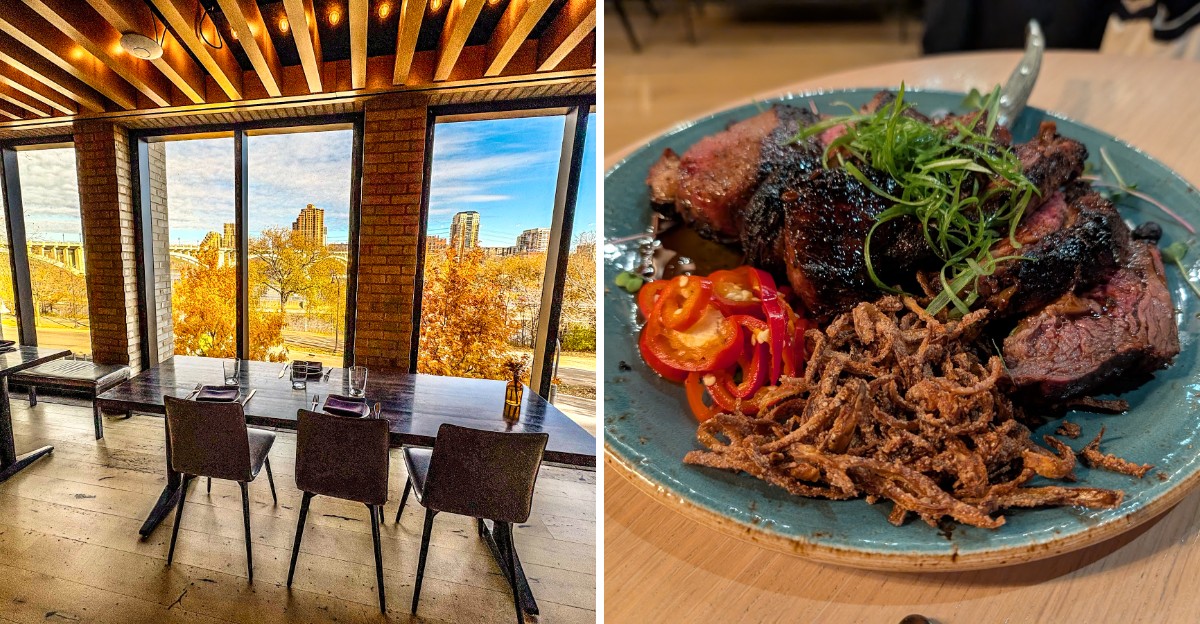
I like how every plate here carries a lesson without ever feeling like homework. The dining room sits inside a famous Minneapolis theater, with big windows facing the Mississippi River.
A Famous Restaurant Found A Bigger Home On The River
Big news traveled fast in 2026 when Indígena by Owamni opened inside the Guthrie Theater. It grew out of Owamni, the Minneapolis restaurant that won the James Beard Award for Best New Restaurant in 2022.
That award put Indigenous cooking in a national spotlight. The move to the riverfront gave the team room to dream even bigger.
The new space nearly doubles the old capacity. There are about 204 seats inside and roughly 100 more on the patio.
That’s a lot of chairs for a lot of curious diners. Still, reservations remain a smart idea, especially for dinner on busy nights.
The name itself carries meaning. Indígena is the Spanish word for Indigenous, and it shares a Latin root meaning born of the land.
I love that the name reaches beyond Minnesota. It reflects a wider vision that celebrates Indigenous food traditions across the Americas, including North, Central, and South America.
So the restaurant isn’t simply a sequel. It’s more like the next chapter of a story that started a few blocks away.
Think of it as a beloved band moving from a small club to a bigger stage. Same heart, more room, and a much better view out the windows.
The Menu Leaves Out Some Very Familiar Ingredients On Purpose
Decolonized is the word you’ll hear most when people describe this kitchen. It means the chefs skip ingredients that arrived in North America through colonization.
So there’s no wheat flour, cane sugar, or dairy. Beef, pork, and chicken are off the list too.
That might sound limiting at first. In practice, it opens the door to flavors many of us have never tasted.
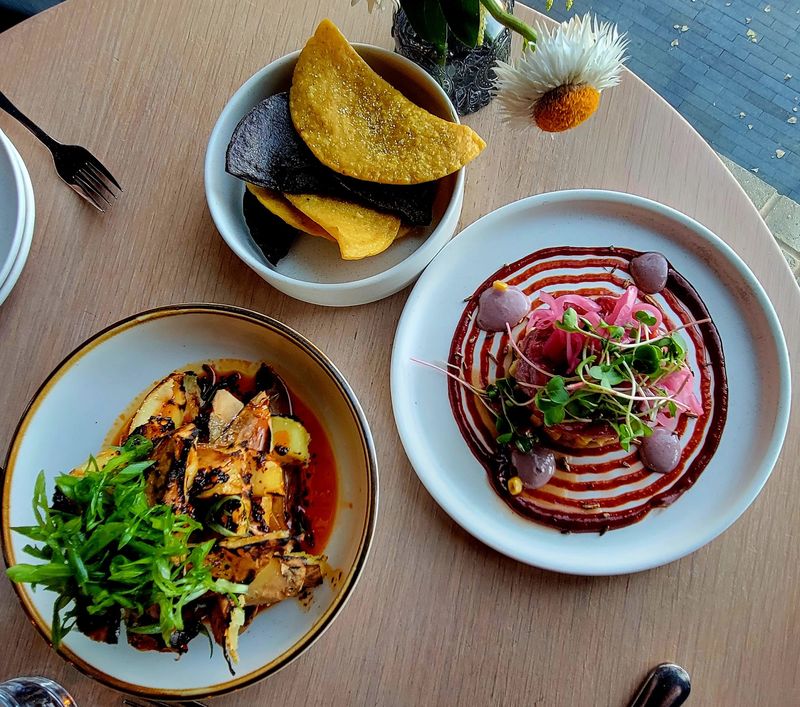
The menu builds on corn, beans, squash, wild game, birds, fish, and Native plants. These foods fed people on this land for thousands of years.
Here’s a nice bonus for some diners. The rules naturally make the menu a strong pick for anyone avoiding gluten or dairy.
Of course, you should still mention any allergies to your server. The kitchen can help you sort out what works best for you.
What makes this idea so powerful is the way it changes how you see American food. Many dishes we call classic actually came from somewhere else.
A meal here flips that story around. It shows that the original ingredients of this continent can create something rich, modern, and deeply satisfying without borrowing a thing.
Meet The Chef Who Calls Food A Form Of Storytelling
Chef Sean Sherman is known to many as The Sioux Chef. He’s a member of the Oglala Lakota and one of the biggest names in the Indigenous food movement.
He co-founded the restaurant with Dana Thompson, a Dakota descendant. Together they’ve spent years pushing Native foodways back into the public eye.
Sherman sees his cooking as a language. Each dish shares a piece of Indigenous history, culture, and knowledge with whoever is sitting at the table.
That explains the title of this article pretty neatly. The stories aren’t decorations on the plate. They’re the whole reason the plate exists.
The restaurant is owned and run by a nonprofit called North American Traditional Indigenous Food Systems, or NATIFS. That detail matters more than you might expect.
Money spent here supports a mission to rebuild Indigenous food sovereignty. It also helps invest in Native farmers and producers across the continent.
Sherman also talks about moving food into the future. He draws from ancestral knowledge, then applies it in fresh, modern ways.
In other words, this isn’t a history museum with forks. It’s a living kitchen that respects the past while cooking for today.
Those River Views Deserve Their Own Reservation
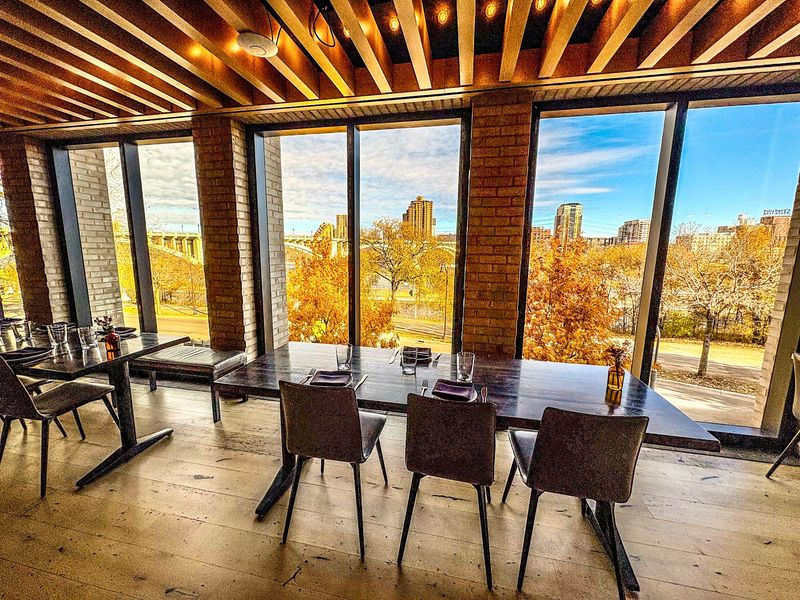
Large windows wrap the dining room and frame the Mississippi riverfront. Good luck focusing on the menu when one of America’s most famous rivers is right there.
The view adds a real sense of place to the meal. You’re eating Indigenous food while looking out at waters that have shaped this land for ages.
The address is 806 S 2nd St, Minneapolis, MN 55415. It sits near Mill Ruins Park and the historic riverfront district.
That makes it easy to pair dinner with a walk. The neighborhood is full of history, trails, and old mill landmarks worth exploring.
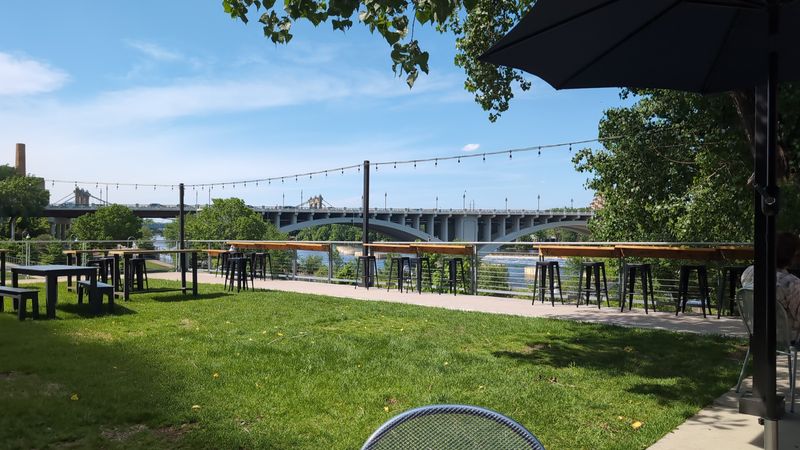
Warmer months bring patio seating into the picture. With around 100 outdoor seats, the patio is a big part of the riverside experience.
Picking a sunny afternoon table might just be the best decision of your week. A brunch visit on the weekend works nicely too.
Parking nearby includes street spots and a ramp structure across the street. Plan a little extra time if a big show is happening at the theater.
Honestly, the windows alone could sell this place. The food just happens to match the scenery.
Inside, The Design Mixes Earth Tones With Wide-Open Sky
Burnt-orange and brown dishware sets a warm tone the moment plates land on the table. The colors feel tied to the earth, which fits the food perfectly.
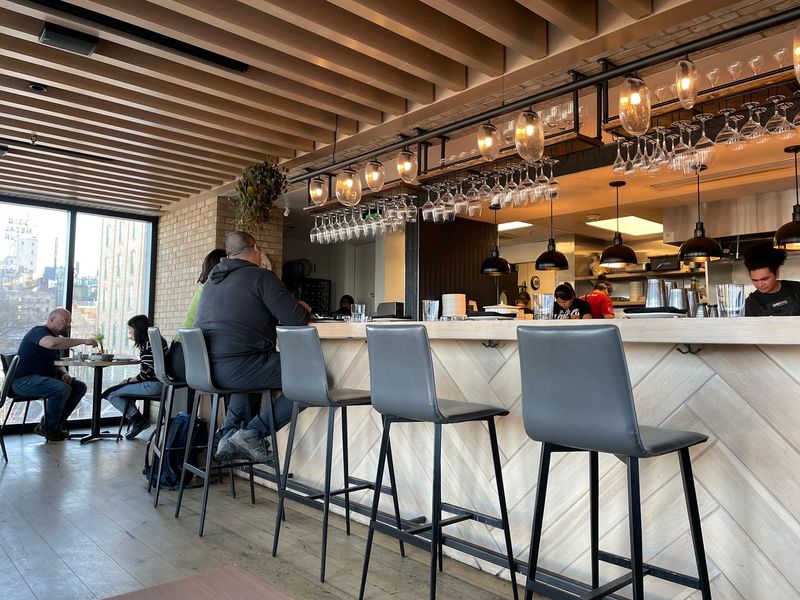
Above you, vaulted ceilings and tall windows open things up. The overall effect balances grounded earth with an expansive sky.
The Guthrie building is famous for its bold, dramatic style. This restaurant softens that drama with more color and live plants.
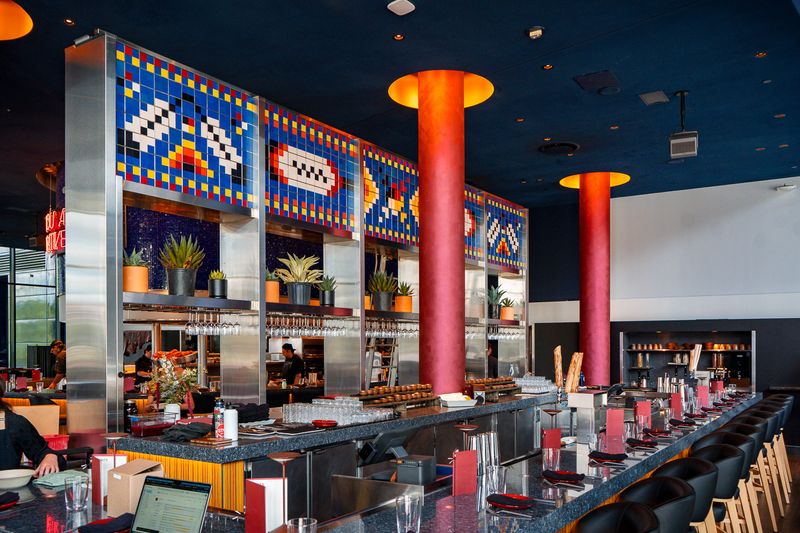
Neon, image projections, and tile decor put a clear Owamni stamp on the room. It still feels striking, just friendlier and more down to earth.
Fun fact for theater fans. The Guthrie is known for giant images of famous playwrights, and a few of them still gaze toward the dining room.
Consider them your silent dinner guests. They don’t order anything, but they do watch closely.
A counter faces straight into the kitchen workspace. Solo diners can grab a seat there and watch cooks at work.
Seafood on ice also grabs attention near the bar. It quietly reminds everyone that this menu celebrates foods from across North America, not only Minnesota.
Bison, Elk, And Venison Steal The Spotlight
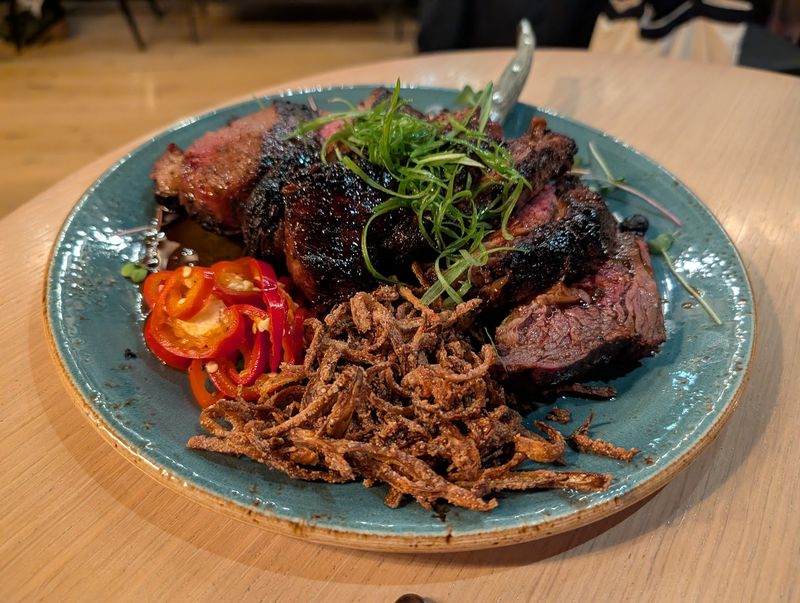
Bison skirt steak shows up again and again when people talk about this kitchen. It comes alongside larger game cuts like elk and venison.
These meats carry deep roots in North American history. Bison especially held huge importance for many Plains nations.
Dishes are meant for sharing, family style. That’s great news for indecisive eaters who want a bite of everything.
Portions can be generous. Servers often explain how many plates to order, so ask for guidance before going wild.
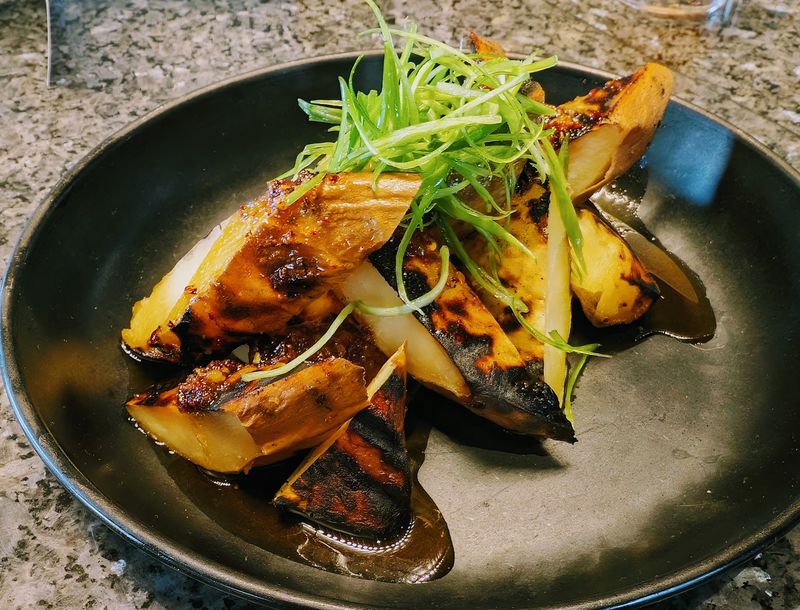
Sides hold their own here too. Yuca fries, sweet potato gnocchi, and spiced sweet potatoes are popular choices worth considering.
Heads up on the heat. Some sweet potato dishes bring a noticeable kick, so spice-shy folks may want to ask first.
Wild rice also appears across the menu. It’s a sacred food for Ojibwe communities in Minnesota, and its nutty flavor fits almost anything.
My advice is to build a table around one game dish and a few sides. That way everyone tastes the bold meats and the clever vegetable plates without overloading the table.
Crickets, Oysters, And Other Brave Bites Await
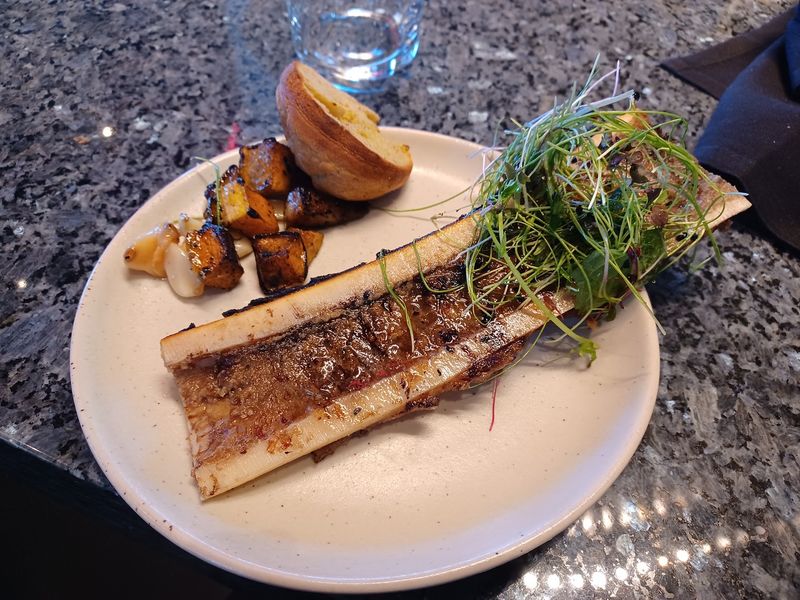
Crickets with popcorn sit right on the starters list. Yes, real crickets, and plenty of first-timers order them just to say they did.
Insects have long been part of many food traditions. Here they make a fun, crunchy introduction to the menu.
The seafood side has grown big at this location. There’s a full oyster bar plus expanded seafood that highlights coastal Indigenous foodways.
Depending on the season, you might spot items like tribally harvested razor clams or geoduck. The selection changes with what coastal regions are catching.
Smoked whitefish dip with bean dip is another clever starter. One detail shows real creativity, since the kitchen dehydrates mole to make chips.
That trick also fits a bigger goal. The restaurant is working toward a zero-waste model and partners with suppliers to cut plastic packaging.
Not feeling brave? Totally fine, because the menu offers plenty of familiar comforts like corn dishes and roasted vegetables.
Still, I’d nudge you toward at least one adventurous plate. The best stories usually start with a little curiosity and a willingness to try something new.
Save Room For Duck Egg Custard And Maple Magic
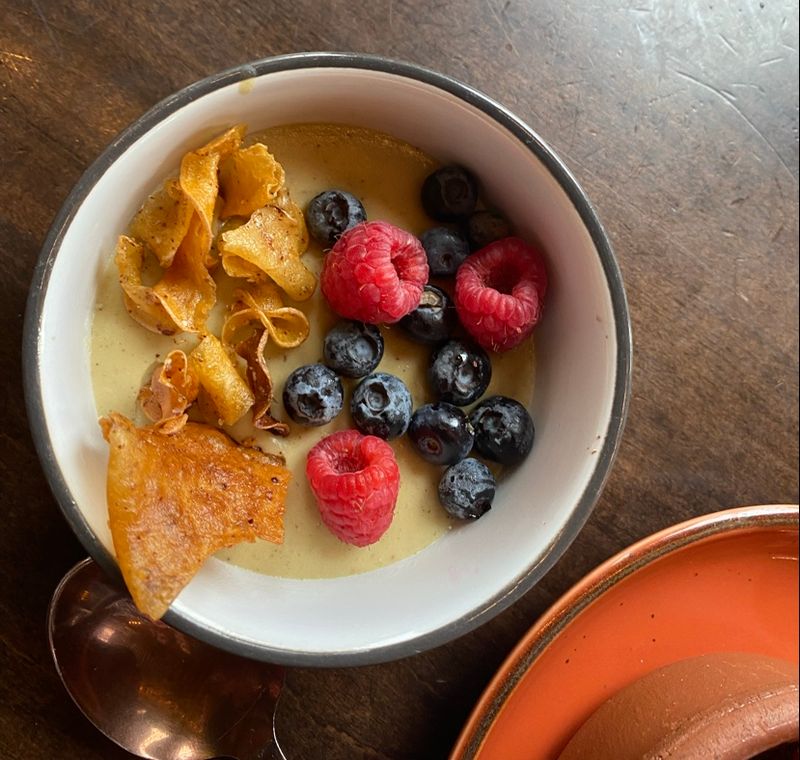
Desserts here skip cane sugar completely. Sweetness comes from Native sources like maple, berries, and other ingredients from this continent.
That rule makes dessert surprisingly interesting. You get flavors that taste rich without that sugary rush.
The duck egg custard pops up often as a favorite finale. A seasonal dessert also rotates in, so options shift through the year.
Maple plays a big role in Minnesota and across the Great Lakes region. Using it in desserts connects dinner back to local traditions.
Drinks follow the same no-dairy, no-cane-sugar approach. Teas, cold brew coffee, and creative non-alcoholic options round out the menu.
One mocktail even comes topped with a sweet blueberry powder on foam. Fancy, colorful, and fully in line with the kitchen’s philosophy.
Herbal teas make a cozy pick on cold Minnesota evenings. A warm mug next to those river windows sounds hard to beat.
So when the server asks about dessert, maybe don’t wave it away. Ending with custard and tea feels like the final chapter of a story you’ll want to finish.
Catch A Show, Then Make A Night Of It
Theater lovers get a sweet deal at Indígena by Owamni. Guests can enter from South 2nd Street or through the Guthrie lobby during operating hours.
A special pre-theater menu helps you eat well before curtain time. No sprinting across town with a growling stomach.
After performances, the restaurant offers bar food service. That makes it an easy spot to talk about the show over a late snack.
Hours run Tuesday through Sunday, and the restaurant is closed Mondays. Weekend mornings open at 10, which works great for a riverside brunch.
For special celebrations, there’s a Chef’s Table that accommodates approximately 12 to 14 guests. It hosts tasting menus, coursed dinners, and visiting chef residencies.
Those guest chefs help spread the word about Indigenous cooking. The restaurant hopes to inspire more Native-led kitchens in the years ahead.
A majority of the staff identify as Native American. Shifts often begin with a sage ceremony, and servers love sharing the stories behind each plate.
Ask questions, because you’ll learn a lot. Minnesota rarely serves a lesson this delicious, and you’ll leave planning your next visit before dessert is gone.
