You step inside what once was a meat equipment warehouse, the old sign still reading “Madeville Meat Equipment” out front. But the cleavers are long gone, replaced by a world of architectural relics.
This is the surprising magic of a Minnesota salvage yard where history gets sold by the pound. The man who runs it has spent nearly fifty years traveling cross country, pulling treasures from condemned churches, historic homes, and forgotten nightclubs just before the wrecking ball swings.
He is also in the Minnesota Music Hall of Fame for a 1960s garage band hit called “The Crusher.” Inside, you will find stained glass windows, oak pulpit, art deco bar, and about 200 wooden doors, each with its own story.
Architects, designers, and curious wanderers all dig through the cluttered aisles, buying into a simple motto: “When in doubt, salvage.”
So which Minneapolis warehouse off Washington Avenue sells history by the pound, where every dented fixture and dusty stained glass window comes with a tale?
Come ready to hunt, and you might just leave with a piece of the past that nobody else wanted.
Why The Place Feels Bigger Than It Looks
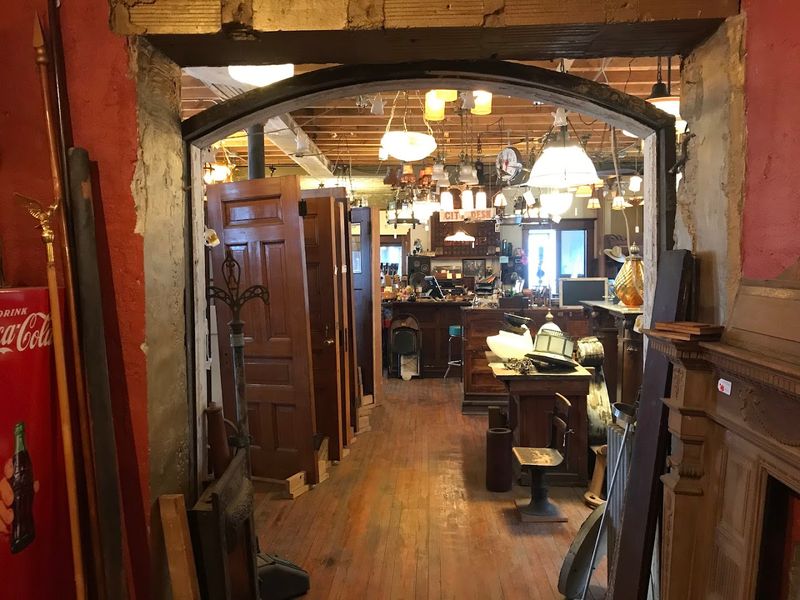
The first thing that got me was how quickly the room started stretching in my head, even though I was standing still and only looking down one aisle. City Salvage has that rare warehouse feeling where every corner suggests another corner behind it, and every stack of old materials makes you wonder what is tucked just past the next doorway.
You are not dealing with neat showroom logic here, which is exactly why the place feels exciting instead of staged.
As you move through it, the scale comes from layers more than square footage, and that changes the way you browse. A row of doors leads your eye toward lighting, then your attention drifts to hardware, then suddenly you are inspecting carved trim like you meant to do that all along.
It feels less like shopping and more like following your own curiosity as it keeps getting redirected by something stranger or prettier.
That is probably the best way to describe the mood of this Minneapolis spot in Minnesota, because it rewards wandering more than efficiency. You do not come here to grab one thing and leave with your mind unchanged.
You come here because old places leave traces behind, and City Salvage has figured out how to gather a whole lot of those traces under one roof.
Where You Actually Find It
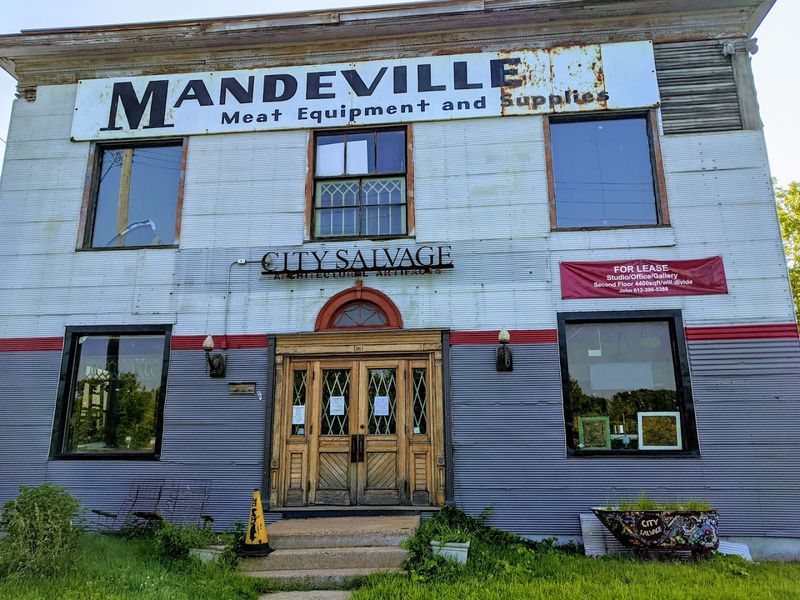
Let me make this easy right away, because the neighborhood can feel a little industrial until you settle into it. City Salvage is at 2800 N Washington Ave, Minneapolis, MN 55413, and once you know that, the whole outing starts to make sense.
The setting fits the place, because it feels like the kind of business that should live somewhere practical, roomy, and a little rough around the edges.
I like that the approach does not overpromise anything flashy before you walk in, since that would miss the point anyway. The fun starts when the exterior gives way to rooms full of architectural leftovers, old fixtures, and pieces that clearly came from buildings with stories attached to them.
You get that nice little shift from ordinary street view to total visual overload, and honestly, that transition is part of the charm.
If you are already exploring Minneapolis, this stop slides nicely into a day without needing some big ceremonial plan. It feels grounded in the city, and it also feels very Minnesota in the way useful things are kept, repurposed, and appreciated long after someone else might have tossed them.
That attitude is all over the place the minute you step inside.
Lighting With A Whole Previous Life
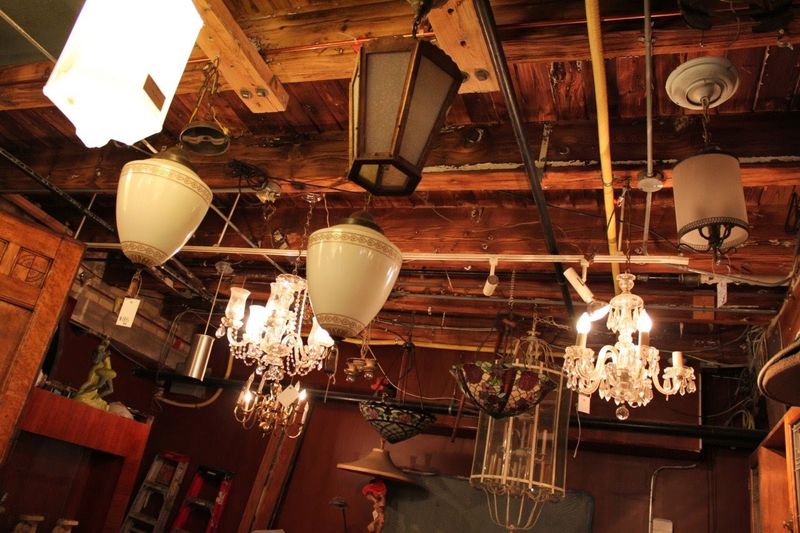
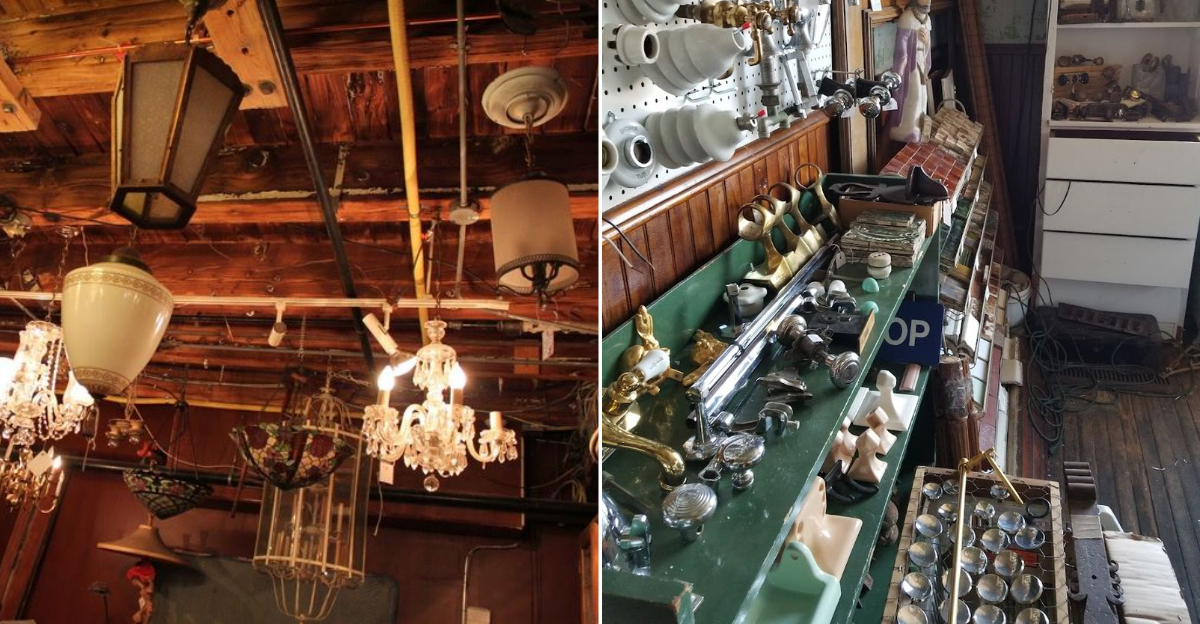
I could have spent a very long time just under the lighting section, because old fixtures know how to show off without trying too hard. City Salvage keeps the kind of chandeliers, sconces, and overhead pieces that still feel theatrical even when they are unplugged.
You can almost picture the rooms they once lit, which makes them more interesting than anything sitting in a regular home store box.
Some pieces lean ornate, some feel industrial, and some land in that sweet spot where they could work in almost any house with a little nerve. The wear matters here, because patina on metal and slight softness in old glass gives these fixtures a depth that new reproductions usually fake badly.
Even if you are not shopping, it is satisfying to stand there and notice how differently each piece catches ambient light.
This is also where City Salvage really shows its strength as a place built on variety rather than one narrow style. You are seeing practical utility, craftsmanship, and personality all tangled together in one section of the store.
In Minnesota, where so many older homes still carry architectural character, these kinds of lights feel less like nostalgia and more like a continuation of something already worth keeping.
Hardware That Rewards Slow Looking
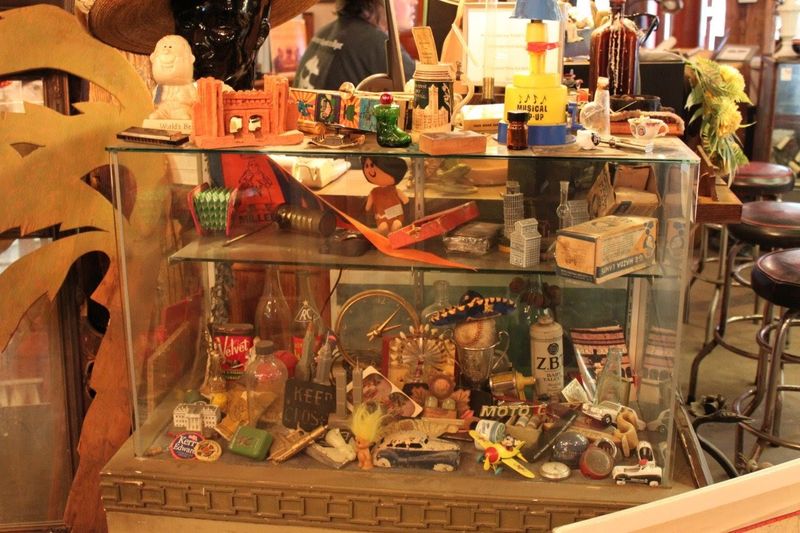
This might sound oddly specific, but the hardware section is where I started feeling genuinely possessive about little objects that were not even mine. There is something about old knobs, pulls, hinges, and latches that makes you slow down and pay attention in a different way.
Big pieces impress you from across the room, but hardware pulls you close and asks for patience.
At City Salvage, that smaller scale becomes part of the fun because you are scanning for details instead of making quick judgments. One bin or shelf can hold finishes, shapes, and styles that hint at entirely different buildings and eras of use without turning the experience into a museum lesson.
You just start noticing weight, wear, and craftsmanship, and suddenly a doorknob becomes weirdly moving.
I think that happens because hardware carries the touch of everyday life more directly than almost anything else in the store. Doors were opened, drawers were pulled, locks were turned, and all of that contact leaves behind a quiet human record.
If you are the type who likes texture, little design surprises, and objects that feel honestly handled, this part of the Minneapolis store in Minnesota can keep you occupied for quite a while.
Stained Glass That Changes The Whole Mood
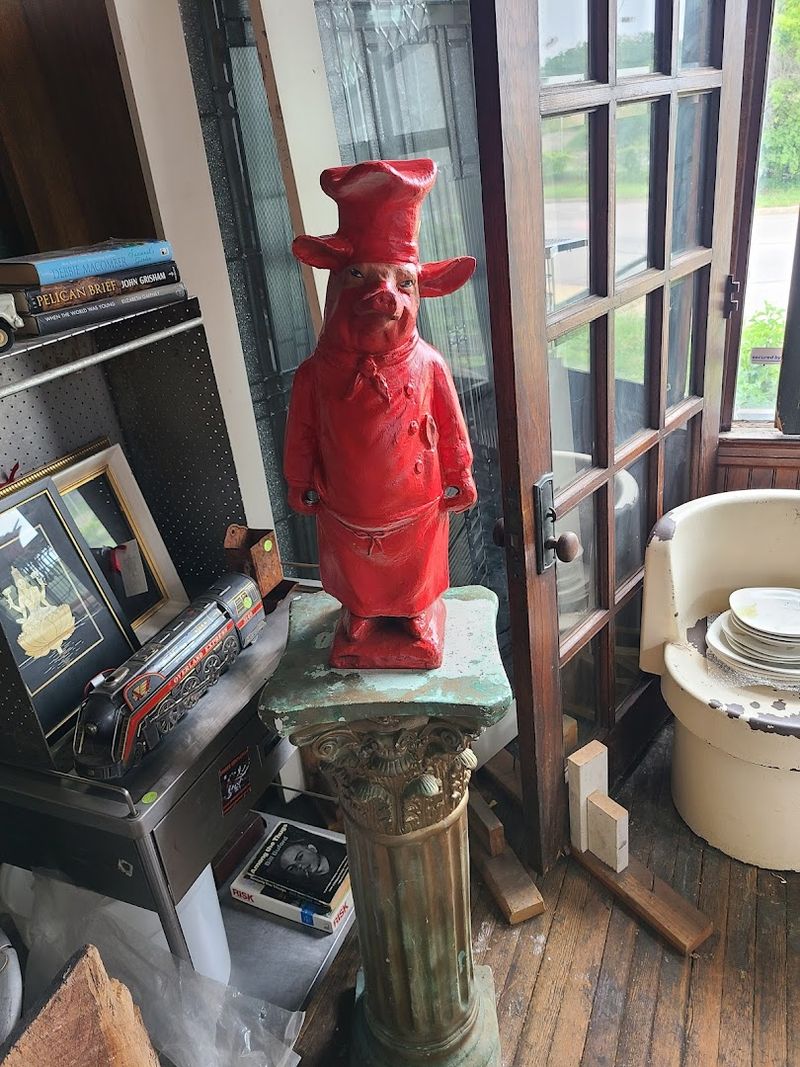
There is a point in this place when the heavier wood and metal give way to color, and that shift really sneaks up on you. The stained glass at City Salvage changes the whole emotional temperature of the visit, because suddenly the room feels softer and more reflective.
Instead of thinking about construction and salvage, you start thinking about light itself and how a house can feel when color moves through it.
Some panels look delicate and formal, while others feel homey in a way that is harder to describe until you see them up close. The glass carries imperfections and age in a way that makes each piece feel personal rather than decorative by committee.
Even leaning against a wall, these windows have enough presence to make you stop and imagine them lit by morning or late afternoon.
I kept coming back to them because stained glass has a way of preserving atmosphere, not just material. It suggests parlors, stair landings, entryways, and old commercial spaces without needing any explanation taped beside it.
In a city like Minneapolis, where old buildings still shape the visual memory of neighborhoods, these pieces feel like rescued fragments of that memory, waiting for a new frame and another chance at sunlight.
Furniture And Millwork With Real Weight
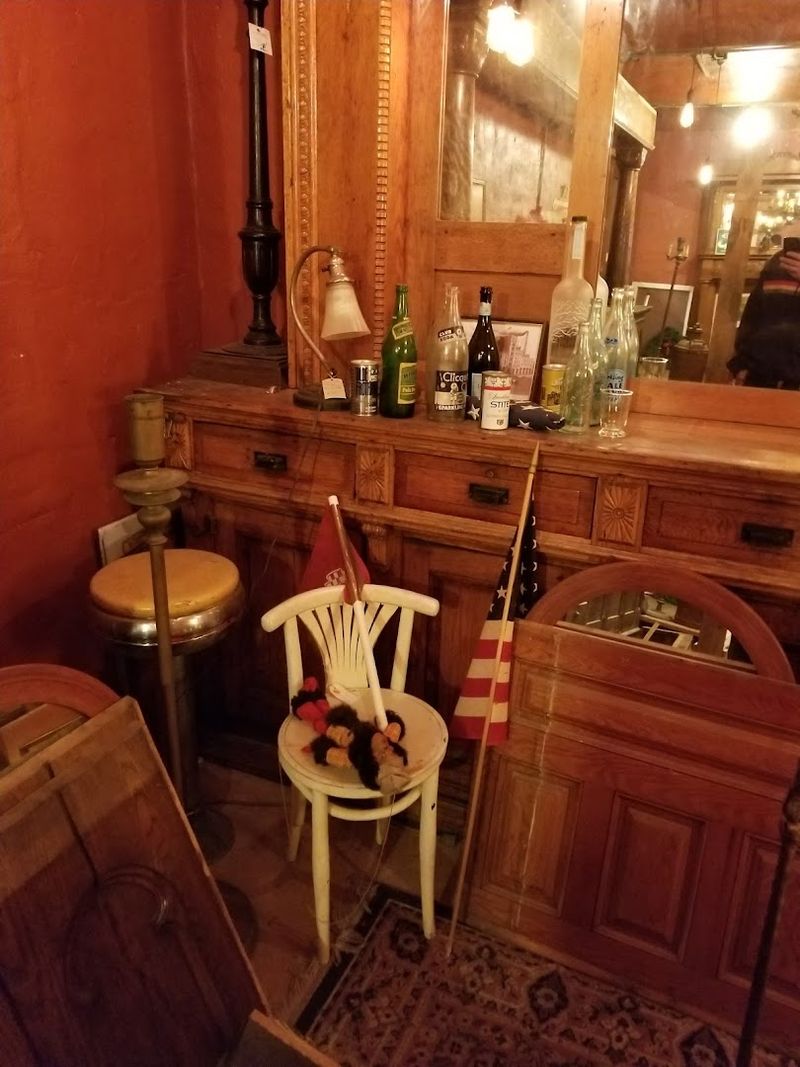
Once you get into the furniture and millwork, the place starts feeling almost theatrical, like each piece could anchor an entire room by itself. City Salvage is strong on the kind of woodwork that makes modern trim look shy, and that contrast hits you right away.
Mantels, built-ins, carved sections, and substantial furniture pieces all have that grounded presence you notice before you even think about function.
What stands out is not just ornament, though there is plenty of that, but the sense that these pieces were made to last through generations of use. You can see sturdy joinery, deep wood tones, and design choices that came from a different relationship with materials and labor.
Even if your place at home is small or modern, it is hard not to admire the confidence of objects built with this much physical and visual weight.
I also think this section says a lot about why salvage matters beyond aesthetics or trend. Reusing millwork and furniture preserves craftsmanship that is difficult to replace once it disappears into dumpsters or demolition piles.
In Minnesota especially, where old houses and civic buildings still shape so much local character, places like City Salvage help keep that character from thinning out into something flatter and less memorable.
The Best Part Is Not Knowing What Turns Up
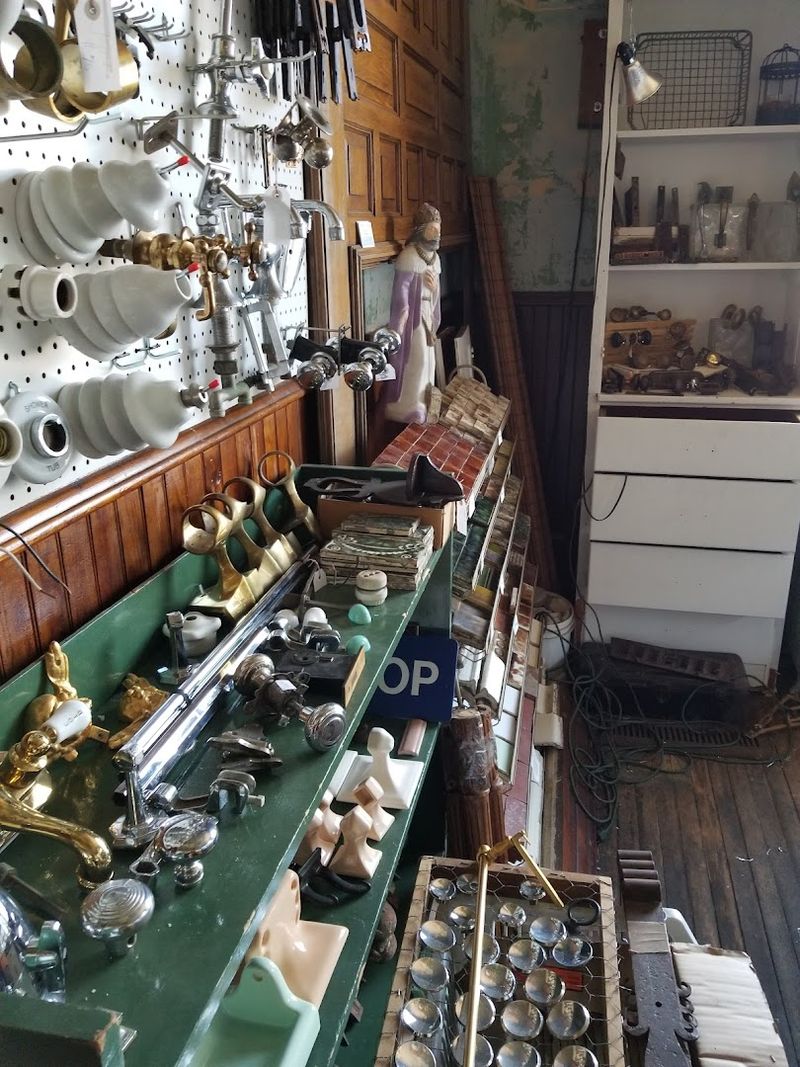
Honestly, the most addictive thing about City Salvage is that you cannot really shop it with a perfectly efficient mindset. The inventory changes, pieces come and go, and that means every visit carries a little uncertainty that keeps your eyes working harder.
If you need total predictability, this probably is not your scene, but if you like discovery, it becomes very hard to rush.
That changing mix is what gives the place energy, because you are never only looking for one exact item on one exact shelf. You are open to surprise, and surprise shows up in the form of odd artifacts, useful fixtures, and big architectural elements you never expected to care about.
One minute you are focused on lighting, and the next you are staring at carved wood, old plumbing pieces, or something so specific it feels rescued from a storybook set.
I think that unpredictability is why people return, even after they have already found something they love. The store does not freeze itself into one curated identity, and that keeps the experience lively and human.
In Minneapolis, where plenty of places are polished to death, this kind of evolving, slightly unruly atmosphere feels refreshing and a lot more memorable than another carefully managed retail floor.
You Leave Wanting To Rescue Something
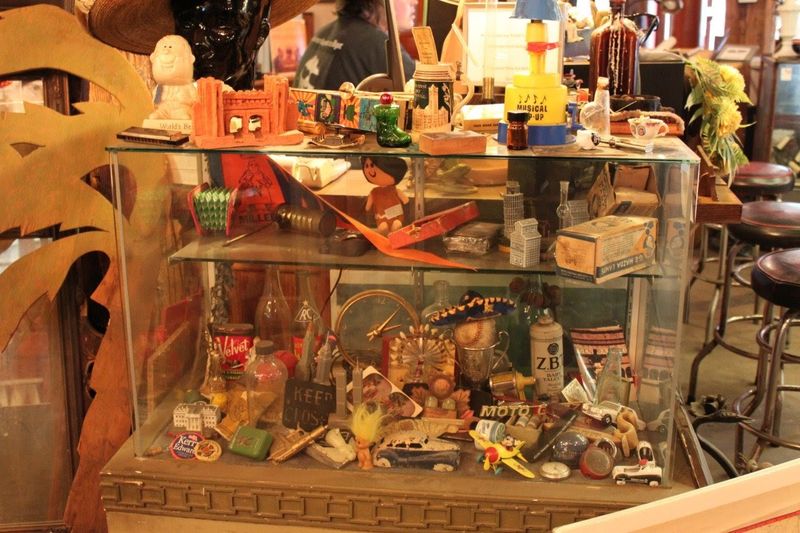
By the time I was ready to leave, I had that familiar salvage-yard feeling of wanting to take home something completely unnecessary but deeply appealing. City Salvage does that to you, because it makes age feel useful instead of dusty and makes imperfection feel like proof of life.
Even if you walk out empty-handed, your brain keeps carrying around certain pieces as if they quietly followed you home.
What stays with you is not just the inventory, though that is plenty memorable, but the atmosphere of shared afterlives. These objects have already been chosen, installed, touched, repaired, and lived with, and now they are waiting for another setting where they can matter again.
There is something reassuring about that cycle, especially when so much retail now feels disposable before you even get it through the door.
So yes, this Minneapolis stop really does sell history in a tactile, everyday way, and not in some stiff, museum-like sense. It lets you stand inside the leftovers of American buildings and decide what still deserves attention.
If that sounds a little sentimental, maybe it is, but in a place like this, sentiment and usefulness live comfortably together, and that is exactly why City Salvage feels worth talking about long after you leave.
