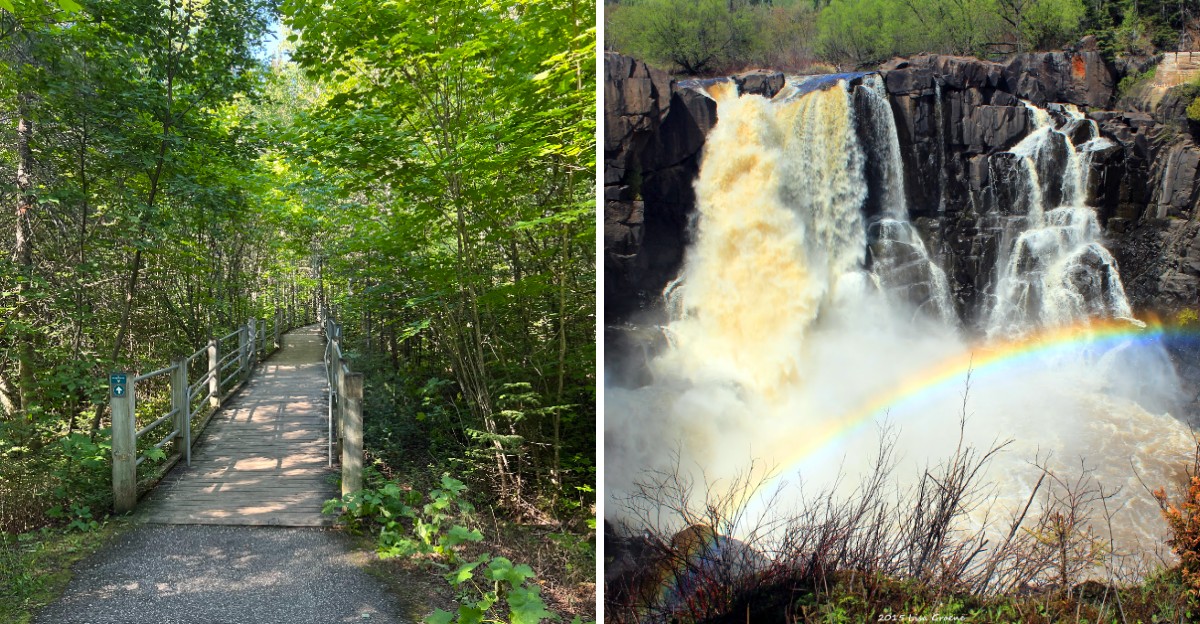
A 120-foot waterfall thunders down a cliff, and Canada sits right across the river. That alone makes me want to grab my car keys.
The best part is the walk. A paved path with boardwalk sections leads you there, so nobody has to suffer for the view.
This is the tallest waterfall in Minnesota. I like how it rewards you fast, with three viewing decks and mist that drifts toward the railings.
The story behind this park is just as unusual as the falls. It is run through a rare partnership rooted in Ojibwe history and land.
The Tallest Waterfall In The State Is Louder Than You Expect
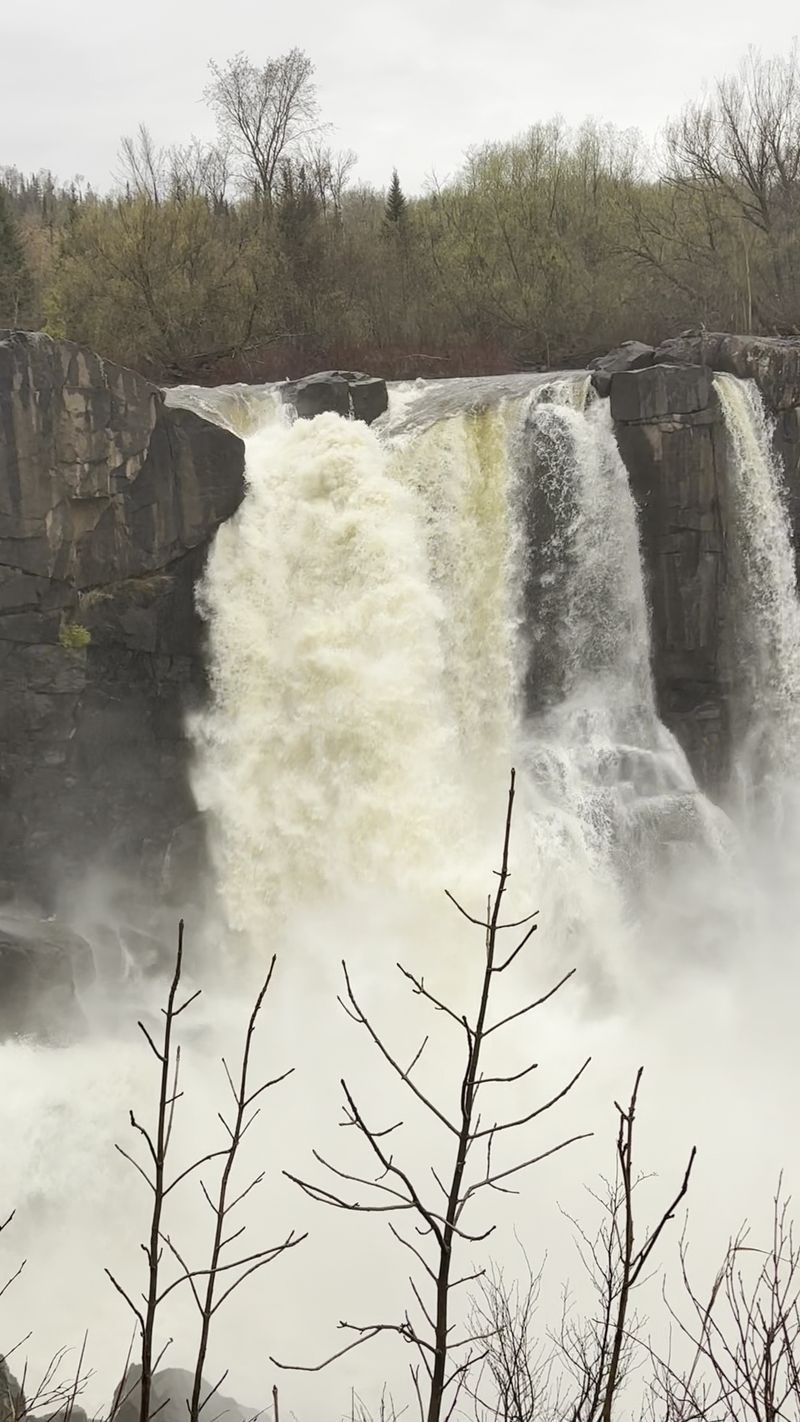
Grand Portage State Park holds a record no other Minnesota park can touch. Its High Falls on the Pigeon River drops about 120 feet, the tallest waterfall in Minnesota.
That number sounds big on paper. In person, the sound tells the story before your eyes even catch up.
The water pours over a massive ledge of dark rock. On a clear day, the spray can paint a rainbow across the gorge.
Here’s a fun twist. The far side of the river belongs to Canada, so you are admiring a waterfall shared by two countries.
The Pigeon River drops hundreds of feet on its way to Lake Superior. High Falls is where it makes its boldest move, and it does not hold back.
Timing changes the show. Spring snowmelt usually pumps up the flow, while autumn brings bright leaves that frame the white water beautifully.
Bring a jacket with a hood if you like standing close. Mist has a habit of finding cameras, glasses, and freshly styled hair.
Plan to linger longer than you think. Watching that much water fall nonstop is oddly calming, and it is very hard to look away.
A Park Partnership Unlike Any Other In The Country
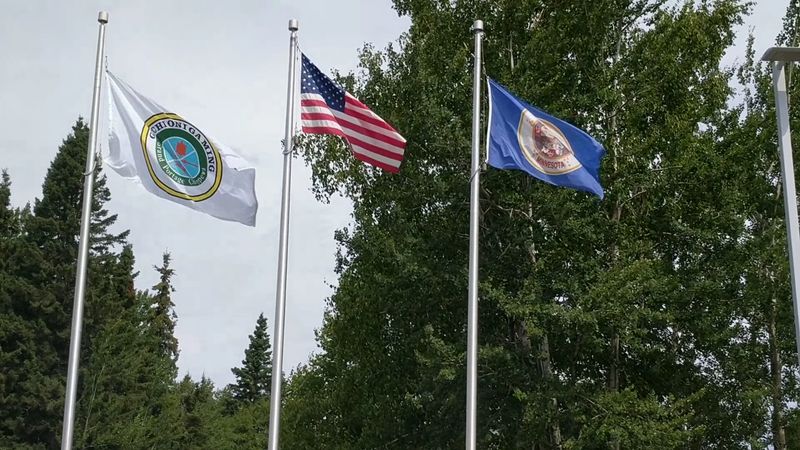
Ownership is where this park gets truly special. The State of Minnesota does not own the land here.
Instead, the land is held in trust for the Grand Portage Band of Lake Superior Chippewa. The state leases it, and the park runs through a partnership with the Band.
The arrangement took shape in 1989. A big goal was giving visitors safe access to High Falls while respecting the land’s longtime caretakers.
I believe this setup makes the visit feel deeper. You are not just seeing scenery, you are stepping onto land with living cultural roots.
That connection shows up throughout the park. Signs, exhibits, and staff help share the story of the Grand Portage Ojibwe people.
Many travelers come only for the waterfall. They often leave knowing far more about the region than when they arrived, which is a pretty great bonus.
Take a moment to read the interpretive panels along your route. They add meaning to every step and turn a quick walk into a real lesson.
Respect goes a long way here. Stay on marked paths, follow posted rules, and treat the land with the same care its stewards have shown for generations.
Life-Size Murals Make The Visitor Center Worth A Stop
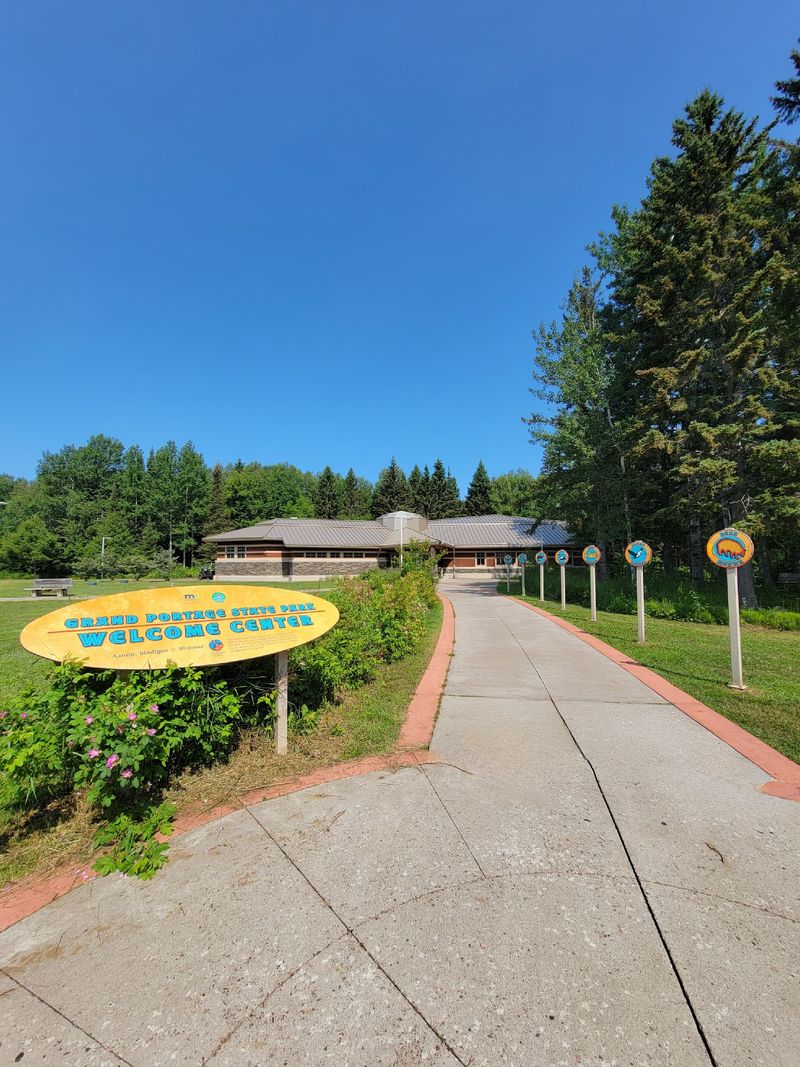
Four life-sized murals stretch across the visitor center. Together, they tell a story of seasonal movement and traditional Ojibwe life.
The building sits at 9393 E MN-61, Grand Portage, MN 55605. It is the starting point for the trails, so you will pass right by it.
Inside, interpretive displays share the culture of the Grand Portage Ojibwe people. It is a small space, but it packs plenty of meaning.
The practical side matters too. You will find restrooms, vending machines, and a little gift shop for souvenirs.
Here’s a handy perk. The lobby and restrooms stay open around the clock, every day of the year.
That is a lifesaver on a late drive near the border. Few rest stops come with this much character.
The center also works as a state travel information spot. Staff, including Grand Portage Band members, can help with tips for the rest of your Minnesota trip.
Ask questions while you are there. Local knowledge can point you toward views and stops you might easily miss on your own.
Give yourself at least fifteen minutes inside. The murals deserve more than a quick glance on the way to the bathroom.
Hardy Hikers Can Chase A Second Waterfall
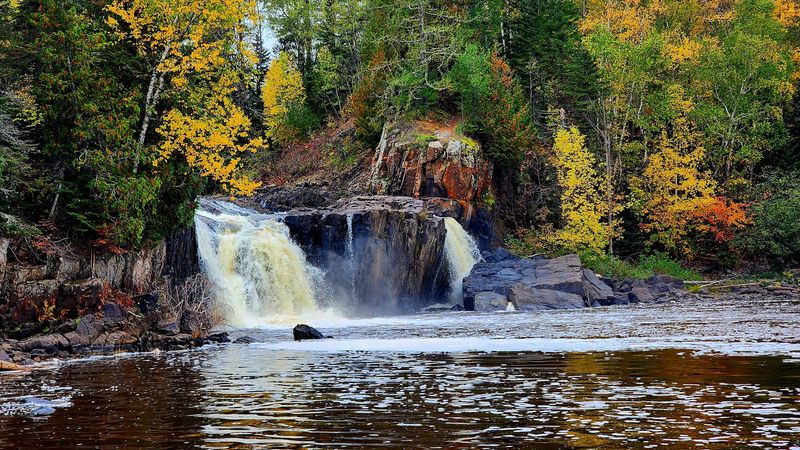
Feeling ambitious after High Falls? A much wilder adventure waits on the Middle Falls Trail.
This route runs about 4.5 miles round trip. It climbs over rocks and roots with several hundred feet of elevation change.
Plan on roughly three to four hours. Sturdy boots are smart, since the path can get muddy after rain.
The prize is Middle Falls, a lovely waterfall around 20 to 30 feet tall. It feels more secluded than its famous neighbor downstream.
Along the way, ridgetop overlooks open up wide views. You can spot Lake Superior and even catch glimpses into Canada.
That is a lot of scenery for one afternoon. It also helps you appreciate how easy the paved trail really is.
Pack water and snacks before you start. There are no shops along the route, and the climbs can sneak up on tired legs.
Check the weather too. Wet rocks get slippery fast, and the trail is far more challenging in a downpour.
Not up for the full trek? Simply enjoy High Falls and save Middle Falls for a future trip with more time and energy.
Comfortable Shoes Are Optional On This Easy Paved Path
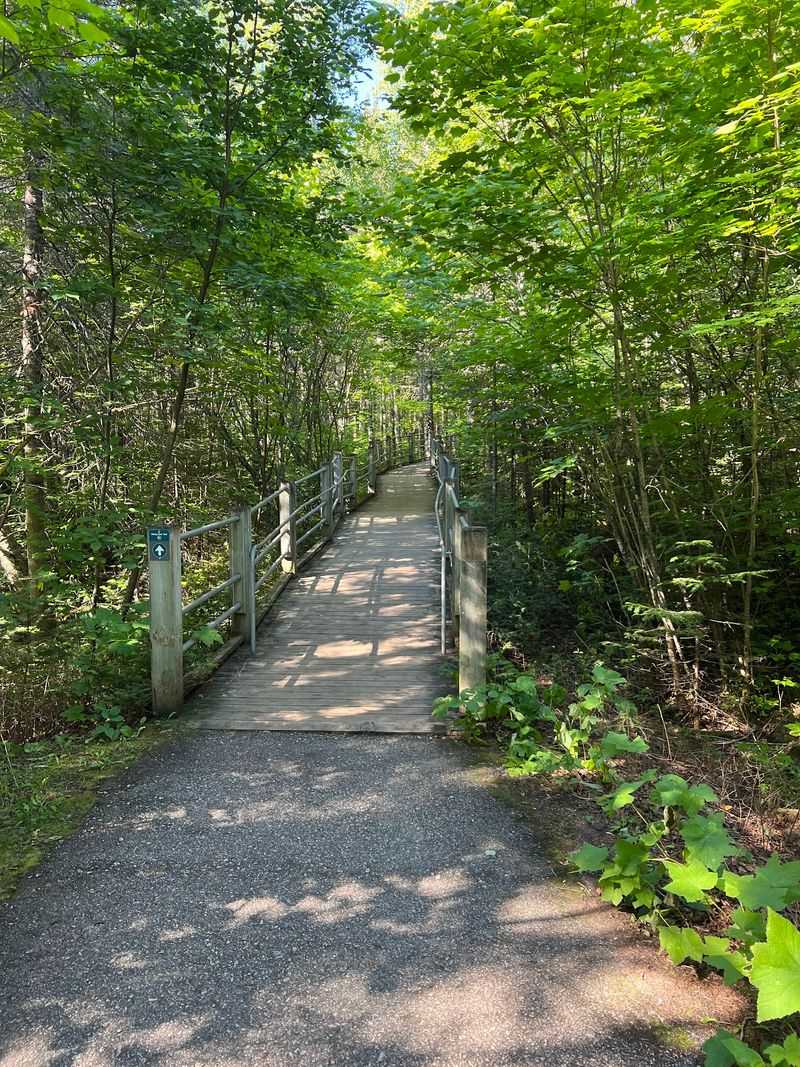
Most waterfalls this tall make you earn them with sweat. This one asks for a pleasant stroll and maybe a granola bar.
The High Falls Trail starts near the visitor center. It follows a paved path with boardwalk sections through a quiet forest.
The round trip runs roughly one mile. That makes it a great fit for kids, grandparents, and anyone who just finished a long drive up the North Shore.
As you walk, the roar slowly grows louder. It is a fun way to build excitement without spending a single minute on a steep climb.
The trail ends at three viewing decks. Each one offers a different angle, so you can pick your favorite photo spot or try them all.
Accessibility is a big part of the design. The boardwalk leads to a wheelchair-accessible viewing deck, while one of the additional viewing platforms requires descending approximately 40 steps.
Side paths along the way let you peek at the Pigeon River rapids. They are worth a short detour if you love moving water.
Keep an eye out for small patches of uneven pavement. Otherwise, this is about as relaxed as waterfall hunting gets.
Canada Is Literally Across The River
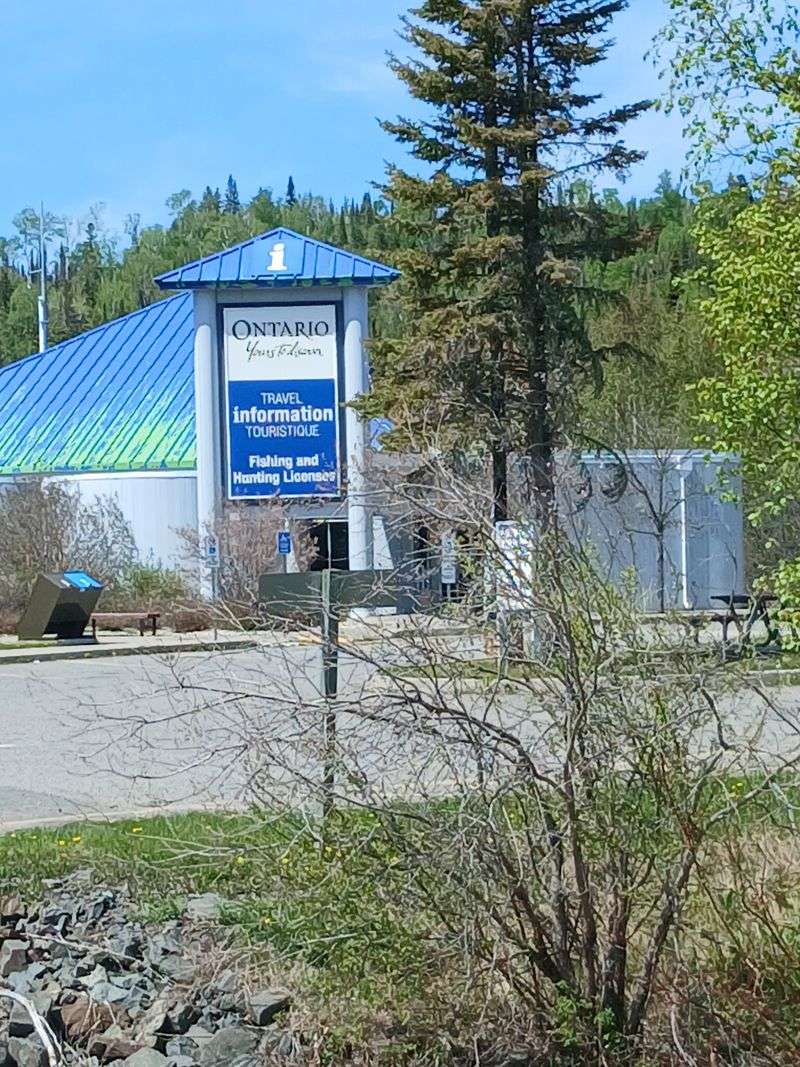
Few parks let you wave at another country from the trail. At this one, the Pigeon River forms the border between the United States and Canada.
The park sits at the far northeastern tip of Minnesota. The U.S. border crossing is just a short drive from the entrance.
Much of the High Falls walk follows the river. So you stay close to the international line the whole time.
Follow the half-mile Picnic Trail from the visitor center to an interpretive sign explaining the international boundary. It is a fun spot for a photo with two nations in one frame.
History adds another layer. The Webster-Ashburton Treaty of 1842 helped confirm the Pigeon River as the boundary.
No passport is needed to enjoy the view. Just remember that the far bank belongs to our northern neighbor.
Kids usually love this detail. Telling friends you saw Canada from a waterfall trail is a pretty great brag.
Bring binoculars if you have them. The forested bank across the water looks peaceful, and wildlife sometimes appears on either side.
It is a neat reminder that rivers do not care much about maps.
Why The Name Grand Portage Makes Total Sense
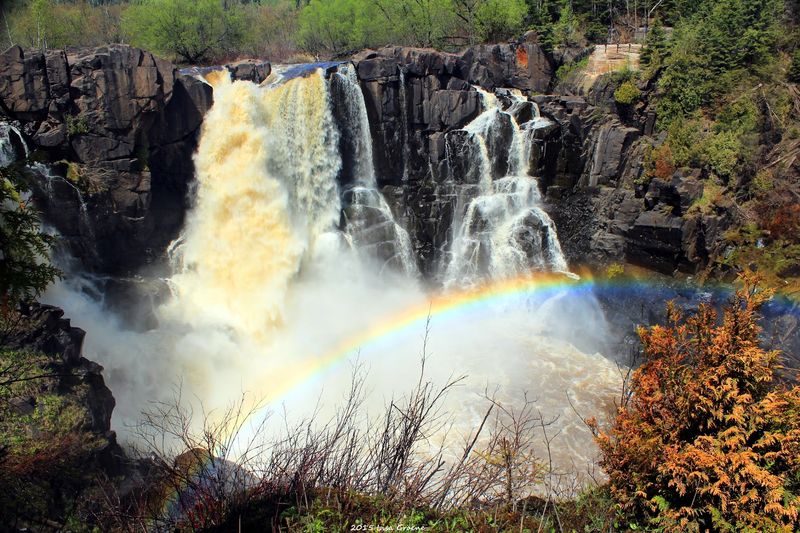
Carrying a canoe for miles sounds exhausting. That is exactly what the word portage describes.
The Pigeon River has big falls and rough rapids near its mouth. Boats simply could not pass through safely.
So travelers carried their canoes and gear overland instead. The historic Grand Portage trail stretched roughly eight and a half miles around the rough water.
Native Americans used this route long before European traders arrived. Later, fur trade voyageurs relied on it to move goods inland.
Standing at High Falls makes the history click instantly. One look at that drop explains why nobody tried paddling over it.
The name stuck, and it now covers the community and the park. It is a word with real muscle behind it.
Interested in more history? Nearby Grand Portage National Monument tells the fur trade story in greater detail.
Pairing both stops makes for a full day. You get roaring water in one place and deep history in the other.
Either way, you will never hear the word portage the same way again. Your own short walk will feel downright luxurious by comparison.
Free Entry Makes This An Easy Yes
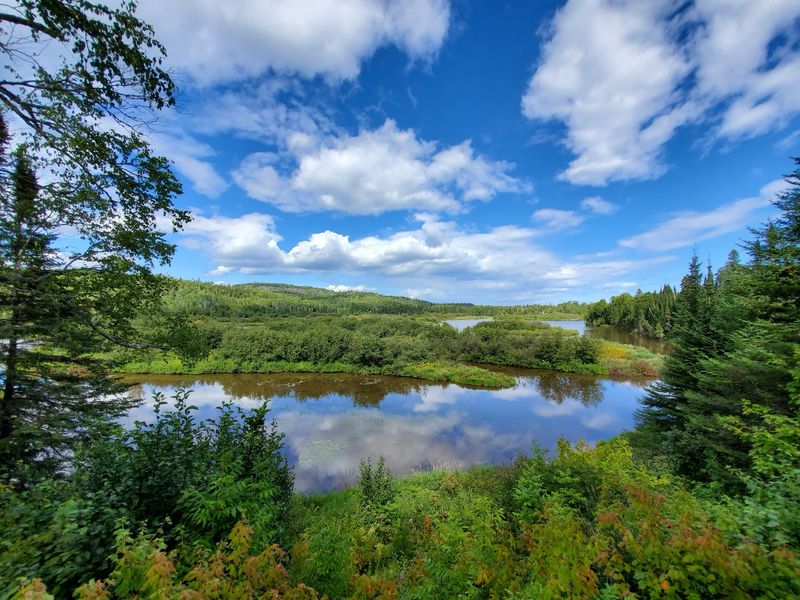
Good news for your wallet. Grand Portage State Park does not require a state park vehicle permit.
That makes it one of the friendliest stops in Minnesota for a spontaneous visit. Pull in, park, and start walking.
Keep in mind this is a day-use park. There is no campground, so plan your overnight stay somewhere else along the shore.
Dogs are welcome on the trails. Just keep them on a leash six feet or shorter.
That rule helps protect wildlife and other visitors. It also keeps curious pups away from slippery riverbanks.
Bring a bag for pet cleanup, since the trails stay lovely when everyone pitches in. A water bottle for your dog is smart on warm days.
The quick trail fits easily into a road trip. Many travelers spend under two hours here and still see the main highlights.
If you want more, the longer trail can fill an afternoon. Either plan works without much stress or planning.
Check the official park page before you go for any trail closures or updates. Conditions can change with weather and season.
Then simply show up ready to enjoy the falls.
Autumn Color Turns The Gorge Into A Postcard
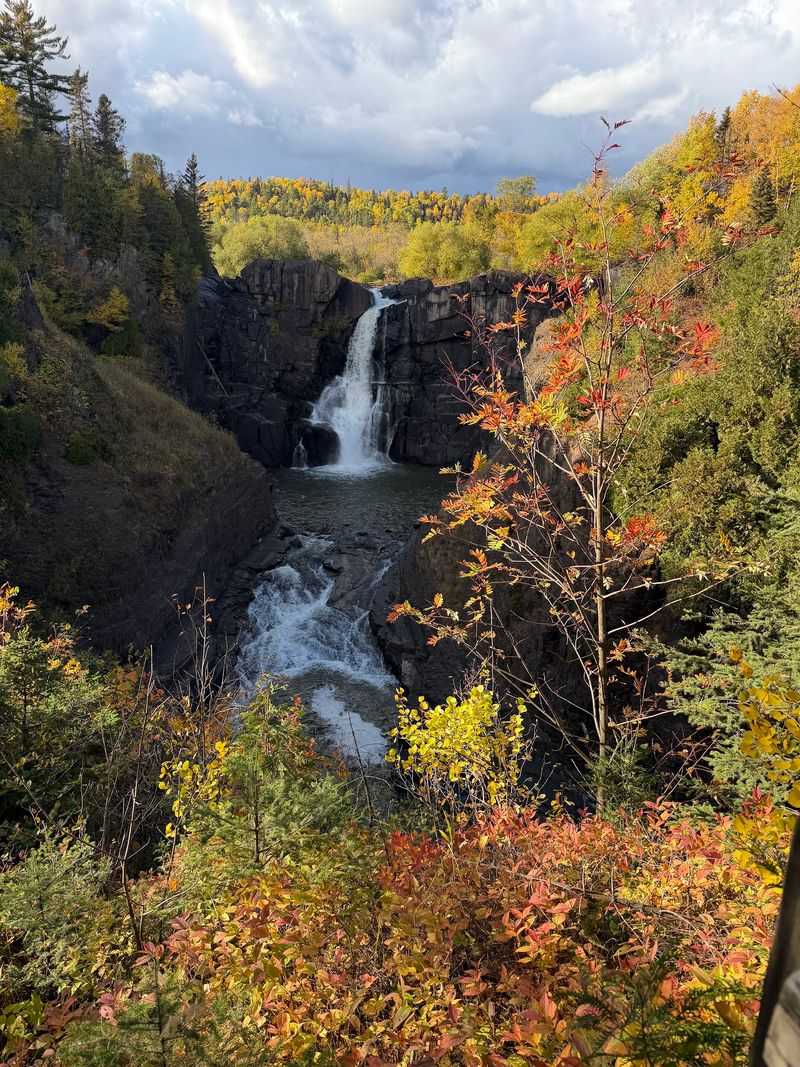
Golden birch leaves and crimson maples transform this spot every fall. The roaring white water looks even brighter against all that color.
Fall is a favorite season for many North Shore travelers. Grand Portage State Park sits at the very end of that famous scenic drive.
Spring offers its own reward. Melting snow often sends extra water rushing over High Falls.
Summer brings green forest and pleasant walking weather. It is a great time for families on vacation.
Winter visits take more planning in northern Minnesota. Snow and ice can affect trail conditions, so check ahead.
Sunny days can create rainbows in the mist. Cloudy days soften the light, which photographers often appreciate.
Early mornings may feel quieter on the trail. A calm moment beside that much power is hard to beat.
No matter the season, the drive up Highway 61 is part of the fun. Lake Superior keeps you company most of the way.
I can’t imagine a better finale for a shoreline road trip. A giant waterfall, a border river, and a rich cultural story make this park a stop you will remember.
