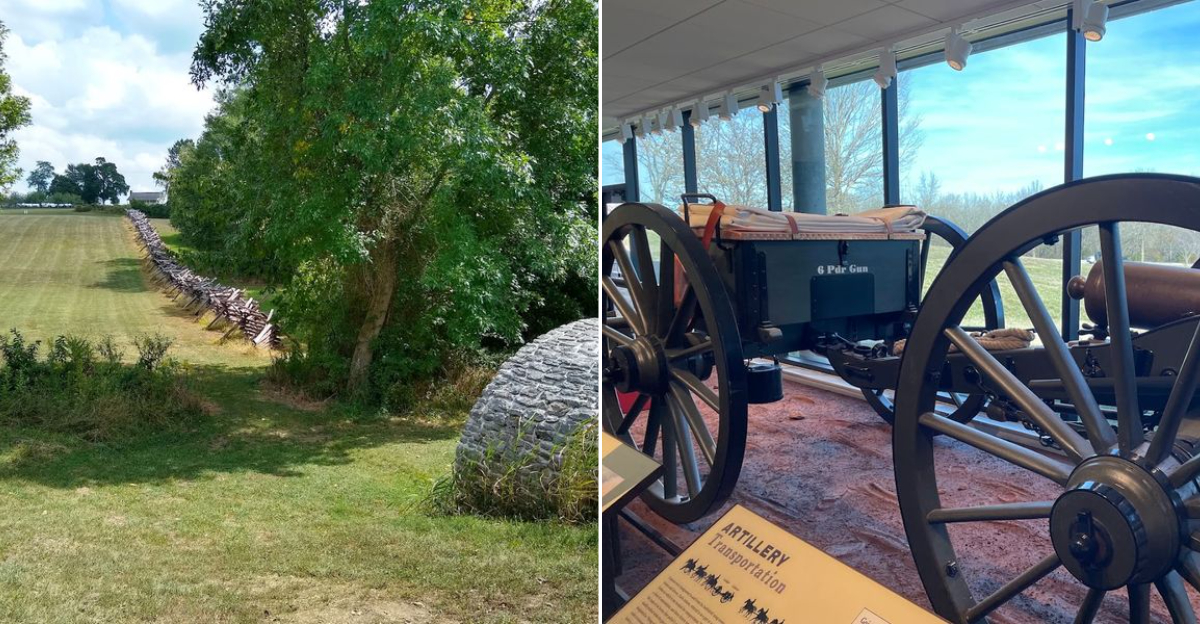
Some battlefields feel like they are still holding their breath, and this one in Missouri is no exception.
More than a century and a half ago, it was the site of a pivotal Civil War clash, the first major battle fought west of the Mississippi, where thousands fell in a few hours of brutal fighting.
Today, the rolling hills and meandering streams are peaceful, the quiet broken only by the wind through the oak and hickory trees. The battlefield is considered one of the best-preserved in the National Park System, with its original landscape largely intact.
You can walk the same ground where soldiers once stood and visit a museum that holds thousands of artifacts from the conflict. It is a place where history speaks softly but clearly, a reminder of the cost of a nation divided.
A visit here is not just a look at the past; it is a moment to reflect on how far we have come.
Start At The Visitor Center
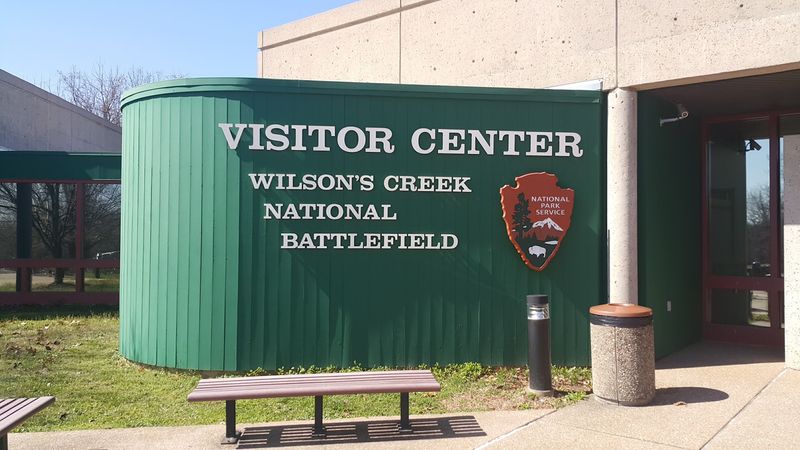
The first thing I would tell you is not to rush past the visitor center, because it quietly sets the whole mood before you ever step onto the battlefield. The building feels grounded and unshowy, which honestly works in its favor, since nothing here needs a dramatic introduction.
You walk in, take a breath, and suddenly the place starts making sense in a deeper way than the roadside view ever could.
The exhibits give you enough context to understand what unfolded here without drowning you in information, and that balance makes a real difference. I liked how the stories felt human instead of distant, with artifacts and panels that pull your attention close rather than keeping it safely academic.
There is also a short film, and it helps connect the landscape outside with the people who moved through it under impossible pressure.
Before doing anything else, I would spend a little time here, just letting the background settle in while you figure out where you want to wander next. It gives the rest of your visit more shape, and that matters at a place like this.
Missouri has plenty of historic stops, but this one really benefits from beginning slowly.
Take The Battlefield Drive
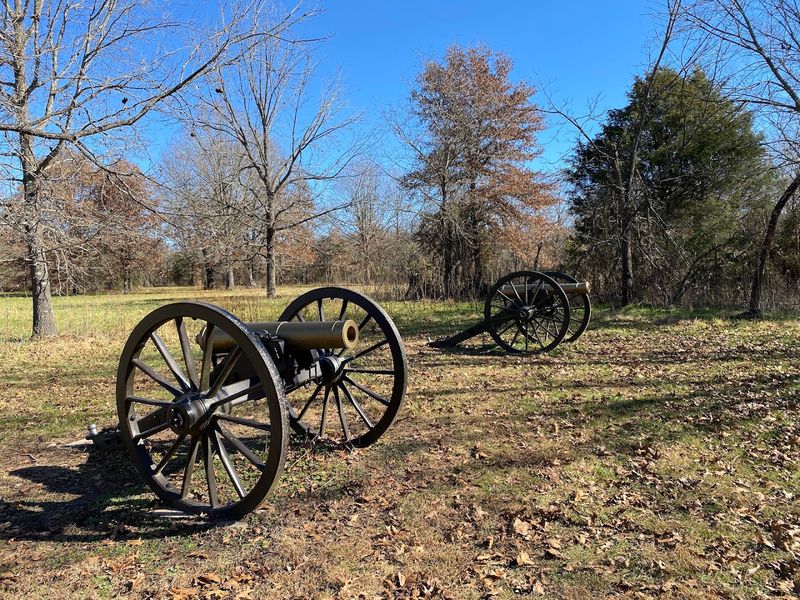
If you are the kind of person who likes easing into a place instead of attacking it all at once, the driving tour is your move. It starts at Wilson’s Creek National Battlefield, 6424 W Farm Rd 182, Republic, MO 65738, and from there the whole visit opens up naturally.
I loved that the route lets the story unfold in pieces, which feels more honest than trying to take it all in at one stop.
The paved loop carries you through the battlefield at a pace that feels calm and thoughtful, and each stop changes the mood a little. One moment you are looking across wide ground that seems almost too peaceful, and the next you are reading about movement, confusion, courage, and loss.
That shift is what makes the place memorable, because the landscape never stops being beautiful even when the history gets heavy.
You can stay in the car when you want a wider overview, then get out when something pulls at your attention a little harder. I think that mix works especially well if you are visiting Missouri with someone who loves history and someone who mostly loves a good scenic drive.
Somehow, this place keeps both people fully engaged.
Step Inside The Ray House Story
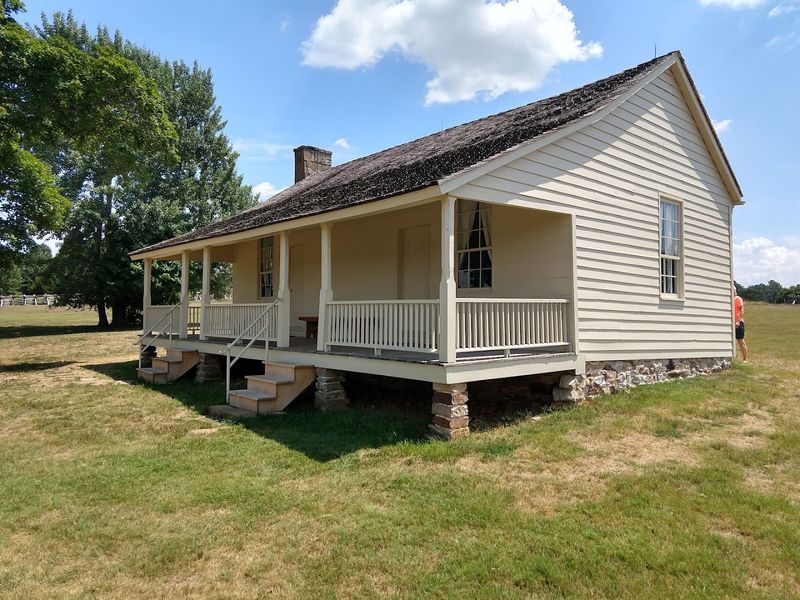
The Ray House caught me off guard a little, because it feels so modest and lived in that you immediately picture ordinary family life before history crashed through. It is not some oversized showpiece, and that simplicity is exactly why it lands.
You look at the house and realize how quickly a home can become part of something far bigger than itself.
This preserved dwelling is the only surviving house from the battle, and that alone gives it a kind of gravity. During the fighting, it served as a field hospital, which changes the way you look at every room and doorway.
Even hearing that General Lyon’s body was brought here makes the house feel less like an artifact and more like a witness.
What stayed with me was how the place folds domestic life and wartime reality into the same small footprint without trying too hard to explain itself. You can stand there and imagine voices, footsteps, worry, exhaustion, and the strange intimacy of care in the middle of violence.
A lot of historic sites tell you what happened, but this one lets you feel how history entered an ordinary Missouri home and never really left.
Walk A Stretch Of Wire Road
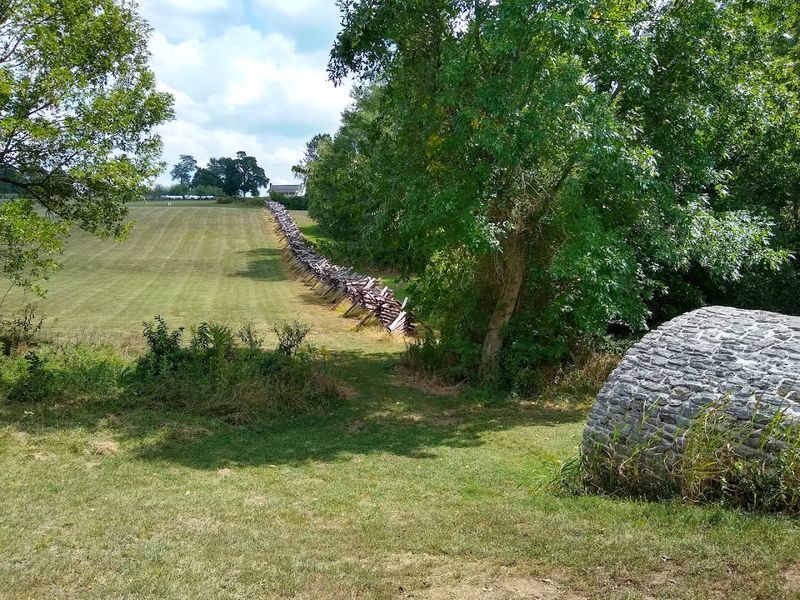
There is something weirdly moving about walking an old road, especially when you know it once carried urgency, messages, movement, and fear. The Wire Road does exactly that, because it looks like a pleasant trail now while still holding the shape of older purposes.
I found myself slowing down without meaning to, just because the path made me curious about who had passed through before.
Historically, this route mattered for communication and transportation, and that gives the trail an extra layer you can actually feel while walking it. It is not just a way to stretch your legs after being in the car, though it definitely works for that too.
The trail lets you experience the battlefield from ground level, which changes your sense of distance, terrain, and vulnerability in a really human way.
What I liked most was how the road pulls you into the rhythm of the landscape instead of keeping history locked behind signs. Trees close in for a bit, then the view opens, and each shift makes the place feel less like a lesson and more like a lived environment.
If you want Wilson’s Creek to feel personal, this is a very good place to start that connection.
Let The Landscape Do Its Work
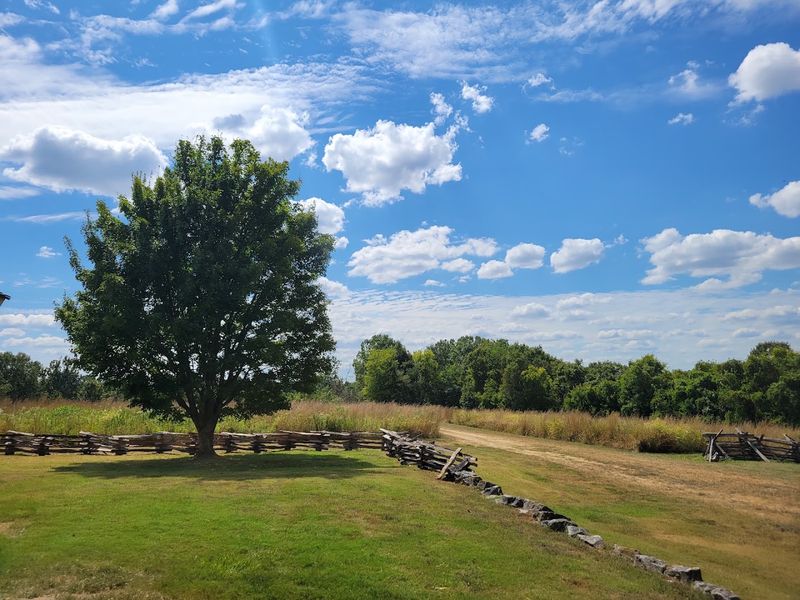
One of the most surprising things here is how easy it is to get pulled into the natural beauty before the history catches up with you again. The fields roll out softly, the woods frame everything in this calm green hush, and the whole place feels almost restorative.
Then you remember where you are, and that gentle beauty starts carrying a different kind of weight.
If you like walking, this battlefield gives you room to move without making the experience feel overmanaged or overly busy. Trails wind through open ground and wooded edges, and you might spot deer, turkeys, or birds if you are paying attention instead of hurrying.
I really think the quiet wildlife presence adds something meaningful, because it shows how thoroughly life has returned to a place once torn apart.
Early in the day especially, the atmosphere can feel almost suspended, like the land is waiting for you to notice the small things. Wind through the grass, changing light, and distant tree lines somehow make reflection feel natural rather than forced.
Plenty of places in Missouri are pretty, but this one leaves you with that rare feeling that beauty and memory are sharing the same ground without competing.
Spend Time With The Museum Collection
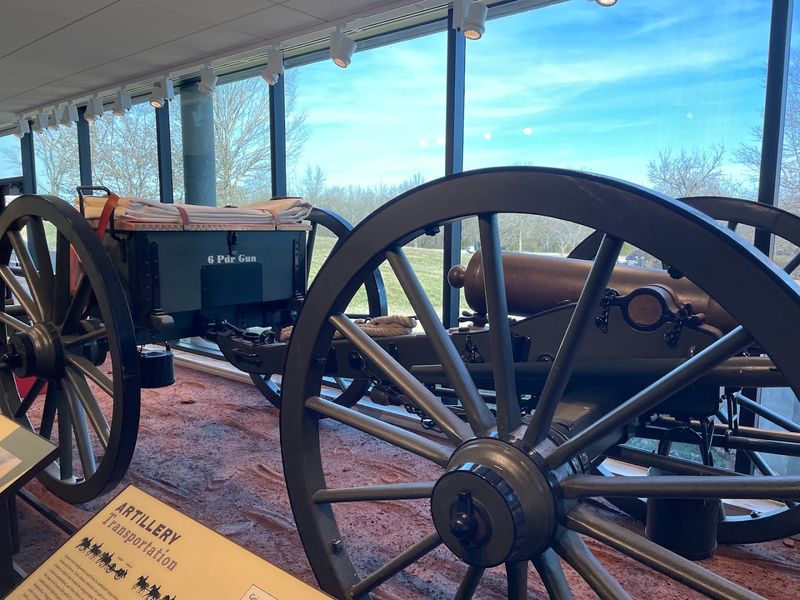
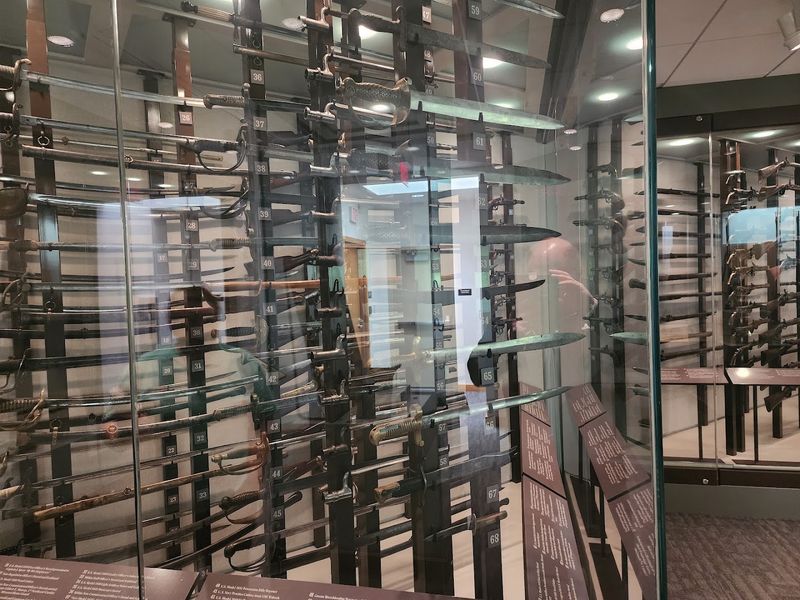
I know some museum rooms can feel like homework if they are not handled well, but this collection genuinely pulled me in. Maybe it is because the artifacts feel closely tied to the landscape you just walked, so nothing seems disconnected or overly arranged.
You are not just looking at old objects here, because each one feels like a small door back into the human side of the story.
The museum is especially strong if you care about the Civil War in the Trans-Mississippi West, since the focus is specific without becoming narrow. Items connected to major figures and moments help ground the battle within a much bigger regional picture, and that context matters more than you might expect.
I found it surprisingly easy to stay engaged, even when I thought I had already absorbed a lot outside.
What works best is the pacing, because you can move slowly, double back, and let certain pieces hold your attention longer than others. Some artifacts hit for their rarity, while others hit because they make ordinary people from another era feel suddenly close.
By the time I finished, Missouri felt less like a background setting and more like a central stage in a story that still asks for careful listening.
Browse The Research Library
If you are even a little bit of a history rabbit-hole person, the research library is the kind of place that can keep you happily occupied. It has that quiet, focused atmosphere where you immediately feel like every shelf might answer a question you did not know you had.
I loved that it exists right here beside the battlefield instead of somewhere far removed from the landscape it helps explain.
The collection includes books, maps, diaries, and journals centered on the Civil War, especially the western side of the conflict that often gets less casual attention. That makes the library feel useful not just for scholars, but for curious visitors who want to understand what happened here in fuller detail.
There is something satisfying about seeing how personal records and broader history sit side by side in one room.
Even if you only pop in briefly, the space adds depth to the whole visit because it reminds you that memory takes work. People preserve these records so places like Wilson’s Creek can be understood with care instead of flattened into a few dramatic highlights.
I came away appreciating how much quiet effort goes into keeping Missouri history available, readable, and grounded in actual evidence.
Leave Room For Reflection
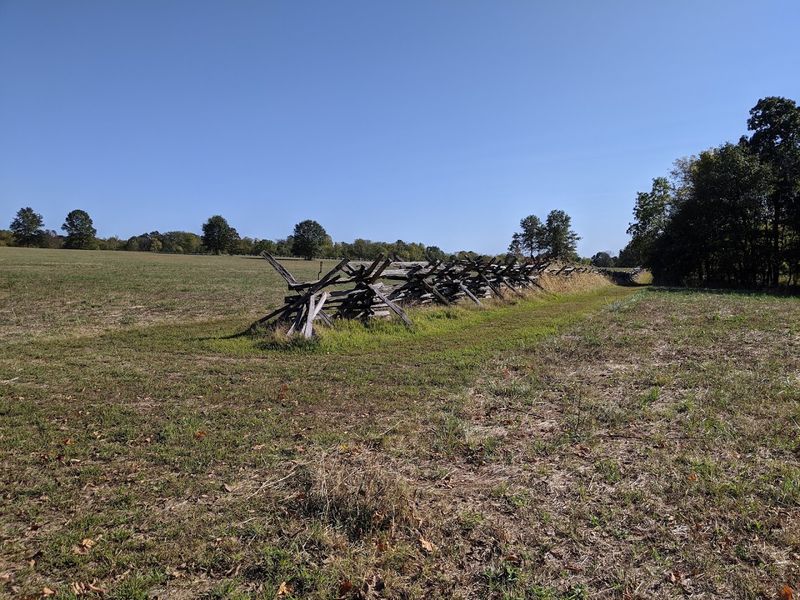
By the end of the visit, what stayed with me most was not one single stop, but the way the whole place holds sorrow and calm at the same time. That balance is hard to explain until you are standing there, looking at peaceful fields that once saw terrible violence.
It makes you think less in neat historical summaries and more in human terms, which feels like the right response.
Wilson’s Creek is one of those landscapes that does not need to push for emotion, because the contrast already does the work. Woods sway, light shifts across open ground, and everything seems almost stubbornly serene despite what the land remembers.
I found that quiet honesty more affecting than anything louder or more polished could have been.
So if you go, I would really encourage you to leave a little unplanned time at the end instead of racing off to the next stop. Sit for a minute, take one more look, and let the place settle into you without trying to turn it into a big performance.
Among historic sites in Missouri, this one feels especially capable of reminding you that reflection is not extra, and sometimes it is actually the whole point.
