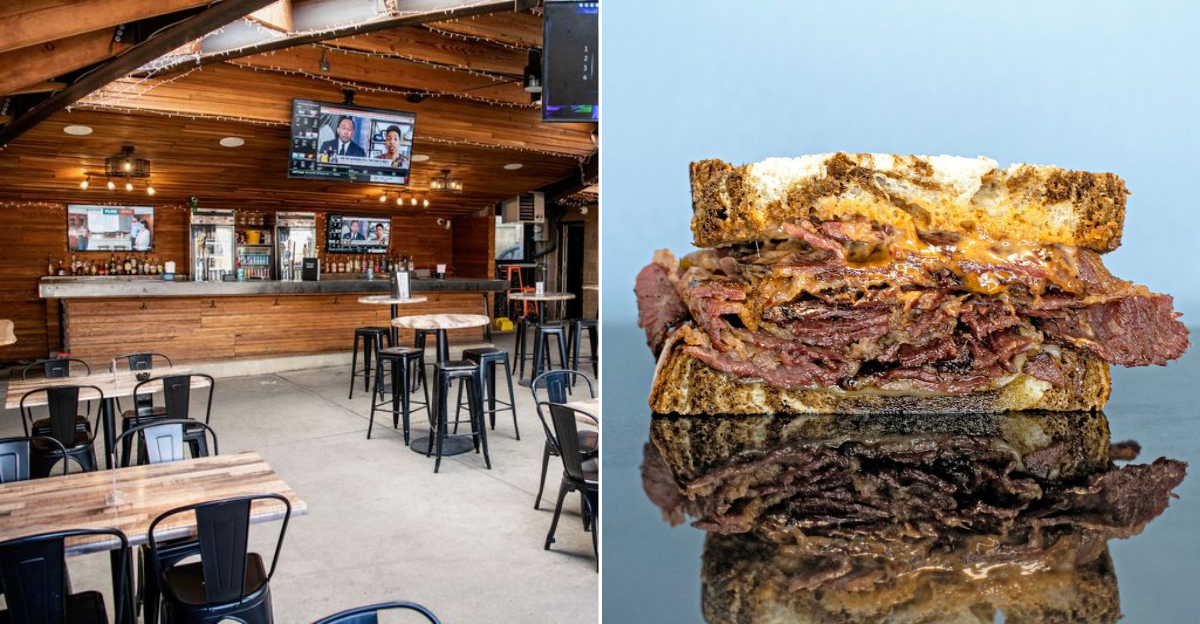
The Reuben sandwich has been a delicatessen staple for over a century, and a Missouri diner is serving one that rivals the best you will find anywhere.
The corned beef is tender and piled high, the sauerkraut is tangy, the Swiss cheese melts into every corner, and the Russian dressing ties it all together.
It is grilled to perfection on rye bread that holds its own against the filling. The diner itself is unassuming, the kind of place you might drive past without a second look, but the regulars know exactly where to go.
People come back for the consistency and the flavor, and first-timers leave already planning their next visit.
A sandwich this good does not fade from memory quickly. It lingers for days.
The First Craving Kicks In Fast
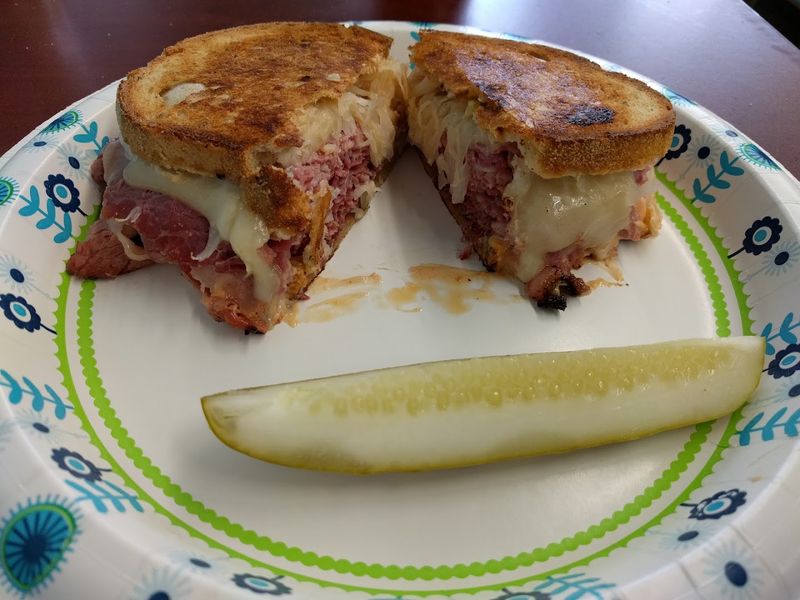
The funny thing about Nomad is that people start talking about it like they are trying to remember a song, and somewhere in the middle of the story, the sandwich gets bigger, warmer, and somehow even more dramatic. You can hear it in the way locals describe that first bite, because it was never just about stacked meat and good bread.
It was about that sharp, savory, tangy combination that made you stop talking for a second and look down like, okay, this is serious.
That is the feeling I keep coming back to when I think about this St. Louis spot, because the memory lands before the details do. The room, the counter energy, the neighborhood, and the kind of comfort that does not feel staged all come rushing in together.
Missouri has plenty of places that can feed you well, but not every place leaves behind a food memory that nags at you on random afternoons.
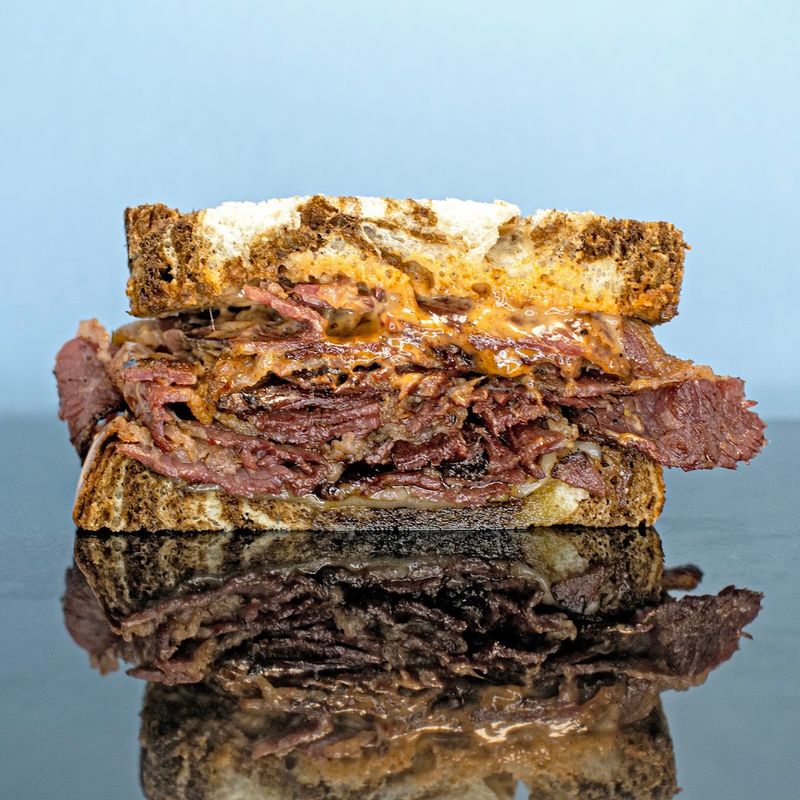
If you are chasing a classic Reuben exactly as written in diner folklore, this story needs a little honesty right up front. What people really seem to carry with them from Nomad is a pastrami sandwich that scratched that same deep, briny, peppery itch, and maybe that is why the memory keeps getting retold with such longing.
Where The Story Actually Begins
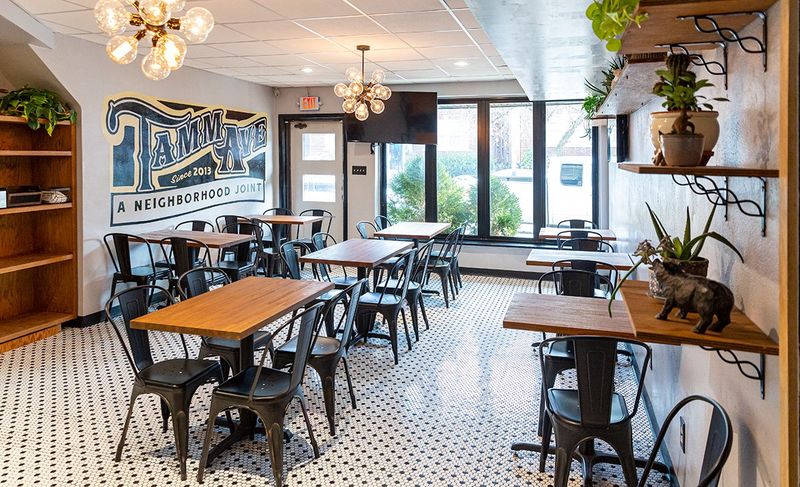
Let me put the place on the map before the nostalgia runs away with everything, because Nomad sat at 1221 Tamm Ave, St. Louis, MO 63139, right in a part of the city that already knows how to make food feel personal. You walked into a neighborhood setting, not some polished concept trying too hard to look effortless.
That mattered, because a sandwich with this kind of reputation needs a room that feels grounded and real.
The whole appeal started with that easy St. Louis energy where people looked like they had been coming in forever, even if it was your first time. You did not need a speech or a trend piece to understand the place once you were inside.
Missouri can do that in a way I really love, where comfort shows up through small details instead of grand declarations.
And here is where it gets important to keep the facts straight. Nomad became known for a standout pastrami sandwich rather than a traditional Reuben, even though plenty of conversations blur that line.
If you go into the story understanding that distinction, the whole place makes more sense, and honestly, the legend gets even better because it is tied to what Nomad actually did well.
Why People Keep Calling It A Reuben
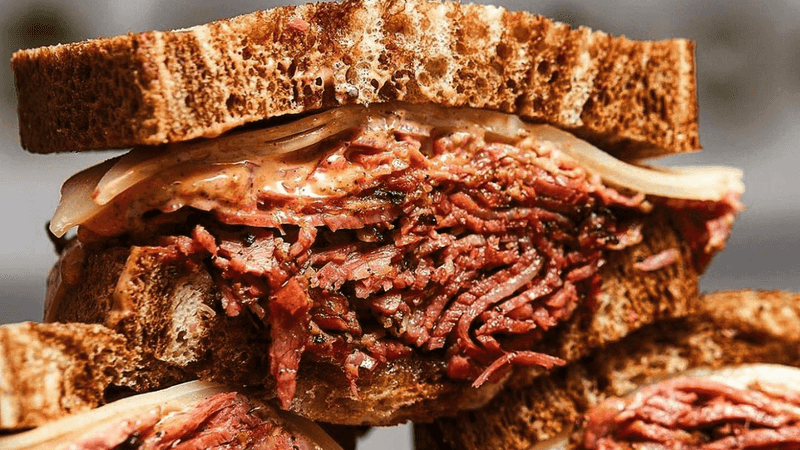
I think people keep reaching for the word Reuben because it is the fastest shorthand for a certain kind of craving, and Nomad clearly hit that nerve. You know the one I mean, where you want something smoky, salty, tangy, a little messy, and absolutely unapologetic about being lunch.
Once a sandwich gives you that feeling, your memory starts grabbing familiar labels just to explain the intensity.
At Nomad, the star was more accurately a pastrami build, but it lived close enough to Reuben territory that the comparison kept floating around. That overlap matters, because it tells you what kind of satisfaction the place delivered without forcing the facts into a shape they do not fit.
I actually like the distinction, since it gives Nomad its own identity instead of turning it into one more copy of a deli standard.
There is also something very human about how we remember food, especially the meals that blindside us a little. We flatten the details and hang onto the feeling, and the feeling here was huge.
So when someone says they are still dreaming about a Reuben from this Missouri spot, what they are really describing is the kind of sandwich experience that made category feel less important than craving.
The Room Did A Lot Of The Work
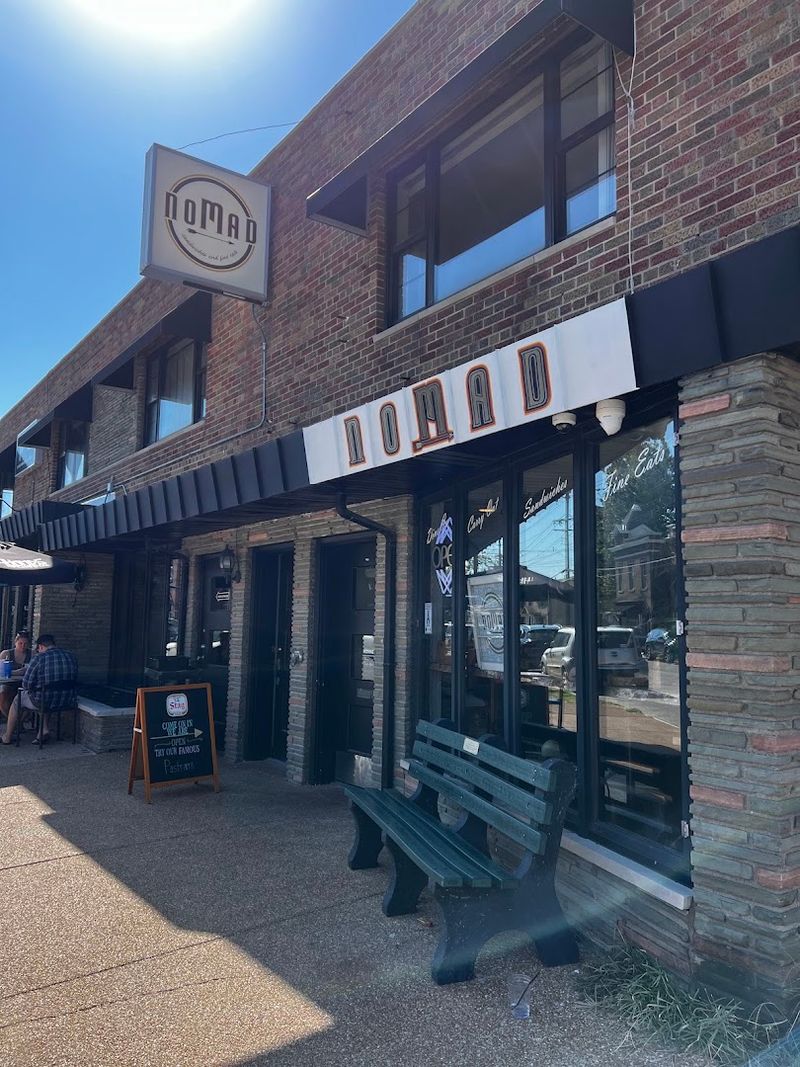
Some restaurants feed you well but never settle into your memory, and then there are places where the room itself seems to season the meal. Nomad had that second kind of effect, where the surroundings made everything feel a little more intimate and a little more worth paying attention to.
Even before the food arrived, the place gave off that low-key confidence that makes you think you are in good hands.
I am always suspicious of spots that look designed mainly for photographs, because they can feel weirdly hollow once you sit down. This did not sound like that kind of place from the way people described it, and that difference shows up in the stories.
Instead of talking about some flashy gimmick, people remember the ease of being there, the neighborhood pulse, and the fact that it felt lived in.
That atmosphere matters more than diners get credit for, especially when the food is rich and layered and a little indulgent in the best way. A strong sandwich in a forgettable room is still just lunch.
A strong sandwich in a place that feels grounded, local, and unmistakably St. Louis turns into the kind of meal you end up describing to friends long after the plate is gone.
The Bread And Texture Matter More Than You Think
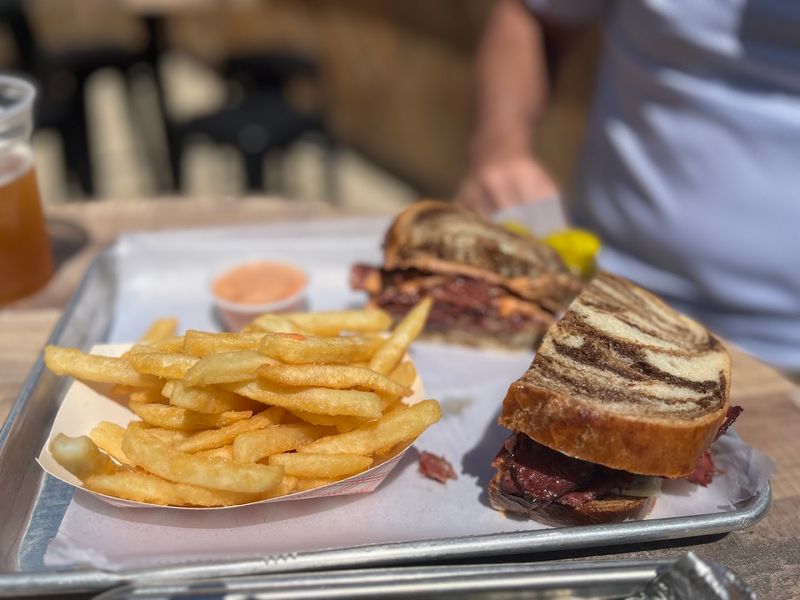
Whenever someone remembers a sandwich for this long, I start thinking about texture before anything else, because that is usually where the magic hides. Bread can either carry a stacked filling with grace or ruin the whole thing by collapsing into a damp, sad mess.
The places that earn loyalty understand that balance instinctively, and it sounds like Nomad did too.
You want enough structure to hold everything together, but you also want some give when you bite in, because nobody is looking for a wrestling match at lunch. Then there is the contrast, with warm meat against cooler, brighter elements that keep the richness from getting too heavy.
Those little tensions are what make a sandwich feel complete rather than merely large.
I think that is another reason the Reuben comparison kept coming up around this Missouri conversation. A classic Reuben lives or dies on contrast, and a strong pastrami sandwich can deliver a similarly satisfying push and pull if the build is smart.
When people tell you they cannot stop thinking about a place like this, they are often talking about flavor, but texture is usually the quiet reason the memory keeps replaying itself.
The Neighborhood Feeling Was Part Of Lunch
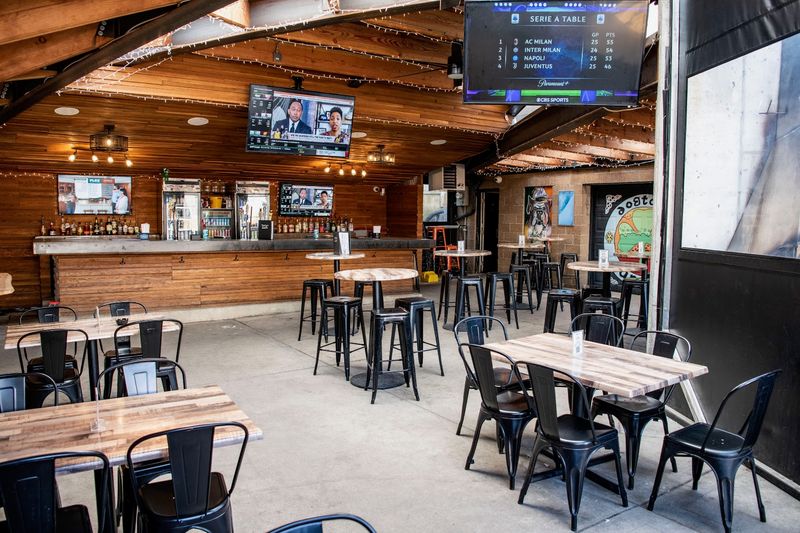
Food always tastes a little different when it belongs to its block, and that is something St. Louis does especially well. Nomad was part of a neighborhood rhythm, which means the meal was tied to the sidewalks, the familiar faces, and the easy sense that this place fit where it lived.
You cannot fake that kind of belonging, and you definitely cannot mass-produce it.
I love spots where the surrounding area seems to echo what is happening on the plate, because it turns lunch into more than a transaction. Instead of feeling like a destination invented for visitors, it feels like a real chapter of the city that you get to step into for an hour.
That usually leads to better stories, better repeat visits, and stronger emotional memory.
Missouri dining culture has a practical warmth when it is at its best, and this place seems to have carried that naturally. Nothing about the legend around Nomad sounds detached from its setting, which is probably why people keep speaking about it with such affection.
The sandwich mattered, of course, but the context mattered too, and I would argue the two are impossible to separate if you want to understand why it still gets brought up.
It Sounded Like Service With Actual Personality
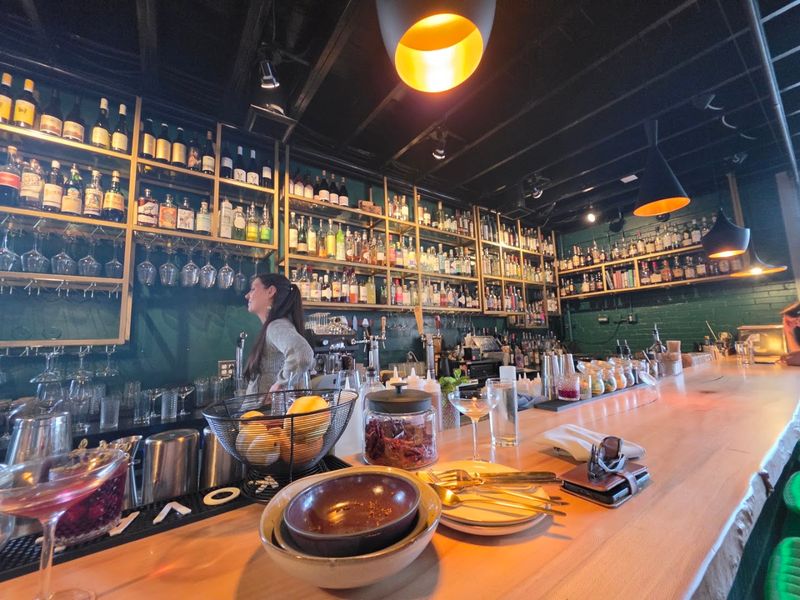
You can usually tell when a place left a mark because people remember how they were treated almost as clearly as they remember what they ate. With Nomad, that sense of personality seems woven into the stories, and I do not mean rehearsed charm or polished hospitality language.
I mean the kind of human ease that lets you settle in and trust the kitchen without overthinking anything.
That kind of service changes a meal more than we admit, especially in a diner-style setting where comfort is part of the point. When the room feels relaxed and the people around you seem genuinely present, your food lands differently.
You loosen up, pay attention, and end up connecting the meal to the mood instead of treating it like just another stop.
I suspect that is one reason the sandwich memory got so durable here. Flavor may have started the conversation, but feeling welcomed probably helped lock it in place.
St. Louis has plenty of places with strong local identity, yet the ones people bring up years later usually combine good food with that unmistakable sense that somebody cared whether your lunch was ordinary or unforgettable, and Nomad appears to have inspired exactly that response.
The Closure Makes The Craving Stranger
There is another layer to why this place lingers in conversation, and it is not the cheerful kind, because Nomad appears to be closed. Once a restaurant is gone, the stories around it get softer at the edges and stronger at the center.
People stop debating minor details and start holding onto the one thing they know for sure, which is how the meal made them feel.
That is probably why the Reuben label keeps floating around even though the facts point more clearly toward a pastrami favorite. Closure tends to compress memory, and names get swapped while emotions stay stubbornly accurate.
You may forget the exact build, but you do not forget the craving, the warmth of the room, or the odd ache of realizing you cannot just swing by and order it again.
I always find that part strangely moving, because restaurants become landmarks in personal routines even when they look modest from the sidewalk. In Missouri, as anywhere, a local spot can end up carrying birthdays, weekday lunches, casual meetups, and unplanned comfort meals inside its walls.
When a place like that disappears, the sandwich becomes more than lunch, and maybe that is exactly why people still talk about Nomad like they are trying to taste it one more time.
