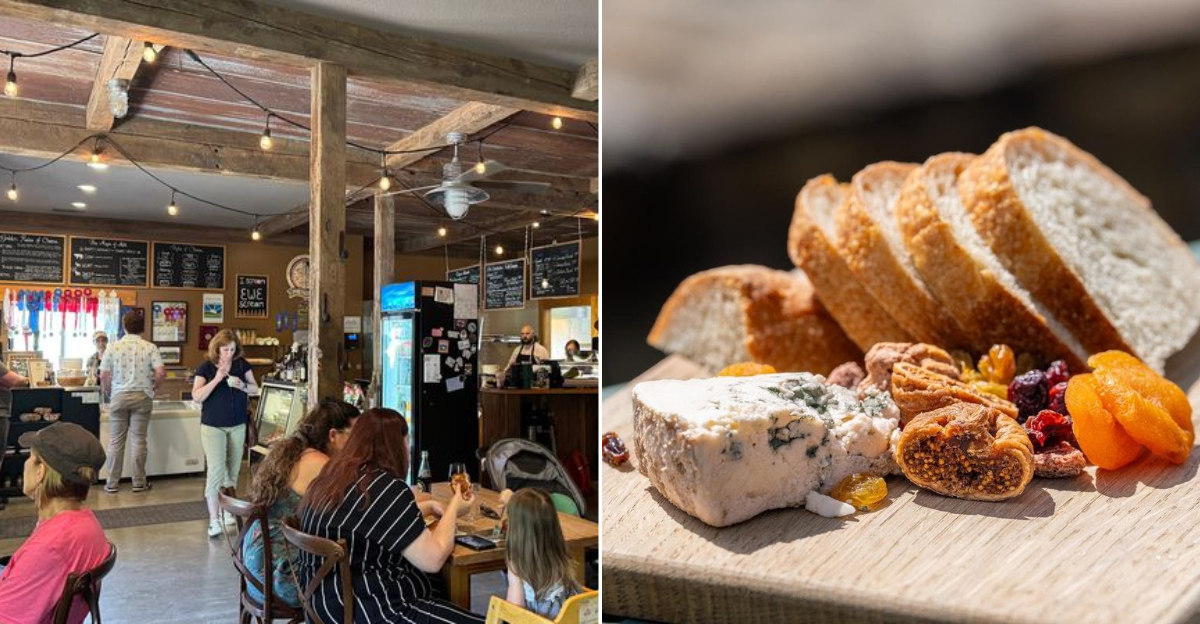
You step inside the milking parlor and the morning routine is still humming. The sheep file in on their own, a quiet procession that has been repeating for years.
A short walk leads to the cheese kitchen where fresh milk becomes wheels of award-winning cheese. The tour wraps up with a guided tasting in the shop, where you can sample creamy sheep’s milk cheese made just steps away.
Flavors range from bright and fresh to earthy and complex, each one reflecting the pastures the sheep graze. The farm has collected over eighty awards in national competitions, including Best of Class at the World Championship Cheese Contest.
It is a hands-on look at a working dairy and a chance to taste the results of careful craft. For anyone curious about where great cheese comes from, this Missouri farm offers a front-row seat.
Why Weston Makes The Drive Worth It
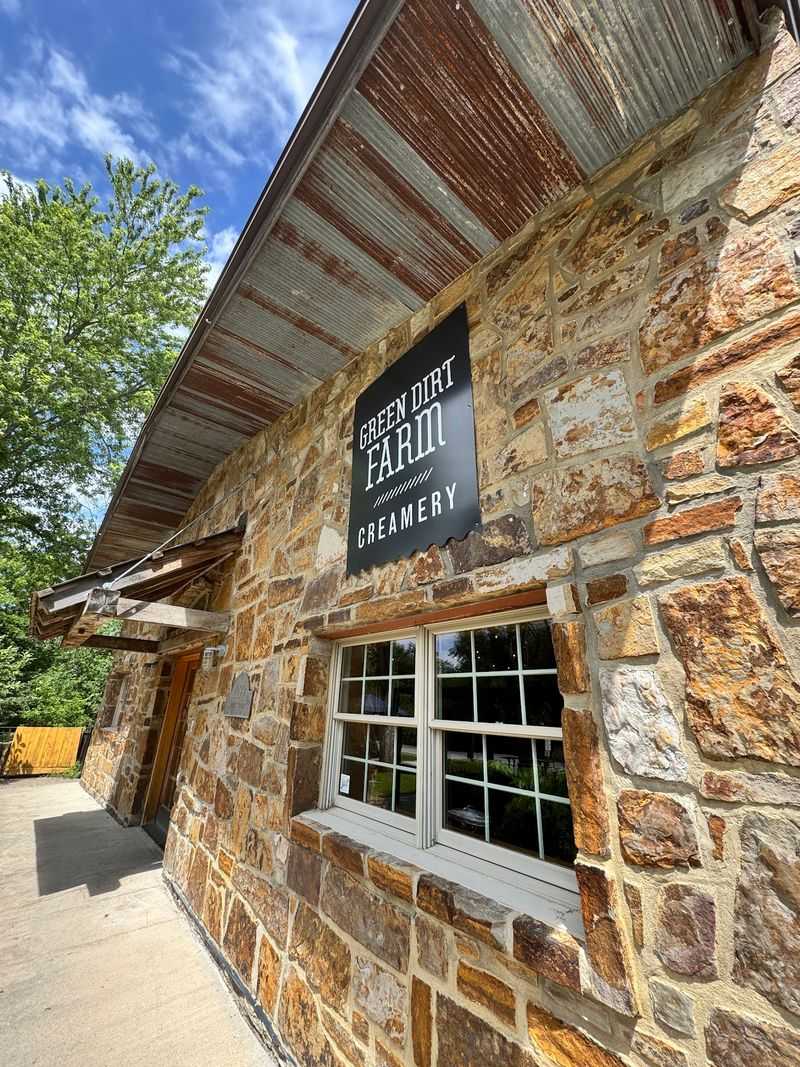
Weston sits up in the northwest corner of Missouri, tucked near the river, and the roads out that way roll and dip in a way that makes the drive feel like part of the plan rather than a chore you have to get through first.
You leave the highway behind fairly quickly, and then it is mostly farmland, tree lines, and those wide open stretches where you can actually see weather coming in from a distance. If you are the type who likes a destination with a little context around it, this one delivers, because the town itself has a long history and plenty of old brick buildings worth a slow walk.
The farm sits outside the main stretch of town, which means you get two very different vibes in a single afternoon without doing much extra driving at all.
My honest advice is to give yourself more time than you think you need, since rushing a farm visit sort of defeats the purpose of going. Roll the windows down on the way in, because the air out there smells like cut grass and warm dirt, and that is a genuinely nice way to start any day trip.
Finding Green Dirt Farm Without Circling The Block
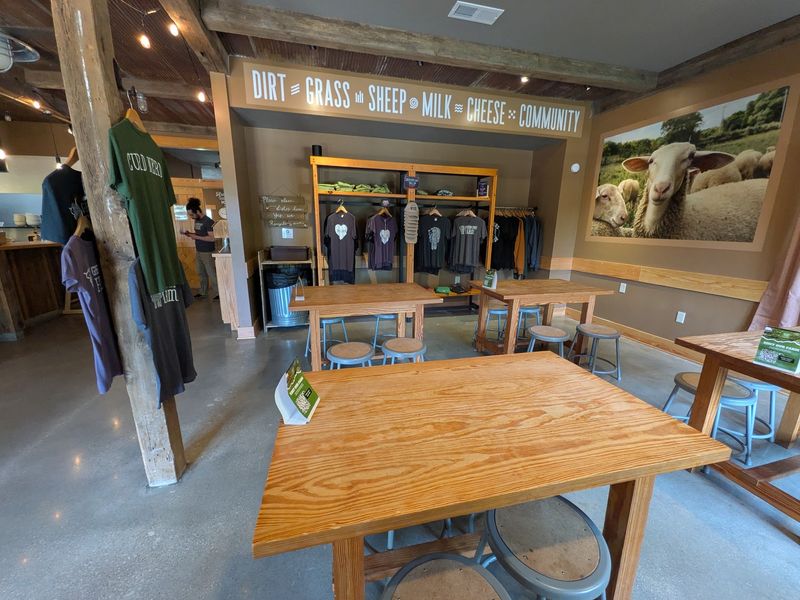
Here is the part you will want to write down before you go, because cell service out in the country can get a little moody. Green Dirt Farm is at 1099 Welt Street, Weston, MO 64098, and plugging that in ahead of time saves you from that awkward moment where you are squinting at a gravel turnoff wondering if it counts as a driveway.
The farm and the creamery shop are not in the exact same spot, so it helps to know which piece of the experience you are heading toward first.
Tours start out at the farm itself, while the guided tasting happens at their retail location in town, and knowing that order keeps the whole afternoon from feeling scattered.
Parking is straightforward but rural, meaning gravel rather than painted lines, so give yourself a minute to figure out where cars are already grouped. If you are bringing a friend who gets carsick on winding roads, maybe let them ride up front for the last stretch.
Honestly, once you turn in and see the pastures opening up, any confusion about the route stops mattering pretty quickly.
Peeking Into The Milking Parlor
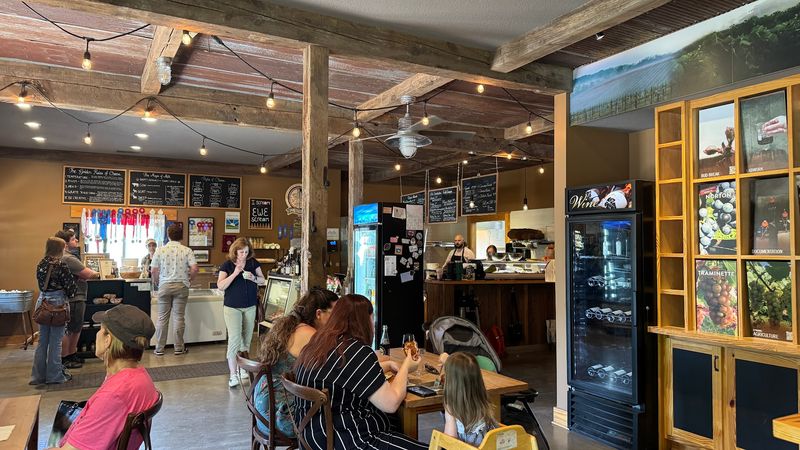
Ever wondered what a milking parlor actually looks like on the inside? Most of us picture something out of a picture book, and the real thing turns out to be far more organized and far more interesting than that.
The tour brings you in to see where the sheep milk gets collected, and it is all stainless steel, careful routines, and a rhythm the animals clearly know by heart.
Sheep are not cows, which sounds obvious, but it changes everything about how the equipment is built and how the milking is timed. They give a lot less milk than a dairy cow does, and that milk is richer, which is exactly why the cheese ends up tasting the way it does.
Watching the setup helps that click in a way that reading about it never quite does.
You will not be handling the animals during the visit, since safety comes first on a working operation, so go in expecting to observe rather than participate. Bring your curiosity and a few questions, because seeing the very first step of the process makes the tasting later feel connected instead of random.
The Cheese Kitchen Is Where It Gets Good
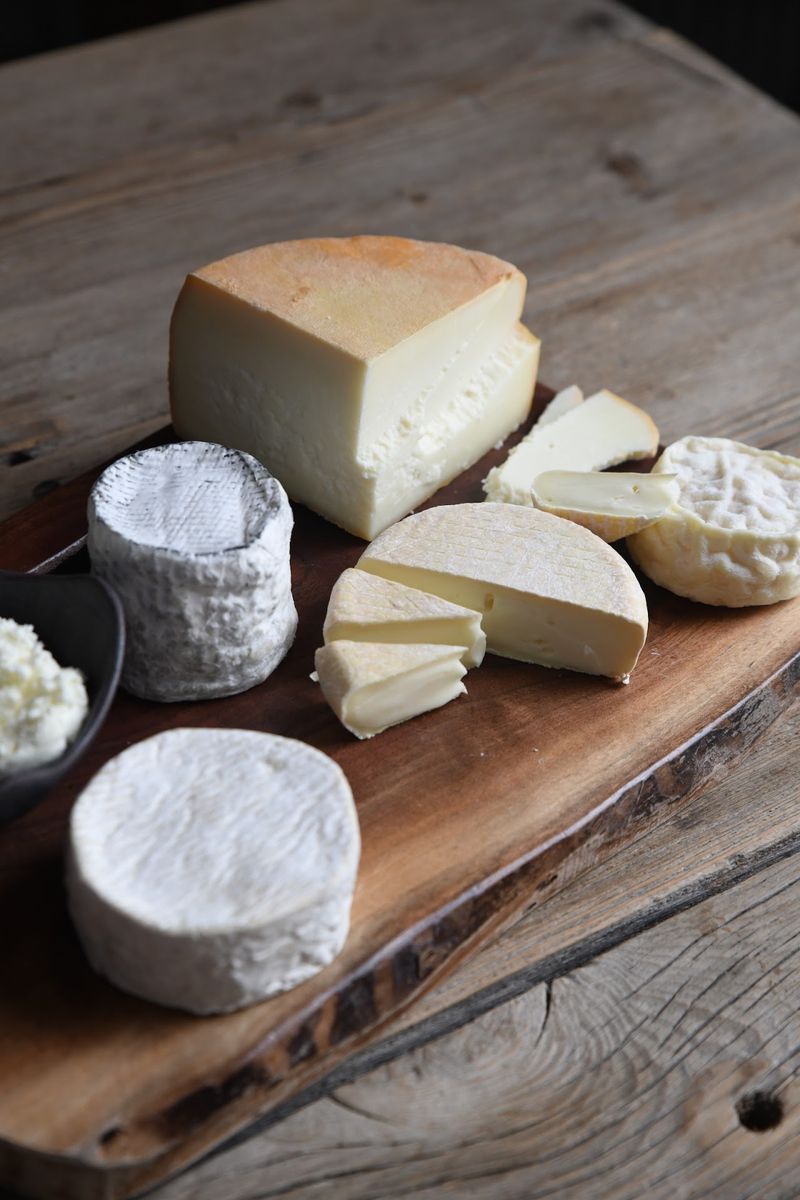
After the parlor, the tour moves along to the cheese kitchen, and this is the part where the whole operation starts to feel a bit like a science lab that smells incredible.
Milk arrives, cultures go in, curds form, and then a lot of patient hands turn that into something with actual character.
What surprises most people is how much of cheesemaking is about timing and temperature rather than any single dramatic step. Small shifts change the texture completely, which is why the same milk can become something soft and spreadable or something firm with a bloomy rind.
Seeing the vats and the draining trays in person makes that idea land much harder than any explanation could.
There is also something satisfying about standing in a room where food is genuinely made from scratch, especially when so much of what we eat comes from places we will never lay eyes on.
If you have kids along, this tends to be the part they remember, because it is visual and hands on to watch even if you are only observing from the side. Pay attention here, and the tasting afterward will make a lot more sense to your tongue.
All Those Awards Are Not Just Decoration
You know how some places hang a single dusty ribbon and call it a legacy? That is not the situation here at all.
The farm has racked up more than seventy American Cheese Society awards, along with national and international honors, which is a genuinely wild total for an operation of this size in Missouri.
Their Fresh Plain and Woolly Rind both took Best of Class at the World Championship Cheese Contest, and those are the kinds of competitions where the judging is brutally specific.
Cheese people take this stuff seriously, scoring on texture, aroma, appearance, and flavor with a level of scrutiny most of us reserve for very few things in life.
What that means for you as a visitor is simple enough. You are not tasting something that is merely charming because it came from a farm.
You are tasting food that has been measured against the best in the world and held its own repeatedly.
That combination of a small pasture based operation and a shelf full of serious hardware is rare, and it is a big part of why this place keeps showing up on people’s lists.
Dirt Lover Deserves Its Own Paragraph
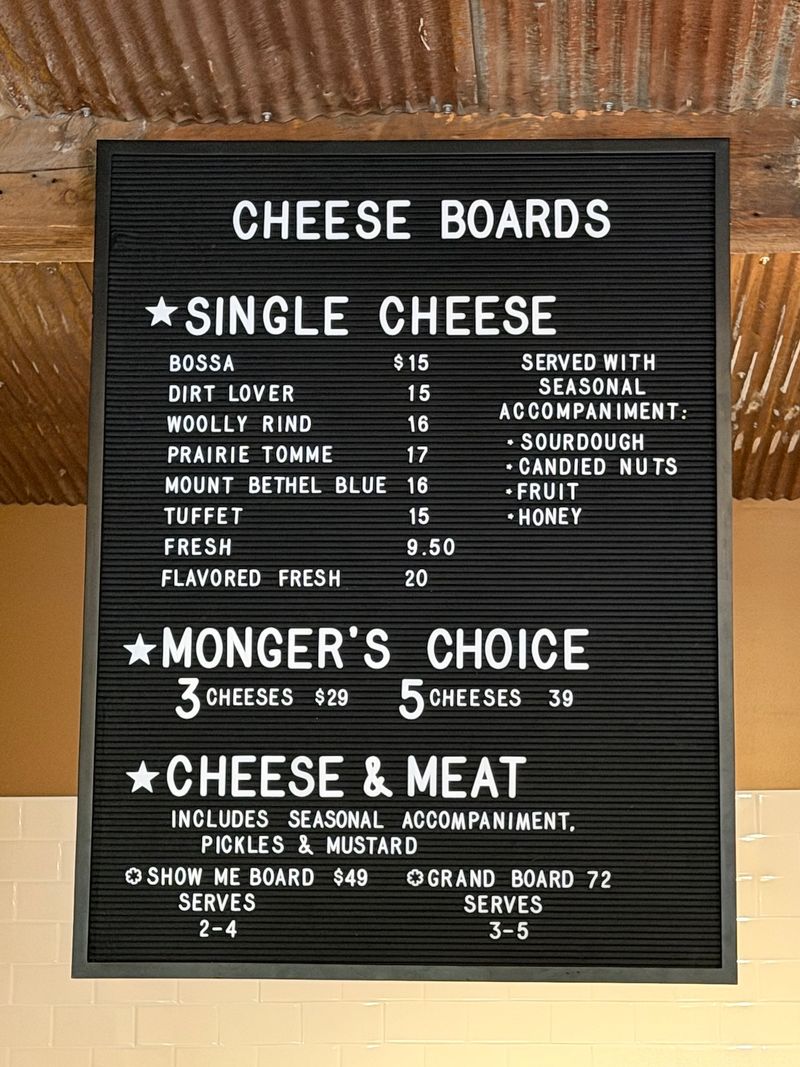
If one cheese here has a reputation that travels, it is the one called Dirt Lover, and the name alone tends to stick in people’s heads.
It has taken first place more than once at the American Cheese Society competition in the Original Recipe category, and it also picked up a Bronze Medal at the World Cheese Awards.
For a cheese made from sheep grazing on Missouri pasture, that is a serious résumé.
The look of it is part of the appeal too, since it comes with an ash coating that gives it a dark, almost dramatic exterior against the pale creamy interior.
Cutting into it is genuinely fun, and it photographs well if you are the sort who does that before eating.
Flavor wise, expect something layered rather than one note, with a soft texture that spreads easily on whatever you put underneath it.
Original Recipe as a category means the cheese does not fit neatly into an existing traditional style, which tells you the makers were experimenting rather than copying.
Ask about it during your tasting, because there is usually a story behind how a cheese like that came together.
Sandwiches, Boards, And Sheep Milk Soft Serve
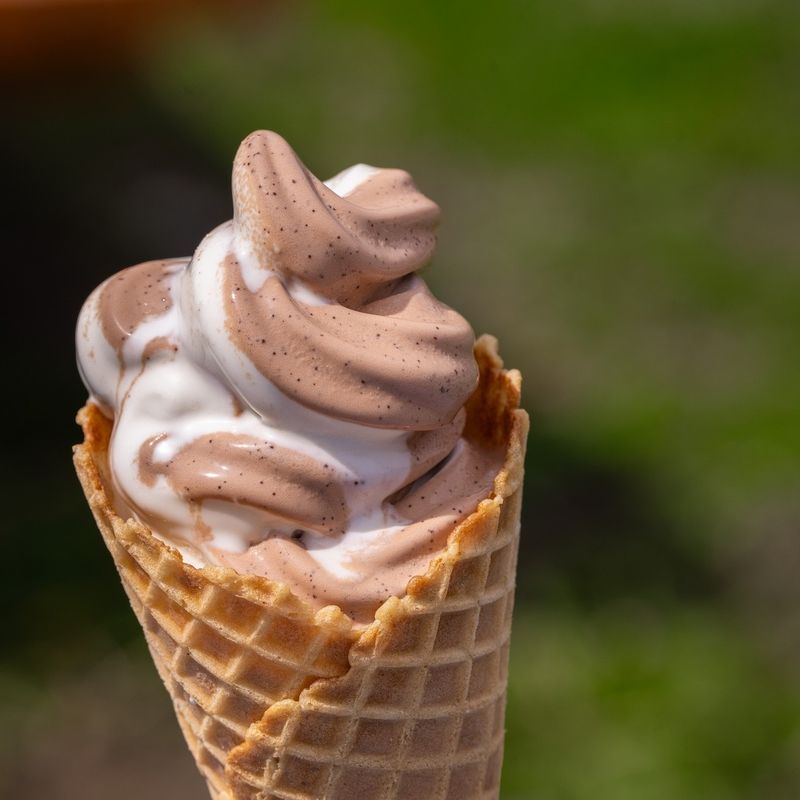
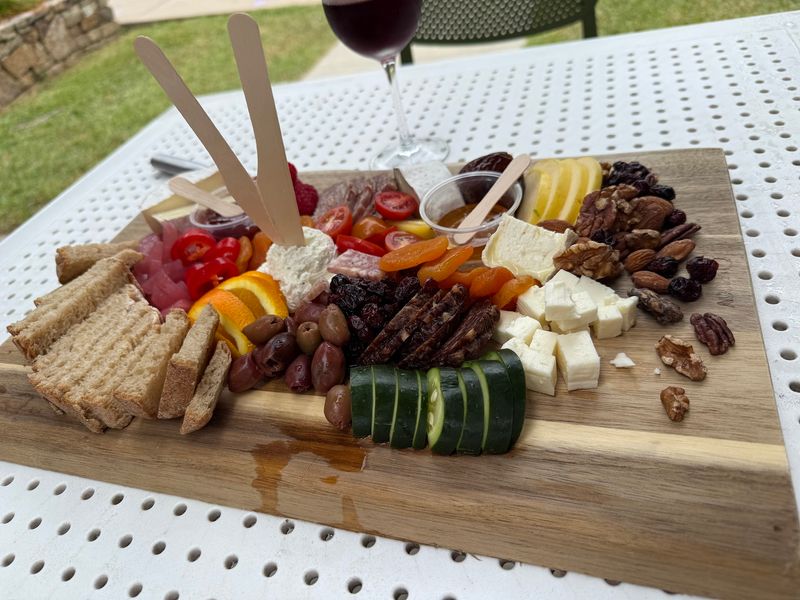
Let us be honest, tasting cheese is delightful but it is not exactly lunch, and thankfully they thought of that.
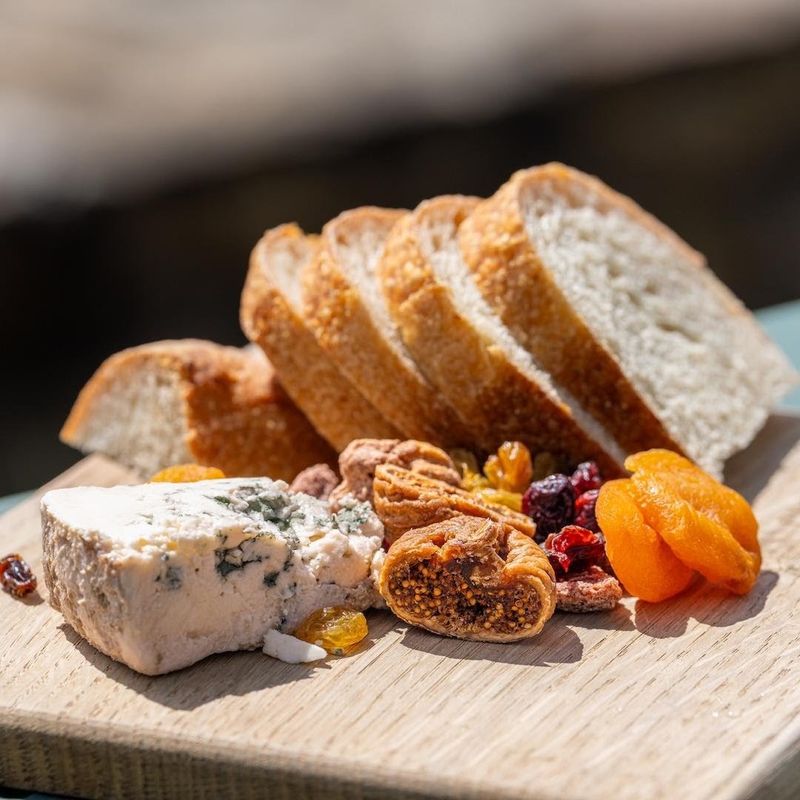
The creamery in town serves gourmet sandwiches and charcuterie boards built around their own cheeses, so you can turn a quick stop into an actual meal without hunting elsewhere.
Then there is the sheep milk soft serve, which is the thing I keep thinking about even though I have only read about it.
Soft serve made from sheep milk is not something you stumble across often, and the higher fat content means it comes out unusually creamy.
Getting a cone after a farm tour feels like the correct way to end the whole thing, especially if it is warm out.
The charcuterie boards are worth considering if you are traveling with someone who cannot commit to a single order, since you both get to graze and compare notes.
Plan your timing so you arrive hungry rather than already full from breakfast somewhere along the way.
And grab something extra for the car, because the drive back always feels longer when you are wishing you had one more bite.
Regenerative Farming In Plain English
Regenerative farming gets tossed around a lot these days, so here is what it actually means in practice out on these pastures.
Instead of squeezing everything out of the land, the focus goes to building healthier soil, which then grows thicker grass, which then feeds sheep that are noticeably better off for it.
Better fed sheep produce better milk, and better milk becomes better cheese, so the whole chain loops back on itself.
The animals get moved around the pastures rather than parked in one spot, which lets the grass recover and keeps the ground from getting worn down.
It is slower and takes more attention than the alternative, but you can taste the difference in the final product, and that is not marketing talk.
What I appreciate about seeing this in person is how it makes the connection between land and food feel obvious rather than abstract.
You look at the grass, you look at the sheep, and then you taste the cheese, and the whole sequence just makes sense.
Missouri has plenty of farmland, but not every operation approaches it this thoughtfully, which makes the visit feel worthwhile beyond just the eating.
