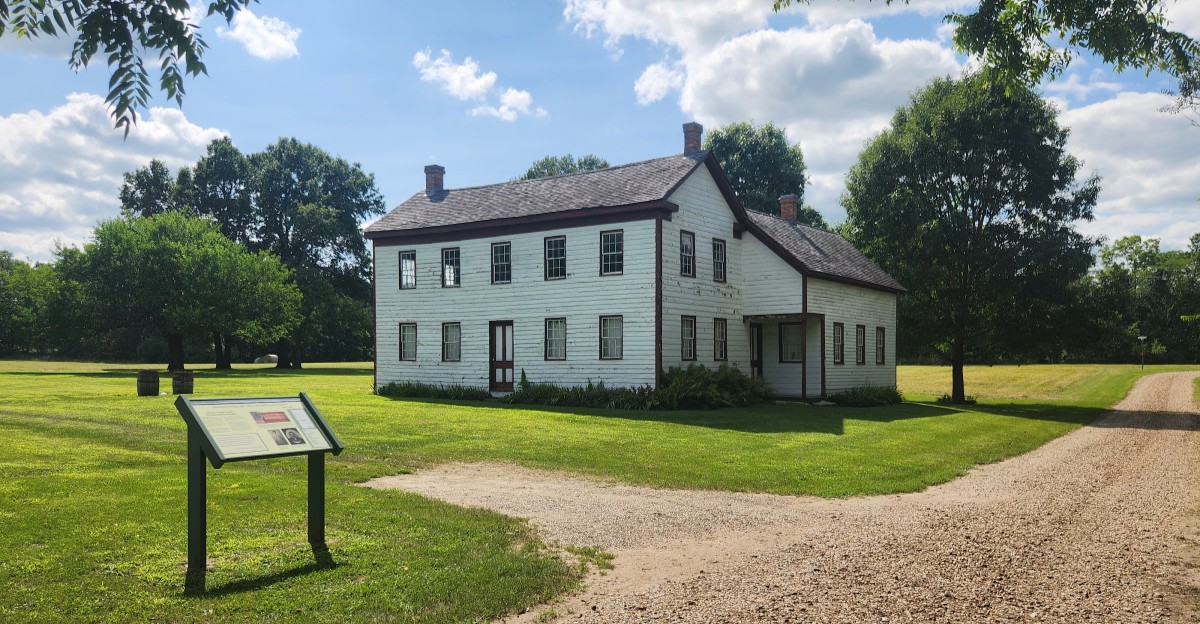
Talk about a house with a story to tell. This old Missouri town still has one with cannonball holes in the walls, and that is only the beginning.
What was once a busy community is now mostly gone, but visitors can still walk the battlefield, see historic buildings, and trace pieces of the town that survived.
The Cannonball House is easily one of the strangest stops, especially when you realize the damage is still visible after all this time.
Around it, quiet paths and old structures make the place feel a little like a history scavenger hunt. You are not just reading about what happened here.
You are standing in the middle of the leftovers, spotting the details for yourself. That makes this Missouri ghost town much more fun to explore than a simple roadside marker.
The Battlefield You Can Walk Right Across
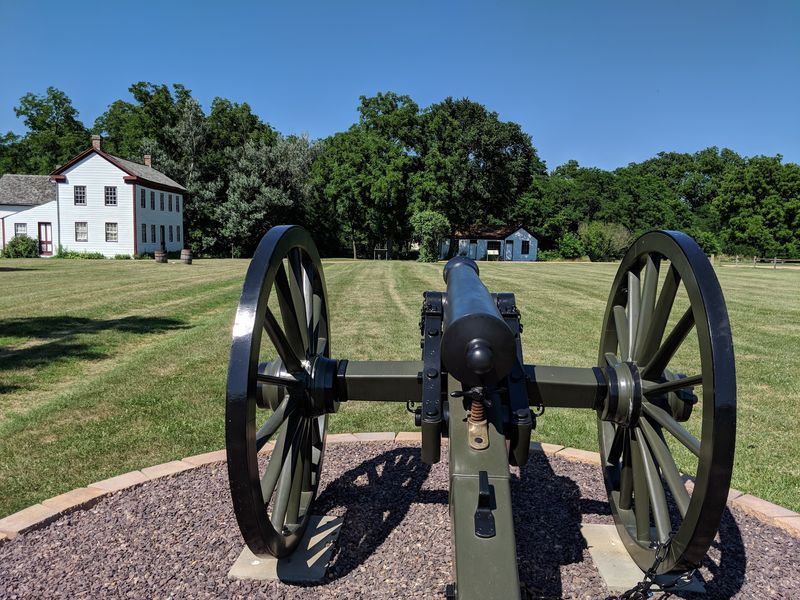
Walking an open field usually feels ordinary, but knowing what happened on this particular ground changes the whole experience. Union troops and the pro-Southern Missouri State Guard clashed right here in the early morning hours, and the fighting wrapped up faster than most people expect.
The Union side was badly outnumbered, yet they were better trained and better equipped, and they still held the ground when the smoke cleared. Historians point out that this was the northernmost Civil War battle fought west of the Mississippi River, which makes the location itself a big part of the story.
You can follow the interpretive markers scattered across the grounds, and they do a solid job of explaining where each side stood and how the morning played out. The whole place works like an open-air museum, so there is no large building to tour and no line to wait in.
Give yourself time to stand still and look toward the treeline, because that quiet is honestly the best part of being here. The address is 12378 Athens State Park Road, Revere, MO 63465, and it sits in the far northeast corner of Missouri near the Iowa line.
Sturdy shoes help, since the ground can be uneven and damp after rain.
The Cannonball House And Its Famous Holes
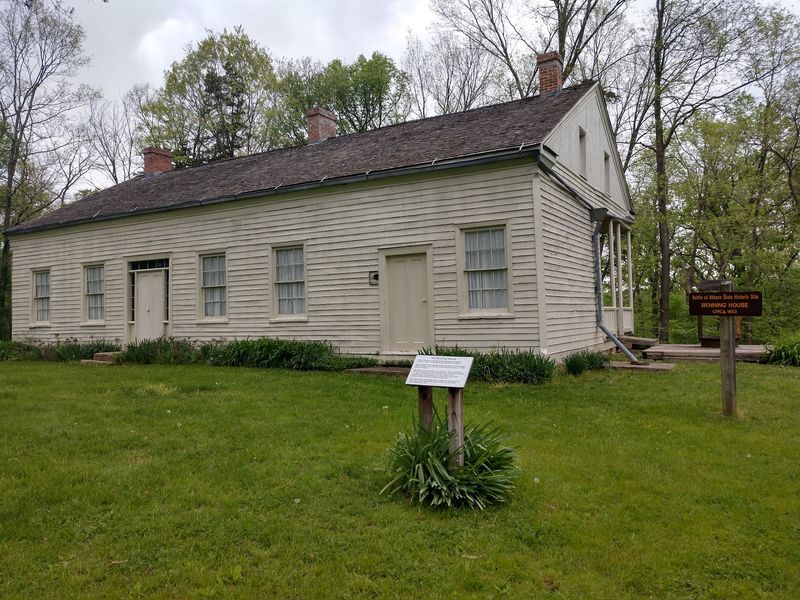
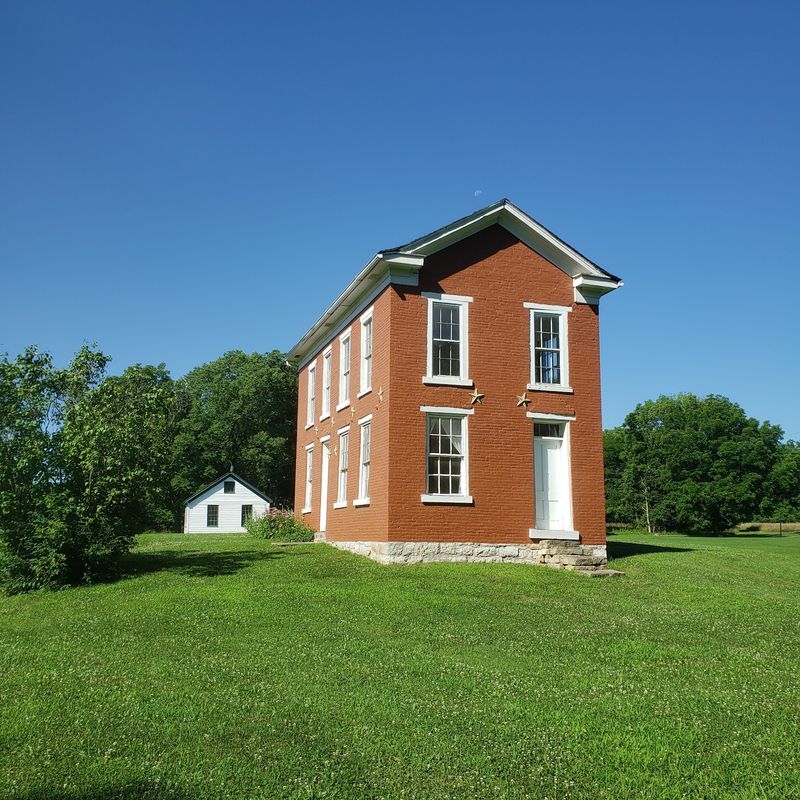
Houses usually collect their stories in photo albums, but this one collects them right in the walls. The Thome-Benning House, better known as the Cannonball House, still shows the holes where a cannonball tore straight through the kitchen during the battle.
Artillery from the pro-Southern Missouri State Guard was firing across the valley, and that shot punched into the home while the family living there was very much still around. Some accounts even claim the cannonball itself remains lodged inside the wall, which is the sort of detail that sticks with you long after you drive away.
Tours of the house have traditionally been offered through the warmer stretch of the year, with colder months handled by appointment, though some recent visitors have reported that the interior is not opened as regularly as it once was. Calling the site before you make the trip is the smart move, especially if seeing the inside is the whole reason you are going.
Even from outside, the building is easy to study, and the exterior alone tells you plenty. Standing there, you get a real sense of how close the fighting came to ordinary front doors in this corner of Missouri.
Bring a camera, because that old frame house photographs beautifully.
Athens, The River Town That Slipped Away
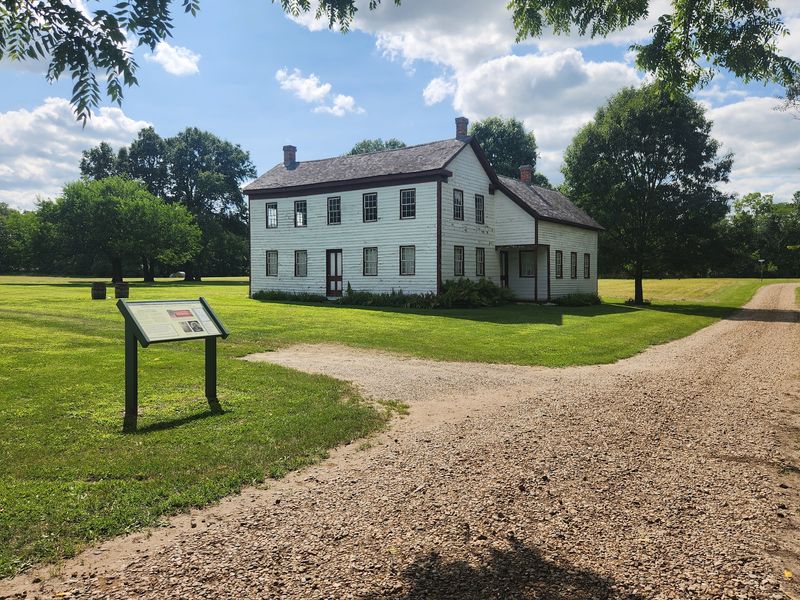
Towns do not usually disappear, and yet Athens managed exactly that. Before the war this was a working river port with a mill, a hotel, and a main stretch of businesses serving farmers and boat traffic along the Des Moines River.
The battle shook the community hard, and then the bigger blow landed when railroads took over the freight business that riverboats had been handling. Families drifted toward the rail lines, storefronts emptied out, and by the turn of the century the place had nearly faded off the map entirely.
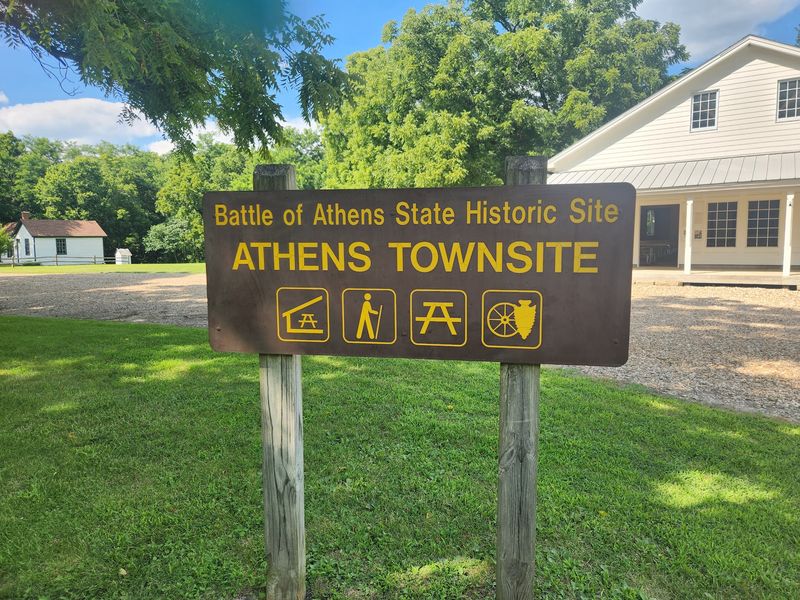
What makes walking the site so interesting is that the historic site covers much of the original townsite, so you are not looking at a reconstruction built for tourists. The streets are gone, the crowds are gone, and a handful of surviving buildings sit in the grass where a whole neighborhood once stood.
Bring some patience and read the signs slowly, because the story of the town is almost more haunting than the story of the battle itself. Missouri has plenty of vanished settlements, but very few are preserved like this one, and fewer still let you wander freely where the shops used to be.
The quiet out here does a lot of the storytelling for you.
The Old General Store Still Standing In The Grass
Not every old building gets a second life, but the former Athens General Store found one. The structure still stands on the grounds, and instead of sitting locked and empty, it now works as a picnic shelter with interpretive signs tucked beneath its roof.
That combination turns out to be surprisingly practical, because you get shade, a place to sit down, and reading material all in one stop. The panels fill in details about the town, the people who lived here, and how the morning of the battle unfolded around these very walls.
Families with restless kids tend to appreciate having a home base like this, since the grounds are wide open and there is no visitor center to duck into when the sun gets strong. Older visitors get a bench and a breather, which matters more than you would think when you are covering a large outdoor site on foot.
Take a minute to look up at the framing and imagine shelves stocked for farmers arriving by wagon and by riverboat. Buildings like this one are rare in Missouri because most small-town stores were torn down generations ago, so having one preserved on its original ground is genuinely unusual.
Give it a slow look before heading back toward the field.
Mill Ruins, The Smith Hotel, And Ongoing Restoration
Ruins have a way of grabbing your attention faster than restored buildings ever do. Down toward the water you can find the remains of the Thome mill, which was one of the big engines of the local economy back when the river carried all the freight.
The mill and the hotel told everyone passing through that Athens meant business, and the Smith Hotel building is another historic structure noted on the site. Preservation work has been ongoing across these grounds, so some buildings look sturdier than others depending on where the effort has landed.
Wandering between them is the easiest way to understand the scale of what used to fill this valley. A mill, a hotel, a store, and homes all clustered into one small pocket of northeast Missouri, and now most of it is grass and interpretive signs.
Take your time reading the markers near each structure, since they explain what stood where before the long decline set in. Please stay on the paths and off the ruins themselves, because old stone and old timber are fragile and this site depends on visitors treating it kindly.
If photography is your thing, these ruins catch late afternoon light in a way that makes the whole trip worthwhile.
Des Moines River Frontage And Quiet Trails
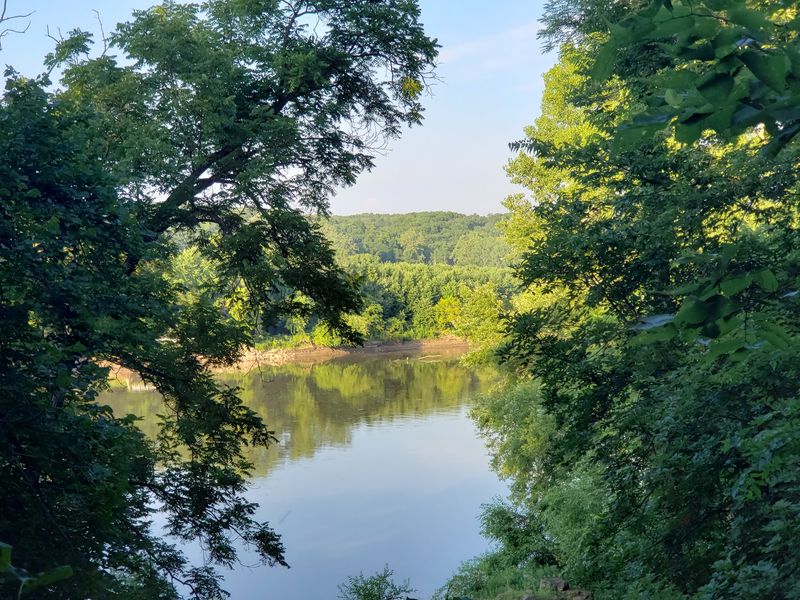
Water shaped everything about this place, so the river deserves a real share of your attention. The historic site has frontage along the Des Moines River, and the far bank puts you right up against the Iowa border.
Hiking trails run through the grounds, and they are the kind of easy, rolling paths that let you cover the battlefield and the old townsite without wearing yourself out. Birds are everywhere in the mornings, deer slip along the edges of the fields, and the whole area stays remarkably quiet.
Because the site sits so far from the main highways, you rarely have to share the trails with a crowd at all. That solitude is a big part of the appeal, especially if you have ever tried to read an interpretive sign while a tour group shuffles past you.
Wear shoes with real grip, since the ground near the river can turn soft and the trails are natural surface rather than pavement. A water bottle is smart in warmer months, and bug spray earns its keep in Missouri during the humid stretch of the year.
Sit near the water a while before you leave, because the contrast between that calm river and what happened above it is what most people remember.
Getting There And Making The Most Of It
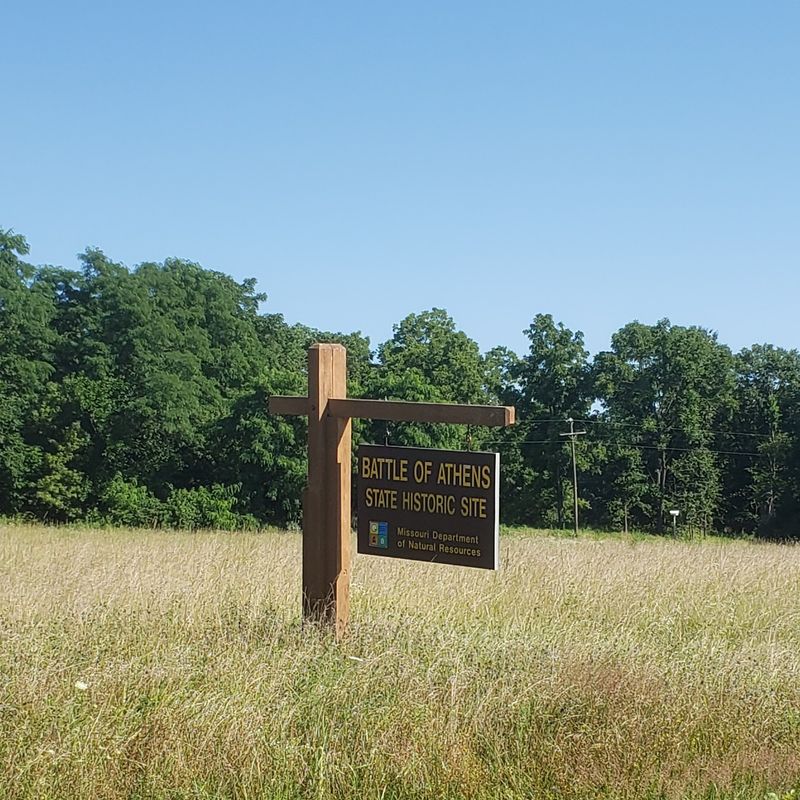
Getting out here takes a little commitment, and that is honestly part of the charm. The site sits at 12378 Athens State Park Road, Revere, MO 63465, out in Clark County in the far northeast corner of the state, closer to Iowa than to most Missouri cities.
Fill the tank before you head out, download your directions in advance, and expect gravel and narrow country roads on the final stretch. Cell service can be spotty in this pocket of Missouri, so a screenshot of the map beats depending on a live signal.
Checking the state parks website or calling ahead is worth the effort, especially if you want a guided tour of the town site or hope to get inside the Cannonball House. Hours for building access shift with the seasons, and staffing can change without much warning.
Plan on a leisurely visit if you like reading every marker, or a quicker loop if you mainly want the battlefield and the famous house. Early morning and late afternoon are the nicest windows for soft light and cooler air.
Leave everything exactly as you found it, since this is protected ground and the artifacts belong to the story rather than to souvenir hunters.
