I explored a place in Missouri that feels more like a time machine than a typical exhibit hall. It is wild to think that for over a century, an entire world of frontier treasures was sitting quietly under a random cornfield.
Walking through the collection is a bit surreal because everything is so perfectly preserved that it looks like it could still be on a store shelf today. From fine china to boots and even pickles that are still green, the sheer scale of what was recovered is staggering.
It is a fascinating look at what life was really like before the modern world took over.
The Sinking of the Arabia in 1856
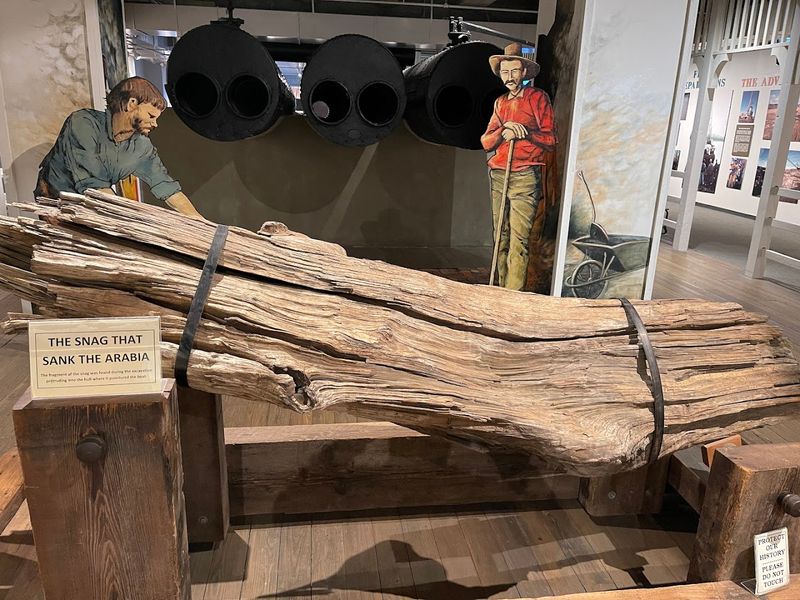
On September 5, 1856, the steamboat Arabia was making its way up the Missouri River when it struck a submerged walnut tree trunk. The boat went down fast, carrying roughly 200 tons of cargo bound for frontier stores and settlements.
What makes this story remarkable is that every single passenger and crew member survived. The only recorded loss of life was a mule left on board.
Everything else, including an enormous load of dry goods, tools, food, and household supplies, sank straight to the riverbed.
Over the decades, the Missouri River shifted its course. The wreck ended up buried under farmland, completely sealed from air and light by thick layers of mud.
That mud turned out to be the perfect preservation agent, keeping the cargo in an almost unbelievable state of freshness.
This dramatic beginning is what gives the Arabia Steamboat Museum its incredible foundation. Missouri has no shortage of history, but few stories hit quite like this one.
The sinking was not a tragedy of lives lost but of a moment frozen in time, waiting patiently underground for over a century to be rediscovered.
The Discovery Beneath a Kansas Cornfield
Few treasure hunts in American history have been as grounded, literally, as this one. In the late 1980s, a Kansas City family and their partners became obsessed with finding the Arabia.
Armed with old newspaper accounts, historical maps, and metal detectors, they spent years narrowing down the location.
The wreck was not in the river at all. It was buried under a Missouri-area cornfield, sitting about 45 feet below the surface.
Getting to it meant pumping out enormous amounts of groundwater around the clock, every single day of the excavation.
The dig happened during winter months to avoid flooding, and it was brutally physical work. What they pulled out of that frozen ground was nothing short of astonishing.
Perfectly preserved boots, sealed jars of food, bolts of fabric, and delicate china emerged from the mud looking like they had just arrived from a warehouse.
This discovery story is one of the most entertaining parts of the museum experience. It proves that extraordinary history does not always require specialized institutions or massive budgets.
Sometimes it just takes stubborn curiosity and a whole lot of determination to bring a lost world back to the surface.
Walking Into the Arabia Steamboat Museum
Stepping through the doors of the Arabia Steamboat Museum at 400 Grand Blvd, Kansas City, MO 64106, feels like crossing a threshold into a completely different era. The building does not shout for attention from the outside, but the moment you enter, the atmosphere shifts noticeably.
The museum guides visitors downward, deeper into the building, which mirrors the actual excavation experience. Short, well-produced videos play as you descend, explaining the history of the Arabia and building anticipation for what is waiting below.
The storytelling is cinematic without being overdramatic.
Missouri is home to many museums, but this one has a particular energy that is hard to pin down at first. It feels less like a traditional exhibit hall and more like a storeroom from another century that someone simply opened up and invited you inside.
The layout is intuitive and easy to follow, even for first-time visitors. There are no confusing detours or poorly labeled sections.
Everything flows from the story of the sinking to the discovery to the artifacts themselves, making the experience feel complete and satisfying from the very first step inside.
The Sheer Volume of Recovered Artifacts
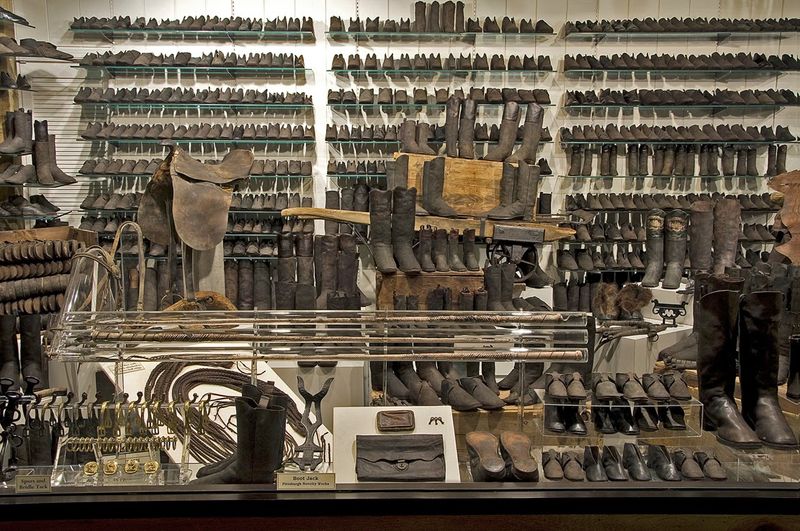
Nothing quite prepares you for the scale of what was pulled out of that muddy pit. The Arabia was carrying an estimated 200 tons of merchandise when it went down, and a staggering portion of that cargo was successfully recovered and preserved.
The museum holds over 200,000 artifacts in total.
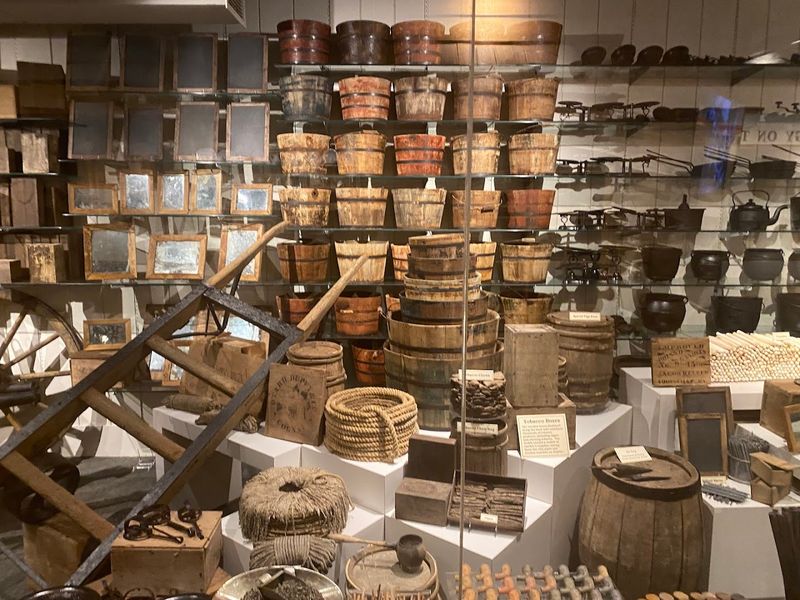
Walking through the exhibit rooms feels like browsing an 1856 general store that never had its grand opening. Shelves and cases are filled with hardware, glassware, china, clothing, tools, and personal items arranged with a clarity that makes the sheer quantity feel comprehensible rather than overwhelming.
What strikes you most is the ordinariness of it all. These were not royal treasures or military relics.
They were practical, everyday goods meant to be bought, used, and eventually worn out by regular people building lives on the Missouri frontier.
That ordinariness is actually what makes the collection so powerful. Each item represents a real person who never received their delivery.
Missouri history tends to focus on big events and famous figures, but this museum flips that script entirely, centering the story on the everyday rhythms of ordinary frontier life in a way that feels deeply personal.
Preserved Food That Still Looks Edible
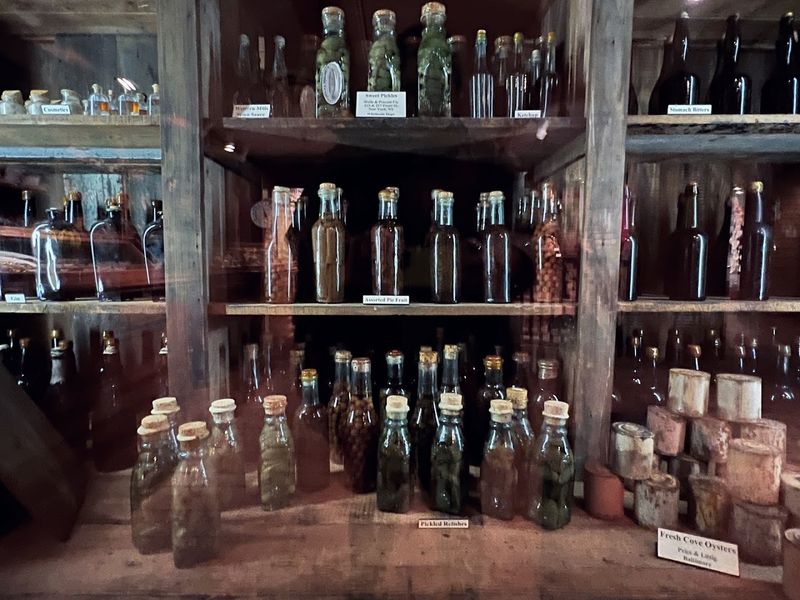
One of the most jaw-dropping sections of the museum involves food. Sealed jars of pickles, brandied cherries, and other preserved goods came out of the mud looking almost fresh.
The anaerobic conditions created by the thick river silt kept them in a state that scientists and curators still find remarkable.
Standing in front of a jar of pickles from 1856 and thinking about the person who packed it is a genuinely strange and moving experience. Someone carefully sealed that jar, loaded it onto a boat, and expected it to arrive at a frontier store within weeks.
Instead, it spent 132 years underground in Missouri soil.
The food items are displayed with clear labels and context, so you understand exactly what you are looking at and why it matters. The museum does an excellent job of explaining the preservation science without turning it into a dry lecture.
This section always seems to generate the most conversation among people moving through the exhibit. There is something universally relatable about food that cuts across all the historical distance.
It is one thing to see old tools or fabric, but a recognizable jar of pickles from 170 years ago hits differently and lingers in your memory long after you leave.
Clothing and Textiles Frozen in Time
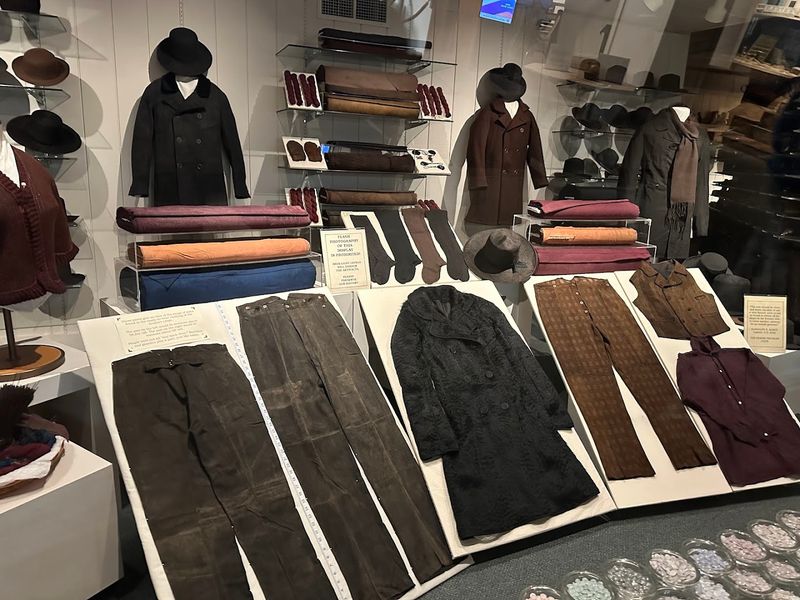
Fabric is one of the most fragile materials imaginable, which makes the textile collection at this museum all the more astonishing.
Bolts of cloth, ready-made clothing, boots, hats, and even delicate accessories survived the burial in remarkable condition, preserved by the same oxygen-free mud that protected everything else.
The clothing tells a story about fashion and commerce on the frontier that history books rarely capture. These were not homespun garments made by hand.
They were manufactured goods shipped from eastern cities, reflecting a frontier economy that was far more connected to national trade networks than most people imagine.
Seeing a pair of rubber boots or a carefully folded bolt of printed fabric from 1856 makes the era feel tangible in a way that portraits and documents simply cannot. Missouri in the mid-1800s was not isolated from the wider world.
It was plugged into a busy commercial system, and the Arabia was one of the threads connecting it.
The textile display is arranged thoughtfully, with enough context to help you understand what each item represents without overwhelming you with dates and figures. It is one of the quieter sections of the museum, but it rewards slow and careful attention more than almost any other part of the exhibit.
Hardware and Tools of the Frontier
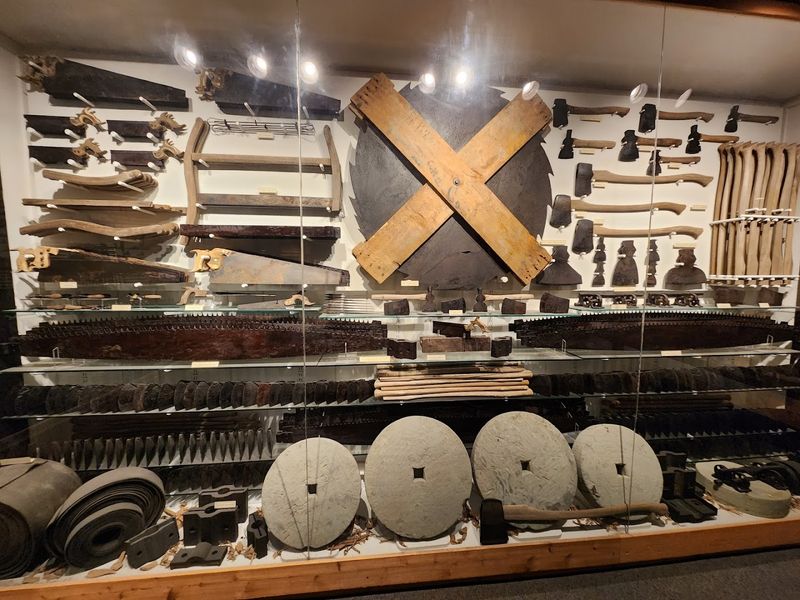
If you have ever been curious about what it actually took to build and maintain a frontier settlement in the 1850s, the hardware section of this museum will answer every question you did not know you had.
The Arabia was loaded with an enormous variety of tools, locks, hinges, nails, and mechanical hardware bound for general stores across the region.
The lock collection alone is worth the visit. Dozens of padlocks in different sizes and styles are displayed together, and the range of craftsmanship on show is genuinely impressive.
These were working objects built to last, and 170 years later, many of them still look perfectly functional.
Missouri settlers in the 1850s needed hardware for everything, from building homes to maintaining farm equipment to outfitting newly opened businesses. The Arabia was essentially a floating supply chain, and its cargo manifest reads like a wish list from an entire region.
What I appreciate most about this section is how it reframes the frontier experience. The popular image of settlers roughing it with minimal resources does not quite hold up when you see the sheer variety and quality of goods they were ordering.
Life on the Missouri frontier was tough, but it was not primitive by any stretch of the imagination.
The Full-Scale Deck Replica and Original Boilers
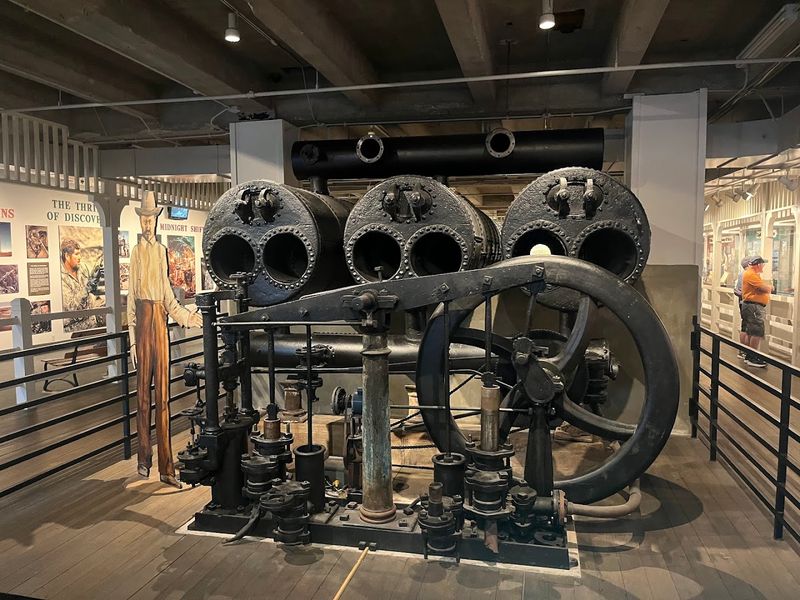
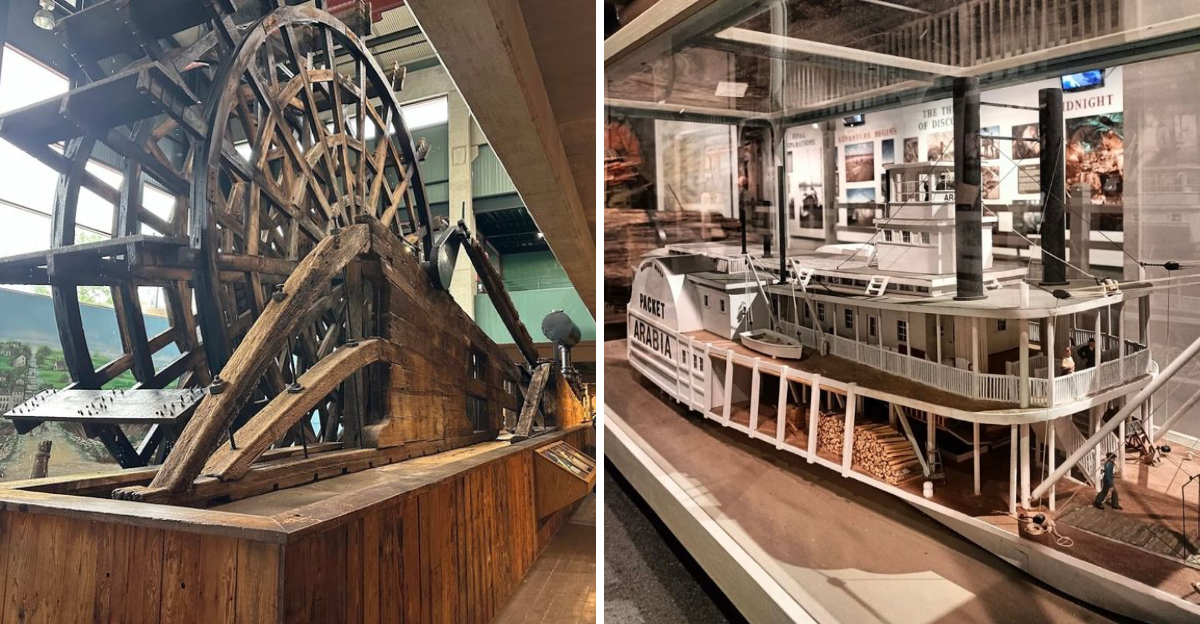
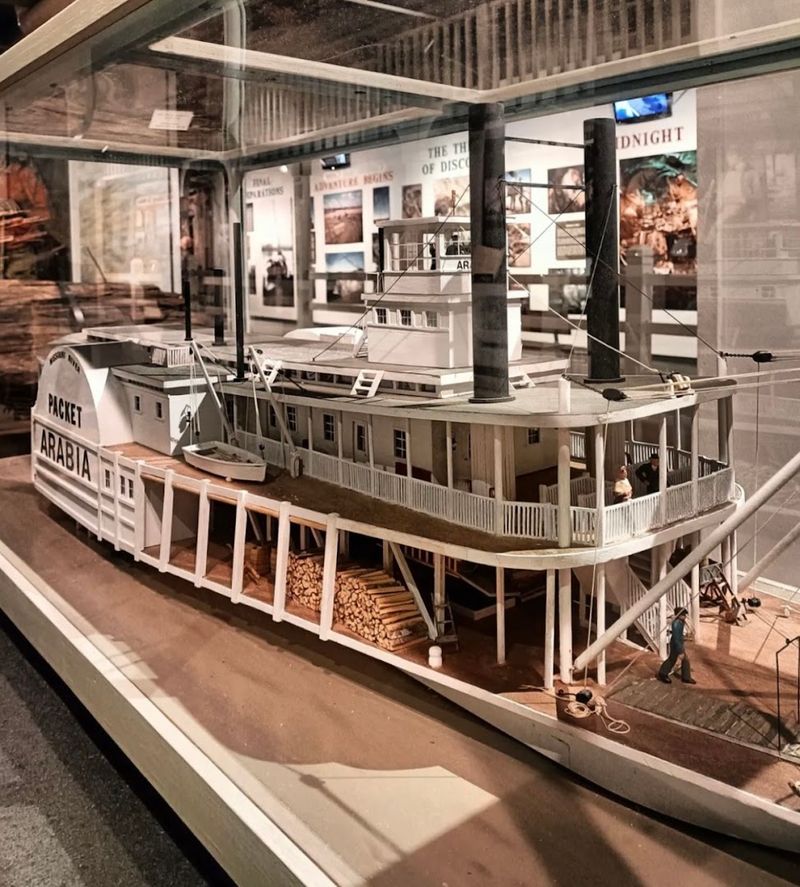
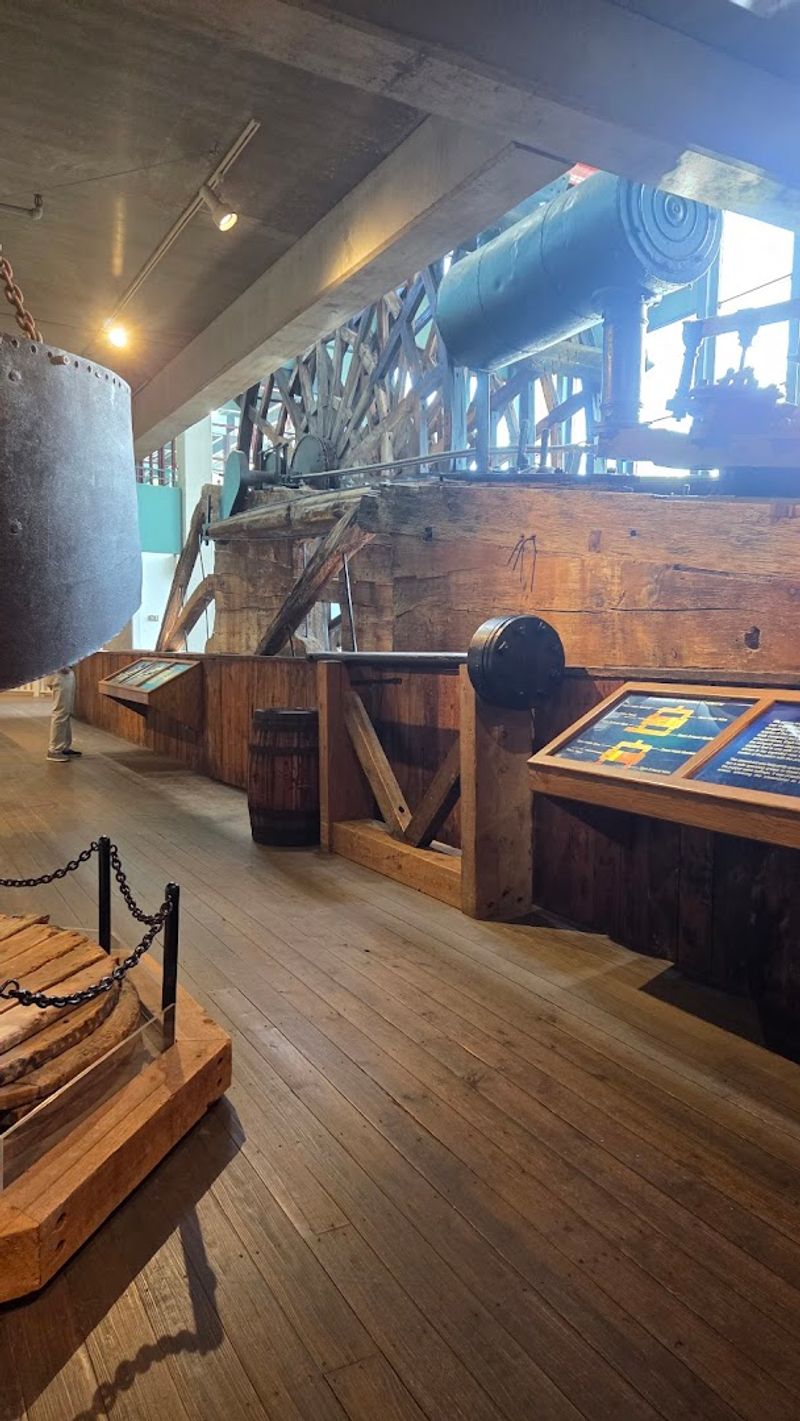
At the heart of the museum sits one of its most visually striking features: a full-scale replica of the Arabia’s main deck, stretching 171 feet in length. Walking alongside it gives you an immediate sense of just how large these Missouri River steamboats actually were.
The original boilers recovered from the wreck are displayed prominently, and they are enormous. Seeing them up close makes the mechanics of 19th-century river travel feel suddenly real and impressive.
These were powerful machines for their time, pushing heavy cargo loads against the current of one of North America’s most challenging rivers.
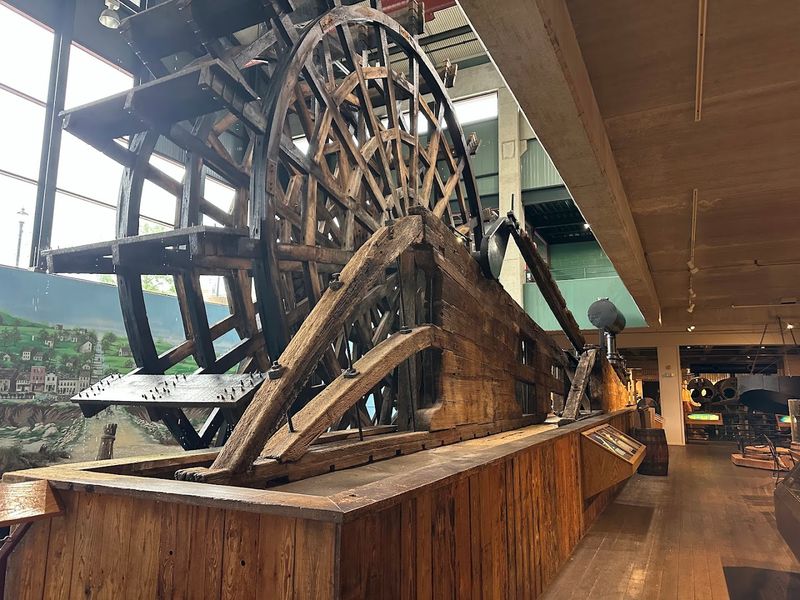
The paddle wheel mechanism is another highlight of this section. A working water wheel is on display, and watching it move gives you a physical sense of how these boats were powered.
There is something deeply satisfying about seeing engineering from 170 years ago still demonstrating its basic principles.
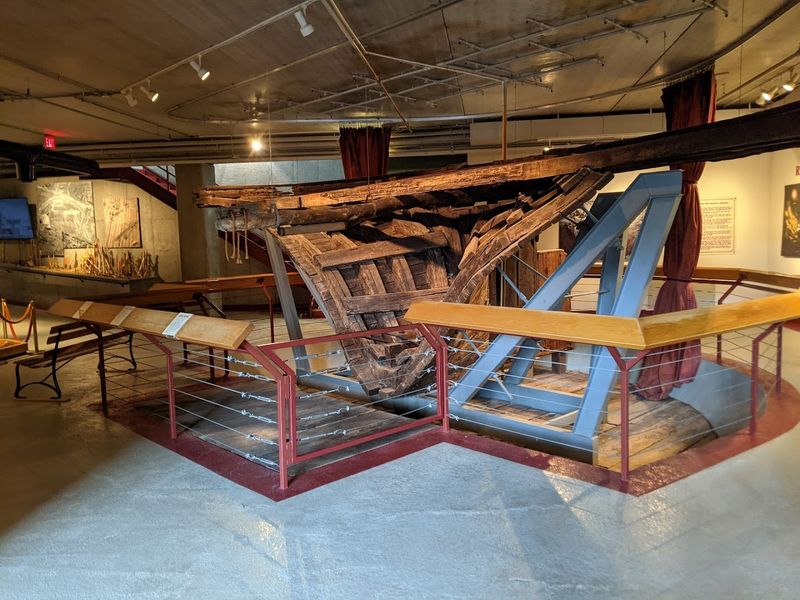
Anchors, chains, and structural elements from the original hull round out this part of the exhibit. Missouri has a long history tied to river commerce, and this display captures that relationship better than any text or painting could.
It is the kind of exhibit that makes you stop walking and just stand there, absorbing the scale of what you are looking at.
The Ongoing Conservation Work on Display
One of the most unexpectedly engaging parts of the Arabia Steamboat Museum is watching conservation work happen in real time. The museum makes its preservation efforts visible, with active restoration work on display for visitors to observe.
It transforms what could be a passive museum visit into something genuinely dynamic.
Tens of thousands of artifacts are still in various stages of conservation. The process of stabilizing objects that spent over a century buried in mud is painstaking and requires specialized knowledge in chemistry, material science, and history.
Seeing that work up close adds a whole new layer of respect for what this museum represents.
The conservators work methodically through an enormous backlog of recovered items, cleaning, stabilizing, and cataloging each piece.
Missouri has produced some impressive museum collections over the years, but few of them give visitors this kind of behind-the-scenes access to the science of preservation.
For anyone with an interest in how museums actually function, or for kids curious about careers in history and science, this section is a quiet revelation. It makes clear that the story of the Arabia is not finished.
New discoveries are still being made from the same cargo that came out of that cornfield decades ago, and the work continues every single day.
The Theater Experience Inside the Museum
Before reaching the main exhibit floor, visitors pass through a compact theater where a short film plays about the discovery and excavation of the Arabia. It is one of the smartest decisions the museum makes, and it pays off enormously in terms of visitor engagement and emotional investment.
The film is genuinely well-made. It covers the years of research and preparation that went into finding the wreck, the physical challenges of the excavation itself, and the shock of what emerged from the ground.
By the time the lights come up, you are fully invested in every artifact you are about to see.
Good museum filmmaking is harder than it looks, and this one earns its place in the experience. It does not feel like a dry educational video.
It feels like the opening chapter of an adventure story, which is exactly what it is.
Missouri has its share of excellent storytelling institutions, but the Arabia’s theater experience stands out for how effectively it prepares you emotionally for the exhibit. Walking into the artifact rooms after watching that film feels completely different from walking in cold.
You carry the weight of the story with you, and that changes how you see every single object on display.
Practical Tips for Visiting the Museum
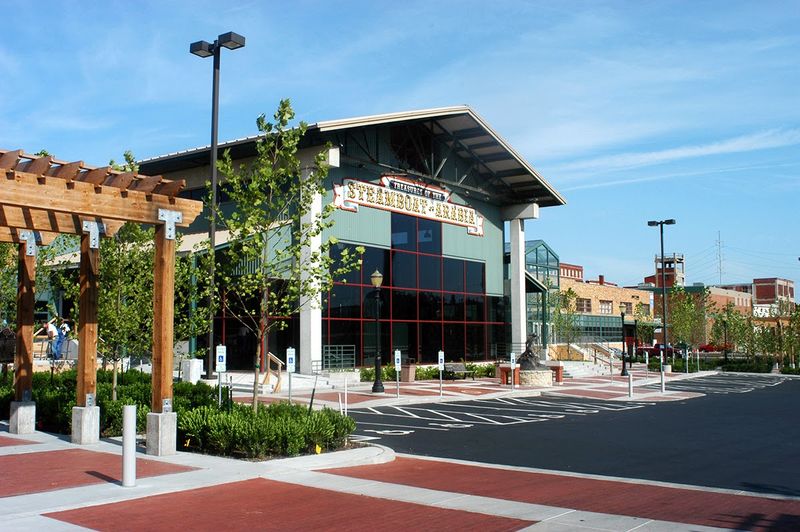
The Arabia Steamboat Museum is located at 400 Grand Blvd in Kansas City, Missouri, in the River Market neighborhood. It is open Monday through Saturday from 10 AM to 5 PM and on Sundays from 12 PM to 5 PM.
The phone number is 816-471-1856, and more information is available at 1856.com.
Parking is available on both sides of the building, but pay attention to signage because one side is free and the other requires payment. Arriving by the KC Streetcar is also a convenient option, since the River Market stop puts you within easy walking distance of the entrance.
Plan to spend at least two hours inside, and more if you tend to linger over exhibits. The museum is darker than many institutions, so if you have vision sensitivities, it is worth knowing that in advance.
Comfortable shoes are recommended since the layout involves descending several levels.
The River Market area surrounding the museum is lively and walkable, with food options and local shops nearby. It is an ideal neighborhood to explore before or after your visit.
Missouri travel does not get much more rewarding than pairing this museum with an afternoon stroll through one of Kansas City’s most characterful districts.
Why This Museum Deserves a Place on Your Missouri Itinerary
Some museums exist to impress you with grandeur. This one works differently.
The Arabia Steamboat Museum earns its place in your memory through specificity, through the accumulation of small, ordinary objects that together build a portrait of a world that existed 170 years ago and then vanished underground.
Missouri is a state with deep historical roots, and Kansas City often gets overshadowed by its jazz legacy and barbecue reputation when it comes to cultural tourism. The Arabia changes that conversation.
It offers something that no other institution in the region can match: a complete, unfiltered snapshot of everyday frontier life preserved entirely by accident.
The museum is also a story about what regular people can accomplish when they commit fully to a goal. The family and partners who found and excavated the Arabia were not professional archaeologists backed by university funding.
They were determined individuals who believed the effort was worth making, and they were spectacularly right.
If you are building a Missouri travel itinerary and wondering whether this museum deserves a full stop rather than a passing mention, the answer is straightforwardly yes.
It is the kind of place that stays with you, not because it is flashy, but because it is honest, specific, and quietly extraordinary in every sense of the word.
