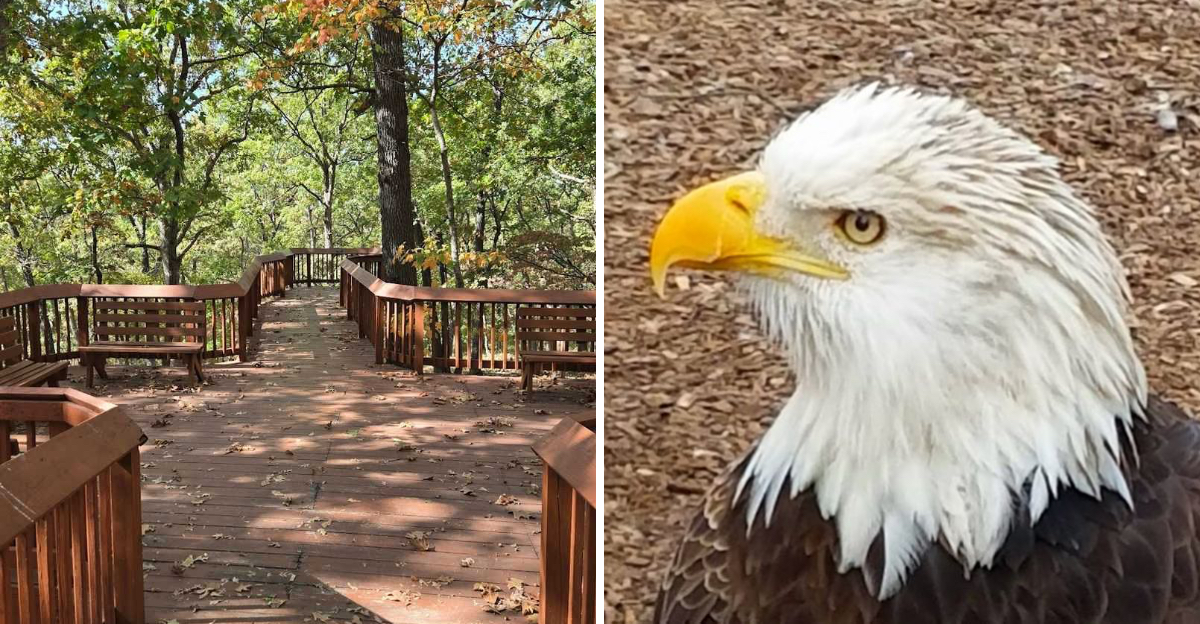
Most places that say “walk freely among eagles and owls” are either lying or about to charge you a small fortune. Not this one.
Hidden in the woods near St. Louis, there’s a Missouri nonprofit that has quietly become a superhero headquarters for birds with broken wings, damaged eyes, and bad luck. They treat over 600 raptors every single year.
That’s 600 second chances for creatures that don’t get many. And here’s the wild part: you can stroll right up to these massive birds like you belong there.
No cages that feel like cages. No sad zoo vibes.
Just eagles staring you down like they’re judging your life choices and owls looking wise even when they’re probably just sleepy. The staff patches up hawks, releases them back to the wild, and then does it all over again the next day.
Missouri is full of surprises, but this one flies highest.
A Nonprofit With a Serious Mission
Most sanctuaries sound impressive on paper, but World Bird Sanctuary in Missouri backs every claim with real, measurable action.
The nonprofit rehabilitates roughly 600 injured raptors every single year, treating birds that arrive with broken wings, gunshot wounds, and vehicle injuries before releasing them back into the wild.
What makes this mission especially compelling is the transparency behind it. The birds being healed are kept away from public view on purpose, minimizing human contact so they can return to wild life without losing their instincts.
The sanctuary also breeds ambassador birds that are sent to zoos across the country, and it actively works to repopulate endangered species through carefully managed breeding programs. None of this happens by accident.
Every dollar donated and every parking fee collected goes directly back into this conservation engine. Missouri is lucky to have an organization this dedicated operating within its borders, and the scale of what happens here behind the scenes is genuinely humbling.
Walking through the grounds, knowing that hundreds of birds are quietly healing nearby, adds a whole new layer of meaning to the visit.
Walking Avian Avenue Among Eagles and Owls
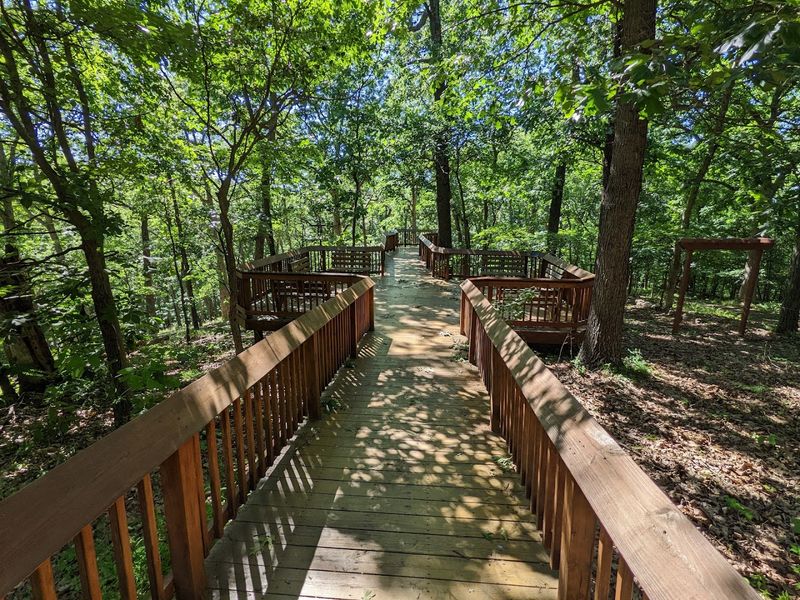
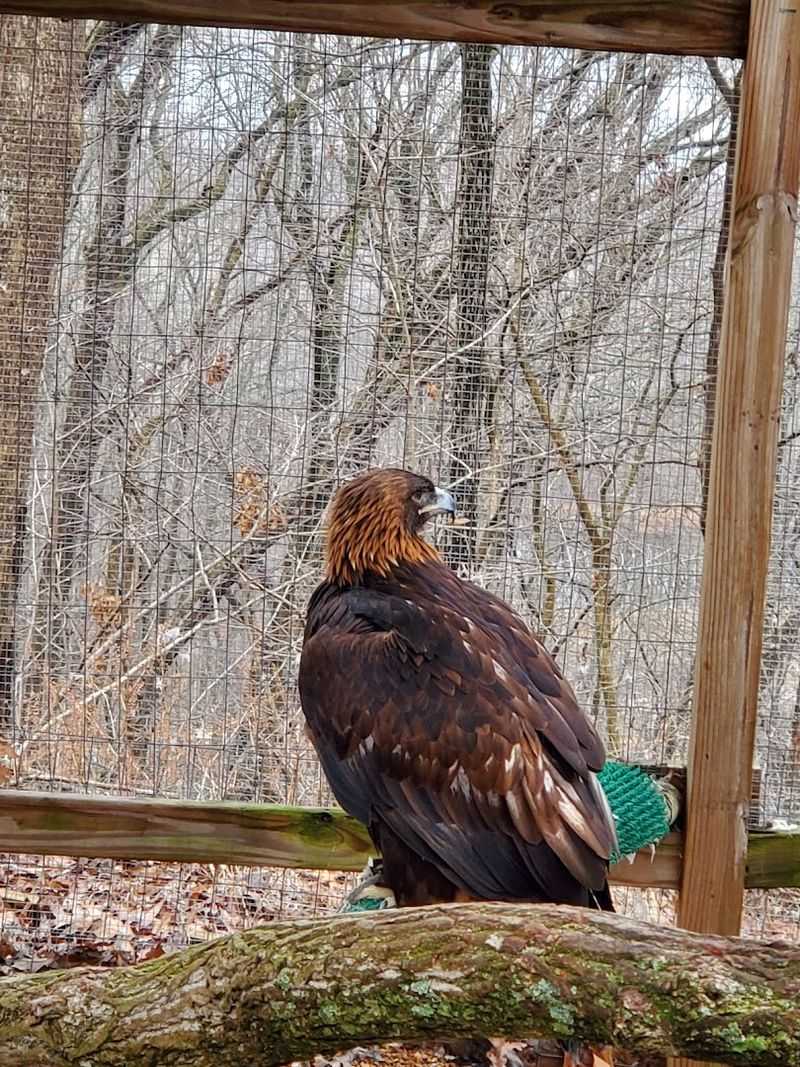
The moment you step onto Avian Avenue, the main paved trail at World Bird Sanctuary, the experience shifts completely. Large, well-maintained enclosures line both sides of the path, each housing birds that cannot be released back into the wild due to permanent injuries or imprinting on humans.
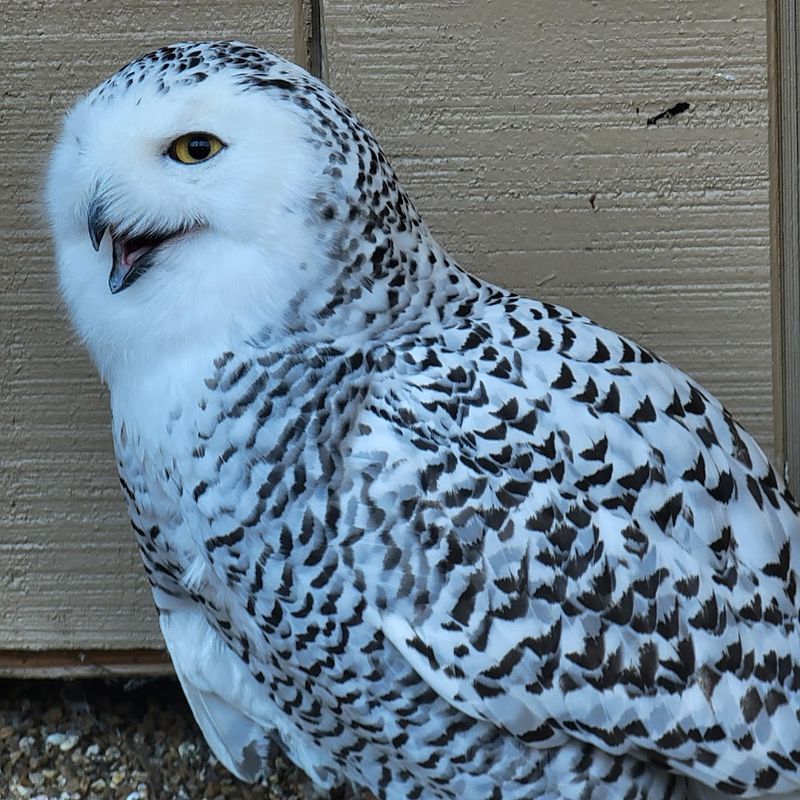
Bald eagles hold court near the beginning of the trail, their size alone enough to stop you mid-step. Further along, great horned owls blink slowly from their perches, and snowy owls with nearly translucent feathers seem almost unreal up close.
Each enclosure comes with detailed, easy-to-read signage explaining the species, its habitat, and the specific reason this individual bird lives at the sanctuary.
Missouri does not often offer this kind of intimate wildlife encounter without a zoo setting, and the open-air trail format makes the whole thing feel much more natural and immersive than a typical exhibit.
Plan for at least two hours on this trail alone, because every enclosure deserves a proper pause. The paved surface makes the walk accessible for strollers and wheelchairs, which is a thoughtful touch for a place this wild in spirit.
The Rehabilitation Hospital Hidden in Plain Sight
One of the most fascinating layers of World Bird Sanctuary is what you cannot actually see during your visit. Behind the public-facing trails and enclosures, a full wildlife hospital operates around the clock, treating injured birds of prey brought in from across Missouri and neighboring states.
The hospital handles everything from barn owls with wing fractures to red-tailed hawks recovering from lead poisoning. Birds that arrive in critical condition go through a triage process before entering longer rehabilitation programs designed to restore their natural behaviors and physical strength.
The deliberate separation of rehabilitation birds from the public is one of the smartest policies the sanctuary maintains. Keeping those birds away from human contact preserves their wild instincts, which dramatically improves their chances of surviving after release.
Knowing the hospital exists just beyond the treeline while you walk the main trail gives the whole visit a quietly powerful undercurrent. Missouri has wildlife rehabilitation programs scattered across the state, but few operate at this volume or with this level of scientific intention.
The sanctuary treats birds as wild animals first and conservation symbols second, and that philosophy runs through everything it does.
The Condor Encounter You Will Not Forget
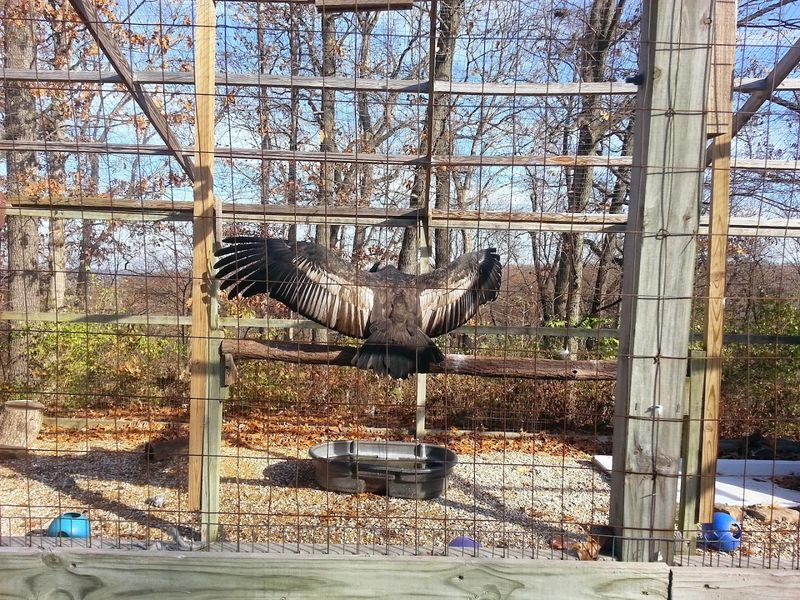
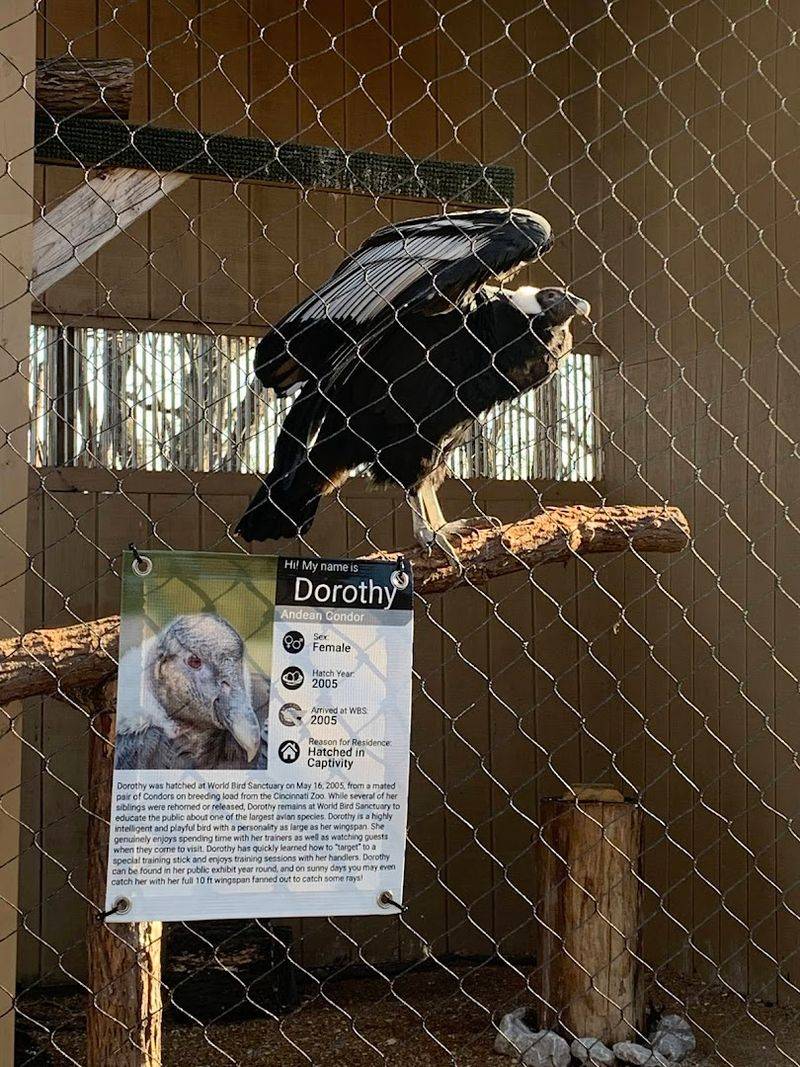
Nothing quite prepares you for seeing a California condor in person. At World Bird Sanctuary, one of these prehistoric-looking giants lives in a large enclosure along the main trail, and its sheer scale makes every other bird on the walk seem suddenly much smaller.
With a wingspan that can stretch beyond nine feet, the condor moves with a slow, deliberate authority that feels almost ancient. Standing near its enclosure, it is easy to understand why this species was once on the absolute edge of disappearing from the planet entirely.
The sanctuary uses its condor as an education opportunity, with signage explaining the species’ near-extinction story and the massive conservation effort that brought it back from fewer than two dozen wild individuals in the 1980s.
Missouri visitors who may never travel to the American Southwest get a rare chance to come face to face with one of North America’s most remarkable conservation success stories.
The condor tends to draw a crowd, and rightfully so. Spending a few quiet minutes in front of its enclosure, watching it move along its perch with that enormous wingspan half-extended, is one of those travel moments that genuinely stays with you long after you drive home.
Raptor Handling Experiences Worth Every Moment
For an extra fee beyond the standard parking entry, World Bird Sanctuary offers hands-on raptor handling experiences that rank among the most memorable wildlife encounters available in Missouri.
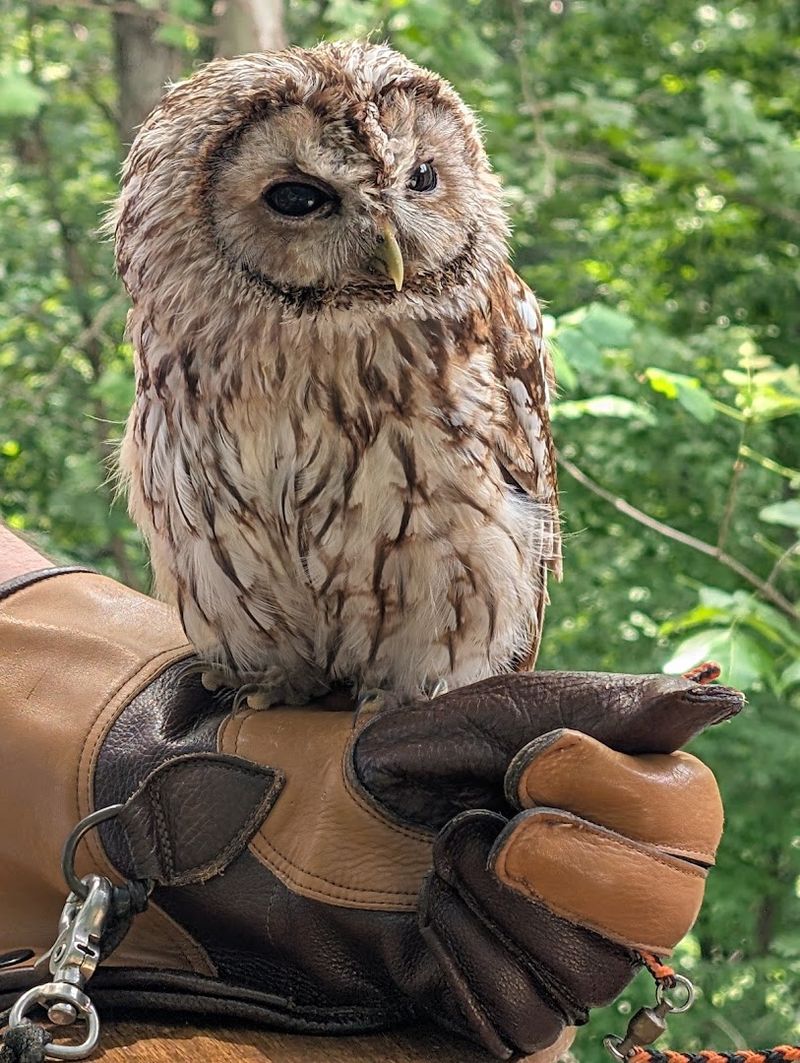
Getting a great horned owl or a Harris’s hawk to step onto your gloved arm is a sensation that no photograph fully captures.
The handling sessions are led by knowledgeable sanctuary staff who walk participants through proper technique, bird behavior, and what each individual bird’s story is. The birds used for these programs are fully ambassador animals, comfortable with human interaction and trained to participate calmly.
One particularly popular program involves holding a female owl named Buzz, a bird known for her calm, easygoing presence during sessions.
The staff who run these programs bring genuine enthusiasm to every session, and their depth of knowledge about raptors makes the educational component just as rewarding as the physical experience.
Free-flying demonstrations are sometimes offered as part of or following certain handling sessions, and watching a trained raptor launch from a glove, arc through the Missouri sky, and return on command is something that lands on a completely different level than any wildlife documentary ever could.
Three Hundred Acres of Missouri Forest
World Bird Sanctuary does not just occupy a small plot of land with a few cages. The sanctuary sits within a 300-acre reserve of Missouri woodland, and the sheer size of the property gives the entire experience a sense of genuine wilderness rather than a managed attraction.
Beyond the main paved trail, crushed gravel nature paths wind through the surrounding forest, offering a quieter extension of the visit for those who want to keep exploring after the main bird trail ends.
These forest paths attract local songbirds, and on a still morning the variety of calls drifting through the canopy is remarkable.
The terrain rolls gently through the Meramec River valley region, and the combination of open ridge views and dense woodland makes the setting feel genuinely beautiful rather than just functional.
Missouri’s natural landscape does a lot of the heavy lifting here, and the sanctuary has been smart enough to let it.
Picnic areas are tucked into shaded spots throughout the property, making it easy to spend an entire afternoon without feeling rushed. Bring insect repellent and tick spray if you plan to venture onto the gravel trails, especially during warmer months when the underbrush gets lush and thick.
The White-Necked Raven and Other Personalities
Not every bird at World Bird Sanctuary communicates through silence. The white-necked raven living at the sanctuary is one of the most interactive residents on the entire property, known for mimicking sounds and attempting to repeat words or noises made by people standing near its enclosure.
Ravens are extraordinarily intelligent birds, and spending a few minutes in front of this one quickly makes that obvious. It tilts its head, tracks movement with sharp eyes, and responds to voices in a way that feels less like animal behavior and more like an actual exchange.
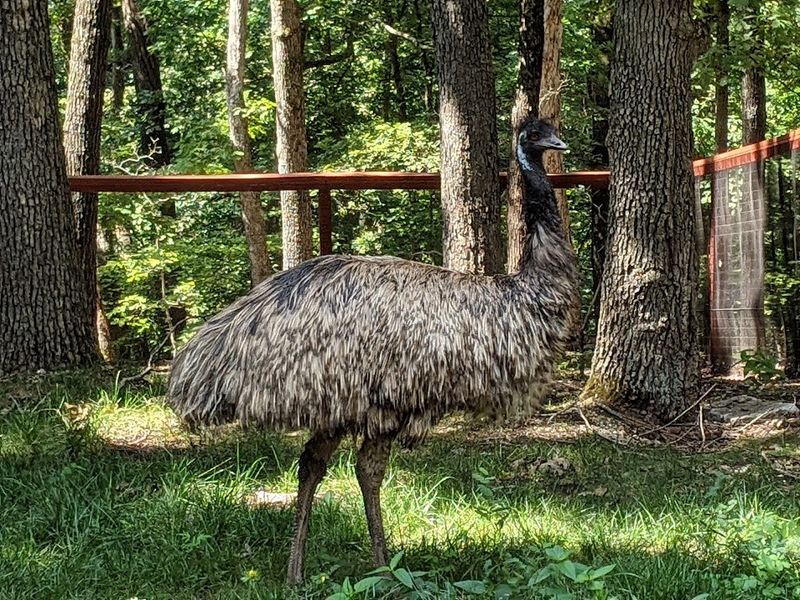
The sanctuary houses a wide range of species beyond the headline raptors, including emus that are vocal and intensely curious, various owl species from different continents, and birds that arrived through species exchange programs with zoos around the world.
Missouri visitors who expect only eagles and hawks tend to leave pleasantly surprised by the variety.
Each bird has its own distinct personality, and part of the joy of walking Avian Avenue slowly is picking up on those individual quirks. The raven, though, has a way of making you feel like it is the one doing the observing, which is both slightly unsettling and completely wonderful.
A Family Day With Playgrounds and Picnic Tables
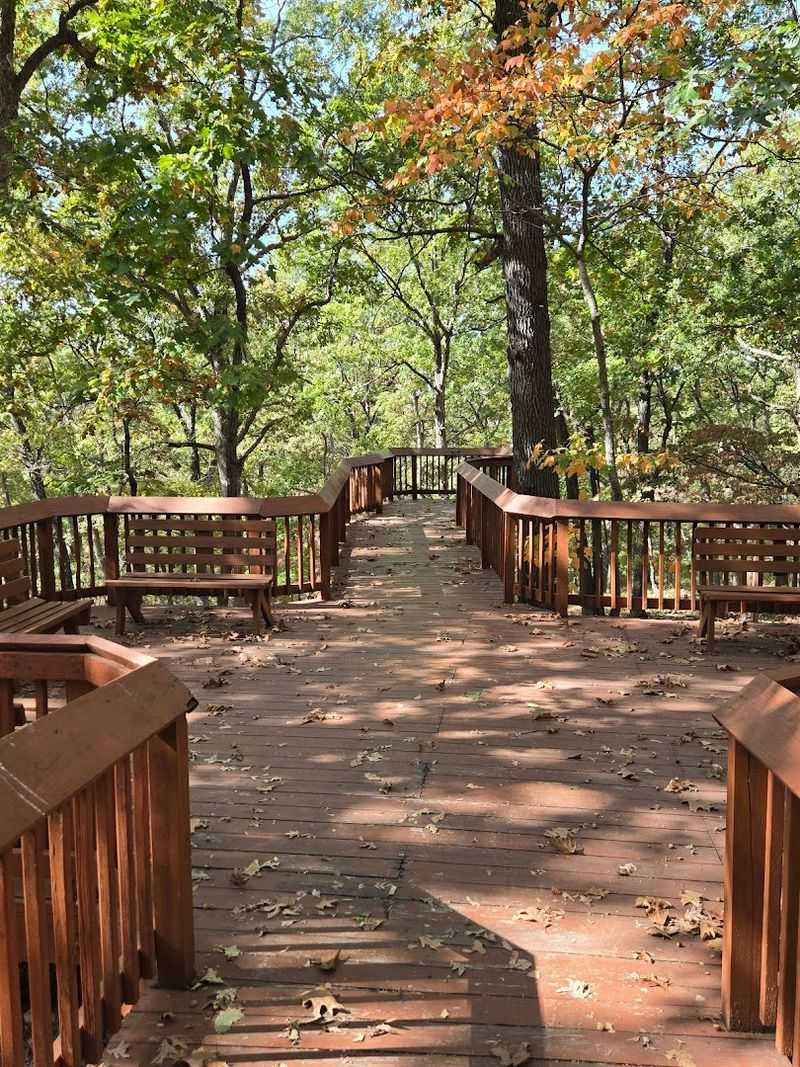
World Bird Sanctuary is not just a destination for serious birders or wildlife enthusiasts. Families with young children will find the grounds genuinely welcoming, with a well-maintained playground tucked into the property that gives kids a place to burn off energy between bird encounters.
Covered and shaded picnic tables are scattered throughout the sanctuary grounds, making it easy to pack a lunch and turn the visit into a proper half-day outing.
The combination of wildlife education, outdoor walking, and a place for kids to play hits a balance that few nature destinations manage to get right.
Restrooms on the property are clean and well-maintained, which sounds like a small detail but makes a significant difference for families managing young children across a multi-hour visit.
The gift shop near the main area carries a solid selection of bird-themed souvenirs, books, and keepsakes that kids tend to find genuinely exciting rather than an afterthought.
Missouri families within driving distance of Valley Park have a genuinely special resource in this sanctuary, one that delivers real wildlife education without requiring a major trip or a complicated itinerary.
An afternoon here moves at exactly the right pace for families who want to explore without feeling overwhelmed.
Bald Eagles Up Close and Personal
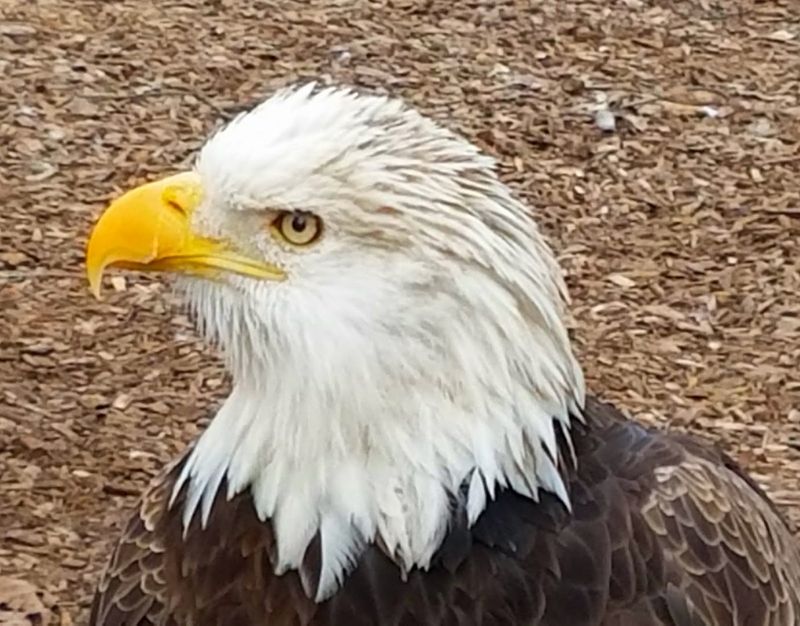
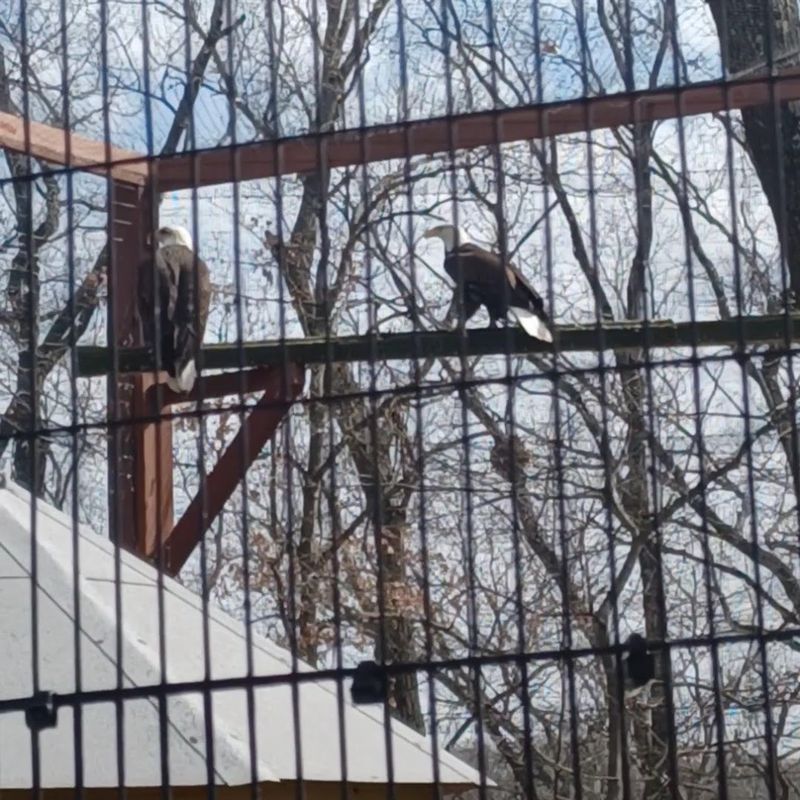
Seeing a bald eagle on a screen or in a distant sky is one thing. Standing a few feet from one at World Bird Sanctuary, close enough to see the individual feathers on its white head and the sharp curve of its yellow beak, is a completely different experience.
The sanctuary houses several bald eagles, each with its own story. One of the most notable residents has lived at the sanctuary for nearly thirty years, arriving as a young bird with injuries that made release impossible.
Decades of life within the sanctuary grounds have made it one of the most recognized and long-tenured residents in the entire facility.
Missouri is within the natural range of the bald eagle, and seeing one at the sanctuary provides context for understanding just how large and commanding these birds are in real life.
Educational panels near each enclosure explain the eagle’s recovery as a species after near-collapse due to pesticide exposure in the mid-twentieth century.
The enclosures are spacious enough that the eagles can spread their wings fully, and watching one do exactly that from just a short distance away is the kind of moment that makes you stop talking entirely. Some encounters simply do not need commentary to land.
Open Every Day of the Week
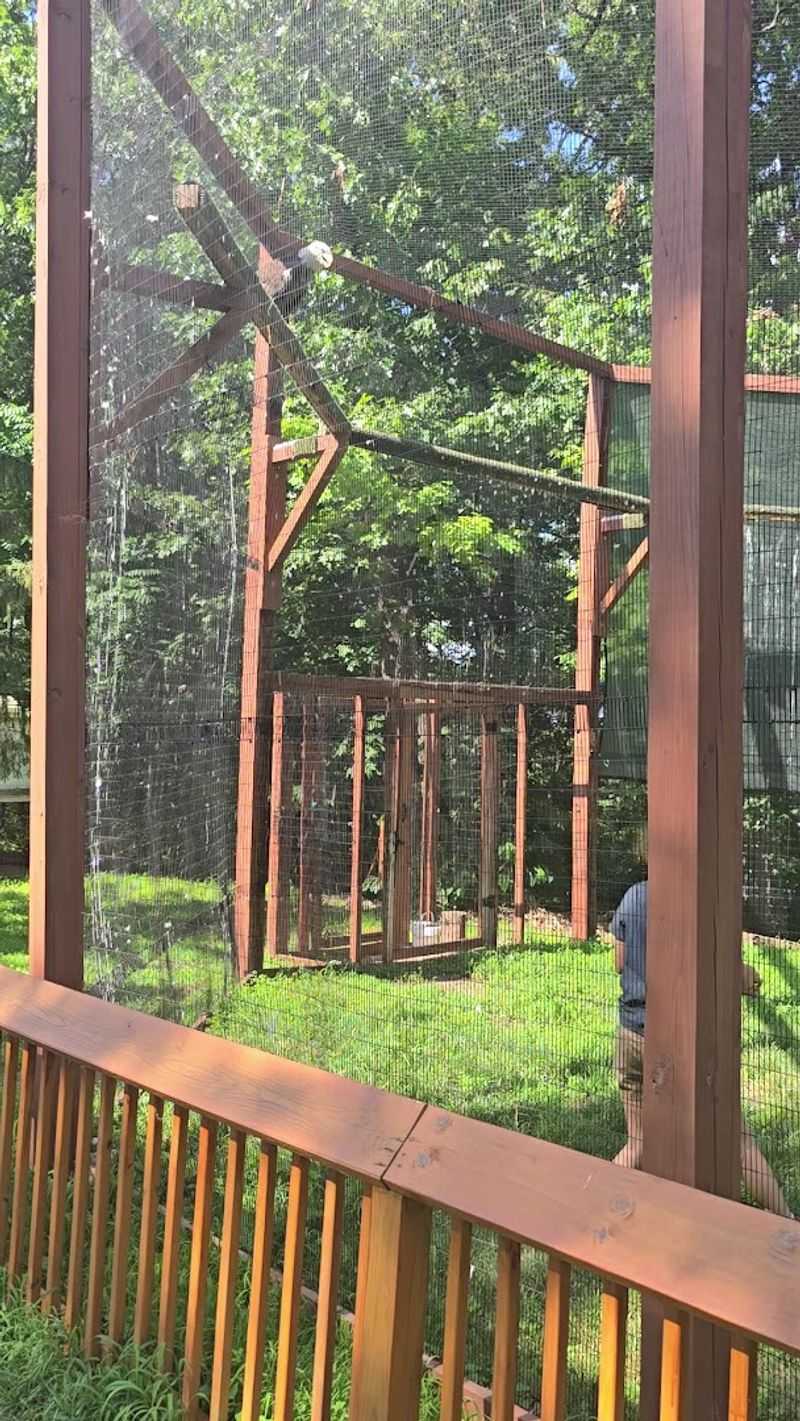
One of the most practical things about World Bird Sanctuary is how accessible it is on a logistical level.
The sanctuary opens at 8 AM and closes at 5 PM every single day of the week, including weekends and most holidays, making it easy to plan a visit without worrying about limited operating days or seasonal closures.
Entry is handled through a parking fee collected at the gate, and once inside, the trails and enclosures are free to walk at your own pace.
The open-format layout means there are no timed entry windows or crowd-controlled queues for the main trail, giving the visit a relaxed, unhurried energy that is increasingly rare at popular nature destinations.
Missouri residents within the greater St. Louis area have the added advantage of being close enough to visit multiple times throughout the year, watching how the sanctuary changes with the seasons.
Early morning arrivals tend to find the birds most active, with cooler temperatures and lower visitor numbers creating a particularly peaceful atmosphere.
The sanctuary can be reached by phone at 636-225-4390, and more information about special programs and events is available at worldbirdsanctuary.org. Planning ahead for a handling session is recommended, as those experiences tend to book up on busy weekends.
Conservation Through Education
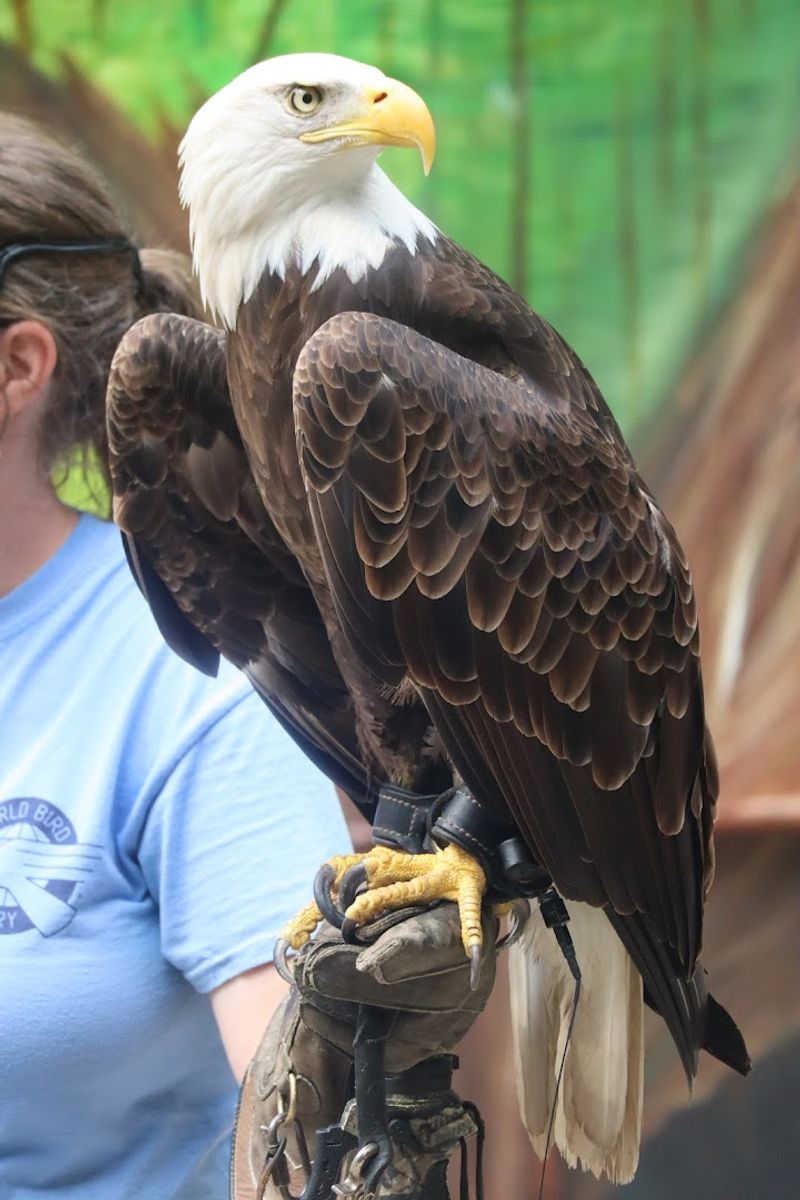
World Bird Sanctuary has never treated education as a side feature. It sits at the absolute center of everything the organization does, from the detailed signage along Avian Avenue to the structured handling programs and live bird demonstrations held in the small on-site amphitheater.
The amphitheater hosts free-flying shows where trained birds are released into open air and called back by sanctuary staff, demonstrating natural behaviors in a way that no enclosure alone can replicate.
Watching a hawk bank hard through a Missouri sky and land precisely on a gloved arm is a lesson in biology, physics, and animal trust all at once.
Educational programs are also available for school groups and organized visits, making the sanctuary a resource for Missouri classrooms looking to bring wildlife science to life outside of a textbook.
The staff who lead these sessions bring real expertise and a clear passion for the subject, which makes even the most information-dense presentations feel engaging rather than dry.
Conservation only works long-term when people understand and care about what is being protected, and World Bird Sanctuary understands that deeply.
Every interaction on the property, whether a five-minute stop at an enclosure or a full handling session, is designed to leave visitors more connected to the natural world than when they arrived.
What to Know Before Your First Visit
A few practical notes can make the difference between a good visit and a great one at World Bird Sanctuary. Comfortable walking shoes are a must, since the main paved trail covers solid ground but the gravel nature paths beyond it require a bit more foot support, especially after rain.
Insect repellent and tick spray are genuinely important here, particularly during spring and summer months when the Missouri woodland comes fully alive. Staying on the pathways helps, but checking yourself and any children thoroughly after the visit is a smart habit regardless.
Mornings tend to offer the most active bird behavior, and the sanctuary is noticeably less crowded on weekday mornings compared to weekend afternoons.
If a raptor handling session is on your list, booking in advance through the sanctuary website is strongly recommended rather than hoping for walk-in availability.
Lone Elk Park sits directly adjacent to the sanctuary property and offers a free drive-through experience where elk and bison roam openly, making it a natural add-on to round out the day.
Between the two parks, a full and genuinely memorable Missouri nature day is entirely within reach for anyone willing to make the drive to Valley Park.
