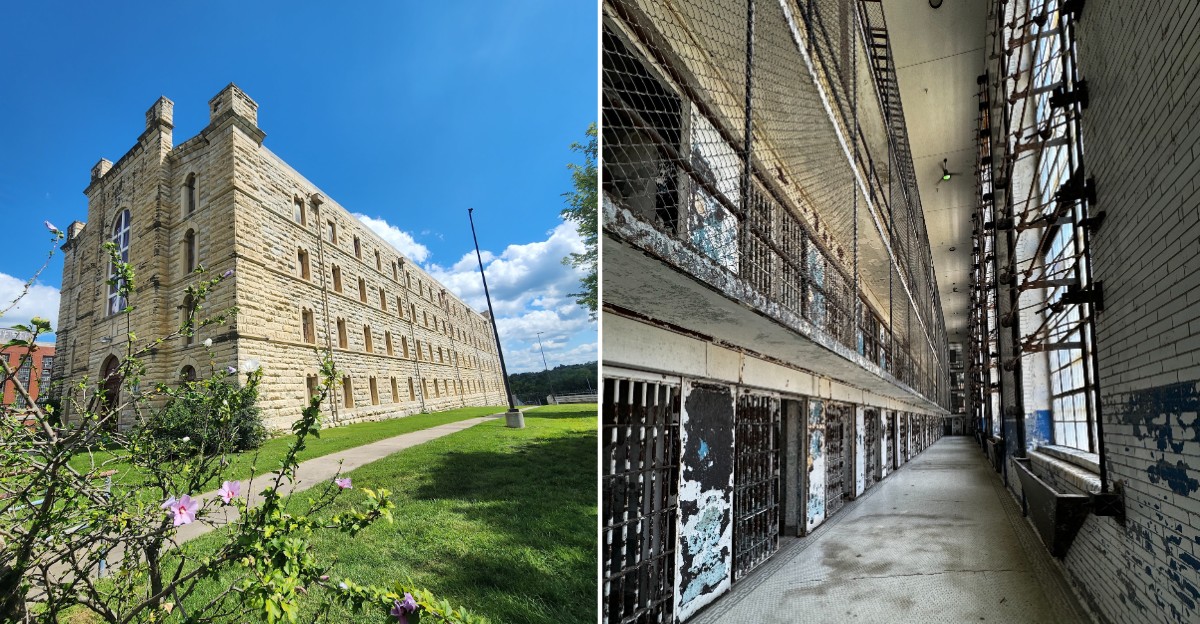
A heavy metal door clanks shut behind every history tour group here, copying the exact sound arriving prisoners once heard. That noise sets the mood before anyone takes a second step.
The limestone walls around this Missouri landmark rise about 20 feet tall. Some sections were stacked by hand in the 1830s, before the prison even opened its gates.
Inmates had a blunt nickname for the whole place. They simply called it ‘the walls,’ and honestly, I can’t imagine a better name for something this imposing.
I like how the guided tours mix real history with stories that still give people goosebumps, from famous inmates to a pitch-black dungeon cell. So how long do you think you’d last behind those old walls before begging for the exit?
Your Tour Ticket Rewinds The Clock All The Way To 1836
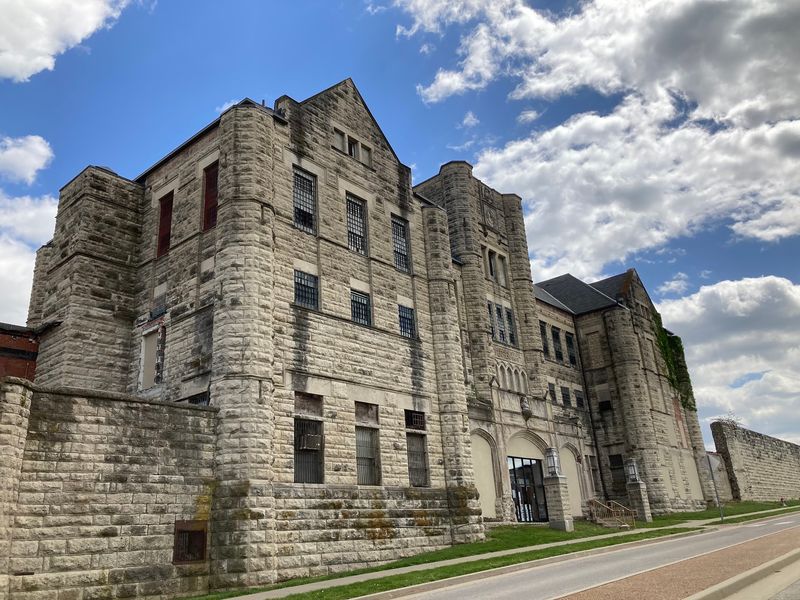
Back in March 1836, the Missouri State Penitentiary accepted its very first prisoners. Texas was fighting at the Alamo that same month, which tells you just how old this place really is.
The prison kept running for 168 years straight. It held the title of oldest continuously operating prison west of the Mississippi River until it closed in 2004.
Politics played a sneaky role in its birth. Governor John Miller wanted to lock in Jefferson City as the state capital, and a big prison helped make that case.
Architect John Haviland drew up the design in the early 1830s. Master stonemason James Dunnica handled the construction, shaping a complex that would outlast generations of guards and inmates.
The early years were busy ones. Prisoners made bricks and helped build local structures, including the Missouri Governor’s Mansion, which still stands today.
In 2004, the newer Jefferson City Correctional Center took over, and the old gates finally stopped swinging. Instead of fading away, MSP became one of the most fascinating historic stops in the state.
So when your guide starts talking, pay attention. Every hallway here holds nearly two centuries of Missouri history.
Those 20-Foot Limestone Walls Earned Their Nickname Honestly
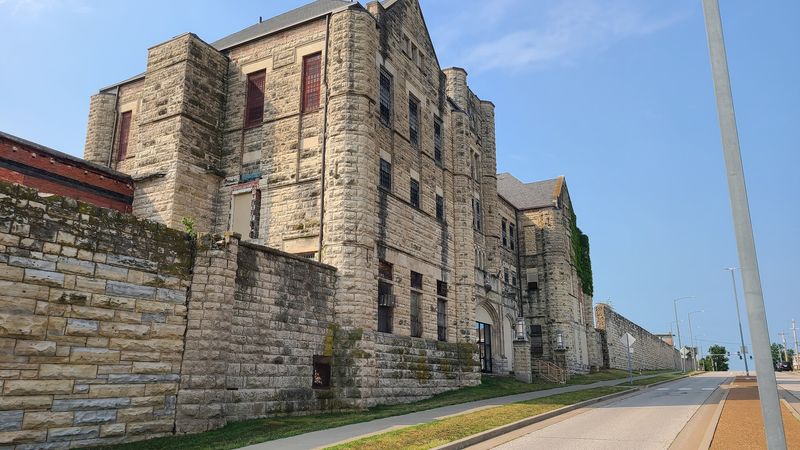
Inmates didn’t bother with fancy names. They called the prison ‘the walls,’ and one look at the towering stone makes that choice obvious.
The limestone barrier rises about 20 feet high. Some sections date to between 1833 and 1835, which means workers stacked them before the prison even officially opened.
Location adds to the drama. The complex sits on a rocky promontory overlooking the Missouri River, so the setting feels both scenic and a little stern.
Consider the view from the other side. Prisoners could sense the river nearby, yet those thick walls made freedom feel a whole world away.
History tours start with a jolt that matches the scenery. Large metal doors shut behind your group with a loud clank, just like they did for arriving prisoners.
That sound is short, but it sticks with you. It turns a casual walk into a moment where the past feels uncomfortably close.
Bring a camera and look up often. The stonework and weathered surfaces make this one of the most photogenic historic sites around.
Tip for photographers: angles along the wall show off its height best. Just try not to look too much like you’re planning an escape.
A-Hall Shrugged Off A Tornado And Welcomes Visitors Again
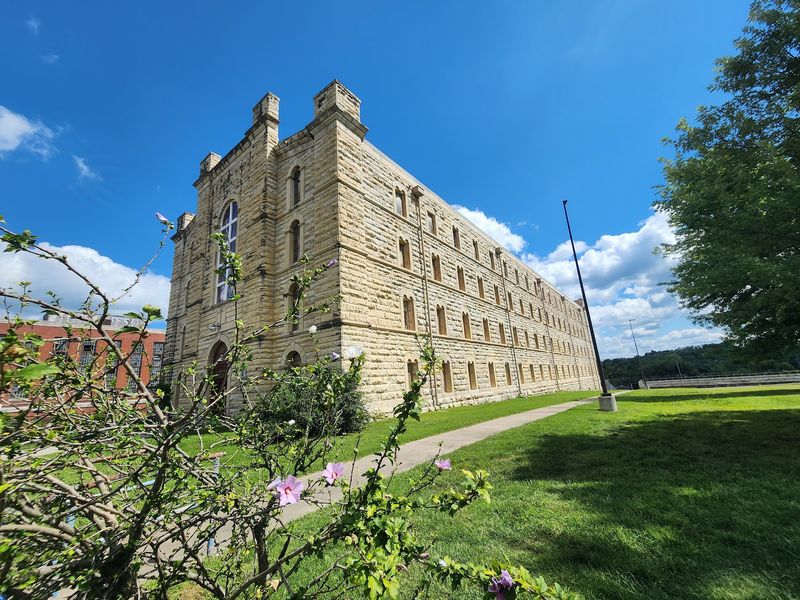
Talk about staying power. Completed in 1868, A-Hall is the oldest housing unit still standing on the Missouri State Penitentiary grounds.
Its official name was Housing Unit 4. Inmates built it mostly by hand, using stone quarried right there on the property.
That detail hits differently once you’re inside. The same men locked in these cells also cut and stacked the stone that held them.
In 2019, an F3 tornado tore through Jefferson City and did major damage to A-Hall. For a while, the future of this old unit looked shaky.
Preservation work stepped in to help. Thanks to those efforts, A-Hall is open to visitors again, and tours include it once more.
You’ll notice that some buildings look rougher than others around the site. Guides explain why, and the story of weather, age, and repair becomes part of the tour itself.
A-Hall also holds one of the most talked-about stops on the property. Its dungeon cells sit within this unit, and they deserve their own section.
For now, take a moment to appreciate the craftsmanship. Stone cut over 150 years ago by prisoners still stands after a tornado, which is pretty remarkable.
The Dungeon Cells Make Your Worst Power Outage Look Bright
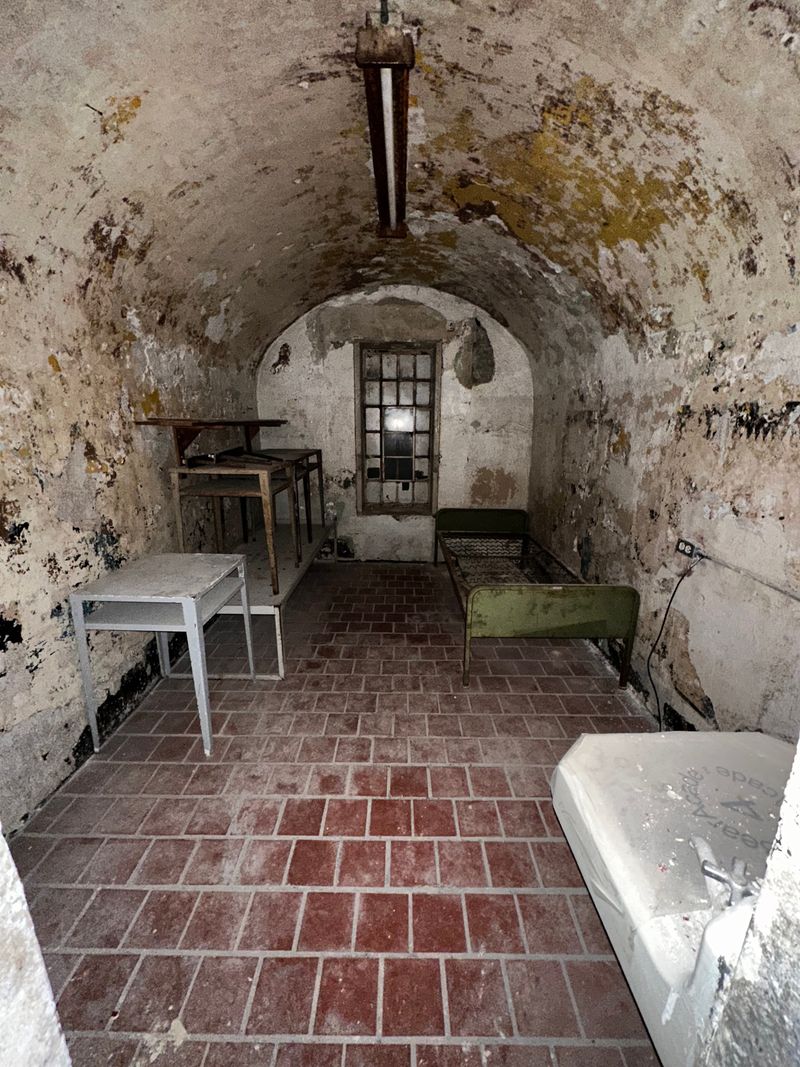
No windows and no lamps meant total blackness in the dungeon cells. Light only appeared when a guard opened the door to pass in food.
These cells belong to A-Hall and rank among the most memorable stops on any history tour. Some people call them blackout rooms, and the name fits perfectly.
Solitary punishment here meant isolation in its harshest form. It’s hard to picture spending even one afternoon in there, let alone days.
Bring that thought with you when your group reaches the doorway. Your guide shares how these cells were used and who ended up inside them.
The contrast with today is striking. You can leave whenever the tour moves on, while the men confined here had no say about time at all.
Parents with younger kids may want to prep them ahead of time. The darkness and the stories are powerful, though they also spark great conversations later.
Photographers, consider this a challenge round. Capturing a room built to shut out light takes patience, a steady hand, and maybe a flashlight for setup.
Honestly, this stop might be the one you talk about most on the drive home. Few places explain old prison discipline as clearly as a room with zero light.
Famous Names And A Rough Reputation Still Echo Through The Cellblocks
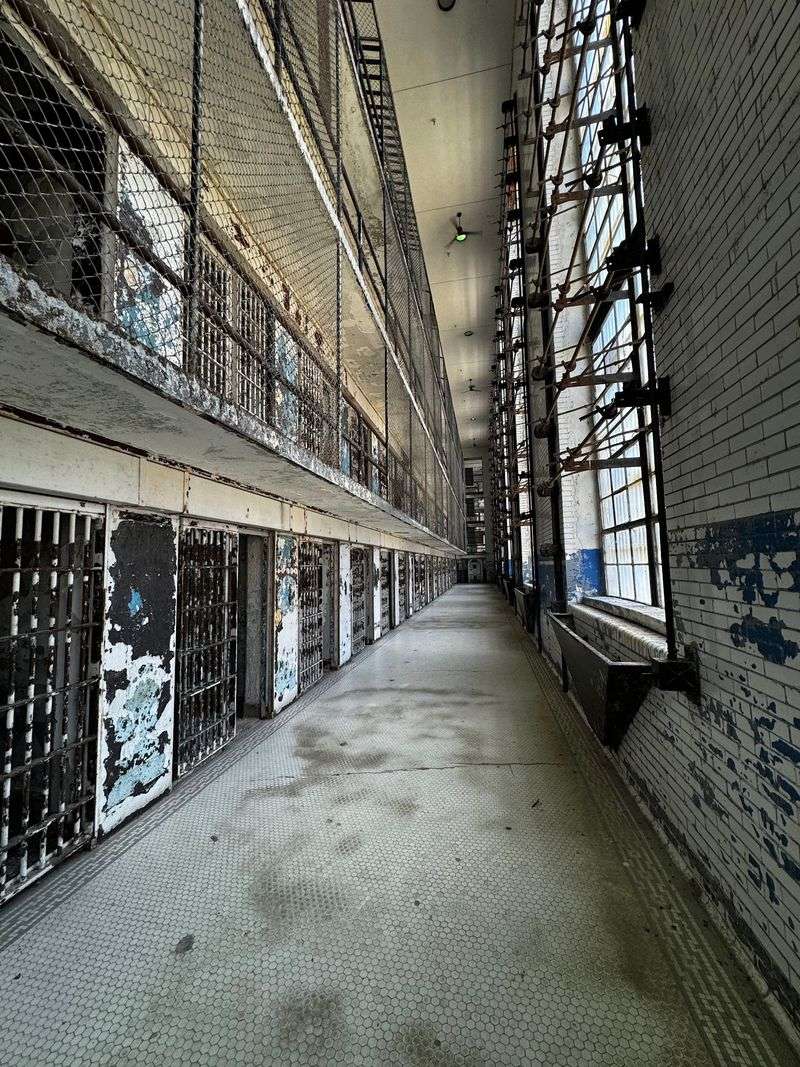
Heavyweight boxing champ Sonny Liston once called this prison home. So did James Earl Ray, whose name shows up in a lot of American history books.
Guides share stories about well-known inmates as you move through the housing units. Some cells are tied to these names, which makes the history feel personal.
Liston’s story gets plenty of attention for good reason. Learning that a future champion spent time behind these walls changes how you see the cells around you.
The prison also carries a much rougher label. In 1967, Time Magazine called it ‘the bloodiest 47 acres in America’ after a wave of serious assaults in the early 1960s.
Then there’s the 1954 riot, one of the major events your tour covers. Guides walk you through what happened and how it shaped life inside.
Escape attempts come up too, along with the planning behind them. Hearing how inmates tried to beat those 20-foot walls shows how desperate life could get.
Crowding added to the tension. Around 1936, MSP held roughly 5,000 inmates, making it one of the largest prisons in the country at the time.
Put all that together and the cellblocks feel anything but empty. Stories fill every corner.
The Upper Yard And Gas Chamber Reveal The Prison’s Most Serious Side
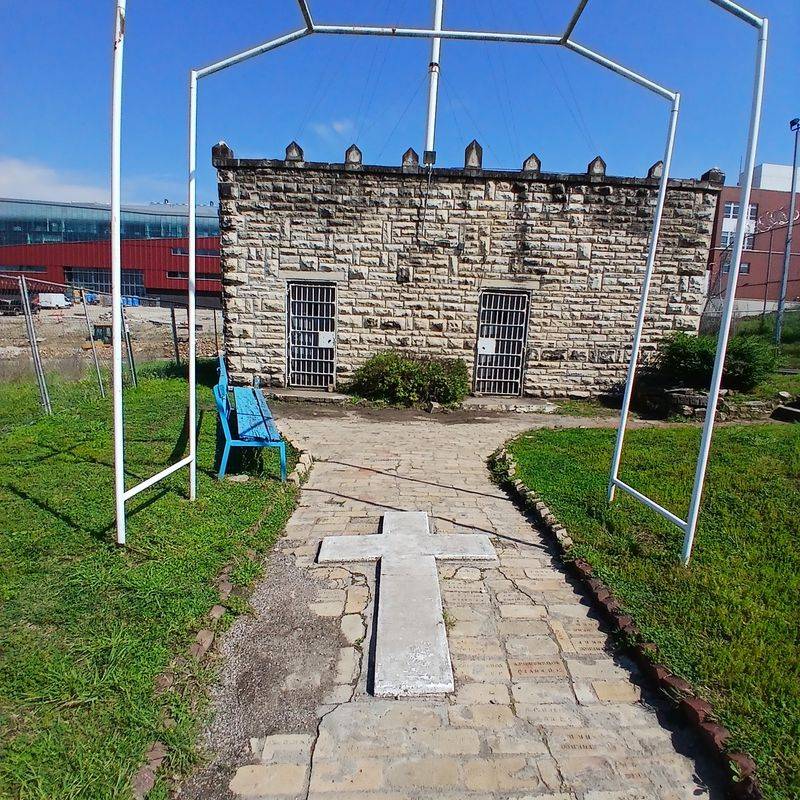
Fresh air sounds nice on a prison tour, and the upper yard delivers some. It’s one of the open spaces your group visits while crossing between buildings.
Walking between structures is a big part of the experience. Expect plenty of standing and moving, so comfortable shoes are a smart call.
The mood shifts at the gas chamber. This small building served as the state’s place of execution, and 40 men and women faced their sentences there.
Guides handle this stop with care and plenty of context. You’ll learn how the chamber fit into the justice system of its era.
It’s a heavy moment, and that’s okay. Places like this help visitors think honestly about crime, punishment, and fairness.
The tour also covers female inmates, a part of prison history that often gets overlooked. Women served time at MSP too, and their stories form an important part of the full picture.
Hearing about their daily lives adds depth most prison movies skip. It also shows how MSP touched families across Missouri, not just individual inmates.
Give yourself a quiet minute here before moving on. Some stops deserve a pause, and this is definitely one of them.
Ghost Hunters Treat These Halls Like Prime Territory
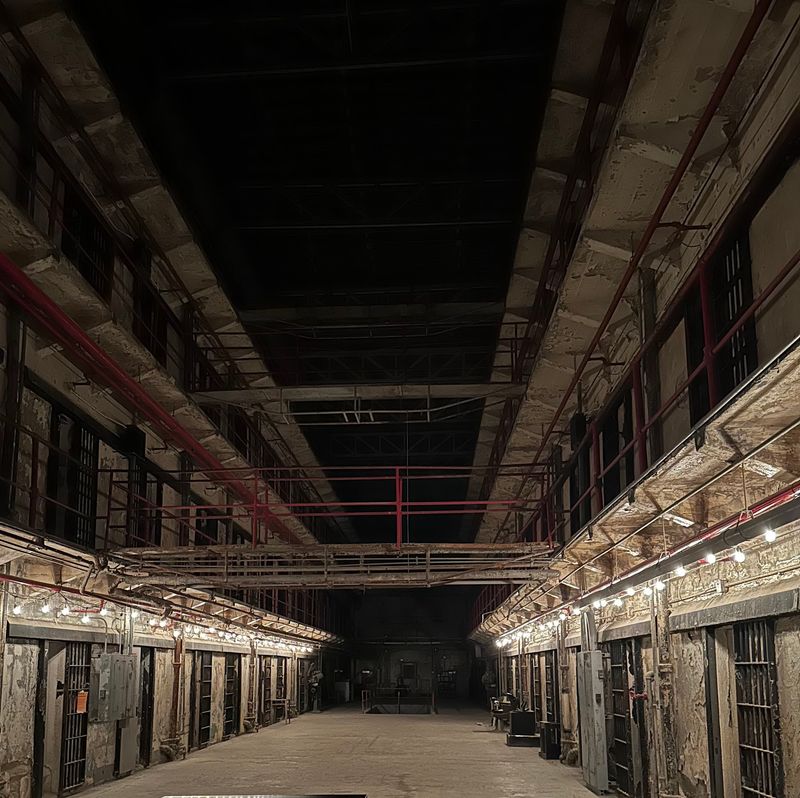
MSP is widely considered one of the most haunted spots in Missouri. Guides and guests often report shadowy figures, odd sounds, and an eerie feeling in the halls.
Ghost tours lean into that reputation after dark. They blend true history with spooky stories, so you get facts and goosebumps in one trip.
For a deeper scare, paranormal investigations give groups more time inside. After a brief walkthrough, participants can explore housing units and try their own luck.
Fair warning about your legs. Ghost tours usually involve more stair climbing than the history tours, so plan your footwear accordingly.
A flashlight is a smart thing to bring. These are old buildings, and some areas get very dark once the sun goes down.
Skeptics are welcome too. Even if you don’t buy into spirits, wandering a nearly 200-year-old prison at night is an adventure on its own.
Believers, meanwhile, come ready to listen closely. Every creak and shuffle in these cellblocks gets a second thought after dark.
Pick a night tour if your nerves can handle it. If not, the daytime history tour still delivers plenty of chills with the lights on.
A Museum Across The Street Fills In The Fascinating Details
Your adventure doesn’t have to end at the prison gates. The Missouri State Penitentiary Museum sits directly across Capitol Avenue inside the Col.
Darwin W. Marmaduke House.
Inside, you’ll find a collection of MSP memorabilia. Artifacts, photographs, and exhibits cover prison industries, inmate life, and the methods used to keep control.
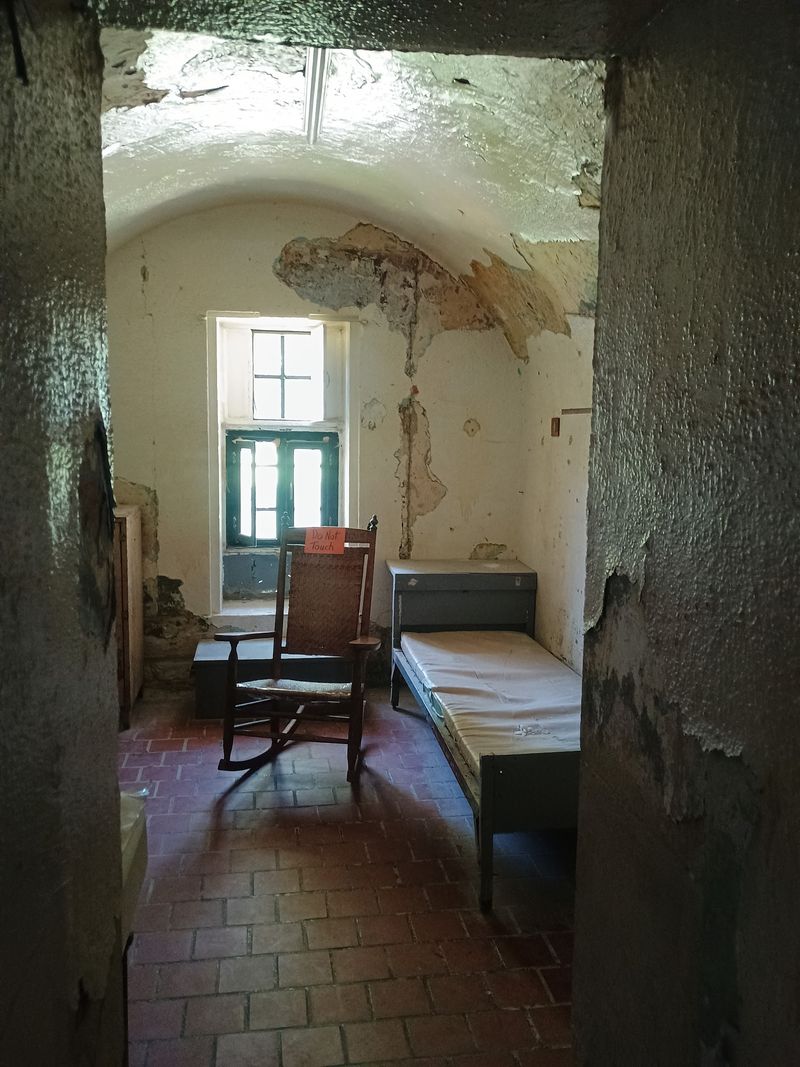
The replica cell is a standout. It offers a close look at the tight living conditions inmates dealt with, in a setting that’s easy to take in at your own pace.
Prison industries deserve your attention here. Inmates did real work over the decades, and the exhibits show how that labor fit into daily routines.
Here’s a bonus worth remembering. Museum admission is free when you buy a prison tour ticket, so skipping it would be a missed opportunity.
Timing your museum stop well can make the day better. Visiting before the tour gives you background, while visiting after helps the stories sink in.
Families may appreciate the change of pace too. The museum offers a calmer setting after a couple of hours spent among cellblocks and stone walls.
Treat it as the footnotes to your tour. Small objects and old photos often say as much as the giant buildings across the road.
Plan Ahead Because These Gates Lock Up For Winter
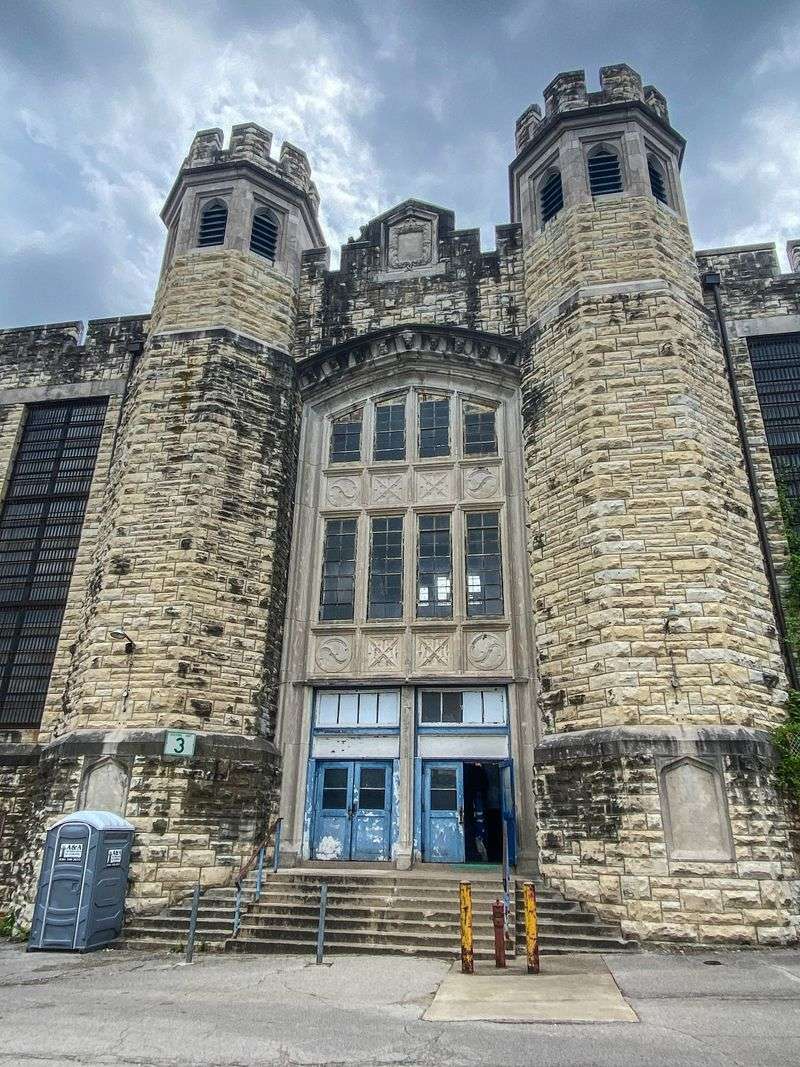
Timing matters with this Missouri attraction. Tours run from March through November, and the gates stay closed to visitors in December, January, and February.
Your GPS destination is 115 Lafayette Street, Jefferson City, MO 65101. The site sits in downtown Jefferson City, overlooking the Missouri River.
Reservations are highly recommended. Walk-ins sometimes get lucky, but booking ahead is the best way to lock in your spot.
Every tour is guide-led, so there’s no wandering off solo. Each guest also signs a Waiver and Release of Liability before heading in.
The menu of options is bigger than you might expect. Choices include history tours, ghost tours, paranormal investigations, and private photography tours.
Former inmate tours are a rare treat. Hearing about life at MSP from someone who actually lived it adds a layer no textbook can match.
Weather can affect tours, so check conditions before you leave. Dress for the season, since you’ll spend time outdoors moving between buildings.
Comfortable shoes are a must for all that standing and walking. Anyone sensitive to stairs should know ghost tours usually include more climbing.
Plan right, and the Missouri State Penitentiary rewards you with an unforgettable day. Just remember that this time, you get to leave.
