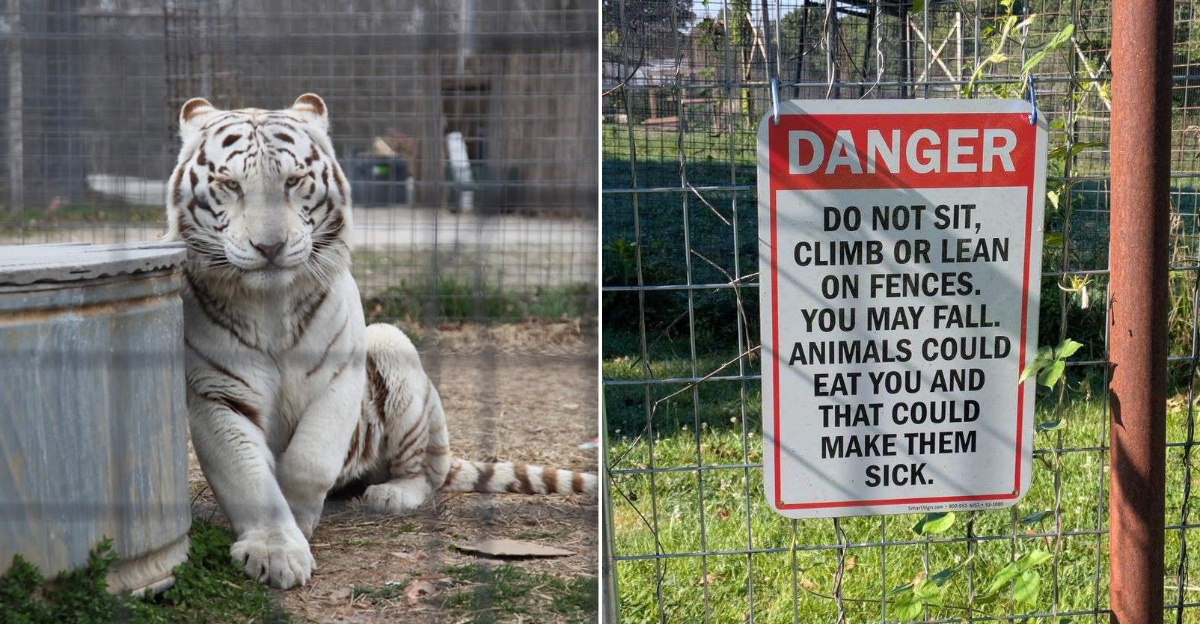
A tiger’s roar is not something you forget. It is low and deep, and you feel it in your chest before you fully register the sound.
At a Missouri sanctuary, you can stand just feet away from rescued tigers, lions, and wolves that have found a second chance at life. Many of them came from circuses, private breeders, or neglectful situations.
Now they live in large, carefully designed enclosures where they can roam, rest, and behave like the wild animals they are. A short guided walk takes you past each habitat, and the staff knows every animal by name and story.
You will learn where they came from, how they arrived, and what makes each one unique. The sanctuary is not a zoo.
It is a place built around rescue and education, where the focus is on the animals’ well-being and the visitors’ understanding. You will leave with a deeper respect for these creatures and the people who fight to protect them.
Bring your curiosity and a camera. You will want to remember this.
A Mission That Feels Real
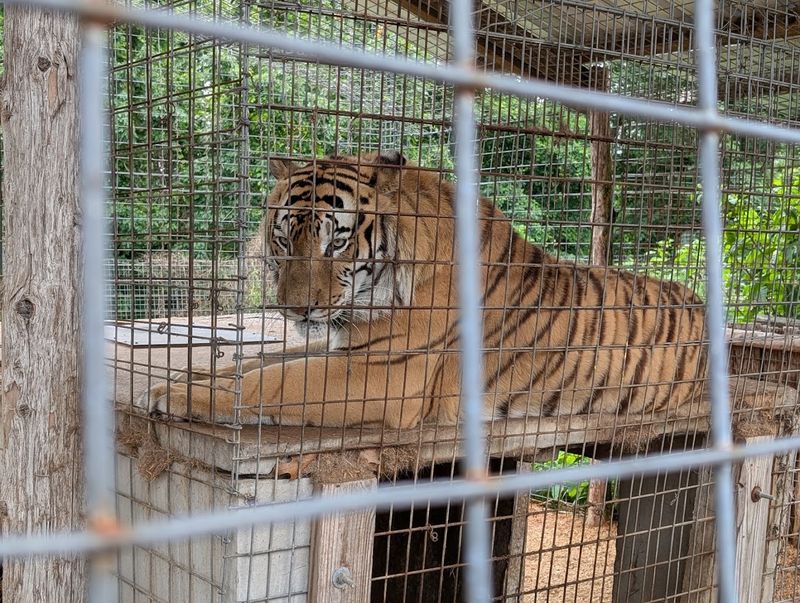
Right away, you can tell this place is not built around flashy tricks or quick photo moments, and that changes the whole mood in the best way. National Tiger Sanctuary works as a nonprofit rescue home, so the focus stays on giving animals lasting safety, steady care, and a life that feels far more peaceful than whatever came before, which makes your visit feel meaningful instead of merely exciting there.
What gets me is how the sanctuary mixes heart with honesty, because staff members do not pretend wild animals belong in living rooms or backyard cages. As you learn about rescue, habitat, and responsible treatment, the message comes through clearly: admiration should lead to protection, and protection starts with understanding why these tigers, lions, and wolves needed a safe place in Missouri where their needs finally come first every day.
By the time you finish your tour, the sanctuary’s purpose lands in a very personal way, since each enclosure represents a second chance rather than an attraction made for crowds. That feeling matters, especially for kids and first-time visitors, because it shows that caring about wildlife is not some faraway idea, but a real choice people in Missouri make with their time, land, patience, and daily work there every day.
The Drive Sets The Tone
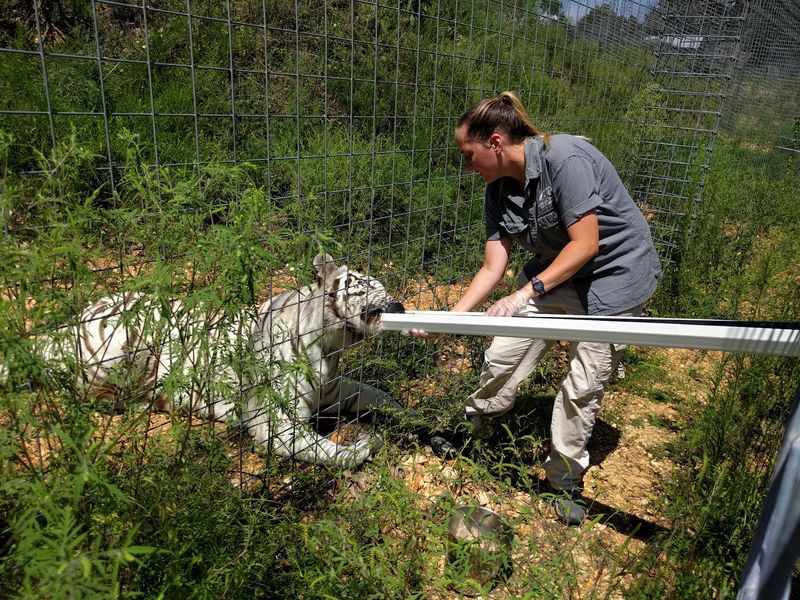
Getting there is part of the experience, because the roads around Saddlebrooke ease you into a quieter frame of mind before you ever see an animal. When you pull up to National Tiger Sanctuary, 518 State Highway BB, Saddlebrooke, MO 65630, you feel like you have reached a place that chose space and calm on purpose, which fits the sanctuary’s work far better than any busy strip ever could nearby.
I always like when a place feels a little tucked away, and this corner of Missouri has that exact energy without being hard to find. The setting helps you shift from normal trip chatter into paying attention, so by the time the tour begins, you are noticing sounds, fences, trees, and the steady pace that tells you the animals here are treated with care rather than rushed around for show.
If you are mapping out an Ozarks day, it helps to treat the sanctuary like more than a quick side stop and give yourself room to settle in. Comfortable shoes, a charged phone, and patience on the drive make everything smoother, and once you arrive, the peaceful surroundings do a lot of work in preparing you for the emotional side of meeting lions, tigers, and wolves face to face.
That First Close Look
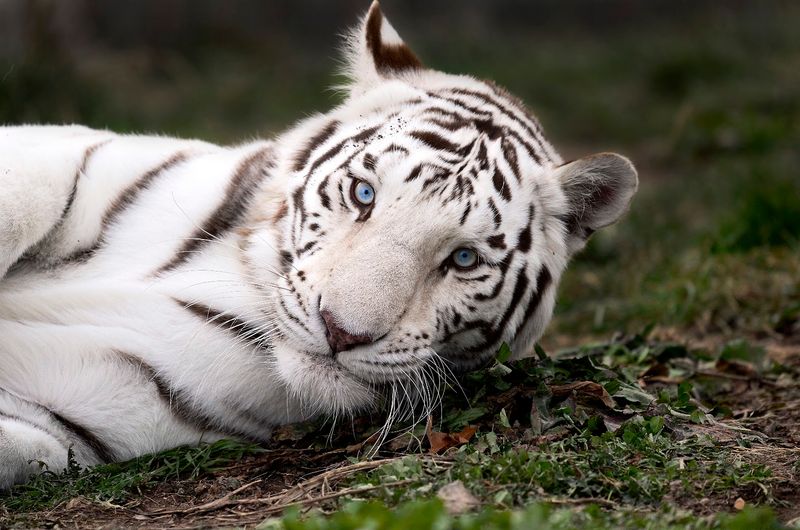
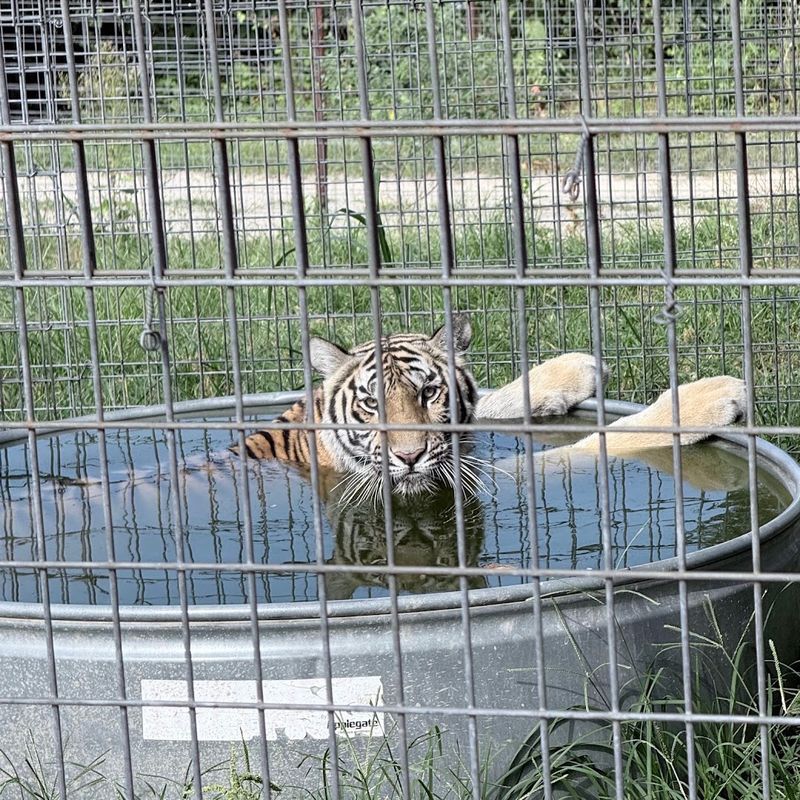
The first time a tiger locks eyes with you from just a respectful distance away, your brain goes a little quiet because the animal’s size and calm power are hard to explain. Safe viewing rules keep people and animals protected, but the closeness still feels thrilling, and you start noticing details like the heavy paws, the long whiskers, and the way each movement seems both relaxed and unbelievably strong there.
Lions bring a different feeling altogether, almost like the air gets heavier for a second, while wolves pull your attention in with their alert faces and tight group energy. Watching them in a sanctuary setting teaches you more than a textbook page ever could, since you are seeing real behavior, real personality, and the clear results of careful routines that help rescued animals feel stable in Missouri today too there.
What helps most is going in ready to observe instead of rushing for the perfect picture, because those small moments end up being the ones you remember. A head turn, a low chuff, a stretch in the sun, or wolves moving together along a fence line can say more about these animals than any sign ever will, and that makes the encounter feel personal without crossing a line at all.
Feeding Time Changes Everything
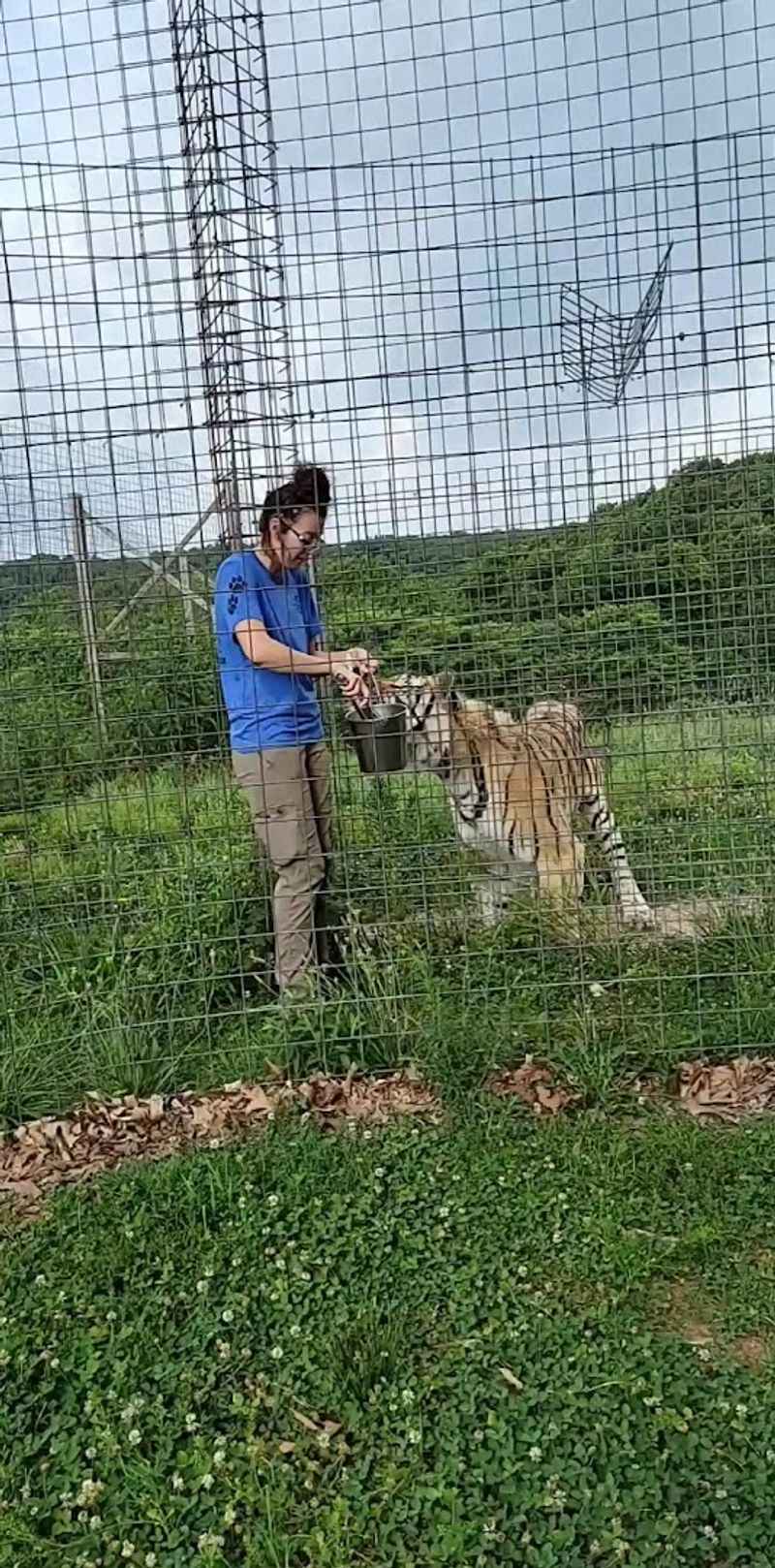
Seeing a big cat at mealtime is one of those moments that resets your sense of scale, because even a simple bite looks powerful when the animal taking it is a lion or tiger. The Feeding Tour lets you watch that routine while guides explain diet, habits, and natural behavior, so the experience feels less like a spectacle and more like a chance to understand how daily care actually works.
Honestly, it also helps you notice how organized sanctuary work has to be, since feeding is not random and every animal has different needs. Staff members talk about what the cats eat, how they stay healthy, and why consistency matters so much, which gives you a new level of respect for the unseen planning behind life at the sanctuary and the patient work happening in Missouri every day there too.
If your group includes someone who thinks wildlife tours are all the same, this is usually the part that changes their mind pretty fast. Mealtime pulls out focus, energy, and personality in a way that is easy to follow, and if an interactive upgrade is offered, listening carefully to the staff makes the whole thing safer, smoother, and far more memorable than trying to force your own experience that day.
A Tram Ride Opens It Up
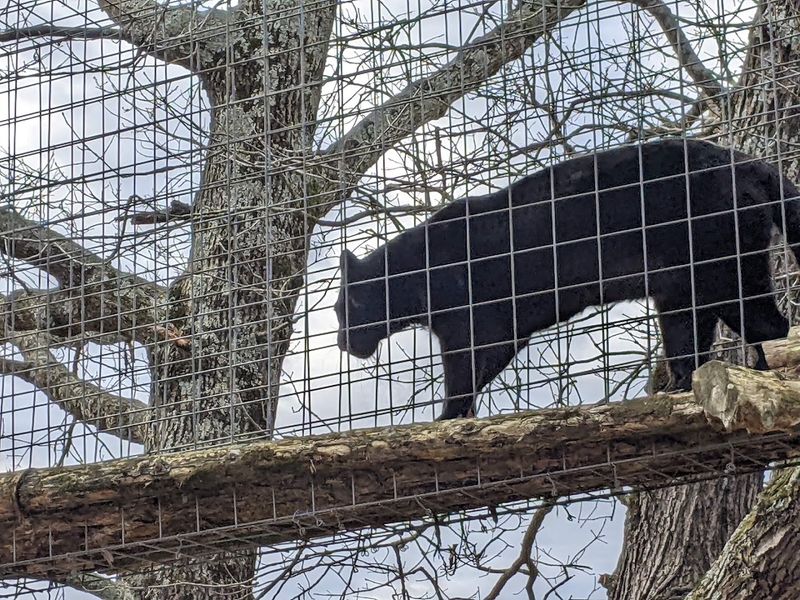
When your feet want a break but your curiosity still has plenty left, the Riding Safari sounds like a very good idea. The tram gives you a broader look across the sanctuary, and that change in perspective matters because seeing more habitat at once helps you understand how the grounds are laid out for comfort, safety, and daily routines instead of squeezing everything into one crowded viewing spot for visitors.
From there, you can take in more of the residents without feeling rushed, which is especially nice if you are visiting with kids, grandparents, or anyone who needs a slower pace. Rolling past different areas lets you compare how each animal carries itself, and it gives guides room to point out behaviors you might miss on foot, from quiet resting habits to sudden bursts of alert attention along the way.
I like this option for first visits because it gives you a wide sense of the place before you start zooming in on details. If walking tours feel a little intimidating or you simply want a more relaxed start, the safari eases you into the sanctuary experience while still keeping the focus where it belongs, on rescued animals living in a corner of Missouri with room to be watched respectfully.
Behind The Scenes Feels Personal
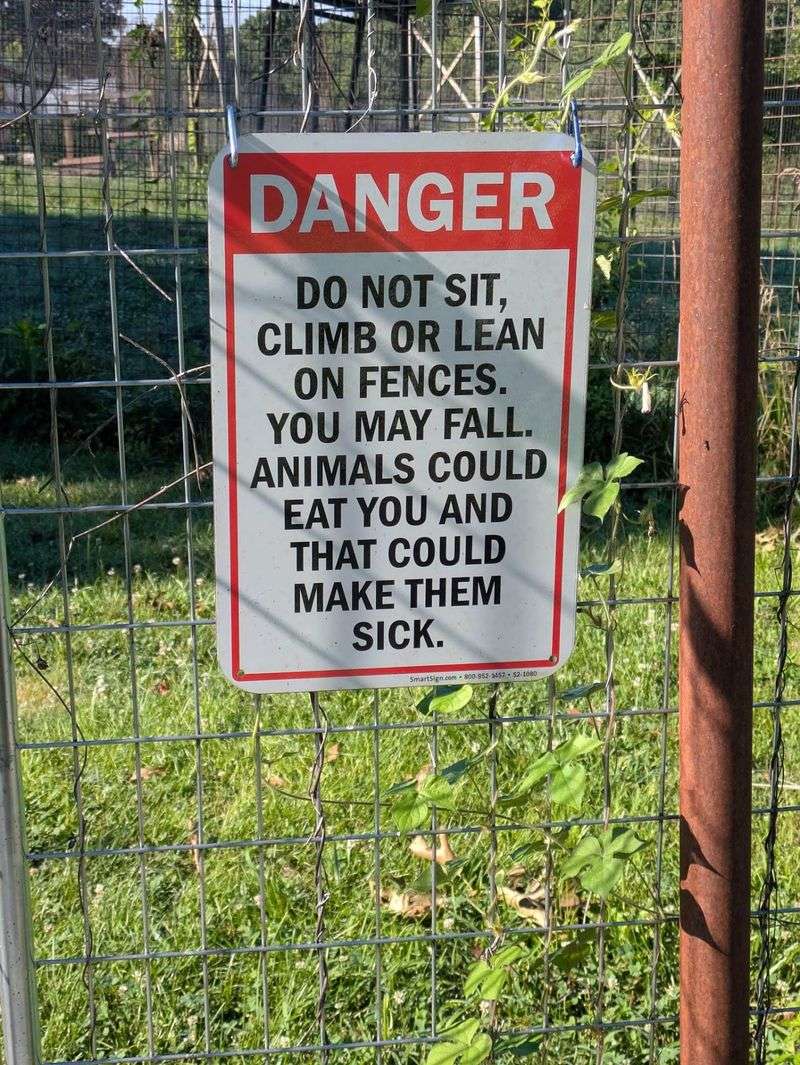
Now, if you are the kind of person who always wonders how everything actually runs, the Behind The Scenes Tour is where things get especially interesting. Instead of only seeing the public side, you learn more about cleaning, feeding prep, enclosure management, and the constant attention needed to keep large rescued animals healthy, which makes the sanctuary feel even more impressive once you understand the daily effort behind it all.
There is something grounding about hearing directly from the people doing the work, because their knowledge comes with a kind of calm confidence that no signboard can match. You get a better sense of routines, safety steps, and problem solving, and that insight helps you appreciate why good animal care depends on patience, teamwork, and paying close attention to the smallest changes in behavior from one day to the next.
For anyone traveling through Missouri with older kids or teens, this tour can spark the best conversations later, since it shows animal welfare as real work rather than a vague idea. Ask questions, listen closely, and notice how much thought goes into every decision, because once you see that side of the sanctuary, every tiger, lion, or wolf you meet afterward carries even more weight and personality with you home.
Planning Is Easier Than You Think
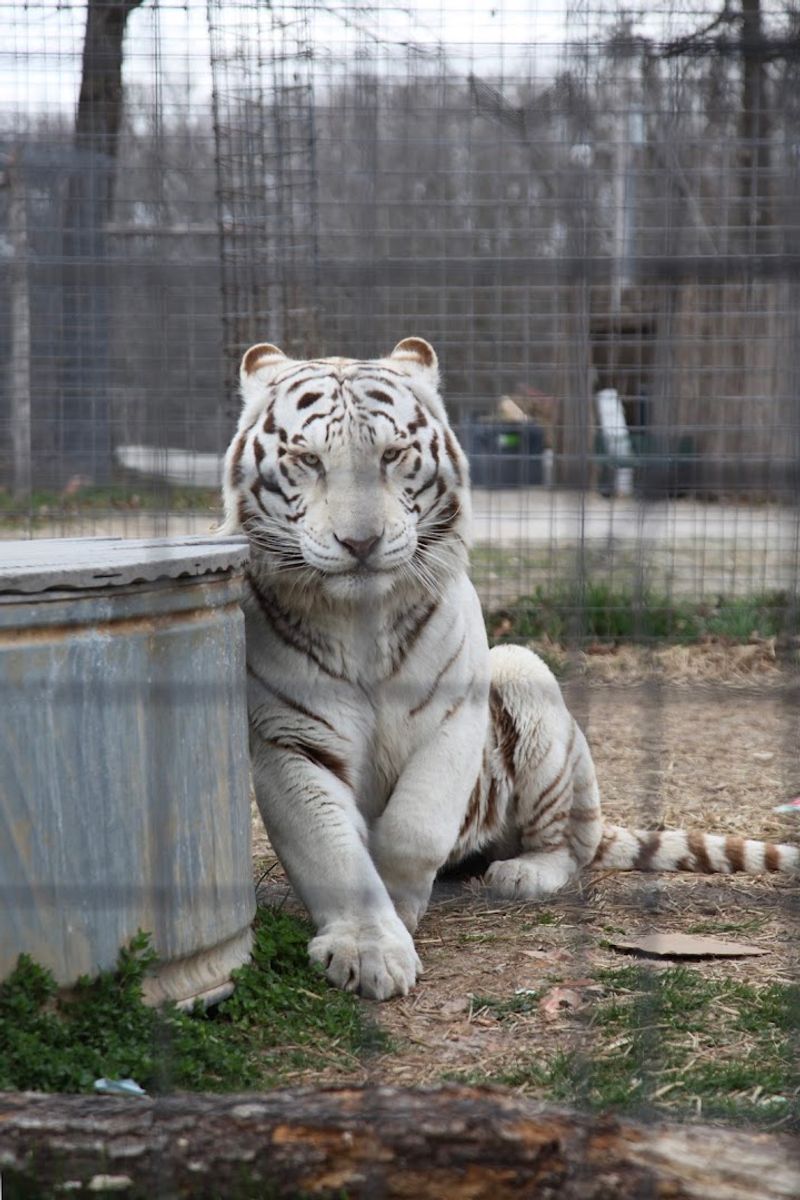
Planning a visit here is refreshingly straightforward, which I always appreciate when a day trip already has enough moving parts. The sanctuary is open much of the week, with tours running through the day, so you can usually fit it into a Missouri road trip without twisting your whole schedule around, and that makes it easier to enjoy the experience instead of stressing over complicated logistics before you arrive there.
Still, it helps to think ahead a little, especially if your group has different attention spans or needs extra time getting from one place to another. Checking tour options before you go, arriving with a little wiggle room, and deciding what kind of pace feels best for your group can make the whole visit feel smoother, calmer, and much more connected from start to finish once you are on site.
I would also build in a little time after the tour, because this is not the kind of place you rush out of without talking about it. People usually want a minute to swap favorite moments, look back at photos, or sit with what they learned, and that extra breathing room helps the visit land in a deeper way than a fast, check-the-box stop ever could for most visitors too.
A Few Things To Remember Before You Go
Before you head out, the biggest thing to remember is that the sanctuary is fully outdoors, so the weather gets a real vote in how your day feels. Dress for sun or rain, wear shoes that can handle gravel paths, and bring the kind of practical patience that makes outdoor trips easier, because staying comfortable lets you pay attention to the animals instead of fussing with your gear all day.
If mobility is a concern, the availability of scooters can make the visit much less stressful, and that kind of detail matters more than people sometimes realize. Travelers bringing a well-behaved dog on walking tours should still plan carefully, keep the visit respectful, and stay focused on staff guidance, since the whole point is creating a calm experience for everyone, including the rescued residents around you at the sanctuary there.
More than anything, come ready to listen and look closely, because that mindset turns a good outing into one you will remember for a long time. National Tiger Sanctuary gives Missouri visitors a chance to meet powerful animals in a setting built around rescue and respect, and when you show up prepared, the whole day feels easier, richer, and a lot more personal from beginning to end for you too.
