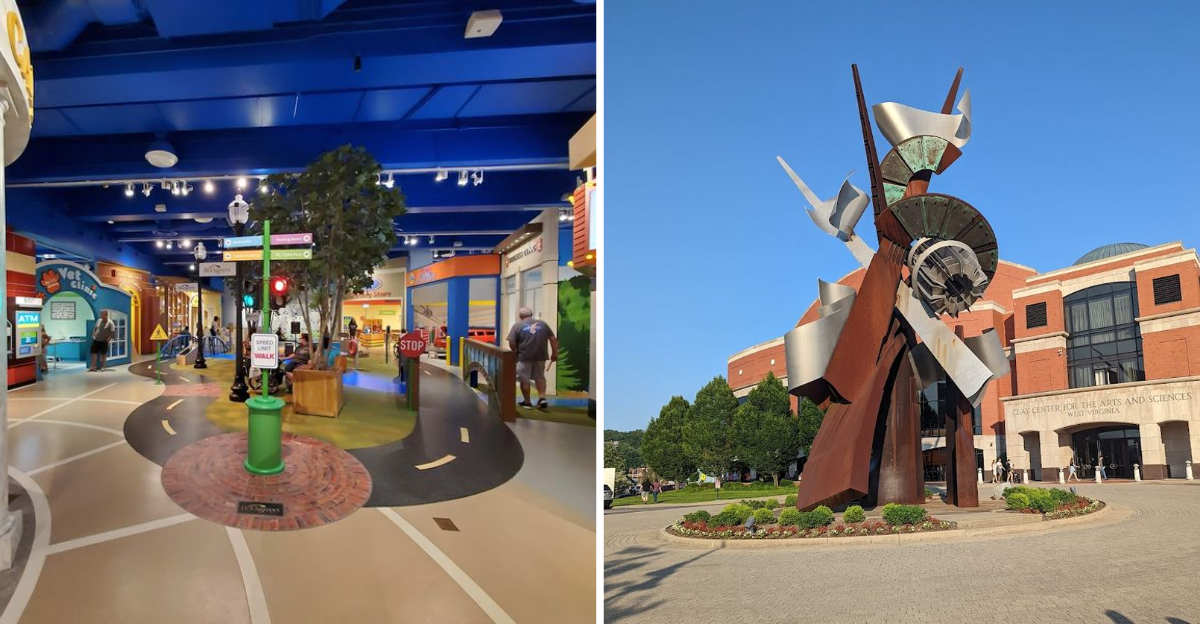
You do not have to choose between a symphony and a science experiment here. They live under the same roof.
One room holds a string quartet. A few steps away, a kid is launching a rocket made of cardboard and pure curiosity.
That is the magic of this place.
Art hangs on the walls. Music fills the halls. Hands on exhibits invite you to touch everything.
West Virginia built something rare with this center. It works for toddlers, teenagers, and grandparents all at once.
Have you ever watched a child’s face light up over a dinosaur bone and then walked into a gallery that stopped you cold? That happens here regularly.
No stuffy vibes. No pressure to understand everything.
Just a warm invitation to explore. Science, art, and music finally stopped arguing and decided to hang out together.
The Maier Foundation Performance Hall
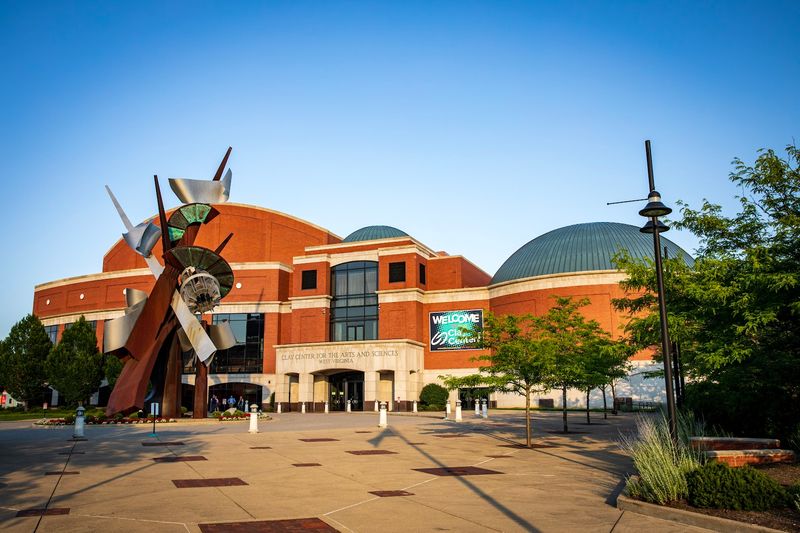
Stepping into the Maier Foundation Performance Hall feels like entering a world where sound becomes something you can almost touch.
The 1,883-seat venue is the proud home of the West Virginia Symphony Orchestra, and the acoustics alone make the experience worth every second.
Concerts range from classical evenings to lively pop performances, so there is genuinely something for every kind of listener.
The WVSO runs an award-winning education program that connects students across the state with live orchestral music. That kind of outreach matters, especially in communities where arts access can be limited.
Seeing young people experience a full orchestra for the first time is something that stays with you.
Broadway productions roll through here regularly as part of the Broadway in Charleston series. The Cecil I.
Walker Jazz Series adds another rich layer to the performance calendar. No matter when you visit, there is a strong chance something extraordinary is happening on that stage, and the hall itself makes everything sound absolutely stunning.
Broadway in Charleston and Live Performance Series
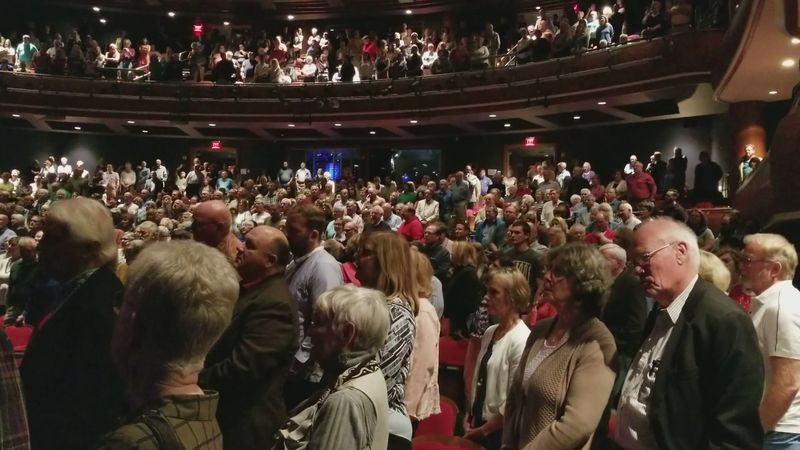
Broadway coming to a mid-sized city in West Virginia might surprise some people, but the Clay Center has been making it happen for years.
The Broadway in Charleston series brings full-scale touring productions right to the Maier Foundation Performance Hall, giving audiences a front-row seat to some of the most celebrated shows on the touring circuit.
The caliber of performance here is genuinely impressive.
Beyond Broadway, the lineup includes comedic acts, dance performances, and the beloved Cecil I. Walker Jazz Series.
That variety keeps the calendar fresh and ensures the venue serves a wide community of performing arts fans. You never quite know what you will encounter when you check the schedule, and that element of surprise is part of the fun.
The Walker Theater, a black box theater inside the Clay Center, handles smaller and more intimate community events. It creates space for local voices and emerging artists to share their work.
Together, these performance spaces make the Clay Center one of the most versatile arts venues in the entire region.
Interactive Science Exhibits
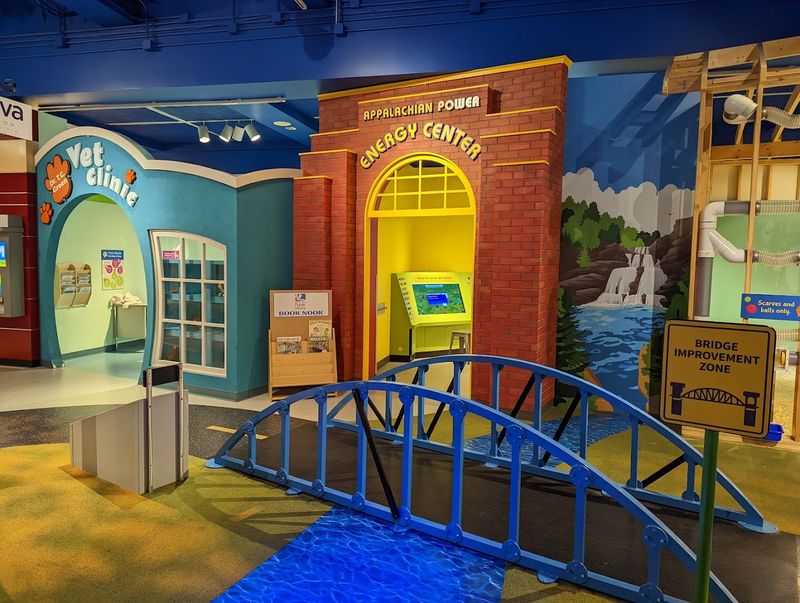
Three floors of interactive science exhibits sounds like a dream, and the Avampato Discovery Museum inside the Clay Center makes that dream completely real.
Every corner of this space is designed to spark curiosity, from earth science to physical science to health science.
Kids move through it like they are on the world’s best scavenger hunt.
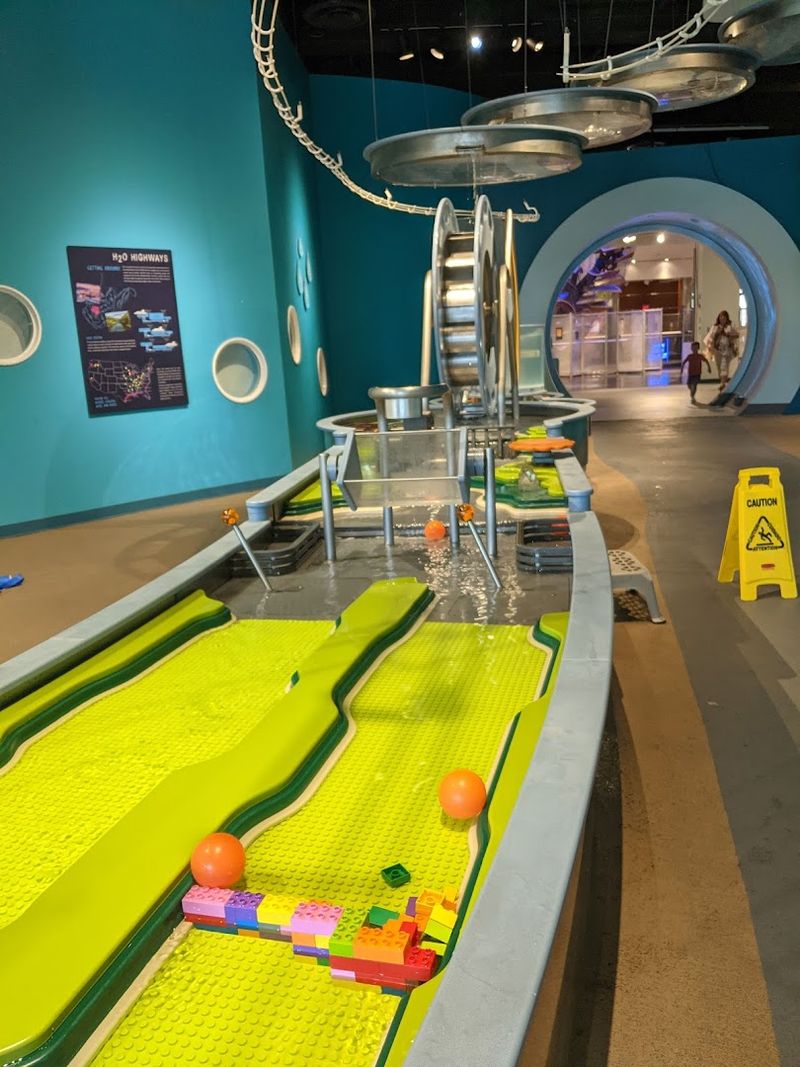
WaterWorks is one of those exhibits that pulls everyone in regardless of age. Watching water demonstrate energy and physical properties through hands-on interaction is genuinely mesmerizing.
The Healthy Me exhibit takes a different approach, focusing on the human body and physical activity in ways that feel more like a game than a lesson.
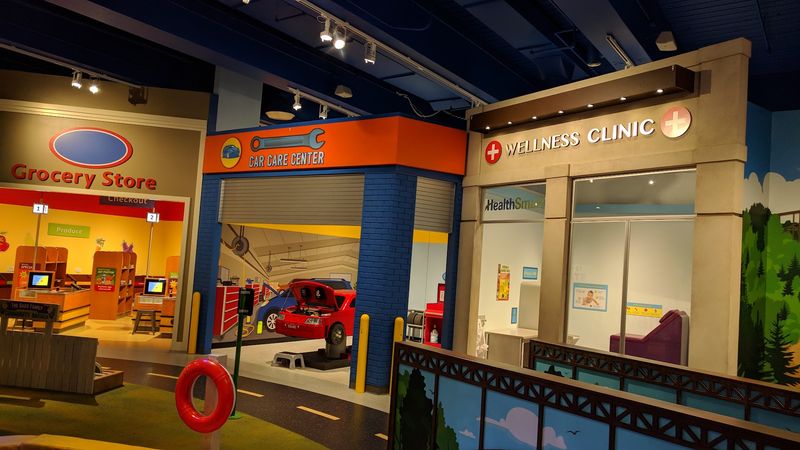
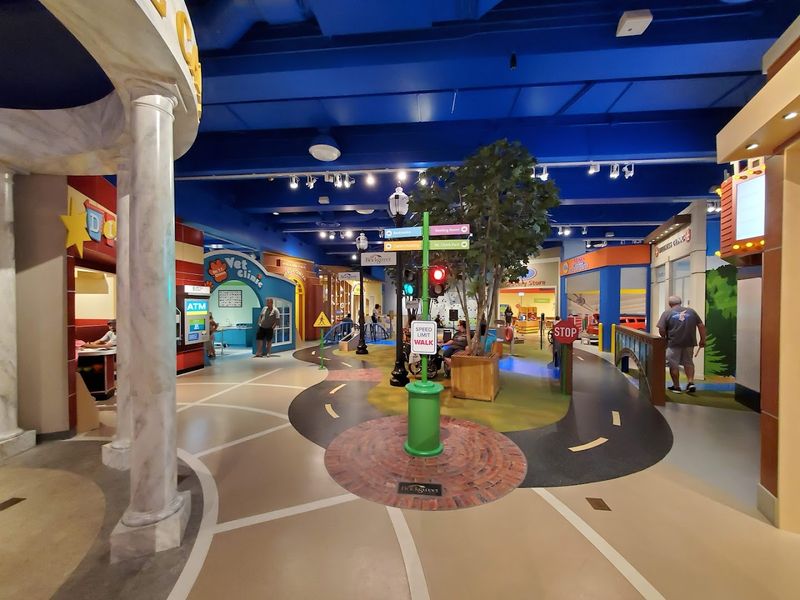
Space Lab lets visitors get hands-on with space science and engineering concepts that would otherwise feel abstract and distant. My Town gives younger children a chance to explore real-life community roles through imaginative play.
The Makerspace rounds things out beautifully by pushing creativity, engineering thinking, and problem-solving all at once. Every exhibit earns its place here.
Caperton Planetarium and Theater Dome Experience
There is something almost spiritual about sitting under a 61-foot domed screen while the universe unfolds above you.
The Caperton Planetarium and Theater at the Clay Center offers exactly that kind of experience, and it hits differently than anything you can stream at home.
The scale of the dome alone changes how you perceive the images being projected.
Many of the films shown here were actually developed by the Clay Center’s own staff, which makes the programming feel personal and purposeful.
Planetarium shows cover everything from star systems to deep space exploration, presented in a way that makes complex science feel approachable and awe-inspiring.
Families with young kids especially tend to leave this theater completely energized.
Large-format films round out the Caperton’s programming, offering documentary-style experiences on topics that complement the museum’s science focus.
Sitting in the back row gives you the best viewing angle, and the sound system wraps the experience in a way that makes you feel fully immersed.
This is one of those stops you simply do not skip.
Juliet Art Museum Permanent Collection
The top floor of the Clay Center houses the Juliet Art Museum, and the shift in atmosphere when you arrive there is immediate.
After spending time surrounded by science exhibits and the sounds of children exploring below, the gallery space offers a quieter and more contemplative energy.
It is the kind of room where you slow down without even deciding to.
Selections from the permanent collection are displayed alongside rotating traveling exhibitions sourced from artists and museums across the country.
Past shows have included Infinite Bounds: Women in Art through the Decades and Memento Mori: Paintings by Robert Singleton, both of which brought distinct perspectives to the gallery walls.
The range of subject matter keeps each visit feeling genuinely new.
An Interactive Art Space within the museum lets guests of all ages explore foundational art principles through hands-on engagement.
Open Studio Hours provide structured but relaxed art activities led by education staff, making creativity accessible even for first-time visitors.
The Juliet Art Museum proves that a science and performing arts center can also be a serious home for visual art.
Seasonal Programs for Kids
Culinary Chemists, Full STEAM Ahead Sports Edition, Fairytales of Oz Lil Art Camp, Star Lore Sci-Fi Camp. These are not random theme park rides.
These are actual camp programs offered through the Clay Center, and they are as creative as they sound. Each one blends education with imagination in a way that makes kids genuinely excited to show up.
Discovery Day Camps run across multiple seasons, including Spring Break and Summer, so families have real flexibility when planning. The themes rotate and refresh, meaning repeat campers are not stuck doing the same activities year after year.
That kind of thoughtful programming keeps the experience alive and relevant for growing kids.
BookBuds Storytime and Open Studio cater to the youngest visitors and their caregivers, creating a gentle and welcoming entry point into the world of arts and sciences.
Field trips for school groups can be combined with planetarium shows and Science Alive Demonstrations for a full educational day.
The Clay Center treats every age group as worth investing in, and that shows in every program it runs.
Wild Kratts Ocean Adventure Temporary Exhibit
Opening January 17, 2026, Wild Kratts: Ocean Adventure is the kind of temporary exhibit that gets kids counting down the days on a calendar.
The interactive experience immerses visitors in ocean habitats and introduces them to real marine life in a way that feels more like an adventure than a classroom lesson.
For fans of the show, walking into this exhibit is going to feel like stepping directly into an episode.
Temporary exhibits like this one are a major part of what keeps the Clay Center feeling fresh and exciting no matter how many times you have visited.
The rotating nature of the programming means there is almost always something new to discover, which makes repeat visits genuinely worthwhile.
Families who come back season after season always find something different waiting for them.
The ocean theme connects beautifully to the broader science mission of the Avampato Discovery Museum, adding marine biology and environmental awareness to the mix.
Interactive elements are built into the design so that learning happens naturally through play and exploration.
This one is going to be a crowd favorite from day one.
Food Options and Cafe Experience
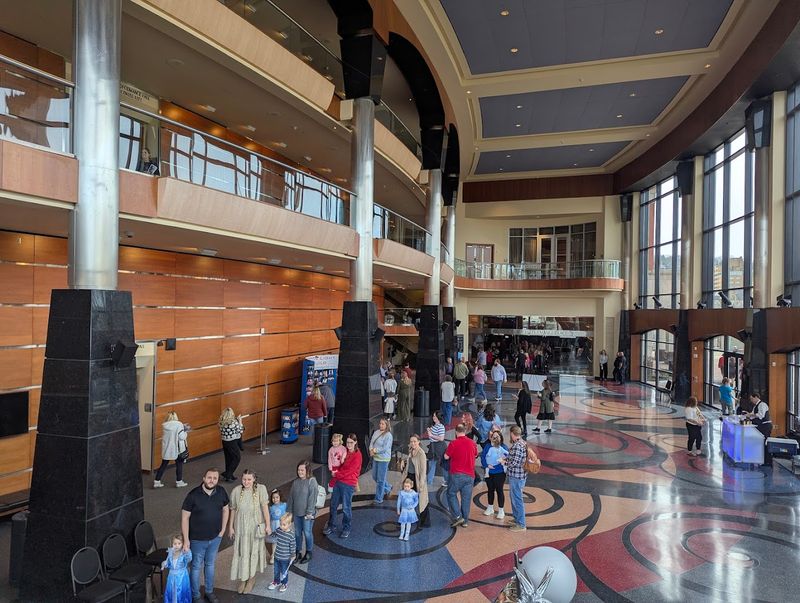
After a few hours of climbing structures, building things, watching planetarium shows, and absorbing art, hunger hits fast and hard.
The Clay Center has a cafe and food area on the main floor that gives families a place to refuel without having to leave the building entirely.
It is a practical and welcome addition to a full day of exploration.
The cafe setup has been upgraded over time, and the current version offers a more polished experience than earlier iterations.
Nachos, pretzels, and light snack options have been part of the rotation, and the seating area provides a comfortable break from the sensory richness of the exhibits.
Packing your own lunch is also a completely viable option, and families can use the cafeteria space to eat together before heading back in.
The food experience here is not the main event, but it supports the main event well. Having a place to sit, eat something familiar, and regroup before tackling the next floor makes the whole visit flow more smoothly.
Practical details like this one add up to a genuinely enjoyable family day out.
Accessibility and Inclusive Design
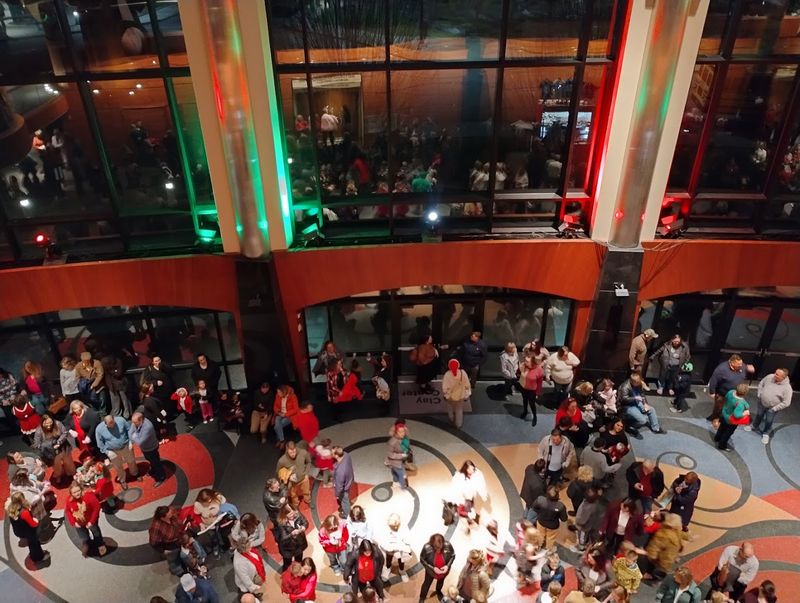
A 240,000-square-foot building can feel overwhelming, but the Clay Center has been designed with accessibility and ease of movement as real priorities.
Touchpad entry and exit points, accessible restrooms on every floor, and elevator access throughout the building make the space genuinely navigable for visitors with a wide range of needs.
That kind of thoughtful design changes the experience for entire families.
Dedicated parking with no curbs adds another layer of accessibility that makes arrival and departure far less stressful for those who need it.
Free parking in a private lot removes one of the common friction points of visiting a downtown cultural institution.
Getting there and getting inside should feel welcoming, and here it largely does.
Families with children who have sensory sensitivities or developmental differences have found the Clay Center to be a particularly accommodating environment.
The staff brings patience and understanding to interactions across the board, creating a tone that makes everyone feel like they belong.
That atmosphere of genuine inclusion is something you feel from the moment you walk through the door.
The Full Clay Center Experience
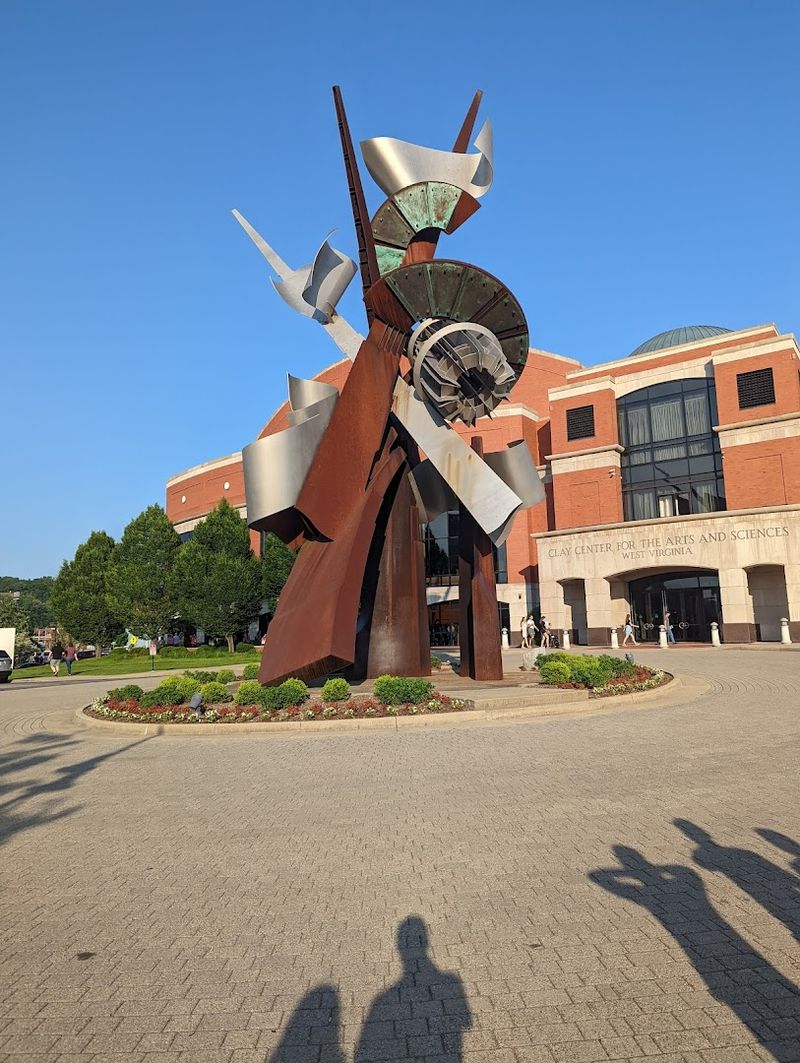
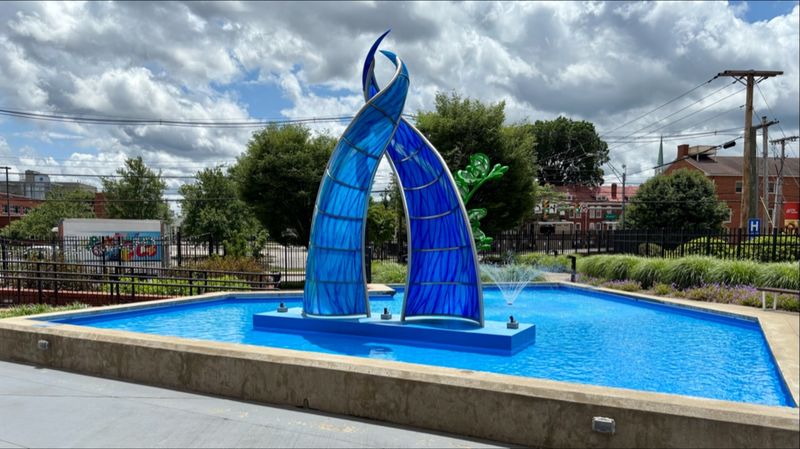
Not everything at the Clay Center happens indoors, and the outdoor spaces deserve their own moment of appreciation. Sculptures dot the exterior areas, turning the walk from the parking lot into something worth slowing down for.
Picnic tables outside give families a spot to eat in the open air, which feels like a small luxury after hours spent inside.
The overall footprint of the Clay Center creates a campus-like feel in the heart of Charleston. Moving between the museum, the performance halls, the planetarium, and the outdoor areas gives the visit a natural rhythm that never feels rushed or cramped.
Every space connects to the next in a way that makes the whole experience feel cohesive rather than scattered.
Whether you are there for a symphony performance, a weekend science exhibit, an art gallery tour, or simply an afternoon of hands-on play, the Clay Center wraps all of it into one address.
Few places in the country manage to pull off this kind of integration so successfully.
Address: 1 Clay Square, Charleston, WV
