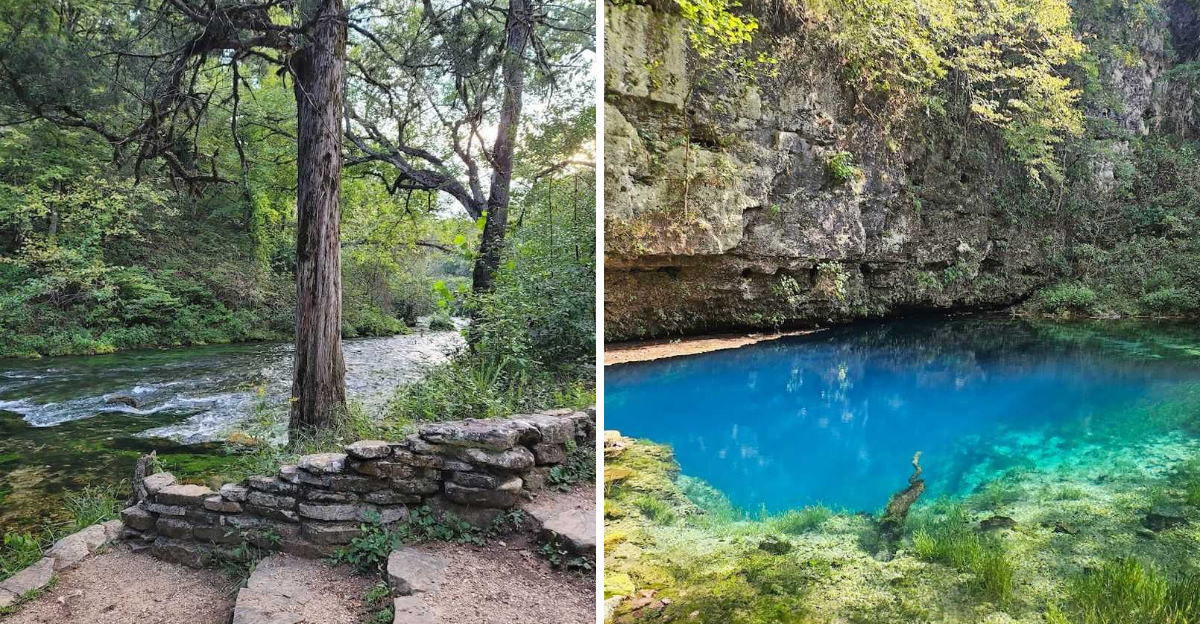
There is a spring in the Missouri Ozarks that makes people stop mid-step and stare. It pushes out millions of gallons of crystal-clear water every day from a depth of 310 feet.
The color is so vivid and so purely blue that your first instinct is to question whether it is real. I have been to a lot of natural spots across the country, and nothing quite prepared me for what I found at the end of that gravel road on County Rd 535.
The closer you get, the harder it is to look away, like the color pulls you in. It is one of those rare places that feels almost unreal until you are standing right in front of it.
The Drive to Blue Spring Is an Adventure Before the Adventure
Before you even see the water, the road makes sure you have earned it. County Rd 535 in Ellington, Missouri is about two to three miles of gravel that dips, curves, and rattles every bolt in your vehicle.
I came in with a mid-size SUV, and even that felt like a mild workout for the suspension. The road is steep in places, and after rain, certain sections get muddy and slick.
If you drive a sedan, the trip is possible but uncomfortable. A truck, SUV, or Jeep is the smarter choice by far.
The good news is that the drive itself is genuinely beautiful. Tall Ozark hardwoods line both sides, and the filtered light through the canopy creates a green tunnel effect that sets the mood perfectly.
There is no cell phone signal once you head down the road, so download your maps and directions before you leave the highway. That digital silence, oddly enough, makes the whole experience feel more like a true escape.
The road is the first test, and passing it makes the spring feel even more rewarding.
Parking Area Basics Worth Knowing Before You Arrive
At the end of that gravel road, a modest parking area greets you with a few practical amenities that make the visit much more comfortable. There are pit toilets on site, which are basic but functional and much appreciated after that bumpy drive.
A small picnic area sits nearby, making it easy to enjoy a meal before or after the short hike. The lot itself is unpaved but spacious enough to fit several vehicles without feeling crowded.
On busy summer weekends, the lot can fill up, so arriving early in the morning gives you the best chance at a relaxed start. I arrived mid-morning on a weekday and had the area almost entirely to myself.
There is no entrance fee to visit Blue Spring, which is part of the Ozark National Scenic Riverways managed by the National Park Service. The NPS website at nps.gov/ozar/blue-spring.htm has updated trail and access information that is worth checking before your trip, especially after heavy rainfall.
Simple as the parking area is, it sets up everything that comes next perfectly.
The Half-Mile Trail Packs a Surprising Amount of Beauty
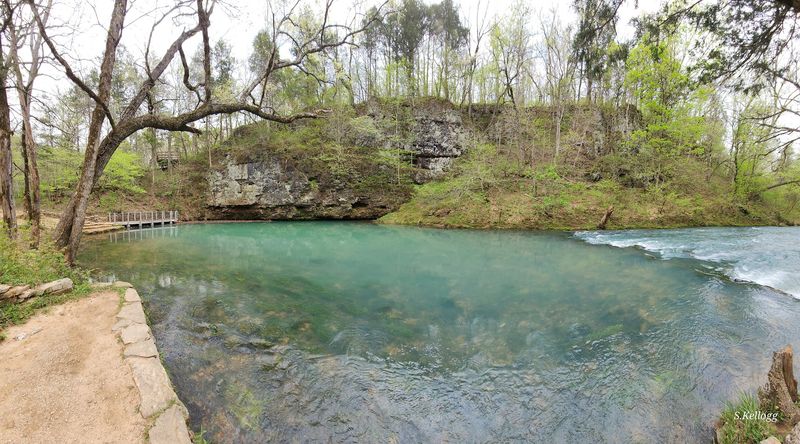
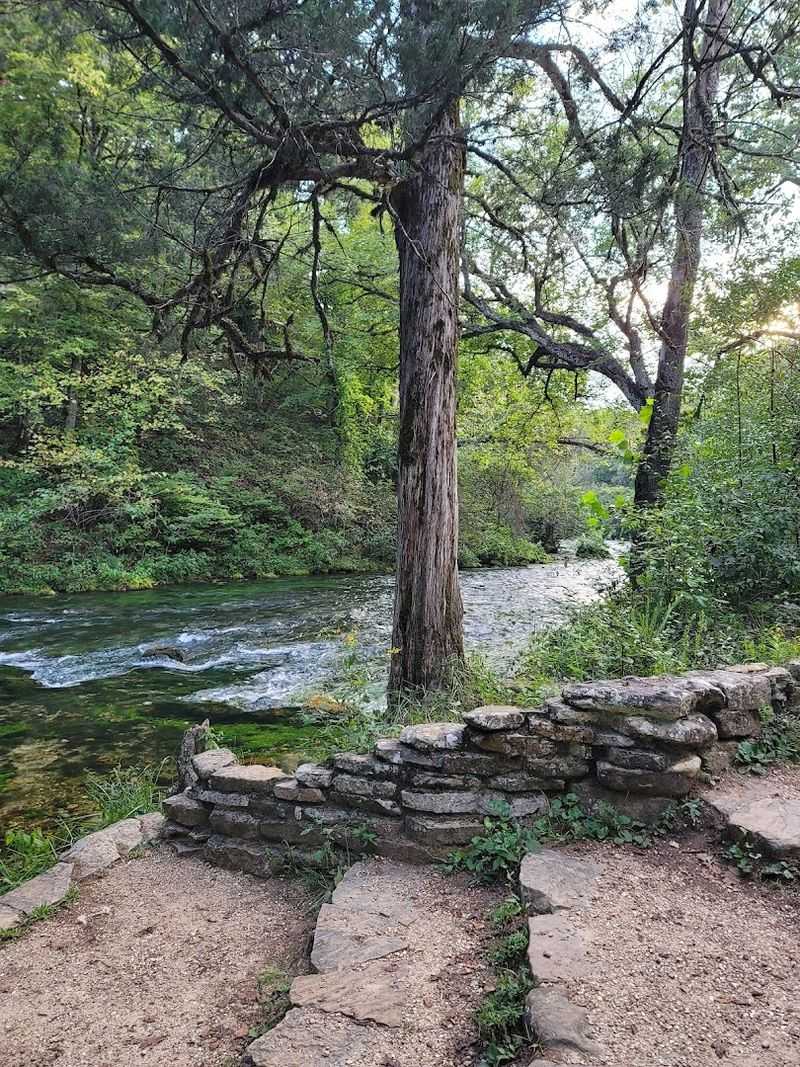
From the parking area, the trail to Blue Spring is roughly a half mile one way, and it moves along the edge of the Current River before arriving at the spring itself. That river walk alone is worth the trip.
The trail is easy to follow and generally well-maintained, though it does cross some rocky and occasionally wet sections. Good shoes or light hiking boots make a real difference here, especially after rainfall.
The path moves through classic Ozark scenery: limestone outcrops, towering hardwoods, and the constant sound of moving water beside you. There is something genuinely calming about hiking alongside a river, and this trail delivers that feeling in full.
Wildlife shows up regularly along the way. Frogs, dragonflies, lizards, and various fish are easy to spot if you move quietly.
Butterflies are especially common during warmer months and seem completely unbothered by hikers passing through.
The trail is accessible to most fitness levels, though people with mobility challenges may find the uneven ground difficult in spots. A walking stick helps on the rockier sections.
Every step of this half-mile feels purposeful and rewarding.
That First Glimpse of the Spring Genuinely Stops You Cold
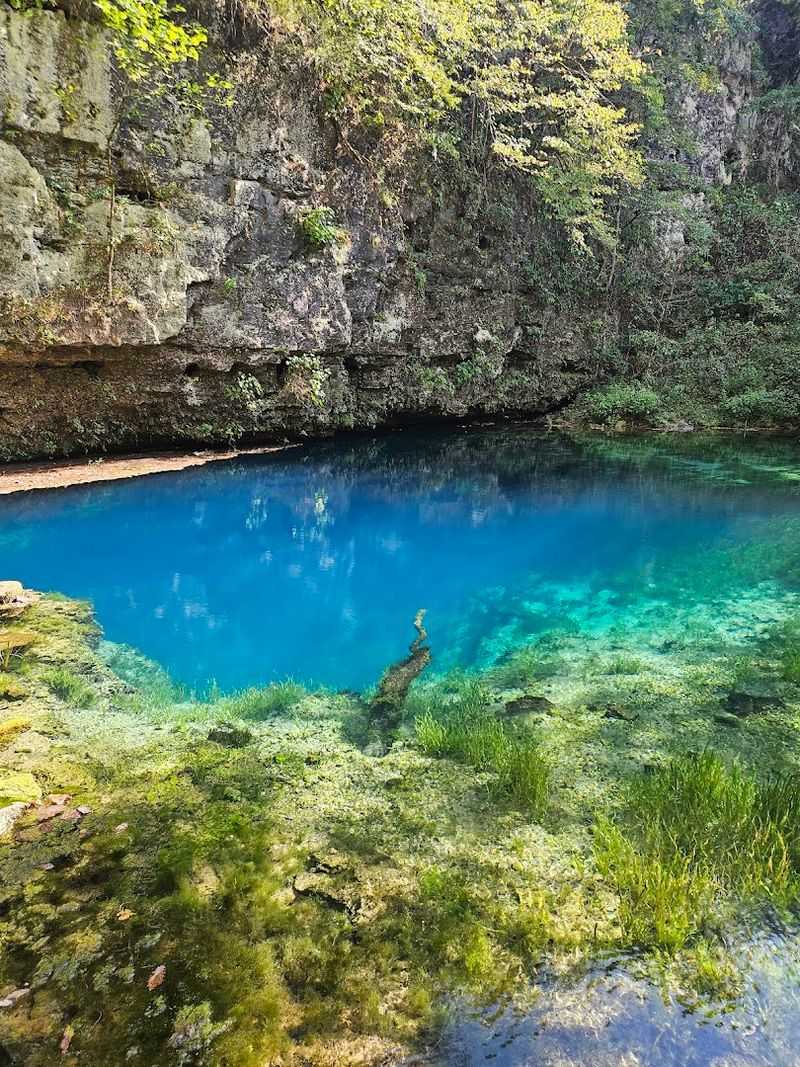
Nothing in the trail prepares you for that first look at Blue Spring. The color hits you like a visual shock, a deep, electric blue that seems almost artificially saturated against the surrounding green of the Ozark forest.
I have traveled across the Southwest, and along both coasts, and I can say without hesitation that this shade of blue is unlike anything I have seen in a natural body of water. It does not look like a river or a pond.
It looks like someone filled a pool with the clearest tropical water imaginable and dropped it into the Missouri woods.
The spring sits where the water surges up from the earth and flows into the Current River. On calm, dry-weather days, the blue is most intense and the water is at its clearest.
After heavy rain, the color softens slightly, but the spring remains striking regardless.
Standing at the edge and looking down into that water, knowing it descends 310 feet below you, creates a feeling that is hard to put into words. It is one of those rare moments where a natural place genuinely exceeds every expectation you carried in.
Two Viewing Platforms Give You Two Completely Different Perspectives
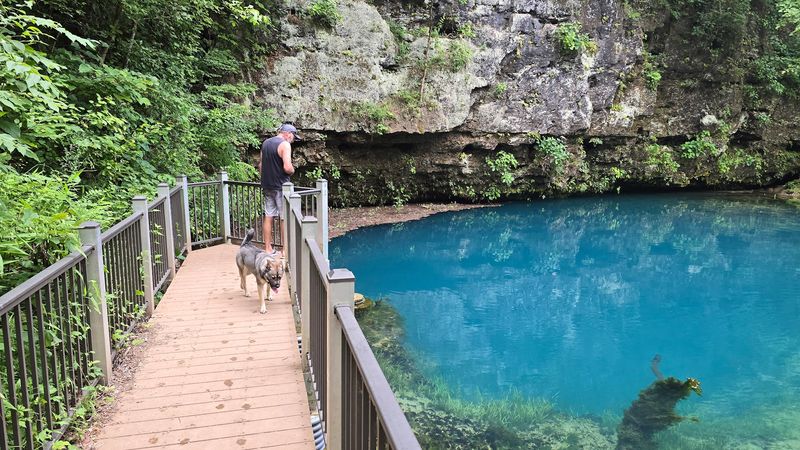
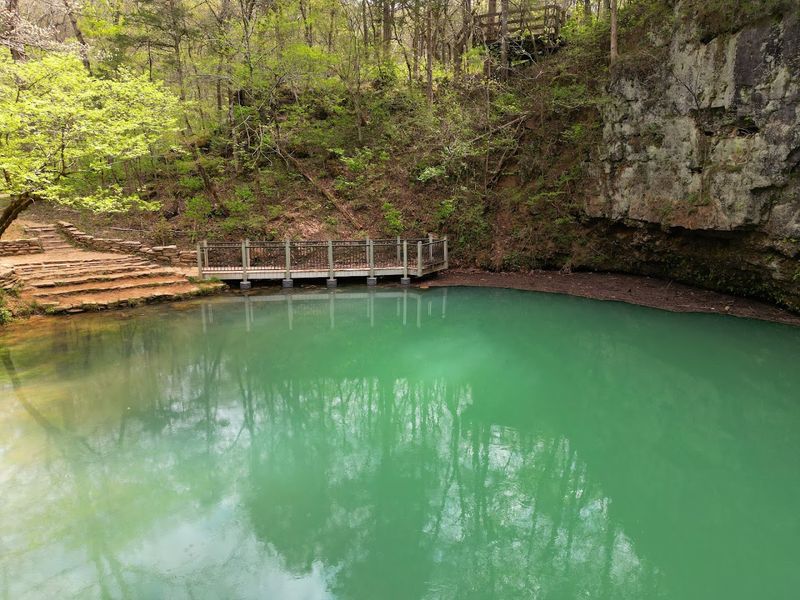
Blue Spring has two wooden viewing platforms, and each one gives you a genuinely different experience of the same place. The lower platform sits right at the water’s edge, close enough that you can feel the cool air rising off the spring on a warm summer day.
From that lower deck, the blue color fills your entire field of view. The clarity of the water lets you see deep into the spring, and on still days, you can watch the subtle movement of water rising from far below.
It is hypnotic in the best possible way.
The upper platform is positioned at a higher elevation and gives you a broader view of the spring and the surrounding landscape. It puts the spring in context with the river and the forest, which helps you appreciate just how special this spot really is.
Both platforms are well-built and sturdy. Please treat them with respect and avoid any behavior that could damage the wood or disturb the spring.
The platforms exist so that people can enjoy the spring without entering the water, which is off-limits to protect this fragile ecosystem. Both viewpoints are worth spending time on before heading back.
The Depth of Blue Spring Is Almost Hard to Believe
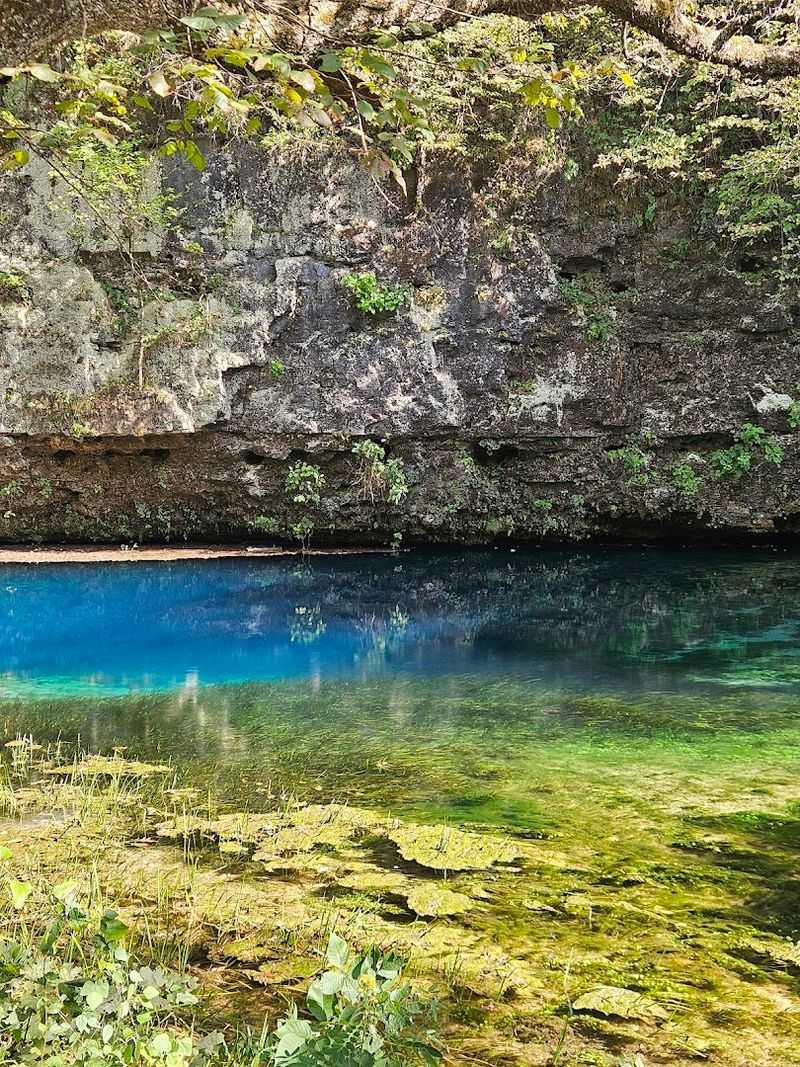
Blue Spring is the deepest spring in Missouri, reaching a documented depth of 310 feet at its deepest point. That number sounds impressive on paper, but standing above it and staring down into that vivid blue water makes the depth feel genuinely staggering.
The color itself is a direct result of that depth combined with the purity of the water. Sunlight penetrates the surface and scatters through the water column, and the deep blue wavelengths reflect back to your eyes more than any other color.
The effect is natural, but it looks almost engineered.
The spring discharges around 90 million gallons of water per day on average, though that number fluctuates with rainfall and seasonal conditions. That volume of water is what keeps the Current River flowing strong through this part of the Missouri Ozarks.
Scientists and geologists find springs like this fascinating because they reveal so much about the underground limestone cave systems that carry water through the Ozark plateau. The water you see at the surface has traveled a long way through the earth to get there.
Knowing that backstory makes looking into the spring feel like peering into something genuinely ancient and alive.
Swimming Is Not Allowed and the Reasons Are Worth Understanding
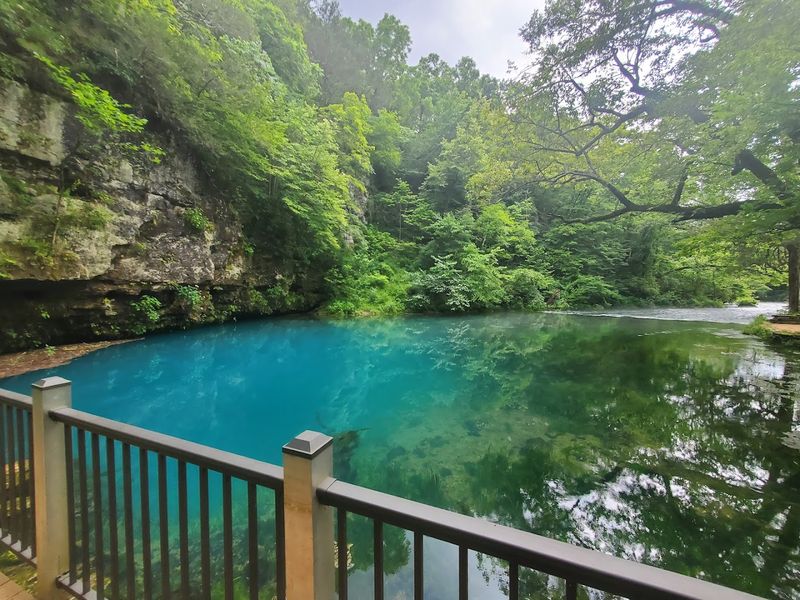
One of the most common questions people have before visiting Blue Spring is whether they can swim in it. The answer is no, and the National Park Service enforces this rule to protect the spring’s delicate ecosystem.
The water is extraordinarily cold year-round, hovering around 57 degrees Fahrenheit regardless of the season. In summer, that temperature difference between the water and the warm air creates a visible mist or fog effect above the spring, which is one of the more surreal things to see in person.
Beyond the temperature, the spring is home to sensitive aquatic species that depend on clean, undisturbed water to survive. Human activity in the spring can introduce oils, sunscreen, and other contaminants that disrupt that balance in ways that are difficult to reverse.
The viewing platforms exist precisely so that people can enjoy the spring up close without entering the water. Respecting that boundary is a straightforward way to make sure this place stays as beautiful for future visitors as it was when I arrived.
I have seen similar rules ignored at natural sites, and the damage is always visible. Blue Spring deserves better than that.
Best Conditions for Visiting Involve Watching the Weather Closely
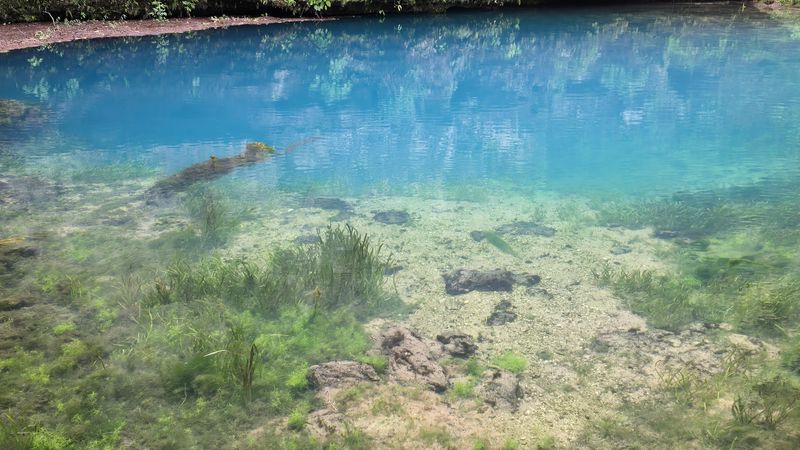
Timing your visit to Blue Spring makes a noticeable difference in what you experience. Dry weather periods produce the most intense blue color, because rainfall runoff can carry sediment into the system and temporarily cloud the water.
After heavy rain, the trail itself can also become flooded, and the National Park Service sometimes closes access entirely until conditions improve. Checking the NPS website before heading out is a smart habit, especially during spring and early summer when Missouri sees its heaviest rainfall.
The clearest and most photogenic conditions tend to come during late summer and early fall, when rainfall is lower and the water has had time to settle. Visiting on a sunny day also helps, since bright sunlight intensifies the blue color and makes the water look even more vivid from the platforms.
Morning visits offer the added benefit of cooler air temperatures and fewer people on the trail. The spring looks genuinely magical in soft morning light, and the mist that forms above the cold water on warm mornings adds an atmospheric quality that afternoon visits rarely match.
Planning around these conditions turns a good trip into a truly memorable one.
Wildlife Along the Trail Adds a Whole Extra Layer to the Experience

The trail to Blue Spring passes through a rich Ozark ecosystem that supports a surprising variety of wildlife. Even on a short half-mile walk, there is a good chance of spotting something interesting if you move at a relaxed pace and keep your eyes open.
Frogs are common near the water’s edge, and dragonflies patrol the air above the river in impressive numbers during warm months. Lizards dart across the rocky sections of the trail, and small fish are visible in the shallow, clear water of the Current River.
Butterflies are especially plentiful and seem almost fearless around people. On my visit, several landed nearby and seemed completely indifferent to my presence, which made for some unexpectedly close-up views.
Muskrats have also been spotted swimming in the area, which is a fun surprise for anyone who was not expecting to see semi-aquatic mammals on a spring visit. The biodiversity here reflects how healthy and well-protected this section of the Ozark National Scenic Riverways really is.
Similar wildlife corridors exist across the broader Ozark region, but few feel as undisturbed and quietly alive as this particular stretch of trail.
Photography Tips for Capturing the True Color of the Spring
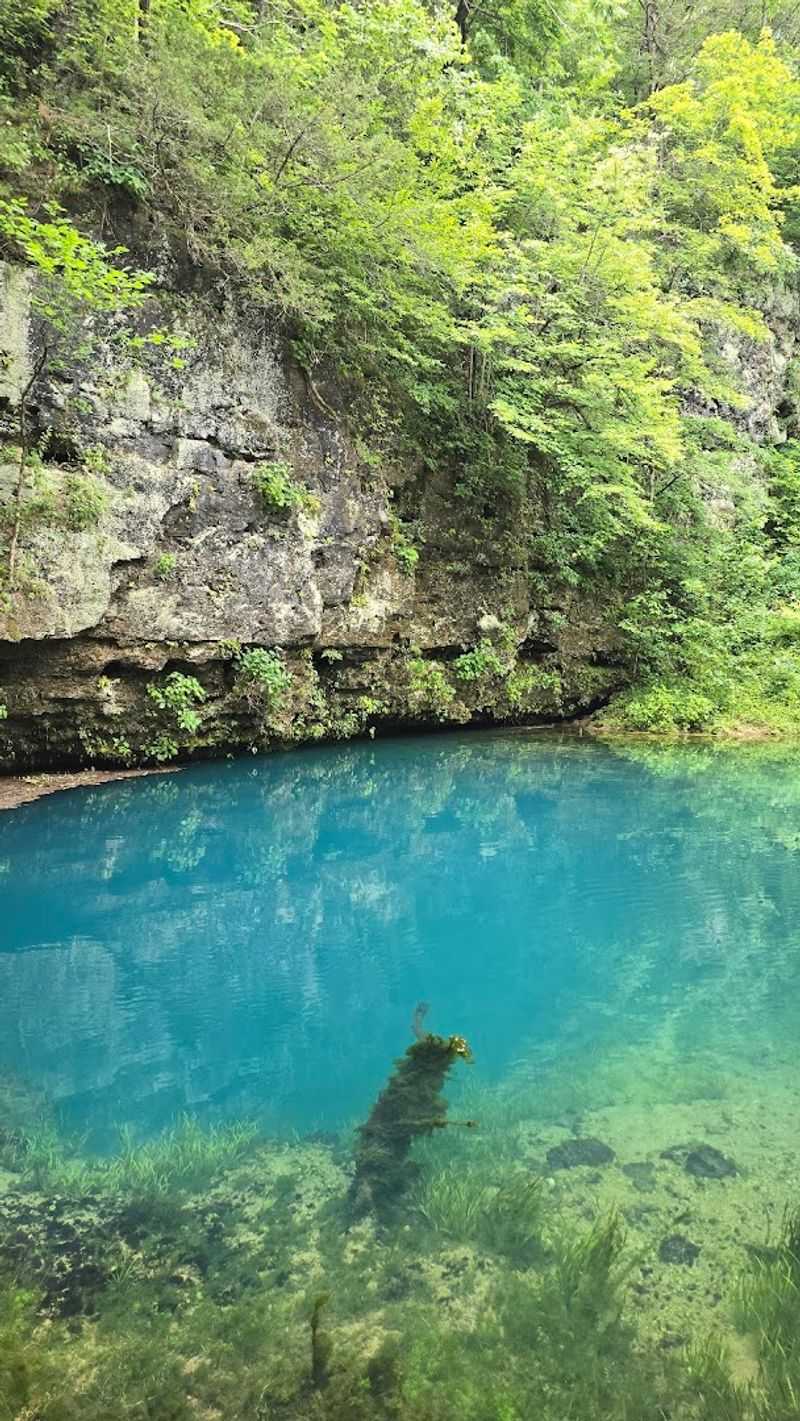
Getting a photo that actually captures the blue of Blue Spring is harder than it sounds. The color is so intense that cameras and phone sensors sometimes struggle to reproduce it accurately, either oversaturating it or flattening it into something that looks more teal than blue.
Shooting on a sunny day with the sun positioned overhead or slightly behind you gives the water the best light for color accuracy. Overcast days soften the blue considerably, though they can produce a moody, atmospheric look that has its own appeal.
Using a polarizing filter, if you shoot with a camera that accepts them, can cut down on surface glare and let more of the water’s depth and color come through.
Phone photographers can try tapping to expose for the water rather than the surrounding forest, which prevents the camera from darkening the water to compensate for bright highlights.
Both platforms offer good shooting angles, but the lower platform tends to produce more dramatic close-up shots of the spring itself. The upper platform is better for wider compositions that show the spring in relation to the river and forest.
Patience and a willingness to experiment with angles makes all the difference in bringing home a photo that does this place justice.
Blue Spring Sits Within the Ozark National Scenic Riverways
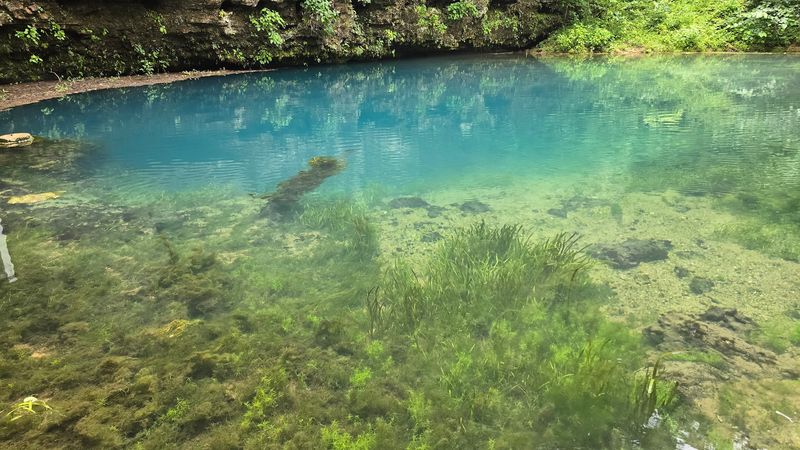
Blue Spring is not a standalone attraction. It is part of the Ozark National Scenic Riverways, a federally protected area managed by the National Park Service that stretches along the Current and Jacks Fork rivers in southern Missouri.
The Riverways protect over 134 miles of free-flowing river and the surrounding land, making it one of the most significant natural preserves in the central United States. Blue Spring is one of the most visited features within the park, and it is easy to understand why once you see it.
The park also includes campgrounds, canoe access points, and additional hiking trails that make it possible to spend multiple days exploring the area. Blue Spring works well as a day trip stop but fits just as naturally into a longer Ozark adventure.
Travelers making the drive often find that Blue Spring makes an excellent detour, adding only a couple of hours to the journey while delivering one of the most visually striking natural experiences in the entire region.
The NPS does a commendable job of maintaining access while keeping the area feeling wild and genuinely natural. This is exactly what a national scenic riverway should look like.
Why Blue Spring Belongs on Every Missouri Nature Lover’s List
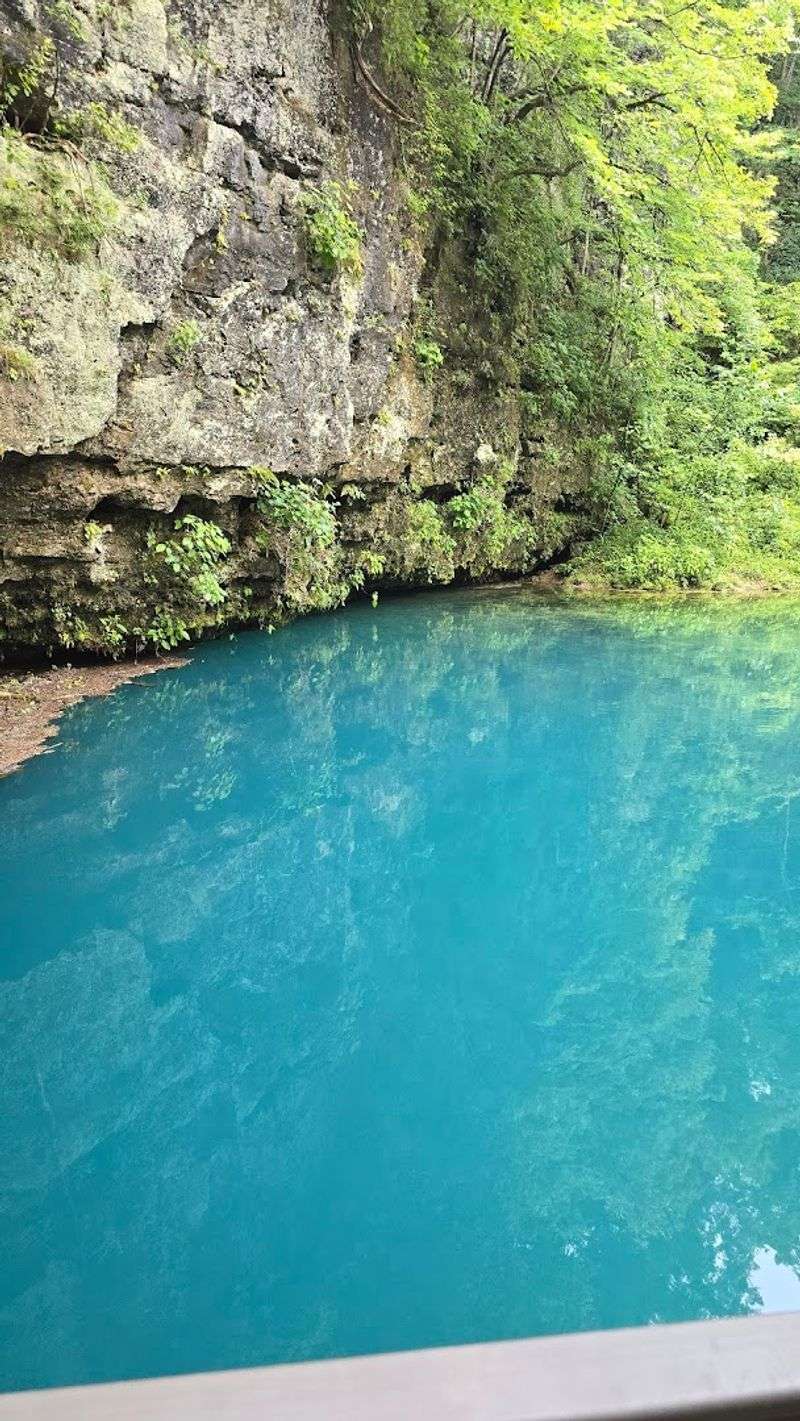
Missouri is not always the first state that comes to mind when people talk about stunning natural water features, but Blue Spring makes a compelling case for a second look. Few natural springs anywhere in the country combine this level of color, clarity, and setting in one compact, accessible experience.
The whole visit, from parking to the spring and back, takes about two hours at a relaxed pace. That makes it an easy addition to a road trip without requiring a major schedule commitment.
Families, solo hikers, and couples all find something to love here.
The site is free to visit, well-maintained by the NPS, and located in one of the most scenic river corridors in the Midwest. It also connects naturally to other Ozark destinations, making it a strong anchor point for a longer regional exploration.
Having visited natural wonders all over the state, I can say that Blue Spring earns its reputation honestly. It is the kind of place that stays with you long after the drive back up that gravel road.
Missouri surprised me here in the best possible way, and that feeling of genuine discovery is exactly what makes travel worth doing in the first place.
Dear Reader: This page may contain affiliate links which may earn a commission if you click through and make a purchase. Our independent journalism is not influenced by any advertiser or commercial initiative unless it is clearly marked as sponsored content. As travel products change, please be sure to reconfirm all details and stay up to date with current events to ensure a safe and successful trip.
