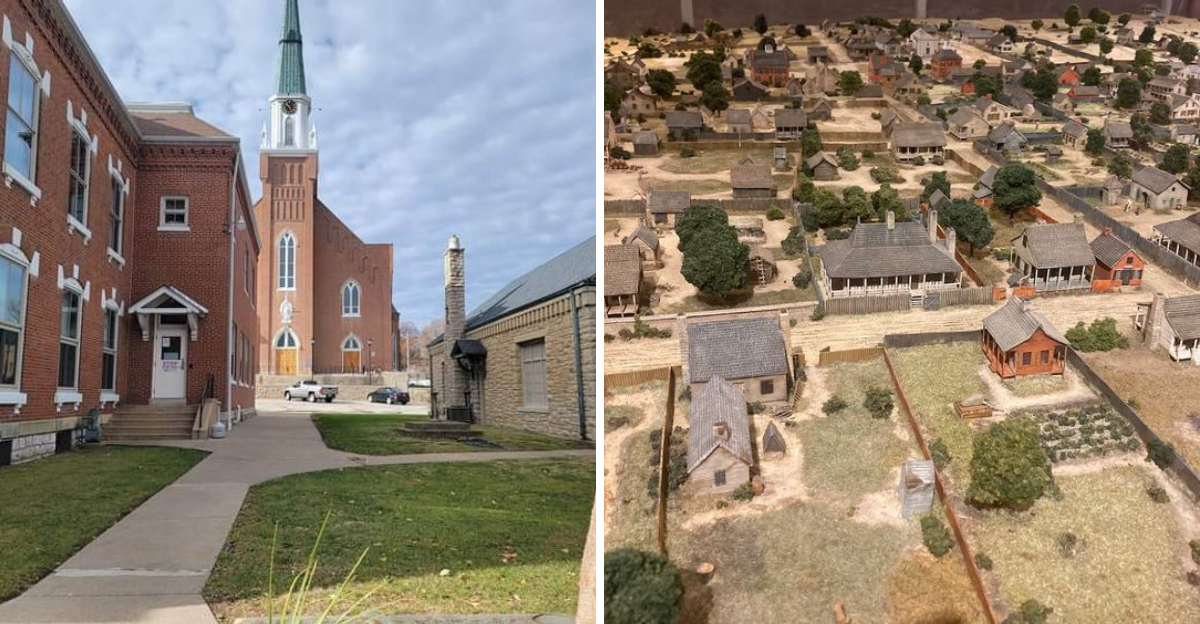
Most people think of Missouri as a land of rolling plains and barbecue joints, so stumbling upon this place feels like finding a secret passage to another century.
This small city, sitting quietly along the Mississippi River, carries the spirit of 18th-century France in its streets, buildings, and community pride.
Founded around 1735, it is the oldest permanent European settlement in Missouri, and that history is impossible to miss. Walking through town, you get the feeling that time slowed down here on purpose, and honestly, that is exactly what makes it worth the trip.
A Town That History Actually Kept Intact
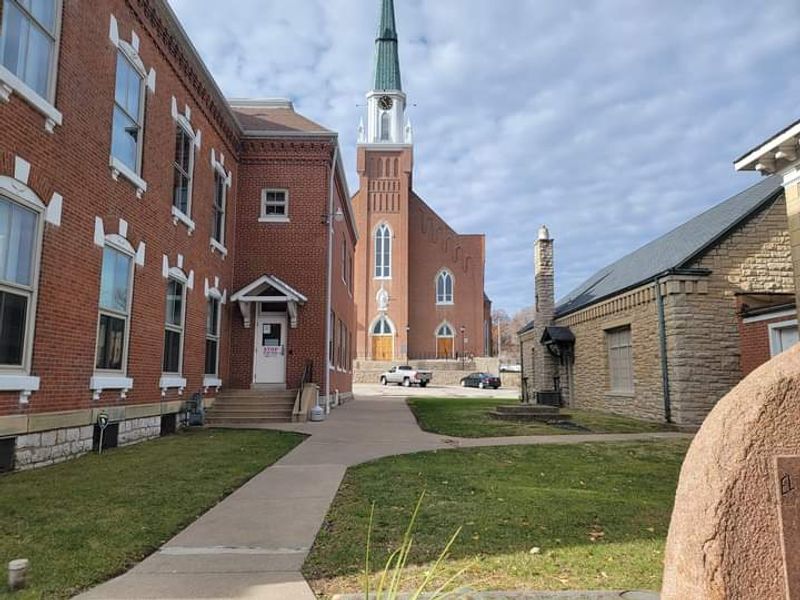
Some towns talk about their history. Ste.
Genevieve, Missouri, actually lives inside it.
Founded around 1735 by French Canadian settlers, this riverside community became the first permanent European settlement in Missouri. That is not a small claim, and the town does not treat it lightly.
What makes Ste. Genevieve genuinely remarkable is how much of its original built environment survived.
Many of its French Creole structures are still standing after nearly three centuries.
The town sits in Ste. Genevieve County, along the western bank of the Mississippi River.
Its location made it a natural hub for early French colonial trade and culture in the region.
Walking the streets here feels different from visiting a museum. The buildings are not behind glass or roped off.
They are part of daily life, part of the neighborhood, part of the rhythm of the town.
Missouri has plenty of historic spots, but very few places where the past feels this present, this lived-in, and this unapologetically French. Ste.
Genevieve earns its reputation as a genuine time capsule in the American Midwest.
French Creole Architecture You Can Actually Touch
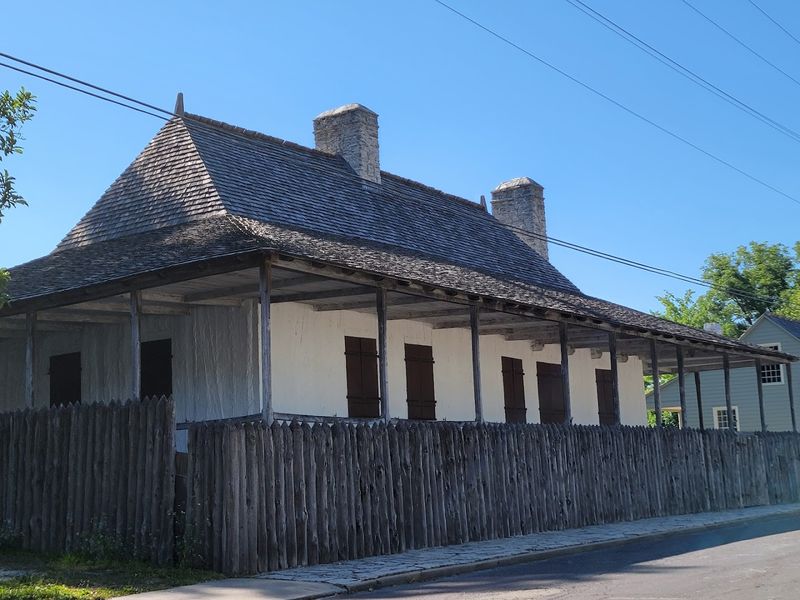
The buildings here are the real stars of Ste. Genevieve, and they deserve their spotlight.
French Creole architecture is rare in the United States, and Missouri holds one of the greatest concentrations of it anywhere in the country. The style is immediately recognizable once you know what to look for.
Vertical log construction, called poteaux-en-terre or poteaux-sur-sole depending on the method, gives these structures a distinct look that sets them apart from anything you would find in a typical American small town. Wide gallery porches wrap around the homes, providing shade and space for outdoor living.
The Bolduc House, located at 125 South Main Street in Ste. Genevieve, MO 63670, is one of the finest examples of this style anywhere in North America.
It has been carefully preserved and is open for exploration.
What strikes you most is the craftsmanship. These buildings were not thrown together quickly.
They were built to last, and the fact that so many survived floods, time, and changing tastes is a testament to that original care.
Running your hand along one of these old log walls, you feel a connection to early Missouri that no textbook can fully deliver.
The Mississippi River Sets a Powerful Backdrop

The Mississippi River is not just a pretty view from Ste. Genevieve.
It is the reason the town exists at all.
French settlers chose this location deliberately. The river provided transportation, trade routes, and access to the wider colonial world.
For early settlers in Missouri, the Mississippi was both a lifeline and a highway.
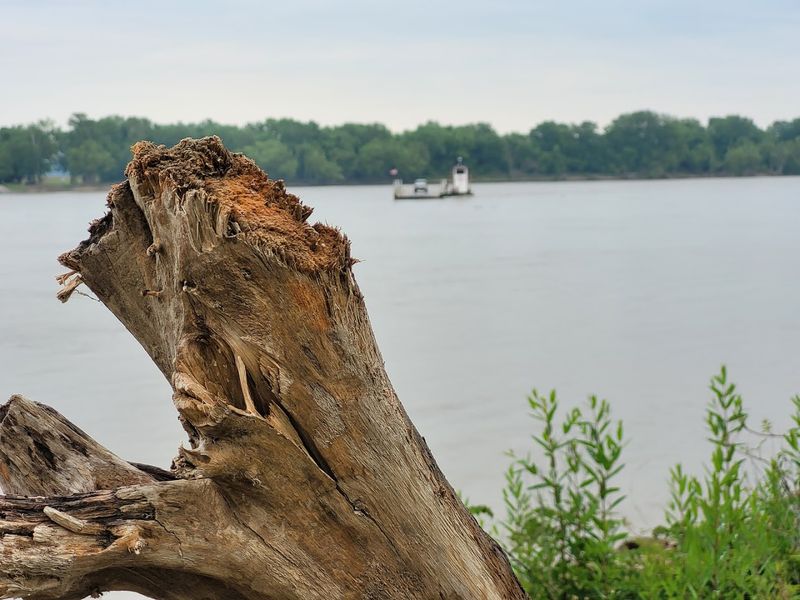
Standing at the riverbank today, it is easy to understand why this spot felt so promising to those first arrivals. The water is wide and steady, and the landscape stretches out in a way that feels genuinely grand.
The river has also been a challenge. Flooding shaped much of the town’s history and even forced early settlers to relocate from the original village site.
That resilience is baked into the character of Ste. Genevieve.
Today, the riverfront area offers a peaceful place to sit, reflect, and appreciate the natural power that defined this community for generations. The views at golden hour are particularly memorable.
Missouri’s relationship with the Mississippi is long and complicated, but in Ste. Genevieve, that relationship feels more personal and more visible than almost anywhere else along the river’s long journey south.
A National Historic Landmark District Worth Exploring
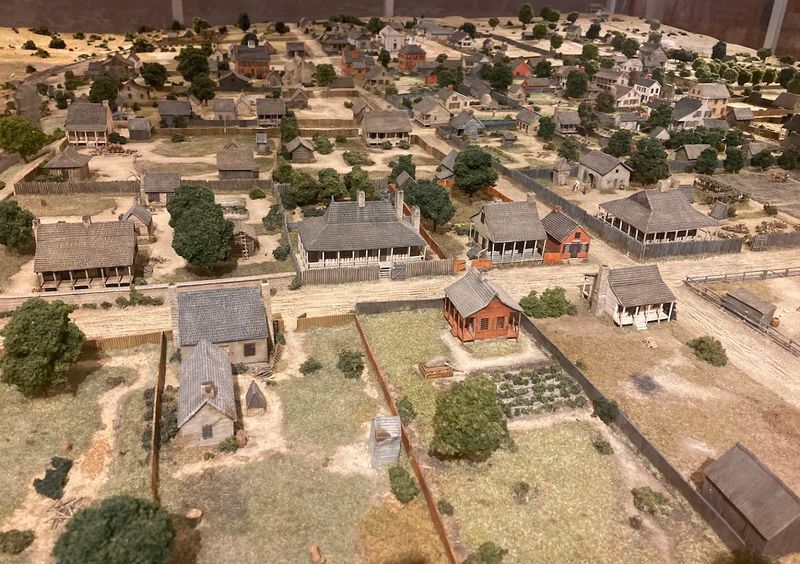
Ste. Genevieve is not just locally famous.
The federal government recognized its significance by designating the historic core as a National Historic Landmark District.
That designation carries real weight. It means the collection of buildings and sites here represents something of national importance, not just regional pride.
Missouri has many historic places, but few rise to this level of recognition.
The district covers a concentrated area of the town, making it very walkable. You can move from one landmark to the next without needing a car, which adds to the feeling of exploring a place on its own terms.
Within the district, you will find a mix of French Creole homes, 19th-century American buildings, and public spaces that reflect the town’s layered cultural history. Each block tells a slightly different chapter of the same long story.
Signage throughout the district provides context for what you are seeing, so even first-time visitors can orient themselves quickly. The information is clear and genuinely interesting rather than dry and academic.
Spending a full morning or afternoon inside the landmark district gives you a much richer understanding of why Ste. Genevieve matters so deeply to the history of Missouri and the broader American story.
The Ste. Genevieve Museum Learning Center Fills in the Story
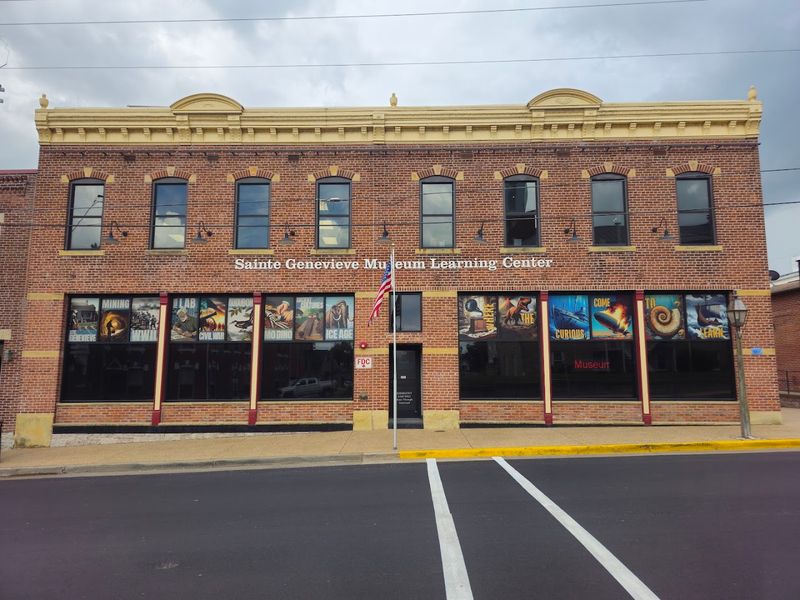
History is best understood with context, and the Ste. Genevieve Museum Learning Center delivers that in abundance.
The museum covers the full arc of the town’s story, from its Indigenous roots and early French colonial period through American statehood and beyond. The exhibits are thoughtfully organized and genuinely engaging for all ages.
One of the highlights is the collection of artifacts connected to the French Creole period. These objects bring daily life in early Missouri into sharp focus in a way that architectural tours alone cannot always achieve.
The museum also addresses the more difficult chapters of the town’s history, including the role of enslaved people in building the community. That honesty makes the experience more meaningful and more complete.
Interactive elements throughout the museum make it accessible for younger visitors, which is a smart choice for a destination that families often explore together. Learning here does not feel like a chore.
Plan to spend at least an hour inside, maybe more if you find yourself lingering over the details, which is easy to do. The museum earns its place as an essential stop on any visit to Ste.
Genevieve, Missouri.
French Colonial Roots Run Deep in the Culture
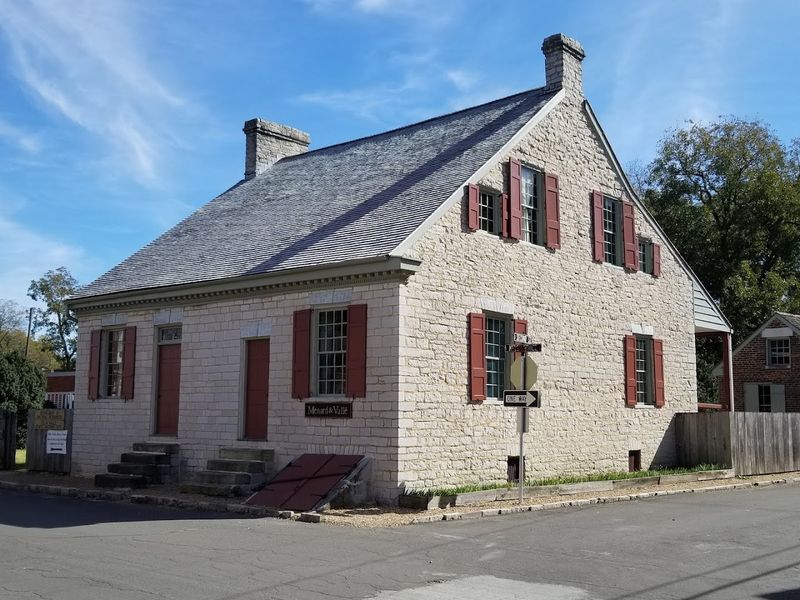
The French influence in Ste. Genevieve is not just architectural.
It runs through the culture, the community events, and even the street names.
The town was originally settled by French Canadians who brought their language, their building traditions, their Catholic faith, and their social customs with them to this corner of Missouri. Those roots did not disappear when the region passed to American control.
Annual events celebrate that French heritage with genuine enthusiasm. The town hosts festivals that honor its colonial past, drawing people from across Missouri and beyond who are curious about this unusual slice of American history.
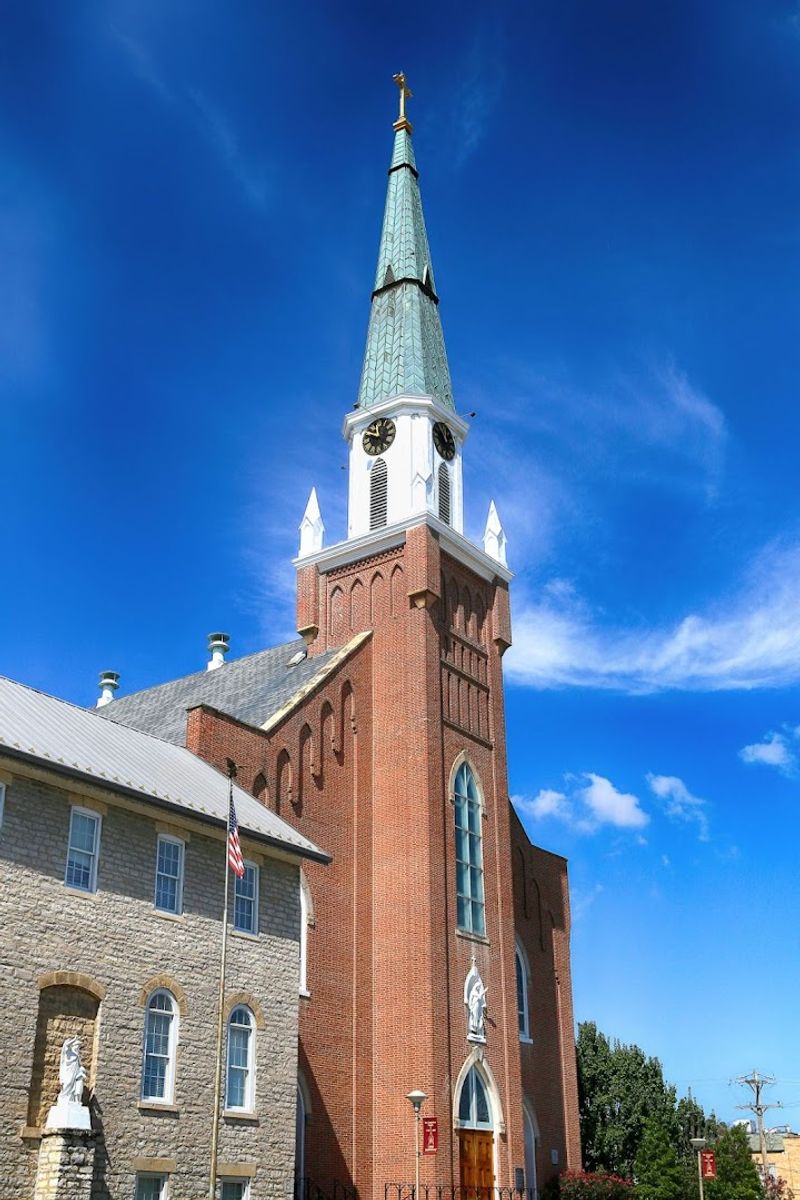
The Catholic Church has been a central institution in Ste. Genevieve since the earliest days of settlement.
The Basilica of Ste. Genevieve remains an important landmark and a living part of the community’s identity.
Street names like Rue de l’Eglise and Bois Brule Bottom Road hint at the linguistic layers beneath the surface of this very American small town. Those names are not decorative.
They are historical echoes.
Spending time here, you start to appreciate how a French colonial identity managed to survive and adapt over nearly three centuries in the American heartland.
The Bolduc House Museum Is the Crown Jewel
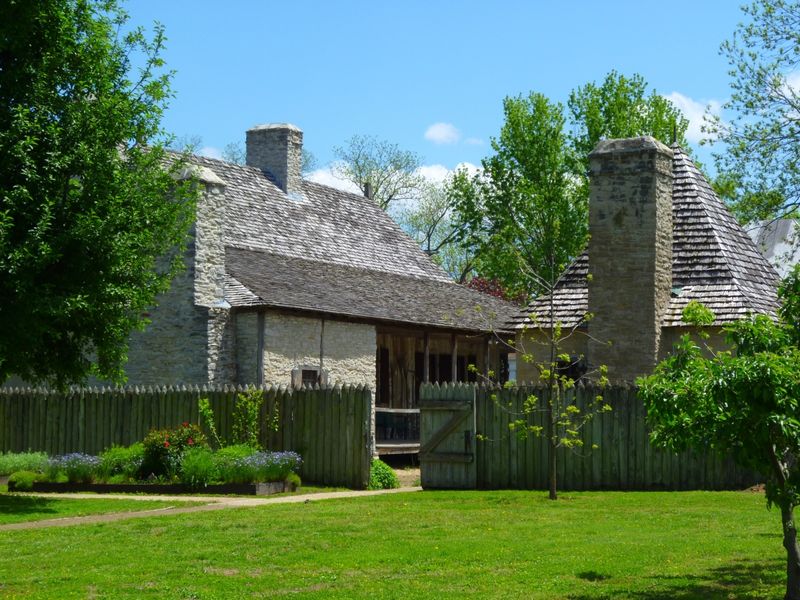
If one building could carry the entire story of French colonial Missouri on its shoulders, the Bolduc House would be the one for the job.
Built around 1770 and reconstructed on its current site, this French Creole structure is considered one of the most authentically preserved examples of its kind in the United States. The construction method, with vertical logs set into a sill, is a technique brought directly from French Canada.
The wide gallery porch wrapping around the house was not just decorative. It was a practical feature designed for the climate, providing shade and outdoor living space that made the Missouri summers more bearable for early settlers.
Inside, the rooms are furnished to reflect life in the late 18th century. The scale of the spaces feels intimate, which makes the experience feel personal rather than distant.
The surrounding garden has been restored with period-appropriate plantings, adding another layer of authenticity to the visit. The whole property feels cohesive and carefully considered.
Located at 125 South Main Street, Ste. Genevieve, MO 63670, the Bolduc House Museum is the kind of place that rewards slow, attentive exploration rather than a quick walk-through.
Main Street Offers Charm Without the Tourist Trap Feel
Main Street in Ste. Genevieve has the kind of easy, unforced charm that many small towns aim for but rarely achieve.
The street is lined with historic storefronts that house a mix of local shops, galleries, and eateries. Nothing feels artificially staged or over-curated for tourist consumption, which is refreshing in a place that gets a steady stream of curious visitors.
The scale of the street is human-sized, meaning it invites walking at a relaxed pace rather than rushing from one attraction to the next. That slower rhythm suits the character of the town perfectly.
Local artisans have a strong presence here, and the shops reflect genuine creative output rather than mass-produced souvenirs. Picking up something handmade from a local artist feels like a much more meaningful way to take a piece of Ste.
Genevieve home with you.
The architecture along Main Street blends the French Creole period with later 19th-century American styles, creating a streetscape that layers different eras without feeling chaotic or disconnected.
Missouri has no shortage of charming downtowns, but Ste. Genevieve’s Main Street stands out because the history is not a backdrop.
It is the main event, woven into every facade and every sidewalk stone.
Best Times to Visit and How to Make the Most of the Trip
Timing a visit to Ste. Genevieve can make a real difference in the quality of the experience.
Spring and fall are generally the most rewarding seasons. The weather in Missouri during those months is mild enough to make extended walking comfortable, and the light in autumn especially gives the historic buildings a warm, golden quality that is hard to beat.
Summer brings more visitors and more heat, but it also brings a fuller calendar of events and festivals. If the French heritage celebrations are on your list, checking the town’s event schedule before you go is a smart move.
Winter is quieter and cooler, but the town does not shut down entirely. The reduced crowds can actually make certain sites feel more personal and less rushed, which has its own appeal.
Plan to spend at least a full day in Ste. Genevieve, though two days allows for a more relaxed pace without feeling like you skipped anything important.
The town rewards unhurried exploration.
Missouri’s highway system makes Ste. Genevieve accessible from St. Louis in roughly an hour, which means it works well as either a day trip or a weekend getaway without requiring serious travel planning.
Why Ste. Genevieve Deserves a Permanent Place on Your Travel List
There are places you visit once and forget, and there are places that stay with you long after you have left. Ste.
Genevieve, Missouri, belongs firmly in the second category.
The combination of authentic French Creole architecture, deep colonial history, and a genuinely welcoming small-town atmosphere creates something that feels rare in the American travel landscape. This is not a recreation or a theme.
It is the real thing.
Missouri is often underestimated as a travel destination, but Ste. Genevieve makes a compelling case for taking the state more seriously.
The town proves that extraordinary history does not always require a cross-country flight to find.
Every corner of Ste. Genevieve offers something worth pausing over, whether it is a 250-year-old log wall, a hand-lettered French street sign, or a view of the Mississippi stretching wide and silver in the afternoon light.
The town is small, which means it is easy to feel like you have truly experienced it rather than just grazed the surface. That sense of completeness is something bigger destinations rarely provide.
Coming back to Ste. Genevieve feels less like a return and more like a reunion with a place that somehow already feels familiar from the very first visit.
