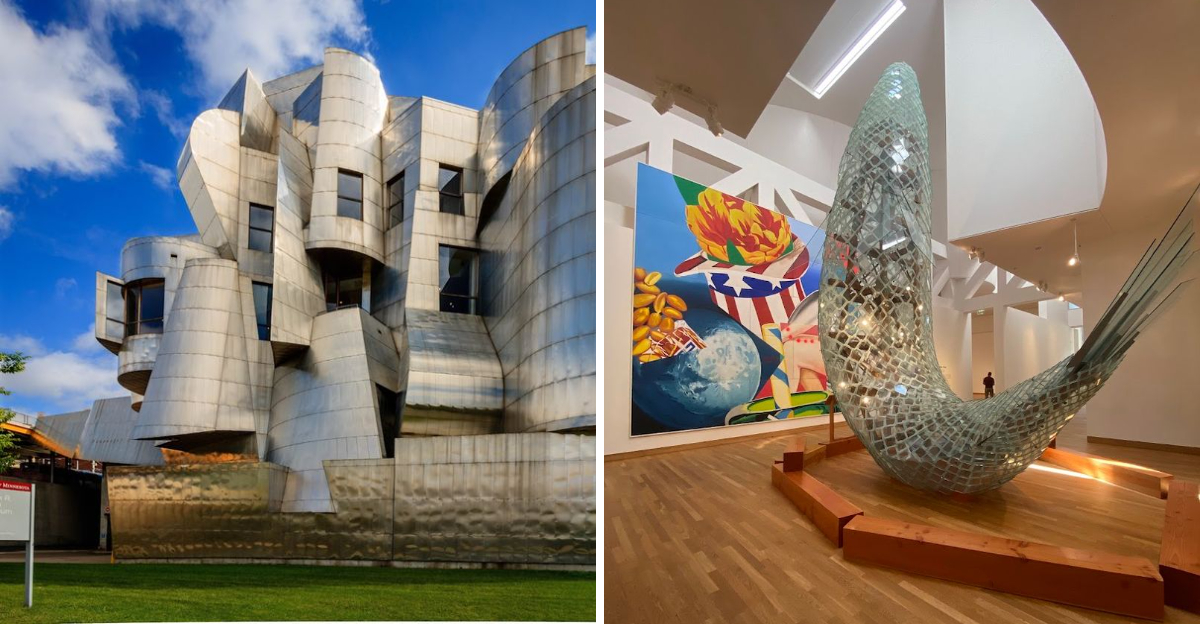
A modern Minnesota art museum rises with bold architecture that feels like a work of art before you even step inside. Glass, steel, and clean lines set the tone for a space that balances structure with creativity.
Inside, American and contemporary works share the spotlight in rooms that shift from quiet minimalism to striking visual intensity. I kept moving from gallery to gallery, noticing how the building itself almost frames each piece like part of the exhibition.
There’s a strong contrast between the calm of the layout and the energy coming from the artwork on display. Every corner seems designed to make you pause, even if just for a second longer than planned.
It’s the kind of place that turns a simple museum visit into a full sensory experience.
The Frank Gehry Building That Stops You Cold
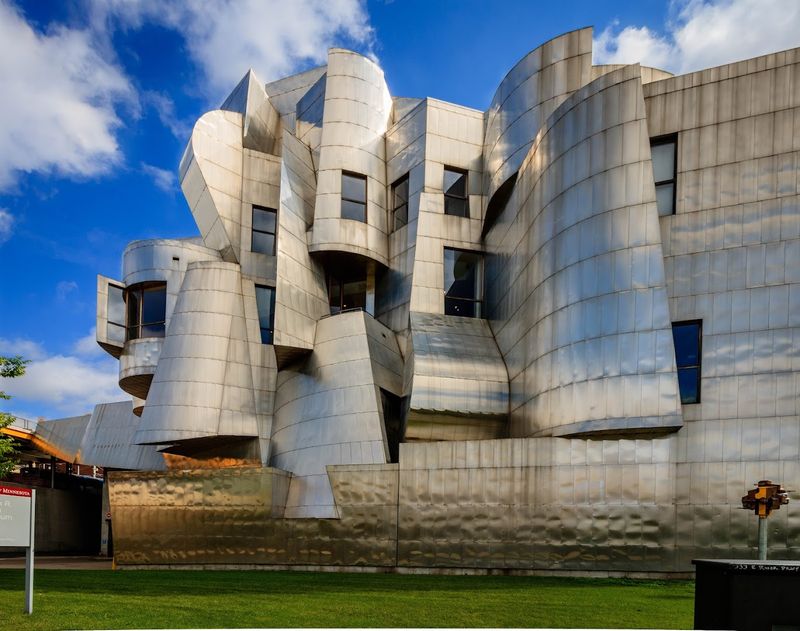
Most buildings quietly blend into their surroundings. This one refuses to cooperate, and honestly, that is the whole point.
The Weisman Art Museum’s exterior is a riot of stainless steel panels and angular forms that seem to defy gravity. Designed by the legendary Frank Gehry, it opened in 1993 and became an instant landmark on the University of Minnesota campus.
The facade catches light differently at every hour. Morning sun turns it golden.
Overcast skies make it look almost liquid. Walking around the full perimeter is worth every minute because each angle reveals a completely new silhouette.
Visitors consistently say the best view comes from the Washington Avenue Bridge. That vantage point lets you take in the whole sculptural mass against the river backdrop.
The building is a deconstructivist statement, meaning it deliberately breaks traditional architectural rules. It challenges expectations in the same way the art inside does.
Even people who have little interest in museums find themselves pulling out a camera the moment they spot this glimmering structure.
Free Admission Makes It Accessible to Everyone
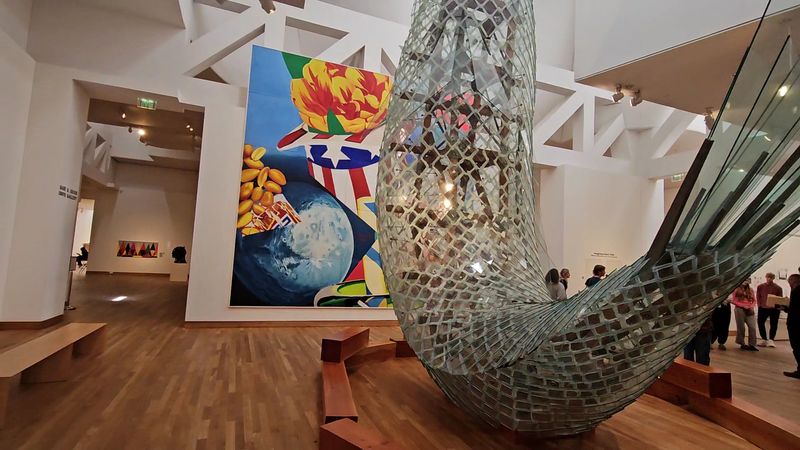
Walking into a world-class museum without paying a single dollar feels almost rebellious. The Weisman Art Museum has offered free admission since it opened, making it genuinely accessible to students, families, and curious travelers alike.
That policy alone sets it apart from most major art institutions.
The staff greets you warmly at the entrance. They will happily watch your bags so you can move through the galleries without lugging anything around.
That small detail makes the whole visit feel more relaxed and personal.
Students from the university use it regularly. Tourists discover it by accident.
Locals return whenever exhibits change, which happens roughly each semester. The no-cost entry removes the pressure of feeling like you need to see everything to justify the ticket price.
You can spend twenty minutes or two hours, and both feel completely worthwhile. It is the kind of place that rewards casual curiosity just as much as dedicated art study.
Minneapolis is lucky to have it sitting right on campus.
American Art Collections Worth Slowing Down For
The permanent collection here has a quiet confidence to it. American paintings from the early twentieth century anchor the galleries with bold colors and expressive brushwork.
Georgia O’Keeffe’s work appears in the collection, and seeing those pieces in person carries a different weight than any textbook image ever could.
The curatorial choices feel intentional. Nothing seems randomly placed.
Each room has a clear sense of conversation between the works, as if the curators spent serious time thinking about what should hang next to what.
Expressionist paintings line several walls. The scale of some pieces is genuinely surprising for a museum this size.
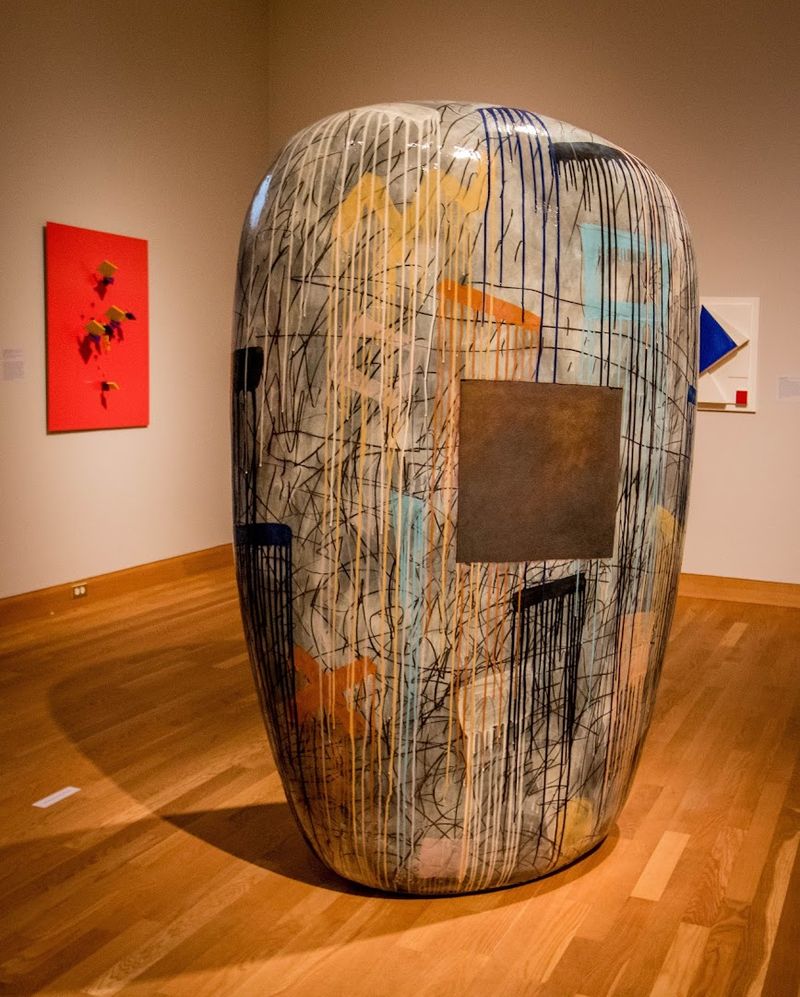
Visitors often comment that the collection punches well above its weight. The ceramics section adds a tactile dimension to the experience, shifting the mood from purely visual to something more grounded and earthy.
Spending time with these objects feels unhurried. The museum is small enough that you never feel lost, but rich enough that you keep finding details you missed on the first pass through.
Contemporary Works That Spark Genuine Conversation
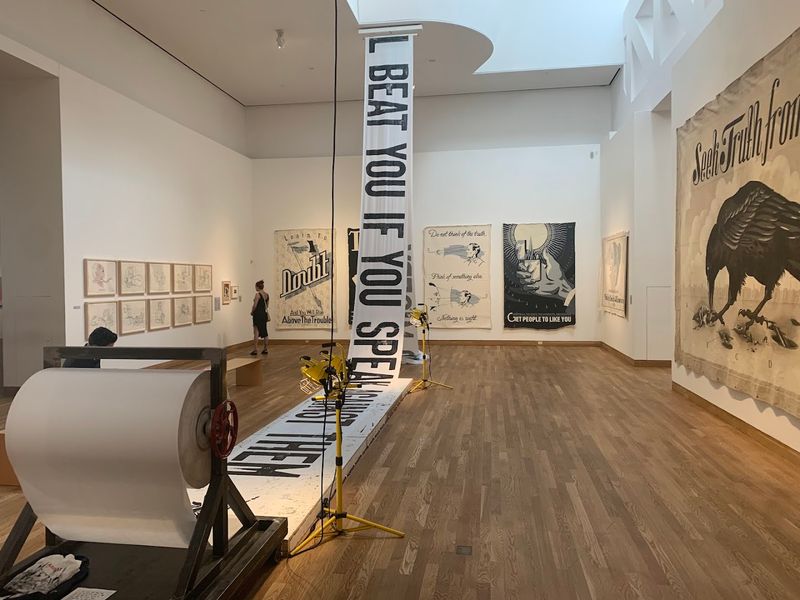
Contemporary art can sometimes feel distant or deliberately confusing. At the Weisman, the rotating contemporary exhibits tend to land differently.
They feel chosen with real purpose, addressing themes like incarceration, cultural identity, and urban life in ways that actually invite you to think rather than just observe.
One exhibit explored city concepts through unexpected maps and visual systems. It included a fascinating skyway map of downtown Minneapolis that locals found surprisingly thought-provoking.
That kind of locally grounded content gives the museum a sense of place that many institutions miss.
The diversity of cultural perspectives represented in the contemporary section stands out. Works from various global traditions appear alongside American pieces without feeling forced or tokenized.
The curation treats each work seriously on its own terms. You might find yourself standing in front of something that makes you laugh, then turning a corner and encountering something that sits heavily with you.
That emotional range within a single visit is genuinely rare and speaks well of the programming team’s vision.
The Roy Lichtenstein Mural That Greets You First
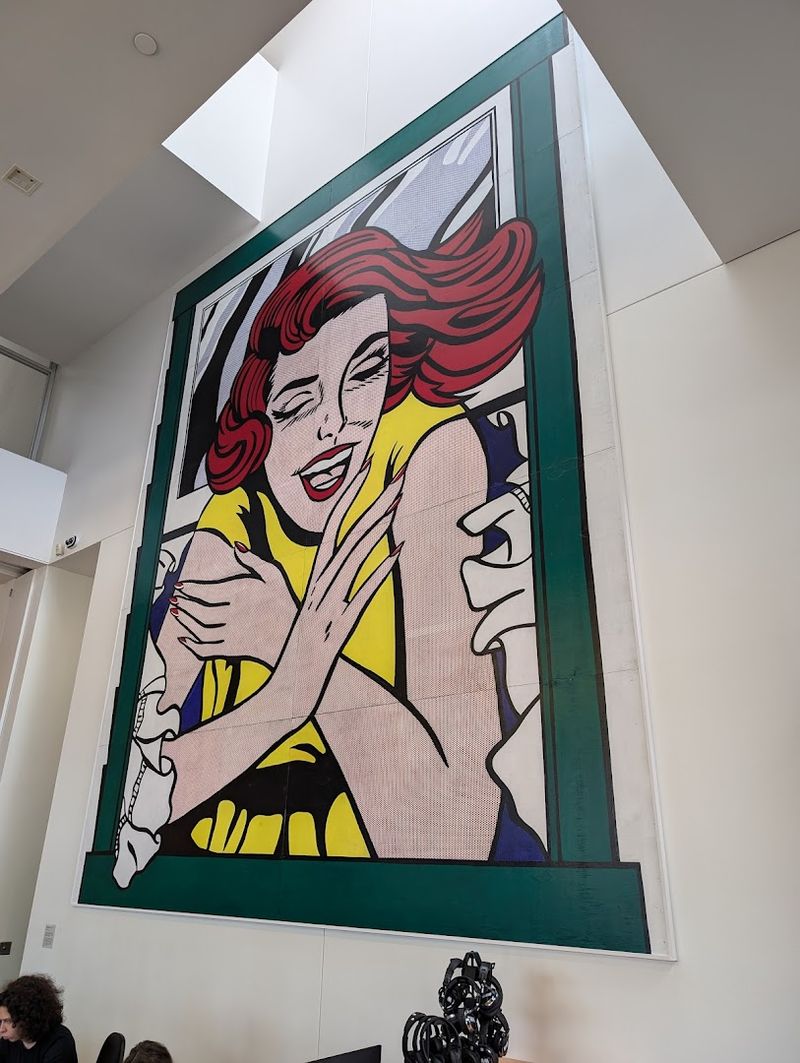
Walking through the front doors, the first thing that catches your eye is not a painting on the wall. It is the wall itself.
A massive Roy Lichtenstein mural fills the lobby with bold pop art energy, setting the tone for everything that follows. The piece originally appeared at the 1964 World’s Fair in Queens, New York.
Knowing that history adds a layer of meaning to the experience. This mural has traveled through time and geography to land here in Minneapolis, greeting every visitor who walks through the door.
Some people make the trip specifically to see it.
Lichtenstein’s graphic style, thick outlines and flat fields of color, translates beautifully at large scale. The lobby’s natural light plays across the surface in ways that shift the mood throughout the day.
Standing in front of it for a few quiet minutes before heading into the galleries is a ritual worth adopting. It is an unexpectedly powerful welcome from one of America’s most recognized twentieth-century artists.
Natural Light and Architectural Interior Spaces
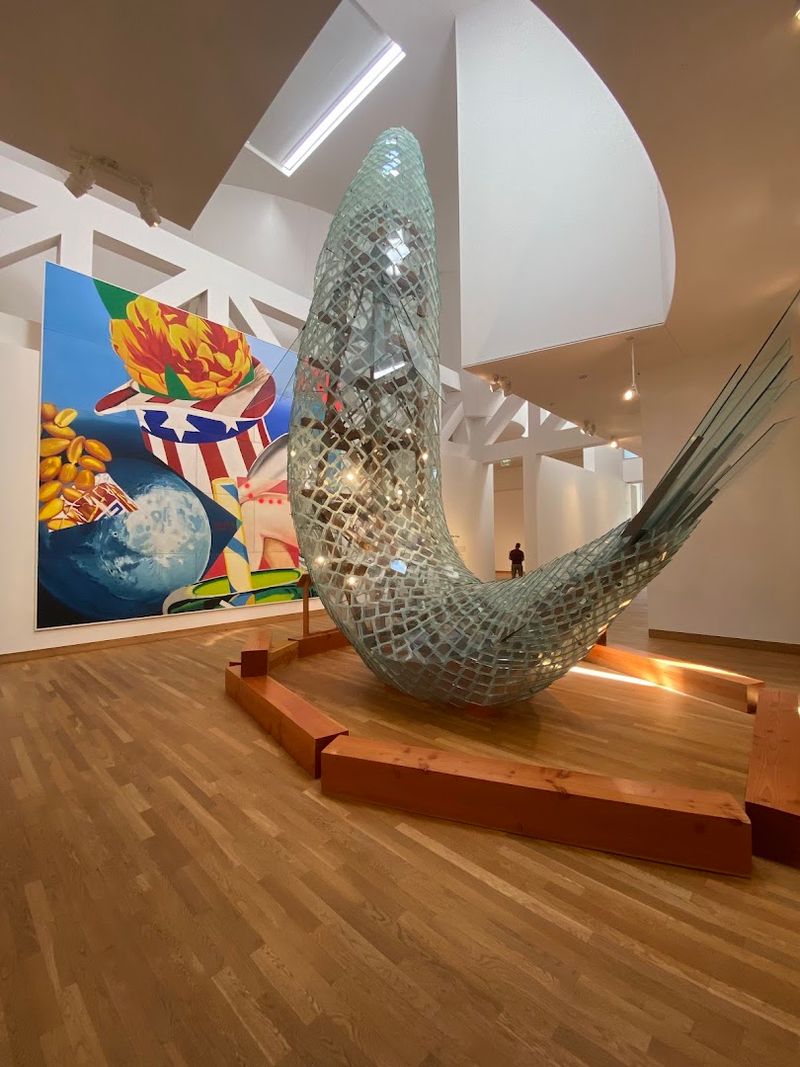
Once you are inside the Weisman, the architecture keeps surprising you. Skylights pull natural light deep into the galleries.
The ceiling heights shift unexpectedly as you move from room to room. Frank Gehry designed the interior with the same restless energy he brought to the exterior.
Certain corners of the museum feel almost meditative. The light quality changes depending on the time of day and the weather outside.
On a bright afternoon, some galleries glow in a way that makes the paintings look almost backlit.
There is a particular sitting area that visitors mention often. It is a calm, light-filled spot perfect for a rest between galleries.
The building itself becomes part of the art experience rather than just a container for it. That integration of architecture and collection is something the Weisman pulls off more successfully than many larger and better-funded institutions.
The interior spatial experience rewards slow movement and attentive looking rather than a quick walk-through pace. Rushing through here would genuinely be a mistake.
The Balcony View Over Minneapolis That Surprises Everyone

Nobody really expects a museum visit to include a rooftop moment. The Weisman has one tucked away on the second floor, past the restrooms, where an open-air balcony opens up to a stunning view of the Minneapolis skyline.
Stumbling upon it feels like finding a secret the building kept to itself.
The Mississippi River stretches out below. The city rises in the distance.
On a clear day, the view is genuinely breathtaking in a way that has nothing to do with art and everything to do with geography.
Visitors who find this spot tend to linger. It is a natural pause point in the visit, a place to breathe and reorient before heading back inside.
The balcony also provides a different perspective on the building’s exterior forms, letting you see how the stainless steel panels connect and fold above you. It is one of those small, unexpected discoveries that elevates a good museum visit into something you actually remember and talk about afterward.
Ceramics Collection Adds Depth to the Experience
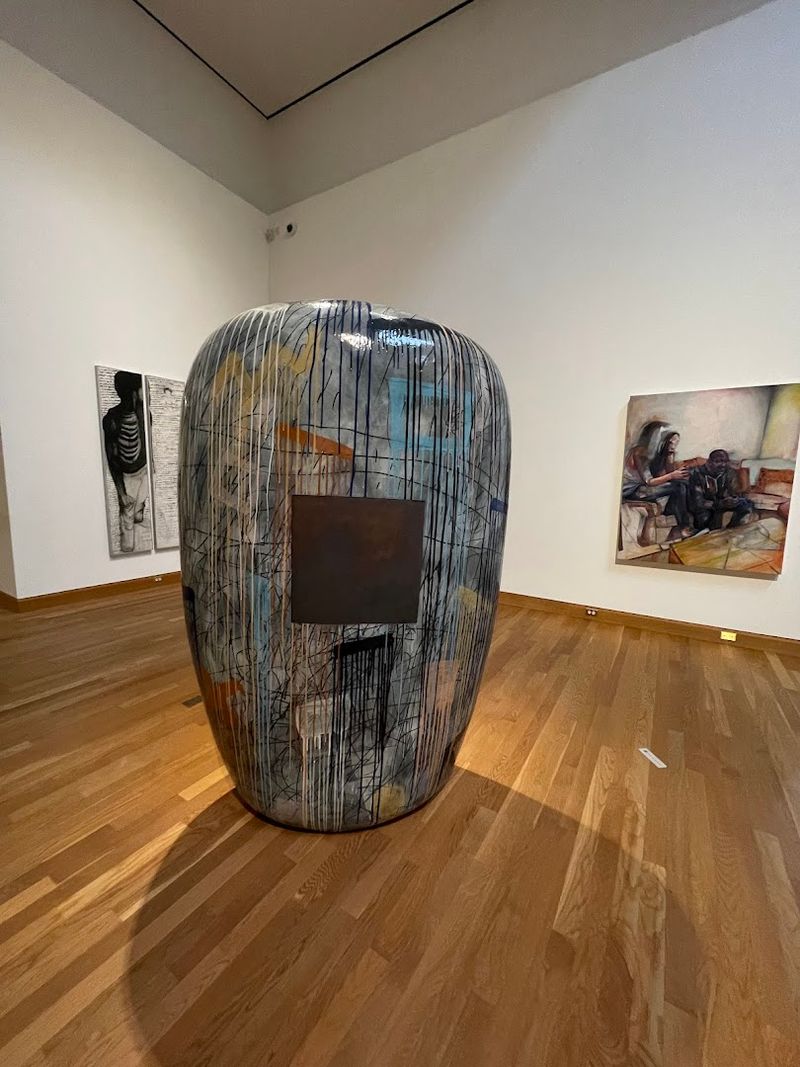
Ceramics often get treated as the quiet sibling of painting and sculpture in museum collections. At the Weisman, the ceramics holdings receive proper attention and dedicated display space.
The collection spans a range of traditions and techniques, making it genuinely educational for anyone who pauses to engage with it.
The pieces vary widely in scale and approach. Some are delicate and intimate.
Others are assertive and architectural in their presence. That variety keeps the section from feeling monotonous even for visitors who do not consider themselves ceramic enthusiasts.
Pottery and clay work carry a different sensory suggestion than canvas paintings do. You find yourself imagining the texture and weight of each piece even though you cannot touch them.
That imaginative engagement is part of what makes this section memorable. The Weisman treats its ceramics collection as a serious artistic statement rather than a decorative afterthought.
For anyone who appreciates craft traditions alongside fine art, this part of the museum alone justifies the visit. The depth here genuinely surprises first-time visitors.
Campus Location and the Walk Along the River
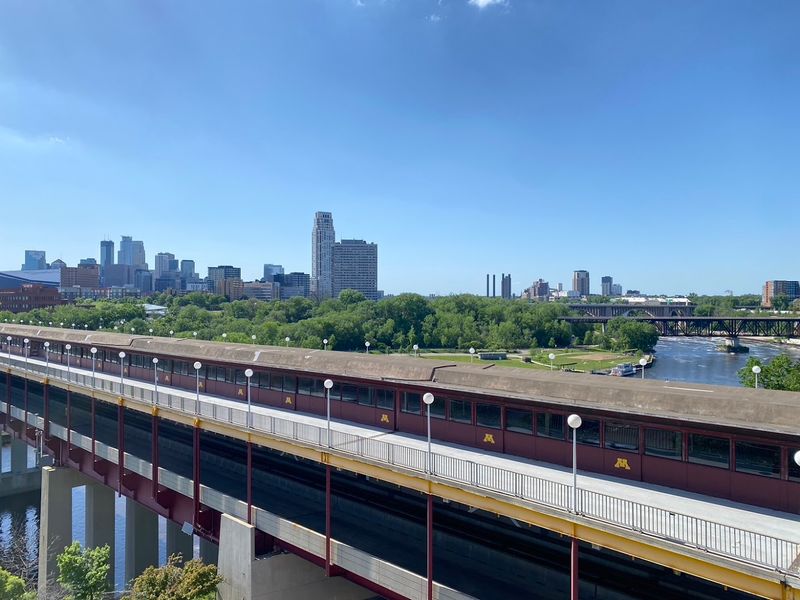
The setting of the Weisman adds something that no indoor gallery can manufacture. Situated on the University of Minnesota campus right along the Mississippi River, the museum sits within a genuinely beautiful stretch of urban landscape.
Arriving on foot from the Washington Avenue Bridge is the recommended approach for good reason.
The pedestrian bridge offers that famous view of the building’s riverfront facade. After your visit, walking back across the bridge gives you a natural transition from art to the outdoors.
The campus itself is handsome and worth exploring at a relaxed pace.
Trees line the river path. Students move through on bikes and on foot.
The energy feels lively but not overwhelming. Combining a museum visit with a campus walk and a stop by the river creates a full afternoon with almost no cost involved.
The Weisman’s location is part of its identity. It is not an isolated cultural institution but rather a living part of a university neighborhood that hums with daily activity and genuine community life.
The Gift Shop and Practical Visitor Tips
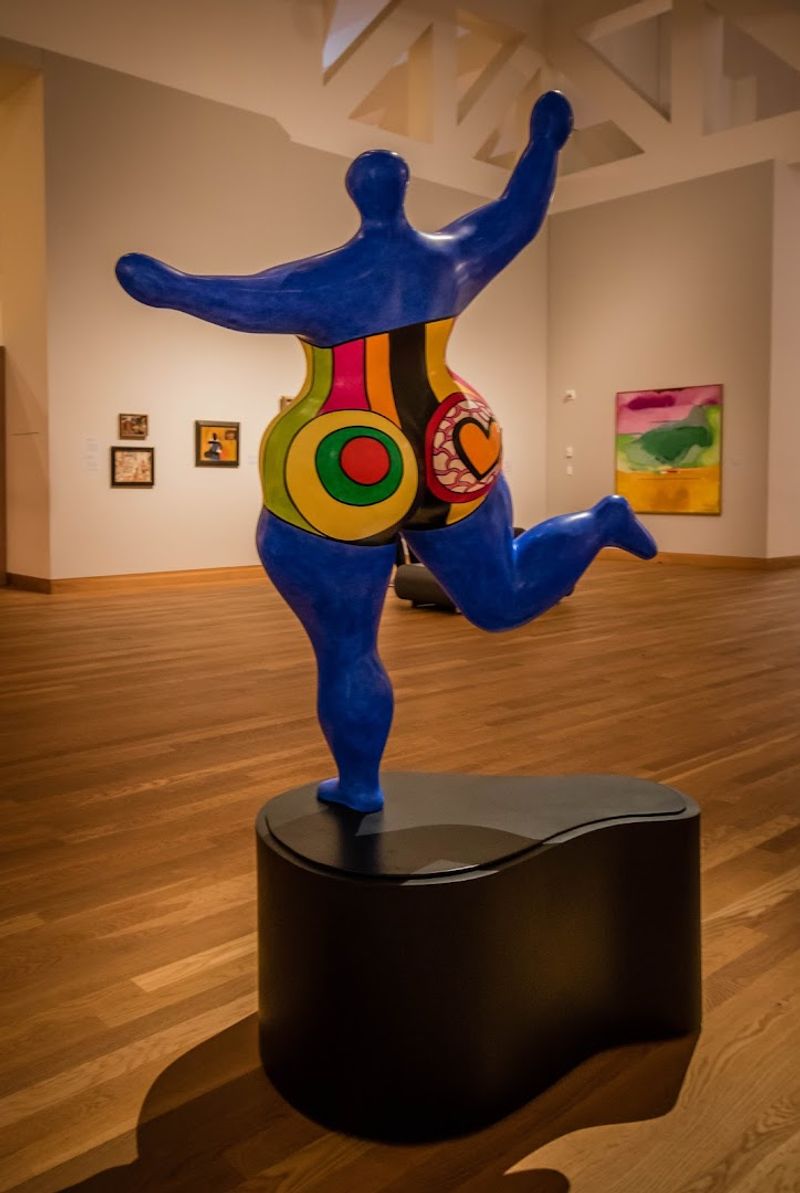
After working through the galleries, the gift shop offers a satisfying final stop. It stocks an interesting mix of art books, candles, prints, and small decorative objects that feel genuinely curated rather than mass-produced.
Several visitors mention picking up pieces there as gifts or personal keepsakes.
A few practical notes make the visit smoother. Water bottles need to be left at the front desk.
Bags should either be carried in front of you or checked with the friendly staff at the entrance. These are small requests that protect the artwork without making the experience feel restrictive.
The museum is open Wednesday through Sunday, with hours starting at 10 AM on weekdays and 11 AM on weekends. Parking is available directly beneath the building on the University of Minnesota campus.
Plan for one to two hours if you want to see everything comfortably. The atmosphere throughout is quiet and relaxed, making it a genuinely restorative place to spend part of a day in Minneapolis.
Address: 333 E River Rd, Minneapolis, MN 55455.
Dear Reader: This page may contain affiliate links which may earn a commission if you click through and make a purchase. Our independent journalism is not influenced by any advertiser or commercial initiative unless it is clearly marked as sponsored content. As travel products change, please be sure to reconfirm all details and stay up to date with current events to ensure a safe and successful trip.
