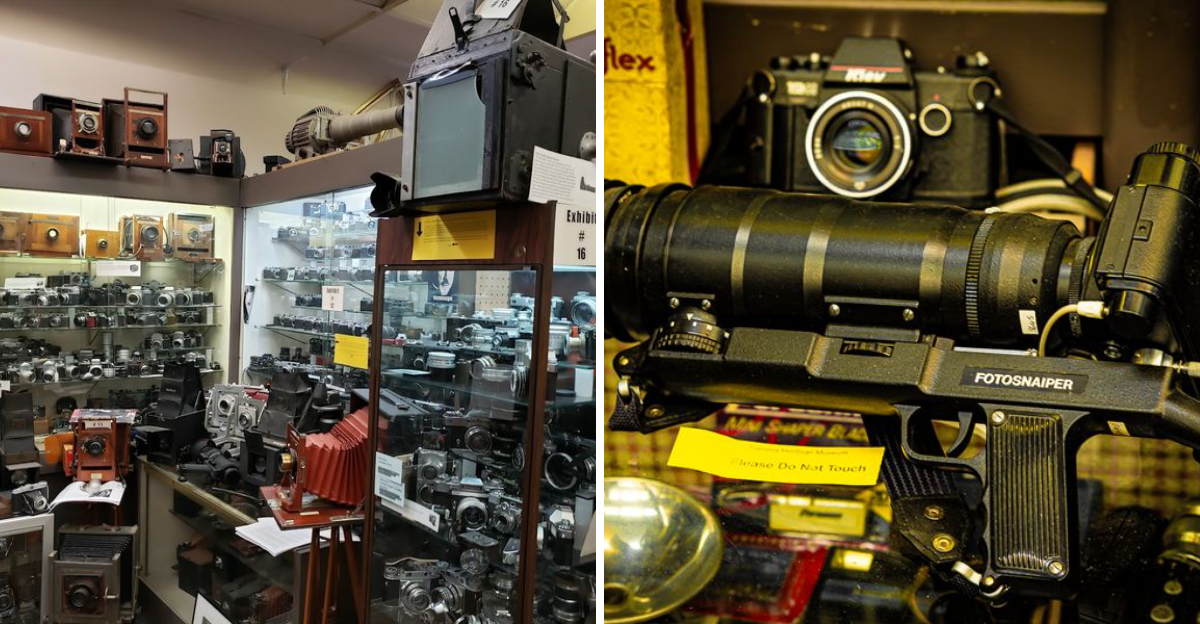
Some places stop you dead in your tracks the moment you walk through the door. Tucked into the heart of historic Virginia, there is a museum that packs more photographic history into a single storefront than most institutions manage across entire floors.
Photography shaped how the world sees itself, and this little powerhouse of a museum proves exactly that. Pack your curiosity and prepare to have your mind completely blown by thousands of cameras that each carry their own wild, fascinating story.
The Largest Public Camera Museum in the United States
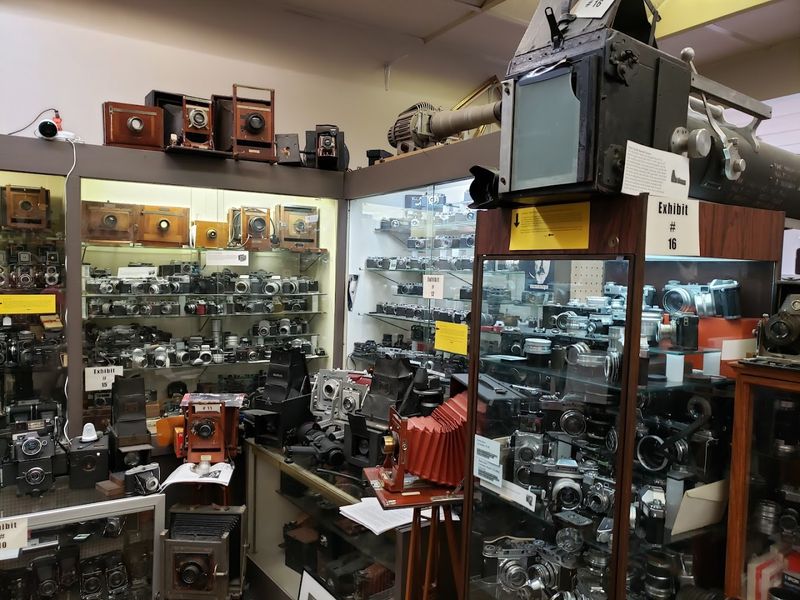
Most people cruise through Staunton, Virginia without realizing they are driving past the single largest public camera museum in the entire country. That is a bold claim, and the Camera Heritage Museum backs it up with a collection so vast it practically defies the modest footprint of the building it calls home.
Over seven thousand cameras and accessories fill the exhibits, each one carefully chosen and preserved. The scope is genuinely jaw-dropping, ranging from delicate 19th-century apparatus to sleek mid-century marvels that changed the way ordinary people captured their lives.
What makes this place extraordinary is not just the quantity but the quality of curation. Every piece tells a story, and the museum connects those stories into a sweeping, cohesive narrative about human creativity and technological ambition.
Virginia has no shortage of remarkable museums, but this one occupies a category entirely its own. Honestly, no photography enthusiast, history lover, or curious road-tripper should pass through the Shenandoah Valley without making a stop here first.
A Collection That Spans Centuries of Photographic History
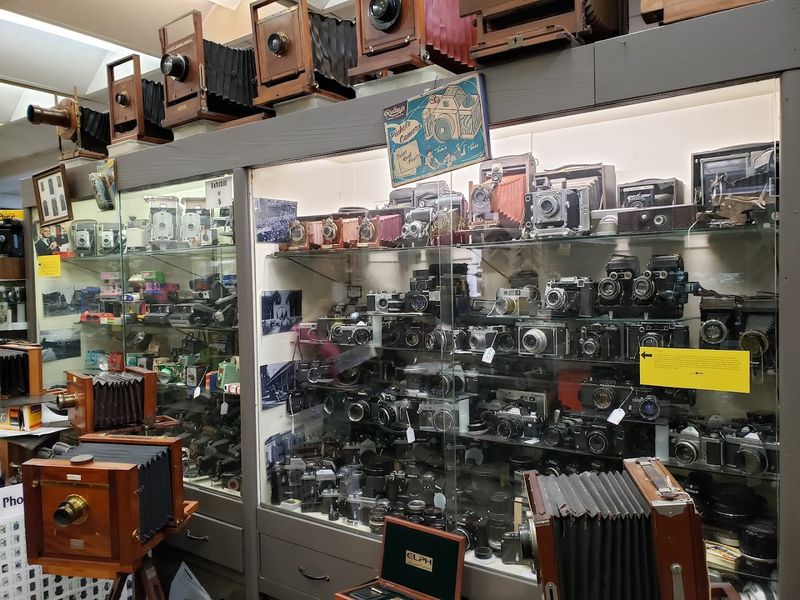
Walking through the Camera Heritage Museum feels like flipping through the world’s most tactile history book. Cameras from the earliest days of photography sit alongside devices from the Space Age, creating a timeline that is both thrilling and humbling to follow.
The 19th century pieces are particularly mesmerizing. Large-format wooden cameras, early daguerreotype equipment, and primitive lenses remind you just how much ingenuity it took to capture a single image before electricity was even commonplace.
These were not gadgets. They were scientific instruments operated by artists.
Fast-forward a few decades and the collection introduces the era of mass-market photography, when cameras became something everyday families could own and use. The sheer variety of formats, mechanisms, and designs on display here is staggering.
Virginia’s Camera Heritage Museum does not just document this evolution. It makes you feel every twist, turn, and breakthrough as if you were living through it yourself.
Each cabinet reveals another chapter, and every chapter is more surprising than the last.
The Iconic Kodak Brownie Collection on Display
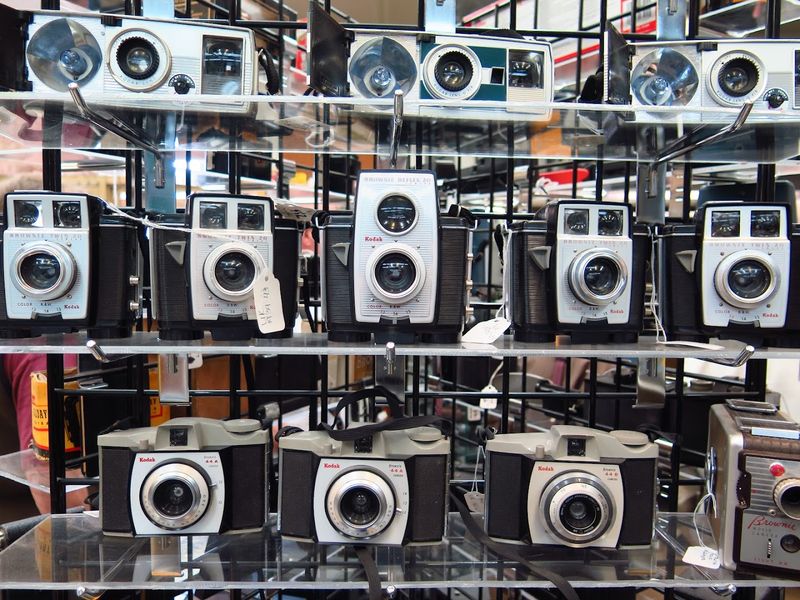
Few cameras changed the world quite like the Kodak Brownie. Before it came along, photography was a pursuit reserved for professionals and serious hobbyists with deep pockets and technical know-how.
The Brownie flipped that script entirely, putting a camera in the hands of the masses and sparking a global obsession with personal photography.
The Camera Heritage Museum houses a comprehensive display of Brownie models that traces the camera’s long, beloved run across multiple decades. Seeing them lined up together is both nostalgic and revelatory.
Each model reflects the design sensibilities, materials, and marketing language of its era.
Some of these little boxes look almost toylike compared to today’s sleek devices, but their cultural impact was anything but small. They filled family albums, documented wars, preserved weddings, and captured the faces of people who might otherwise have been forgotten entirely.
Staunton’s camera museum treats the Brownie with the reverence it deserves, giving it prime display space and rich contextual information that helps even casual observers appreciate why this little camera matters so much to photographic history.
Spy Cameras and Cold War Intrigue
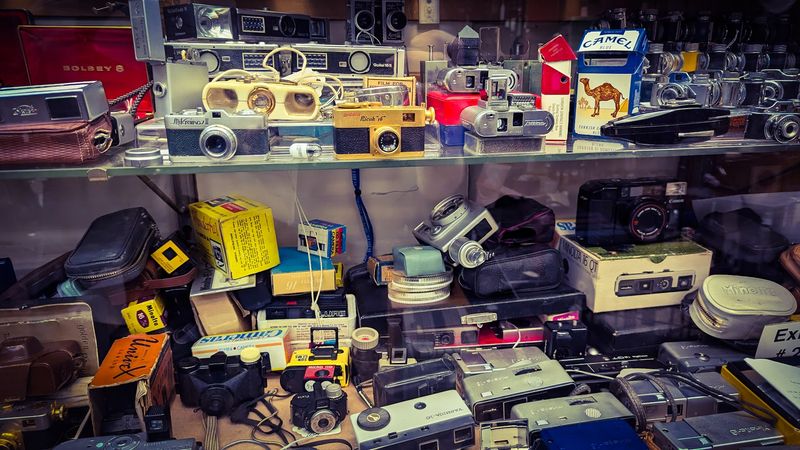
Prepare yourself, because this section of the Camera Heritage Museum is genuinely cinematic. Among the thousands of cameras on display, a Soviet cigarette lighter spy camera stands out as one of the most jaw-dropping objects in the entire collection.
It looks completely ordinary from the outside, which was precisely the point.
Cold War espionage produced some of the most creative and unsettling technological innovations in history, and miniaturized cameras were right at the center of that shadow world. Agents needed to photograph documents, meetings, and classified materials without anyone noticing a bulky camera hanging around their neck.
The museum contextualizes these objects brilliantly, helping you understand not just what they are but why they were made and how they were used. Holding that knowledge while staring at something that looks like an everyday object is a genuinely eerie experience.
Virginia may be home to plenty of history museums, but very few of them offer this kind of cloak-and-dagger thrill. The spy camera exhibit alone is worth the entire trip to Staunton.
The Camera That Captured History: Reagan Assassination Attempt
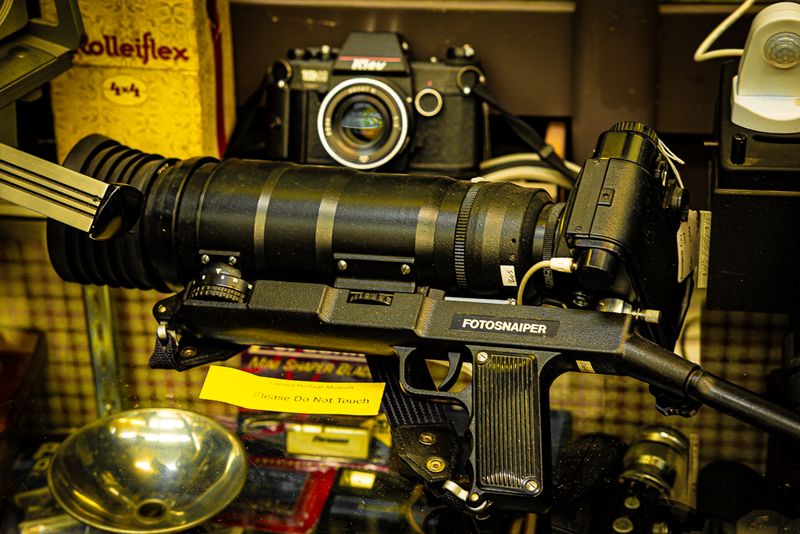
Some cameras do not just take pictures. They witness history.
One of the most significant objects in the Camera Heritage Museum is the camera used to photograph the attempted assassination of President Ronald Reagan in 1981. That single fact is enough to make even the most casual observer stand completely still.
Think about what that means for a moment. The photographs taken that day circled the globe within hours, defining a political moment and shaping public understanding of an event that could have altered American history.
The camera that made those images possible now sits in a museum in Staunton, Virginia, where anyone can stand inches away from it.
That kind of proximity to history is genuinely rare. Most significant historical objects are locked behind thick glass in enormous institutions with long lines and steep admission prices.
Here, the Camera Heritage Museum offers an intimate, personal encounter with an object that played a direct role in one of the most dramatic days in modern American political life. This is museum-going at its most viscerally powerful.
Shenandoah Valley Photography and Regional History
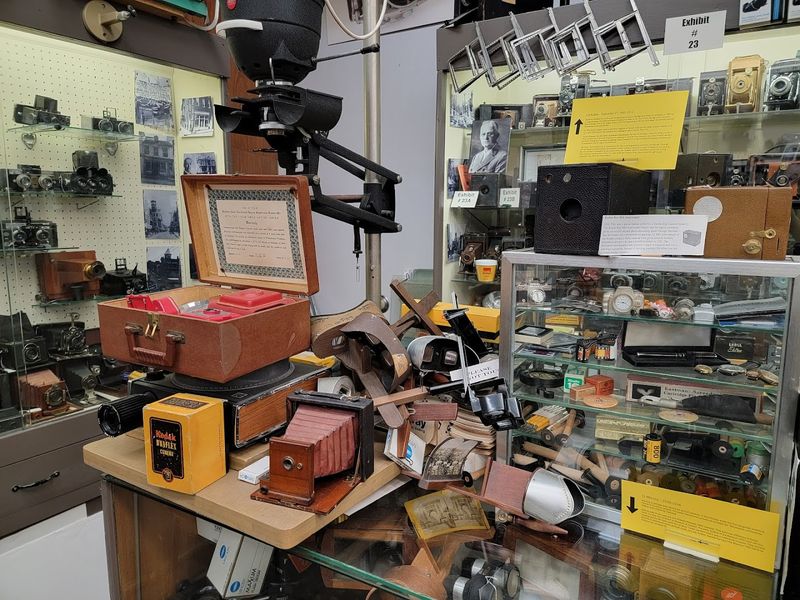
The Camera Heritage Museum is not purely about the machines themselves. It also celebrates what those machines captured, and nowhere is that more evident than in the museum’s display of historical photographs depicting the Shenandoah Valley region of Virginia.
These images offer a window into a Virginia that no longer exists in its original form. Farmsteads, mountain passes, small-town streets, and community gatherings all preserved in silver and light by photographers who understood that ordinary moments deserve to be remembered.
Looking at these photographs feels personal, even if none of your family ever lived in the valley.
The regional photography exhibit adds emotional texture to what might otherwise be a purely technical collection. It reminds you that cameras exist to connect people across time, and that every photograph ever taken was an act of hope, a belief that the moment being captured would matter to someone someday.
Virginia’s landscape has always been stunning, and seeing it through the eyes of photographers from previous generations makes the experience feel genuinely moving and unexpectedly profound.
Guided Tours That Bring the Collection to Life
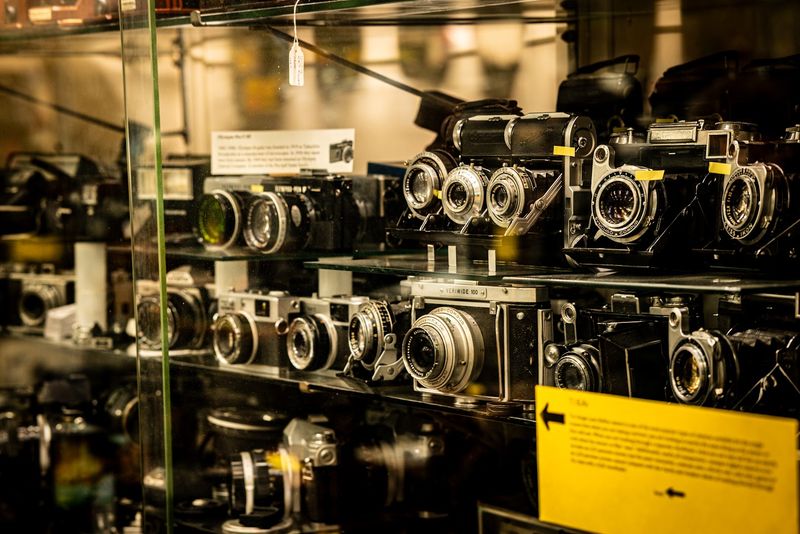
You could wander through the Camera Heritage Museum on your own and still leave thoroughly impressed. But taking a guided tour transforms the experience from interesting to absolutely unforgettable.
The curator-led tours are where the collection truly comes alive, layer by layer, story by story.
The founder of this museum, David Schwartz, brings decades of industry experience and passionate scholarship to every conversation about the collection. His knowledge is encyclopedic, and his ability to connect individual cameras to broader historical events is genuinely remarkable.
Stories emerge that no placard could ever fully convey.
Audio tours are also available for those who prefer to move at their own pace, and they deliver a surprisingly rich experience. The self-guided option lets you linger as long as you like over any piece that catches your eye, which is ideal given how densely packed with fascinating objects the museum actually is.
However you choose to explore, plan to stay longer than you think you will. Nearly everyone who visits the Camera Heritage Museum in Virginia ends up spending far more time than they originally intended.
Miniature Cameras and the Art of Tiny Technology
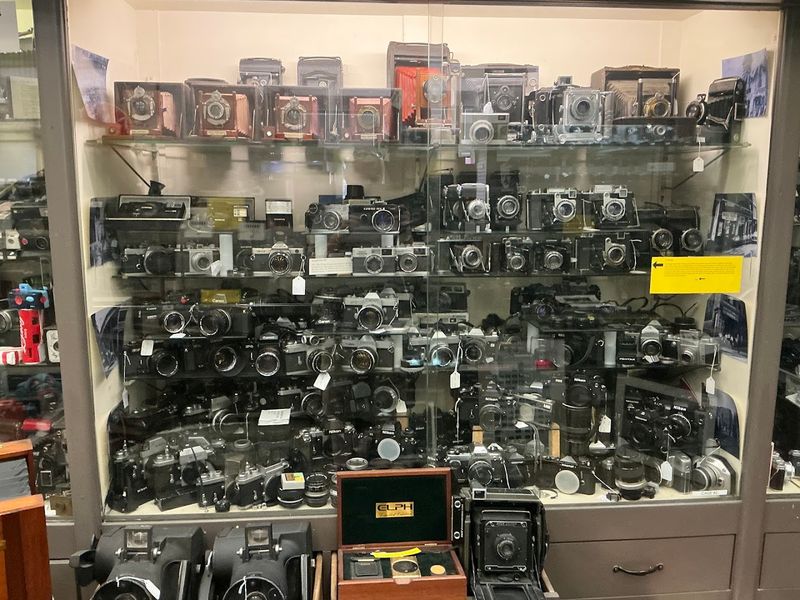
There is something almost magical about a camera small enough to fit in the palm of your hand. The Camera Heritage Museum’s collection of miniature cameras is one of the most delightful and surprising sections of the entire museum, drawing in anyone who wanders past the display cases.
These tiny devices represent some of the most inventive engineering of their respective eras. Watchmakers, opticians, and inventors collaborated to shrink the photographic process down to a scale that seemed almost impossible given the technology of the time.
The results range from adorable to astonishing.
Miniature cameras also played a serious role in espionage, journalism, and documentary photography, giving photographers access to situations where a larger camera would have been impossible or inappropriate to use. The museum does an excellent job of contextualizing these little wonders, explaining both their technical specifications and their real-world applications.
Staunton is already a charming destination in its own right, but the miniature camera collection at the Camera Heritage Museum gives you a specific, delightful reason to seek out this particular corner of Virginia.
The Pearl Harbor Camera: A Piece of World History
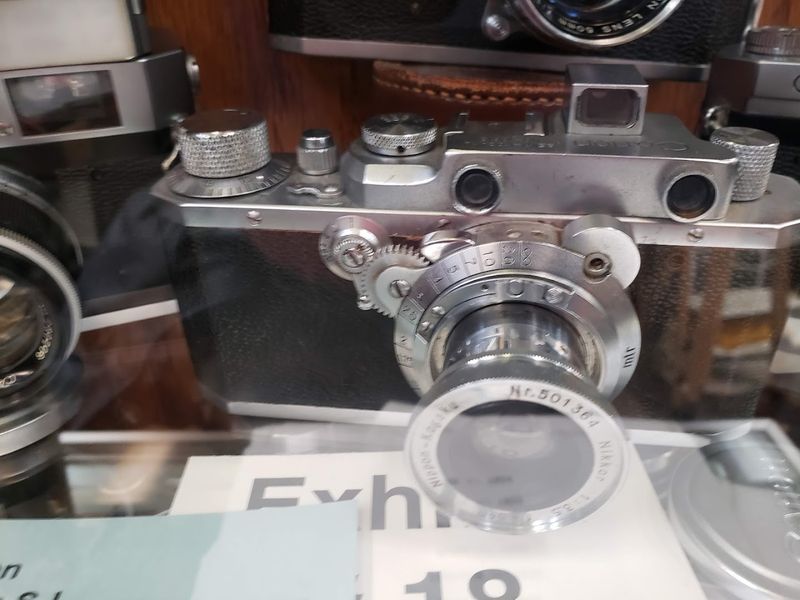
Among the many historically significant objects housed at the Camera Heritage Museum, the Japanese camera connected to the Pearl Harbor attack stands out as one of the most sobering and remarkable artifacts in the entire collection. Its presence in a small museum in Staunton, Virginia makes the place feel genuinely world-class.
December 7th, 1941 is etched into American consciousness as one of the most consequential days in the nation’s history. The fact that a camera from that event now rests in a display case in the Shenandoah Valley creates a strange and powerful sense of time collapsing on itself.
History suddenly feels very close.
The museum’s ability to acquire and preserve objects like this speaks to the seriousness and dedication behind the entire enterprise. This is not a casual hobby project.
It is a rigorous, passionate effort to ensure that photographic history, and the broader human history intertwined with it, does not disappear. Every time you think the Camera Heritage Museum has shown you its most impressive piece, another one appears to raise the bar even higher.
Planning Your Visit to 1 West Beverley Street, Staunton, Virginia
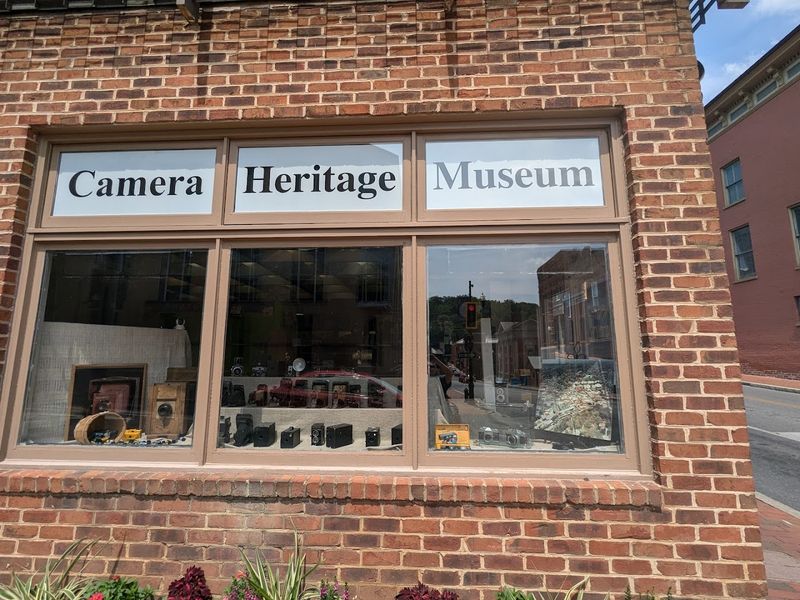
Staunton, Virginia is one of those towns that rewards spontaneous detours and deliberate planning in equal measure. The Camera Heritage Museum sits right at the heart of it all, at 1 West Beverley Street, in a downtown district packed with independent shops, restaurants, and beautifully preserved historic architecture.
The museum operates Monday through Friday and on Saturday mornings, making it an ideal stop during a weekday road trip or a weekend getaway through Virginia’s Shenandoah Valley. Admission is very reasonable, and donations are warmly encouraged since the museum operates as a nonprofit working to expand into a larger space that can display even more of its extraordinary collection.
Give yourself at least two hours, and honestly, budget for more. The Camera Heritage Museum rewards slow, curious exploration rather than a quick lap around the room.
Reach the museum by phone at 540-886-8535 or visit cameraheritagemuseum.com before your trip to plan ahead. Go, linger, ask questions, and leave with a completely new appreciation for the art, science, and sheer human drama behind every photograph ever taken.
Virginia has never looked better through a lens.
Dear Reader: This page may contain affiliate links which may earn a commission if you click through and make a purchase. Our independent journalism is not influenced by any advertiser or commercial initiative unless it is clearly marked as sponsored content. As travel products change, please be sure to reconfirm all details and stay up to date with current events to ensure a safe and successful trip.
