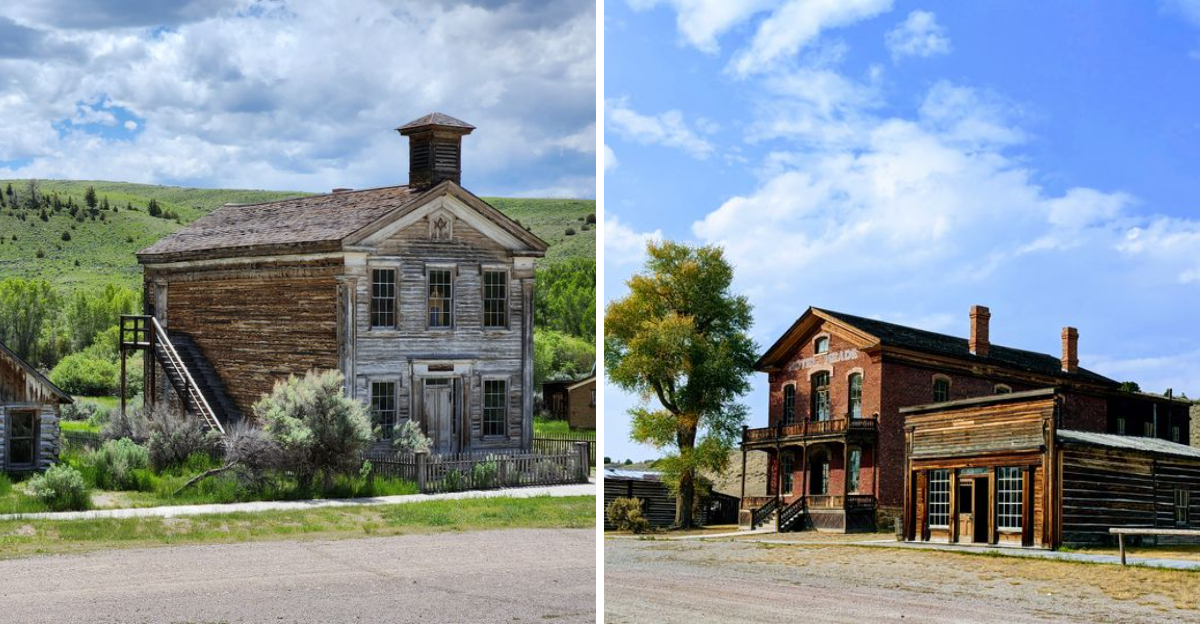
Bannack State Park in Montana feels like a time capsule you can walk through, with creaking boardwalks and wind that seems to whisper about the gold rush days.
You can step into preserved buildings, peek at schoolroom slates, and imagine the dust of stagecoaches settling along Grasshopper Creek.
Rangers and volunteers keep the stories alive with careful restoration and thoughtful interpretation so every visit reveals fresh details.
Trails, wildlife, and big Montana skies round out the history with quiet beauty.
If you love the mix of true tales and rugged scenery, this is a place you will want to linger in.
Gold spark that started it all
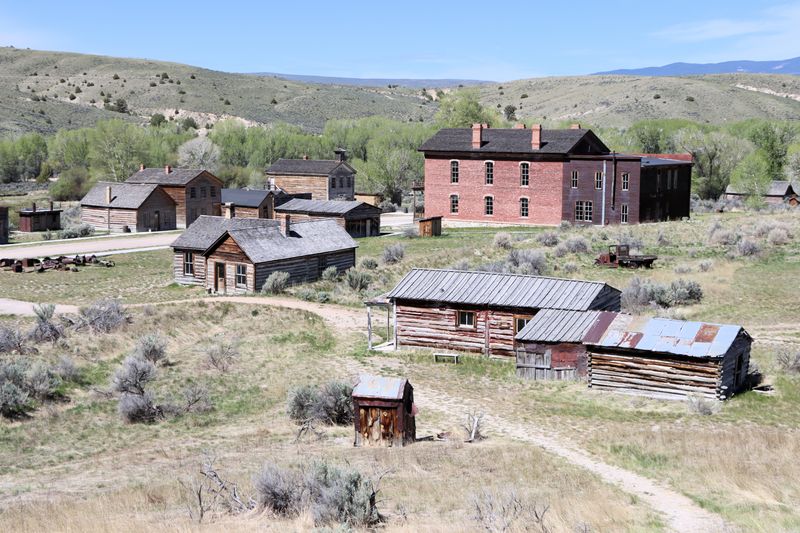
You hear about the 1862 strike on Grasshopper Creek and it suddenly feels real as you stand where pickaxes once chipped at frozen gravel.
This creek line turned the hills into a magnet for prospectors and the town of Bannack grew overnight with cabins, tents, and dreams stacked in rows.
The first rush brought a river of hopes that changed Montana history and pulled in traders, freighters, and families seeking a foothold.
Walking the old placer cuts shows how miners chased fine flakes through riffles and sluices while winter froze their boots and tools.
Interpretive signs explain simple rocker boxes and long toms that let small teams work stream gravels with steady labor and careful washing.
You imagine the shouts of a lucky find and the long quiet hours that followed, with cold fingers and patient panning by the water.
The park keeps those early methods visible through exhibits that translate jargon into clear steps you can follow with your eyes.
It helps that the creek still murmurs, giving the scene a steady rhythm that suits the persistence of placer mining life.
Guided talks often compare early claims with later dredging attempts, noting how technology scaled up risks and scars.
There is honest nuance here, since boom wealth was rare and most people scraped by with grit, trade, or quick relocation.
Local context puts Bannack among Western rushes that jumped between rumors and reality as supply chains slowly caught up.
You leave the creek with a sharper sense that fortunes came from patience more than luck and that history favors record keepers.
Main Street that time forgot
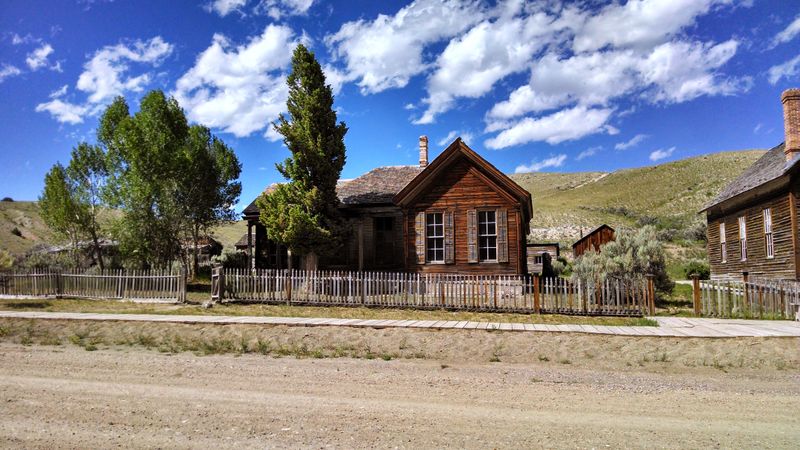
Main Street in Bannack pulls your eyes from one wooden facade to the next with quiet confidence and a sense of measured time.
Boardwalks rise a few inches above packed dirt, and every doorway frames another slice of frontier architecture and daily life.
You move slower here as if pace were set by wagon wheels and errands that started at dawn and wrapped up by lamplight.
The Meade Hotel stands like a proud anchor with tall windows and careful brick that contrasts with weathered timber neighbors.
Interpretive panels map which storefront once hosted a mercantile, a butcher, or a blacksmith shop serving miners and families.
Your imagination fills the street with footsteps, quiet deals, and the steady clink of tools being sharpened for the next shift.
The park maintains a preservation first approach that stabilizes structures while leaving scars and textures visible to visitors.
This balance keeps the street authentic, so you notice hand cut nails, tool marks, and mismatched boards that tell honest stories.
Seasonal programs sometimes open interiors with supervision, offering a close look at trim, wallpaper, and straightforward joinery.
Windows frame blue Montana sky, and that contrast turns every room into a vignette of light, dust, and patient stillness.
The wider valley adds context with low hills and sage that set the town within a working landscape rather than a museum stage.
You walk back the same way and feel that Main Street works as a spine for the whole site, holding memory steady.
The Meade Hotel and its quiet grandeur
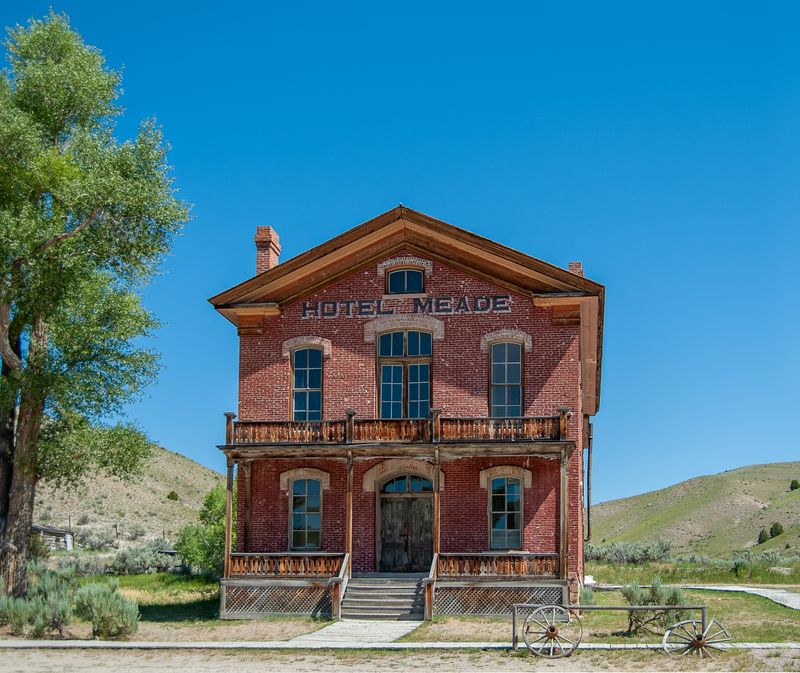
The Meade Hotel gives you a glimpse of Victorian ambition planted in a rough mining town where comfort felt like a promise.
Its brick walls and refined lines suggest stability in a place built on speculation and seasonal fortunes that could vanish.
You can study the staircase, peek into rooms, and read about how travelers valued warmth, privacy, and a proper bed.
The building served as county offices for a time, which kept it central to legal matters and regional decision making.
Interpretive details point out window glass variations, plaster patches, and hardware that help date repairs and original features.
You see sunlight move across railings and understand how design choices created a calm interior even on a busy street.
Guides sometimes describe the transition from raw camps to civic institutions, using the hotel as a tangible turning point.
The ambiance invites slow observation, since each threshold reveals another material story that rewards patient attention.
Montana history feels near when you consider guests arriving by stage, shaking off dust, and trading news in the lobby.
There is no staged glitz here, only careful preservation that lets your senses work through texture, light, and space.
Nearby structures strengthen the narrative by showing contrast between brick confidence and timber improvisation throughout town.
You leave with a clear picture of aspiration held together by mortar, careful repair, and a community that values memory.
Schoolhouse voices and lessons
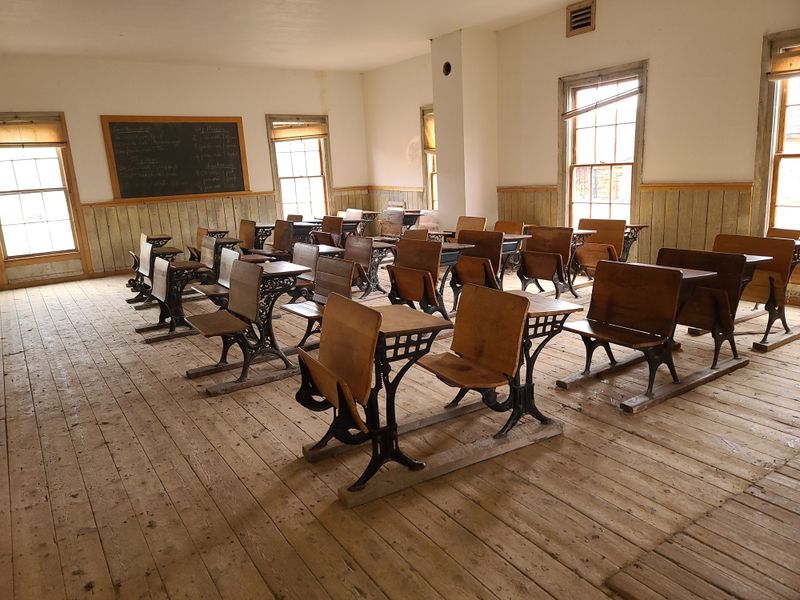
The Bannack schoolhouse draws you in with small desks, tall windows, and the quiet order that guided young minds long ago.
Chalkboards still hold fragments of lessons during events, and you can almost hear recitations or see slates tucked under arms.
The room feels intimate, which makes the discipline of attendance and seasonal chores easy to imagine under changing light.
Interpretation explains how families balanced ranch work, mining demands, and travel with a growing commitment to education.
You see practical design in benches and storage that kept supplies close and clutter low in a space built for focus.
There is comfort in the regularity of schedules that anchored childhood in a town driven by markets and weather.
Teachers often doubled as community leaders, bringing order to events and sharing news across scattered homesteads.
Photographs and records connect names to faces, placing students within local networks that stretched beyond Main Street.
Montana winters shaped attendance patterns with snow, cold mornings, and short daylight hours that limited long walks.
The schoolhouse stands today as a physical reminder that stability grows from routines and shared effort over seasons.
When you step back outside, the wind lifts, and the contrast between quiet study and open hills becomes vivid and grounding.
You carry that steady feeling with you and see the rest of town through the lens of community rather than only commerce.
Sheriff tales, vigilantes, and law
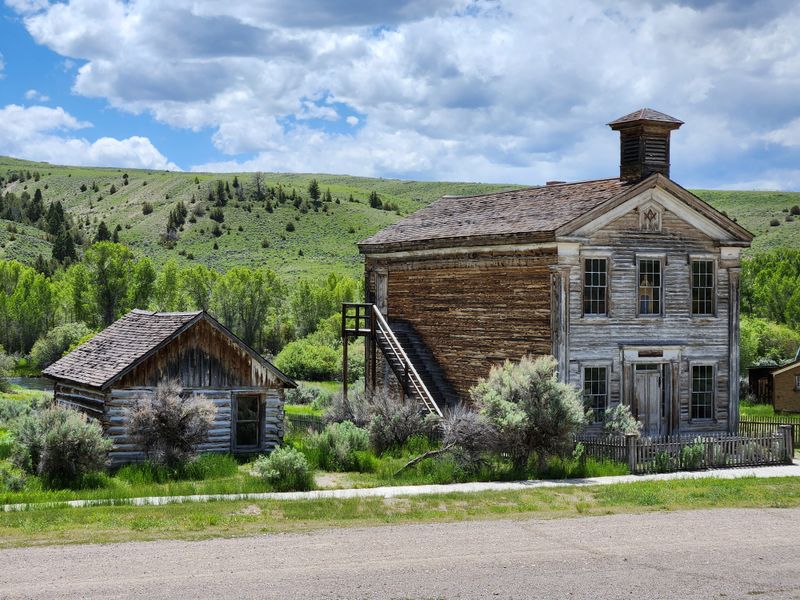
Bannack gained a reputation for tense law and order as mining wealth attracted risk, quick tempers, and complicated loyalties.
Interpretive displays outline the period when vigilantes formed and when sheriffs tried to stabilize a town facing real threats.
You read carefully worded panels that separate documented events from rumors and local legends that still echo around campfires.
Some stories identify names and dates while other accounts remain debated, which the park labels clearly to avoid confusion.
The jail spaces feel heavy, with iron fittings and thick doors that turned disputes into long nights and hard reflections.
Courthouse functions shifted across buildings, and records show the struggle to set procedures under pressure and competing interests.
The human side comes through in letters and newspaper clippings that frame choices as urgent rather than cinematic.
You are invited to weigh competing versions and consider how communities handle fear, rumor, and the need for due process.
Montana territorial history provides context, showing that roads, distance, and winter delayed help when conflicts flared.
The park does not glamorize confrontations and instead offers careful chronology that makes sources and gaps visible.
This approach lets you leave with a grounded view that respects complexity without trading in simple heroes or villains.
It is sobering and useful, and it adds depth to every creak of the boardwalk when you return to the bright street.
Ghost town acoustics and atmosphere
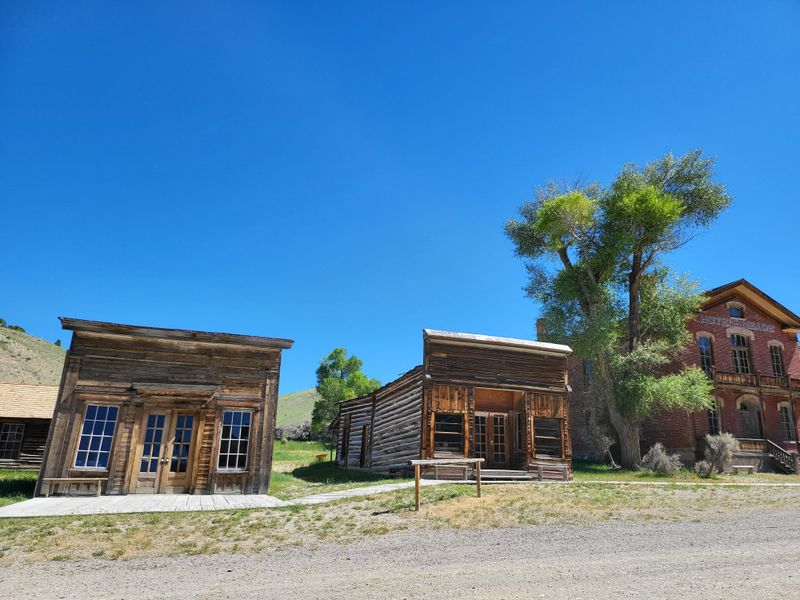
Bannack sounds different depending on season and hour, and that variance shapes how you experience its preserved streets.
Dawn brings long shadows as swallows sweep overhead and footsteps echo across boards that catch a rising warmth.
Midday can feel bright and wide open, while late afternoon casts honey tones that smooth edges and calm the mind.
Wind moves through rooflines and grass, and those low notes carry well between buildings that frame gentle corridors.
The silence is not empty, since each corner holds small movements like fluttering paper, creaking hinges, or gravel shifts.
You may notice how doorways amplify your steps like a stage where sound rebounds and multiplies in brief bursts.
Visitors often whisper without planning to, because the place rewards quiet observation and slow turning glances.
Photographers come for texture, light, and the spare geometry that draws strong compositions from simple forms.
Montana weather heightens atmosphere with sudden clouds, crisp air, and a blue ceiling that deepens after storms.
Guided walks sometimes pause for a minute of silence, and that moment resets pace and sharpens details.
Evening programs, when scheduled, keep lighting soft so the eye can adjust and the town feels steady and welcoming.
You leave aware that acoustics tell stories too, and that memory often holds a sound long after a view fades.
Trails, wildlife, and seasons

Paths around Bannack lead you past cottonwoods, sage, and open slopes where the town meets a living landscape with quiet grace.
You can follow marked routes along Grasshopper Creek and loop back through structures to balance nature with history.
Spring brings new leaves and high water, while summer runs dry and bright with warm breezes and long daylight hours.
Fall paints the cottonwoods gold, and winter adds crisp air, short days, and a hush that feels carefully protective.
Wildlife sign includes tracks near the creek and birds that patrol rafters or hunt insects around sunny windows.
Rangers remind you to give animals ample space and to keep food secure so habits do not shift toward town.
Montana conditions can change fast, so layers, water, and sun protection keep you comfortable and present for longer visits.
Trail surfaces vary from packed dirt to uneven boardwalk, which suggests sturdy shoes and a mindful pace in every season.
Wayfinding posts and maps reduce guesswork and let you link short loops into a deeper half day walk.
Benches appear at good viewpoints, and those rest spots encourage quiet breaks that reward attention to small details.
You finish with a rounded sense of place that includes light, wind, and seasonal rhythm as part of the story.
That completeness lingers and makes the historic core feel more connected to the valley and the surrounding hills.
Planning your visit with care
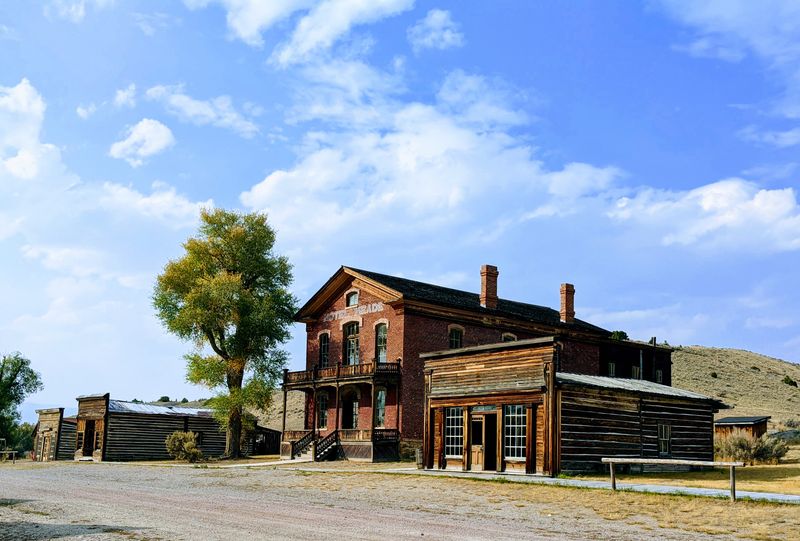
Planning a Bannack visit works best when you check current hours, road conditions, and seasonal event listings before you drive.
The park lies west of Dillon in Beaverhead County, and access typically follows state highways with a short local approach.
Cell service can be unreliable near the site, so download maps, save notes, and set a meeting spot if your group splits.
Bring water, sun layers, and sturdy shoes, and consider a hat because boardwalks reflect light and afternoons feel warm.
Winter trips require traction and insulation, and spring mud may make some paths slick or briefly off limits.
Facilities include restrooms near the heart of town, and signs guide you between key buildings at a comfortable pace.
Ranger programs change through the year, so ask at the kiosk for tours, living history days, or family activities.
Photography is welcome with respect for ropes and closures that protect delicate interiors and historic finishes.
Nearby services sit mostly in Dillon, so plan fuel and snacks in advance to keep your time on site focused.
Museums in Dillon help extend context with regional artifacts that tie mining stories to ranching and rail timelines.
Montana weather rewards patience, and flexible plans let you adjust to storm cells or heat that drift through the valley.
You will leave happier if you pace yourself, sip water often, and give the town space to unfold at its own speed.
Dear Reader: This page may contain affiliate links which may earn a commission if you click through and make a purchase. Our independent journalism is not influenced by any advertiser or commercial initiative unless it is clearly marked as sponsored content. As travel products change, please be sure to reconfirm all details and stay up to date with current events to ensure a safe and successful trip.
