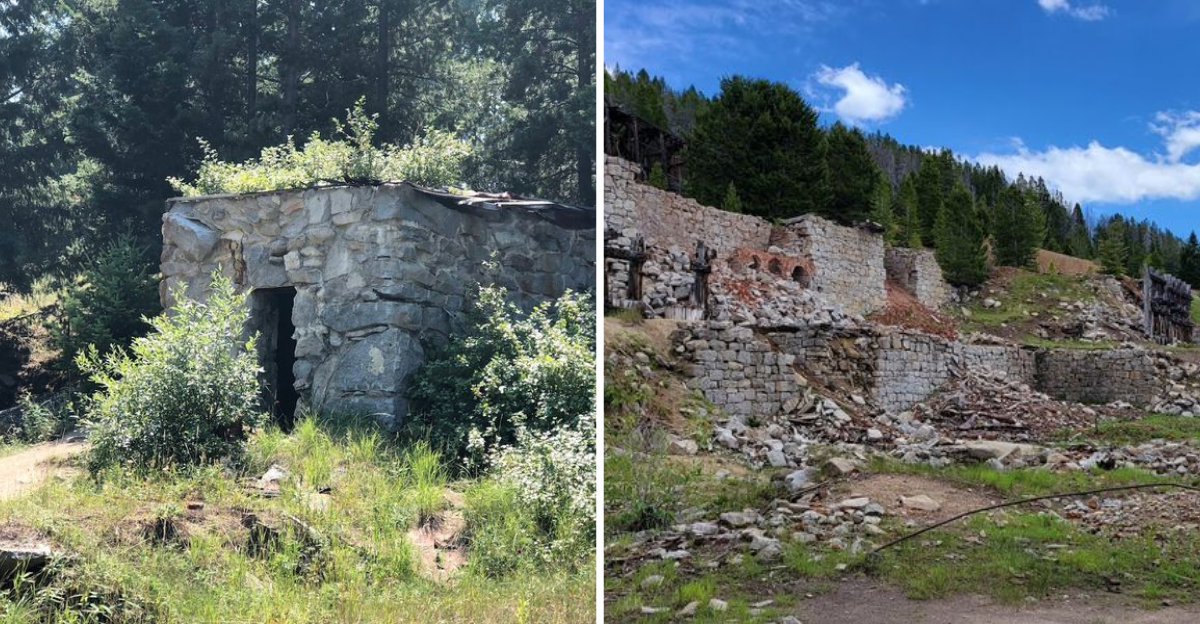
Driving up a narrow mountain road in Montana, knowing that at the top, an entire town is waiting in silence. This ghost town holds the bones of a silver boomtown that once housed thousands of people. It was once called the richest silver mine on Earth.
You can still feel that history pressing through the crumbling walls and rusted foundations. I had no idea what to expect on my first visit, but the place grabbed me immediately. Just down the hill, the adventure kept going with sapphire hunting.
This combination of ghost town exploration and gemstone discovery makes the whole trip feel like something you could never quite plan on purpose.
The Rise and Fall of a Silver Boomtown
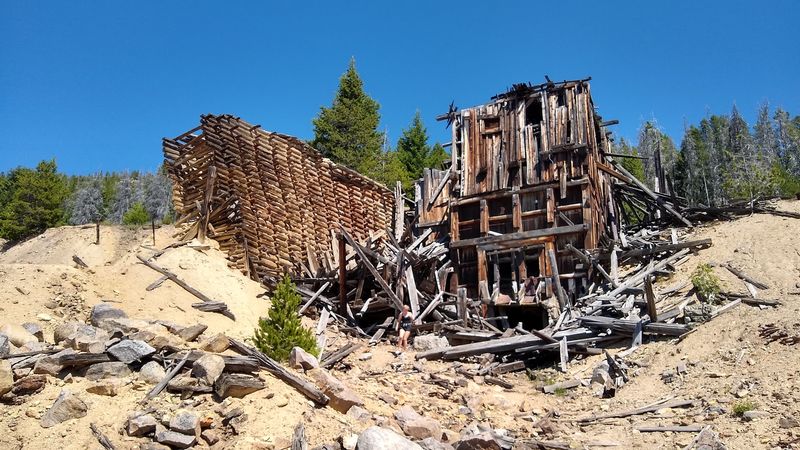
Few places in Montana carry the weight of history quite like Granite. Hector Horton first discovered silver in the area back in 1865, and after the Granite mine was relocated in 1875, the rush truly began.
At its absolute peak, the mine was pulling out staggering amounts of silver, eventually yielding what historians estimate at $40,000,000 total.
The town that grew around it was no rough camp either. Granite had restaurants, a library, a hospital, a school, churches, and a newspaper office.
Over 3,000 miners called this mountain home at the height of the boom.
Then came 1893. The silver panic hit fast and hard, and the mine shut down almost overnight.
The town emptied out within three years, leaving behind buildings, memories, and an eerie quiet that still lingers today. Understanding that rise and fall before you visit makes every crumbling wall feel more meaningful.
You are not just looking at old wood and stone. You are looking at the skeleton of ambition, a place where thousands of people built real lives before the economy pulled the ground right out from under them.
Abandoned Buildings Worth Every Step
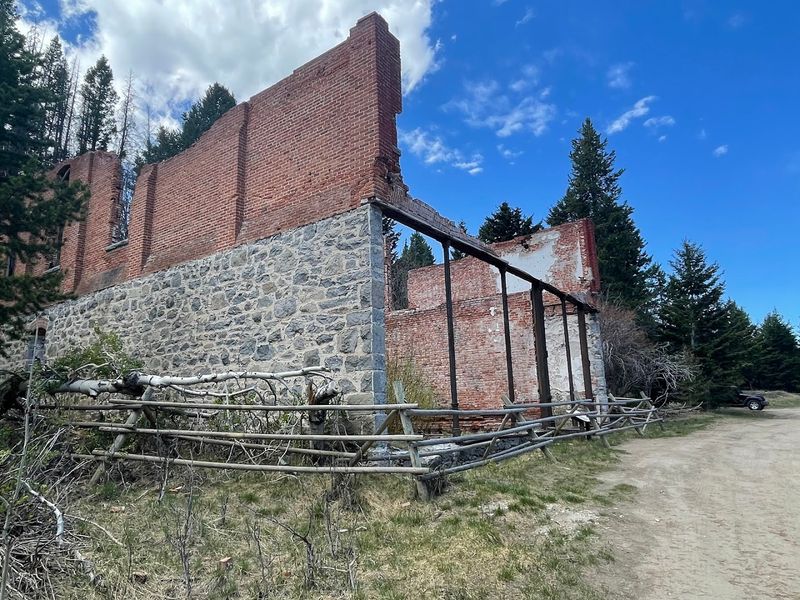
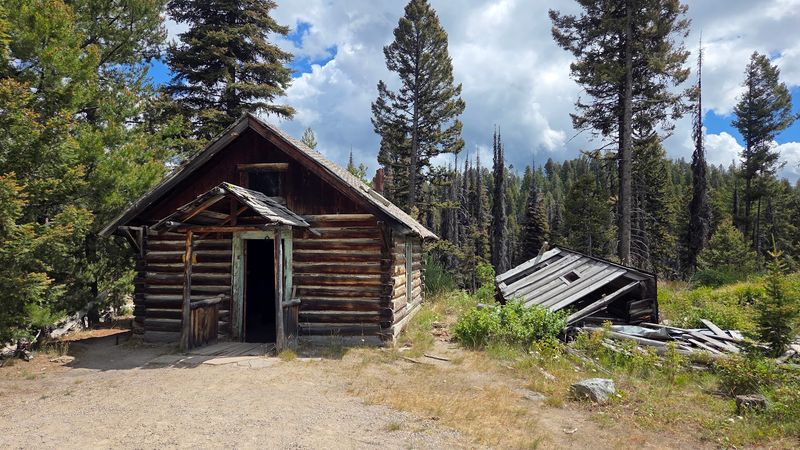
The Miners’ Union Hall is the kind of structure that stops you mid-stride. It once had a third-floor dance hall, second-floor union offices, and a ground-floor cafe.
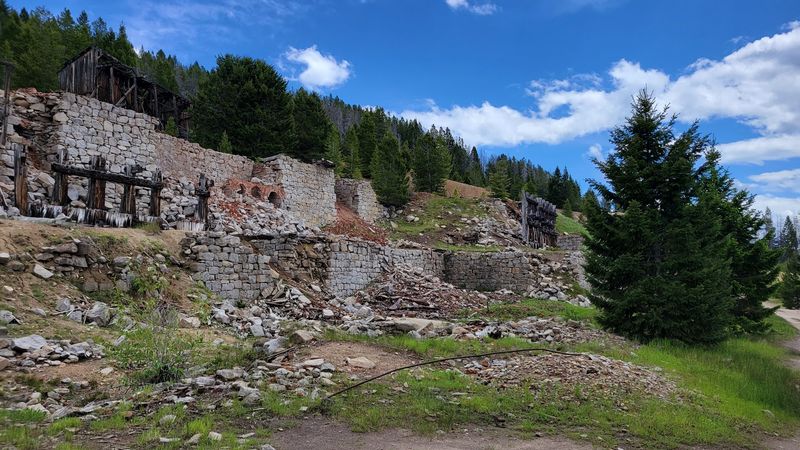
Now its shell leans against the mountain air, near collapse but still stubbornly standing. The company hospital also remains, quiet and hollowed out.
The Granite Mine Superintendent’s house is another highlight, and both the superintendent’s house and the union hall are included in the Historic American Buildings Survey. That recognition matters because it confirms what you feel just by being there: these are not ordinary ruins.
Visitors can hike trails that wind past old home foundations, collapsed structures, and remnants of daily life from over a century ago. Some areas require a high-clearance vehicle to reach, especially up near the superintendent’s house, the mill, and the Ruby Shaft.
I found that going slow and paying attention to every detail made the experience richer. A cracked doorframe here, a rusted hinge there.
The buildings do not shout their stories. They whisper them, and you have to lean in close to really hear what they are saying.
Getting There Is Part of the Adventure
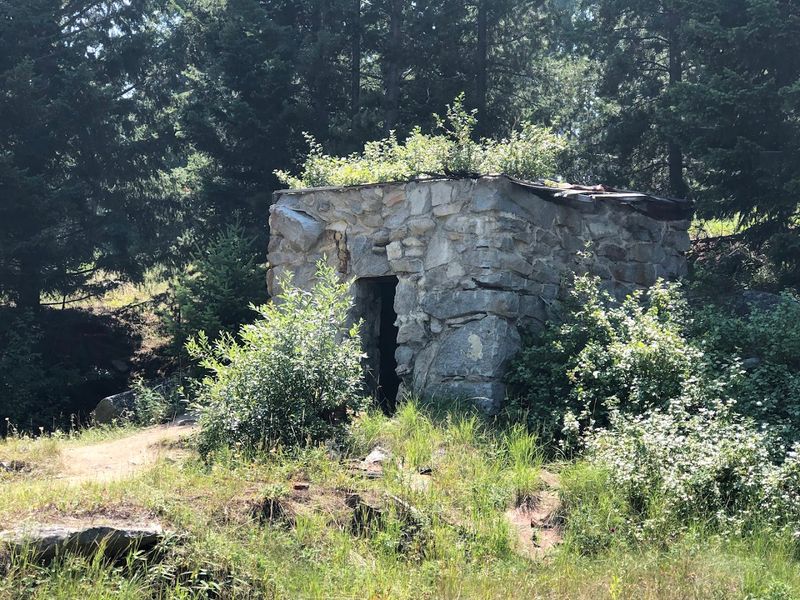
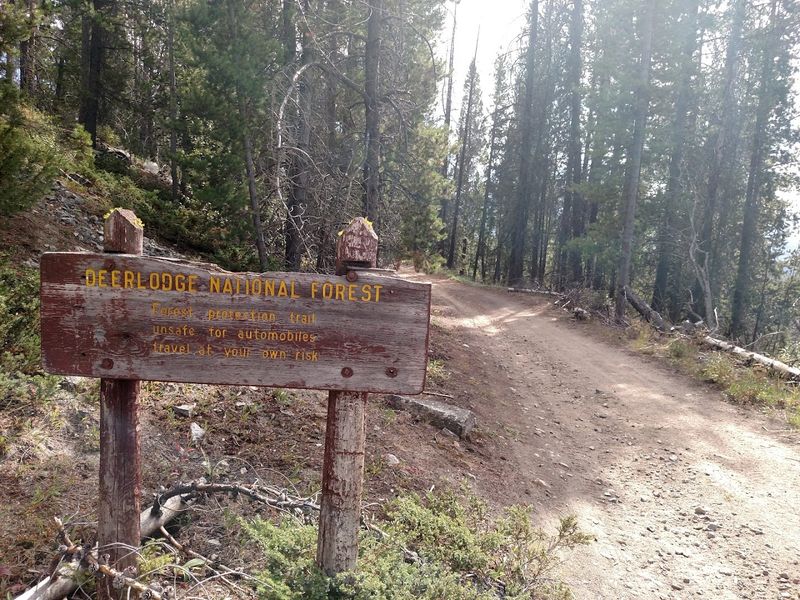
The road up to Granite is not for the faint of heart, and that is honestly part of the charm. From Philipsburg, the drive gains 1,280 feet in elevation over a narrow, steep, and winding route.
The last stretch gets tight enough that two full-size vehicles cannot pass each other comfortably.
Multiple visitors have learned the hard way that GPS can send you on the wrong path entirely. The advice from nearly everyone who has made the trip is the same: follow the posted signs, not your phone.
One route in particular, Contract Mill Road heading north out of Granite, has damaged vehicles and left drivers seriously rattled.
A four-wheel-drive vehicle with good clearance is strongly recommended, especially if you plan to explore beyond the main area. In spring, snow can linger on the upper roads well into late April.
The park is generally open from Memorial Day through September 30, during daylight hours only. Give yourself plenty of time and do not rush the descent.
The views along the way are genuinely spectacular, and the journey itself ends up being one of the most memorable parts of the whole visit.
Sapphire Hunting in Philipsburg
Just a few miles down the mountain, Philipsburg offers one of the most genuinely fun activities in all of Montana: hunting for sapphires. The Rock Creek deposit near town has historically been the largest sapphire producer in Montana, yielding four times more than all other Montana deposits combined.
That is a remarkable fact for such a small, quiet town.
Several businesses in historic downtown Philipsburg give visitors a chance to sift through gravel in search of their own gems. Montana Gems of Philipsburg, Gem Mountain, and The Sapphire Gallery are among the well-known spots where families and solo travelers can try their luck.
The sapphires here come in a surprising range of colors, including blue, mint green, yellow, orange, and red.
Sapphire hunting is family-friendly and available year-round, which makes it an easy add-on to a ghost town visit regardless of the season. There is something deeply satisfying about finding a tiny gem with your own hands.
Even if you only find a small stone, the process of searching feels rewarding in a way that is hard to explain until you have actually done it yourself.
The Scenery That Surrounds Everything
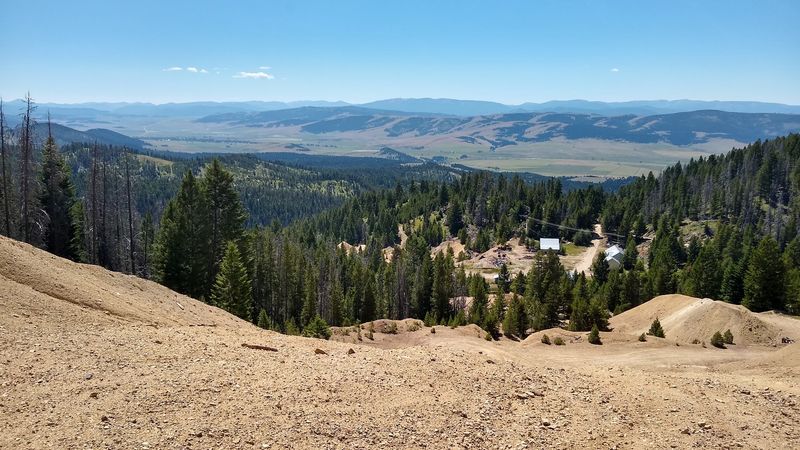
Even if the ghost town buildings did not exist, the scenery alone would justify the drive. The park sits high above the valley, and the views that open up along the trail system are the kind that make you stop walking just to stare.
Mountains roll out in every direction, pine forests fill the slopes, and the silence is deep enough to feel physical.
One visitor summed it up well by saying the journey itself was the best part of their trip, and after seeing those views, that reaction makes complete sense. The elevation gives you a perspective on the Montana landscape that you simply cannot get from the valley floor.
Hiking the trails around the ruins adds another layer to the experience. The Ghost Walk trail takes visitors through most of the key sites, weaving past foundations, standing structures, and open hillsides that were once busy streets.
The contrast between the wild, untouched landscape and the crumbling human-made structures creates a mood that is hard to shake. Nature is reclaiming this mountain steadily, and watching that process happen in real time is quietly fascinating.
Bring a camera and comfortable shoes because you will want to stay longer than planned.
What to Know Before You Go
A few practical details can make the difference between a smooth visit and a frustrating one. The park is free to enter, which makes it an easy choice for travelers on a budget.
However, there are no restrooms, no picnic areas, and the visitor center kiosk has seen better days. Some visitors have found the map box empty and the informational posters in poor condition.
Arriving with your own research already done helps a lot. Downloading a map of the area beforehand or asking locals in Philipsburg for guidance before heading up is a smart move.
The park is open from Memorial Day through September 30, during daylight hours only, so do not plan a late afternoon visit without checking the time.
Weather can shift quickly at this elevation. Even in summer, the mountain can throw rain, hail, or cold winds at you with little warning.
Layers are always a good call. If you plan to explore beyond the main area near the union hall and hospital, a high-clearance four-wheel-drive vehicle is not just recommended, it is genuinely necessary.
Going prepared turns a potentially rough outing into an adventure you will be glad you took.
Why This Trip Stays With You Long After You Leave
Some places are easy to forget once you get back in the car. Granite is not one of them.
There is something about standing inside a building where thousands of people once laughed, argued, worked, and worried that makes history feel less like a textbook and more like a lived thing. The Miners’ Union Hall, with its collapsing floors and open sky where a roof used to be, does that better than any museum exhibit could.
Pairing the ghost town with sapphire hunting in Philipsburg gives the whole trip a satisfying shape. You spend the morning in the past, surrounded by ruins and mountain silence, then spend the afternoon with your hands in gravel, hoping for a flash of blue or green.
Both activities are rooted in the same regional history, the silver and gem mining culture that shaped this corner of Montana.
The trip is imperfect in the best possible way. The roads are rough, the signage is sparse, and the visitor center needs attention.
But those rough edges are part of what makes it feel real. You are not visiting a polished attraction.
You are visiting a place that history left behind, and that distinction is exactly what makes it unforgettable.
Address: 347 Granite Road, Philipsburg, Montana
