I have seen moose in New Hampshire before. But always by accident.
A flash of brown in the trees. A shape disappearing into the fog.
This time was different. I went looking for them on purpose.
The drive takes you deep into the mountains. The roads get smaller and smaller.
The forest gets thicker. You slow down to a crawl because every shadow starts to look like an animal.
And then you see one. A massive moose standing at the edge of the trees.
Eating calmly. Not caring about the people staring at it.
I pulled over and killed the engine. We sat in silence just watching.
The moose moved slowly, taking a few steps, then stopping. Its antlers were huge.
Its legs looked too long for its body. Someone in the car whispered and we all shushed them.
That is the thing about a moose safari in New Hampshire. It turns the whole mountains into a treasure hunt.
And when you find the treasure, you do not want to scare it away.
The Moose Safari Experience That Will Leave You Speechless
Nothing quite prepares you for the moment a full-grown moose steps out of the treeline and plants itself ten feet from your tour bus. These animals are absolutely enormous, and seeing one in the wild is the kind of moment that gets burned into your memory permanently.
Guided moose safaris in the White Mountains region of New Hampshire are led by experienced naturalists who know exactly where to look. They navigate backroads, boggy wetlands, and river corridors that most visitors would never find on their own.
The best tours run during the golden hours of dawn and dusk, when moose are naturally most active and easiest to spot.
Tour operators use enclosed buses equipped with floodlights and spotlights, making evening excursions both comfortable and thrilling. Guides share fascinating facts about moose ecology, behavior, and conservation along the way.
Moose safaris depart from towns like North Conway, Gorham, and Lincoln, giving you plenty of options depending on where you are staying in the state.
Why Moose Are the Undisputed Stars of New Hampshire’s Wild Kingdom
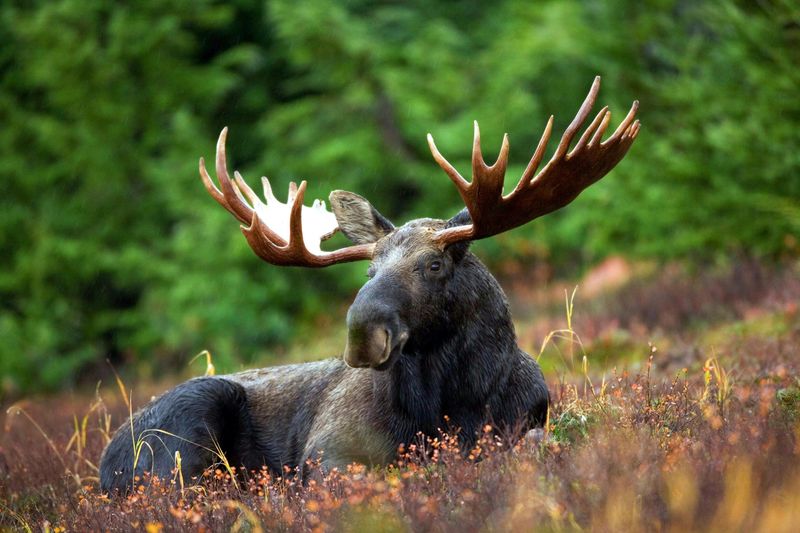
Moose are not just big. They are jaw-droppingly, cartoonishly massive, and spotting one in the New Hampshire wilderness feels like catching a glimpse of a prehistoric creature.
Adult bulls can stand taller than most cars are wide, and their antlers alone can span several feet across.
New Hampshire’s moose population thrives in the boggy, forested terrain of the northern part of the state, where aquatic plants, willows, and mineral-rich wetlands keep them well-fed. They are drawn to roadsides and river edges, especially during spring and fall, when cooler temperatures make them more active and visible.
Salt licks along popular routes like the Kancamagus Highway and Route 16 north of Milan are particularly reliable moose magnets. Guided tours know these hotspots intimately and time their routes accordingly.
Observing from a safe distance is absolutely essential, since moose are wild and unpredictable despite their somewhat goofy appearance. New Hampshire takes wildlife safety seriously, and responsible viewing keeps these magnificent animals wild and healthy for future generations.
Choosing the Right Moose Tour for Your Adventure Style
Not all moose safaris are created equal, and picking the right one can make the difference between a good night out and an absolutely legendary story. Several reputable operators work out of the White Mountains region, each offering a slightly different flavor of the experience.
North Conway Moose Safari runs enclosed 33-seat buses with flat-screen TVs and powerful spotlights, making the evening tours feel almost cinematic. Gorham Moose Tours is famous for boasting some of the highest moose sighting success rates in the region.
Pemi Valley Moose Tours operates out of Lincoln and offers a great option if you are exploring the southern part of the White Mountains.
Evening tours are generally the most productive, timed around sunset when moose activity peaks. Most operators recommend booking in advance, especially during the busy summer and fall seasons.
Spring tours are also fantastic, as hungry moose emerge from winter and flock to roadside vegetation. Whichever operator you choose, arrive with realistic expectations, since sightings are thrillingly common but never entirely guaranteed in the wild.
Moat Mountain Mineral Site Trailhead, a Rockhound’s Dream Come True
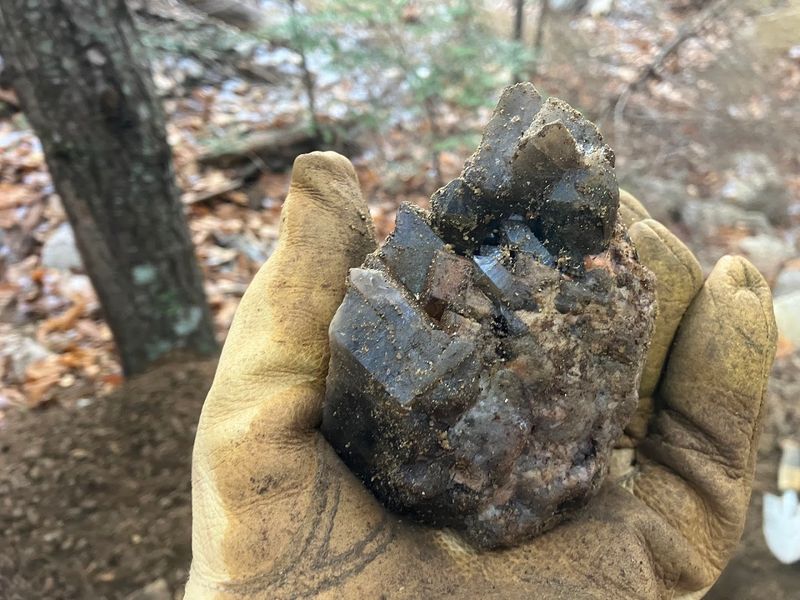
Forget treasure maps. The Moat Mountain Mineral Site Trailhead in Conway, New Hampshire, offers something even better: a real, legally sanctioned dig site where you can pull actual crystals straight out of the earth.
The whole thing feels gloriously old-school and adventurous.
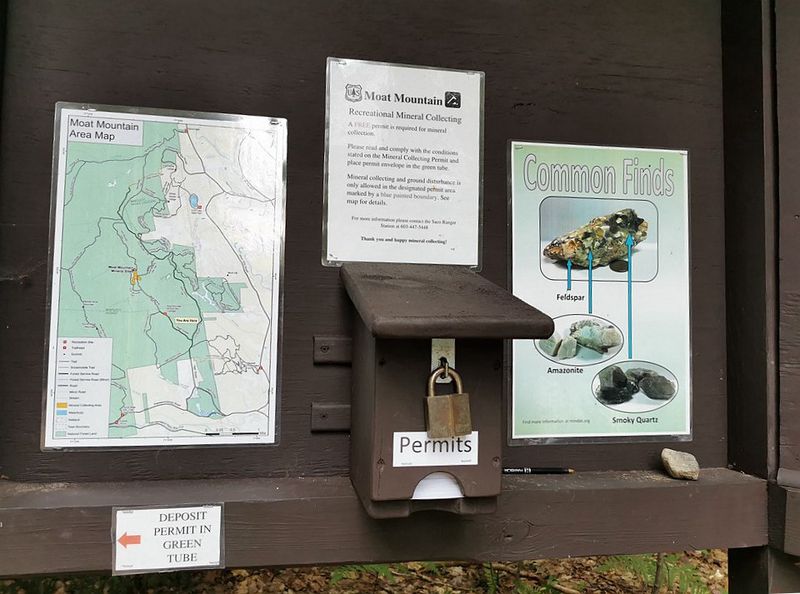
Located off Passaconaway Road within the White Mountain National Forest, this trailhead is the starting point for a roughly one-mile hike to one of the most accessible mineral collecting sites in the northeastern United States. A free, self-serve permit is required and obtained right at the trailhead kiosk, making the whole process refreshingly simple.
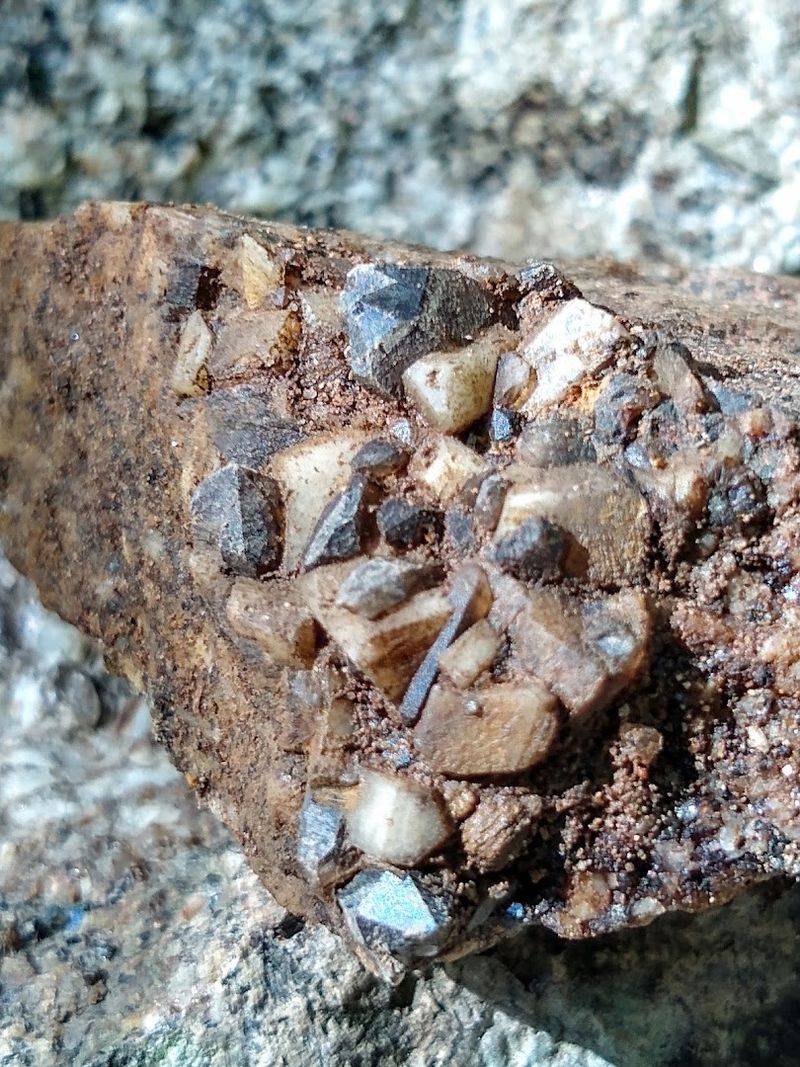
The site is open every day of the year, welcoming hikers, rockhounds, and curious families alike. Smoky quartz is the star attraction, but sharp-eyed collectors have also turned up amazonite, garnet, and small quartz clusters.
The combination of a pleasant forest hike and the genuine possibility of finding a sparkling crystal makes this place genuinely hard to beat for outdoor fun in New Hampshire.
What to Expect on the Trail to the Mineral Site
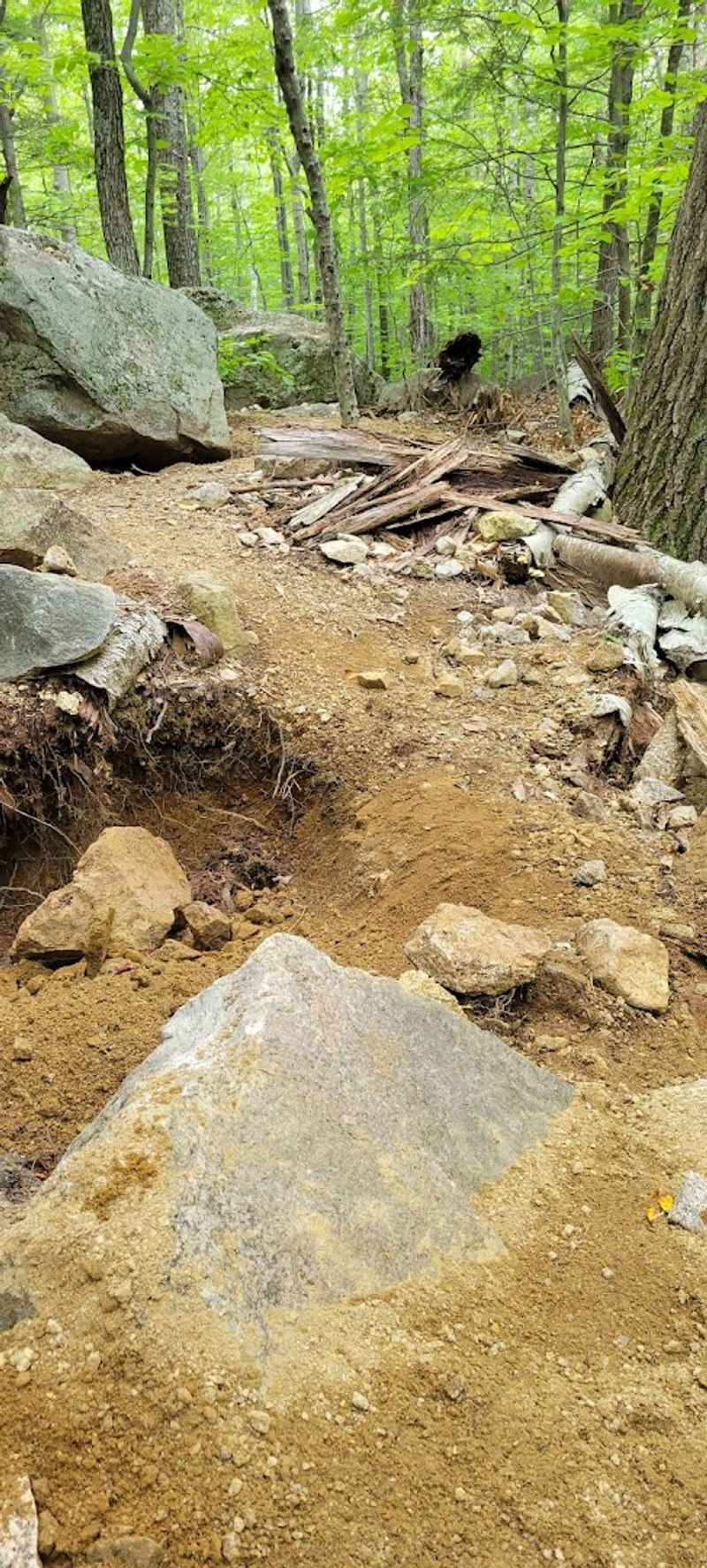
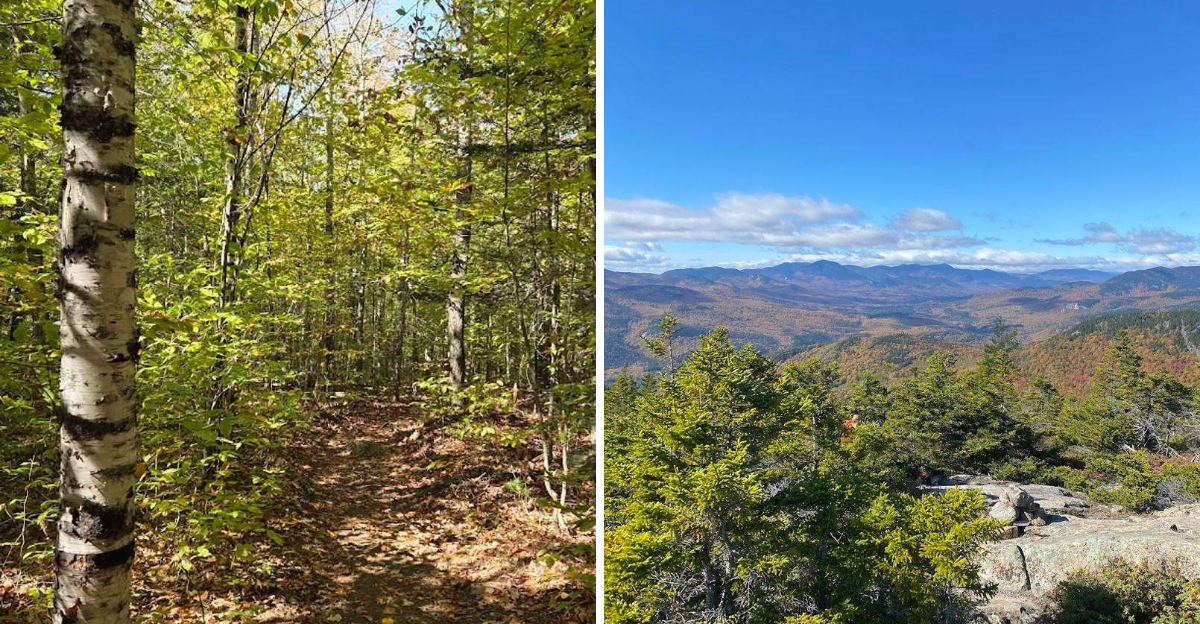
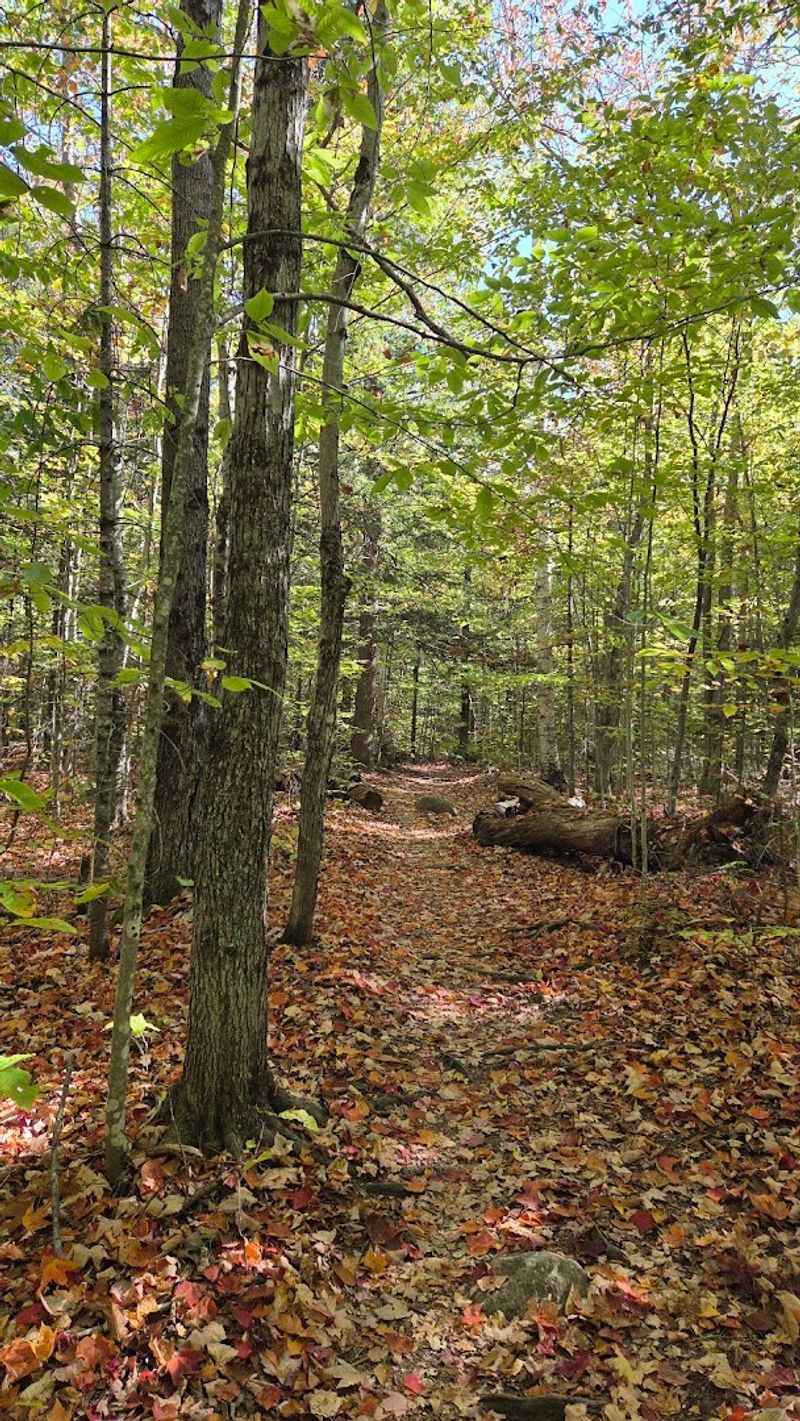
The hike to the mineral collecting area is refreshingly manageable, making it a fantastic outing for families with kids, casual hikers, and even enthusiastic grandparents. The roughly one-mile path winds through classic New England forest, and the scenery alone is worth the walk.
A few sections dip through dried-up rocky stream beds, so sturdy footwear is a smart call. Trail signs and yellow blazes on trees guide the way at two main junctions before the site, keeping navigation straightforward.
As of the most recent season, signage has been noted as clear and easy to follow, a welcome improvement from earlier years when some markers had weathered or fallen.
The trail connects to broader networks within the White Mountain National Forest, so ambitious hikers can extend their day with additional routes. Thompson Falls is a nearby highlight that rewards those willing to put in a little extra mileage.
Bug spray is genuinely non-negotiable during warmer months, as mosquitoes and biting flies are enthusiastic residents of this part of New Hampshire. Bring water, snacks, and a good attitude, and the trail will take care of the rest.
The Art of Finding Crystals at the Dig Site
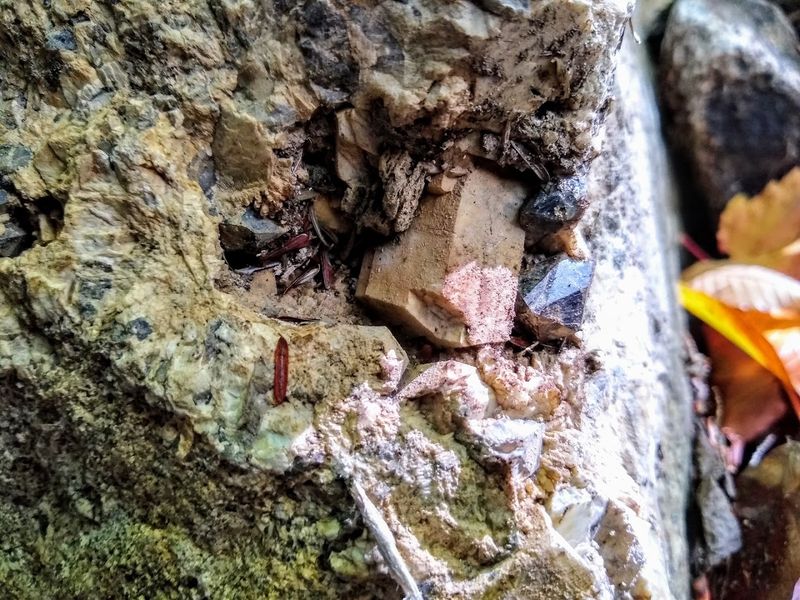
Arriving at the Moat Mountain Mineral Site for the first time is a genuinely exciting moment. The wooded clearing is scattered with large boulders, hand-dug holes, and knolls where generations of rockhounds have searched for buried treasure.
The energy of the place is infectious.
Most collectors focus on two main techniques: cracking open smaller boulders to expose crystal pockets inside, or carefully surface scanning and digging into the soil. Rules limit excavation to a maximum depth of three feet, and power tools are strictly prohibited to protect the site for future visitors.
Each collector is allowed to take out one bucket of material, keeping the experience fair and sustainable.
Smoky quartz points are the most commonly found prize, and even beginners tend to walk away with at least a few satisfying pieces. A rock hammer, safety glasses, gloves, and a long-handled screwdriver are highly recommended tools of the trade.
After a big rain, loose crystals sometimes wash to the surface, making post-storm visits particularly rewarding. Patience and a willingness to get genuinely dirty are the two most important skills you can bring to this extraordinary site.
Essential Gear for a Successful Day at the Mineral Site
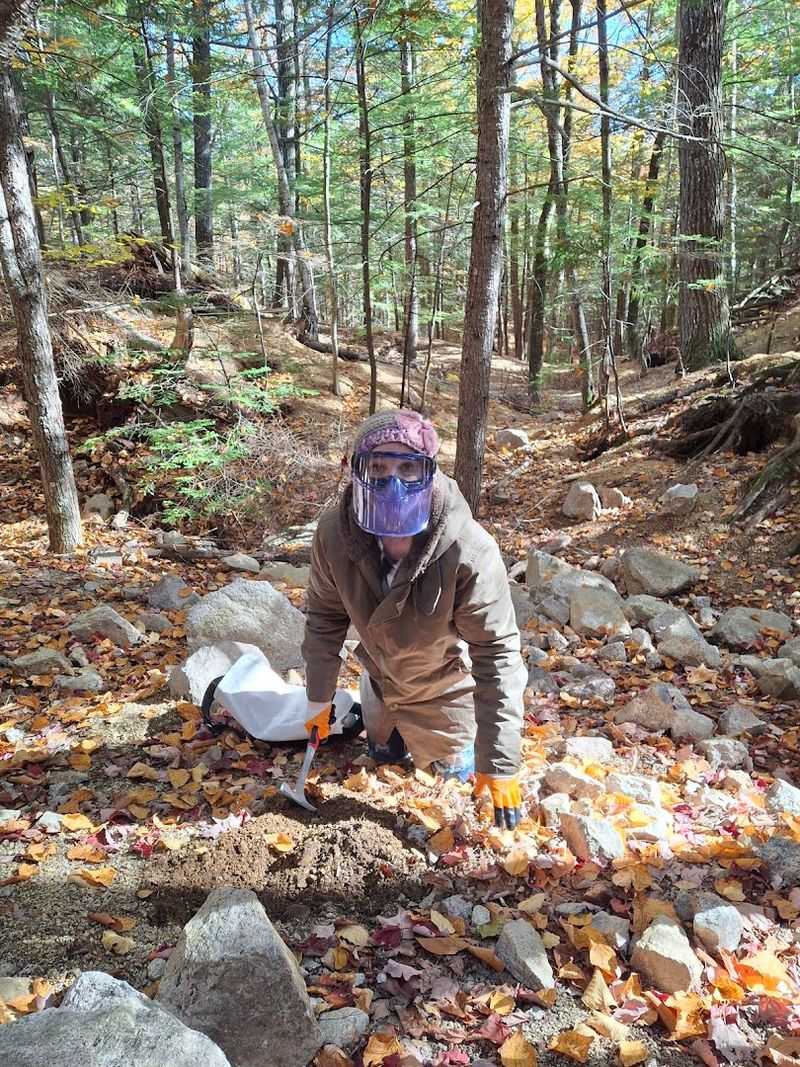
Showing up unprepared at a mineral collecting site is a classic rookie mistake, and one that can turn an exciting day into a frustrating one. A little planning goes a long way toward making your visit to the Moat Mountain Mineral Site genuinely productive and fun.
The must-have toolkit includes a rock hammer for splitting boulders, a long-handled screwdriver for prying apart crevices, safety glasses to protect your eyes from flying rock chips, and sturdy gloves to keep your hands intact. A five-gallon bucket or a sturdy backpack is essential for hauling out your finds, since the one-mile hike back to the trailhead feels noticeably longer when you are carrying a heavy load of rocks.
Experienced collectors also swear by a spray bottle filled with water, which helps wash dirt off specimens so you can see what you are actually looking at. Packing a solid lunch, plenty of water, and sealed snacks is important, since there are no facilities, water sources, or trash receptacles at the site.
Bears are present in the area, so keeping food sealed and your campsite tidy is standard New Hampshire wilderness etiquette.
Wildlife Surprises You Might Encounter Along the Way
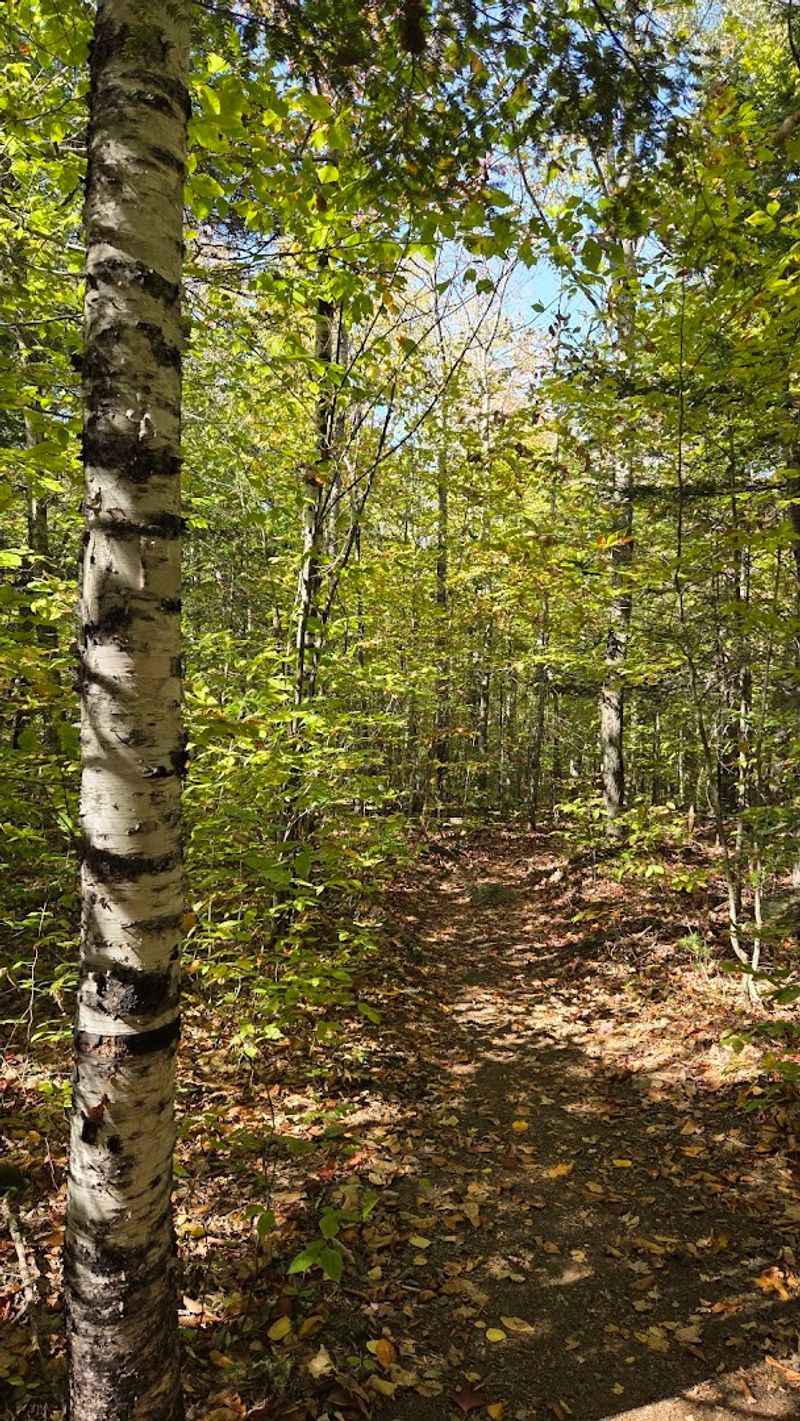
Moose safaris get all the glory, but the trails around Conway have their own wildlife stories to tell. The forests surrounding the Moat Mountain Mineral Site Trailhead are active with New Hampshire’s native fauna, and a quiet, observant hiker stands a real chance of crossing paths with some impressive animals.
Moose sightings, while not guaranteed on the trail, are genuinely possible. The area is also home to black bears, which is why sealed food containers are so strongly encouraged by experienced hikers and site regulars.
White-tailed deer, wild turkey, and a dazzling variety of songbirds round out the cast of potential encounters.
Springtime visits offer the added delight of spotting rare wildflowers, including the gorgeous pink lady’s slipper orchid, which blooms along forest floors throughout the White Mountains region. The combination of geological wonder and unexpected wildlife sightings gives the Moat Mountain area a layered richness that pure moose safari destinations simply cannot match.
New Hampshire, it turns out, rewards those who pay attention to every detail of the landscape around them.
Planning Your Perfect New Hampshire Mountain Adventure
Combining a moose safari with a day at the Moat Mountain Mineral Site Trailhead makes for one of the most unexpectedly satisfying two-day itineraries in all of New England. The two experiences complement each other perfectly, blending wildlife excitement with hands-on geological discovery.
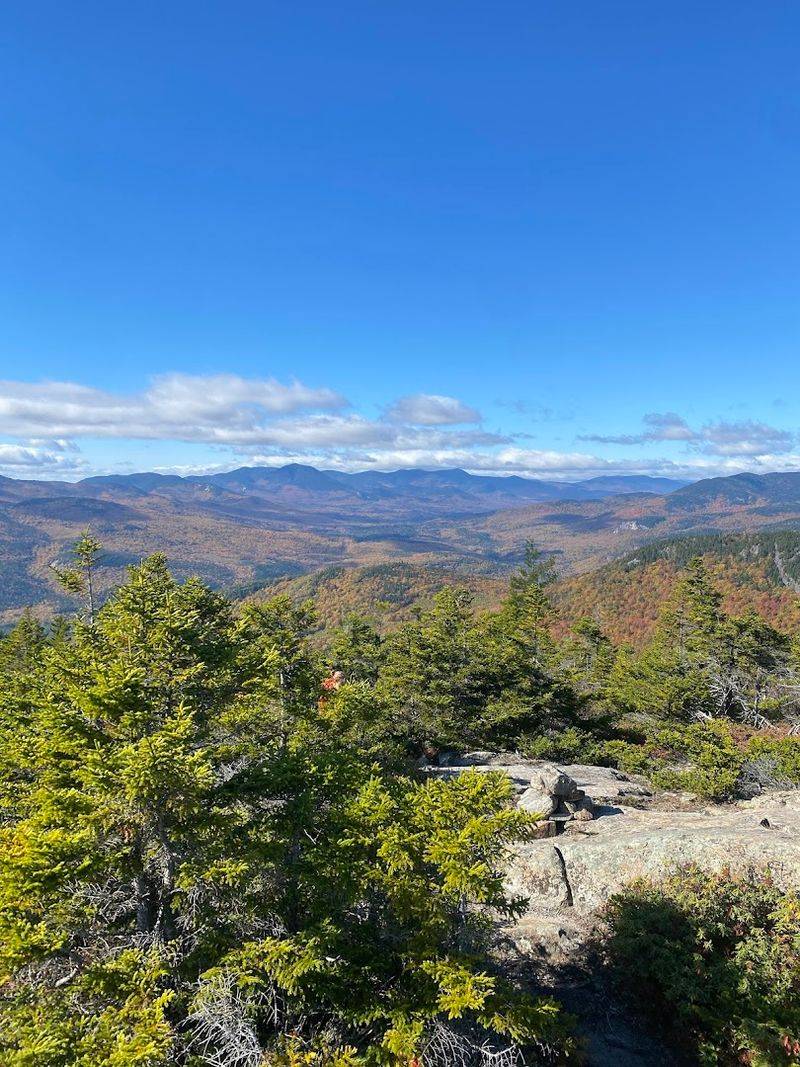
North Conway serves as an ideal base camp, sitting close to both the mineral site and the departure points for organized moose tours. The town offers a solid range of accommodations, from cozy inns to family-friendly lodges, and its location at the edge of the White Mountains puts you within easy reach of countless other outdoor adventures.
Spring and fall are the sweet spots for both activities. Moose are most visible during these seasons, and the cooler temperatures make a mile of hiking with a bucket of rocks considerably more pleasant.
Summer works well too, especially for families with school-age kids who will go absolutely wild for the crystal digging experience. Whatever season you choose, New Hampshire’s mountain landscape delivers a backdrop so stunning that the drive alone feels like part of the adventure.
Getting There and Key Details for the Moat Mountain Mineral Site Trailhead
Finding the Moat Mountain Mineral Site Trailhead is straightforward once you know what you are looking for. The trailhead is located on High Street in Conway, New Hampshire, accessed via West Side Road and Passaconaway Road within the White Mountain National Forest.
The site is open around the clock, every day of the week, making it incredibly flexible for early risers who want to beat the crowds or late arrivals who want to squeeze in an afternoon hike. The free mineral collecting permit is self-serve at the trailhead kiosk, so there is no need to visit a ranger station beforehand.
Simply fill out the three-part permit, pop one section in the provided box, keep one on your person, and place the third on your vehicle dashboard.
There are no restrooms or potable water available at the site, so plan accordingly. Cell service is generally decent in the area, which is reassuring if you happen to lose your bearings on the trail.
For questions or additional information, the White Mountain National Forest office can be reached at the number listed on the official USDA Forest Service website. Now go find yourself some crystals and maybe a moose or two while you are at it.
