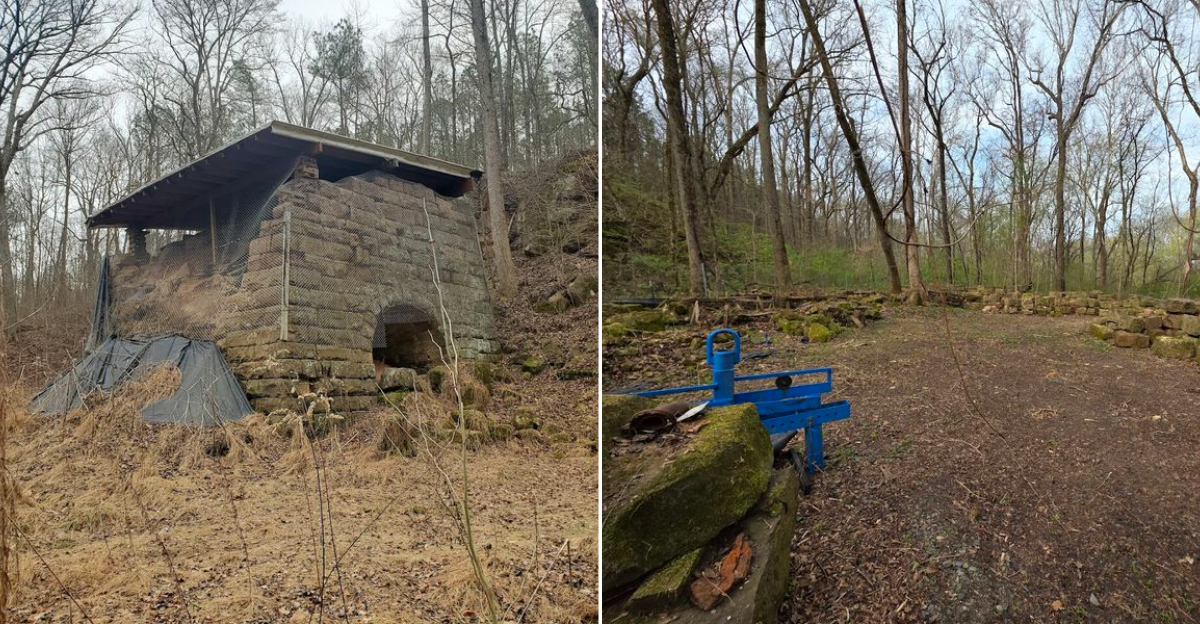
Walk into the deep North Carolina woods, and you might stumble upon a ghost made of stone. The old iron furnace stands half hidden beneath a blanket of vines and moss, its purpose long faded but its presence still commanding.
Trees have grown up around the structure, their roots curling over fallen bricks and rusted fragments of a forgotten industry. No signs announce this place.
No gift shop or parking lot interrupts the forest floor. You simply follow a worn path until a dark shape emerges through the leaves.
The furnace once roared with heat and workers, turning raw ore into iron for a world that no longer exists. Now the only smoke comes from fog drifting between the trees.
Touch the cool stone and feel how nature slowly pulls everything back into itself. Some ruins scream for attention. This one barely whispers.
The Walk Into Another Time
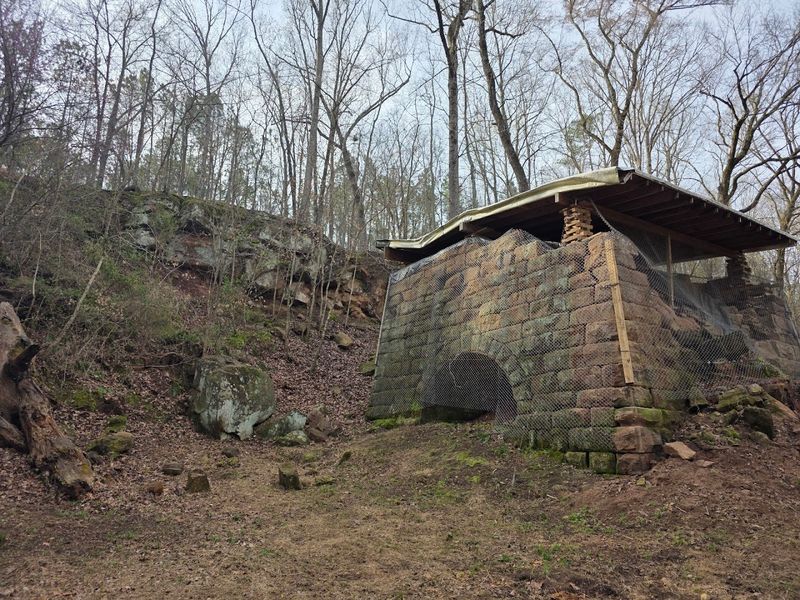
The first thing that hits you is how quickly the world gets quiet out here, and I mean the kind of quiet that makes your footsteps sound louder than usual. You are not rolling up to some flashy historic attraction with signs doing all the talking for you.
You are walking into the woods in North Carolina, and the woods are very much part of the experience.
Then the furnace shows up through the trees, and honestly, it feels a little unreal at first glance. The stone stack rises out of all that green growth with this stubborn, weathered presence that feels both heavy and ghostlike.
It does not look staged, polished, or overly explained, which is exactly why it stays with you.
I liked that nothing about the approach tried to force a mood on me, because the place already has one. You notice the rough masonry, the shape of the furnace, and the way roots and shade have slowly claimed the ground around it.
If you are the kind of person who likes places that still feel a little secret, this one gets under your skin in the best way.
By the time you are standing in front of it, you are not just looking at old stone anymore. You are looking at a piece of working history that now sits still in the forest, letting your imagination do the rest.
Where The Woods Open Up
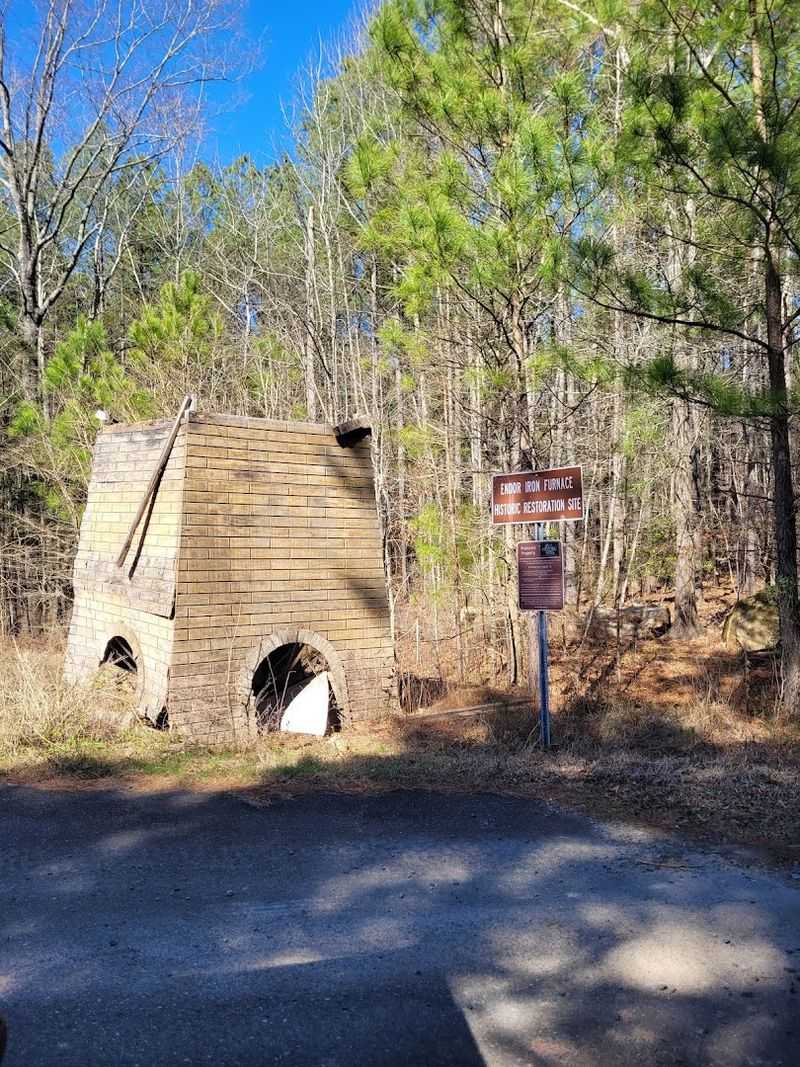
If you want the exact spot, it is Endor Iron Furnace, 523 Iron Furnace Rd, Sanford, NC 27332, and somehow even the address feels more ordinary than the place itself. You follow a quiet rural road, and the setting starts doing that slow shift from everyday landscape to something older and stranger.
By the time you get close, you already feel like you are leaving the modern world a few steps behind.
What I appreciated most was how unforced the whole arrival felt. There is no big dramatic reveal built for a crowd, just a steady sense that you are approaching something with real age and weight.
That made the first view of the furnace feel earned instead of packaged.
The clearing around the ruin gives you enough space to take it in, but the surrounding woods never stop pressing gently at the edges. That balance is part of what makes the site memorable, because it feels open enough to study and wild enough to stay mysterious.
Sanford is not far away, yet the atmosphere feels deeply removed from town life.
I would tell you not to rush this part, because the setting matters as much as the stonework. Let your eyes adjust, look around slowly, and notice how the forest frames everything without softening its industrial past.
Why This Ruin Matters
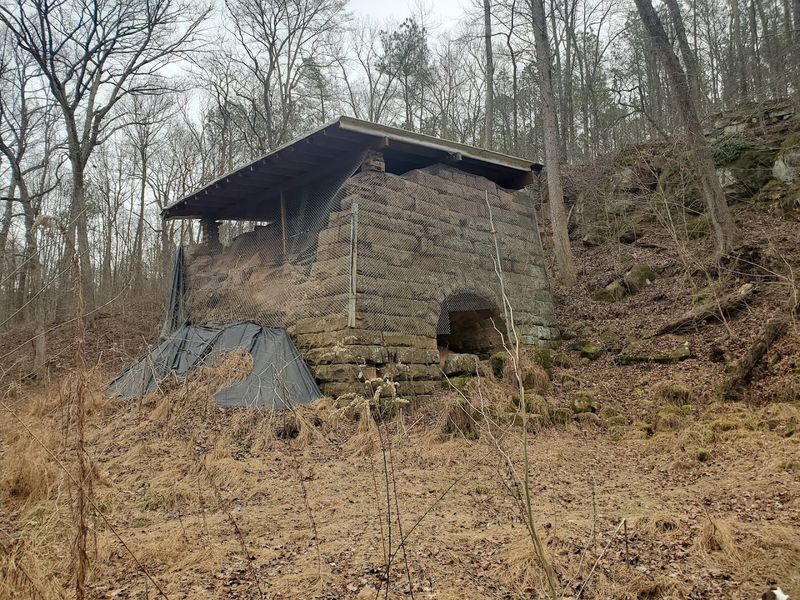
Here is the part that really pulled me in: this is not just a random pile of old stone in the woods. The Endor Iron Furnace is tied to North Carolina’s ironmaking past, and that gives the whole place a deeper kind of gravity.
You are standing in front of something built for heat, labor, and production, even though now it sits completely still.
The furnace is generally connected with the Civil War era, when iron mattered in an urgent, practical way. Knowing that changes how you look at it, because the ruin stops feeling decorative and starts feeling serious.
It was part of a working landscape, and you can still sense that purpose in the shape of the structure.
I think that is why the site sticks with people who might not usually get excited about industrial history. The story is easy to feel, even if you are not the type to memorize timelines or technical details.
You see a towering furnace in the trees, and your mind naturally starts filling in the noise, smoke, and effort that once surrounded it.
There is something grounding about that, especially now when so much history gets flattened into quick signs and snapshots. This place asks a little more from you, and in return it feels more real than most restored sites ever do.
The Stonework That Stops You
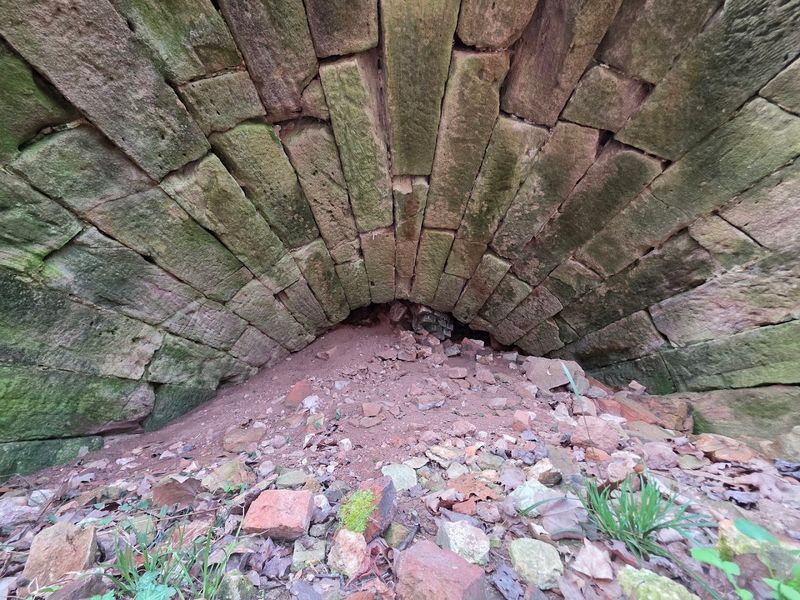
Once you get close, the masonry is what keeps your attention longer than you expect. The stones are rough, heavy, and irregular in a way that makes the whole furnace feel handmade and stubborn.
You are not looking at something delicate here, and that contrast with the soft forest around it is part of the magic.
I found myself staring at the openings and edges, trying to imagine the furnace when it was active instead of silent. Even without seeing flames or hearing machinery, the structure still suggests intensity.
It carries that memory in its shape, like the work it was built for never completely left.
This is also where the ruin feels most mysterious to me, because the details make it easier to picture the human effort behind it. You start thinking about the people who hauled, stacked, fed, and watched this thing.
The furnace may be empty now, but it does not feel abandoned in the emotional sense.
It still feels occupied by purpose, if that makes sense, and I think you will understand what I mean when you see it. The weathering has not erased its character at all.
If anything, the age on the stone has made it more expressive, more honest, and somehow more impressive than a cleaned up version would ever be.
Trying To Picture It Working
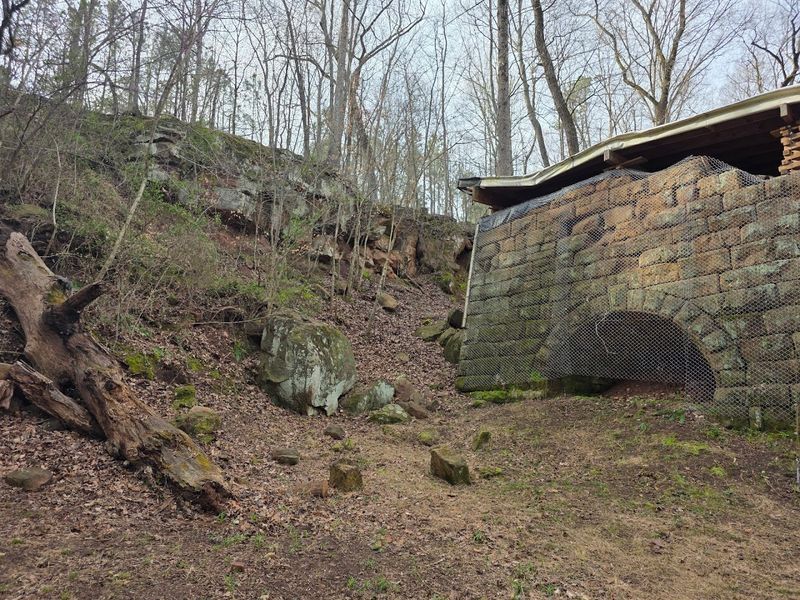
I always think a site like this gets more interesting when you stop asking only what it looks like and start asking how it actually worked. That shift makes the Endor Iron Furnace feel less like a backdrop and more like a machine with a body.
You start noticing height, openings, and layout in a different way once your brain goes there.
This would have been a place of heat, raw materials, and steady labor, not a quiet woodland stop where people whisper and take photos. Iron production depended on a whole chain of effort, and the furnace was only one visible piece of that larger world.
Even standing there now, you can sense that it belonged to a busy process rather than a single dramatic moment.
I like imagining the rhythm of it, because that makes the ruin more human. Someone had to feed it, monitor it, haul from it, and keep the work moving through long days.
The silence you hear now feels more powerful when you remember that the place was once defined by action.
That is probably why I stayed longer than I planned. The structure keeps nudging your imagination toward motion, and the woods keep answering with stillness, which is a surprisingly moving combination once you let yourself settle into it.
The Mood Is The Whole Point
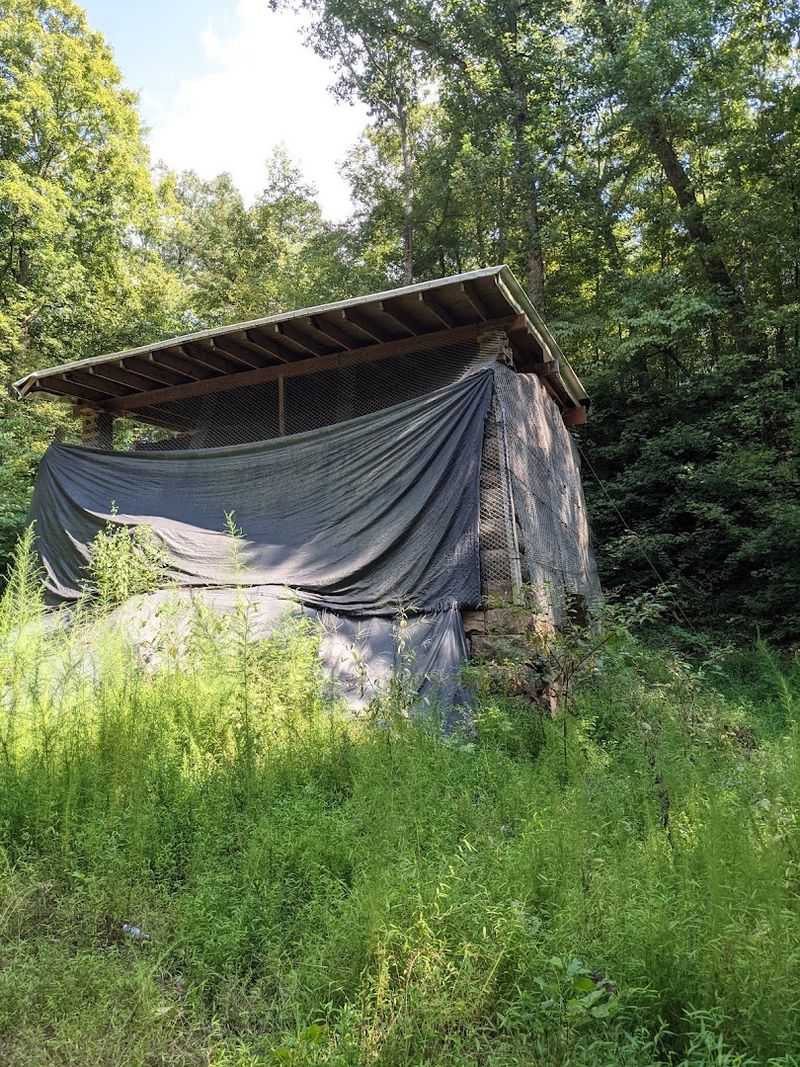
Some places are all about information, and some places are all about mood, and this one leans hard into mood without losing its history. From the minute you step into the trees, the atmosphere starts doing real work on you.
It is calm, a little eerie, and strangely comforting at the same time.
I do not mean eerie in a cheap, spooky way either. It is more that the furnace feels so clearly from another world that your brain has to adjust around it.
You are standing in present day North Carolina, but the ruin keeps pulling your attention backward into a much rougher and more physical version of the same land.
That emotional shift is why I think the site lands so strongly with people who visit. You are not being entertained by it, and you are not being rushed toward some obvious takeaway.
You are just there with stone, trees, shade, and a structure that has outlasted the working life it was built for.
Honestly, I would not want the place to feel more polished than it does. The slight roughness is part of the conversation it has with you.
It lets mystery stay in the room, and that is exactly what gives the visit its staying power.
A Different Side Of Sanford
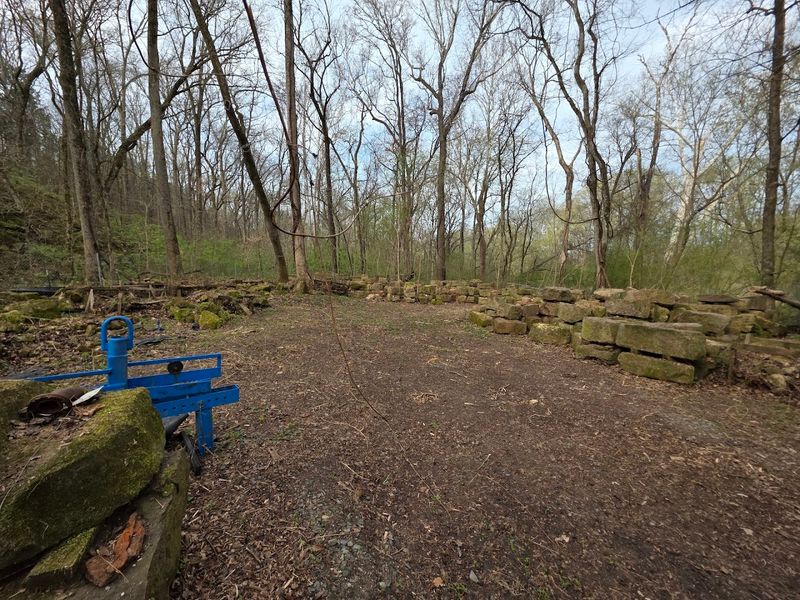
If you know Sanford mostly through the usual day to day picture of roads, neighborhoods, and errands, this site feels like a complete change in tone. It shows you a side of the area that is older, quieter, and far more layered than you might expect at first glance.
I really like places that do that, because they make the region feel bigger than your first impression of it.
The Endor Iron Furnace also reminds you that central North Carolina has deep industrial roots that do not always get talked about in a vivid way. Standing there makes those roots feel tangible, because the history is not trapped in a museum case or flattened into a sentence.
It is sitting in front of you in stone, surrounded by woods, still carrying its own weight.
That matters, especially if you enjoy seeing how present day communities connect to older landscapes and industries. The ruin gives Sanford a wider frame, and it gives the surrounding countryside more historical texture.
You leave understanding the area a little differently, which is always my favorite outcome from a short detour.
I would even say this place makes you look at nearby roads and tree lines with new eyes afterward. Once you have seen the furnace, the land stops feeling ordinary.
It starts feeling like somewhere with buried memory just beneath the surface.
What To Notice When You Get There
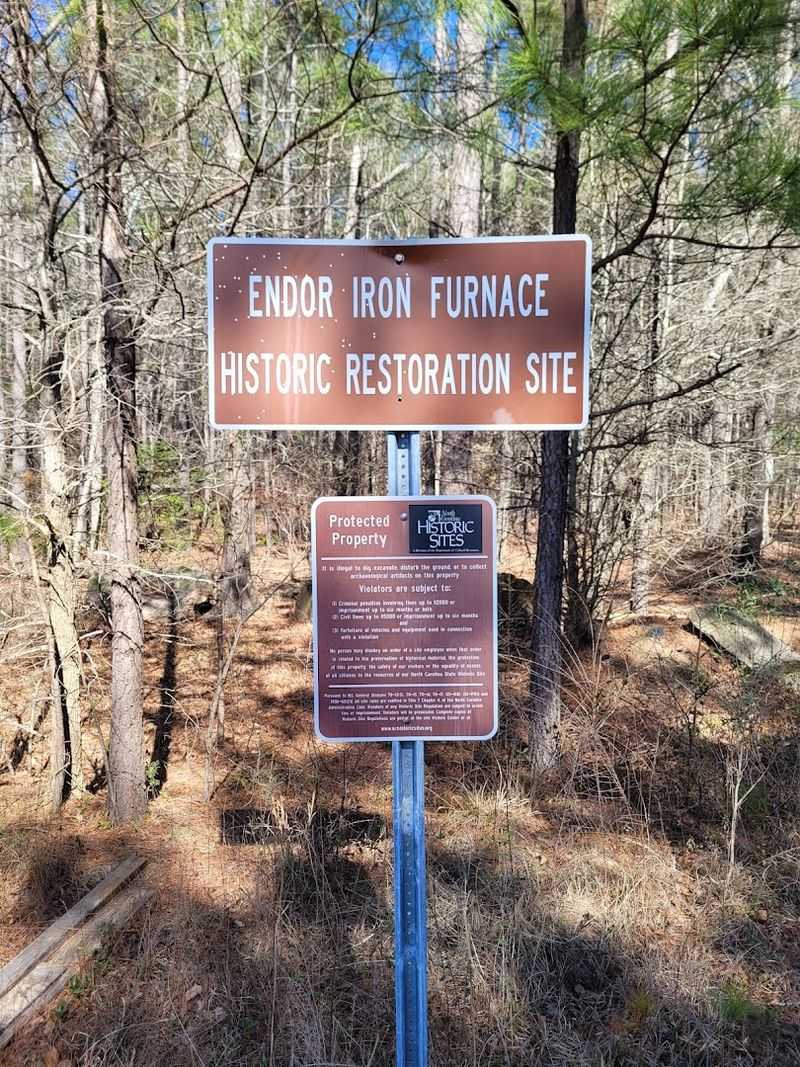
If you make the trip, I would tell you to slow yourself down on purpose, because this is not a place that works best at a glance. Start by looking at the full silhouette of the furnace against the trees, and then move closer to the individual stones and openings.
The scale reads one way from a distance and a completely different way when you are right beside it.
Pay attention to how the ground sits around the ruin too, because the setting tells part of the story. The clearing, the woods pressing in, and the way the structure anchors the space all matter as much as any single historical fact.
You are reading a landscape here, not just checking off a landmark.
I would also listen for a minute before doing anything else. That sounds a little dramatic, I know, but the soundscape changes how the place lands on you.
Quiet leaves, birds, and shifting air make the furnace feel more solitary, and that solitude is part of what gives it force.
Most of all, let yourself be curious without rushing to turn everything into a quick takeaway. The Endor Iron Furnace is better when you leave a little room for questions.
Why does this stone hit so hard in the middle of the woods, and why does it stay with you afterward?
