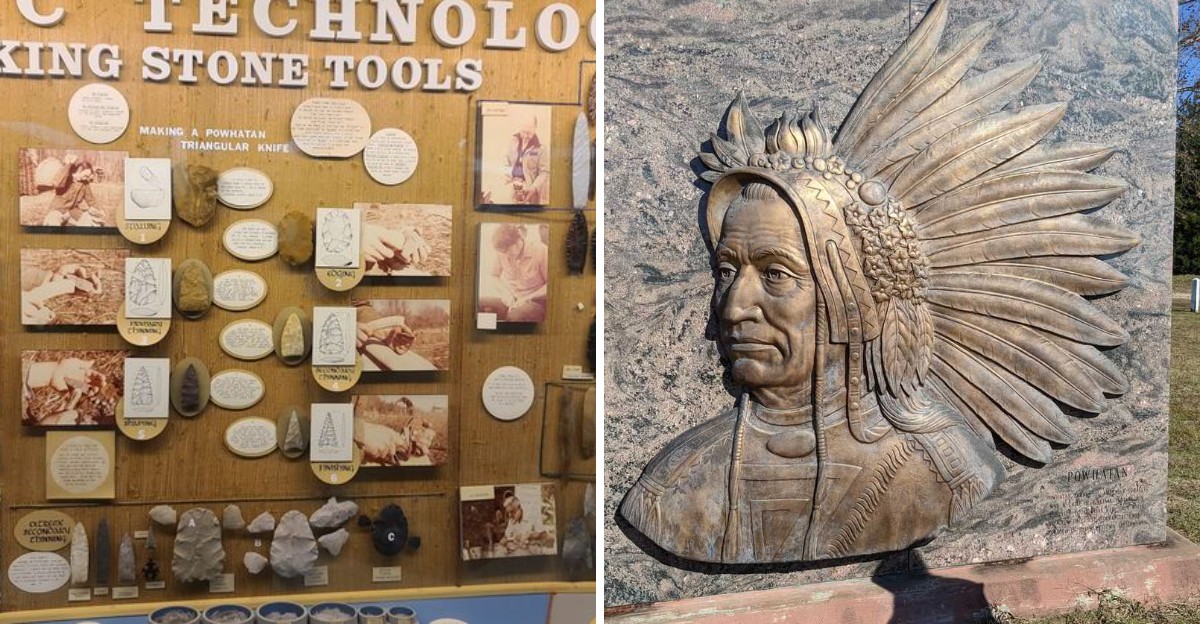
The history books often tell one side of the story. But this Native American museum in Virginia holds the stories that most history books completely skip, a place where the past is preserved and shared from a perspective that is often overlooked.
I visited on a quiet afternoon and spent hours walking through the exhibits, learning about the Pamunkey people and their deep connection to the land. The museum is small but powerful, with artifacts, photographs, and oral histories that bring the past to life.
The staff is knowledgeable and passionate, eager to share the stories that have been passed down through generations. Virginia has plenty of museums, but this one is a necessary stop for anyone who wants to understand the full history of the state.
A River Community That Never Left
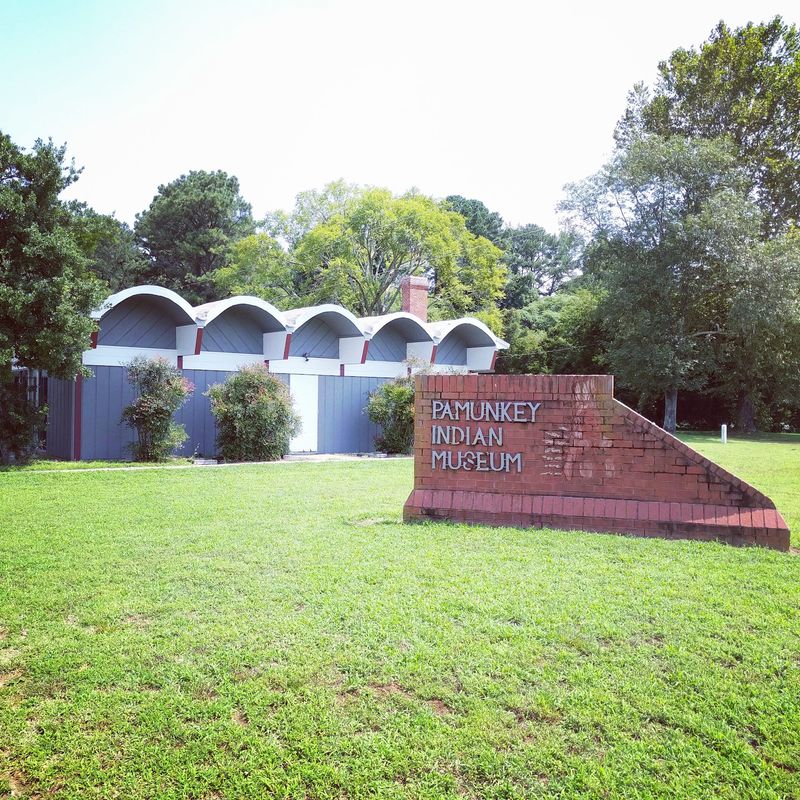
Most places brag about being old. The Pamunkey people simply are, and have the homeland to prove it.
The tribe’s land sits on a peninsula wrapped by the Pamunkey River in King William County, Virginia, one of the oldest reservations still held by its original people in the entire country. That is not a marketing line.
That is deed, treaty, and centuries of stubborn persistence.
Driving in, the road narrows, the fields open up, and cell service starts waving goodbye. Marsh grass leans in the breeze.
Herons lift off the shallows like they own the place, which frankly they might.
What struck me first was the quiet. No ticket kiosks, no crowds shuffling in lines, no gift-shop sprawl the size of an airport terminal.
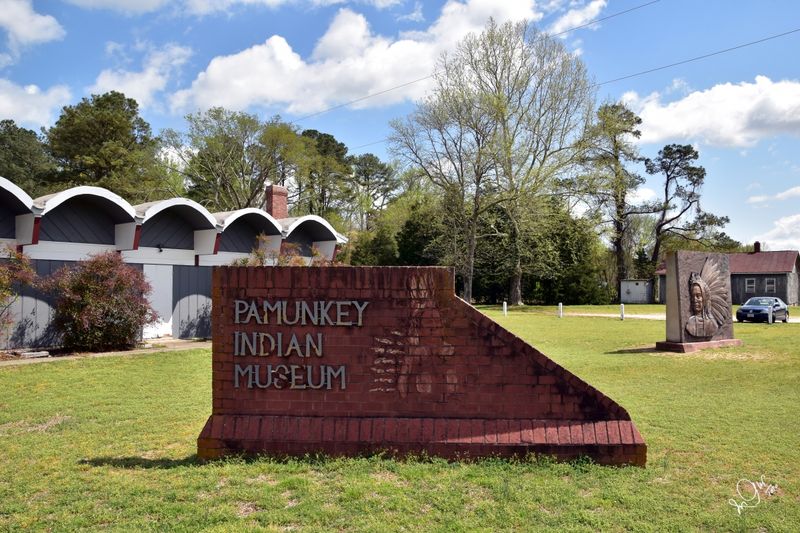
The Pamunkey Indian Museum and Cultural Center sits in this landscape rather than on top of it. The setting does half the storytelling before you reach the door.
Bring a picnic. The lawn outside invites lingering, and honestly, rushing here feels rude.
Give yourself the drive. Watching the countryside unspool is part of the experience, not the boring bit before it.
Clay With A Memory Longer Than The Country
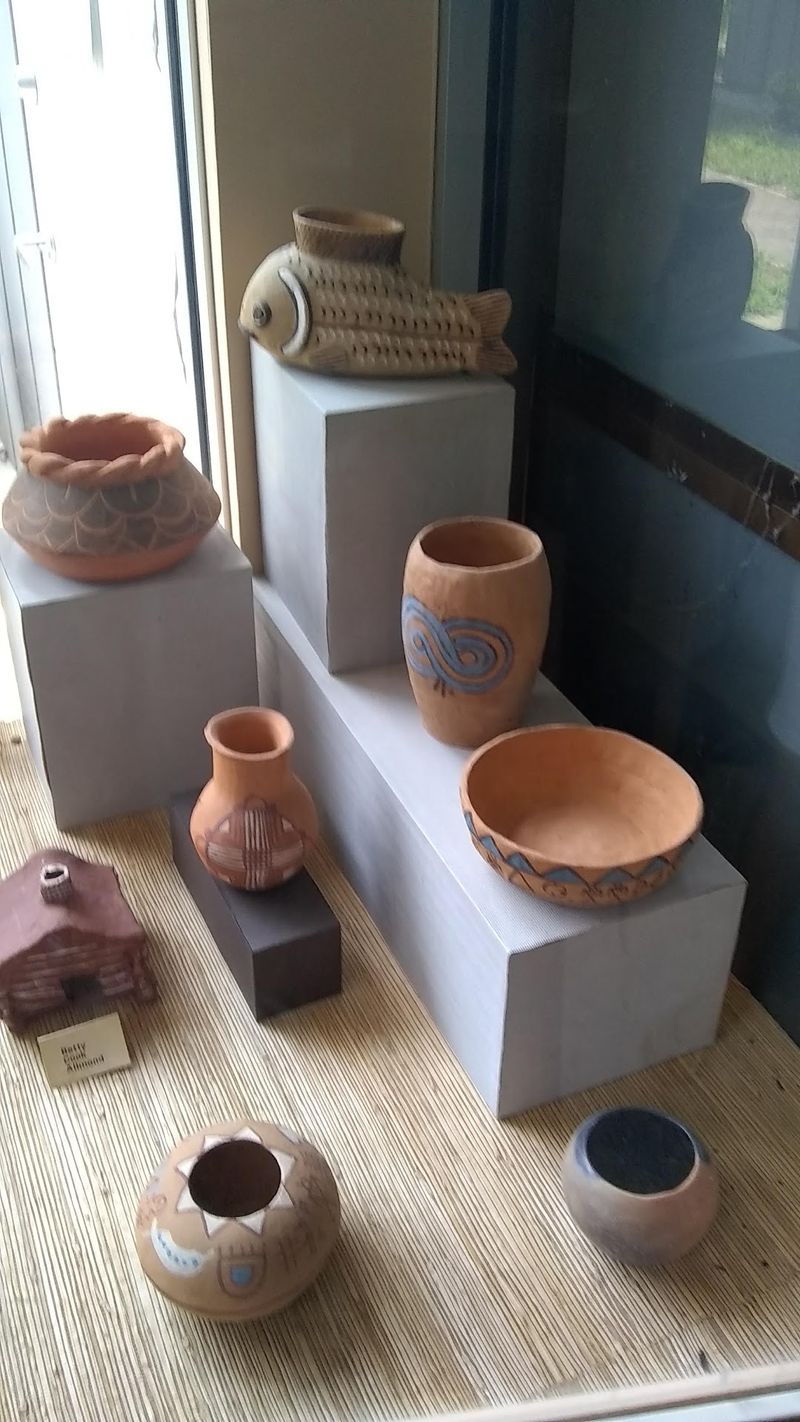
Pottery is the headliner here, and it earns top billing.
Pamunkey potters have worked river clay for generations, coiling and shaping vessels the way their ancestors did long before ships appeared on the horizon. The tradition never vanished.
It bent, adapted, and kept going.
Inside the museum, you can trace that lineage across cases. Ancient sherds sit near later pieces, and the family resemblance across centuries is unmistakable.
I found myself leaning close to study surface marks. Cord impressions, incised lines, the faint fingerprint logic of hands pressing clay into shape.
What makes it hit differently is knowing this is not a closed chapter. Pamunkey pottery is still made today, still sold, still taught.
The gift shop carries work by tribal artists, and buying a piece there sends money directly into the community that made it. That is about as meaningful as a souvenir gets.
Skip the airport keychain. Take home something shaped by hands connected to this river.
Ask questions while you browse. The knowledge behind each piece turns a pretty object into something you will actually remember explaining to friends back home.
Tools That Prove Genius Predates Machinery
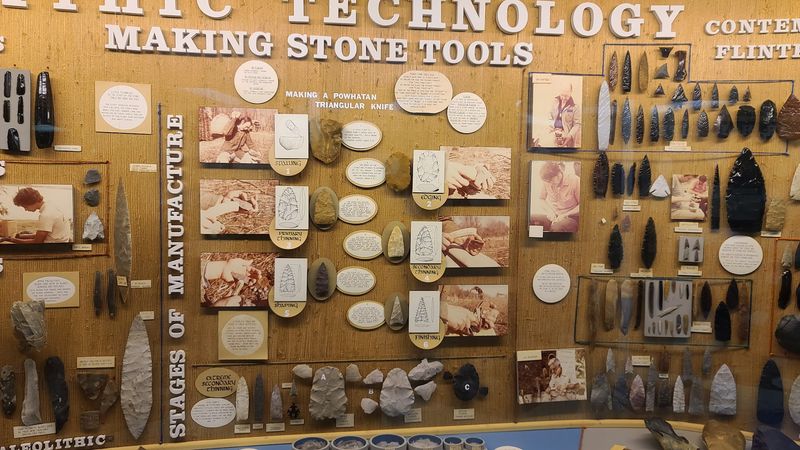
Forget the idea that technology arrived on a boat.
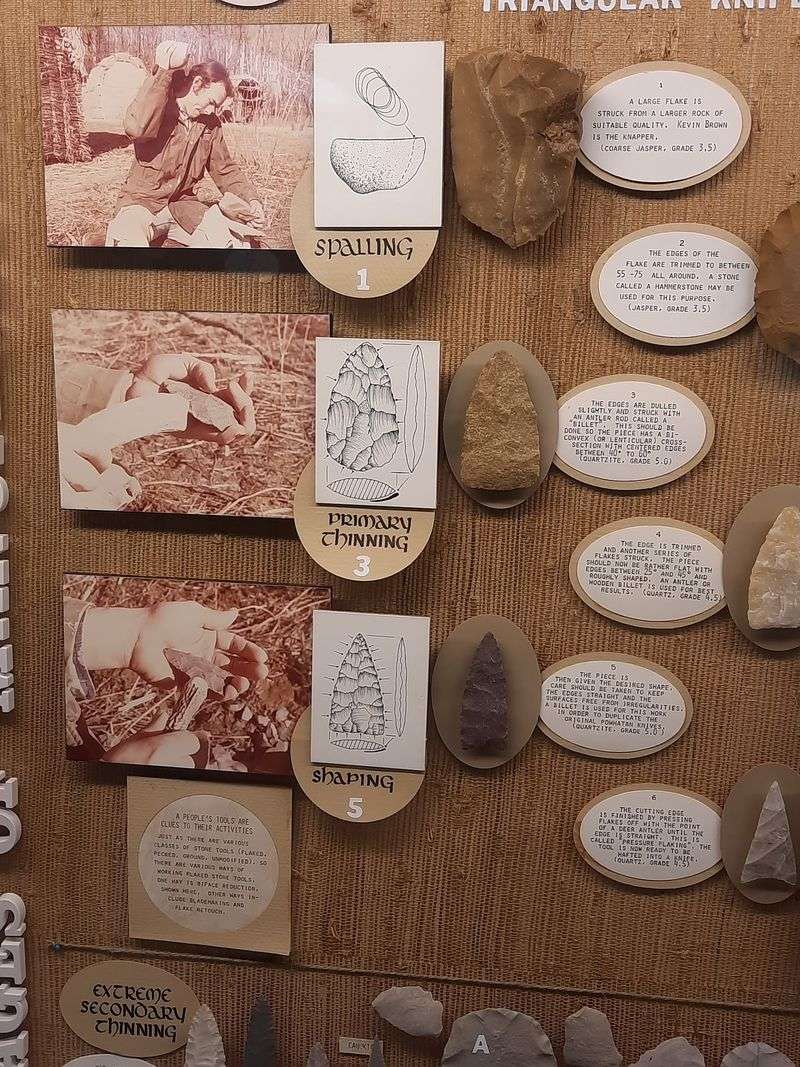
The displays walk you through how raw materials became working tools, and the progression is laid out so clearly that even a restless kid gets it. Stone becomes a blade.
Bone becomes a needle. Antler becomes a pressure flaker.
Watching that sequence rewires your brain a little. Every object represents somebody solving a problem with patience and precision, using nothing but knowledge passed hand to hand.
The stone working section grabbed me hardest. Flint knapping is brutal, exacting work, and the finished points look almost too clean to be handmade.
Some exhibits show experimental recreations, essentially science projects testing how ancient methods actually performed. Turns out they performed beautifully.
There is a lesson buried in there about respect. Calling people primitive says more about the speaker than the maker.
Take your time reading the labels. Speed-walking through this room wastes the best part.
If you have children around eight and up, this is where their attention locks in. Sharp things and clever engineering have universal appeal, and the Pamunkey Indian Museum and Cultural Center presents both without dumbing anything down.
The Powhatan Connection School Never Explained Properly
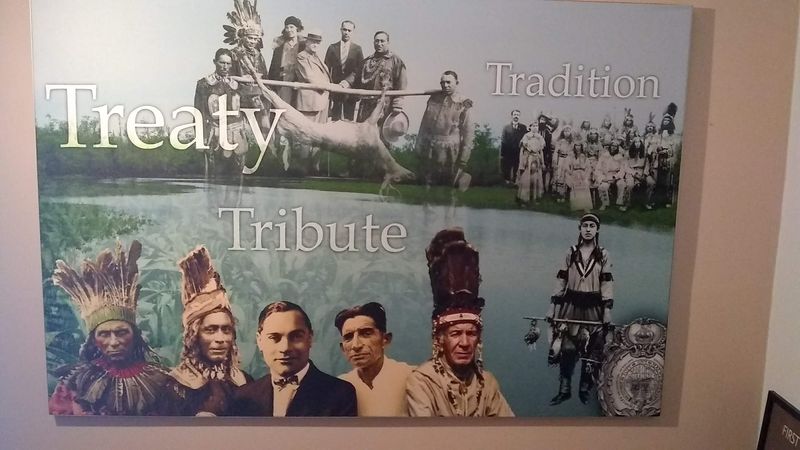
Everybody has heard the cartoon version. Almost nobody knows the real one.
The Pamunkey were a core tribe of the Powhatan paramount chiefdom, a network of communities across coastal Virginia that operated with sophisticated diplomacy, agriculture, trade, and leadership. Pocahontas belonged to that world.
So did Chief Powhatan himself.
Standing among these exhibits, the story shifts from folklore to politics. Alliances, negotiations, betrayals, treaties.
Real stakes, real consequences.
Illustrations and firsthand accounts from the sixteen hundreds appear throughout, offering a glimpse of how outsiders recorded what they saw, filtered through their own assumptions.
I appreciated that the museum does not soften the hard parts. Land loss, disease, and pressure to disappear are all here, plainly told.
Yet the throughline is survival, not tragedy. The tribe endured, kept its reservation, and gained federal recognition in recent years after a long fight.
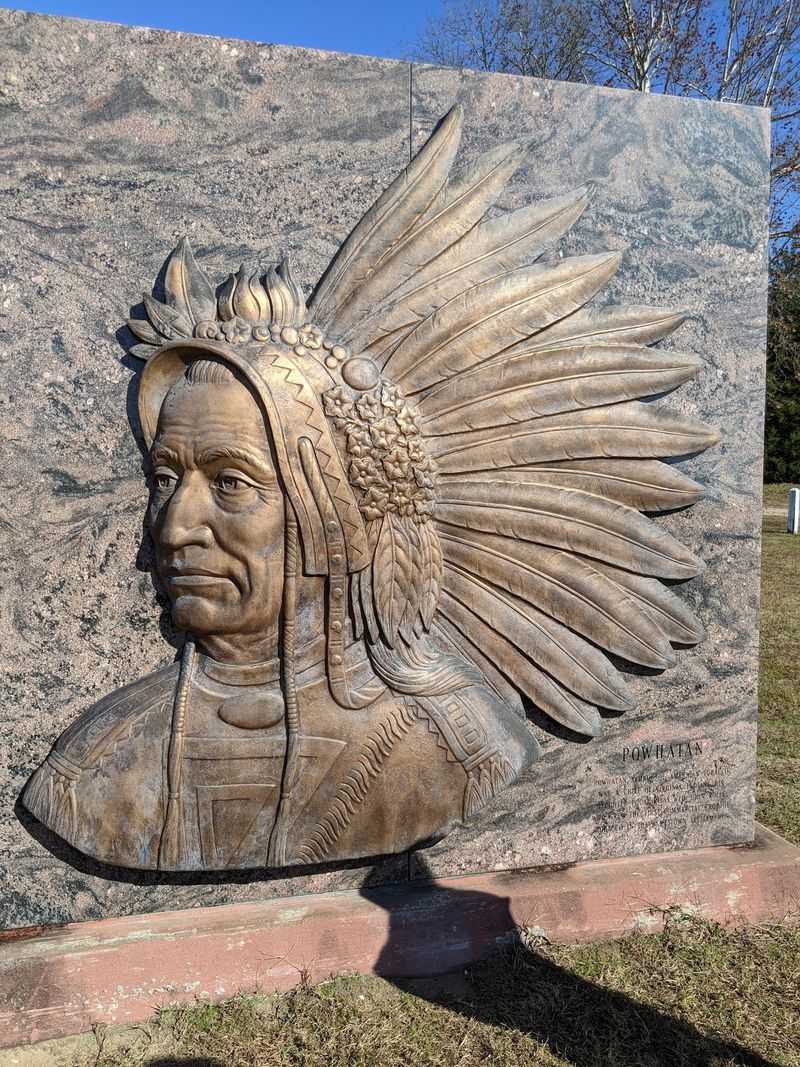
A memorial to Powhatan stands on the grounds, worth walking to before you leave.
Reading these panels felt like getting the missing chapters of a textbook I thought I had finished. Virginia’s story starts far earlier than most classrooms admit.
Small Building, Absurdly Deep Collection
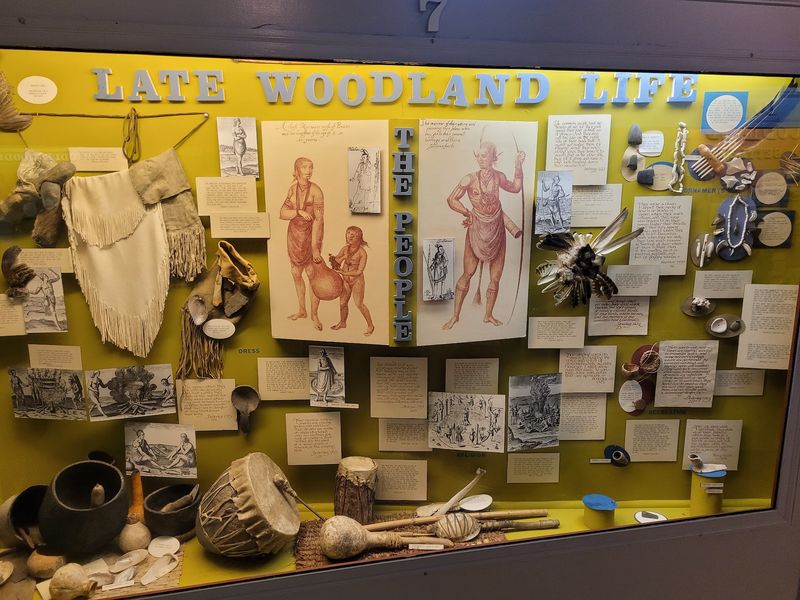
Do not let the footprint fool you.
From the outside, the building reads modest. Inside, the density of information borders on unfair.
Thousands of years compressed into a handful of rooms.
Two visitor types exist here. Browsers can loop the space in half an hour.
Readers can lose an entire afternoon and still feel shortchanged.
I fell into the second camp immediately. Every case pulled me sideways into another detail I had not considered.
Lighting stays gentle, warm enough to see clearly without that glaring museum-fluorescent headache. The hush helps too.
You can actually think in here.
Exhibits run from the Paleo period straight through to modern tribal life, which is a staggering timespan for a place this size.
My advice is to slow down deliberately. Pick a case, read everything, then move on.
Better yet, plan a second visit. The conversation on the drive home will reveal how much your travel companion caught that you missed entirely.
Free parking sits right outside, easy and uncomplicated, which is a small mercy after the winding roads that brought you.
Conversations Worth More Than Any Audio Guide
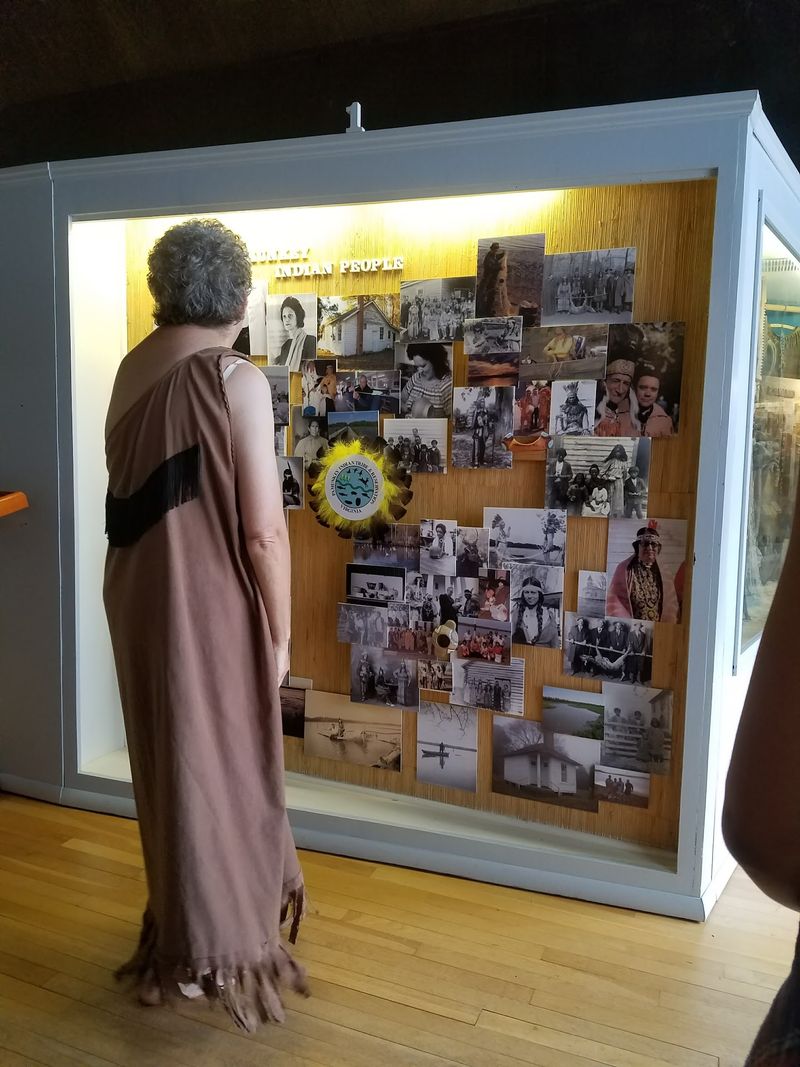
Here is the real secret weapon of the place.
The people staffing the front desk carry knowledge that no placard can hold. Ask one question and you will get context, nuance, and often a story that reframes the whole exhibit you just walked past.
Skip that conversation and you get maybe sixty percent of the value. Engage, and the visit transforms.
I asked about pottery technique and ended up learning about clay sources, firing methods, and how skills move between generations. None of that was printed anywhere.
Tours accommodate mixed groups nicely, adjusting for young kids without boring the adults tagging along.
Being an actual tribal cultural center rather than a museum about someone else changes everything. The voice telling the story belongs to the community living it.
Bring curiosity and leave assumptions in the car. Respect opens doors here.
Calling ahead is smart, since hours can shift and you do not want to drive all that way for a locked door.
Honestly, the exchange of questions and answers is the reason the Pamunkey Indian Museum and Cultural Center sticks with you long after.
Beadwork And Craft That Refused To Fade
Tiny beads, enormous meaning.
Beadwork sits alongside baskets, woven goods, and everyday utensils, and the craftsmanship is quietly show-stopping. Patterns carry identity.
Colors carry intention.
Nothing here feels decorative for decoration’s sake. Function and beauty share the same object, which is a design philosophy plenty of modern brands still chase.
Preservation is the point. These traditions survived generations of pressure to abandon them, which makes each piece a small act of defiance.
Some displays show the raw material beside the finished product, a before and after that makes the skill obvious.
Looking at a finished basket after seeing the plant fibers it came from produces a genuine moment of respect.
The gift shop extends this thread, stocking jewelry and crafts made by tribal artisans at prices that will not wreck your weekend budget.
Bring a little extra cash. I did not the first time and regretted it before I hit the county line.
Sharing photographs is not always appropriate with cultural material, so check what is permitted rather than guessing. A quick question saves an awkward moment.
The Old Schoolhouse Standing Next Door
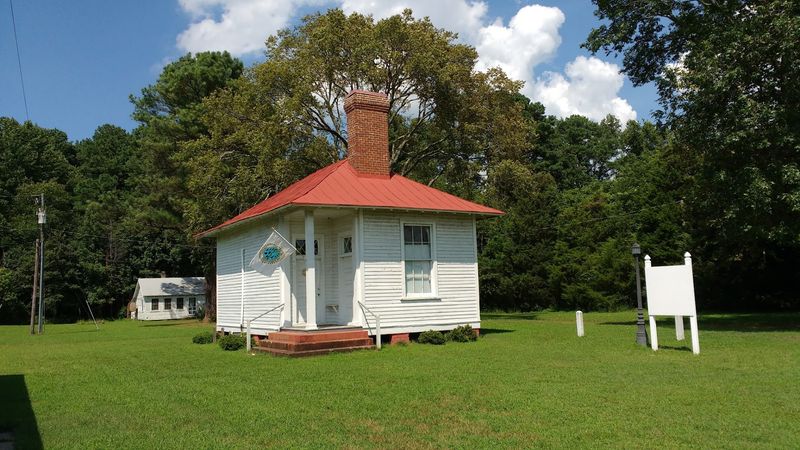
Step outside and the history keeps going.
An original schoolhouse sits beside the museum, and you can walk around it freely. Plain wooden walls, simple lines, nothing fancy.
Buildings like this once served tribal children when public education elsewhere in Virginia excluded them. That context lands hard when you are standing right there.
I circled it slowly, thinking about how much determination it takes to build your own institution when the wider system shuts the door.
Photographs come out beautifully here, especially in late afternoon when the light goes gold across the fields.
The structure has a stillness to it. No crowds, no ropes, no narration piped through speakers.
Combining the schoolhouse with the memorial to Powhatan makes a natural outdoor loop after your time indoors.
Wear shoes you do not mind getting a little dusty. This is rural country, not a paved plaza.
Pausing outside also lets everything you just learned settle. I sat on the grass for a while and let the place do its work without a single screen in my hand.
A Drive That Doubles As Scenery Therapy
Some reviews grumble that it is far. I would argue that is a feature.
The route out from Richmond’s West End takes roughly an hour, threading through farmland, forest, and small crossroads towns that have not been polished for tourism.
Windows down, radio low, that kind of drive. Fields roll past, old barns lean into the weather, and the horizon stretches out generously.
Remoteness has kept this corner of Virginia genuinely itself. No outlet malls, no chain sprawl, no traffic snarl.
Signal drops in patches, so download directions before you go. GPS occasionally gets creative out here.
Pairing the trip with kayaking on the river makes an excellent full day, since the water sits right there waiting.
Autumn is spectacular for the drive, with color running along the tree lines and cooler air making the outdoor walking pleasant.
Spring works too, all green and loud with birds.
Reaching a place that requires effort makes arriving feel earned. Nobody stumbles onto the Pamunkey Indian Museum and Cultural Center by accident, and that keeps it wonderfully uncrowded.
Planning Your Visit Without Any Guesswork
Practical details, delivered fast.
You will find the Pamunkey Indian Museum and Cultural Center at 175 Lay Landing Rd, King William, VA 23086. Parking is free and simple, right beside the building.
Phoning ahead at 804-843-4792 is genuinely worth doing, because hours can vary and the drive is too pretty to waste on a closed door.
Admission stays refreshingly affordable, which makes bringing a family easy rather than a financial event.
Ages eight and up get the most out of the exhibits, though younger kids do fine when a guide is walking them through.
Allow two hours if you read carefully. Allow more if you like asking questions, and you should.
Pack a picnic and use the lawn afterward. It is one of the nicest low-key lunch spots in this part of Virginia.
Carry cash or a card for the shop, because the tribal pottery and jewelry are tempting and directly support the artists.
Come respectful, come curious, and come ready to have your understanding of Virginia rearranged. Then go argue with your friends about why nobody told you sooner.
