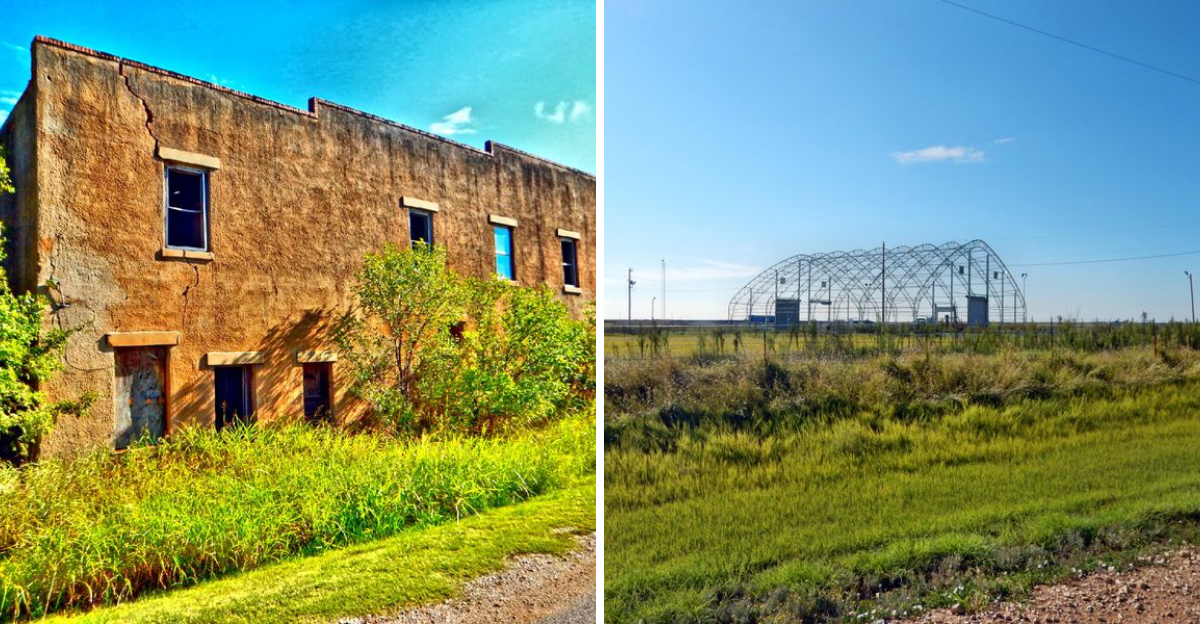
Some places vanish overnight, leaving only whispers and weathered storefronts behind. Avard sits quietly in Woods County, a settlement so small that its 11 residents could fit around a single dinner table.
What began as a promising railroad town in the early 1900s slowly faded as highways bypassed it and opportunities dried up like the prairie grass in August. Walking through Avard feels like stepping onto a movie set after filming wrapped, where props remain but the actors have long since departed.
The town’s stillness isn’t just about low population numbers. Buildings stand with peeling paint and sagging rooflines, frozen in decades past.
It presses in, broken only by wind and the sound of your own footsteps. You can tell this place once believed in tomorrow, and you can also tell tomorrow never quite showed up. Avard has not vanished, and that is what makes it linger in your mind.
It exists in that uneasy space between memory and disappearance, a reminder of how quickly progress can move on and how stubborn some places are about staying put anyway.
Population Eleven and Holding On
Avard owes its very existence to the railroad boom that swept across Oklahoma in the early twentieth century. The tracks promised connection, commerce, and a future filled with possibility.
Settlers arrived with optimism, building homes and businesses around the lifeline of steel rails that seemed destined to bring prosperity forever.
But railroads are fickle masters. As routes changed and automobile travel became dominant, smaller stops like Avard lost their strategic importance.
The trains that once brought goods and travelers began passing through less frequently, then barely at all. Without that economic engine, the town’s reason for being simply evaporated.
Today, remnants of that railroad heritage still mark the landscape. Though trains may occasionally rumble past, they no longer stop to breathe life into the community.
The tracks serve as a reminder of broken promises and shifting priorities. Avard became a casualty of progress, left behind as America’s transportation networks evolved.
The very thing that created the town ultimately contributed to its abandonment, leaving a skeleton of what once thrived along those iron rails.
According to the 2020 census, exactly eleven people call Avard home. That number feels almost impossible to comprehend in a world of sprawling cities and suburban developments.
These residents represent the stubborn heart of a community that refuses to completely surrender to time and economics.
Who chooses to stay in a place that most would consider abandoned? The answer reveals something profound about human attachment to land and history.
These remaining souls likely have deep roots here, connections that transcend convenience or opportunity. Perhaps they grew up in Avard, or their families have occupied the same properties for generations.
Living in such isolation requires resilience and self-sufficiency. Basic services that others take for granted become challenging when your entire town could carpool in two vehicles.
Yet these eleven individuals maintain their presence, becoming the living memory of a once-vibrant community. Their persistence transforms Avard from a true ghost town into something more poignant: a settlement hovering between existence and erasure.
Each resident becomes a guardian of history, keeping the name Avard alive on Oklahoma maps despite overwhelming odds against survival.
The Great Depression Delivered the Final Blow
Avard showed early promise after its founding, growing steadily as families arrived seeking opportunity in Oklahoma’s agricultural heartland. The community built the infrastructure of small-town life: stores, churches, schools, and gathering places.
Children played in streets that bustled with activity, and residents imagined a prosperous future stretching ahead.
Then the 1930s arrived with devastating force. The Great Depression crushed rural economies nationwide, and Avard proved especially vulnerable.
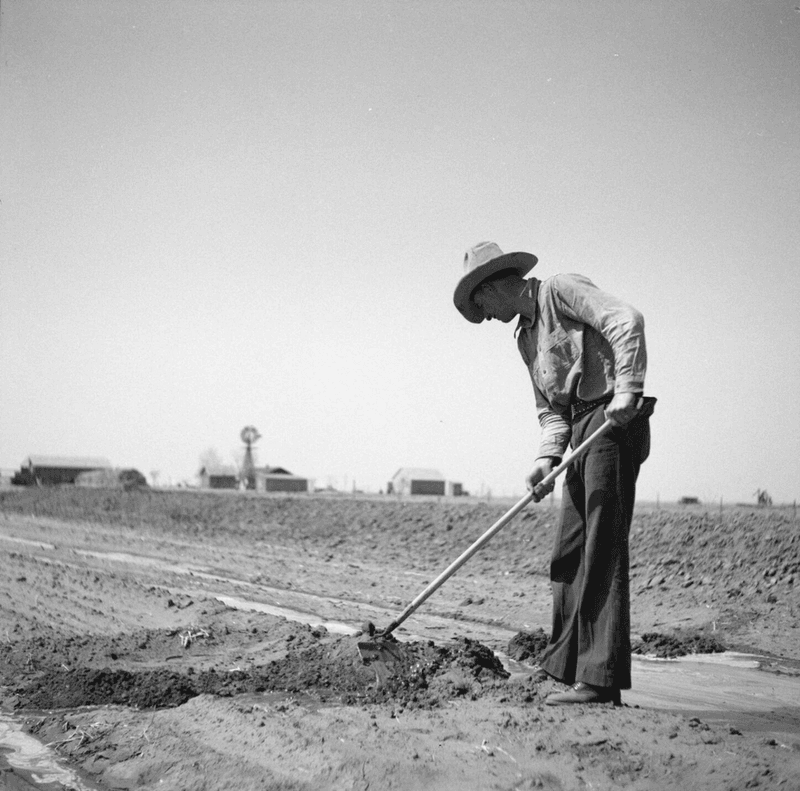
Agricultural prices collapsed, making it impossible for farmers to sustain themselves. The Dust Bowl compounded the misery, turning fertile soil into choking clouds that blotted out the sun.
Families who had invested everything in Avard found themselves with impossible choices: stay and starve, or leave and start over elsewhere. Most chose survival over sentiment.
The population hemorrhaged throughout that brutal decade, draining the town of its vitality. Businesses closed permanently, schools emptied, and homes stood vacant.
While some Oklahoma communities eventually recovered from Depression-era losses, Avard never regained its footing. The 1930s fundamentally broke something in the town’s spirit, initiating a decline that continues into present times.
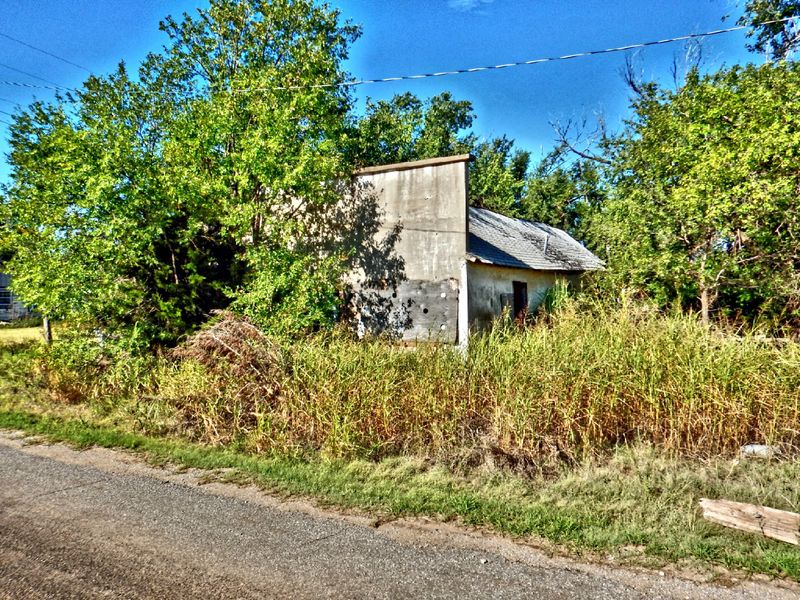
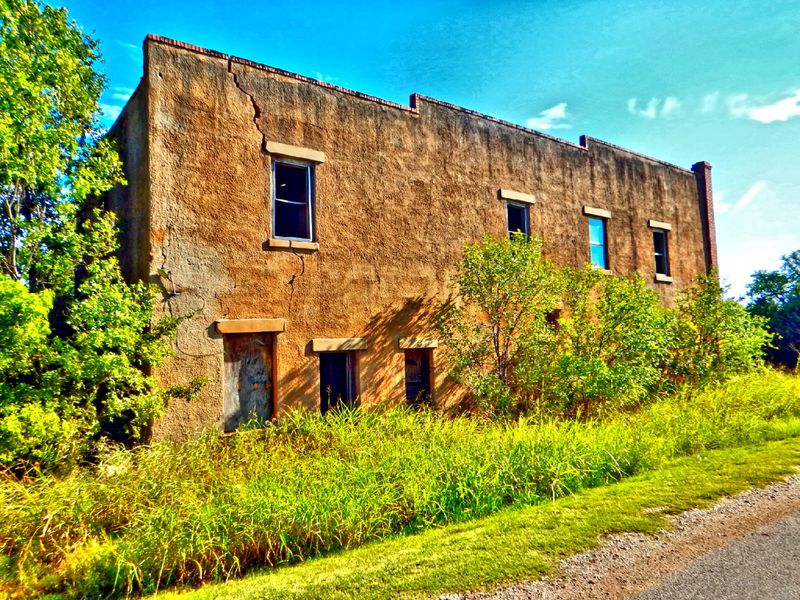
Avard’s remaining structures tell stories without words. Buildings constructed in the optimistic early decades of the twentieth century still stand, though barely.
Paint has long since surrendered to sun and wind, leaving wood gray and splintered. Windows gape empty or hang with shattered glass that catches light in jagged patterns.
What makes these buildings particularly haunting is their incompleteness. Some appear as though residents simply walked away mid-task, planning to return but never doing so.
A storefront might still display faded lettering advertising goods no longer sold. A home might retain curtains visible through broken windows, fluttering like ghosts in the prairie breeze.
Unlike ghost towns that have been completely reclaimed by nature or demolished, Avard exists in architectural limbo. The structures haven’t fully collapsed but certainly aren’t maintained.
This creates an eerie atmosphere of suspension, where past and present overlap uncomfortably. Photographers and urban explorers find Avard irresistible precisely because of this quality.
The buildings serve as three-dimensional history books, documenting both the ambitions of early settlers and the harsh realities that ultimately defeated them.
Southwest of Alva, Northeast of Waynoka
Geography played a significant role in Avard’s fate. The settlement sits in Woods County, positioned southwest of Alva and northeast of Waynoka.
This location might sound strategic, but it actually placed Avard in a precarious middle ground between more successful communities.
Alva, the county seat, naturally attracted government services, schools, and businesses that serve broader populations. Waynoka maintained relevance through different connections and resources.
Avard, caught between these larger neighbors, struggled to establish a unique identity or economic niche that would justify its existence.
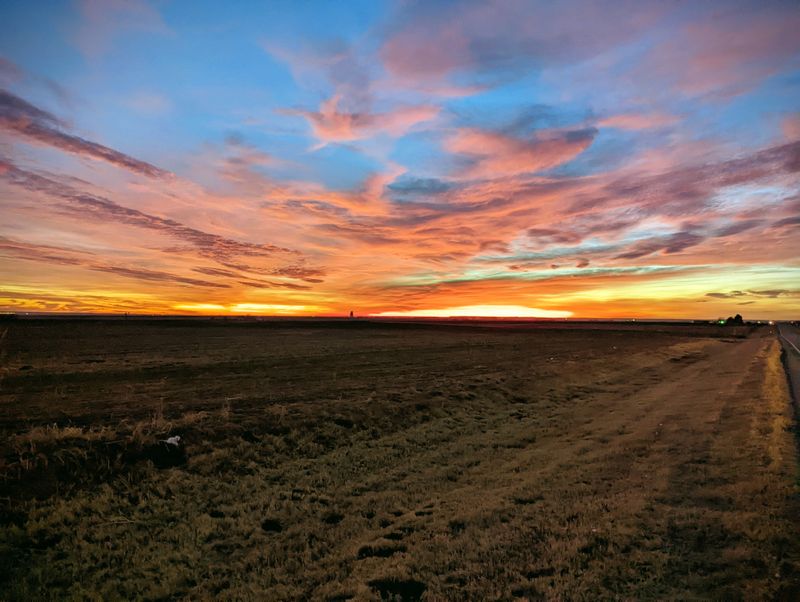
The prairie surrounding Avard stretches endlessly in all directions, beautiful in its starkness but unforgiving to those trying to build communities. This landscape offered limited resources beyond agriculture, which proved insufficient to sustain the town through hard times.
Modern travelers passing through Woods County on Highway 281 or other routes might not even notice Avard unless specifically looking for it. The town’s position off major thoroughfares means even curious visitors rarely stumble upon it accidentally.
This geographic isolation, once mitigated by railroad connections, became another factor contributing to Avard’s abandonment.
Every American town has a Main Street, but Avard’s version challenges that concept. The street exists physically, running through what was once the commercial heart of the community.
But calling it a functioning Main Street feels generous when no shops operate, no customers browse, and no vehicles park along the curb.
Silence dominates here in ways that urban dwellers find difficult to comprehend. No conversation drifts from doorways, no bells chime when doors open, no music plays from radios or speakers.
The wind provides the only soundtrack, whistling through gaps in buildings and stirring dust along the empty pavement.
Standing on Avard’s Main Street triggers strange emotions. The infrastructure of community life remains visible but completely inactive, like a body without a pulse.
Sidewalks lead nowhere useful. Doorways open onto darkness or debris.
The street layout still makes sense logically, but the absence of human activity renders it meaningless. This emptiness feels more unsettling than complete ruins might, because it suggests sudden departure rather than gradual decline.
Main Street in Avard serves as a memorial to abandoned dreams, a physical space that outlived its purpose.
The Silence That Speaks Volumes
Visitors to Avard consistently mention the quality of silence they encounter. This isn’t merely the absence of noise but something more profound.
The silence feels thick, almost tangible, pressing against eardrums accustomed to constant background sound.
Modern life rarely offers true quiet. Even in suburbs, lawn mowers hum, cars pass, and airplanes drone overhead.
Cities never sleep, maintaining constant symphonies of human activity. But Avard offers something increasingly rare: genuine stillness that allows contemplation and reflection.
This silence carries weight because it represents absence. Where children’s laughter once rang out, nothing sounds.
Where merchants called out daily specials, only wind whispers. Where community gatherings created joyful noise, emptiness prevails.
The silence isn’t peaceful exactly; it feels more like a void where vibrant life should exist. Photographers and artists drawn to Avard often comment on how the quiet amplifies their awareness of their own presence.
Every footstep echoes, every breath sounds loud, every movement feels intrusive. This acoustic quality transforms a simple visit into something more meditative, forcing consideration of what was lost when prosperity abandoned this Oklahoma settlement.
Avard’s story extends far beyond one small Oklahoma settlement. Thousands of similar communities across rural America face identical pressures: young people leaving for opportunities elsewhere, agriculture unable to support populations, and infrastructure crumbling without tax bases to maintain it.
The forces that emptied Avard continue operating today in countless small towns. Economic consolidation favors larger population centers where services and jobs concentrate.
Modern agriculture requires fewer workers, eliminating employment that once sustained rural families. Internet connectivity and cultural amenities draw residents toward cities, leaving small settlements increasingly isolated.
Understanding Avard means understanding these broader patterns reshaping the American landscape. The town serves as a cautionary tale about what happens when economic foundations crumble and no alternatives emerge.
Yet Avard also demonstrates remarkable persistence. Those eleven residents choosing to remain represent resistance against inevitable-seeming decline.
Their presence prevents Avard from becoming a true ghost town, maintaining a tenuous connection to continued existence. This nearly abandoned settlement embodies tensions between past and present, between holding on and letting go, that define rural communities throughout Oklahoma and beyond.
Visiting a Place That Time Forgot
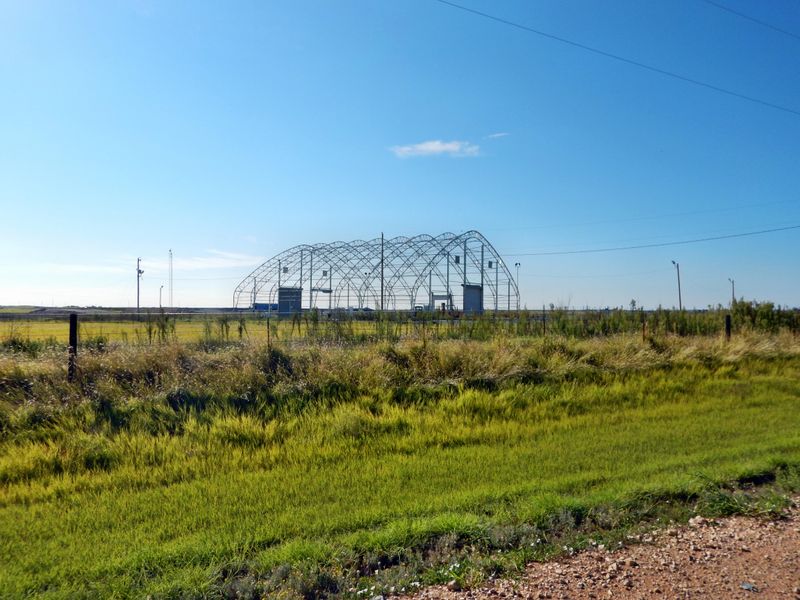
Reaching Avard requires intentionality since the settlement sits well off major tourist routes. Those who make the journey find an experience unlike typical Oklahoma attractions.
No visitor center greets arrivals, no historical markers explain the town’s story, and certainly no gift shops sell souvenirs.
What Avard offers instead is authenticity and atmosphere. Walking through the settlement provides unmediated connection to the past.
The lack of commercial development means the place remains remarkably unchanged from its abandonment. Visitors can photograph buildings, explore public spaces, and absorb the melancholy beauty without crowds or entrance fees.
However, respect remains essential. The eleven residents deserve privacy and courtesy.
Remaining structures, though abandoned-looking, may hold personal significance or legal ownership. Responsible exploration means staying on public areas, avoiding trespassing, and leaving everything undisturbed.
Avard’s fragility demands careful treatment from visitors who appreciate its unique character. The settlement won’t survive forever; time and weather continue their relentless work.
Those who visit now witness something increasingly rare: an authentic slice of Oklahoma history frozen in the moment everyone walked away and never returned.
Dear Reader: This page may contain affiliate links which may earn a commission if you click through and make a purchase. Our independent journalism is not influenced by any advertiser or commercial initiative unless it is clearly marked as sponsored content. As travel products change, please be sure to reconfirm all details and stay up to date with current events to ensure a safe and successful trip.
