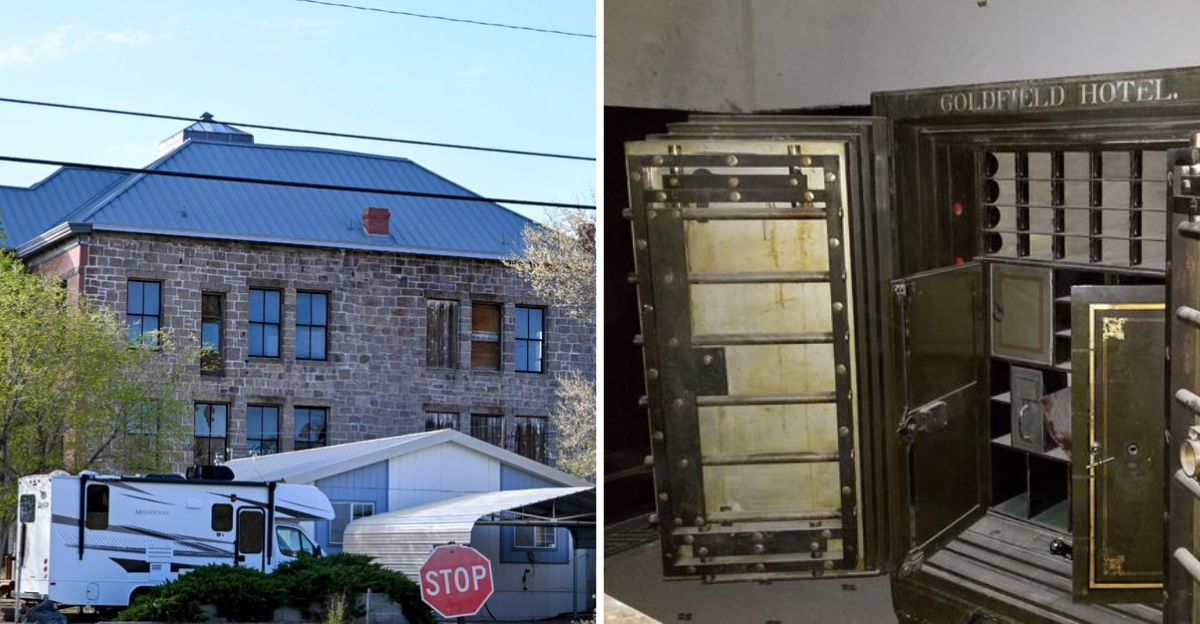
That Nevada hotel stops you cold the moment you see it. Red brick walls rise up against the sky like a monument to a world that no longer exists, proud and crumbling all at once.
I first spotted it from the road and felt an immediate pull, the kind that makes you slow the car down without even thinking. It opened in 1908 at the peak of the Nevada gold rush, back when this town was one of the most populated in the entire state.
Back then, it was considered one of the most luxurious hotels between Chicago and San Francisco, with gold-leaf ceilings, crystal chandeliers, and 154 rooms that hummed with life. I stood in the lobby on a quiet afternoon, imagining the laughter and music that once filled those halls, and felt the weight of everything that had been lost.
Now the rooms are silent, the chandeliers are still, and the building carries a kind of sadness that no amount of time seems to wash away.
A Gold Rush Dream Built in Brick and Grandeur
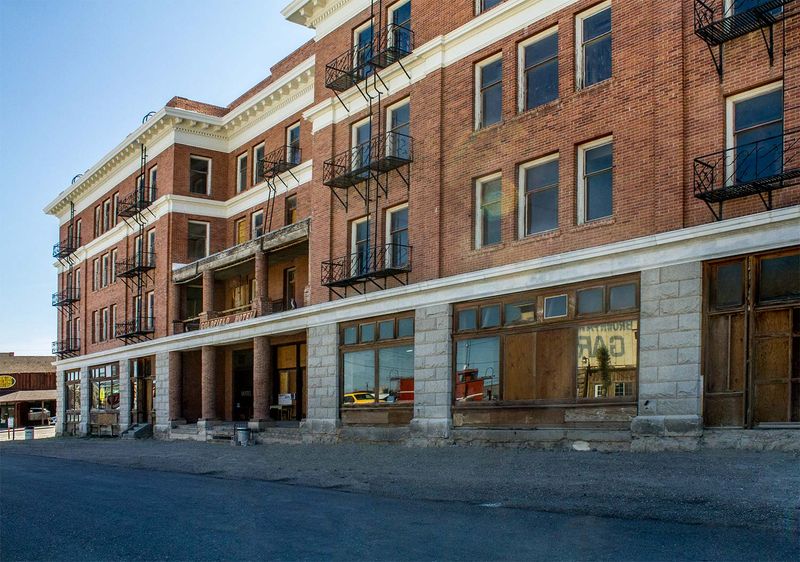
Few buildings in the American West carry their history as visibly as the Goldfield Hotel. You can see it in the brickwork, in the columns flanking the entrance, and in the sheer scale of the structure sitting at the southeast corner of Crook Avenue and Columbia Street in Goldfield, Nevada.
When it opened in 1908, this was not just a hotel. It was a statement.
Goldfield was booming with gold rush money, and the hotel was meant to match that energy completely. Guests were greeted by mahogany paneling, gold-leaf ceilings, and crystal chandeliers that caught the light in ways that made even wealthy travelers stop and stare.
The building had 154 rooms, all equipped with telephones, electric lighting, steam heat, and even an elevator, which was a genuine luxury in that era. It attracted businessmen, politicians, and mining barons from across the country.
For a brief, shining moment, Goldfield felt like the center of the universe. The hotel was its crown jewel, a physical symbol of ambition poured into mortar and brick.
That ambition still radiates from the walls, even now, even empty.
When the Gold Ran Out, So Did the Glory
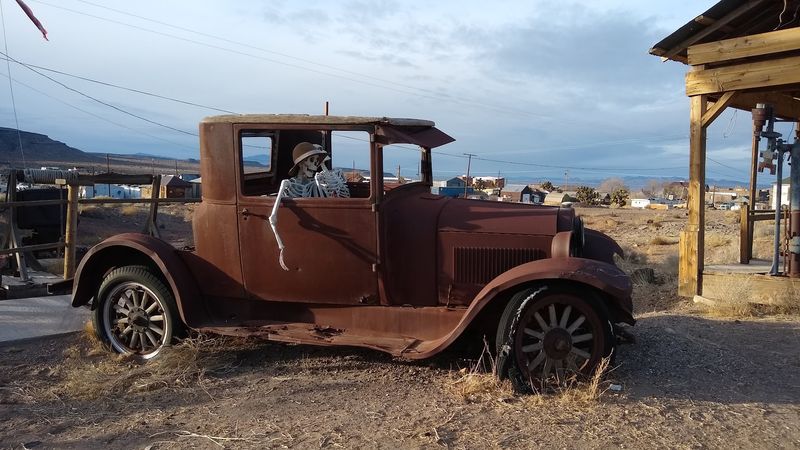
Nothing lasts forever in a mining town. That is one of the quieter, sadder truths about the American West, and Goldfield learned it the hard way.
As the gold deposits beneath the desert floor began to thin out, the people who had flooded into this remote corner of Nevada started drifting away just as fast as they had arrived.
By the 1930s, the Goldfield Hotel had already lost much of its original shine. The grand dining rooms that once served elaborate meals were quieter now.
The lobby that had buzzed with deal-making and laughter felt more like an echo chamber than a gathering place.
During World War II, the building got one last burst of purpose when it housed Army Air Corps personnel from the nearby Tonopah Air Base. Soldiers filled the rooms that had once belonged to mining executives and traveling dignitaries.
When the war ended and the soldiers checked out in 1945, the hotel closed its doors permanently. No fanfare, no final celebration.
Just the click of a lock and the slow settling of dust. That quiet ending feels heavier somehow than a dramatic collapse ever could have.
Decades of Silence and Stalled Second Chances
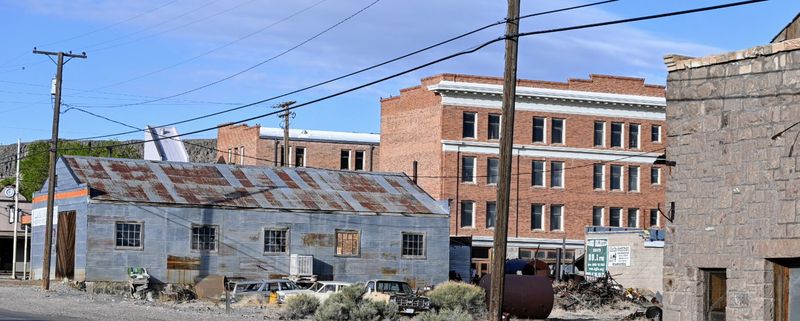
After 1945, the Goldfield Hotel entered a strange kind of limbo. It was too significant to demolish and too expensive to restore.
The building just sat there on the corner, year after year, collecting dust and broken promises.
In 1985, an investor named Lester O’Shea came close to pulling off a real restoration. His team got about 85 percent of the way through before the company went bankrupt and work ground to a halt.
That unfinished effort left the hotel in an odd in-between state, partially renewed but still deeply wounded.
In 2003, a rancher named Edgar “Red” Roberts purchased the hotel at auction for $360,000, hoping to refurbish at least the lower floors and reopen by 2006. That timeline slipped, and the work remained unfinished as of 2010.
Roberts’ son eventually inherited ownership, and renovation work reportedly resumed in 2017. By 2022, the hotel was listed for sale at $4.9 million, still unoccupied.
Every fresh attempt carries a hopeful energy, and yet the building keeps waiting. There is something almost stubborn about it, like it refuses to be saved on anyone else’s schedule but its own.
The Ghost of Elizabeth and Room 109
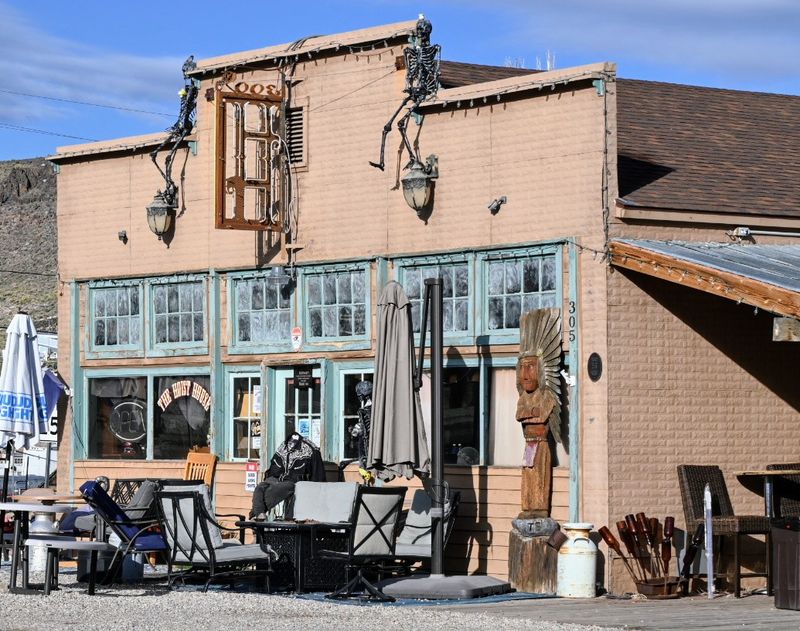
Of all the stories attached to the Goldfield Hotel, none is more haunting than the legend of Elizabeth. She is said to be the most frequently encountered presence in the building, and her story is one that is hard to forget once you have heard it.
According to local legend, Elizabeth was a young woman who became pregnant with the child of George Wingfield, the powerful mining magnate who owned the hotel. Rather than acknowledge the situation, Wingfield allegedly had her chained to a radiator in Room 109.
The story goes that she either passed during childbirth or was ended tragicall, and that her baby was disposed of in a mine shaft beneath the building.
Visitors and paranormal investigators have reported hearing disembodied screams near Room 109, along with the distant sound of a baby crying in the empty halls. Some claim to have seen a figure near the old radiator.
Whether you believe in ghosts or not, the story itself carries a real emotional weight. It speaks to the kind of cruelty that power can produce, and the way grief can soak into the walls of a place and simply refuse to leave.
George Wingfield and the Phantom Cigar Smoke
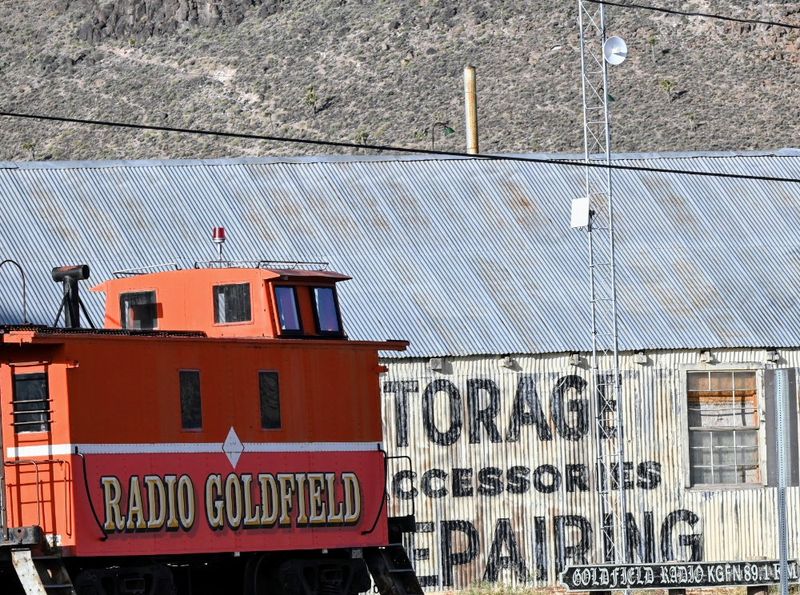
George Wingfield was one of the most powerful men in Nevada during the early twentieth century. He built his fortune in the Goldfield mines and used the hotel as a base of operations, a place where business deals were made and influence was exercised.
His presence shaped the building in ways that still echo today.
According to those who have spent time inside, Wingfield may never have truly left. The most commonly reported sign of his presence is the smell of cigar smoke drifting through his former first-floor room, despite there being no one there and no obvious source.
Fresh cigar ashes have reportedly been found in the room as well, which makes the hairs on the back of your neck stand up a little even if you are a skeptic.
There is something almost fitting about it. Wingfield was a man who controlled everything around him in life.
It would make a certain dark sense that even in afterlife he would linger in the space he once dominated. The first-floor room where he worked feels different from the rest of the building, quieter and somehow more charged.
Most visitors notice it without being told what to look for.
Other Spirits and the Darkness on the Third Floor
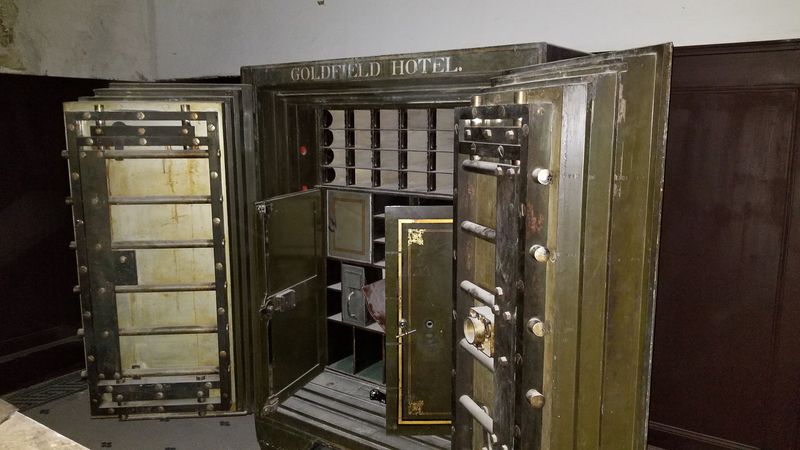
The third floor of the Goldfield Hotel carries a particular heaviness that even casual visitors tend to notice. Two individuals are said to have taken their own lives on this floor during the hotel’s operating years, and their presence is reportedly still felt by those who venture up there.
The energy is described as different from the rest of the building, not just sad but restless. Paranormal investigators who have documented their visits to the hotel have noted unusual activity on this level, including unexplained sounds and sudden drops in temperature.
Whether those reports are accurate is something each visitor has to decide for themselves.
Then there is the former dining room, where a spirit known locally as “The Stabber” is said to reside. This presence is described as aggressive and unwelcoming, unlike the more sorrowful energies found elsewhere in the building.
The contrast between the elegance of what this dining room once was and the darkness now associated with it is genuinely striking. Grand tables once filled this space with conversation and clinking glasses.
Now it sits hollow, carrying a reputation that keeps even the boldest ghost hunters on edge.
A Historic Landmark That Still Draws the Curious
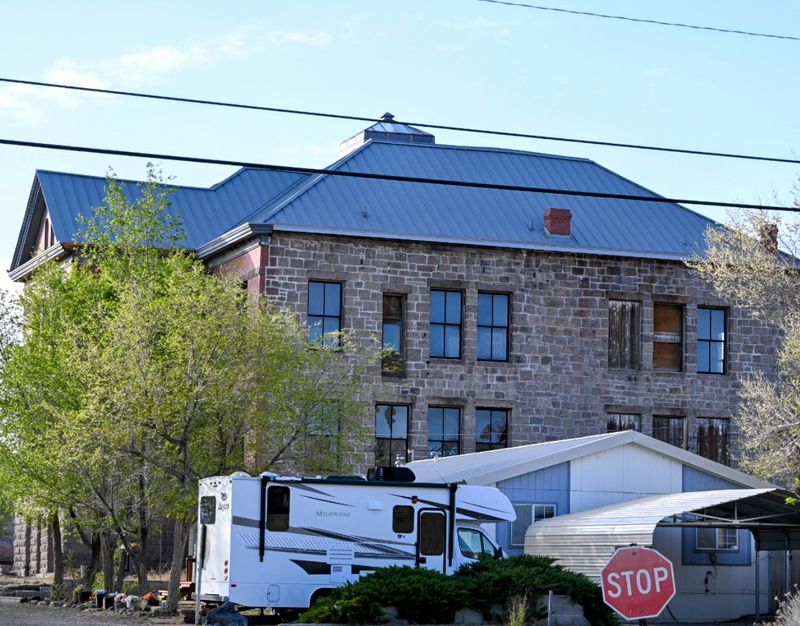
The Goldfield Hotel was added to the Nevada State Register of Historic Places on March 4, 1981. It also became a contributing property to the Goldfield Historic District, which was listed on the National Register of Historic Places on June 14, 1982.
Those designations matter because they help protect the building from being torn down, even during its long years of neglect.
People still make the trip out to Goldfield just to see it. The town itself is small and quiet, with wild burros sometimes wandering the streets in a detail that feels almost dreamlike against the backdrop of the crumbling hotel.
Visitors stop, take photos, and sometimes catch a tour when one is available. The building has even appeared in film, reportedly featured in the movie Vanishing Point, adding a pop culture layer to its already layered identity.
Ghost Adventures, the popular paranormal television show, brought a wave of new attention to the hotel, and many fans still make pilgrimages to the site. The combination of genuine history, architectural beauty, and deeply unsettling legend makes this one of the most compelling stops in all of Nevada.
Some places earn their reputation. The Goldfield Hotel has more than earned its.
Address: 69 Columbia Ave, Goldfield, NV 89013
