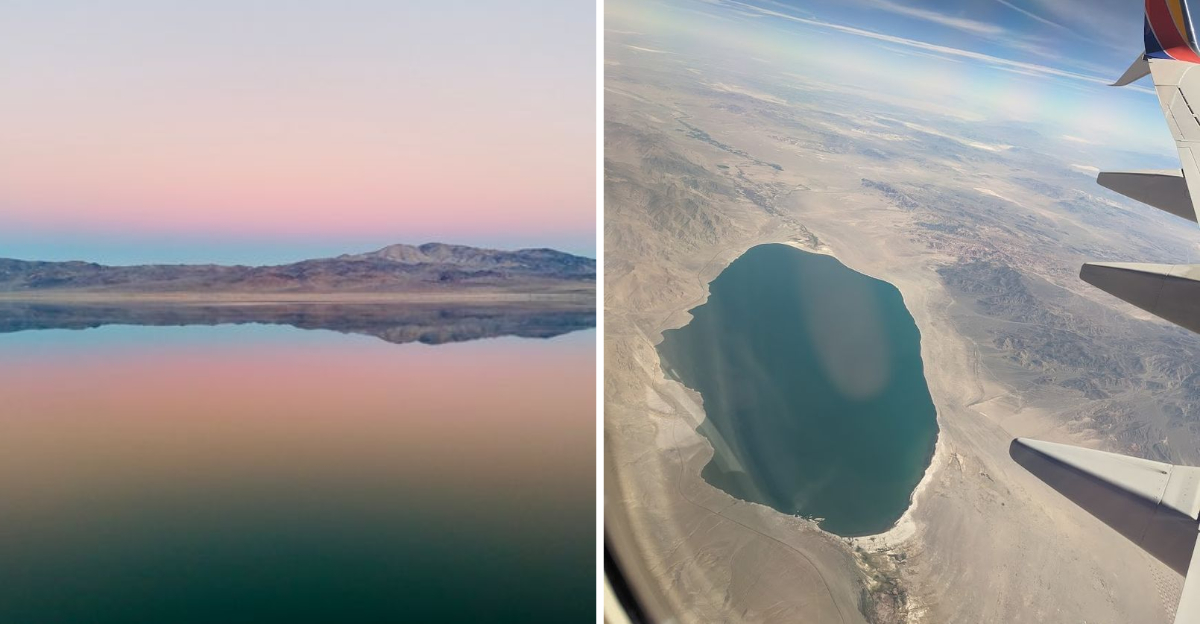
You look at it now and it is hard to believe people once swam here. Boats used to dot the water.
Families spread out blankets on the shore. Kids ran down to the dock without a care.
That was a different time. Today, the lake is a shadow of itself.
Cracked mud stretches for miles where deep water used to sit. An old boat ramp leads to nothing but dust. The story of how it happened is frustrating and simple.
A city needed water. A lake paid the price.
And no amount of rain is going to fix it. Nevada has plenty of desert.
But losing a whole lake still stings.
The Lake That Once Thrived
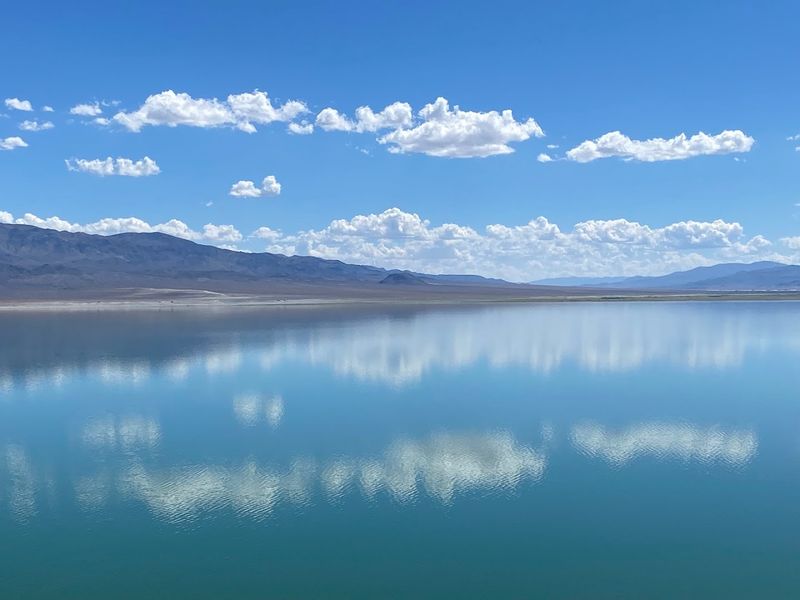
Walker Lake did not always look the way it does today. A century ago, this terminal lake stretched wide and deep across the Nevada desert, supporting enormous populations of Lahontan cutthroat trout and drawing migratory birds by the tens of thousands each season.
The Walker River Paiute Tribe has called this region home for centuries. The lake was not just a water source for them but a spiritual and cultural centerpiece, woven into their identity and way of life in ways that outsiders rarely fully appreciate.
Visitors in the early 1900s described the lake as a shimmering gem in the basin, almost impossibly blue against the surrounding brown desert. It supported commercial fishing and recreational boating, and local towns depended on it economically.
Today, those accounts feel like they belong to a completely different place. The water level has dropped dramatically, the shoreline has retreated, and the exposed lakebed has left a white ring of mineral deposits like a bathtub ring around the basin.
That ring is one of the most visible signs that something has gone terribly, quietly wrong here over many decades.
How the Water Was Taken
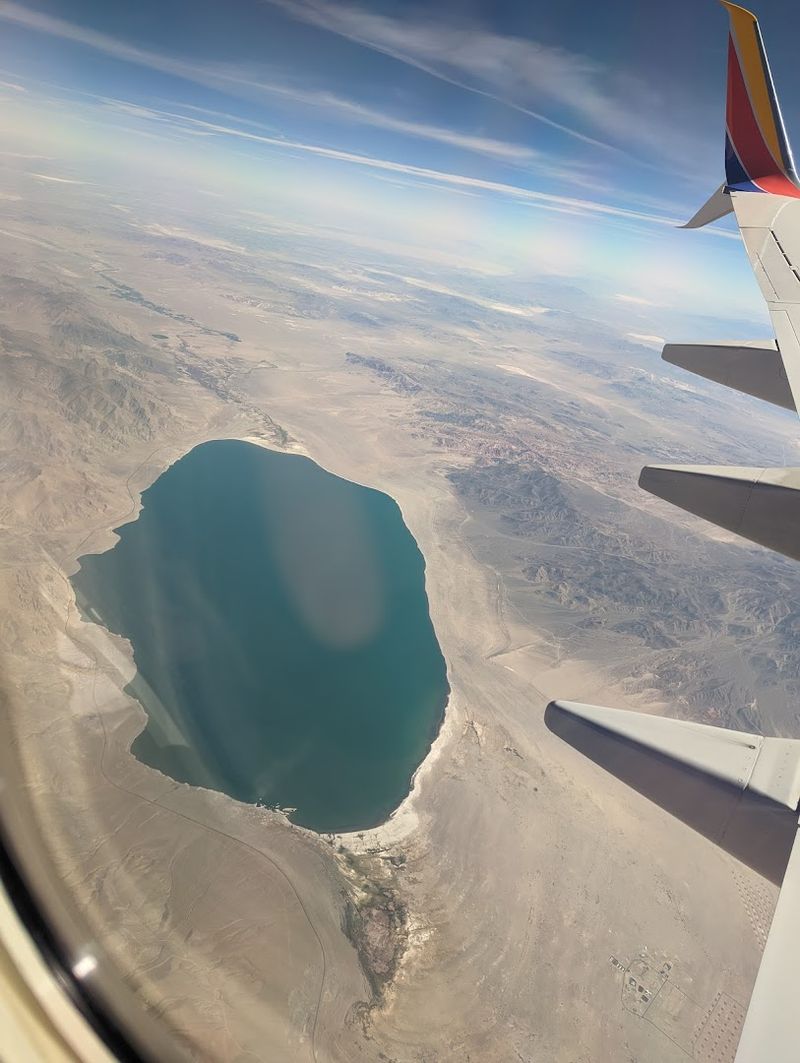
The story of how Walker Lake lost its water is not a dramatic single moment. It unfolded slowly, decision by decision, over the course of more than a hundred years, driven by agricultural expansion and a legal framework that treated water as a commodity to be claimed rather than a shared resource.
Upstream farmers along the Walker River began diverting water for irrigation in the late 1800s. The system of water rights that governs the American West, known as prior appropriation, essentially rewards whoever claims water first.
Those upstream claims left very little water to complete its journey down to the lake.
By the mid-twentieth century, the diversions had grown so extensive that the lake was receiving only a fraction of its natural inflow. The math was brutal and simple.
Less water in, more evaporation out, and a shrinking lake with no outlet to compensate.
What makes this especially complicated is that the farmers who diverted the water were not acting illegally. They were following the law as it existed.
The tragedy is that the law itself never accounted for what would happen to the lake sitting at the end of the line.
A 90% Loss in Volume
Numbers do not always land emotionally, but this one should. Walker Lake has lost approximately 90% of its total water volume over the past century.
That is not a slow natural change. It is a collapse.
The surface area has shrunk by more than half, and the depth has dropped so significantly that the concentration of dissolved salts has skyrocketed. Salinity levels in the lake are now so high that native fish species can no longer survive there.
The Lahontan cutthroat trout, once abundant, is essentially gone from the lake.
When salinity rises that sharply, it triggers a cascade of ecological failures. The insects that birds depend on disappear.
The birds stop coming. The food web unravels from the bottom up, leaving a body of water that looks like a lake but functions more like a slow-moving ecological void.
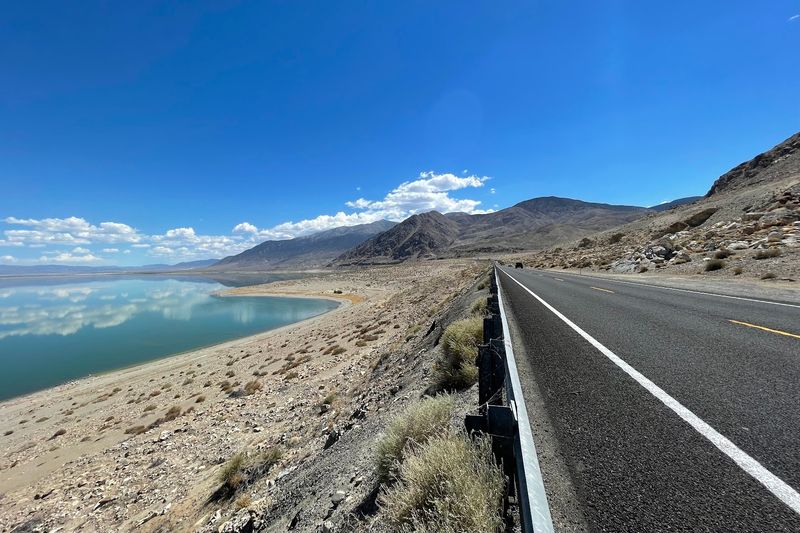
Driving along Highway 95 beside the lake, you can see the exposed lakebed stretching out beyond the current waterline. It looks almost lunar, pale and cracked, a ghost of the lake floor that used to sit beneath many feet of water.
That visual alone tells you everything you need to know about the scale of what has been lost.
The Tribe That Never Stopped Fighting
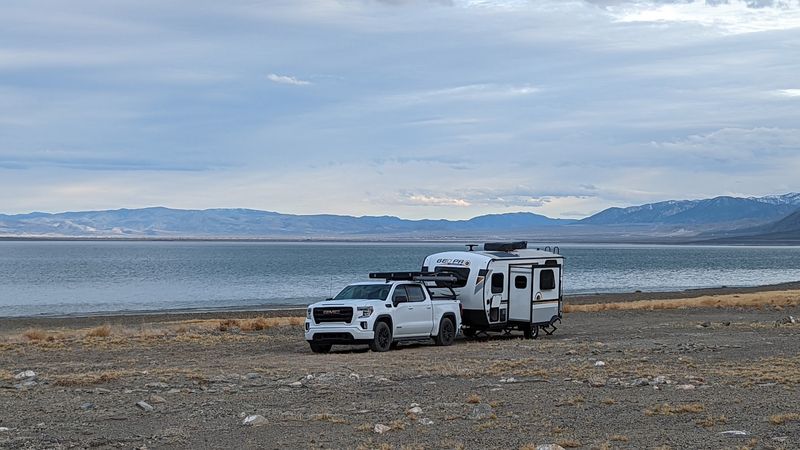
For the Walker River Paiute Tribe, this is not an environmental issue in the abstract sense. It is personal, generational, and urgent.
Their reservation sits right beside the lake, and the decline of the water has directly affected their culture, their economy, and their sense of place.
The tribe has been fighting for the lake’s restoration for decades, long before it became a story that outsiders paid attention to. They have participated in legal battles, advocacy campaigns, and negotiations with state officials, always pushing for the recognition that the lake has a right to exist and that their relationship to it must be honored.
In February 2026, the tribe joined Mineral County in filing a lawsuit aimed at addressing the water scarcity affecting Walker Lake. The case is significant because it challenges the existing framework of water rights and asks courts to weigh ecological and cultural needs alongside agricultural claims.
The outcome of that lawsuit could reshape how Nevada and other western states think about water law. For the tribe, though, it is not about legal precedent.
It is about getting the lake back to a place where their grandchildren might one day fish in it again, the way their grandparents once did.
The Conservancy Buying Water Back
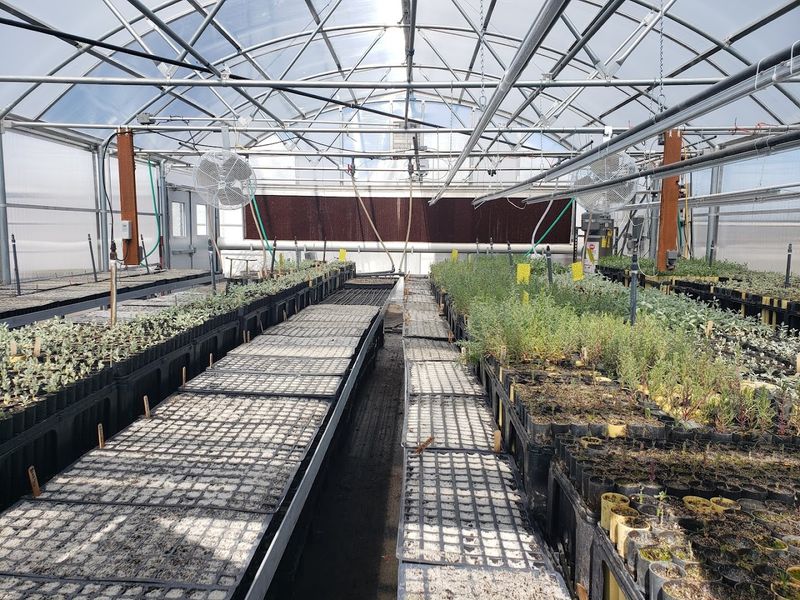
One of the more hopeful threads in this story is the work of the Walker Basin Conservancy, a nonprofit organization that has been systematically purchasing water rights from willing upstream sellers and redirecting that water back toward the lake.
It sounds straightforward, but the process is anything but simple. Water rights in Nevada are tangled in layers of legal complexity, and getting state approval to change how those rights are used requires time, money, and persistence.
The conservancy has been navigating all of that for years.
As of the most recent reports, the conservancy has acquired roughly 46% of the water rights it estimates are needed to meaningfully restore the lake’s health. That is real progress, and it represents millions of dollars spent and years of relationship-building with farmers who were willing to sell.
The remaining 54% is the hard part. Some landowners are not willing to sell, and others are watching the legal landscape to see how the 2026 lawsuit shakes out before making decisions.
The conservancy’s work is ongoing, patient, and necessary, even if the results will not be visible for many years. Restoration at this scale is measured in decades, not seasons.
What Visiting Walker Lake Feels Like Today
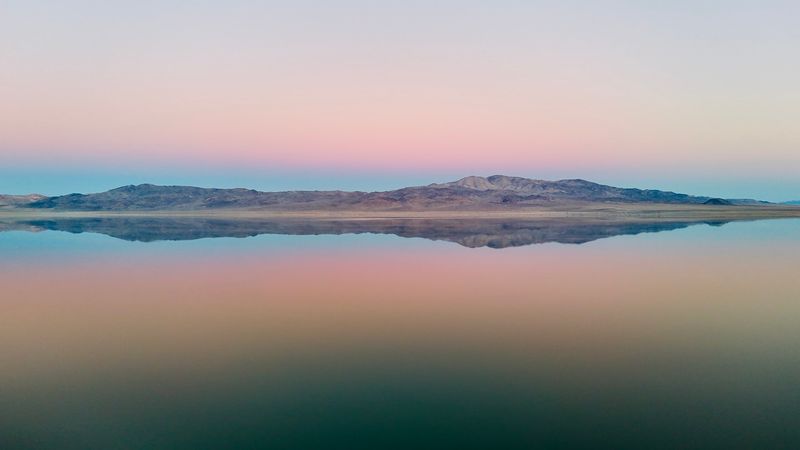
There is something quietly haunting about visiting Walker Lake in person. The scale of the basin makes the shrunken lake look even smaller by comparison, and the white mineral crust along the old shoreline tells the story without a single word of explanation.
I stood at the water’s edge on a calm afternoon and watched a few shore birds picking along the mudflat. The silence was immense.
No boats, no crowds, no noise except wind and the occasional bird call.
The water itself is still beautiful in a melancholy way. On clear days it reflects the mountains perfectly, and the color shifts from pale turquoise near the shore to a deeper blue toward the center.
You can see why people once thought of this place as a jewel.
Camping is available near the lake, and the area draws birders, photographers, and people who are drawn to remote, uncommon places. Hawthorne, the nearest town, is just a short drive away and offers basic amenities for travelers.
The lake does not offer the recreational options it once did, but it offers something rarer: a place that makes you think hard about how we use the natural world and who pays the price when we get it wrong.
Can Walker Lake Ever Come Back?
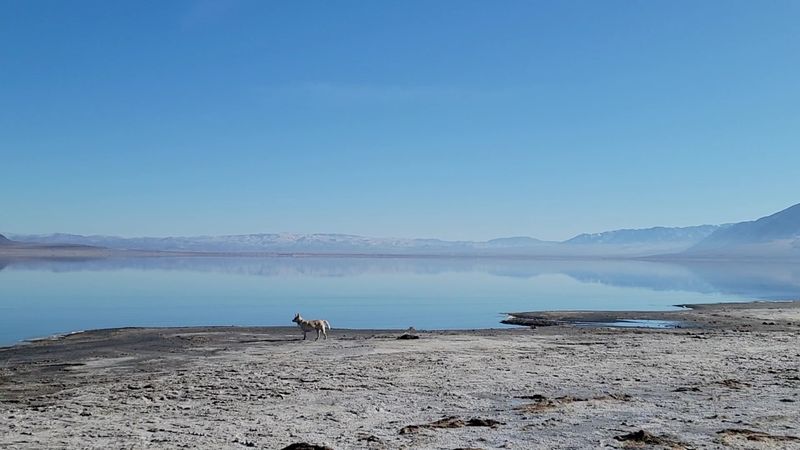
Honestly, the answer depends on who you ask and how optimistic they are willing to be. Scientists studying the lake say that meaningful recovery is possible, but only if significant volumes of water are returned consistently over many years.
That is a big if.
The legal, political, and financial obstacles are enormous. Water in the American West is not just a resource.
It is power, money, and identity for the communities that hold rights to it. Asking people to give up water rights, even for payment, runs against deeply held values about land and livelihood.
Climate change adds another layer of uncertainty. The Walker River basin has experienced drier conditions in recent decades, meaning that even if more water rights are purchased, there may simply be less water in the system overall to redirect toward the lake.
Still, the conservancy keeps buying rights. The tribe keeps fighting in court.
Scientists keep monitoring the salinity levels and watching for signs of change. There is a stubborn, collective refusal to give up on this lake, even when the odds look long.
Whether Walker Lake can truly come back is unknown, but the effort to save it says something important about what we are still willing to fight for.
