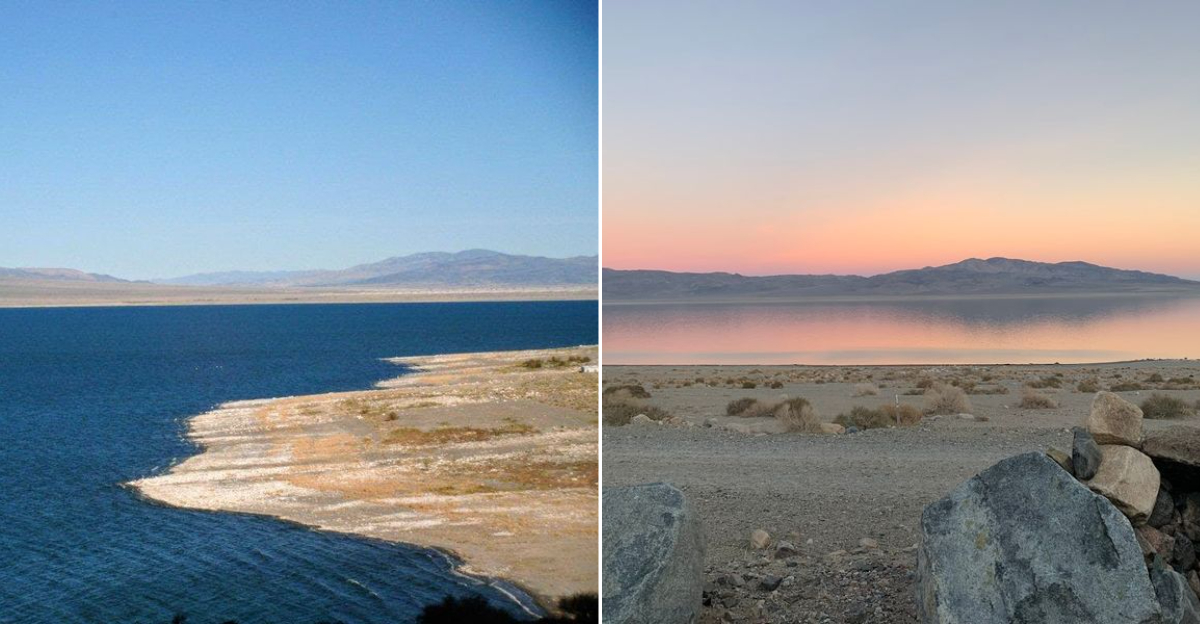
What happens when a desert lake with Ice Age roots starts shrinking so dramatically that the damage reaches far beyond the shoreline? This Nevada lake has become exactly that kind of story, with alarming low levels turning a once far larger body of water into one of the state’s clearest environmental warning signs.
The scale of the loss is what makes it so hard to ignore. Over time, the lake has given up most of its volume, changing not just the view but the entire ecological balance that once supported fish and migrating birds in this remote basin.
Even with recent signs of hope, the bigger picture still feels fragile. This is a deep desert lake with ancient origins, surrounded by stark mountain scenery, yet the real focus now is what happens when a place this important keeps slipping toward collapse.
If you think this is only a story about lower water, the ecological fallout surrounding it makes the stakes feel much bigger.
A Terminal Desert Lake In Trouble
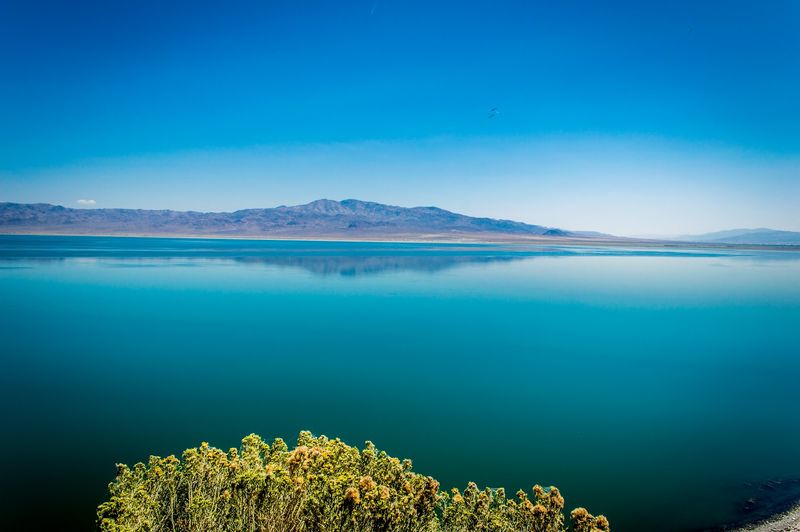
You know how some places feel both fragile and stubborn at the same time? Walker Lake is that kind of place, a terminal desert lake cupped by pale mountains and a sky that seems to stretch forever without blinking.
Water flows in through the Walker River when it can, but there is no natural outlet, so whatever arrives tends to stay and concentrate, especially when inflow slows.
Standing by the shore, you can read the story in layers. There are bands of lighter sand and salted crusts that mark higher water, like tree rings tattooed on the basin.
Walk a little and the mud stamps your shoes, then turns to cracked plates, and suddenly the waterline feels like a moving target you can never quite catch.
The trouble is not subtle anymore, and it is not just about looks. As inflows diminish, salinity rises, and that shift nudges the whole system off balance.
Native fish struggle, plankton communities flip, and the lake begins to lose the natural rhythm that once carried it through dry spells.
Yet it is still a place you want to linger. The air smells mineral and clean, and the quiet is so spacious that even a small ripple sounds important.
If Nevada teaches patience, Walker Lake teaches attention, and right now it is asking for both.
How Reduced River Flows Changed It
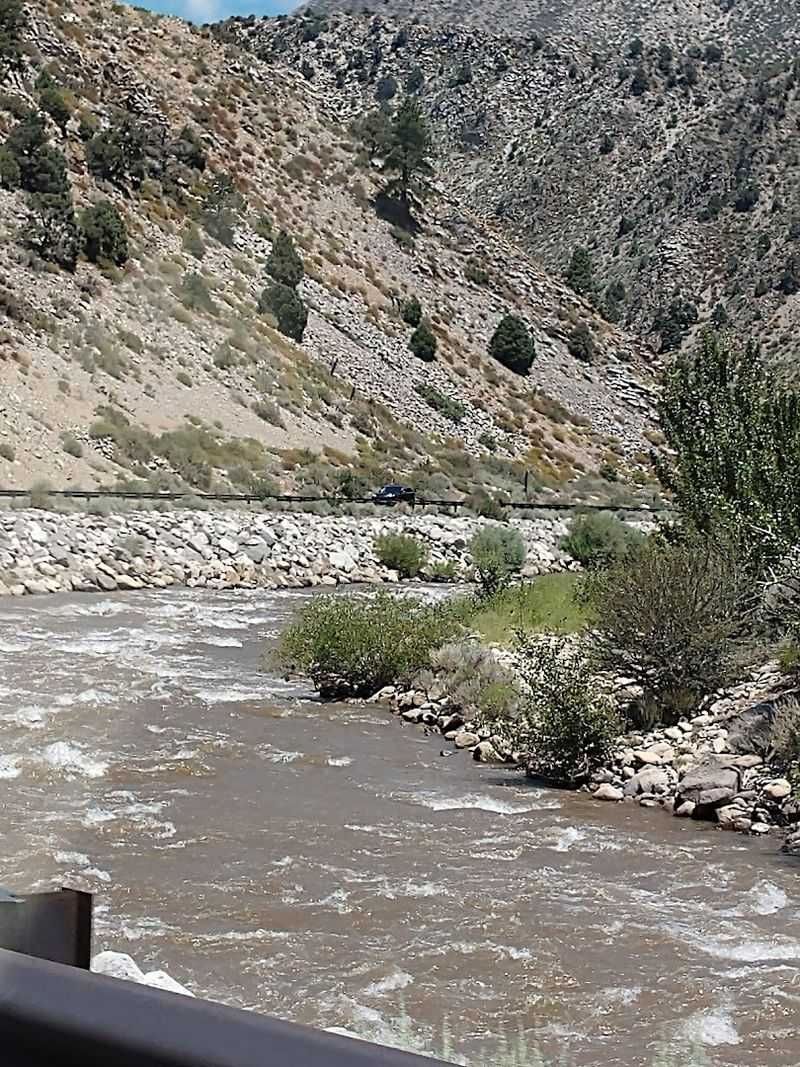
Remember how we talked about the Walker River being the lake’s only lifeline? When that flow gets pinched upstream for fields and towns, the lake feels it in ways you can see and ways you only notice after a while.
The line where river meets lake becomes quieter, sediment settles differently, and fresh water that once pushed out across coves barely makes a dent.
Over time, less inflow means the lake’s surface pulls back, exposing ridges and flats that used to be underwater. Those new shorelines look raw at first, then they harden into a new normal, even if you and I know it is not a great one.
Wind picks up the fine stuff, salt gathers in seams, and the color along the margin shifts from blue to a paler, more metallic tone.
Ecologically, that change sets off a chain reaction. Warmer, saltier layers linger longer.
The mixing that used to refresh the nearshore zone gets sluggish, and habitats that were once forgiving turn picky.
If you trace it back, it starts with a river that cannot quite reach like it used to, and a lake that must make do. Nevada has learned this lesson in more than one basin, but it feels personal when you are standing right here.
You can almost feel the missing water like silence between words.
The Salinity Problem Behind The Decline
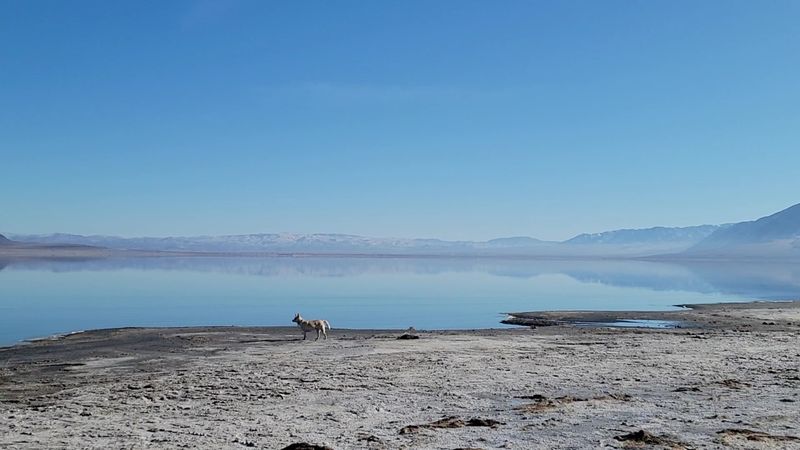
Here is the part that sneaks up on people. When less fresh water arrives, the lake still loses moisture to sun and wind, and the salts stay behind, slowly tightening the screws on every creature that needs a comfortable range.
You can taste it on the air some days, that mineral lick sitting at the edge of the breeze.
Salinity is not just a number; it is a neighborhood rulebook that decides who gets to live here. Plankton communities shuffle, invertebrates thin out, and fish that once cruised the shallows start struggling in places that used to be easy.
Even algae play by new rules, blooming differently, setting a different table for everything above them.
The curve is not kind. Once salt pushes past a certain threshold, recovery is harder, because the lake needs not only water, but enough of the right kind to tip the chemistry back.
That is the puzzle managers wrestle with, alongside the reality of a warmer, thirstier climate.
Standing with you on the shore, I catch myself doing simple math in my head, then stopping because the lake does not need my muttering. It needs time, cooler seasons, and real flow from the river.
Nevada has a salt story in many basins, but this one is written in bright white lines along the sand.
Why The Fishery Took A Major Hit
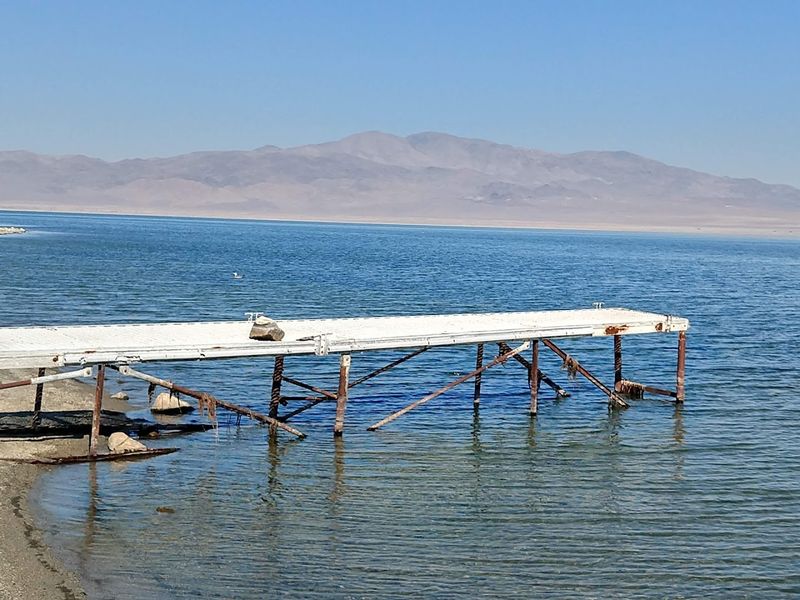
If you once cast a line at Walker Lake, you know the feeling of waiting for that steady pull. As the lake grew saltier and warmer, the window for native fish narrowed, and the whole routine changed.
Places that used to hold fish turned finicky, and the nearshore zone lost that easy, living hum.
It is not that life disappears all at once. It thins, it tires, and it gets pushed to edges where conditions feel barely workable.
Spawning runs that depended on a reliable temperature swing and gentler salinity found the goalposts moved, and a lot of days the game just did not happen.
Fisheries are like stories we tell across seasons, and the chapters need a certain order to make sense. When that order breaks, the next scene is either a hard pivot or a long pause.
Managers talk about thresholds, flows, and habitat space, but on the ground it reads as empty chairs by the water.
I still bring a friend here to look and listen, even if the rods stay in the car. It helps to remember that a fishery is not only about fish; it is about people who learned patience on these banks.
Nevada lakes have taught a lot of us that lesson, and I hope this one gets to teach it again.
Bird Habitat Loss Around The Lake
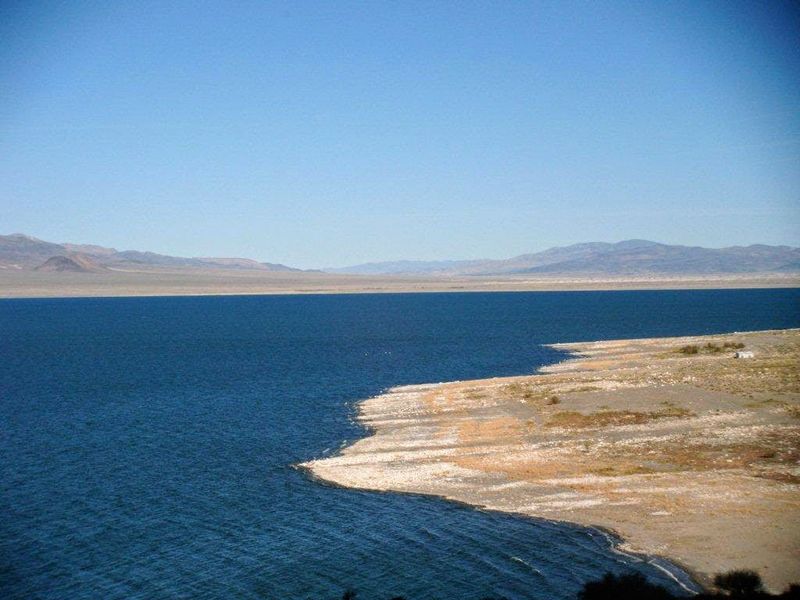
You can tell a lot about a lake by how birds treat it. On migration days, the air should feel busy, with calls skimming the surface and quick black silhouettes popping against bright water.
When water pulls back and salinity climbs, that buffet of invertebrates and small fish shrinks, and the stopover gets less generous.
Walk the exposed flats and you will see tracks that start strong, then fade where the crust gets sharp and the pickings get thin. Reed patches retreat, shorelines fragment, and the safe corners birds like to tuck into become scarce.
It is the kind of loss that does not shout, but it echoes in the quiet between wingbeats.
This is where timing matters. Birds are running on calendars built from daylight and weather, not human plans, and when they arrive to find the table cleared, there is not much to negotiate.
They bounce to other waters where they can, but that scramble carries a cost across the flyway.
Standing here with you, I keep scanning the sky, counting on habit to deliver a surprise. Some days the surprise does come, and it is a gift.
But I would rather count on habitat doing its dependable work, and I know Nevada can make that happen if we keep pushing for it.
What The Exposed Shoreline Reveals
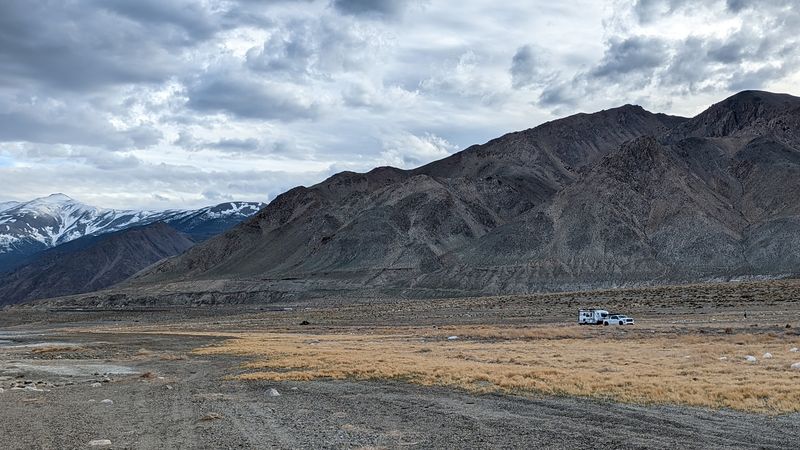
Let me show you the quiet archaeology of a receding lake. As water steps back, it leaves hints everywhere: drift lines caught in sage, bottle caps dulled to the color of silt, and clean bands where waves once folded and refolded the shore.
You can map old storms by the way debris stacks in curves.
The ground underfoot is half gallery, half caution tape. There are footprints of coyotes and kids, ribbed mud turned to ceramic, and little glints of mica that blink when clouds move.
Every few yards, the sand changes texture, telling you where waves used to knead it smooth and where they stopped returning.
Geology lovers have a field day here. The basin shows its bones, with alluvial fans fanning hard into the margin and a mosaic of gravels that read like a catalog of the range.
When the lake is healthy, much of that detail sits tucked away, doing its work unseen.
As a traveler, I try to read without getting too romantic. The beauty is real, but the message is practical.
If Nevada wants this shoreline to feel alive again, it needs more water in the bowl, and more shade in the calendar, so the lake can breathe between hot spells.
The Recreation Area That Still Draws Visitors
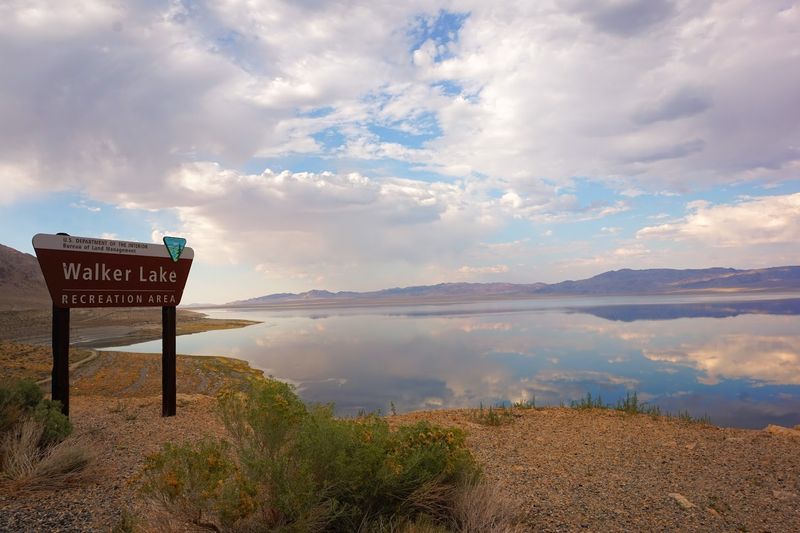
You might be surprised how steady the foot traffic is at Walker Lake Recreation Area. People still pull in with campers, unfold chairs under the shelters, and watch the light tilt across the basin like a slow show.
The amenities are simple, but the space and quiet do most of the work.
Even with the lower water, the vibe is calm. Families wander the shore looking for interesting rocks, photographers chase that mirrored evening, and stargazers linger because the sky out here feels honest.
You do not need a packed itinerary to feel content, just a little patience and a jacket for the breeze.
I like bringing first timers here, especially folks who think Nevada is only speed and neon. This spot is the pause button, and it helps people understand how desert water shapes mood and memory.
The rangers keep things straightforward, and trail signs point you toward the best views without fuss.
Of course, the setting speaks to the bigger story. You can enjoy a picnic and still feel the tug of a lake that wants relief.
That mix is what keeps people talking about Walker Lake long after they leave, and it is why the recreation area still matters as a front porch for the conversation.
Boating And Camping In A Stressed Landscape
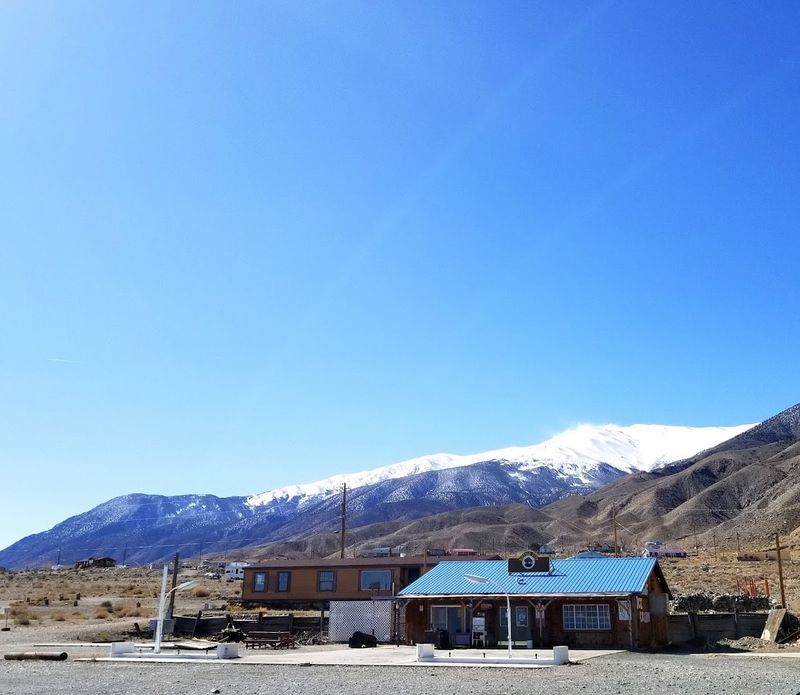
So, can you still boat and camp here? You can, though you plan with the lake’s mood in mind.
Lower water means longer walks to the edge, careful route checks, and a little extra patience when wind stacks small waves across shallow sections.
Camping is classic desert style. Open sites, clear views, and that slow drift of stars that keeps you looking up longer than you planned.
Mornings bring cool air and long shadows on the ridges, and if you step quietly you will hear shorebirds chattering where the mud still holds a little shine.
For small craft, timing and weather windows matter more than ever. Launch points can shift with the season, and it helps to talk with locals in Hawthorne before you commit to a plan.
The water may not invite big, fast days, but it still rewards careful paddles along the edges.
I think of it as camping with my ears open. The landscape is telling you what it can hold, and you respond with lighter footsteps and slower mornings.
Nevada camping culture understands that rhythm, and Walker Lake fits right into it, even while it asks for a kinder future.
The Fight To Help Refill Walker Lake
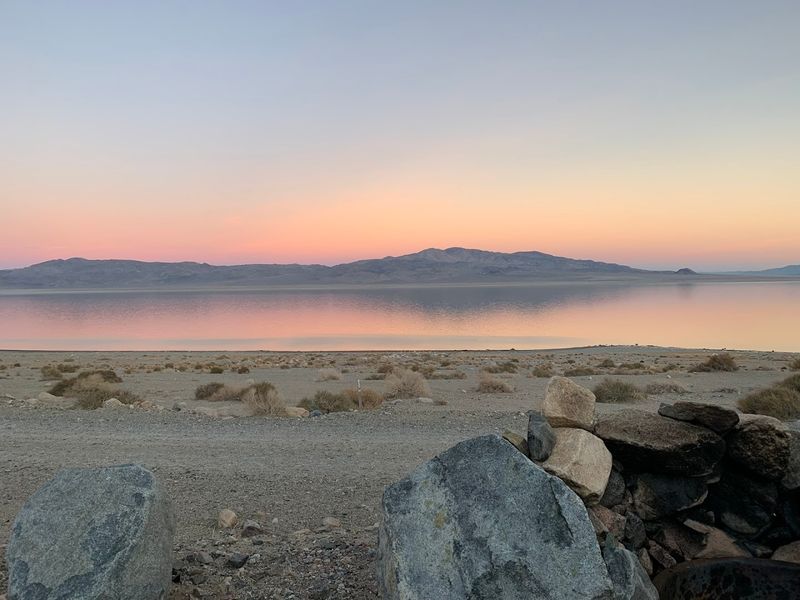
You asked who is actually trying to fix this, and the answer is a mixed team. Tribes, local groups, state folks, and federal partners keep nudging the puzzle, looking for ways to move more water downstream without shortchanging people who depend on the river.
It is a negotiation that lives in living rooms and at kitchen tables, not just in offices.
Some work focuses on efficiency so water gets where it needs to go without unnecessary loss. Some looks at habitat, giving the river longer, gentler edges so fish and bugs can thrive again.
And some pushes for creative agreements that shift timing so the lake receives steady sips when they matter most.
No one pretends this is easy, especially with climate leaning hotter and drier across Nevada. But I have met people who will not let the story end on a low note, and their persistence feels contagious.
They track flows, celebrate small wins, and refuse to mistake slow progress for no progress.
If you want to help, even simple attention counts. Learn the basics, share the stakes, and keep the lake in your conversations.
That is how public will stays warm, and how places like Walker Lake find their way back to balance.
Why This Lake Still Matters In Nevada
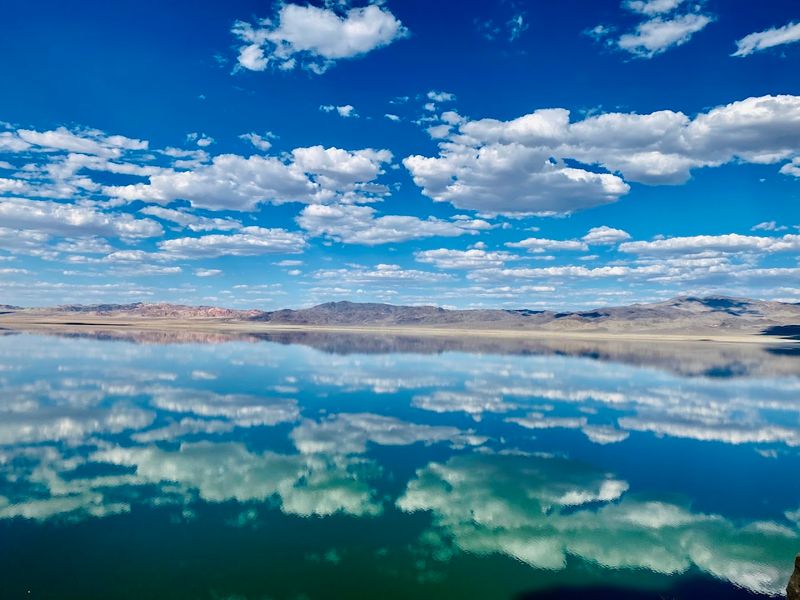
Let me put it simply. Walker Lake matters because it holds water in a place that teaches you what scarcity really means, and because that water gathers life that would not be here otherwise.
It is also a mirror for choices made up and down the river, choices that ripple through communities.
For Nevada, keeping a natural lake alive is a cultural decision as much as an ecological one. Kids learn seasons by the color of the water and the chatter of birds, and elders remember steadier shorelines that felt reliable.
The idea that a desert can cradle a lake with real depth is part of how people understand the state’s identity.
When we stand above the beach and look across that long, silver reach, it feels like a promise worth keeping. Not because of nostalgia alone, but because living systems repay care with resilience.
Give a lake time, shade, and fresh flow, and it will meet you more than halfway.
I carry that thought when I leave Hawthorne and point the car north. Even a quick pullout to watch evening light slide across the water reminds me why attention matters.
Nevada does big skies and long roads, but it also does commitments, and this lake deserves one.
Dear Reader: This page may contain affiliate links which may earn a commission if you click through and make a purchase. Our independent journalism is not influenced by any advertiser or commercial initiative unless it is clearly marked as sponsored content. As travel products change, please be sure to reconfirm all details and stay up to date with current events to ensure a safe and successful trip.
