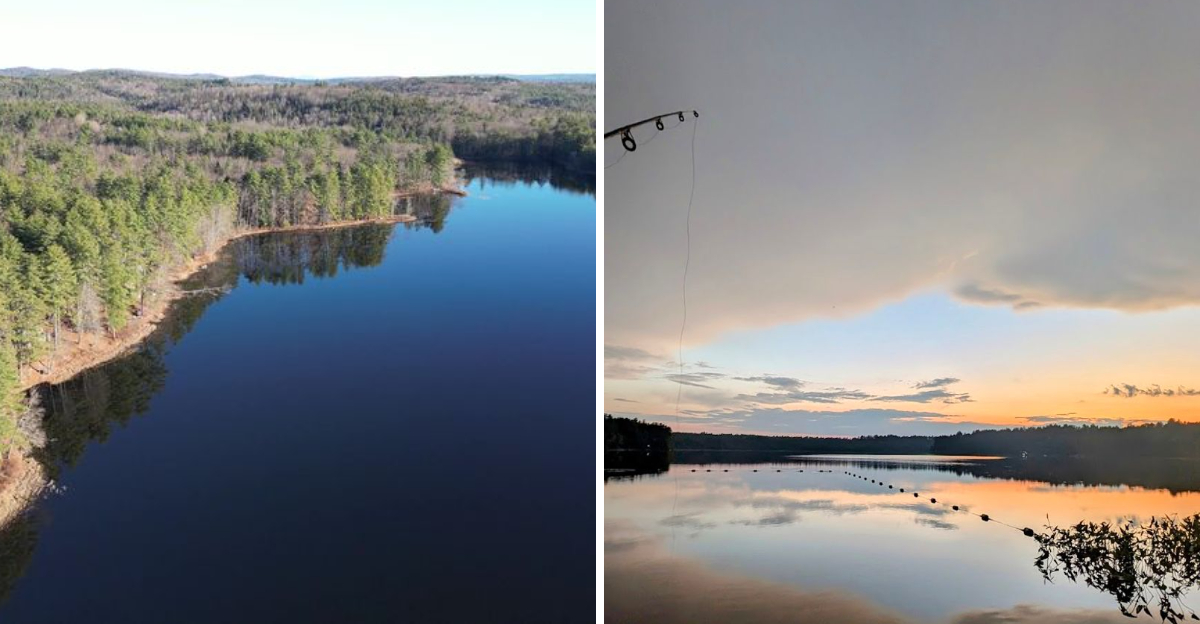
I have always been drawn to places with dark histories. The kind of places where something happened long ago, and the memory of it still lingers.
This New Hampshire mystery lake is one of those places. The legend dates back to the 1700s, and it is chilling enough to make you think twice before dipping your toes in the water.
According to local lore, a tragedy occurred on the lake centuries ago, and ever since then, strange things have been reported. Unexplained lights on the water at night.
Voices that seem to come from nowhere. A feeling of being watched.
I visited on a quiet afternoon, and the lake was calm and peaceful. But I could not shake the feeling that something was off.
The water was dark and still. The trees around the shore were silent.
I do not know if the legend is true, but standing there, I understood why people believe. That is the thing about this New Hampshire lake.
It keeps its secrets close.
Where the Name Haunted Lake Came From
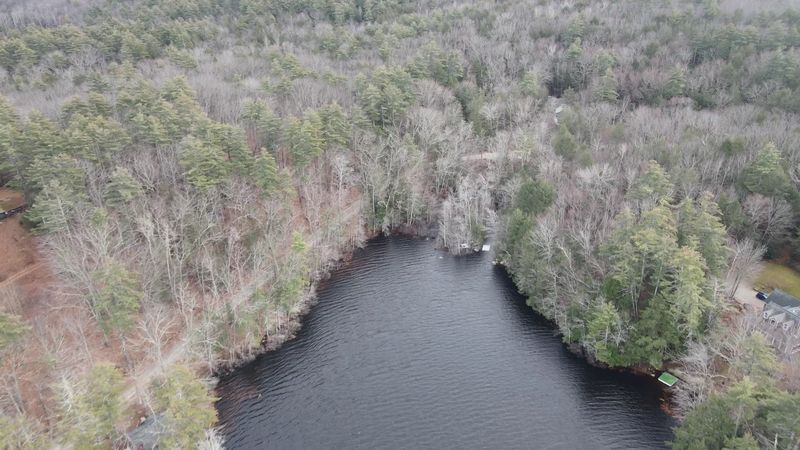
Long before mapmakers gave it a proper label, this lake already had a name that made people uneasy. Early settlers and Native inhabitants alike referred to it as “Haunted Pond,” a moniker rooted not in superstition alone but in genuinely unsettling experiences near its shores.
The name predates the formal settlement of Francestown itself, which tells you something remarkable about how powerfully this place affected the people who first encountered it. A landscape ravaged by fire had left the surrounding terrain charred and skeletal, giving the whole area a ghostly, otherworldly appearance that unnerved even the most hardened frontiersmen.
That visual desolation, combined with unexplained sounds drifting across the water at night, made the name feel less like a choice and more like a conclusion. New Hampshire has no shortage of scenic lakes, but none of them carry a colonial-era nickname this loaded with genuine historical weight.
The label stuck, passed down through generations, and today the lake wears it like a badge of honor, equal parts eerie and irresistible.
Matthew Patten’s 1753 Diary Entry That Changed Everything
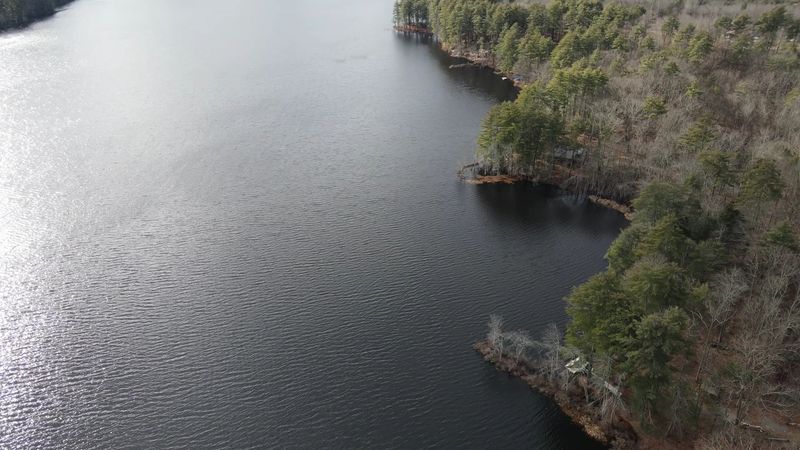
Surveyor Matthew Patten was not a man prone to exaggeration. In 1753, he was mapping the untamed interior of New Hampshire with the methodical precision of someone who trusted facts over feelings.
Yet his personal diary contains an entry about this lake that historians still find genuinely compelling.
Patten and his survey crew made camp near the pond’s outlet one night, and what followed was anything but a peaceful rest. Throughout the darkness, they heard groans and shrieks that sounded disturbingly human, cries that continued almost until dawn without any identifiable source emerging from the trees or water.
This is not a campfire tale invented decades later. It is a documented, firsthand account from a credible colonial professional, recorded in real time.
The fact that a trained, experienced outdoorsman felt compelled to write about these sounds in his official diary adds a layer of authenticity that casual ghost stories simply cannot match. Francestown’s most famous lake had, by 1753, already earned its place as New Hampshire’s most mysterious body of water, and Patten’s pen made sure the world would know it.
The 1740s Travelers and a Deadly Night by the Water
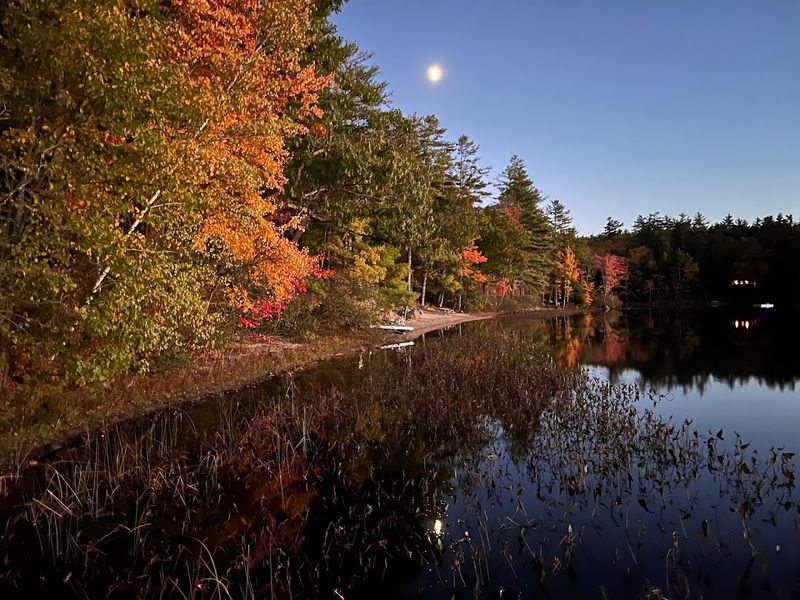
Even before Patten’s famous diary entry, the lake had already witnessed tragedy. A tale from the 1740s involves two land purchasers who were traveling separately through the region and found their paths converging near this foreboding stretch of water.
What happened next became one of Francestown’s most haunting pieces of oral history.
The two men made camp close to the water’s edge, and a violent argument erupted between them under the cover of darkness. The confrontation turned fatal, leaving one man dead and the other scrambling to conceal the evidence with a hasty, incomplete burial near the shoreline.
That grim act, carried out in desperation and secrecy, bound human tragedy to this landscape in a way that no amount of time could fully erase. It is exactly the kind of story that fuels generational folklore, a real event with real consequences, passed down through the community of Francestown until it became inseparable from the lake’s identity.
New Hampshire has plenty of beautiful waterways, but very few can claim a documented history this dark, this raw, and this genuinely unsettling at its core.
David Scoby’s Mill and the Skeleton Discovery Around 1780
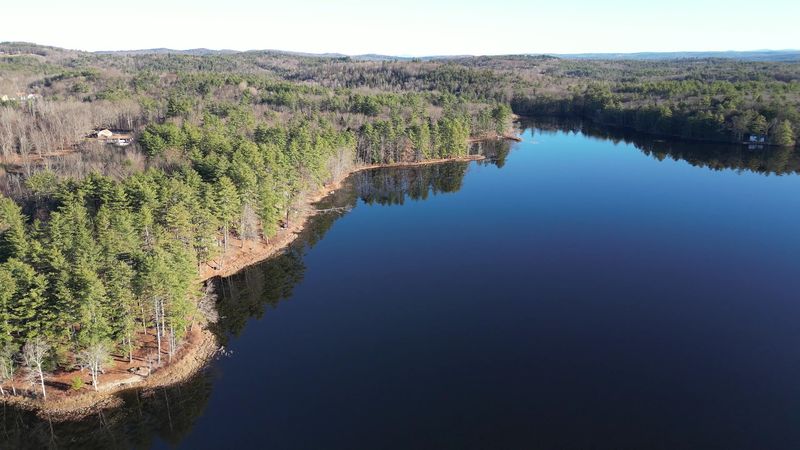
Around 1780, a settler named David Scoby established saw and grist mills near the lake’s outflow, bringing the kind of industrious colonial energy that was reshaping New Hampshire’s landscape. His workers were practical, hardworking people focused on timber and grain, not ghost stories.
Then they found the bones.
While dragging heavy logs over the bank near the water, workers uncovered a large human skeleton. Examination of the remains, particularly the teeth, suggested the bones belonged to a relatively young man, which immediately sparked intense speculation throughout the community.
The most widely accepted theory points to a lone hunter from the New Boston area who had been killed by a catamount, a mountain lion, while tracking game in the wilderness.
His companion, unable to transport the body, reportedly buried him on the spot, creating an unmarked grave that time and soil eventually swallowed whole.
The discovery gave the lake’s haunted reputation something it had lacked until that point: physical, tangible evidence. Suddenly, the groans heard by Patten’s crew decades earlier felt less mysterious and more heartbreakingly human, adding yet another unforgettable chapter to the story of Haunted Lake.
The Scoby Boys and Their Legendary Lakeside Pranks
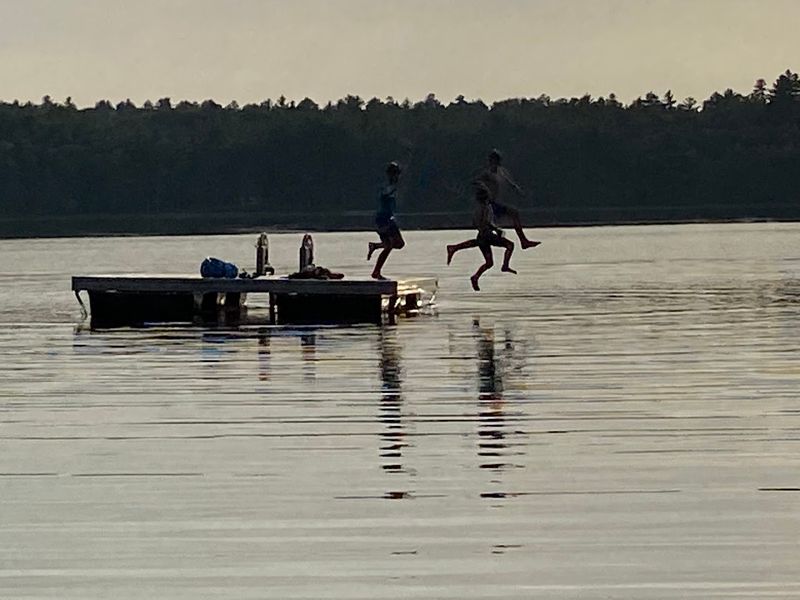
Not every chapter in this lake’s story is soaked in dread. Enter the Scoby Boys, the children of mill-builder David Scoby, who apparently decided that living next to a famously haunted lake was basically a golden opportunity for entertainment.
These young pranksters took full advantage of the local reputation in the 1780s.
They would run through the darkness near the water, shrieking and wailing, deliberately impersonating spirits and monsters to terrify anyone unfortunate enough to be passing by. Their antics were legendary enough to be remembered and recorded, which says a lot about the scale of their commitment to the bit.
Importantly, the Scoby Boys did not invent the lake’s haunted name; that reputation predated their mischief by decades. What they did was breathe fresh, chaotic energy into existing legends, keeping the stories vivid and circulating in the community long after the original events had faded from living memory.
It is a delightfully human footnote in an otherwise heavy history, proof that even the spookiest places attract a certain kind of irrepressible personality. Francestown’s most famous lake owes them a small, mischievous debt of gratitude.
Scobie Pond, the Modern Identity of a Very Old Mystery
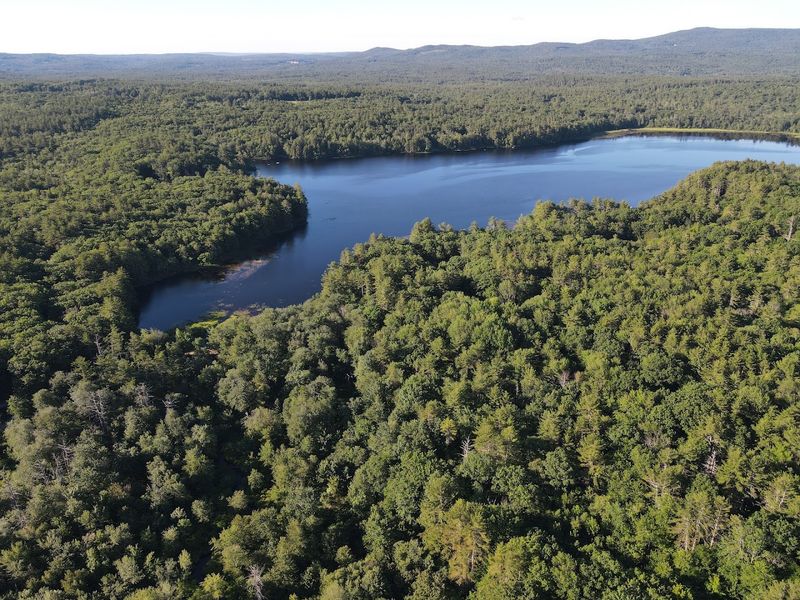
Today, the lake that once terrified surveyors and inspired generations of ghost stories goes by a more respectable official name: Scobie Pond. Named after that same David Scoby whose workers unearthed the famous skeleton, the pond spans roughly 140 acres and holds the distinction of being Francestown’s second-largest body of water.
The shift from “Haunted Pond” to “Scobie Pond” on official maps reflects how communities eventually domesticate their wildest histories, wrapping them in something more manageable. But locals and curious travelers still call it Haunted Lake, because some names are simply too good to retire.
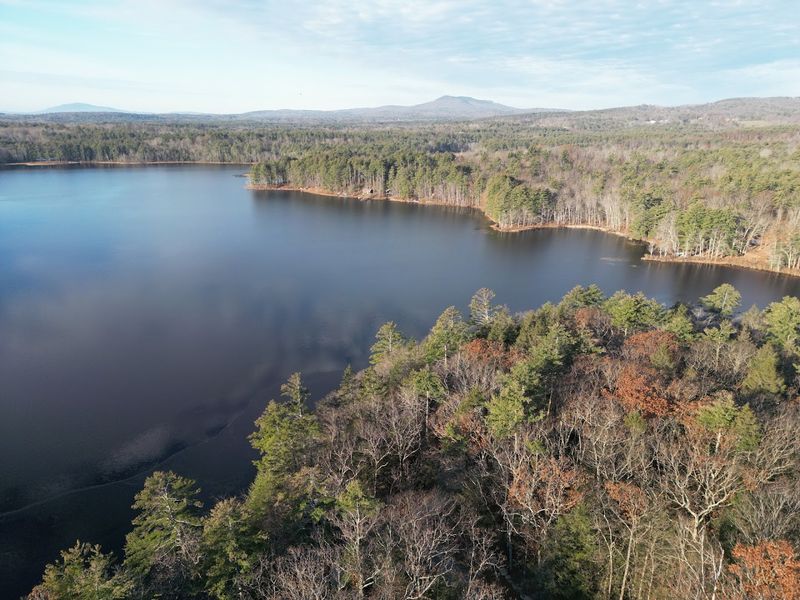
Arriving at the lake today, you are greeted by calm water, tree-lined shores, and the kind of peaceful New Hampshire scenery that makes you want to sit down and stay awhile. The contrast between its serene present and its turbulent past is genuinely striking.
Standing at the water’s edge on a quiet morning, it takes real effort to reconcile this tranquil scene with the documented groans, hidden skeletons, and midnight confrontations that shaped its legend. That tension between beauty and backstory is precisely what makes Haunted Lake one of the most compelling destinations in all of New Hampshire.
Swimming and the Town Beach Experience at Haunted Lake
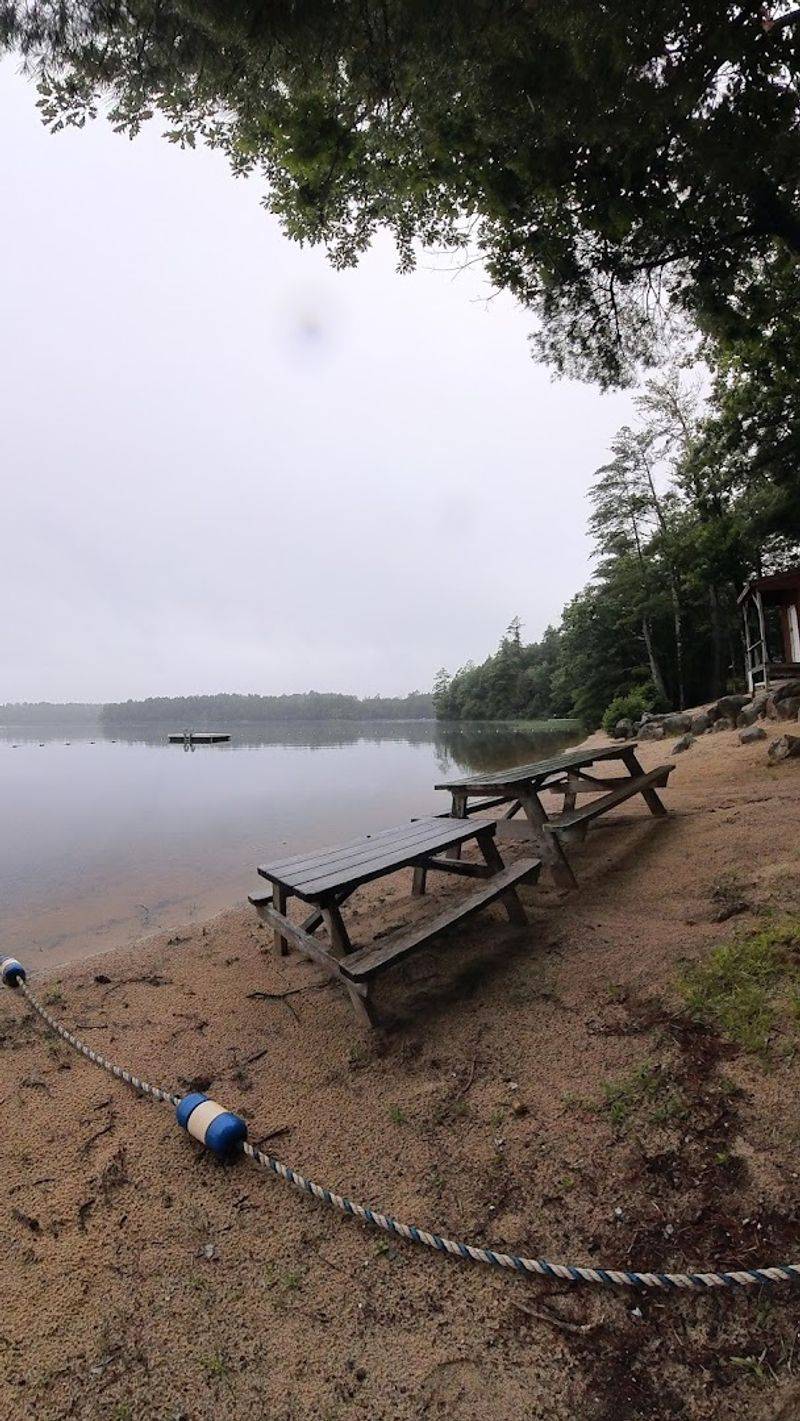
A lake with this much dark history might seem like an unlikely summer swimming destination, yet Haunted Lake pulls it off with surprising charm. The town beach here is a genuine local treasure, a small sandy stretch complete with a platform for jumping that draws families throughout the warm months.
Access to the beach is reserved for Francestown residents who hold a valid permit, which keeps the atmosphere refreshingly unhurried and community-focused.
A boat launch located just down the road from the main beach offers an easy alternative entry point for paddlers and anglers who want water access without the parking puzzle.
The New Hampshire Department of Environmental Services monitors water quality at the lake from Memorial Day through Labor Day, providing regular updates that give swimmers confidence in the conditions. The water tends to be warm and inviting by midsummer, and the shallow entry makes it particularly appealing for young children.
Lifeguards maintain a strong presence during peak hours, adding an extra layer of comfort for families. For a lake whose name alone could send shivers down your spine, the beach experience here is remarkably sunny, relaxed, and genuinely enjoyable in every season that New Hampshire cooperates.
Kayaking and Paddling on Famously Mysterious Waters
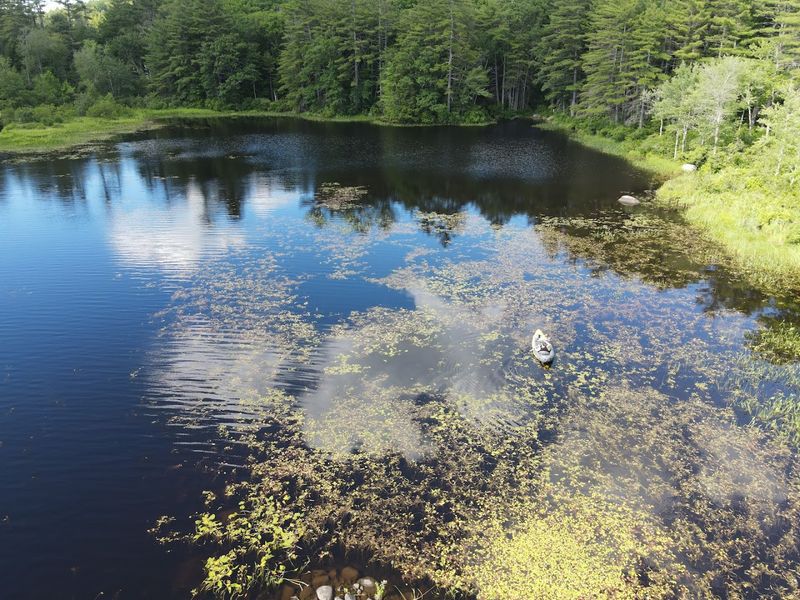
Gliding across Haunted Lake in a kayak is one of those experiences that quietly rewires your brain. The water sits still on calm mornings, reflecting the surrounding tree line in a way that feels almost too perfect, and the silence is the kind that makes you hyper-aware of every small sound around you.
A boat launch provides easy access for paddlers, and the lake’s modest size makes it ideal for a relaxed exploration rather than an exhausting expedition.
You can circle the entire shoreline at a comfortable pace, taking in the varied textures of the banks, the reedy coves, and the occasional glimpse of wildlife moving through the trees.
Paddleboarding is another popular option here, and the generally calm surface makes Haunted Lake a forgiving spot for beginners still finding their balance. The experience carries a certain atmospheric weight that you simply cannot replicate on a busier, more developed body of water.
Knowing that Matthew Patten once camped near this very outlet, listening to unexplained sounds in the darkness, adds a layer of storytelling richness to every stroke of the paddle. New Hampshire has countless beautiful lakes, but very few offer this particular blend of outdoor recreation and genuine historical atmosphere.
Fishing at Haunted Lake and What Lurks Beneath
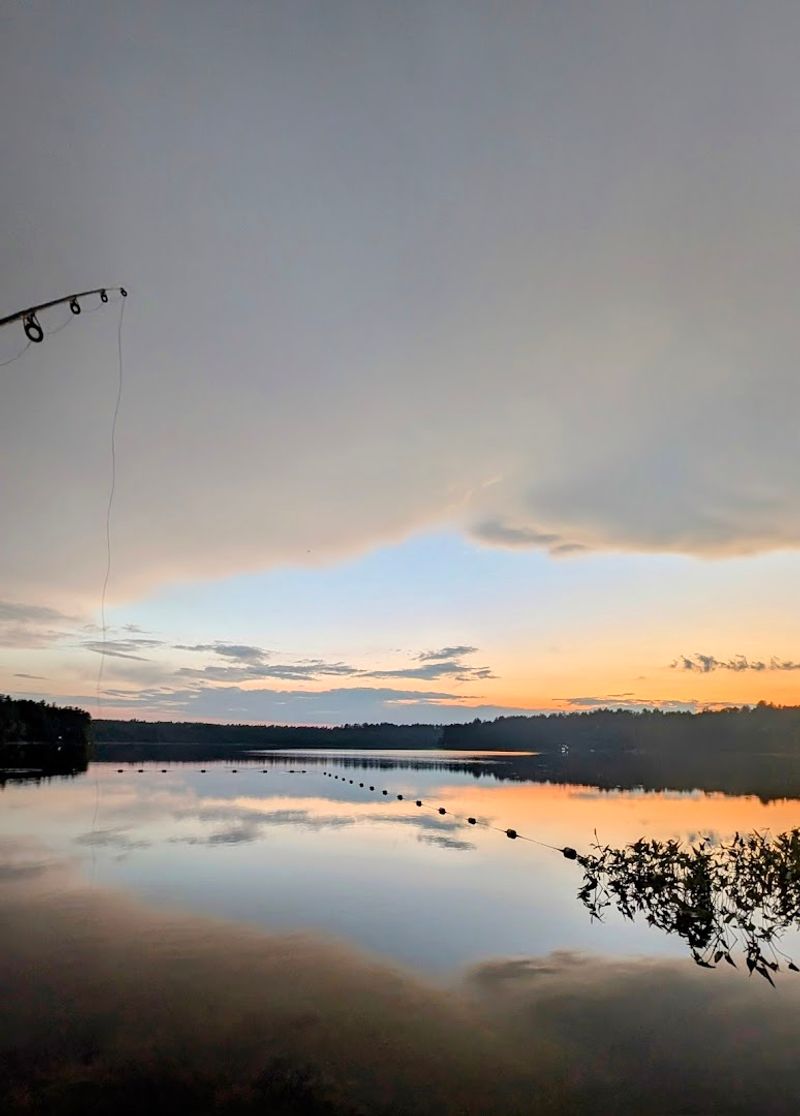
Something genuinely exciting lurks beneath the surface of Haunted Lake, and for once it has nothing to do with colonial ghosts. The New Hampshire Fish and Game recognizes this pond as home to a solid variety of species that keep anglers coming back with enthusiasm and well-stocked tackle boxes.
Largemouth bass are the headline act here, with a population healthy enough to reward patient anglers with respectable catches. Pickerel, black crappie, and brown trout round out the roster, offering enough variety to keep any fishing style interesting across different seasons and conditions.
Ice fishing adds a whole other dimension to the Haunted Lake experience during the colder months, when the frozen surface transforms the lake into a quiet, frosty platform for bundled-up anglers drilling through the ice in pursuit of crappie and perch.
Early mornings in summer are particularly productive for bass, when the light is low and the water is undisturbed.
Casting a line here while the mist rises off the water and the surrounding New Hampshire forest wakes up around you is one of those simple pleasures that reminds you exactly why people fall in love with this corner of New England in the first place.
Planning Your Visit to Haunted Lake in Francestown
Francestown is the kind of New Hampshire town that rewards slow travel. The village center is anchored by the historic Francestown Meetinghouse, a beautifully preserved structure completed in 1803 that now hosts local arts events and community gatherings throughout the year.
Wandering the surrounding streets reveals antique shops and quiet corners that feel genuinely unhurried.
For outdoor enthusiasts, the Francestown Land Trust manages conservation lands and trail networks that connect the broader landscape around the lake.
They’re offering walking and hiking opportunities that extend well beyond the water’s edge. Nearby Crotched Mountain adds skiing in winter and panoramic views year-round for those who want to expand their itinerary.
The best time to visit Haunted Lake depends entirely on what you are chasing. Summer brings the beach, swimming, and paddling.
Autumn transforms the surrounding forest into a riot of color that makes every photo effortless. Winter offers ice fishing and a hushed, dramatic stillness that feels entirely appropriate for a place with this much history.
You can find Haunted Lake at Francestown, NH 03043, with the Francestown Village Store at 74 Main St serving as a handy landmark for the heart of this unforgettable New Hampshire village.
